
martphones
Most smartphones require:
18W–45W charging
USB-C PD compatibility
Recommended:
Benefits:
Supports current fast charging standards
Provides future compatibility
Works with multiple devices
A high-quality USB-C fast charging cable can support smartphones, tablets, and power banks.

iPhone Devices
Newer iPhones use USB-C ports.
Recommended:
60W charging capability
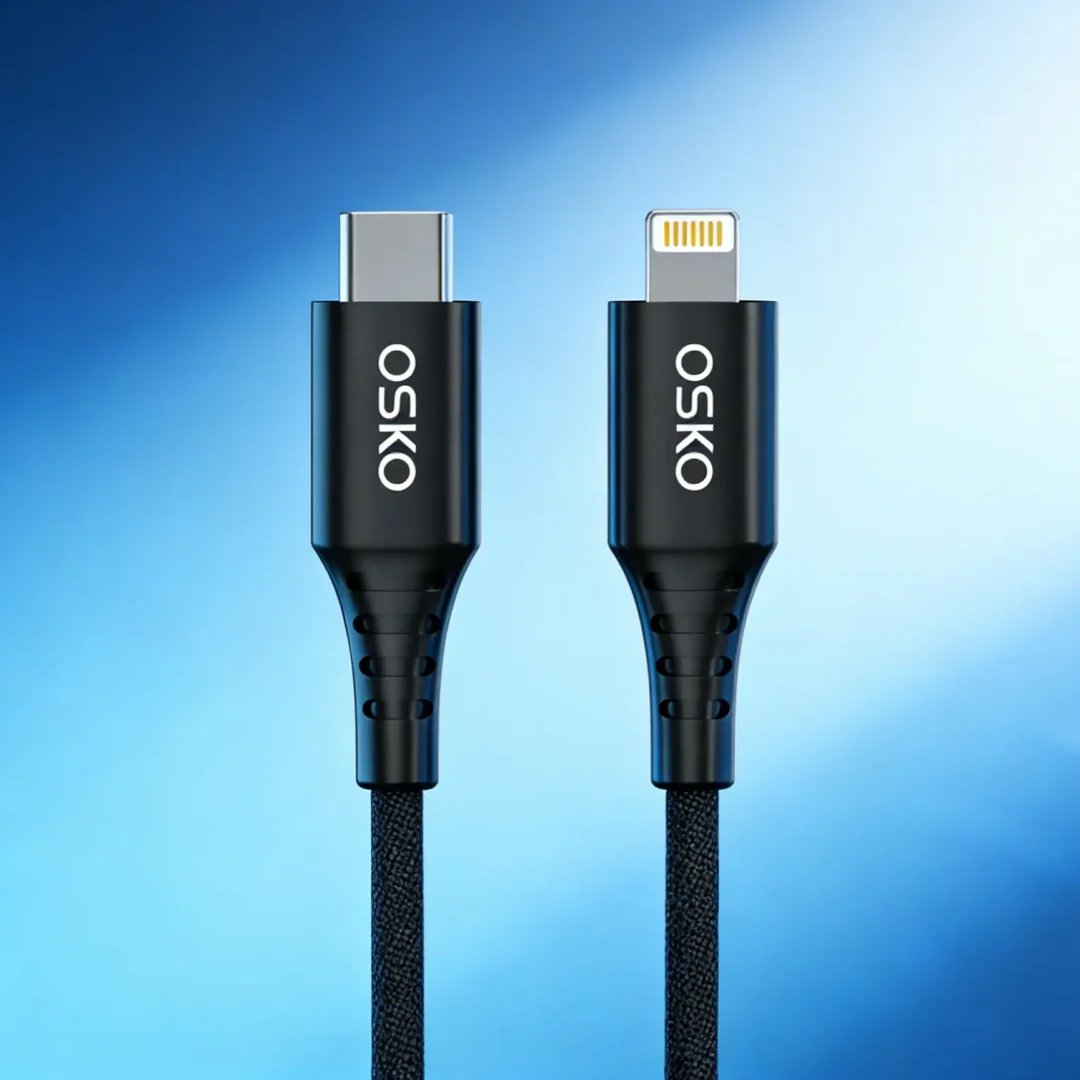
Older Lightning models require:
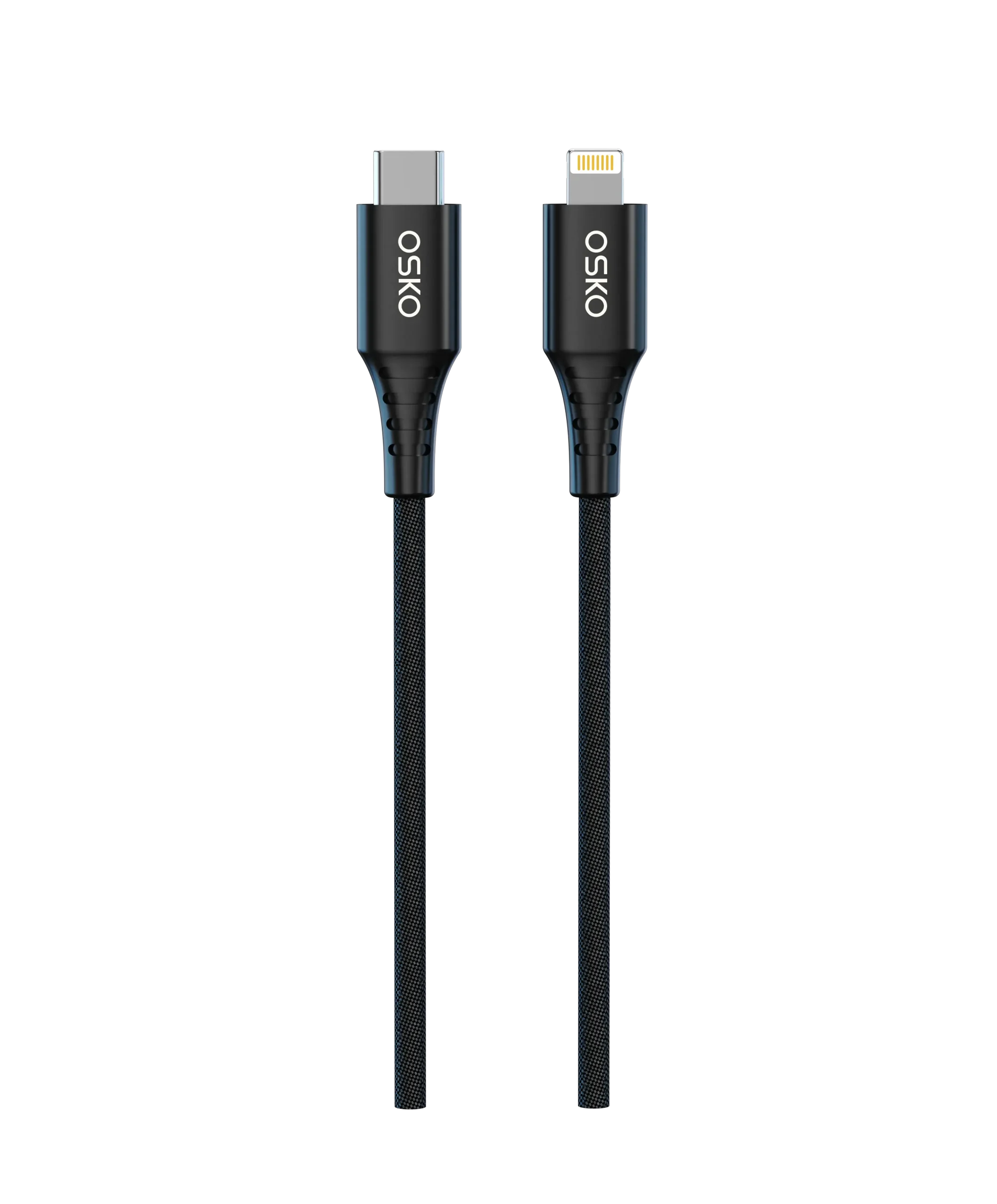
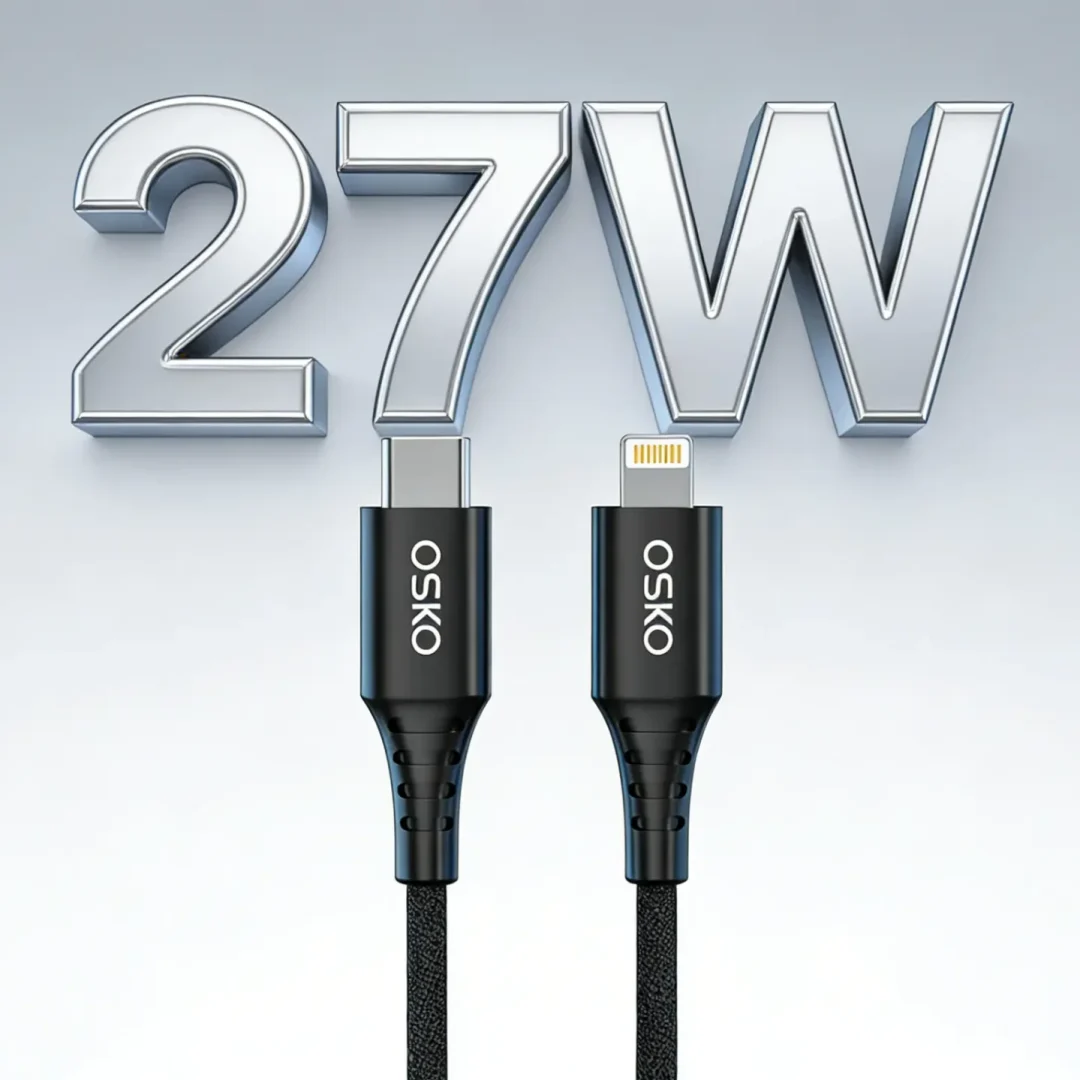
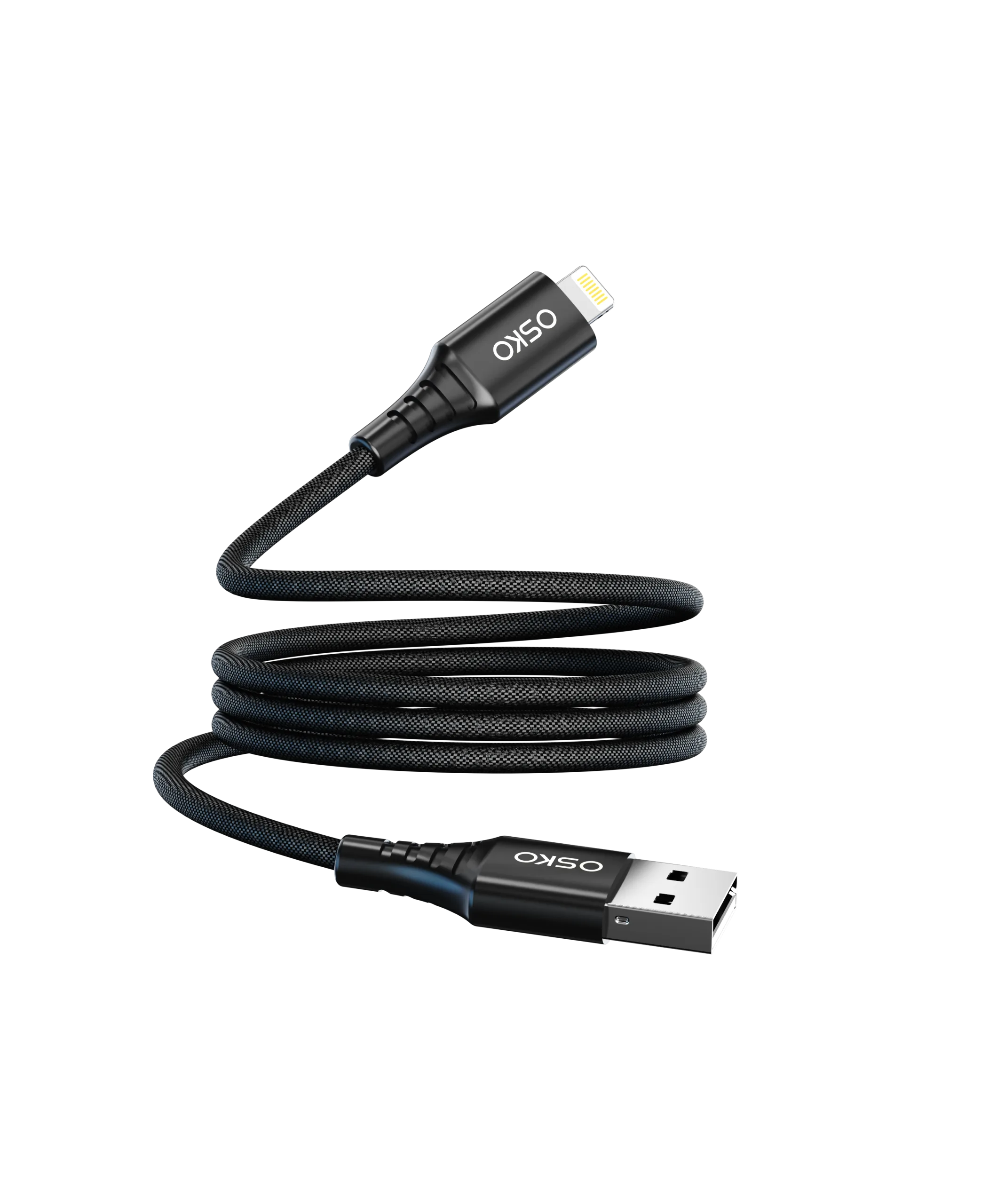
USB-C to Lightning cable
PD-compatible charger
For retail markets, brands often develop:
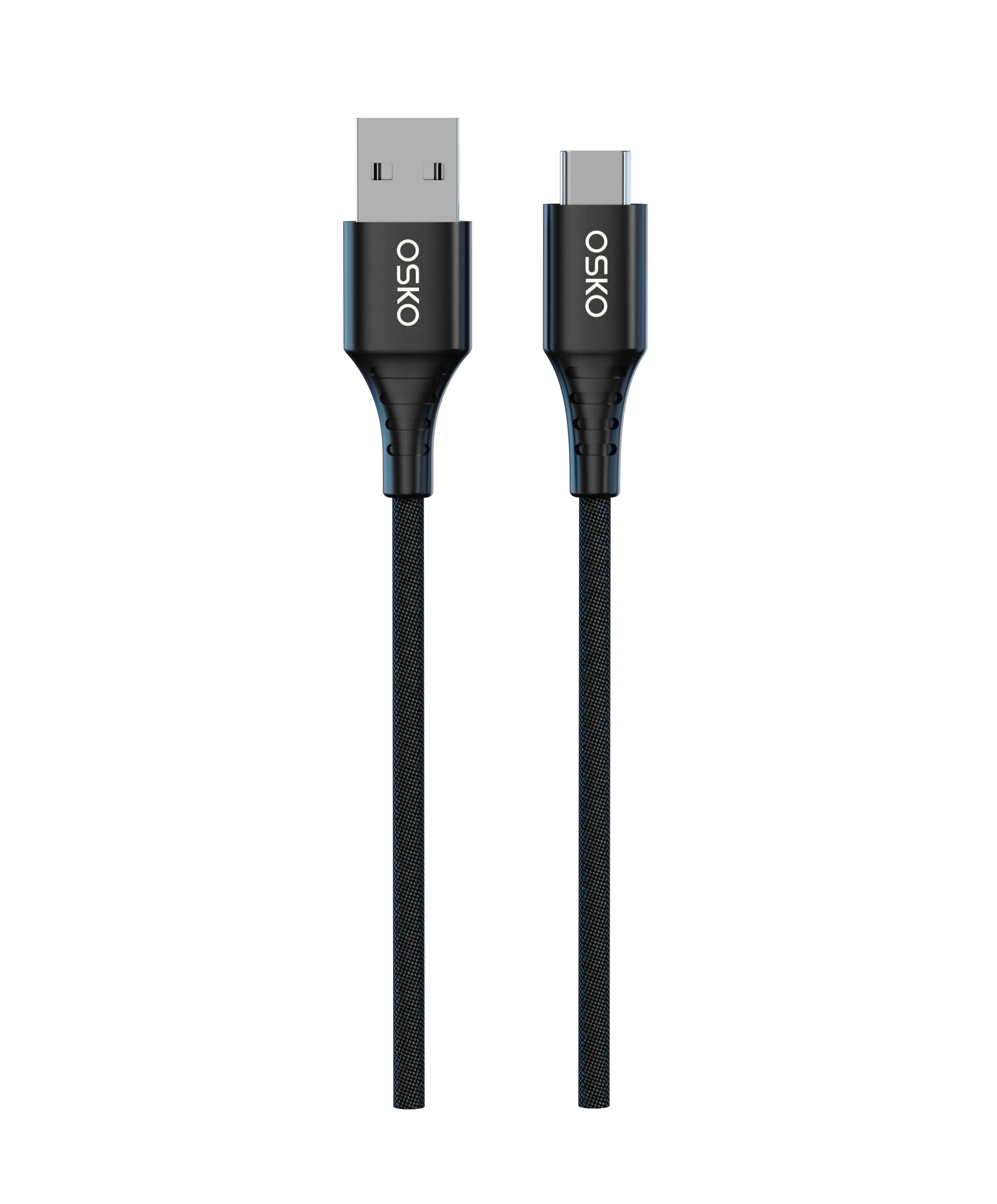
USB-C charging cables
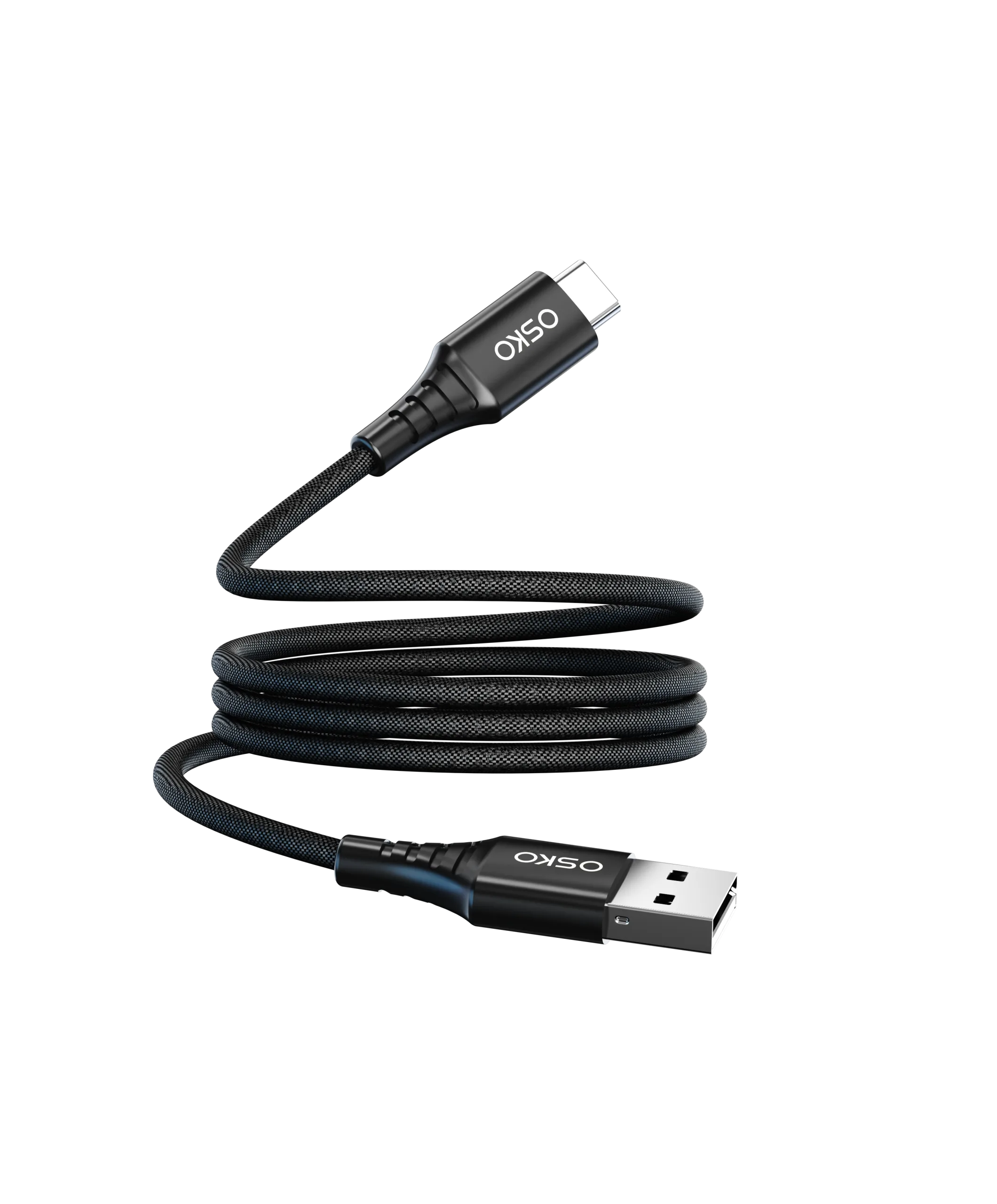
Braided iPhone charging cables
MacBook Pro and Laptops
Laptop charging requires higher power.
Recommended:
| Device | Cable Recommendation |
|---|---|
| MacBook Air | 60W USB-C cable |
| MacBook Pro | 100W USB-C cable |
| Professional laptop | 100W–240W USB-C cable |
A reliable laptop charging cable usually requires:
5A current support
E-marker chip
Larger copper conductors
Why E-Marker Chips Matter in Fast Charging Cables
High-power USB-C cables require intelligent identification.
The E-marker chip communicates:
Maximum current capability
Supported power level
Safety information
For example:
A 100W USB-C cable tells the charger:
“This cable supports 5A charging.”
Without E-marker technology:
Charger output may be reduced
Laptop charging may become slower
High-power charging may fail
Professional suppliers producing 100W USB-C cables and 240W USB-C cables must include proper E-marker testing.
Cable Materials Affect Fast Charging Performance
Fast charging generates more heat than standard charging.
Therefore, cable material quality becomes important.
Copper Conductor Design
The internal conductor directly affects:
Current transmission
Voltage stability
Heat generation
High-quality cables use:
Better copper materials
Optimized conductor size
Lower resistance structure
Poor conductor design may cause:
Power loss
Slow charging
Excessive heat
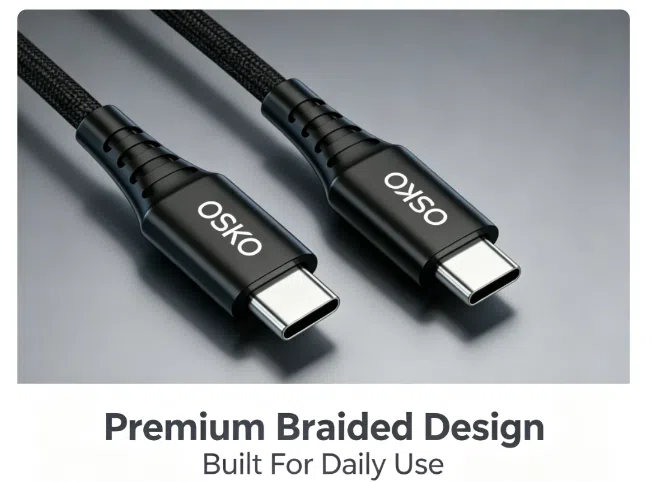
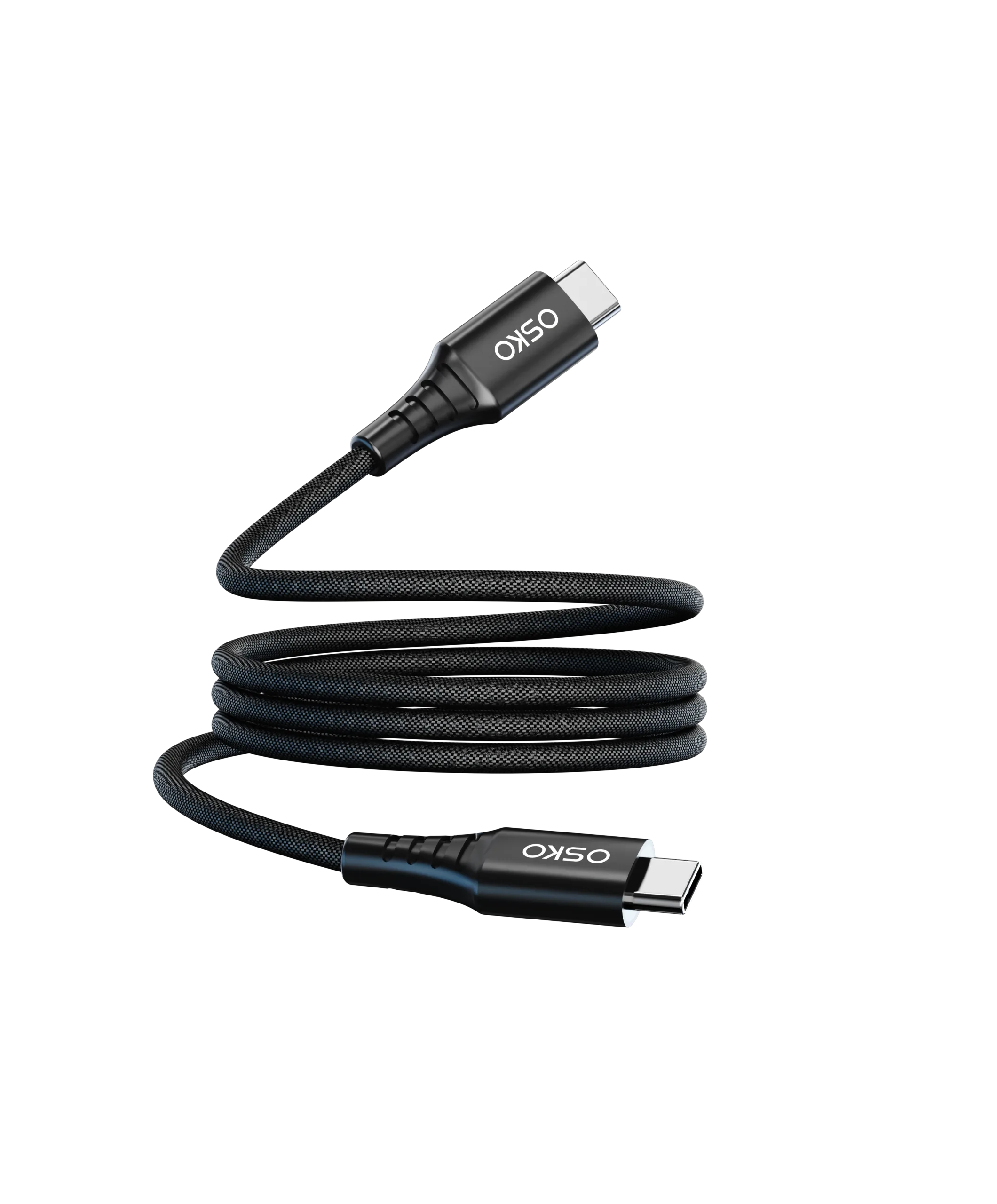
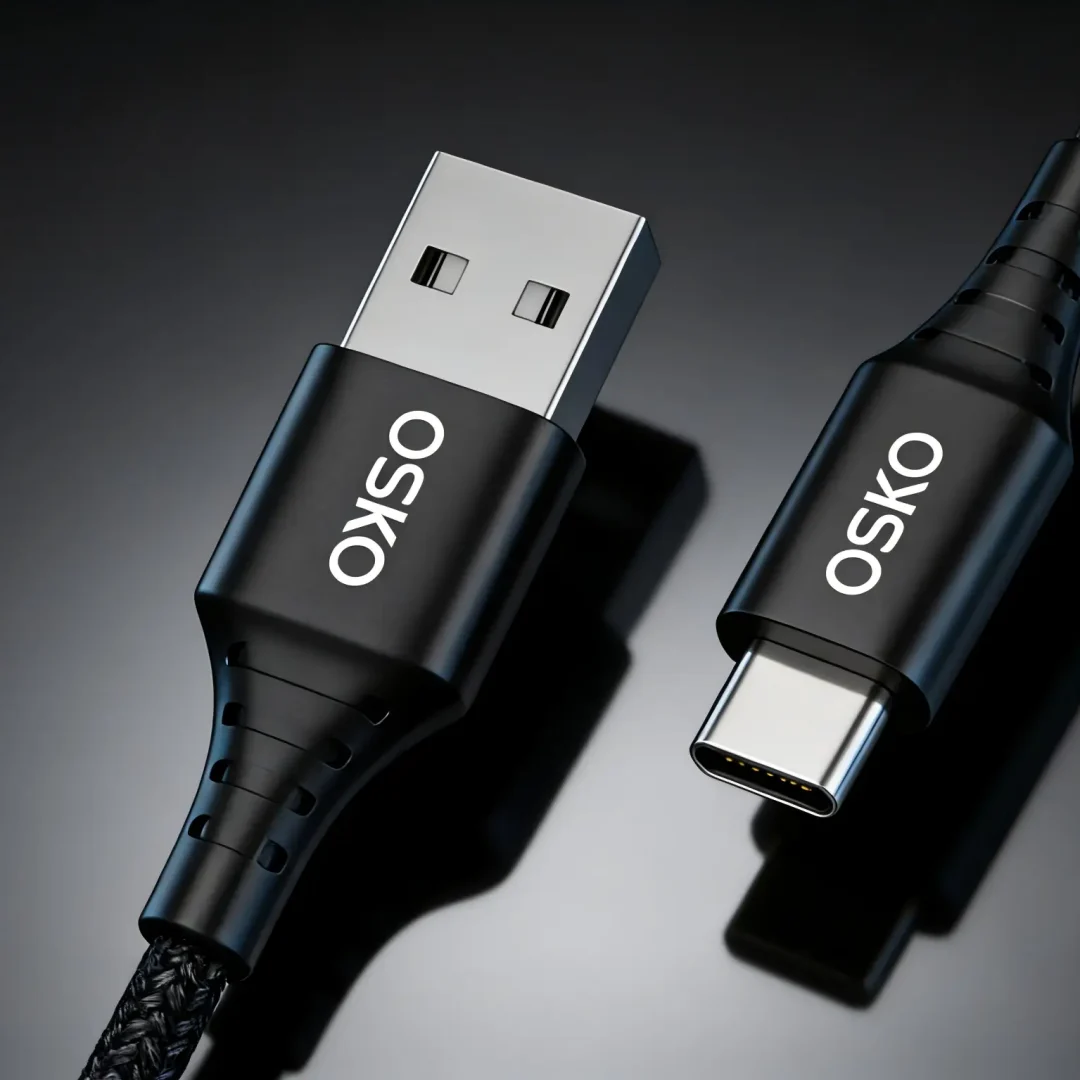
Nylon Braided Cable Structure
A braided outer layer improves mechanical durability.
Advantages include:
Better abrasion resistance
Higher bending strength
Reduced tangling
Longer service life
Applications:
Travel charging cable
Desk charging cable
Car charging cable
Premium retail products
Many brands choose a Heavy duty braided USB-C cable manufacturer for durable fast charging products.
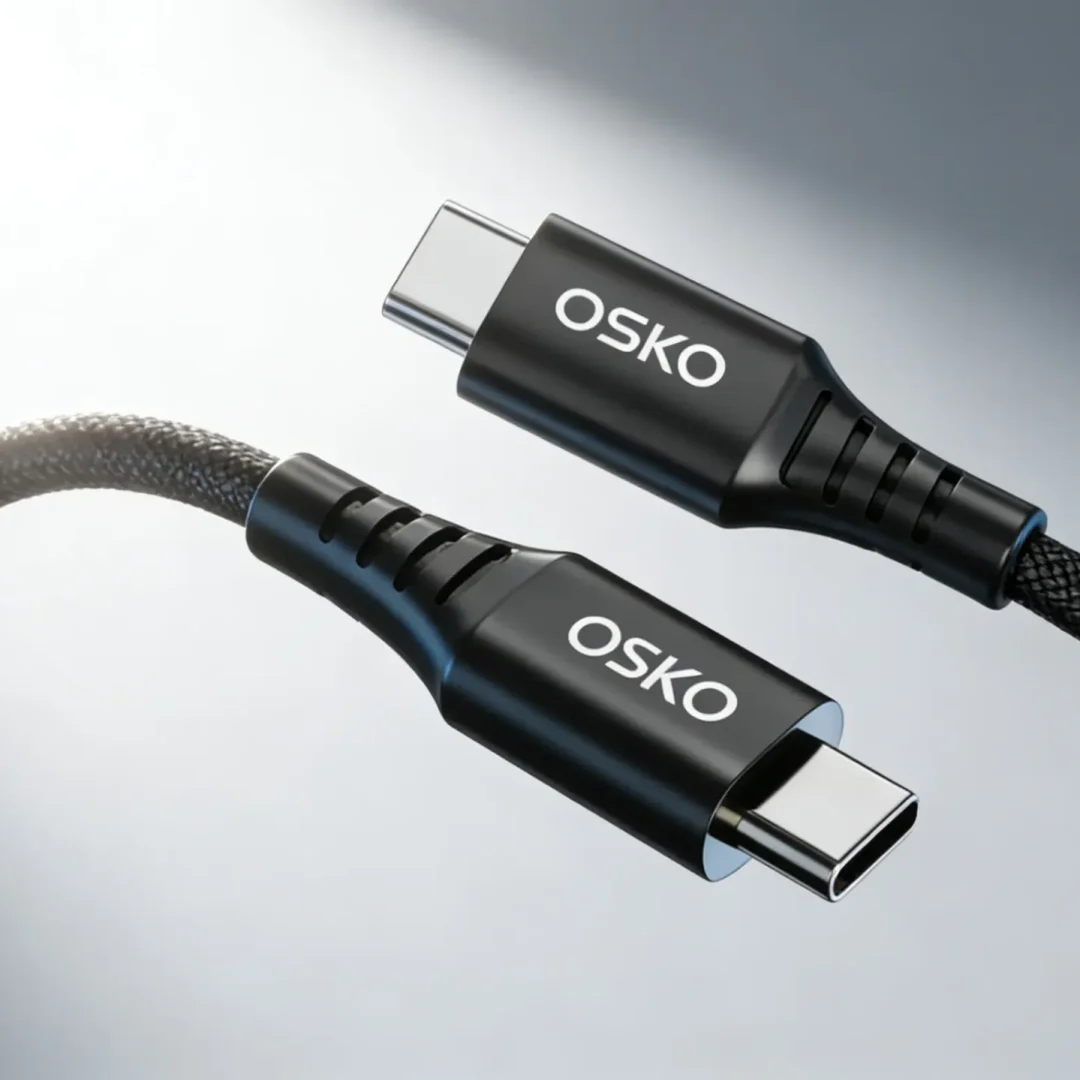
Connector Engineering
The connector is one of the most common failure points.
A durable fast charging cable should include:
Reinforced strain relief
Strong connector housing
Accurate pin alignment
Heat-resistant materials
Poor connector design may cause:
Intermittent charging
Loose connection
Data failure
How Cable Length Affects Fast Charging
Cable length influences electrical resistance.
Longer cables create:
More resistance
Greater voltage drop
Potential charging speed reduction
| Cable Length | Recommended Application |
|---|---|
| 1ft | Power bank and travel |
| 3ft | Smartphone charging |
| 6ft | Desk charging |
| 10ft | Large workspace |
For longer cables, manufacturers need better conductor design.
Professional suppliers can provide:
OEM ODM custom length USB C cables
for different applications.
USB-C Fast Charging Cable Comparison
| Cable Type | Charging Power | Best Application |
|---|---|---|
| USB-C 60W Cable | Medium power | Phone, tablet, travel |
| USB-C 100W Cable | Laptop charging | Office and professional users |
| USB-C 240W Cable | Maximum PD power | High-performance devices |
| USB-C to Lightning Cable | Apple fast charging | Older iPhone/iPad |
Case Study
US Electronics Retailer Develops Fast Charging Cable Product Series
Customer Background
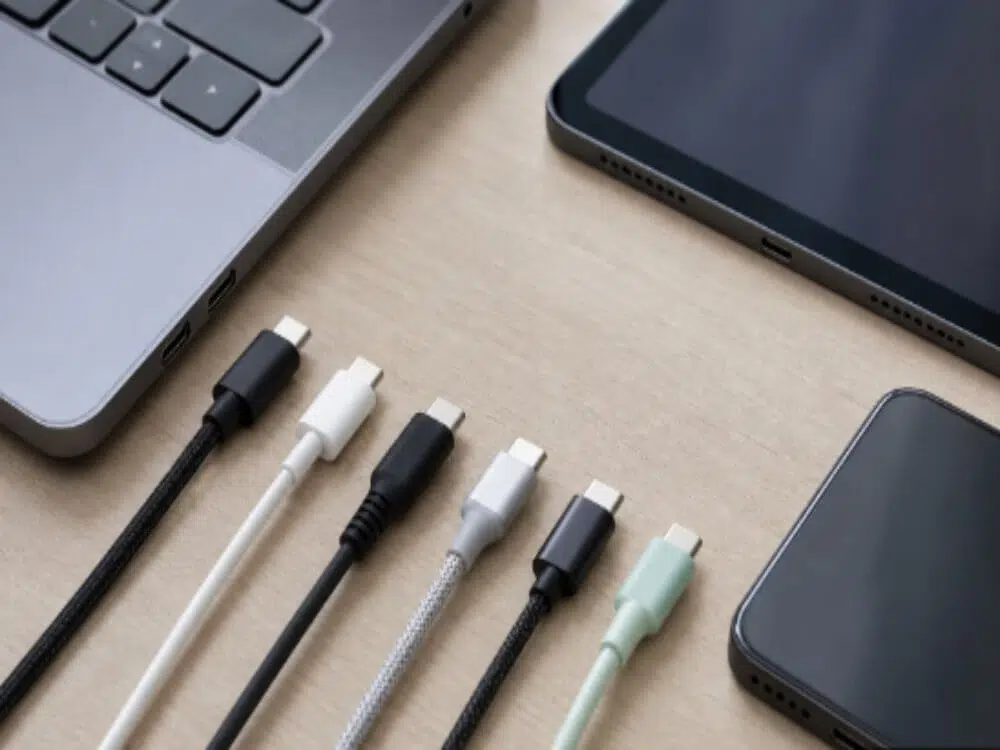
A North American electronics retailer planned to expand its charging accessory category.
Target customers included:
Smartphone users
Laptop users
Business travelers
Home office users
The company needed:
Different charging levels
Durable cable design
Custom retail packaging
Customer Challenges
Inconsistent Charging Performance
Previous products had customer complaints:
Some laptops charged slowly
Long cables lost performance
Cable jackets damaged easily
The main issue was using the same cable design for different applications.
OSKO Solution
OSKO developed a segmented fast charging cable product range.
| Product | Specification | Application |
|---|---|---|
| Standard cable | 60W PD | Smartphone and tablet |
| Premium cable | 100W PD + E-marker | Laptop charging |
| Advanced cable | 240W PD 3.1 | High-power devices |
| Braided series | Nylon protection | Retail market |
The project supported:
ODM USB cable supplier
USB-C cable wholesale
Bulk USB cables
Retail USB cable solutions
Selection Guide
How to Select the Right Fast Charging Cable
Step 1: Check Your Device Power Requirement
Before purchasing:
Check device charging wattage
Confirm charger output
Select equal or higher cable rating
Example:
| Device | Recommended Cable |
|---|---|
| iPhone | 60W USB-C cable |
| iPad | 60W USB-C cable |
| MacBook Air | 60W USB-C cable |
| MacBook Pro | 100W USB-C cable |
| High-power laptop | 140W–240W cable |
Step 2: Choose the Right Cable Material
For daily use:
Choose:
Nylon braided cable
Reinforced connectors
Quality copper conductors
For professional applications:
Choose:
Certified charging cables
High-power tested products
Step 3: Check Certifications
Reliable fast charging cables should consider:
| Certification | Purpose |
|---|---|
| CE | European safety compliance |
| RoHS | Material safety |
| FCC | US electromagnetic compliance |
| USB-IF | USB performance standards |
| ISO9001 | Factory quality management |
Professional suppliers may provide:
CE RoHS certified 240W USB C cable
FCC approved nylon braided USB C cable supplier
USB-IF compliant Type C cable manufacturer
ISO9001 certified braided USB cable factory
FAQ
Does a fast charging cable charge faster with any charger?
No. Fast charging requires compatibility between the charger, cable, and device.
Is a 100W cable better than a 60W cable?
Not always. A 100W cable is better for laptops, but smartphones may not use the additional power.
Can I use a 240W USB-C cable for my phone?
Yes. USB PD automatically adjusts power according to device requirements.
Why is my fast charging cable charging slowly?
Possible reasons include:
Low cable power rating
Poor conductor quality
Unsupported charger
Damaged connector
Excessive cable length
Are braided charging cables better?
Braided cables generally provide improved durability and resistance to daily wear.
Summary
Choosing a fast charging cable requires more than selecting a USB-C connector.
The key evaluation factors include:
Power rating
USB PD compatibility
E-marker technology
Internal conductor quality
Cable length
Material durability
Certification compliance
For smartphones and tablets, a 60W USB-C cable is usually sufficient.
For laptops such as MacBook Pro, a 100W USB-C cable provides reliable charging performance.
For advanced devices, 240W USB-C cables support the latest high-power charging standards.
A reliable cable combines electrical performance with mechanical durability.
For businesses, retailers, and distributors, working with an experienced USB-C cable manufacturer ensures consistent quality, customization, and scalable production for global markets.
Contact Information
OSKO provides professional fast charging cable solutions:
60W / 100W / 240W USB-C cables
Nylon braided charging cables
OEM and ODM USB cable manufacturing
Private label charging cables
Custom length and packaging solutions