
Introduction
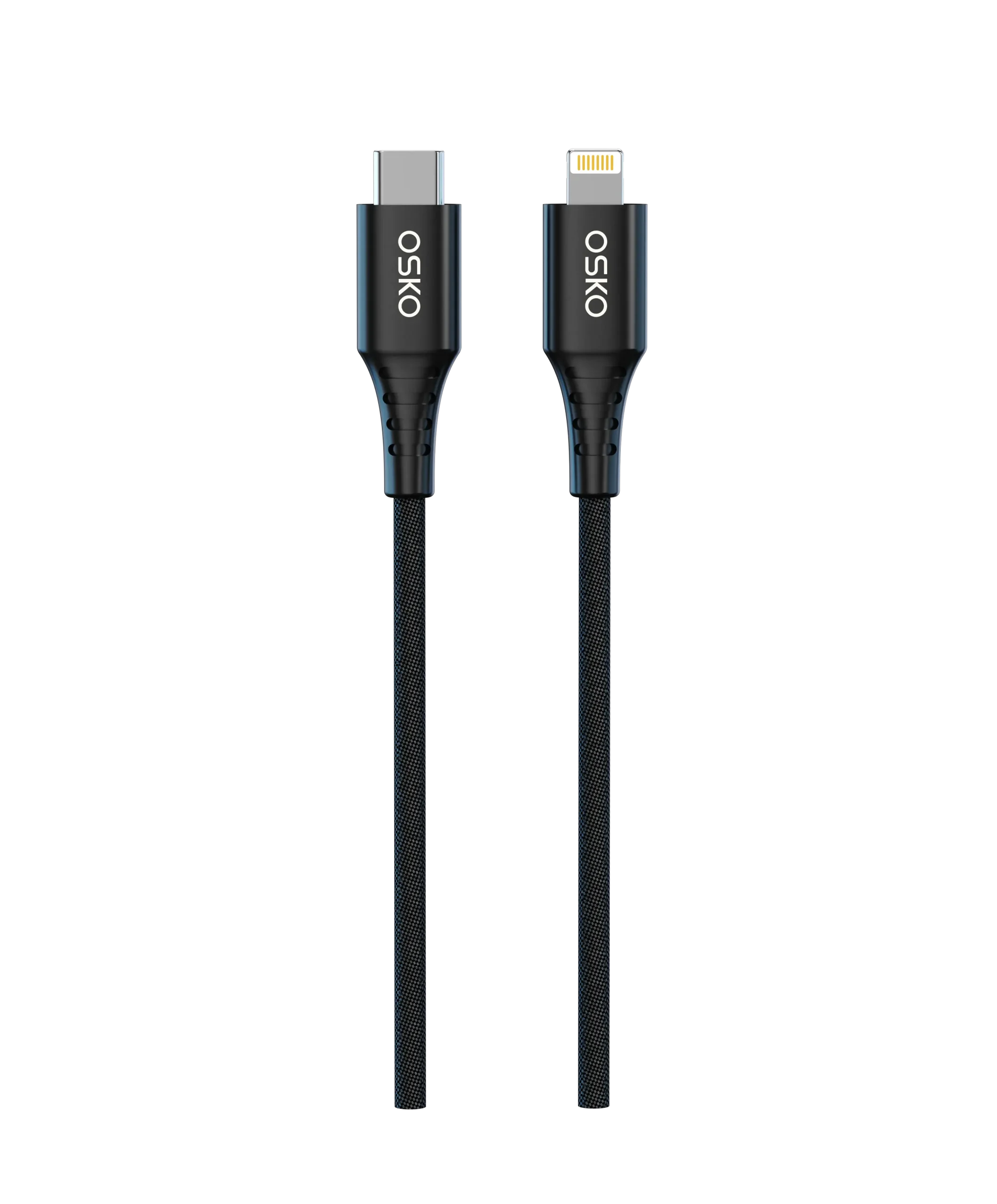
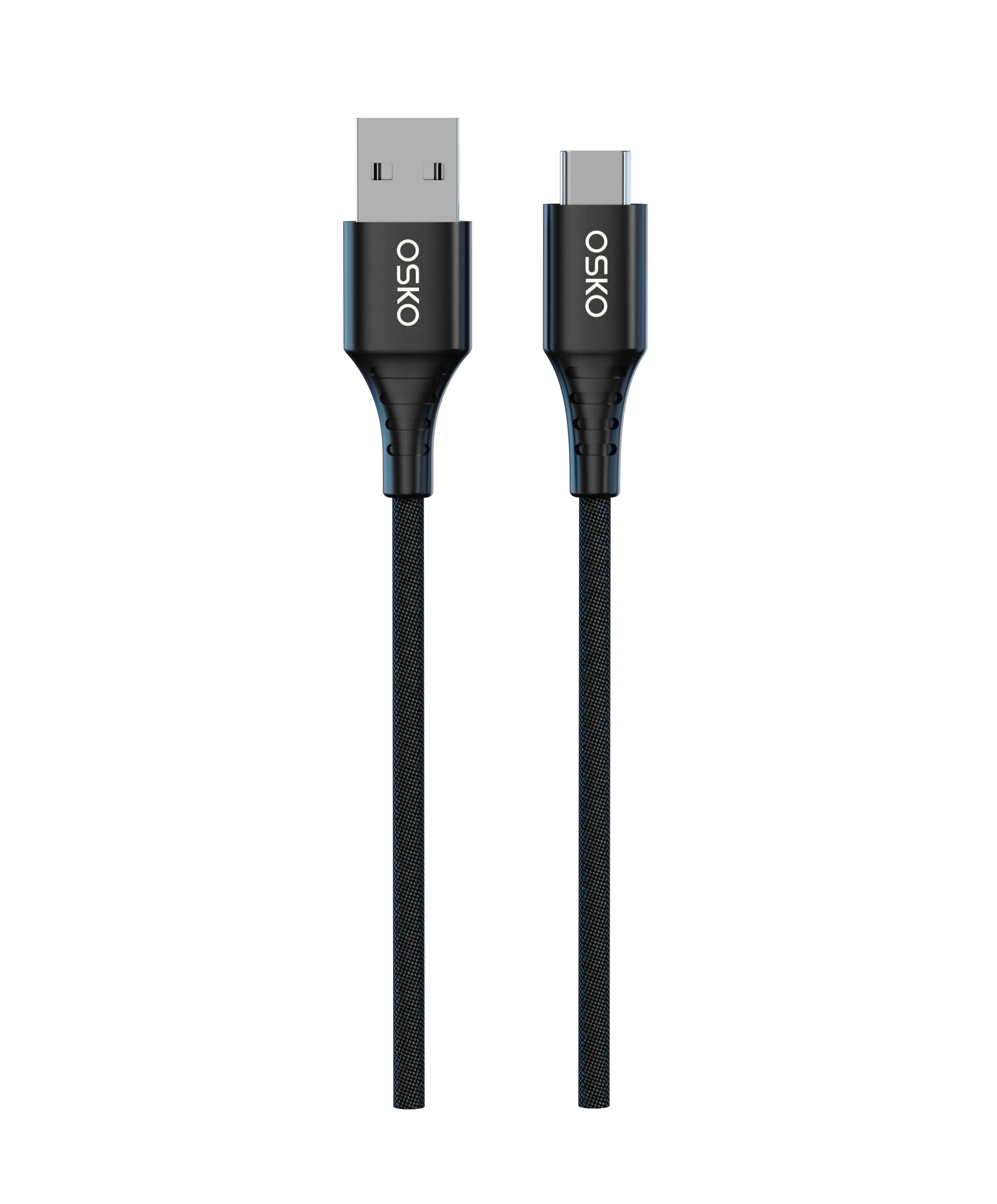
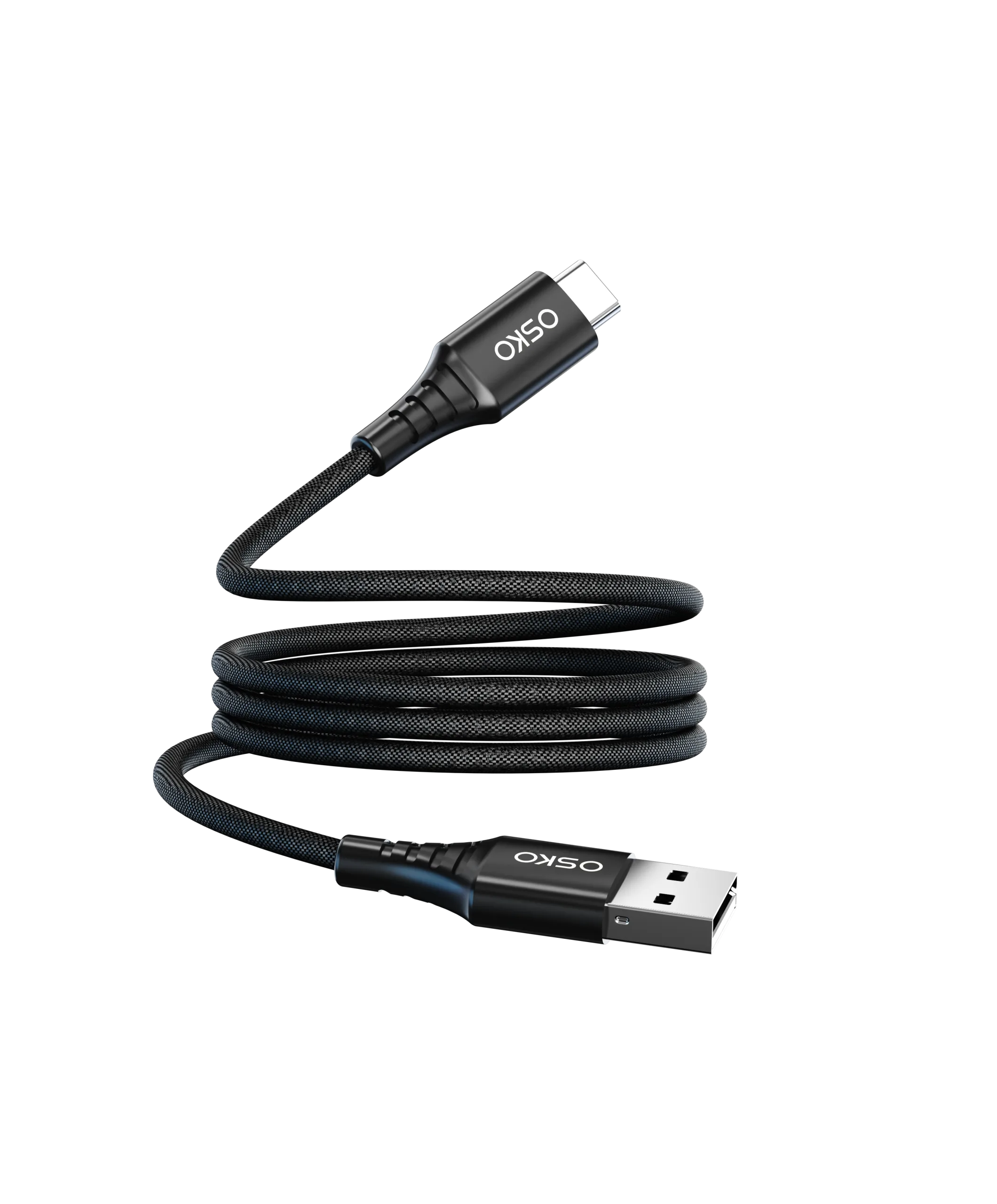
A USB-C cable is a modern universal connection cable designed for charging, data transfer, and video output using a compact, reversible connector interface.
Unlike older USB-A or Micro-USB standards, USB-C is designed to support higher power delivery, faster data transmission, and broader device compatibility across smartphones, laptops, tablets, and professional electronics.
In US and European markets, USB-C has become the global standard for most consumer electronics due to its efficiency, universality, and support for USB Power Delivery (USB-PD).
OSKO designs USB-C cables based on electrical engineering principles, ensuring stable performance across charging, data, and durability requirements.
Material Science & Structural Design
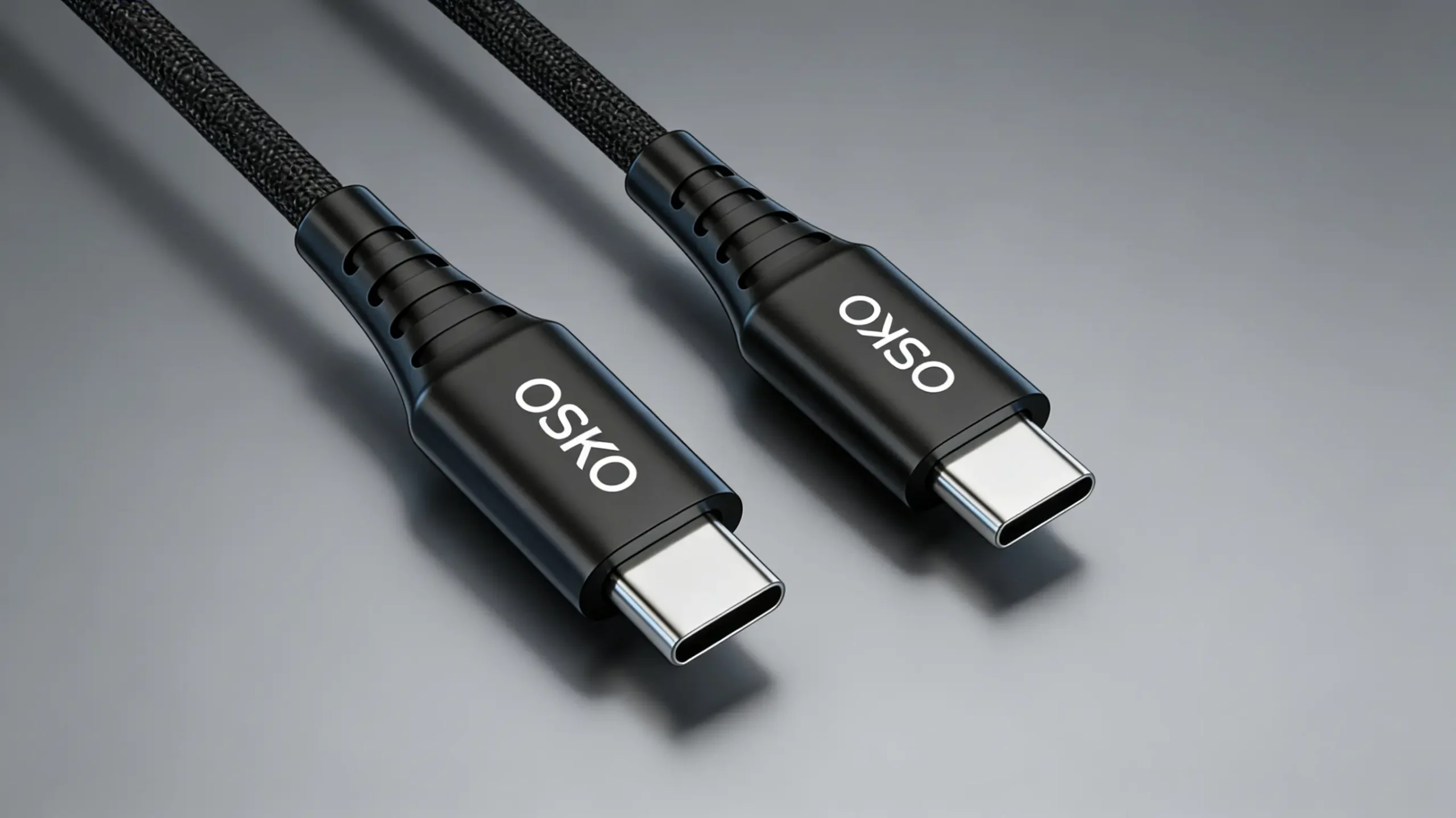
USB-C Connector Design
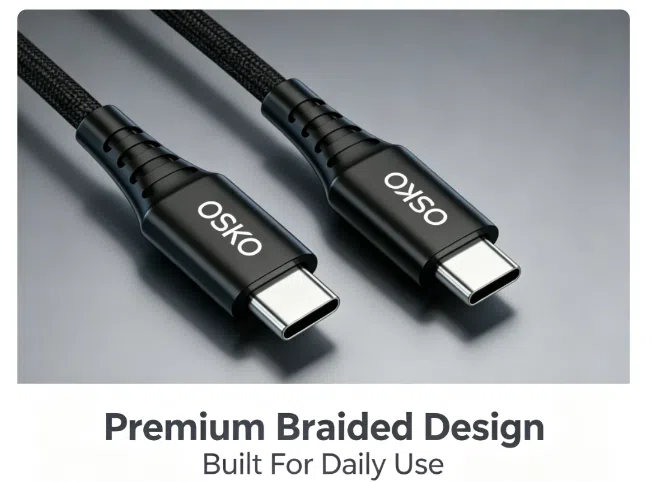
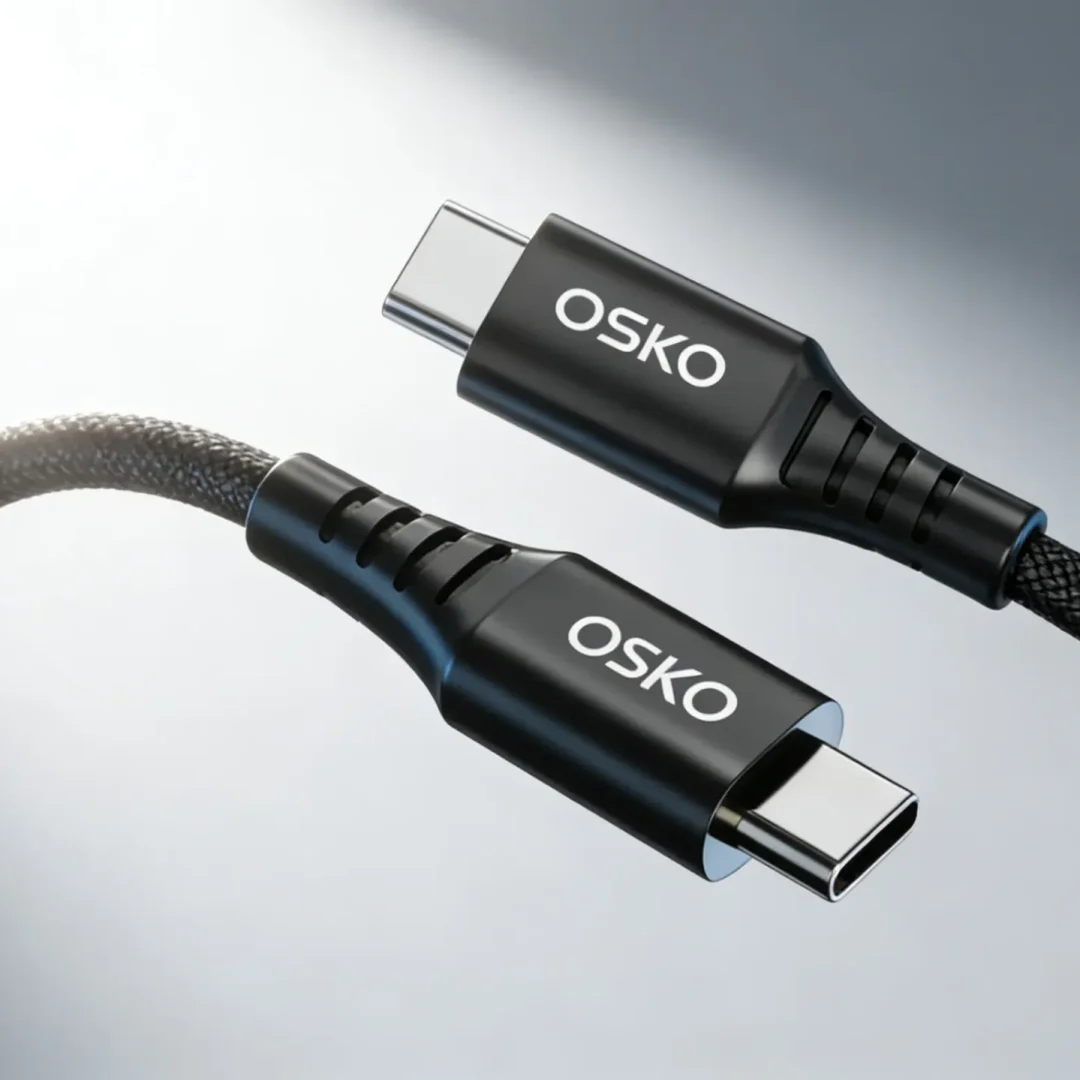
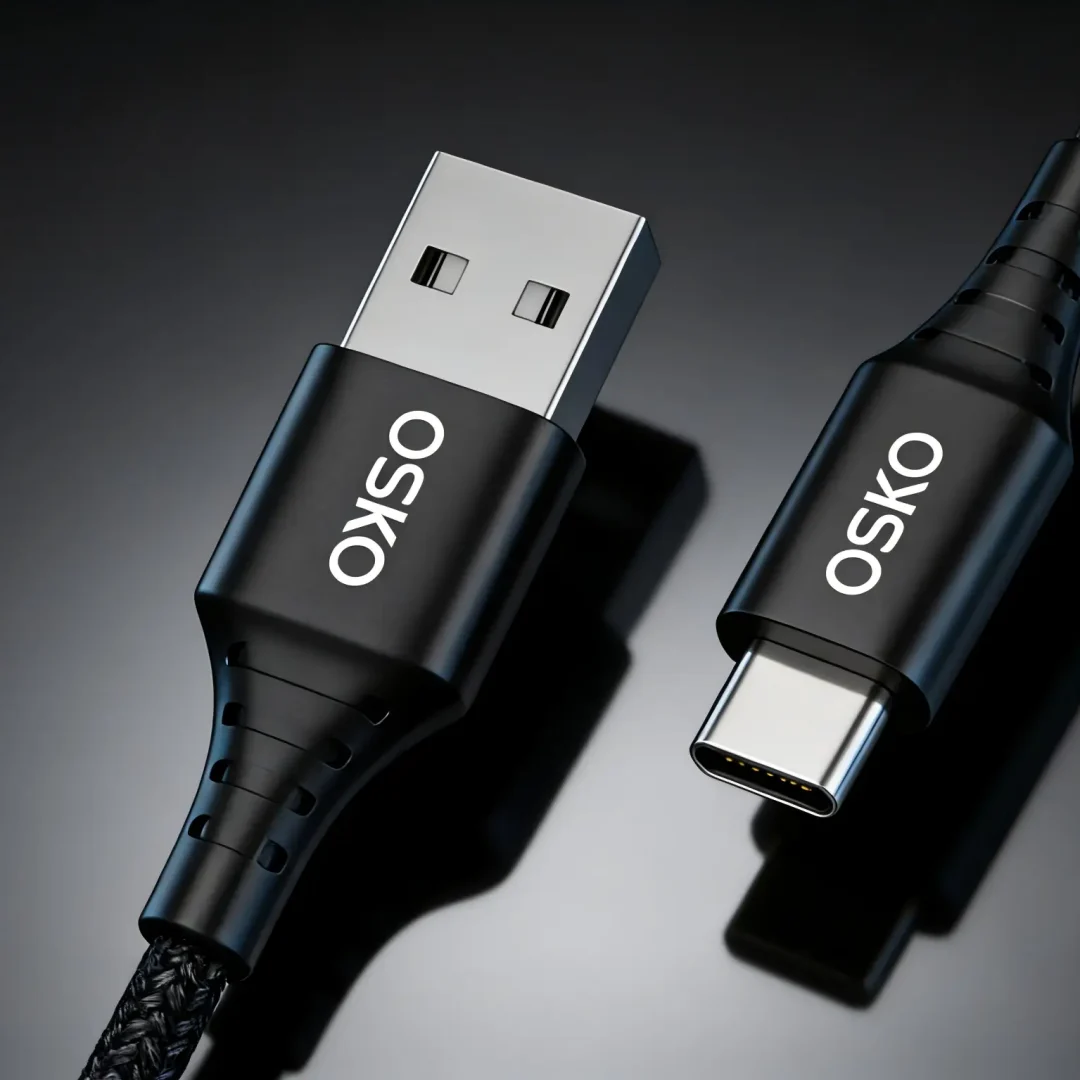
The USB-C connector is characterized by:
Reversible plug orientation (no “up or down” direction)
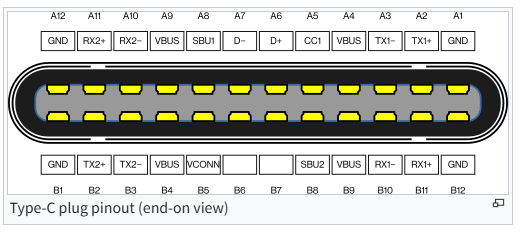
24-pin symmetrical contact structure
Compact oval shape for universal device compatibility
This design improves usability and reduces connector wear compared to older USB formats.
Internal Electrical Structure
A USB-C cable typically includes:
Power conductors (VBUS and GND)
Data transmission pairs (D+ / D− or high-speed differential pairs)
Configuration channel (CC lines for device negotiation)
Shielding layer to reduce EMI interference
These elements allow a single cable to handle multiple functions simultaneously.
USB Power Delivery (USB-PD)
USB-C cables support USB Power Delivery, which enables:
Dynamic voltage adjustment (5V–48V depending on device)
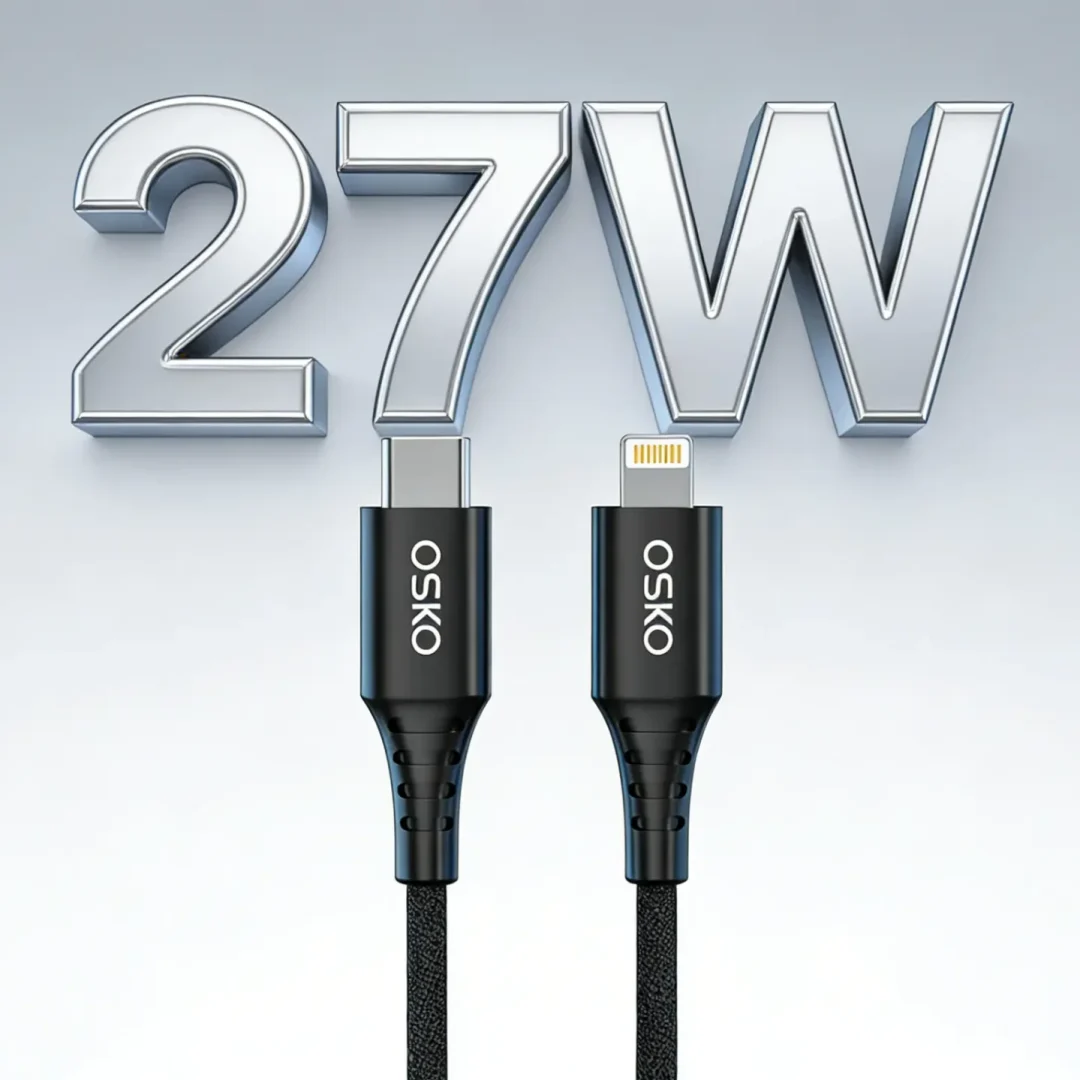
Fast charging up to 240W (PD 3.1 standard)
Intelligent power negotiation between devices
This is why USB-C can charge phones, tablets, and laptops using one unified standard.
Data Transfer Capabilities
USB-C supports multiple data standards:
USB 2.0 → up to 480 Mbps
USB 3.2 → up to 10–20 Gbps
USB4 / Thunderbolt → up to 40 Gbps
However, actual speed depends on cable quality and internal shielding design.
Material Engineering Options
Common USB-C cable materials include:
PVC (entry-level flexibility)
TPE (balanced durability and softness)
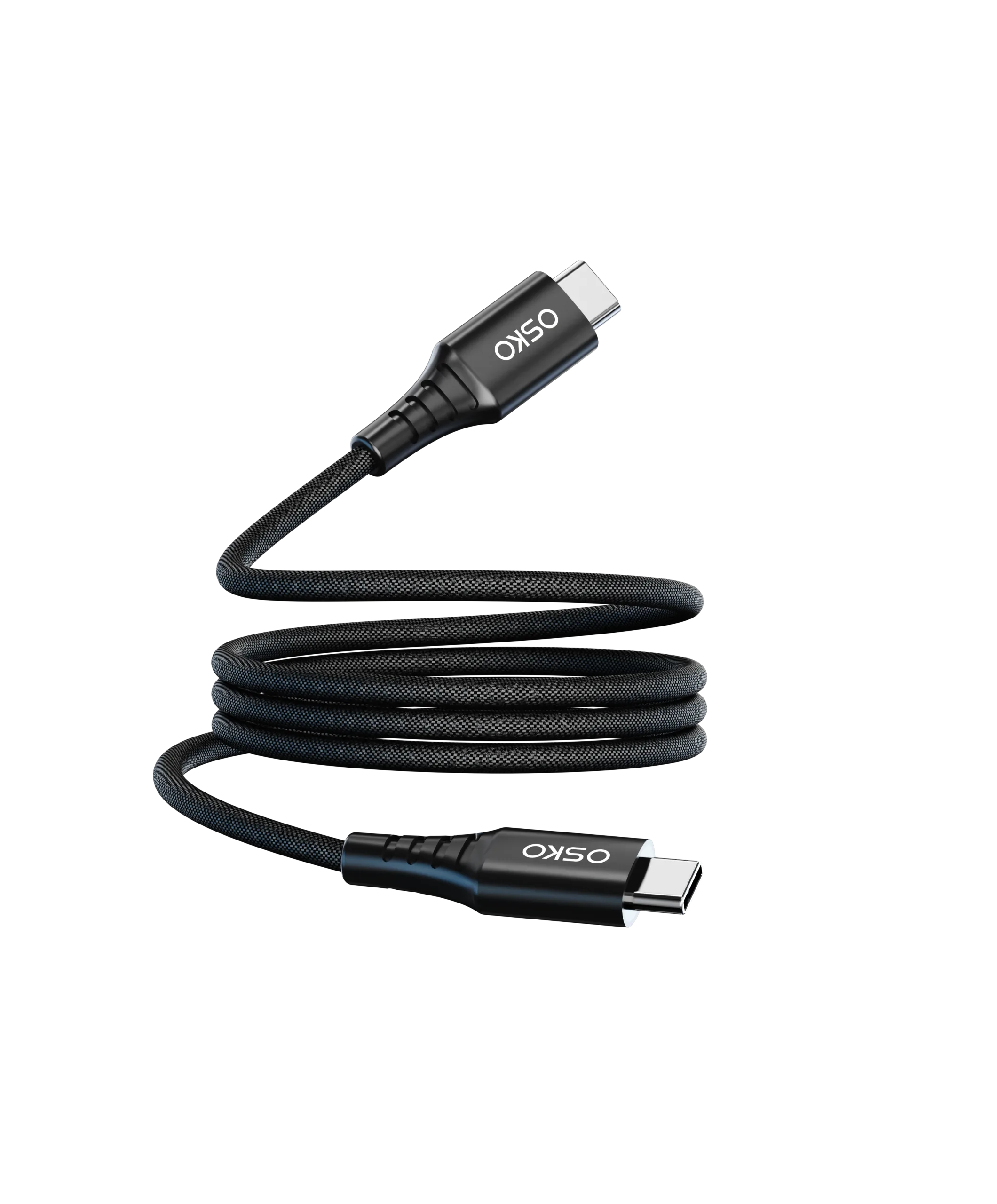
Nylon braided (high durability and premium positioning)
Each material impacts lifespan, flexibility, and market positioning.
Case Study
US E-Commerce Brand USB-C Standardization Project
Customer Background
A US-based electronics brand selling charging accessories needed to unify its product line after receiving customer complaints about inconsistent USB-C cable performance across different suppliers.
Their goal was to clearly define what is a USB-C cable in product listings and standardize specifications for better customer understanding.
Engineering Problems Identified
Key issues included:
Mixed USB-C specifications across suppliers
Inconsistent fast charging performance (60W vs 100W confusion)
Lack of clear USB-PD labeling
Weak durability in low-cost PVC cables
Poor data speed performance in some batches
OSKO Engineering Solution
OSKO implemented a structured USB-C product architecture:
Classified cables by wattage (60W / 100W / 240W PD 3.1)
Standardized conductor resistance levels
Introduced braided cable options for durability
Optimized USB-PD negotiation stability
Improved EMI shielding for data integrity
Compliance framework included:
USB-IF compliant Type C cable manufacturer standards
ISO9001 manufacturing quality system
FCC EMI testing validation
RoHS environmental compliance
Result
Improved product clarity in retail listings
Reduced customer confusion and return rates
Better fast charging performance consistency
Stronger SEO performance for product pages
Increased wholesale buyer confidence
Selection Guide
How to Identify a High-Quality USB-C Cable
1. Charging Capability
Look for:
USB-PD support (60W / 100W / 240W)
Stable voltage and current regulation
Low resistance copper conductors
2. Data Transfer Speed
Ensure cable supports required standards:
USB 2.0 for basic charging
USB 3.2 for high-speed data
USB4 / Thunderbolt for professional use
3. Material Selection
PVC → budget use
TPE → balanced daily use
Nylon braided → premium durability
4. Certification Standards
Important certifications include:
USB-IF
FCC
CE
RoHS
ISO9001
5. Device Compatibility
USB-C cables are used for:
Smartphones (Android, iPhone USB-C models)
Tablets
Laptops (MacBook, Windows devices)
Docking stations and monitors
Comparison Table
| Feature | USB-C Cable |
|---|---|
| Connector | Reversible Type-C |
| Max Power | Up to 240W (PD 3.1) |
| Data Speed | Up to 40Gbps |
| Use Cases | Charging + Data + Video |
| Compatibility | Universal modern devices |
Application Scenarios
USB-C cables are widely used in:
OEM USB cables for branded electronics manufacturing
ODM USB cables for custom product development
Wholesale USB cables for distribution networks
Desktop charging cables for office workstation setups
Travel USB cables for portable charging kits
In-car charging cables for automotive charging systems
Home USB cables for multi-device home ecosystems
FAQ
What is a USB-C cable used for?
It is used for charging, data transfer, and video output across modern devices.
Is USB-C the same as USB?
USB-C is a connector type, while USB includes multiple standards and generations.
Do all USB-C cables support fast charging?
No, only cables with USB-PD support and proper design do
Can USB-C charge laptops?
Yes, many USB-C cables support up to 240W PD charging for laptops.
Are all USB-C cables the same?
No, they differ in power rating, data speed, and internal engineering.
Summary
A USB-C cable is a universal modern interface that supports charging, data transfer, and video output through a compact reversible connector.
Its performance depends on internal engineering design, including USB-PD support, conductor quality, shielding, and certification compliance.
OSKO develops USB-C cables based on strict engineering standards to ensure stable performance across US and European markets.
USB-C is not just a connector—it is a complete power and data ecosystem.
Contact Information
OSKO provides OEM/ODM USB-C cable solutions including:
USB-C fast charging cables (60W–240W)
Braided and TPE material options
Private label customization
Amazon-ready packaging solutions
Full USB-IF and FCC compliance support
OSKO engineering team delivers reliable USB-C cable solutions for global markets.