
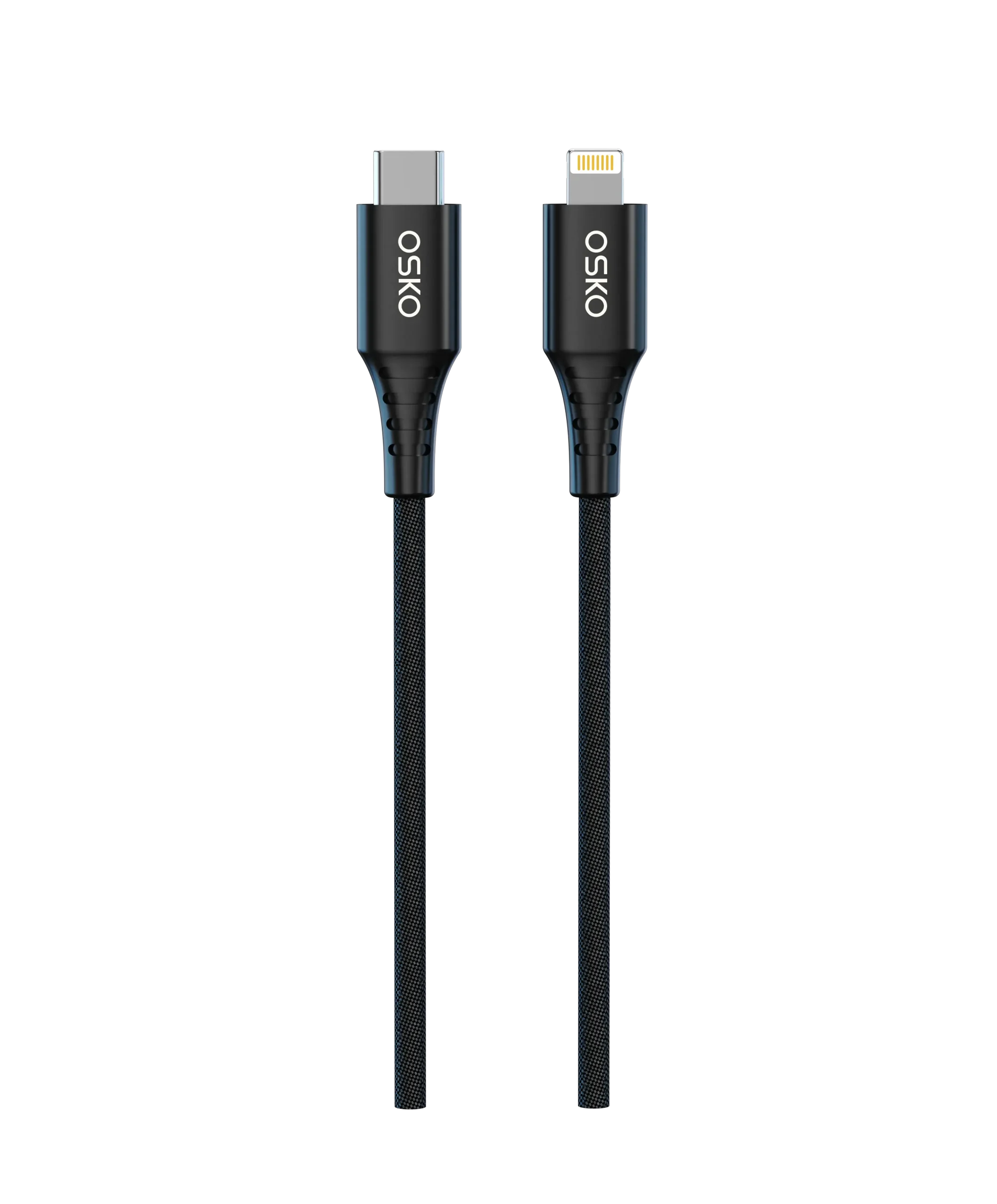
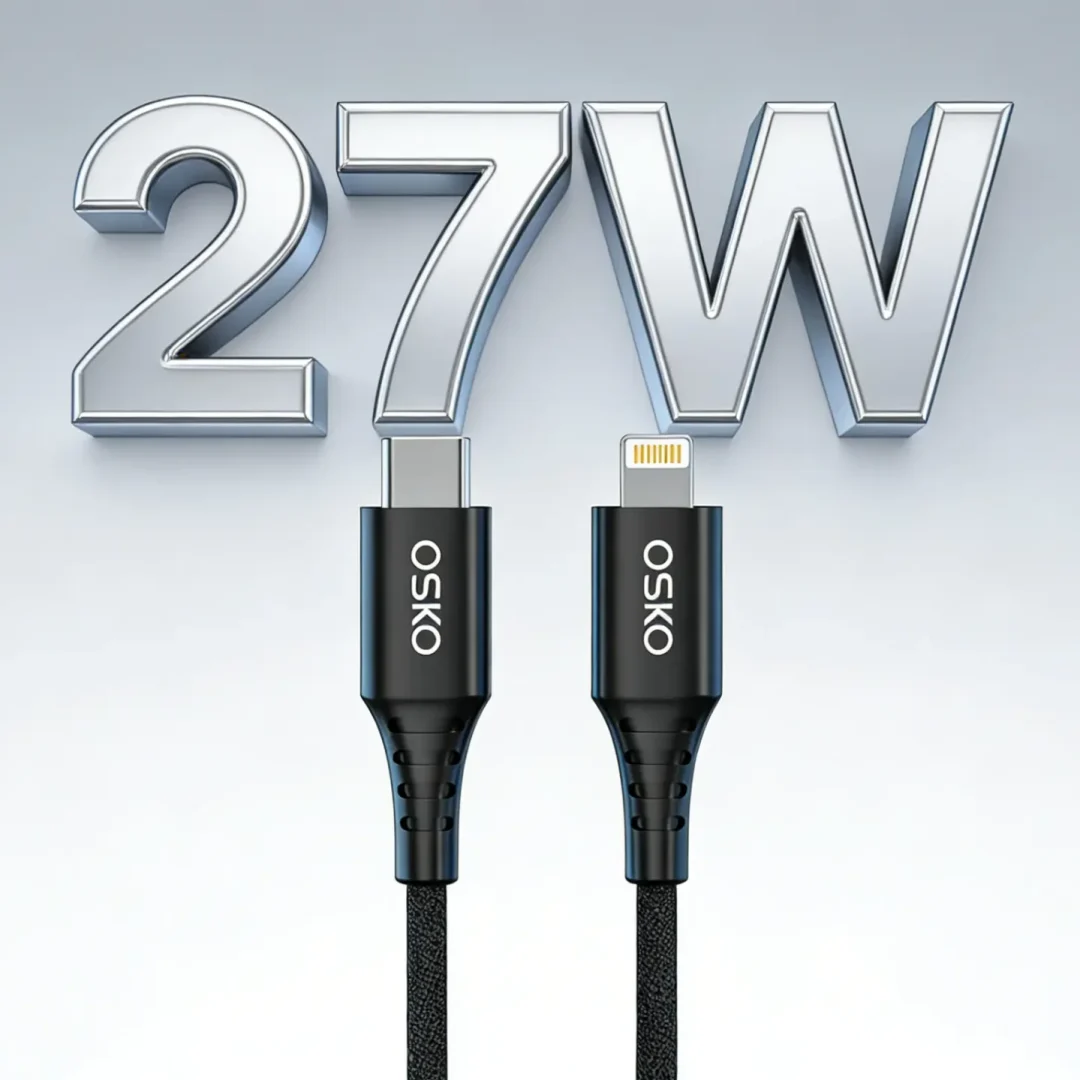
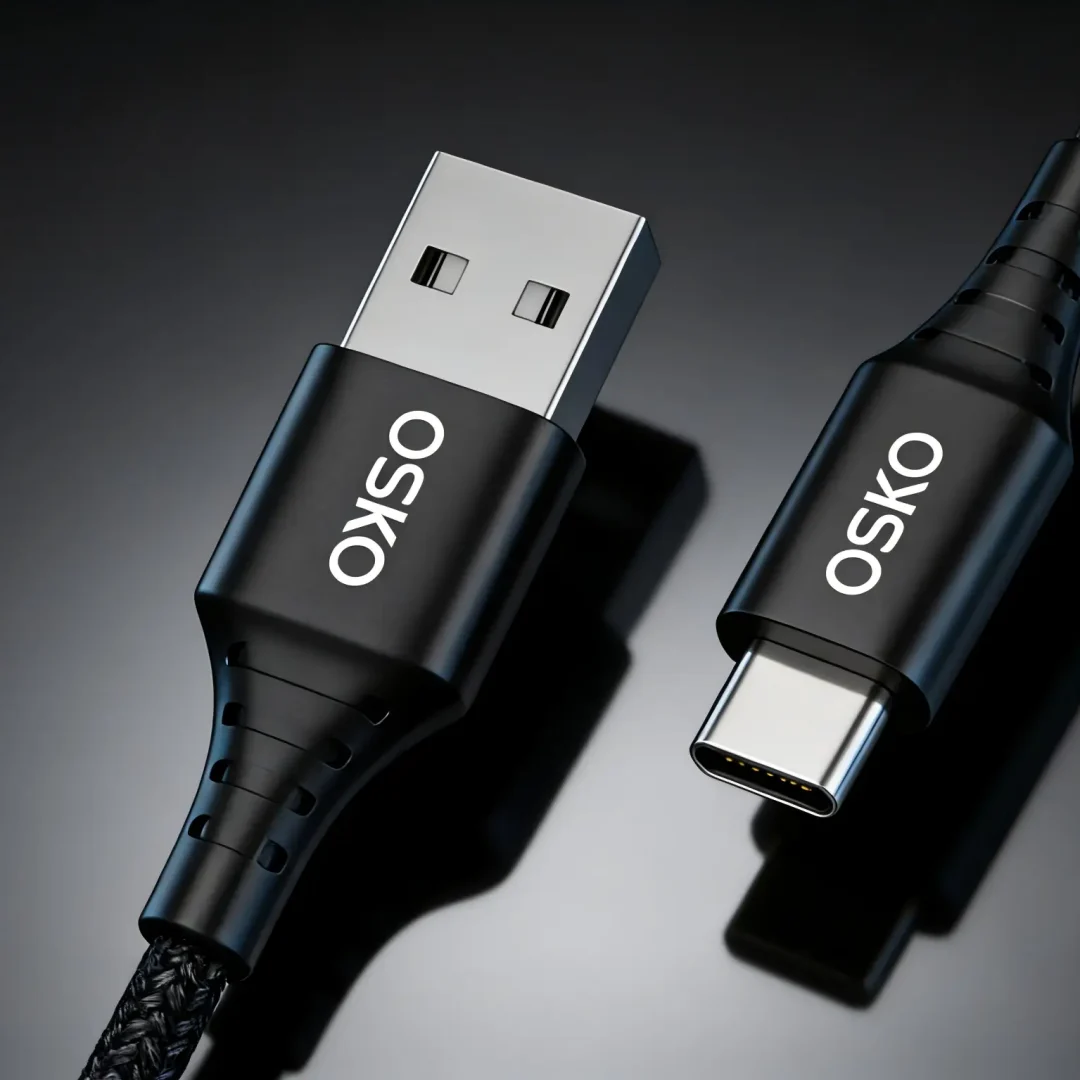
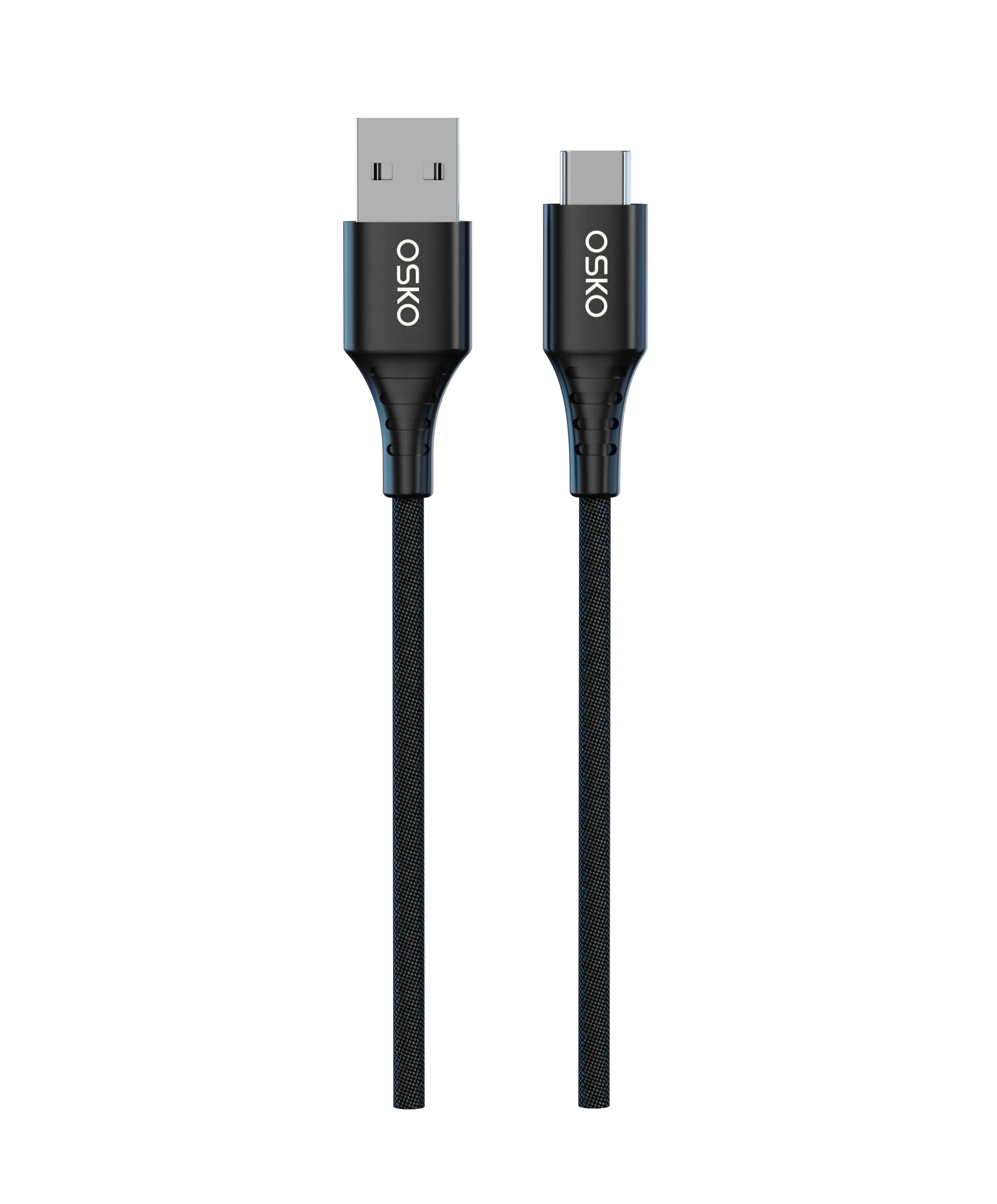
Introduction
Many buyers have encountered this situation:
You search for a USB-C cable online and find products ranging from $1 to $50 or more, even though they look almost identical.
This naturally raises a question:
Why is there such a huge price difference for Type-C products?
For consumers, the concern is whether the expensive cable is truly worth the extra money.
For importers, distributors, and OEM buyers, the challenge is understanding which specifications justify a higher cost and which features are simply marketing claims.
The reality is that not all USB-C products are created equal. Two cables may look similar externally but differ significantly in charging capability, data speed, materials, safety features, certifications, and manufacturing quality.
To make an informed purchasing decision, it is important to understand what drives Type-C product pricing.

Applicable Scenarios
Retail USB-C Accessories
Retail customers often focus on:
Fast charging performance
Durability
Brand reputation
Device compatibility
Premium cables typically include better materials and stricter quality control, which increases production costs.
OEM USB Cable Projects
OEM buyers focus on:
Long-term reliability
Certification compliance
Low return rates
Consistent manufacturing quality
A cable that costs slightly more may save thousands of dollars in warranty claims.
Wholesale and Distribution
Wholesale buyers need to balance:
Product quality
Market positioning
Customer expectations
Profit margins
Understanding the reasons behind price differences helps distributors create better product portfolios.
The Biggest Factor: Charging Power
The first major price driver is charging capability.
Not all USB-C cables support the same power level.
| Cable Type | Maximum Power |
|---|---|
| Basic USB-C Cable | 15W–18W |
| Standard Fast Charging Cable | 60W |
| PD Charging Cable | 100W |
| E-Marker USB-C Cable | 240W |
Higher-power cables require:
Thicker copper conductors
Better insulation
E-Marker chips
More rigorous testing
As a result, a 240W USB-C cable can cost several times more than a basic charging cable.
Data Transfer Speed Matters
Many buyers focus only on charging speed.
However, USB-C also supports data transmission.
Different cables support dramatically different speeds.
| Cable Type | Transfer Speed |
|---|---|
| USB 2.0 | 480 Mbps |
| USB 3.2 Gen 1 | 5 Gbps |
| USB 3.2 Gen 2 | 10 Gbps |
| USB4 | 40 Gbps |
| USB4 Version 2 | Up to 80 Gbps |
A cable designed for USB4 requires:
Additional internal wiring
Better shielding
Tighter manufacturing tolerances
Consequently, high-speed data cables cost significantly more.
Material Quality Creates Price Differences
After power and speed, material selection becomes the next major factor.
Low-Cost PVC Cables
Advantages:
Lower manufacturing cost
Lightweight
Suitable for basic charging
Disadvantages:
Shorter lifespan
More susceptible to damage
Higher return rates
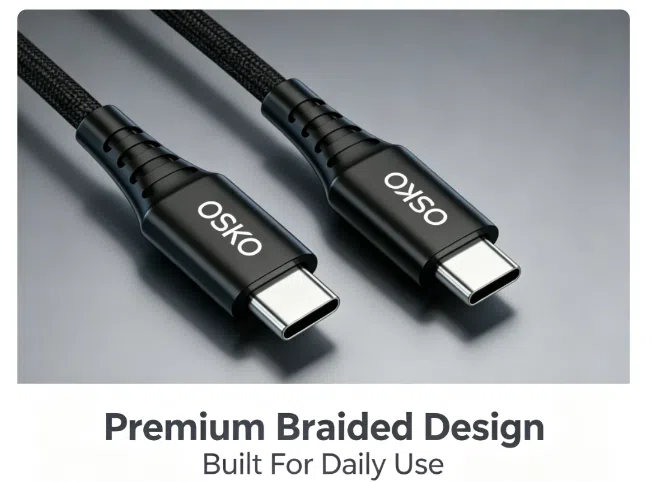
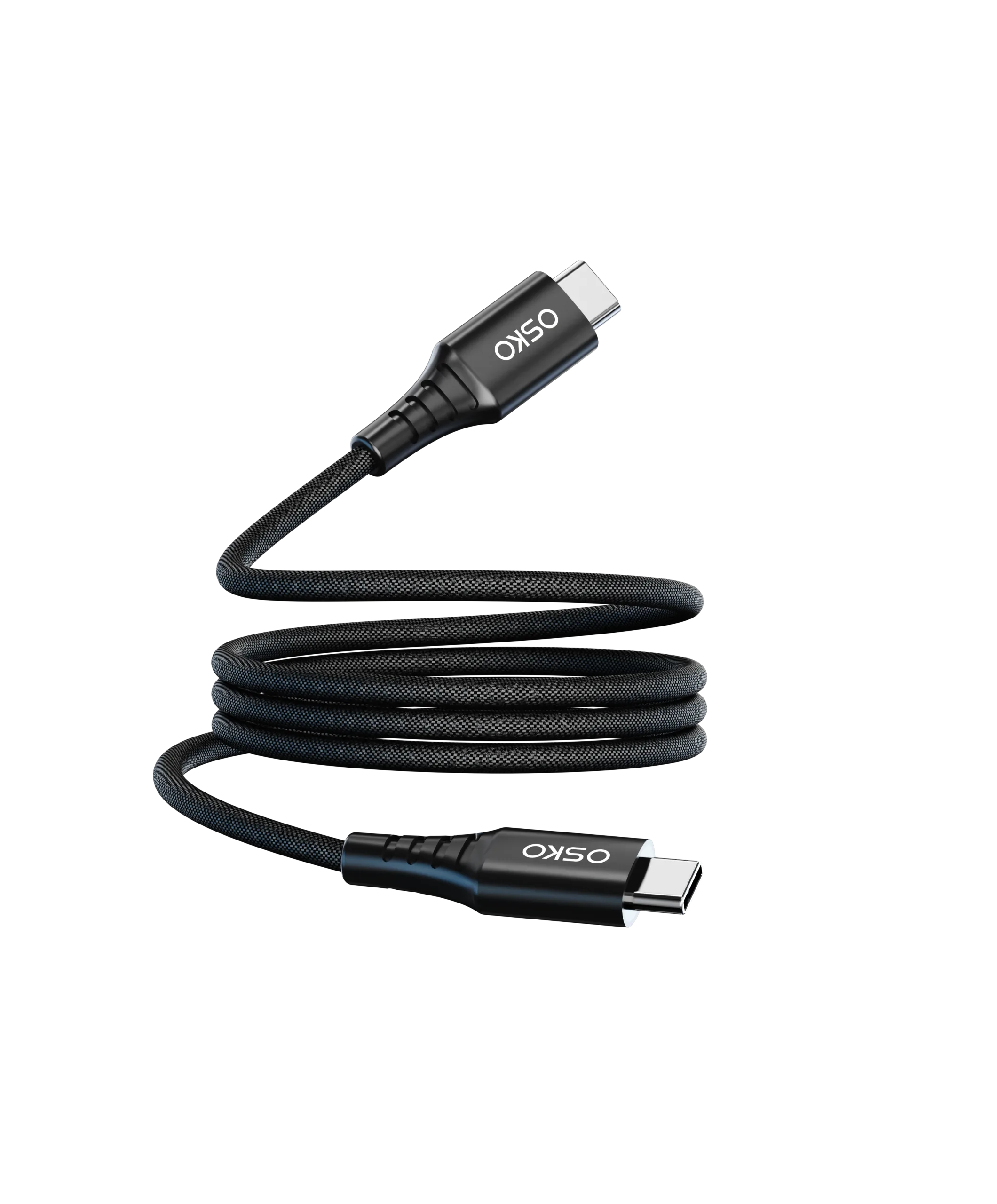
Premium Nylon Braided Cables
Advantages:
Better abrasion resistance
Improved durability
Enhanced appearance
Reduced tangling
Products from a Durable nylon braided Type C charging cable factory generally cost more due to:
Additional braiding processes
Higher material costs
Increased labor requirements
However, they often last much longer than standard PVC cables.
Chipsets and E-Marker Technology
One of the least visible yet most important price factors is the internal chip.
High-power USB-C cables often contain:
E-Marker chips
Authentication ICs
Power management circuits
These components enable:
Safe 100W charging
Safe 240W charging
Device recognition
Overcurrent protection
Without these chips, high-power charging may not function correctly.
This explains why some seemingly identical cables have very different prices.
Certification Costs
Many low-cost cables skip certification altogether.
Professional manufacturers invest heavily in compliance testing.
Common certifications include:
| Certification | Purpose |
|---|---|
| CE | European compliance |
| RoHS | Environmental compliance |
| FCC | U.S. compliance |
| USB-IF | USB-C standard compliance |
| MFi | Apple compatibility |
| Prop 65 | California market access |
A USB-IF compliant Type C cable manufacturer must invest significantly in testing and validation.
These costs are reflected in the final product price.
However, certified products generally provide:
Better compatibility
Higher reliability
Lower legal risk
Connector Construction
Not all connectors are built the same.
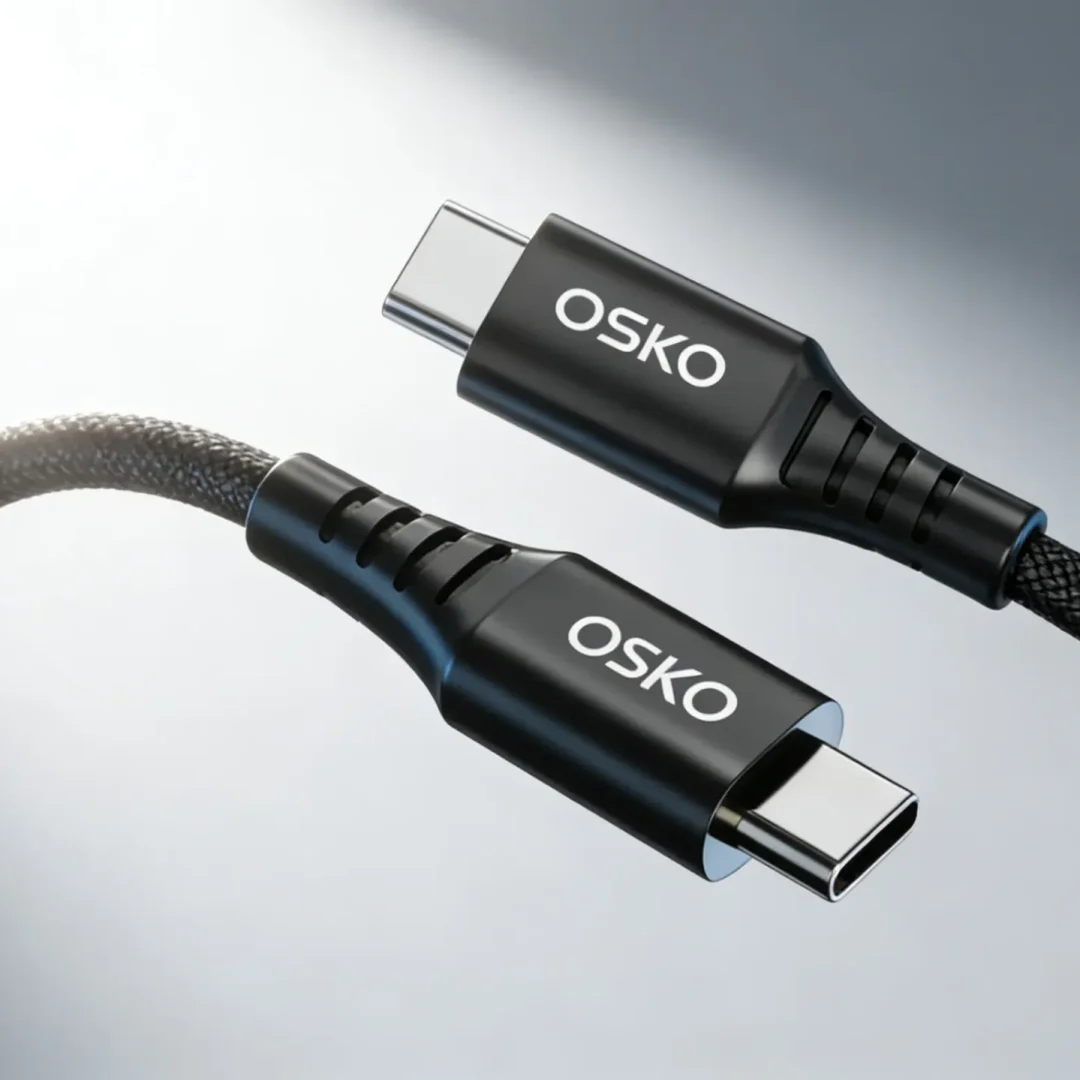
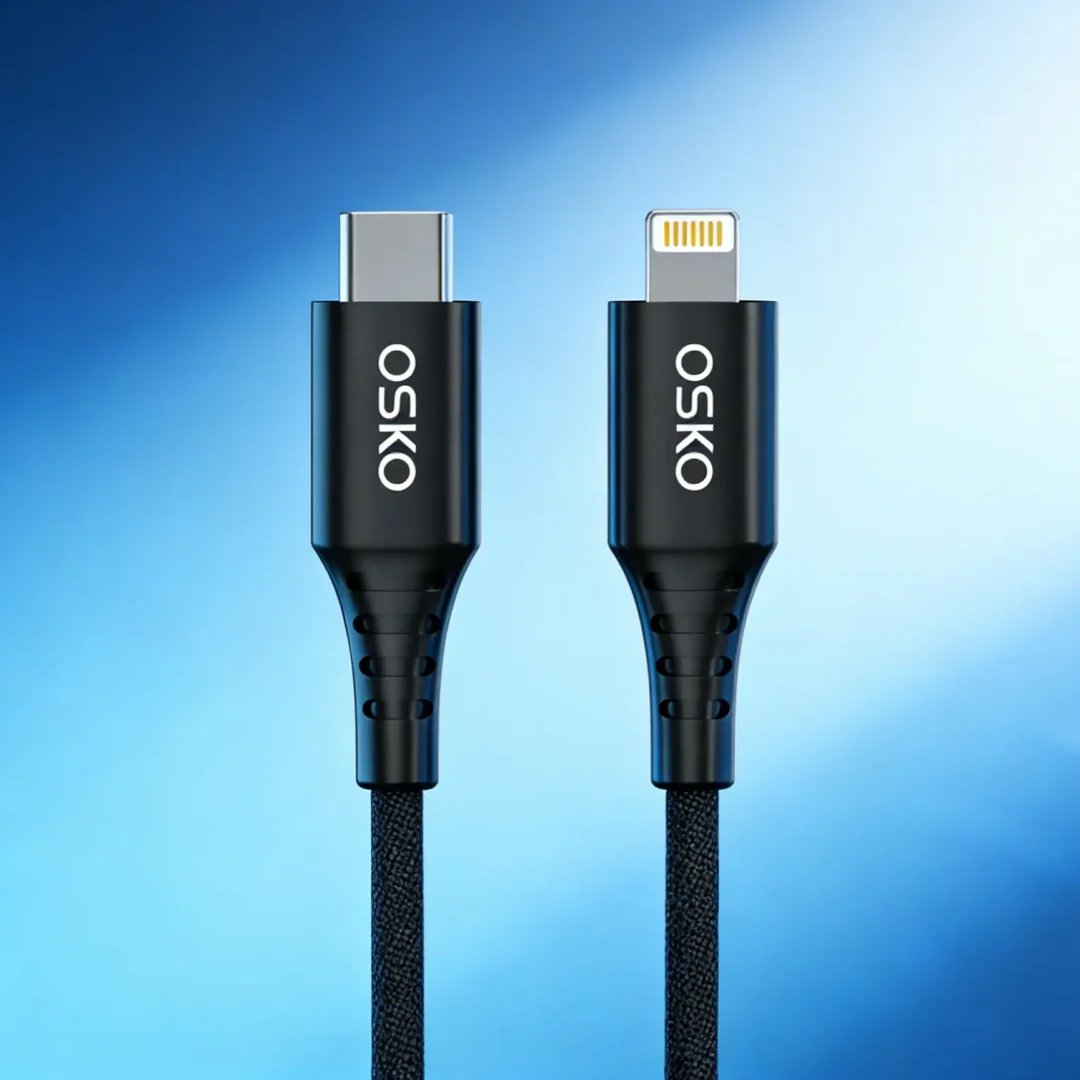
Premium connectors often use:
Aluminum alloy housings
Gold-plated contacts
Reinforced strain relief
Improved soldering techniques
Budget cables frequently use:
Thin plastic housings
Lower-grade contacts
Minimal strain protection
Connector quality directly affects:
Charging stability
Plug lifespan
User experience
Manufacturing Standards and Quality Control
Factories differ significantly in production quality.
Low-cost factories may perform only basic inspections.
Professional manufacturers conduct:
Continuity testing
Power testing
Bend testing
Pull-force testing
Aging tests
High-temperature tests
For example, an ISO9001 certified braided USB cable factory generally follows stricter quality procedures than a non-certified manufacturer.
This results in higher production costs but significantly lower defect rates.
OEM and Customization Costs
Custom products naturally cost more than standard products.
Common customization options include:
| Custom Option | Impact on Cost |
|---|---|
| Custom Length | Medium |
| Custom Color | Medium |
| Braided Design | Medium |
| Custom Packaging | Medium |
| Private Label Branding | Medium |
| Custom Connectors | High |
Products such as:
OEM ODM custom length USB C cables
Bulk custom color braided charging cables
Custom packaging braided charging cable factory
require additional engineering, tooling, and production management.
These factors increase cost but also improve market differentiation.
Case Study: Why a $2 Cable and a $12 Cable Are Different
Customer Requirement
A distributor needed USB-C cables for laptop charging.
Low-Cost Option
Specifications:
PVC jacket
USB 2.0 speed
60W charging
No certification
Unit Cost: Approximately $2
Premium Option
Specifications:
Double-braided nylon jacket
USB4 support
240W charging
E-Marker chip
USB-IF certification
Reinforced aluminum connectors
Unit Cost: Approximately $12
Outcome
The premium cable provided:
Longer lifespan
Better charging stability
Faster data transfer
Lower return rates
Although the initial cost was higher, total ownership cost was lower over time.
FAQ
Why do some USB-C cables look identical but have different prices?
Because charging power, internal wiring, chips, certifications, and materials can vary significantly even when external appearance is similar.
Are expensive USB-C cables always better?
Not always. However, certified cables from reputable manufacturers generally provide better reliability and safety.
Does a 240W cable charge faster than a 60W cable?
Only if the device supports higher power input. Otherwise, charging speed may be similar.
Is a braided cable worth the extra money?
For frequent users, travel applications, office environments, and retail products, braided cables often provide better long-term value.
What should wholesale buyers focus on?
Quality consistency, certification, charging capability, and supplier reliability are usually more important than simply finding the lowest price.
Summary
The large price differences among Type-C products are primarily driven by engineering and manufacturing factors rather than appearance.
Charging power, data transfer speed, cable materials, E-Marker chips, certifications, connector quality, and quality control all contribute to the final cost.
While low-cost cables may be suitable for basic charging, professional users, businesses, and OEM buyers typically benefit from investing in higher-quality products that offer improved durability, compatibility, and safety.
Understanding these differences allows buyers to choose the right balance between cost and performance, ensuring better user satisfaction and lower long-term ownership costs.
Request OEM USB-C Cable Solutions
OSKO provides:
USB-C Charging Cables (60W–240W)
USB4 High-Speed Data Cables
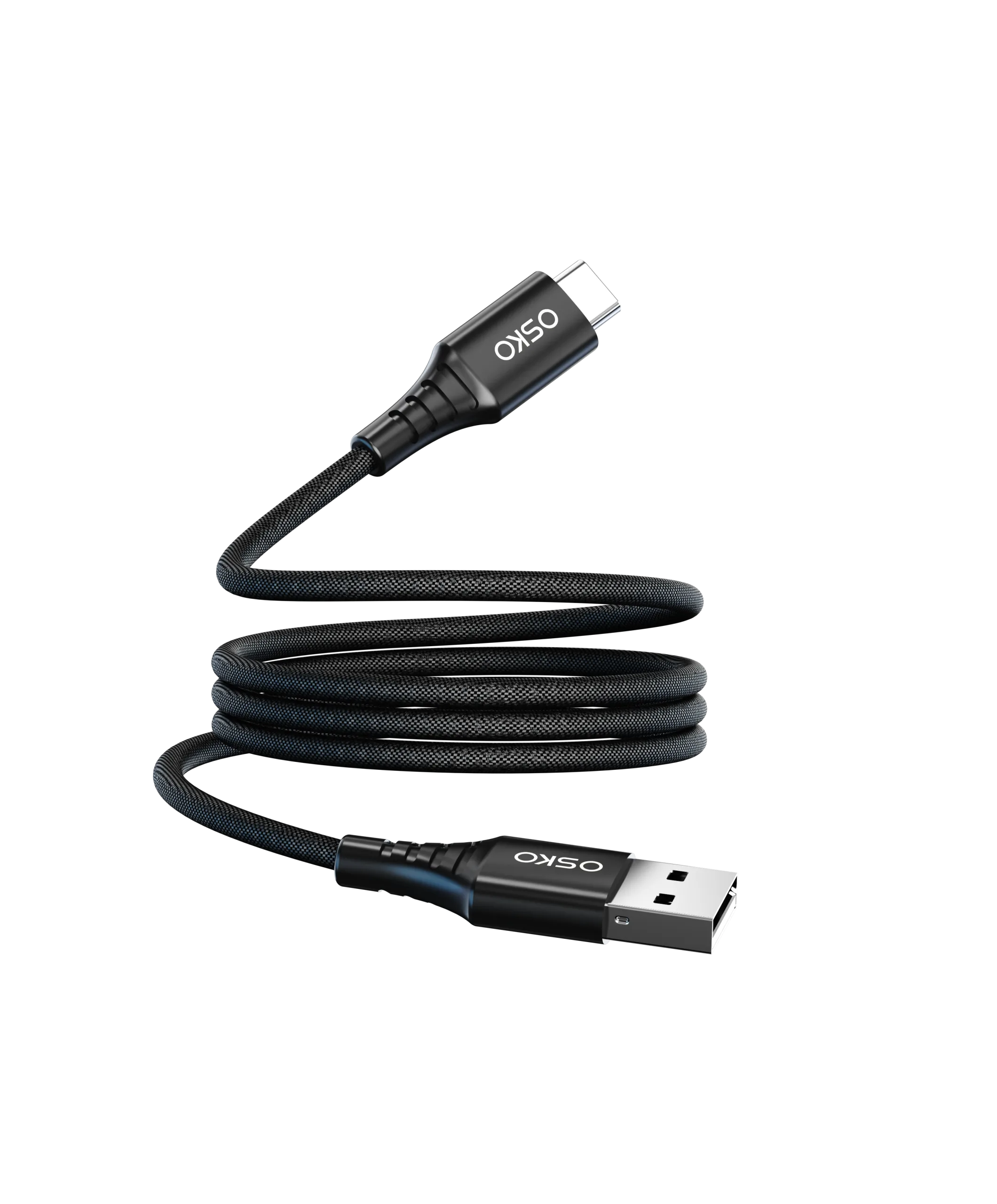
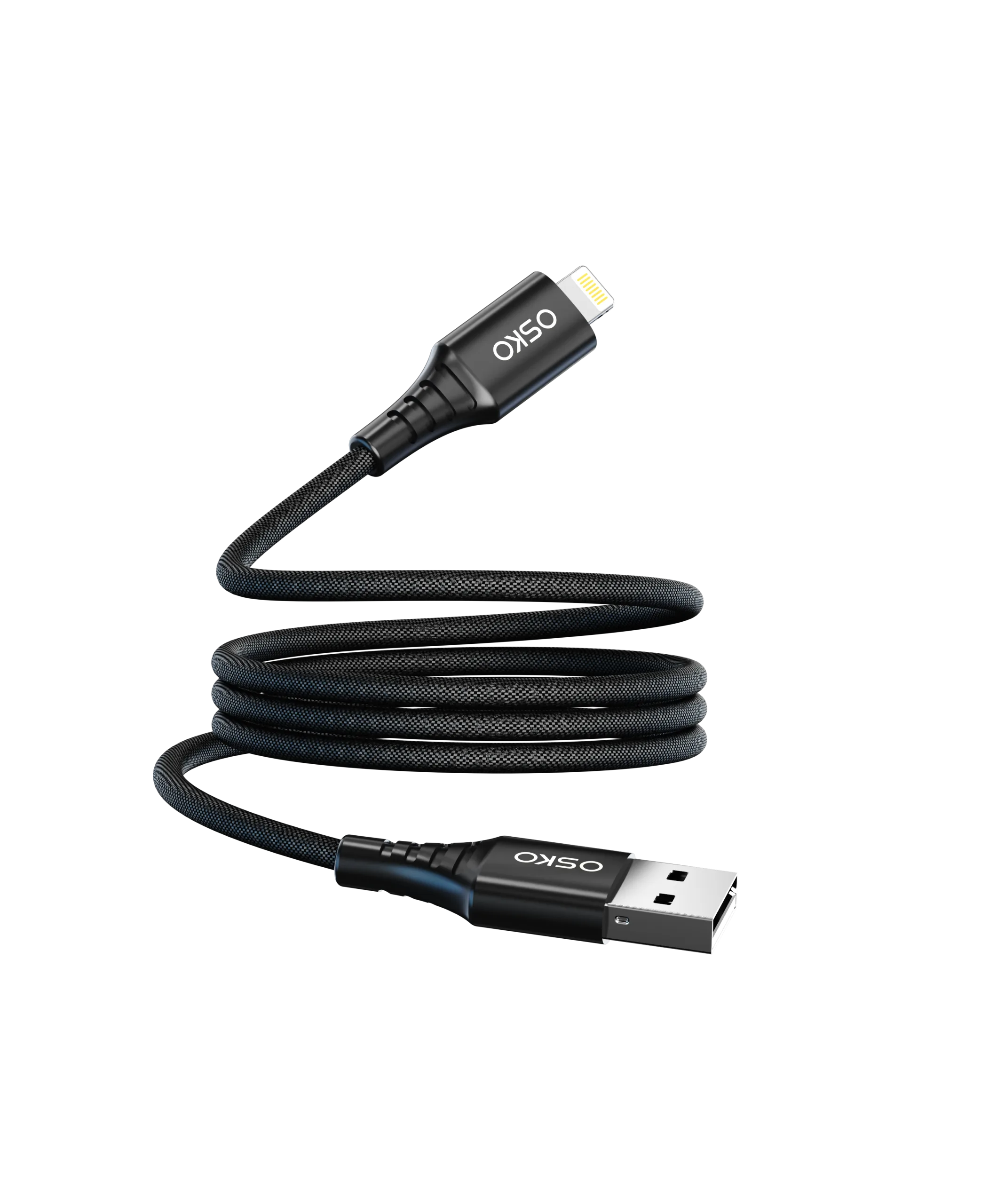
Nylon Braided USB-C Cables
OEM & ODM Manufacturing
Custom Length and Color Options
Private Label Packaging
Wholesale Distribution Support
Request a Quote
Name: ___________________
Company: ___________________
Email: ___________________
Required Power: 60W / 100W / 240W
Cable Type: USB-C / USB4 / Custom
Estimated Quantity: ___________________
Project Requirements: ___________________