

Introduction
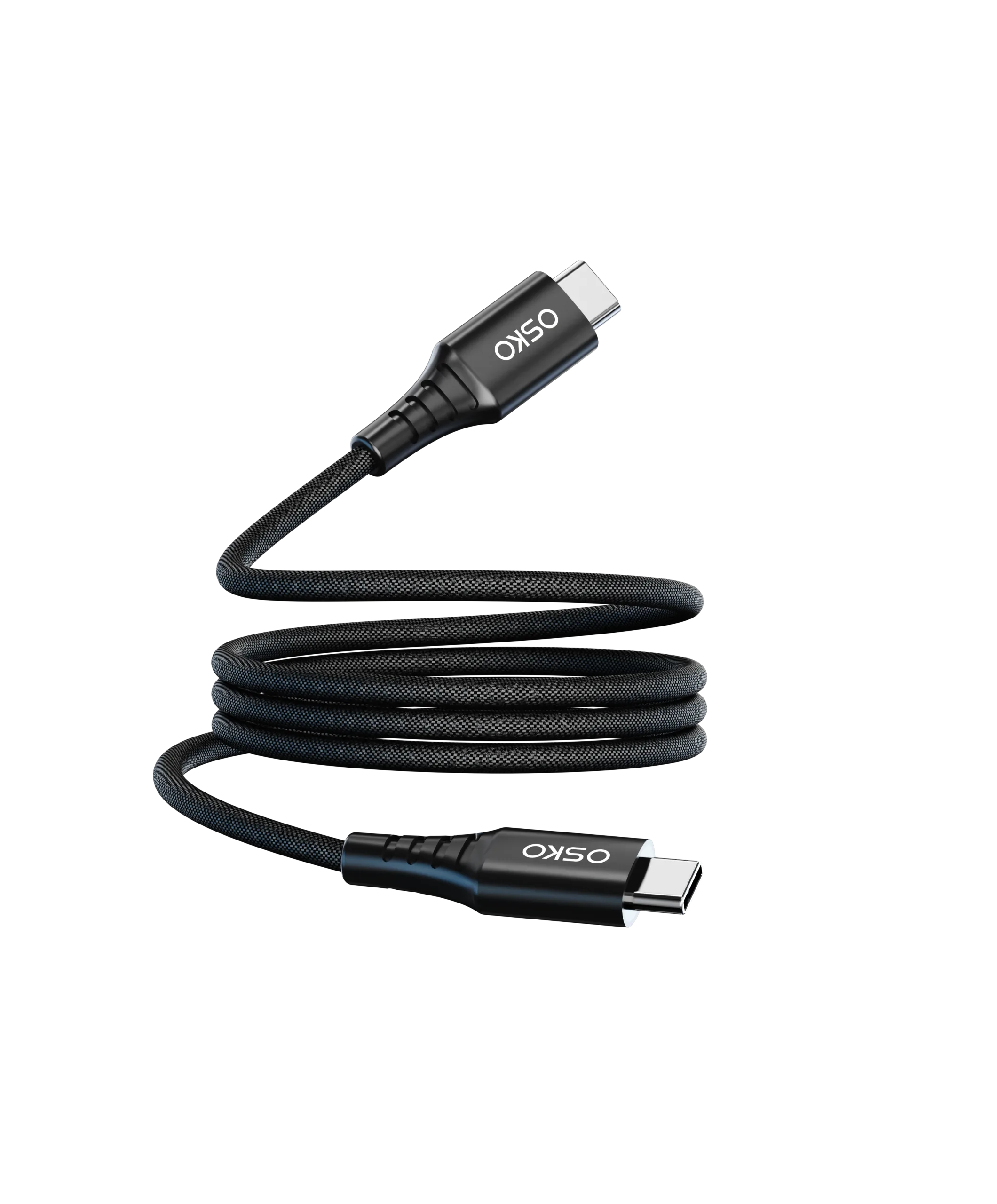
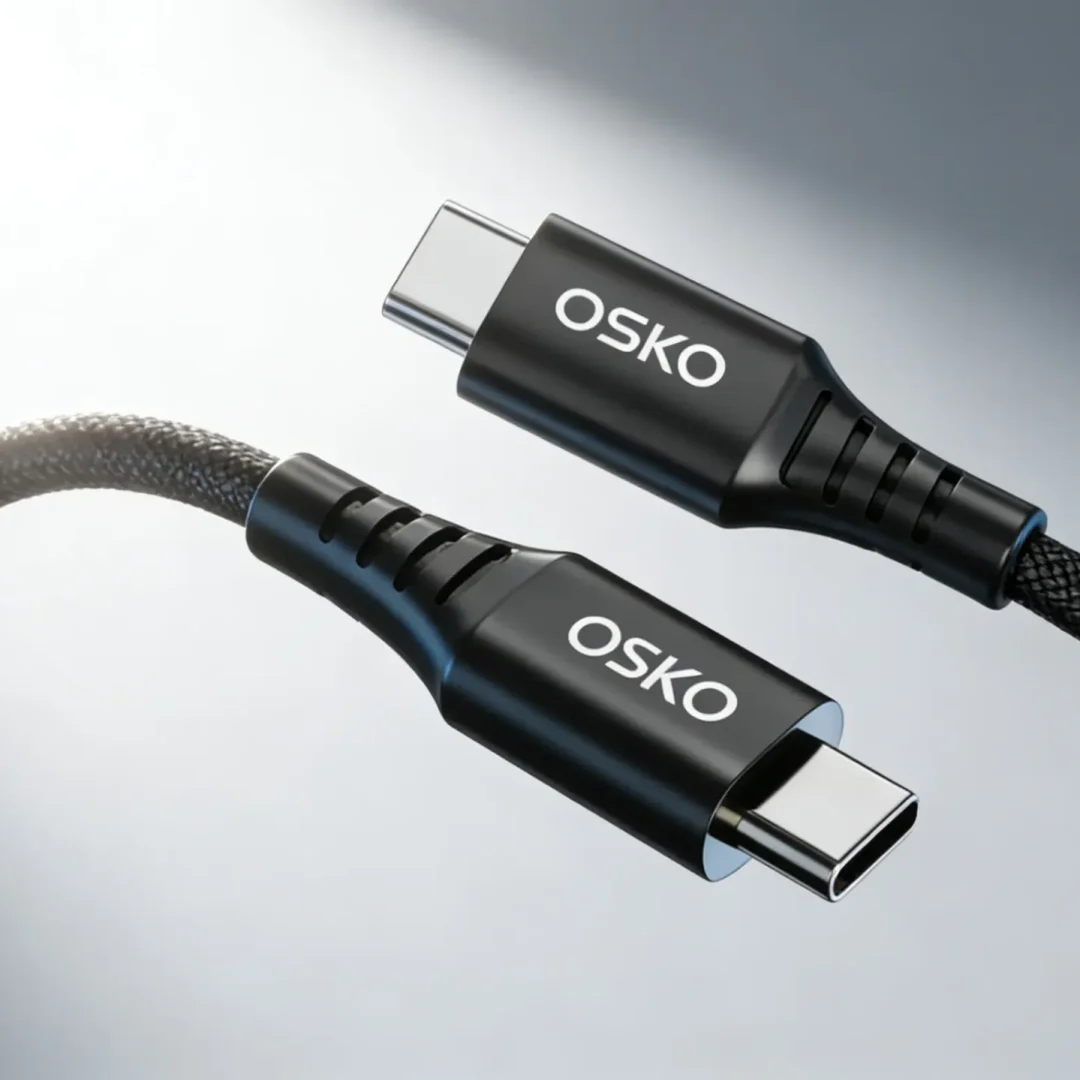
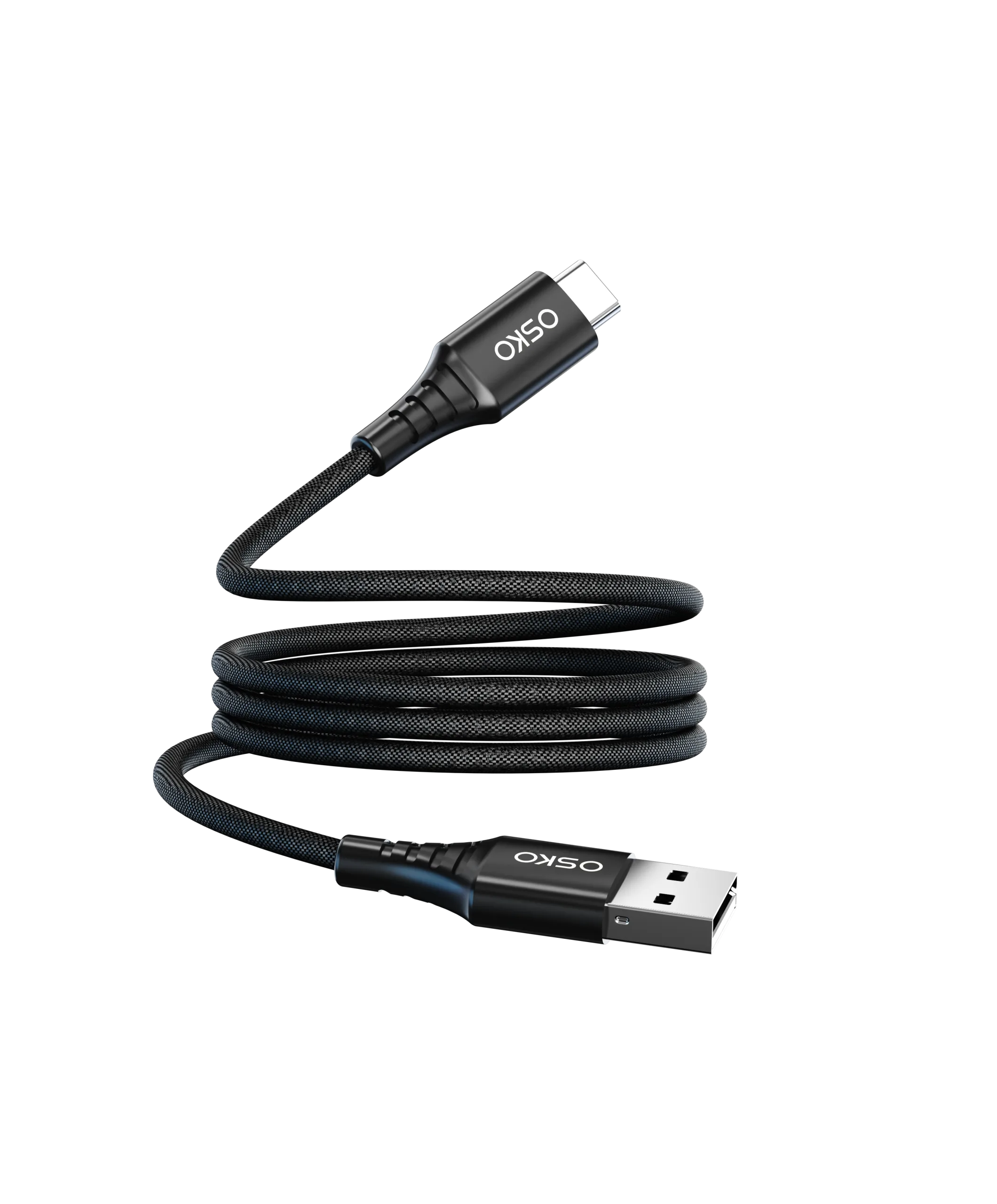
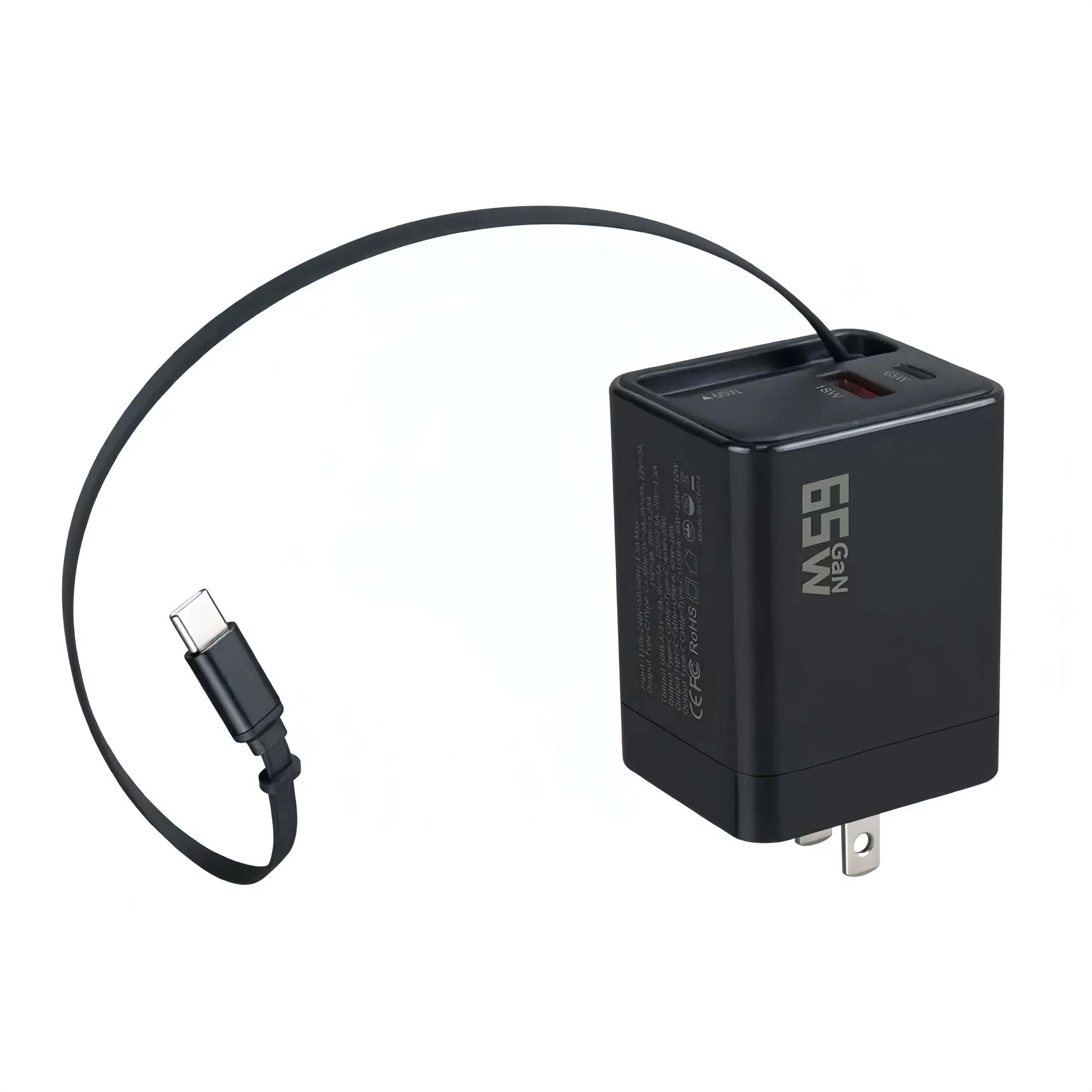
A common question in the charging ecosystem is whether a 100W USB-C cable is suitable for iPhone charging.
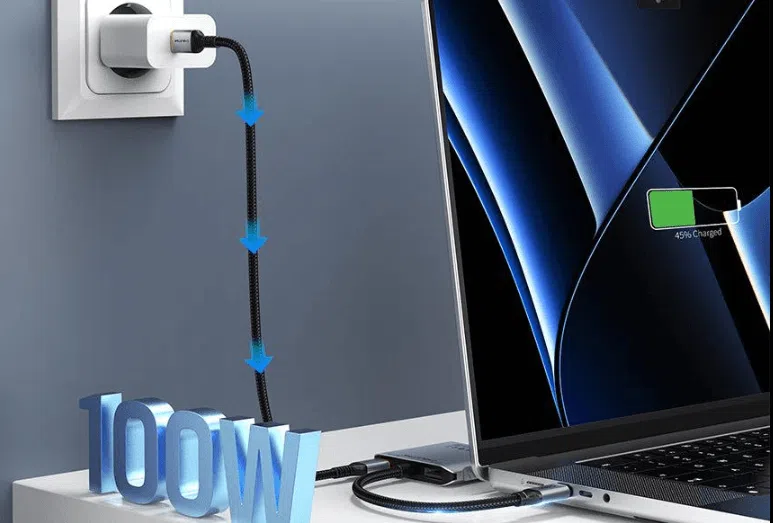
At first glance, 100W seems excessive for a smartphone that typically consumes far less power. However, in modern USB Power Delivery systems, cable wattage rating does not force power into the device. Instead, it defines the maximum safe capacity the cable can handle.
This means a 100W USB-C cable can safely charge an iPhone—but whether it provides any performance advantage depends on the device, adapter, and protocol support.
Material Science & Dielectric Properties
Understanding how a 100W USB-C cable behaves with an iPhone requires looking at electrical engineering fundamentals.
Power Delivery Is Negotiated, Not Forced
USB Power Delivery (USB-PD) works through intelligent negotiation:
Charger communicates available power
Device requests required power
Cable acts as a safe transmission medium
An iPhone will only draw:
20W–30W (typical fast charging range)
Not the full 100W capacity
So a 100W USB-C cable for iPhone does not increase charging speed by itself.
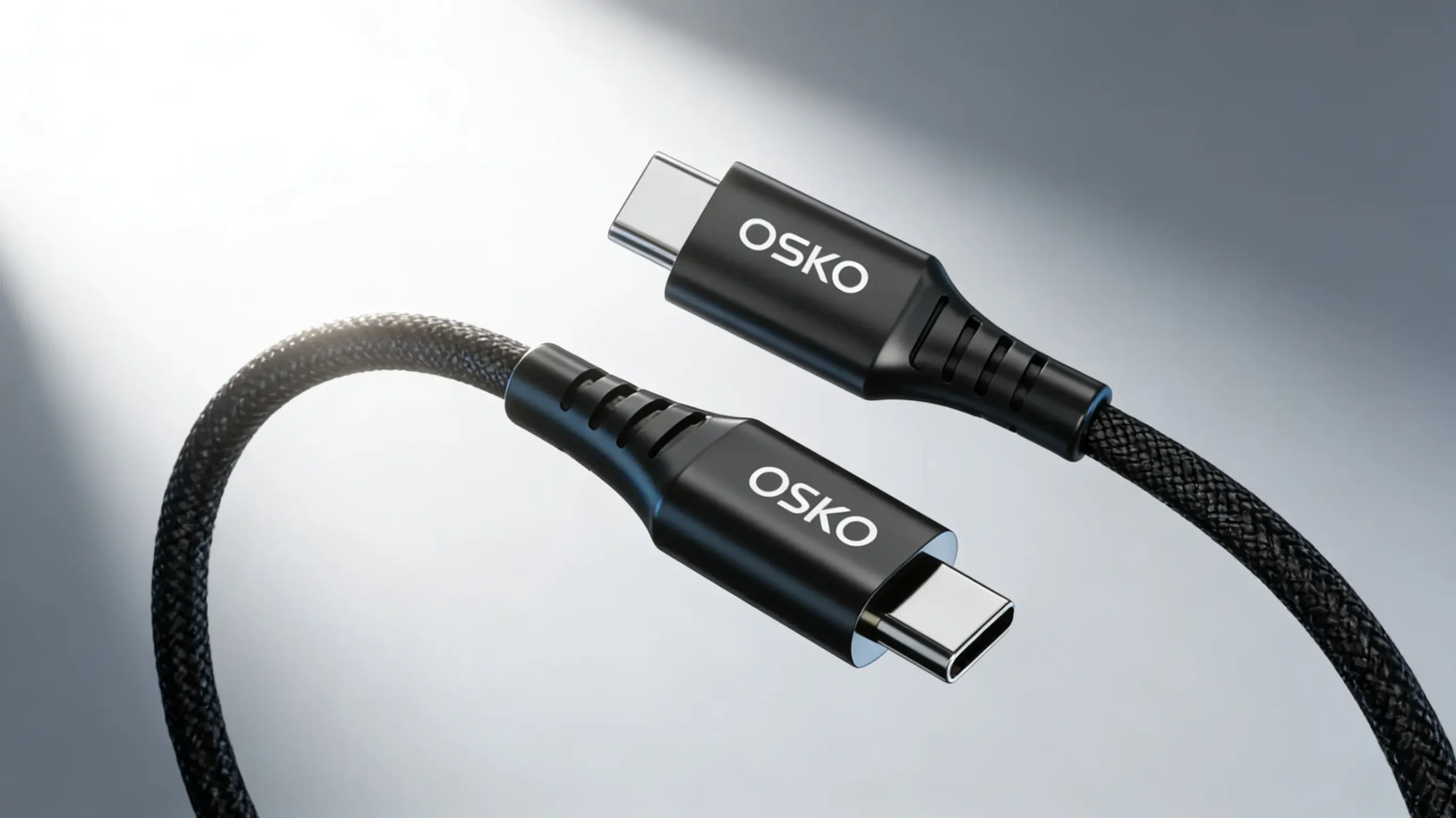
Conductor Design and Resistance
A higher-rated cable (100W) typically uses:
Thicker oxygen-free copper conductors
Lower resistance wire architecture
Improved thermal stability
This results in:
Stable voltage delivery
Reduced heat under load
More consistent performance over time
Even if the iPhone does not use full wattage, cable quality still affects efficiency.
Insulation and Thermal Control
High-quality 100W cables often include:
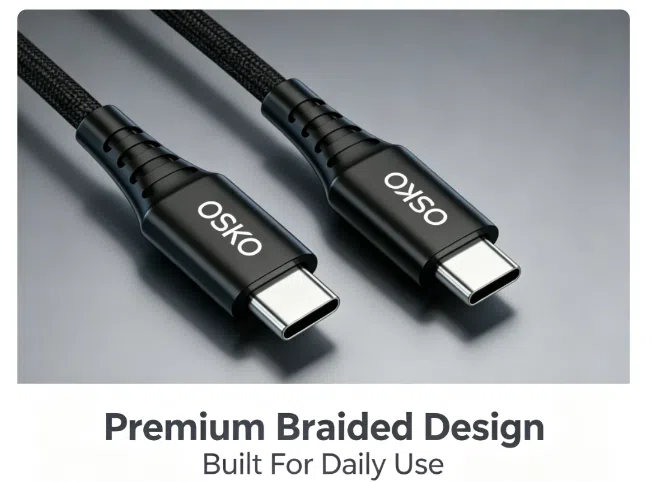
TPE or nylon braided insulation
Multi-layer dielectric protection
Heat-resistant structural design
These materials reduce energy loss and improve long-term durability, especially in fast charging cycles.
E-Marker Chip Requirement
Most 100W+ cables include an E-Marker chip, which:
Identifies cable power rating
Ensures safe current negotiation
Prevents overcurrent damage
This is critical in USB-C PD charging cable systems but is mostly irrelevant for low-power iPhone charging.
Case Study
US Retailer iPhone Accessory Optimization
A North American electronics retailer introduced 100W USB-C cables into its iPhone accessory lineup expecting faster charging performance.
Customer Feedback Issues
The company observed:
No noticeable speed improvement for iPhone users
Confusion about “100W” labeling
Higher price sensitivity compared to 20W–60W cables
Demand for clearer product positioning
Engineering Diagnosis
The key misunderstanding was:
iPhone charging is limited by device power management
Cable wattage rating does not increase charging speed
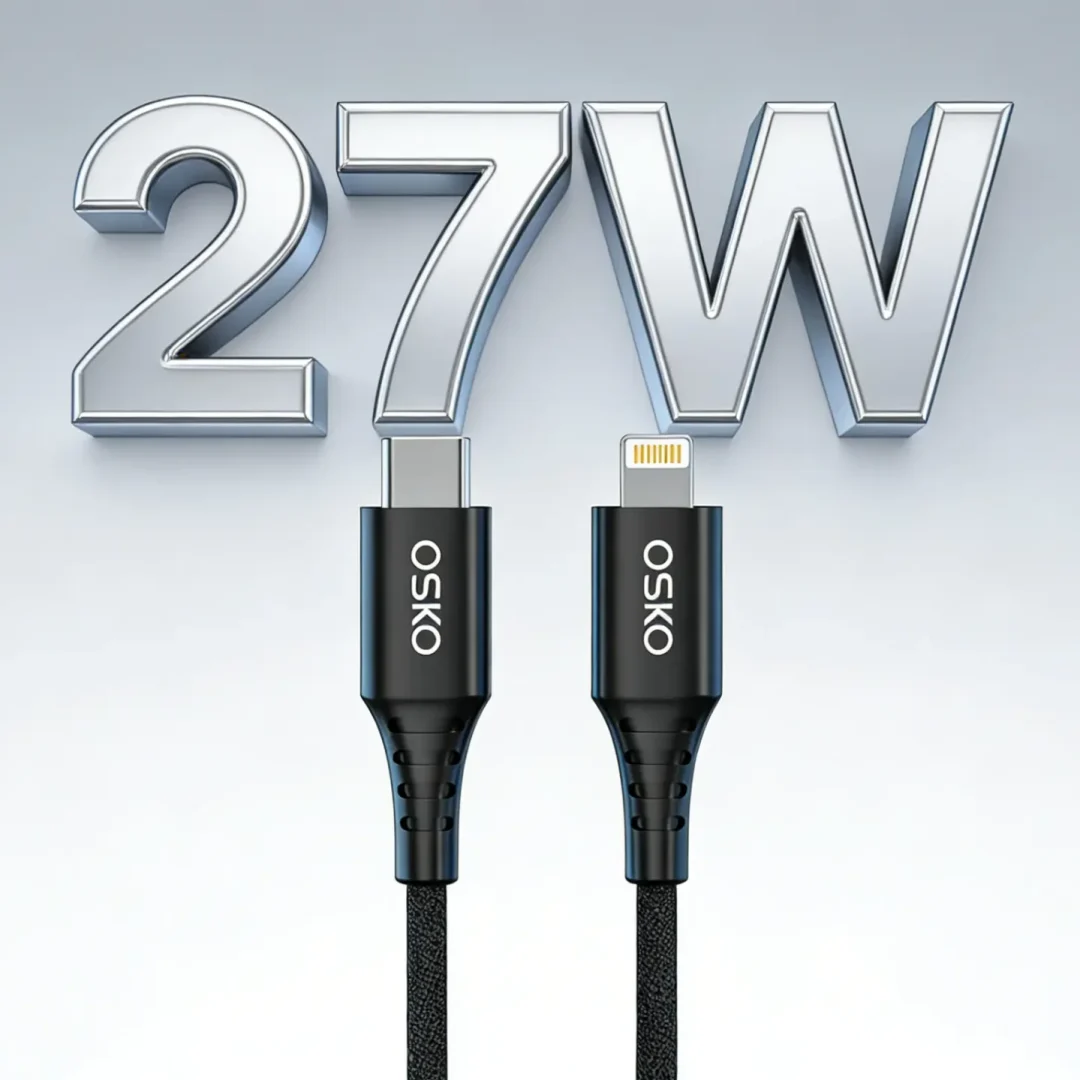
Most iPhones peak at 27 input
However, 100W cables still provided:
Better durability
Lower heat generation
Improved long-term reliability
OSKO Engineering Solution
OSKO repositioned the product strategy:
100W cables marketed for multi-device compatibility
iPhone usage positioned as “safe high-durability option”
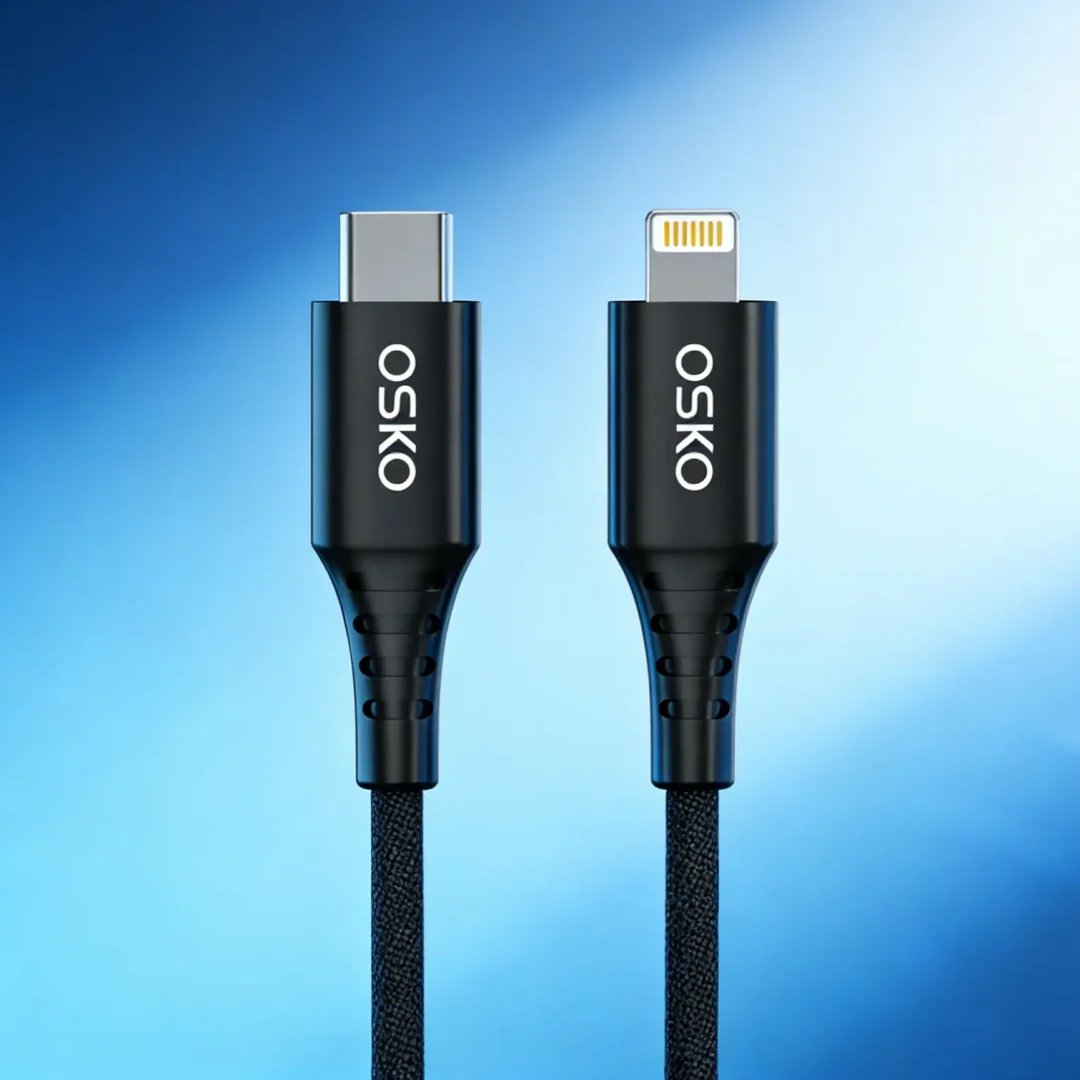
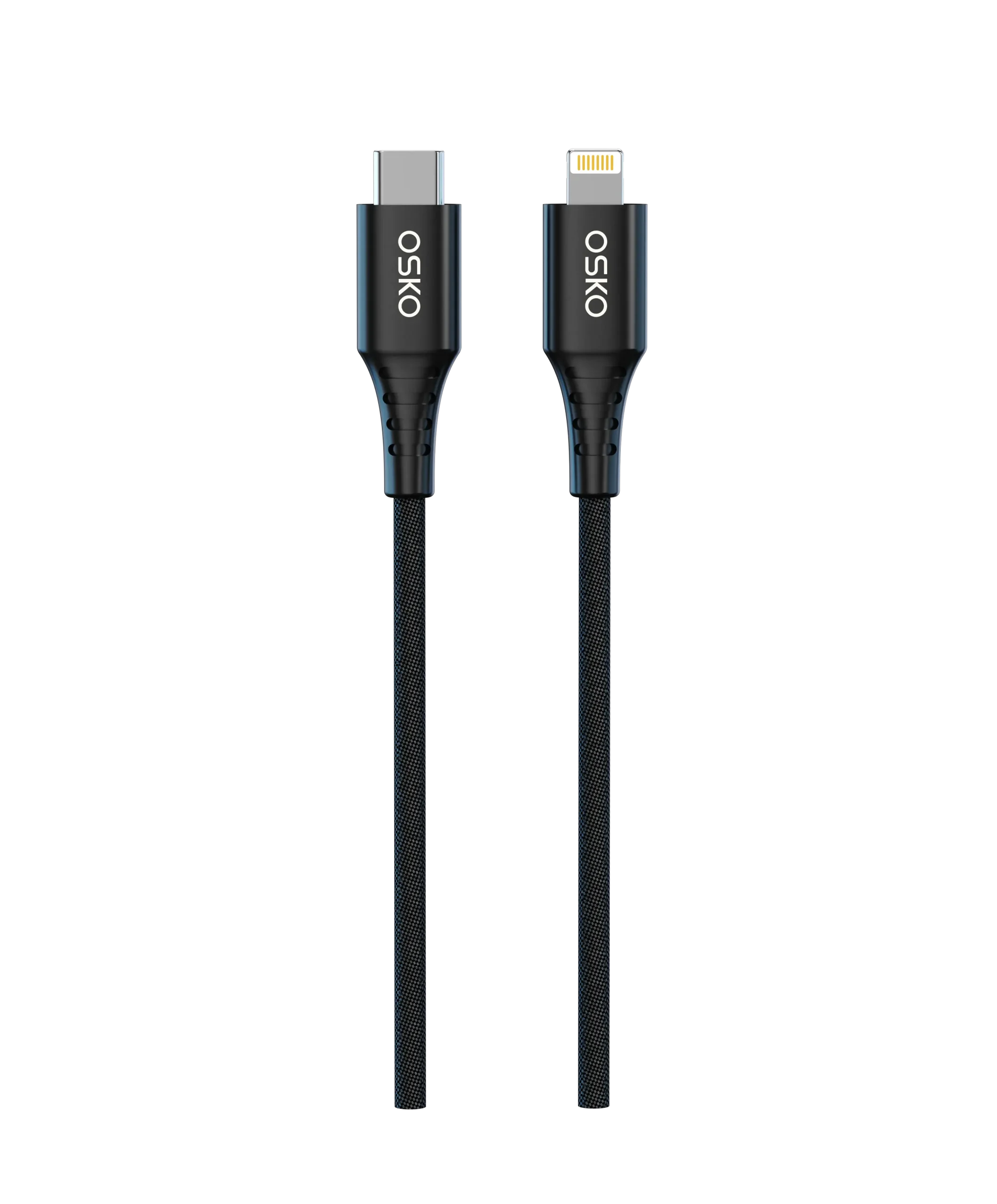
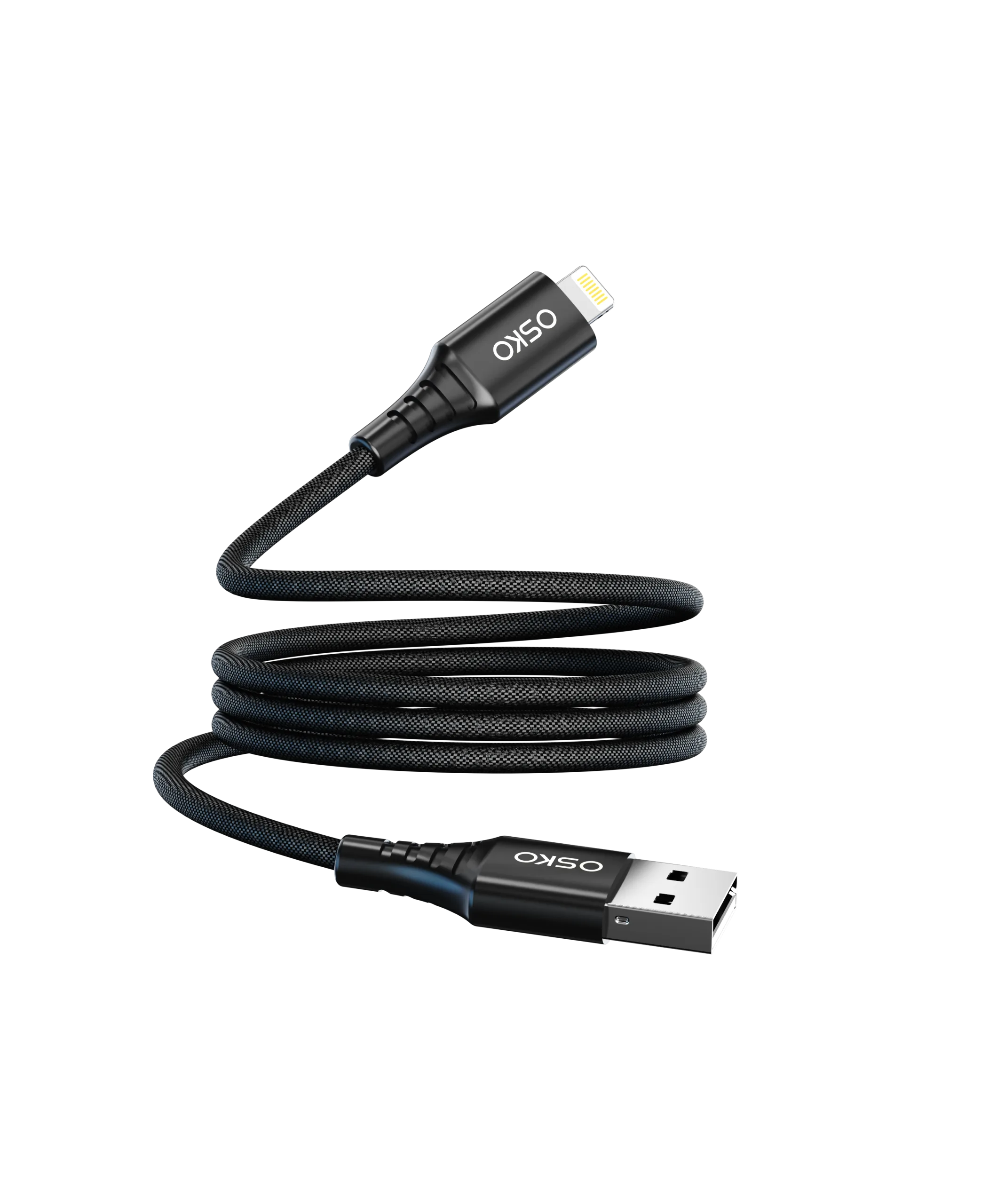
Introduction of USB-C to Lightning cable for optimized Apple fast charging
OEM production included:
OEM ODM custom length USB C cables
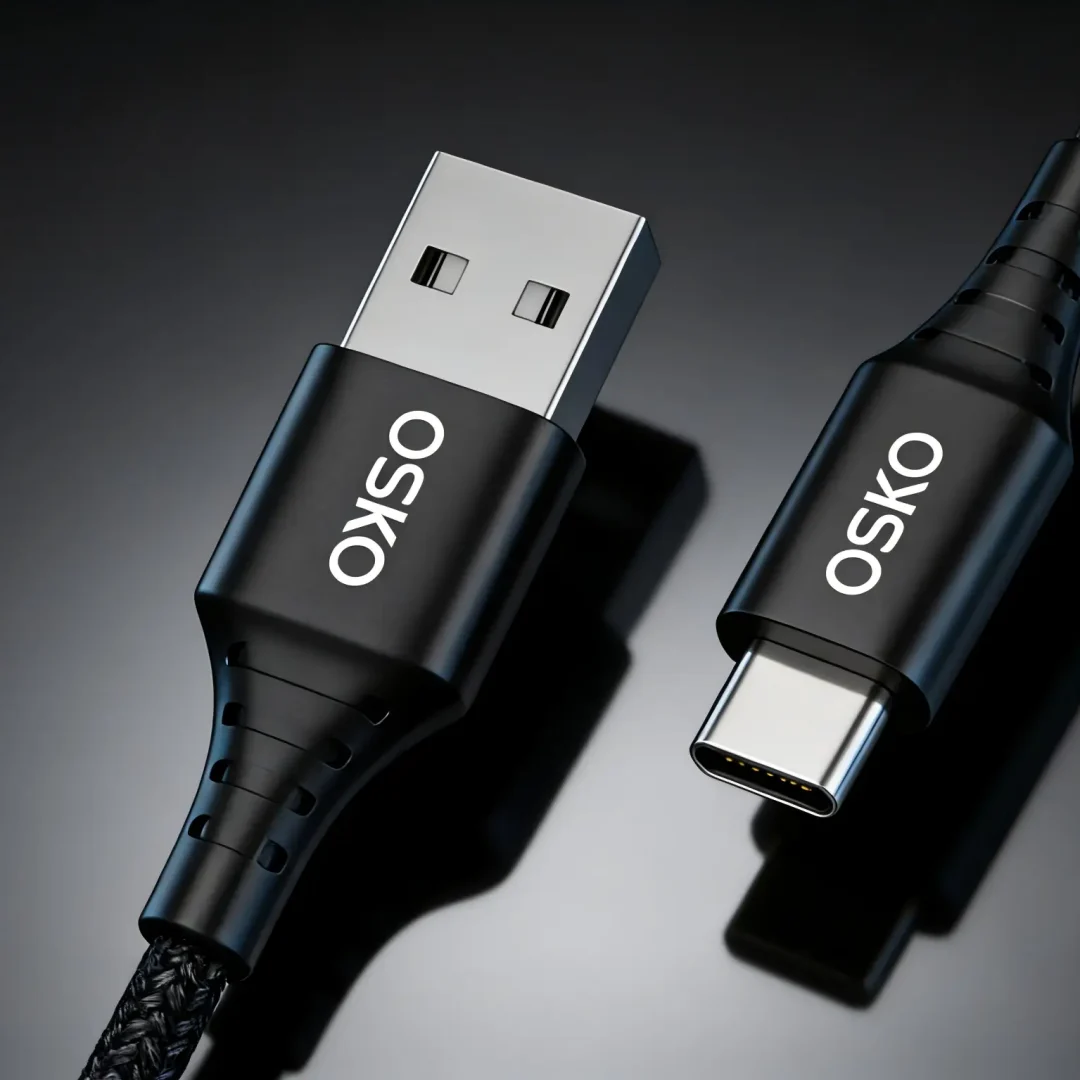
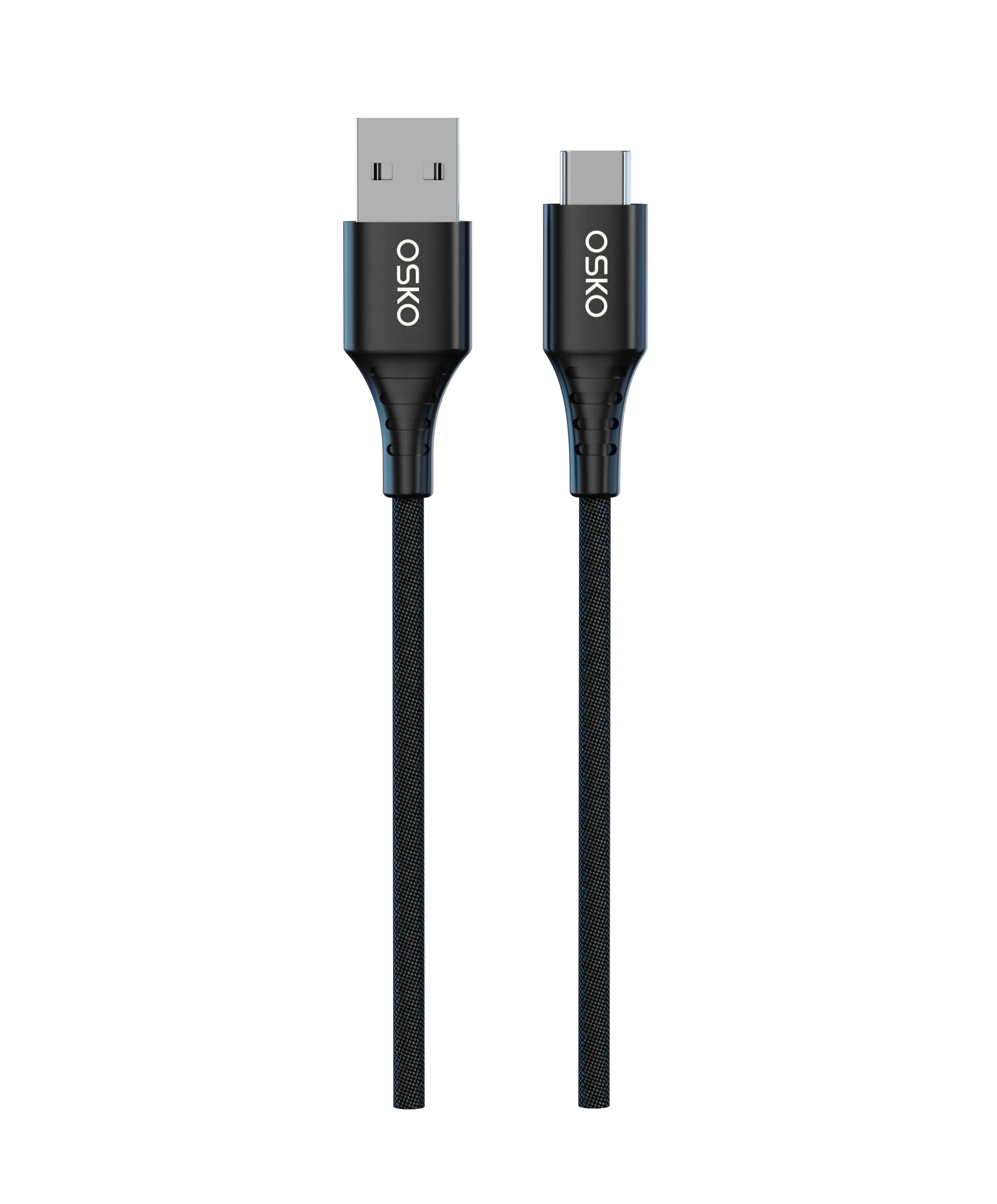
Durable nylon braided Type C charging cable factory output
White label 240W fast charging cable wholesale expansion for cross-device ecosystems
Results
Reduced customer confusion
Improved product segmentation clarity
Higher satisfaction in multi-device households
Better conversion in premium accessory category
Selection Guide
Does iPhone Benefit from a 100W Cable?
Technically:
No speed increase beyond iPhone limit
Yes in terms of durability and stability
A 100W cable is over-engineered for iPhone but not harmful.
Best Cable Types for iPhone Charging
| Cable Type | Power Rating | Best Use Case |
|---|---|---|
| USB-C to Lightning | 27W optimized | Best iPhone fast charging |
| USB-C 60W cable | Multi-device use | Balanced ecosystem |
| USB-C 100W cable | Premium durability | Shared devices (laptop + phone) |
Material Quality Matters More Than Wattage
Important factors:
Oxygen-free copper conductors
EMI shielding structure
Nylon braided reinforcement
E-Marker chip integration (for higher wattage cables)
These determine real-world performance more than the printed wattage number.
OEM and Wholesale Considerations
For global buyers, product positioning is key:
100W cables used for universal device compatibility
60W cables dominate mobile + tablet markets
Lightning cables remain relevant for Apple ecosystems
Common OEM categories include:
Braided right angle USB-C cable wholesale
Tangle-free double-braided USB C cable wholesale
Bulk custom 6ft 10ft USB-C cables
Prop 65 compliant USB C cable factory
FAQ
Will a 100W cable charge my iPhone faster?
No. iPhone charging speed is limited by the device, not the cable.
Is a 100W cable safe for iPhone?
Yes. The device only draws the power it needs.
Why buy a 100W cable for iPhone?
For durability, future compatibility, and multi-device use.
Is 60W better than 100W for iPhone?
Performance is similar; 60W is often more cost-efficient.
Do I need MFi certification with USB-C cables?
Only for Lightning-based iPhone cables; USB-C cables depend on device protocol compatibility.
Summary
A 100W USB-C cable for iPhone does not increase charging speed, but it does provide higher durability, better thermal stability, and broader device compatibility.
In real-world usage, iPhone charging speed is controlled by USB Power Delivery negotiation and device limits, not cable wattage rating.
From an engineering and OEM perspective, 100W cables are best positioned as universal, future-proof accessories rather than iPhone-specific fast charging solutions.
Ultimately, the right choice depends not on maximum wattage, but on system compatibility, material quality, and intended usage environment.