

Introduction
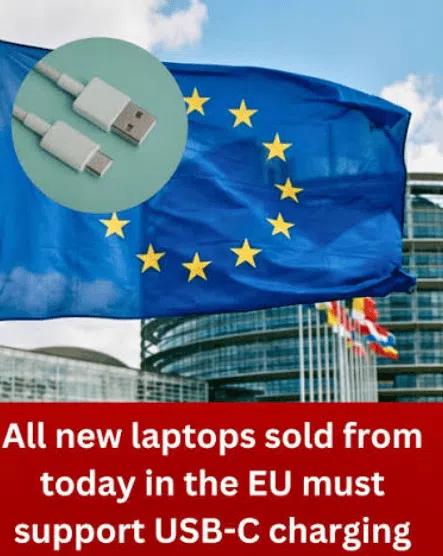
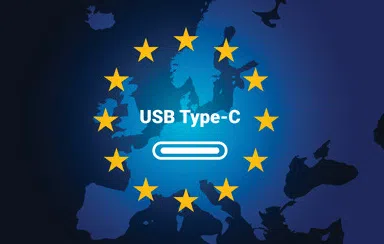
The European Union’s push toward full USB-C standardization across electronic devices, including laptops, has raised an important industry question: will this mandate create a charger shortage in 2026?
At first glance, a sudden regulatory shift toward a universal charging standard might suggest supply pressure. However, when analyzed through supply chain capacity, OEM manufacturing scalability, and USB Power Delivery ecosystem maturity, the outcome is more nuanced.
Rather than a shortage of chargers or cables, the market is more likely to experience temporary demand imbalance and product segmentation pressure, especially in high-wattage segments such as 100W–240W USB-C systems.
Material Science & Dielectric Properties
To understand supply constraints, it is important to first understand the technical evolution of USB-C charging systems.
USB-C Standardization Is Not New Technology
USB-C itself has already been widely adopted across:
Smartphones
Tablets
Laptops
Accessories
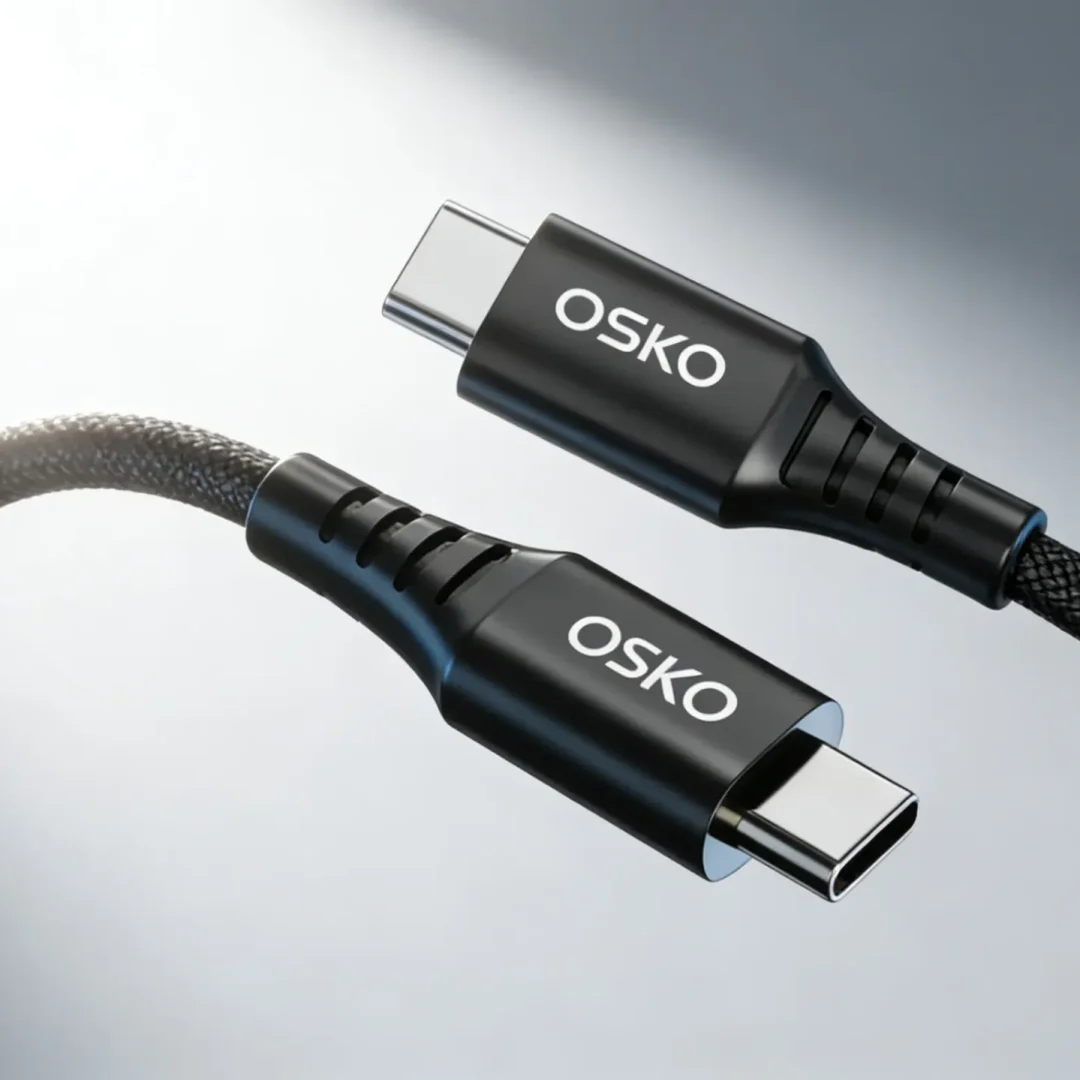
The EU mandate does not introduce a new connector—it enforces a standardized interface that already dominates the market.
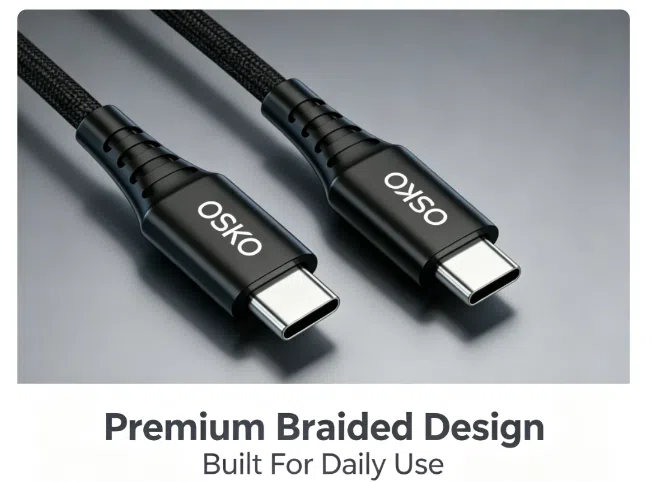
From a materials and engineering standpoint, most USB-C cable manufacturing systems are already mature and scalable.
Power Delivery Evolution and Component Demand
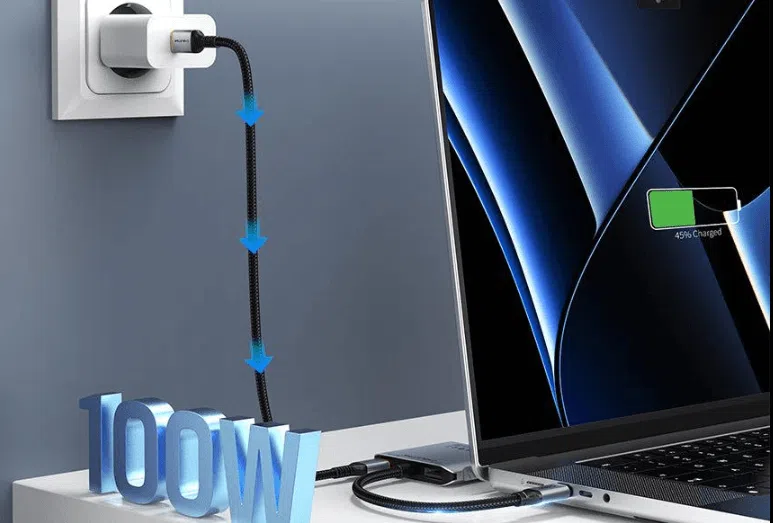
The real pressure point is not the connector itself, but USB Power Delivery (USB-PD) scaling, especially:
60W cables (consumer laptops)
100W cables (performance laptops)
240W cables (workstations and future devices)
Higher wattage cables require:
Oxygen-free copper conductors
E-Marker chip integration
Advanced EMI shielding
Reinforced insulation systems
This is where fast charging cable engineering becomes a limiting factor—not basic USB-C adoption.
Material Supply Chain Stability
Global cable production already supports large-scale demand for:
PVC, TPE, and nylon braided materials
Copper conductor supply chains
Standard shielding foils and braiding materials
Therefore, the EU mandate does not introduce a new material bottleneck. Instead, it shifts demand toward higher compliance and higher wattage categories.
Case Study
European Consumer Electronics Transition Scenario
A European electronics distributor analyzed potential risks ahead of USB-C standard enforcement deadlines.
Market Concern
The company expected:
Sudden spike in USB-C cable demand
Shortage of certified laptop chargers
Increased pricing volatility
Supply chain delays from Asian OEM factories
Engineering and Supply Chain Analysis
The investigation revealed:
USB-C cables are already globally standardized
Most OEM factories already operate at scale
Bottlenecks exist only in high-wattage segments (100W–240W)
Charger adapters, not cables, are the true constraint
Low-wattage cables (20W–60W) are widely overproduced globally.
OSKO Supply Chain Solution Model
OSKO structured production into three capacity tiers:
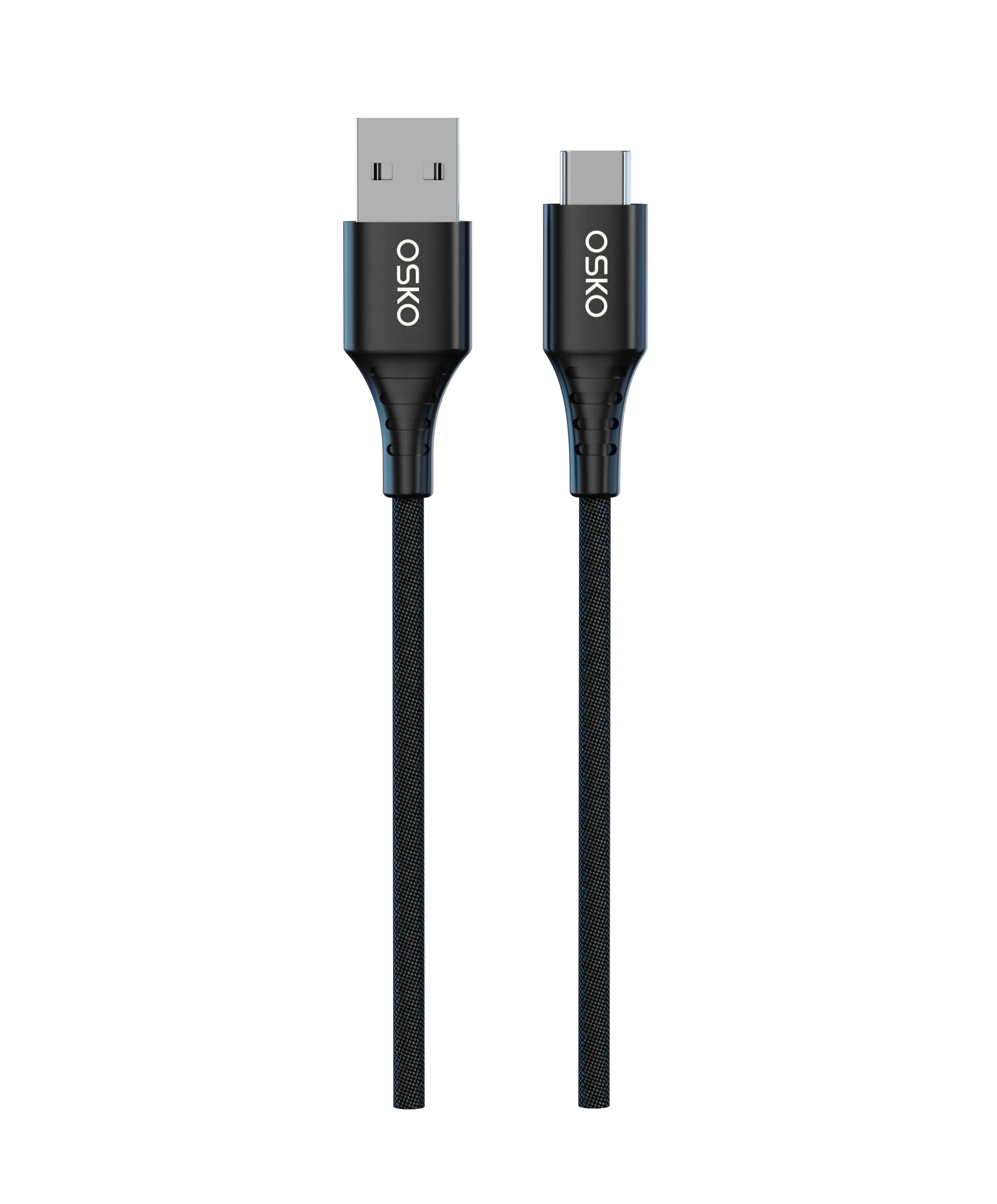
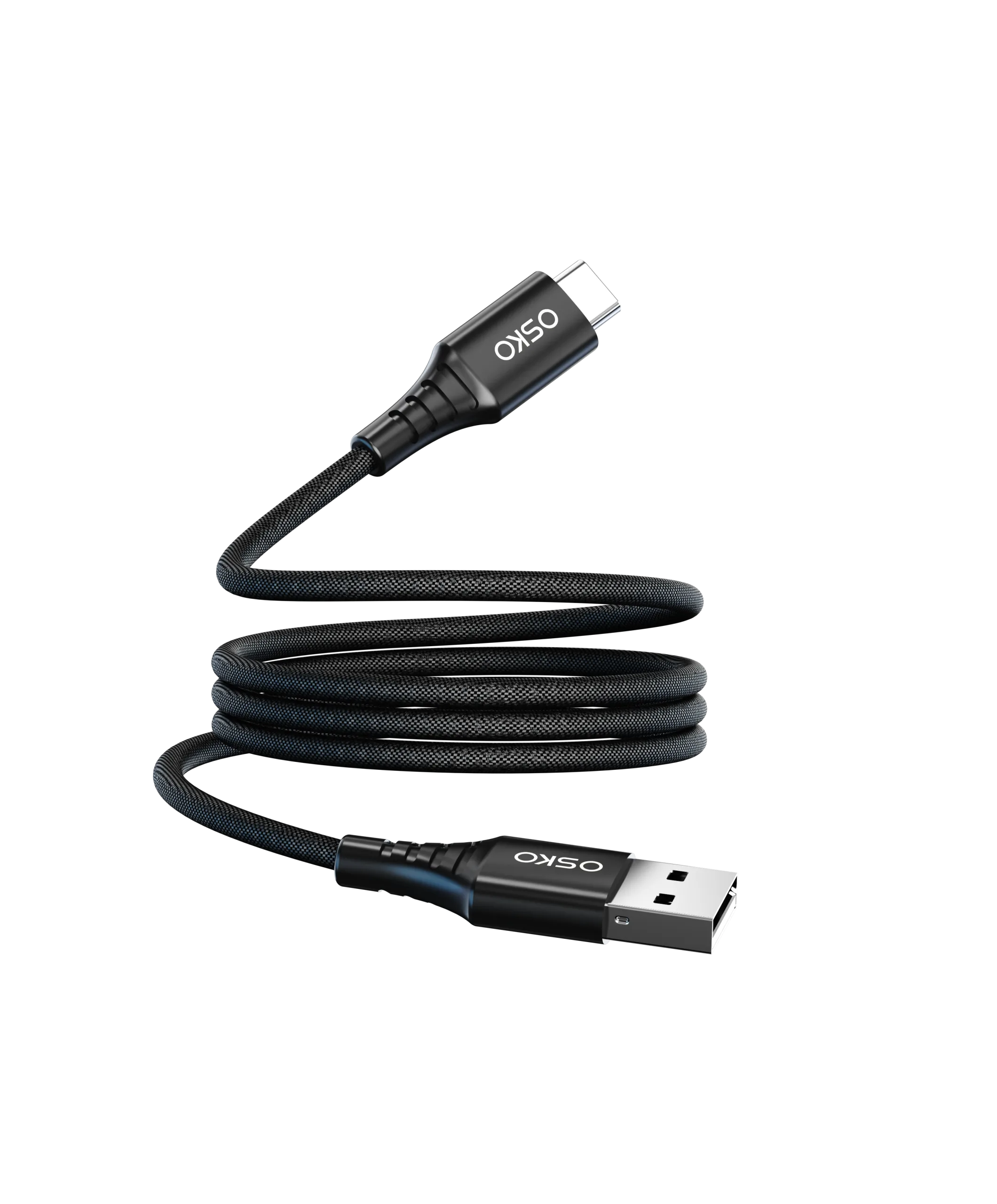
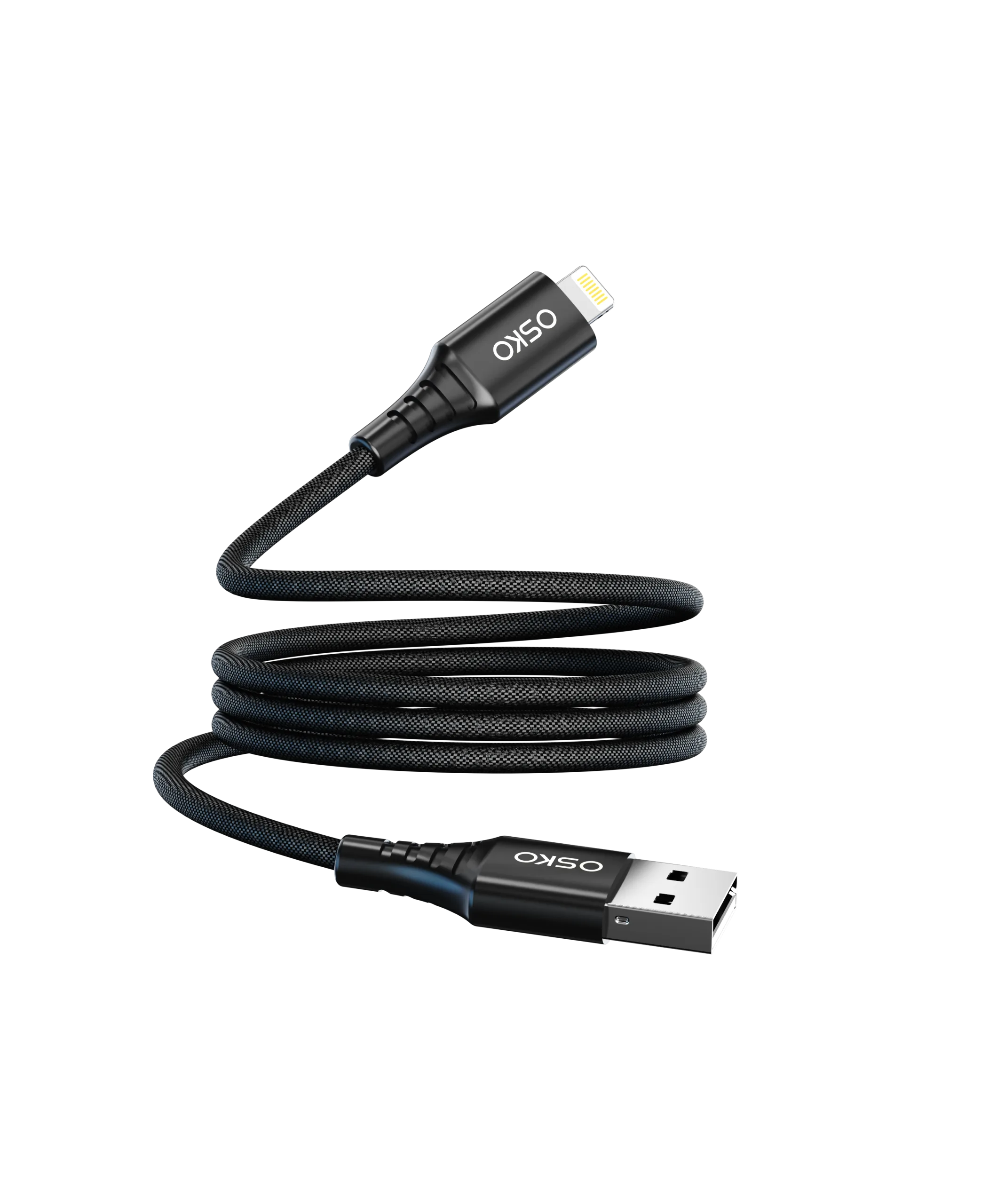
Entry-level USB-C cables for mobile devices
Mid-tier 60W–100W cables for laptops and tablets
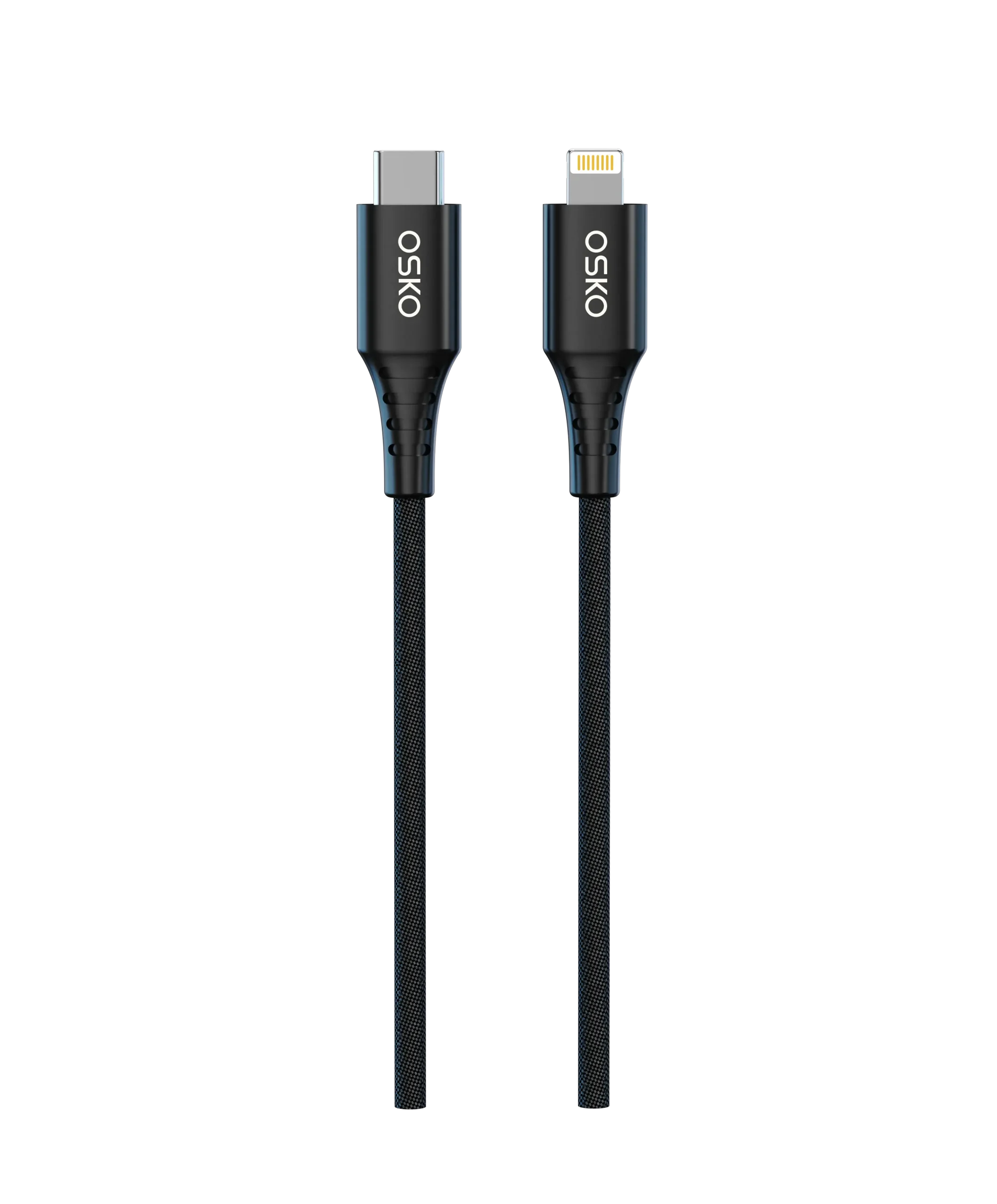
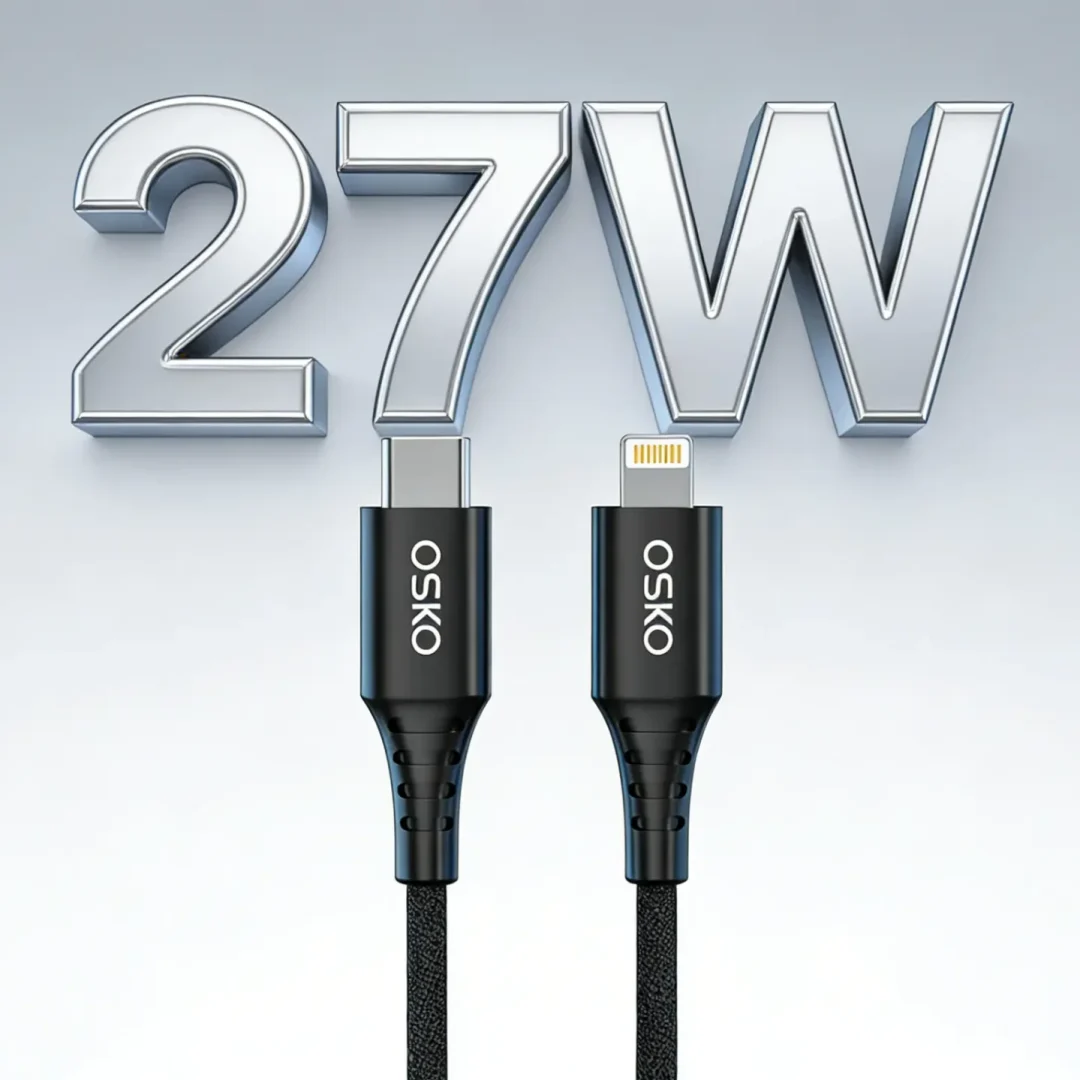
High-performance White label 240W fast charging cable wholesale production for enterprise systems
OEM integration included:
OEM ODM custom length USB C cables
Bulk custom 6ft 10ft USB-C cables
USB-IF compliant Type C cable manufacturer certification pathways
This ensured scalable supply across EU and US markets.
Outcome
The analysis showed:
No structural shortage in cable supply
Temporary demand surge in compliant laptop chargers
Increased importance of certification and quality segmentation
Stable long-term supply chain after initial adjustment period
Selection Guide
Will There Be a Charger Shortage?
The answer depends on product category:
USB-C cables: No shortage expected
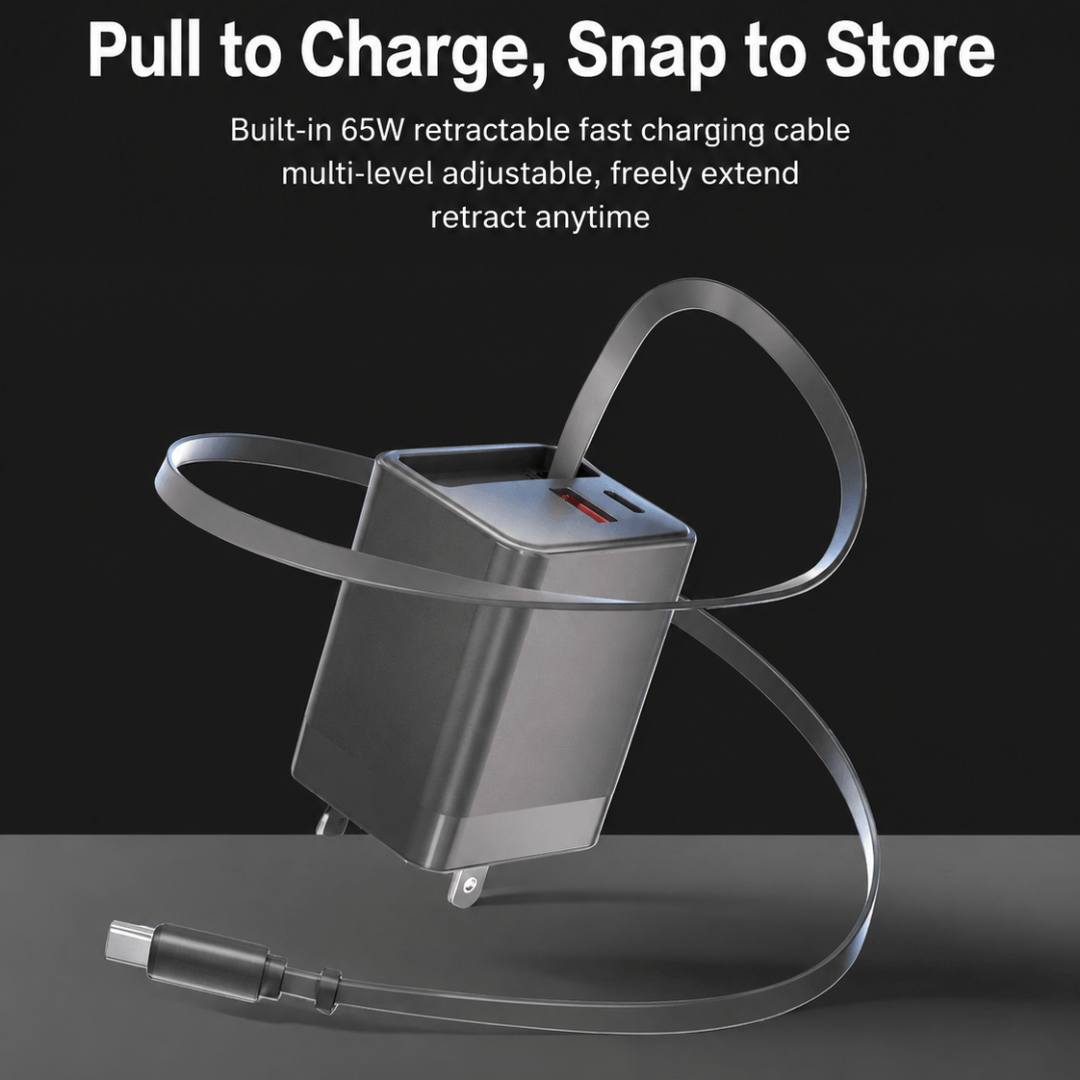
Low-watt chargers (20W–65W): Oversupplied globally
Laptop chargers (100W–240W): Potential short-term demand pressure
The real constraint is not physical supply, but certified high-power system production capacity.
Key Supply Chain Factors
The following factors determine market stability:
USB-PD 3.1 adoption rate
E-Marker chip availability
OEM manufacturing capacity for high-watt systems
Certification compliance (CE, FCC, RoHS)
Factories such as ISO9001 certified braided USB cable factory already scale production for global distribution.
Market Segmentation After EU Mandate
The market is expected to divide into:
Consumer mobile charging (stable supply)
Laptop charging ecosystems (high growth demand)
High-performance workstation systems (premium segment expansion)
Specialized product categories include:
Braided right angle USB-C cable wholesale for gaming laptops
Heavy duty coiled USB-C spring cable bulk for industrial systems
Tangle-free double-braided USB C cable wholesale for retail premium lines
OEM and Wholesale Readiness
Global OEM suppliers are already prepared through:
Multi-wattage product lines
Scalable manufacturing systems
Regional compliance certification
Common supply categories include:
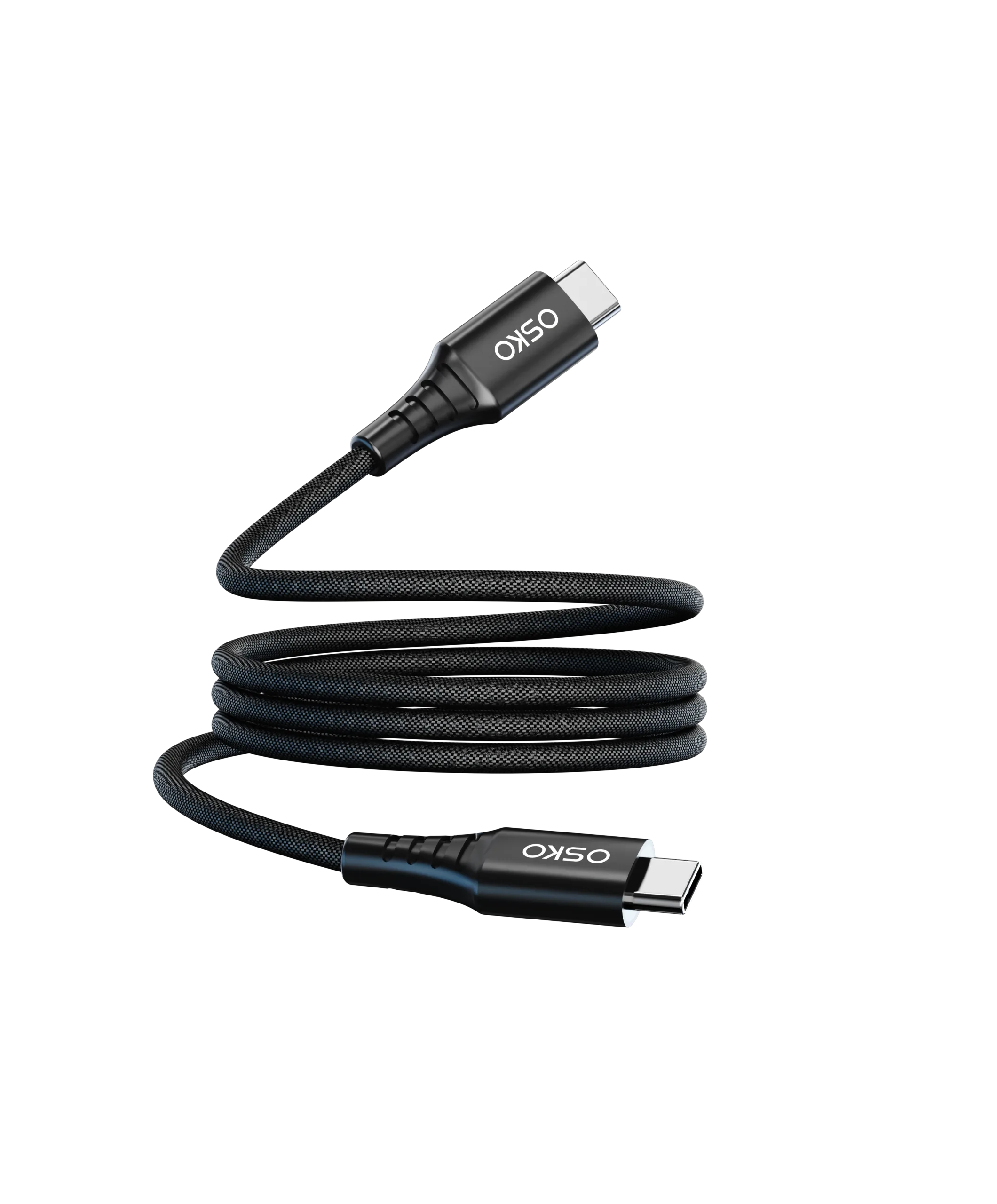
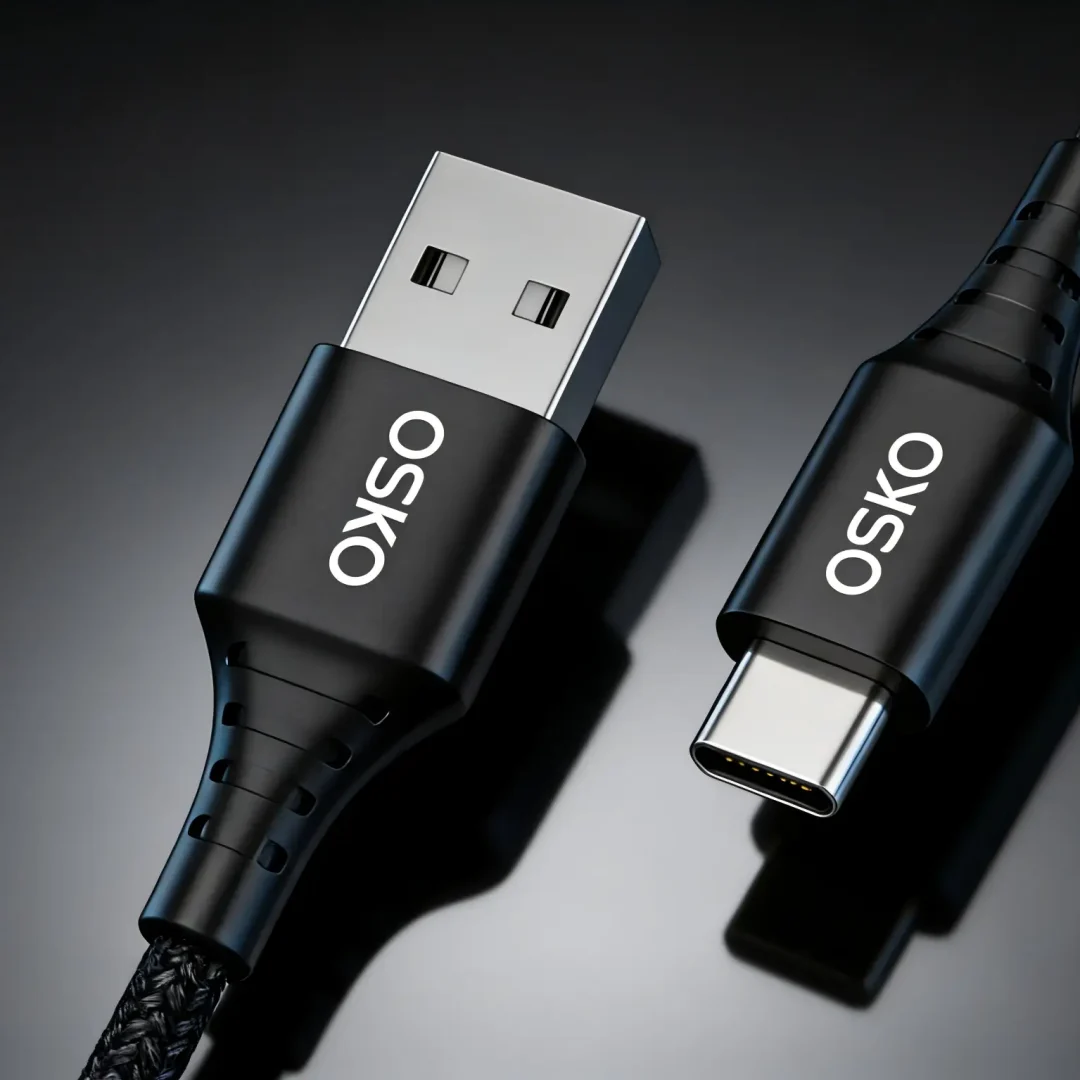
Durable nylon braided Type C charging cable factory output
Wholesale 60w braided usb c cable mass production
Prop 65 compliant USB C cable factory compliance for US markets
FCC approved nylon braided USB C cable supplier export systems
FAQ
Will the EU USB-C rule cause shortages?
No major shortage is expected. The supply chain is already mature and scalable.
What product may face shortages?
High-wattage laptop chargers (100W–240W) may experience temporary demand pressure.
Are USB-C cables affected?
No. USB-C cables are already widely manufactured and globally standardized.
Will prices increase?
Low-end cables will remain stable, while certified high-power systems may see temporary price fluctuations.
Is OEM supply ready for EU demand?
Yes. Most OEM USB cable manufacturer systems already support EU compliance requirements.
Summary
The EU’s 2026 USB-C mandate for laptops will not create a widespread charger shortage. Instead, it will accelerate standardization across an already mature USB-C ecosystem.
The real pressure point lies in high-wattage charging systems (100W–240W), where certification requirements and power delivery engineering increase production complexity.
USB-C cables themselves are already globally scalable, with strong OEM and wholesale infrastructure supporting North American and European markets.
Ultimately, the mandate will not restrict supply—it will reorganize demand toward higher-performance, fully certified charging ecosystems built on USB Power Delivery 3.1 standards.