
Introduction
Choosing the right charging cable for an iPhone is not only a matter of connector type but also a matter of electrical performance, material quality, and certification compliance.
Many users assume all Lightning cables perform the same function, but in reality, differences in conductor quality, shielding structure, and MFi certification significantly affect charging speed, device safety, and long-term battery health.
In modern charging ecosystems used across North America and Europe, selecting a proper iPhone charging cable is essential for maintaining stable fast charging performance and avoiding compatibility issues.

Material Science & Dielectric Properties
The performance of an iPhone charging cable depends heavily on its internal engineering structure and material composition.
Conductor Quality and Power Delivery
The core of any iPhone charging cable is the conductor system.
Common materials include:
Standard copper (entry-level cables)
Tinned copper (mid-range stability)
Oxygen-free copper (premium fast charging performance)
Higher-quality conductors reduce resistance and improve charging efficiency, especially in fast charging iPhone cable applications.
Lower-grade materials may cause:
Slower charging speed
Higher heat generation
Reduced battery efficiency over time
Insulation and Signal Stability
Lightning cables rely on stable signal transmission for device communication and charging negotiation.
Insulation materials such as:
PVC (basic durability)
TPE (flexible and heat resistant)
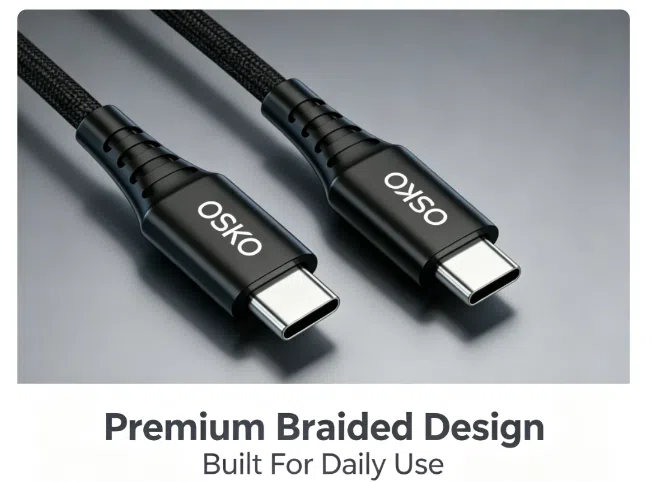
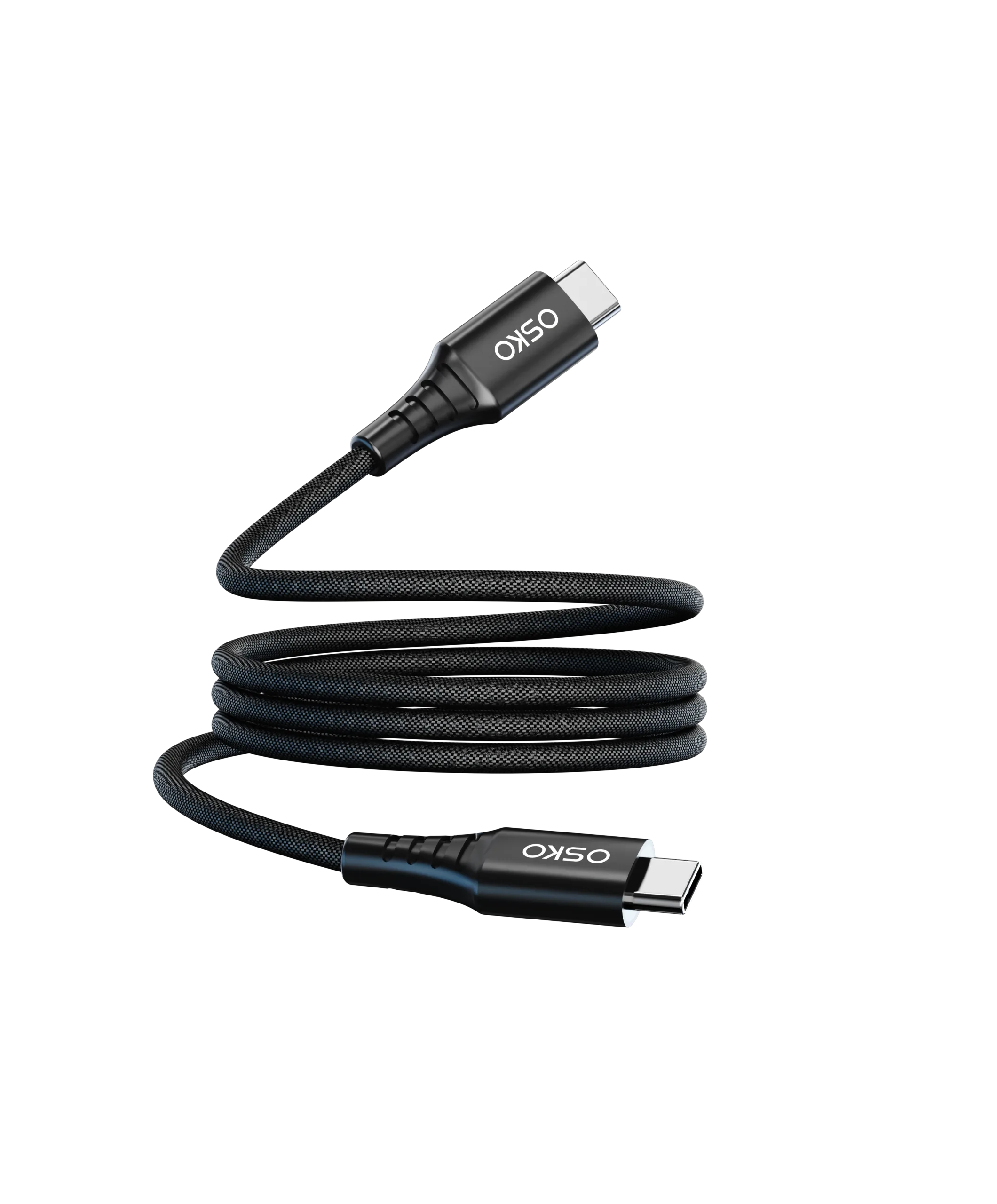
Nylon braided outer layers (mechanical protection)
play a critical role in maintaining long-term reliability.
High-quality charging cable materials reduce electromagnetic interference and improve signal stability during power transfer.
MFi Certification and Protocol Compliance
One of the most important factors in choosing an iPhone cable is MFi (Made for iPhone) certification.
MFi-certified cables ensure:
Proper authentication with Apple devices
Stable fast charging compatibility
Reduced risk of system errors or warnings
Non-certified cables may still function but often fail under long-term usage or fast charging conditions.
This is a key differentiator in USB cable compatibility for Apple ecosystems.
Case Study
Retail Supply Chain Optimization for iPhone Accessories
A US-based electronics retailer experienced inconsistent performance across its Lightning cable product line.

Customer Problem
The company reported:
Fast charging inconsistency across suppliers
High return rate for non-certified cables
Customer complaints about cable durability
Compatibility warnings on iOS devices
Engineering Diagnosis
The root causes included:
Lack of unified MFi certification control
Inconsistent conductor quality across batches
Weak shielding in low-cost cables
Misalignment between product labeling and actual performance
Some products failed to meet expected iPhone charging cable selection standards.
OSKO Engineering Solution
OSKO introduced a structured product engineering system:
Standardized oxygen-free copper conductor usage
Reinforced TPE and nylon braided structures
Full MFi-certified production lines
Optimized shielding for EMI reduction
OEM production included:
Braided Lightning cable OEM customization
OEM USB cable manufacturer integration for multi-device compatibility
Private label packaging for retail channels
Results
After implementation:
Return rates significantly reduced
Charging consistency improved across all SKUs
Customer satisfaction increased in US and EU markets
Product compatibility issues eliminated
This confirmed that cable engineering consistency is critical in Apple ecosystems.
Selection Guide
Connector Type Selection
For iPhone users, the correct cable type depends on device generation:
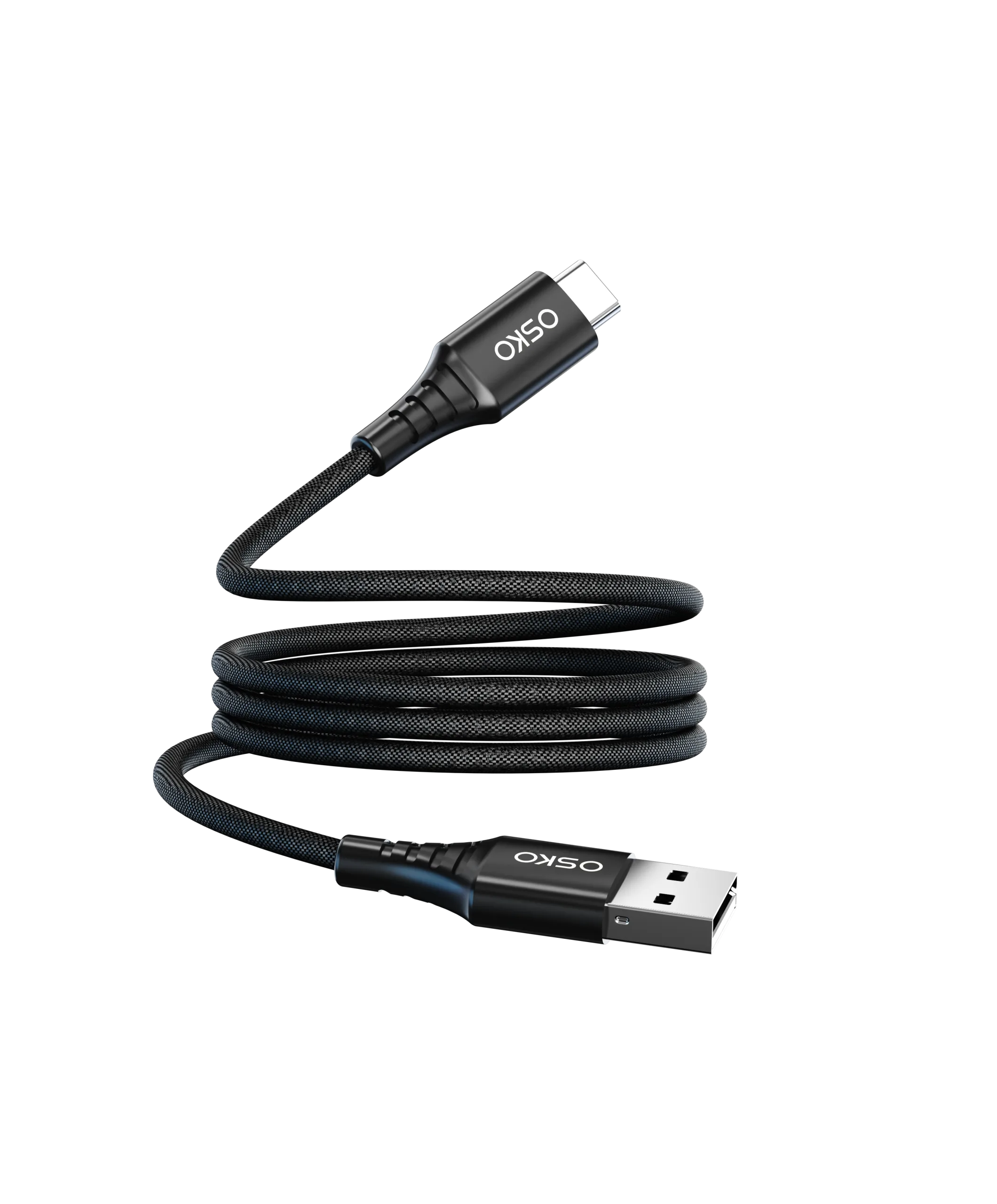
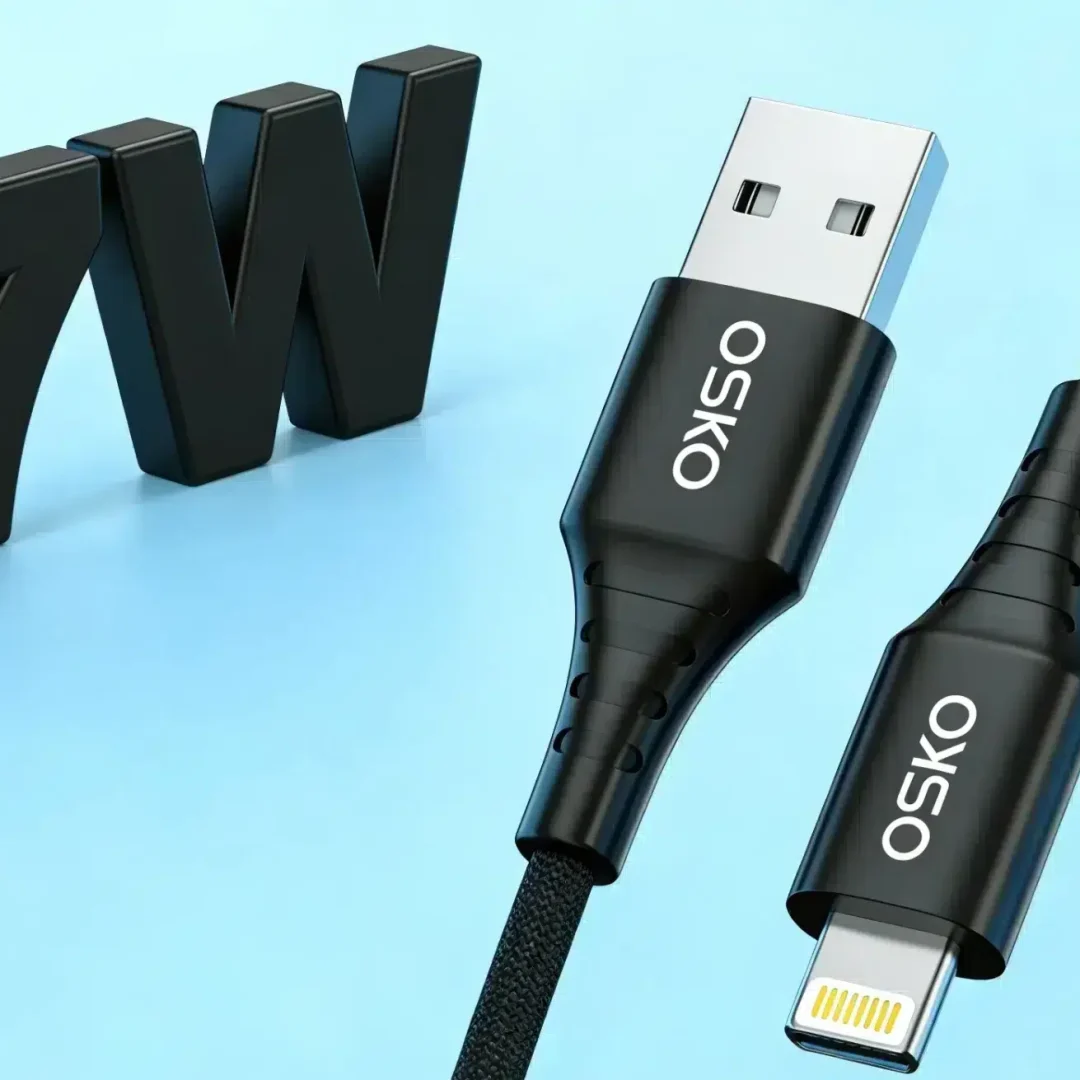
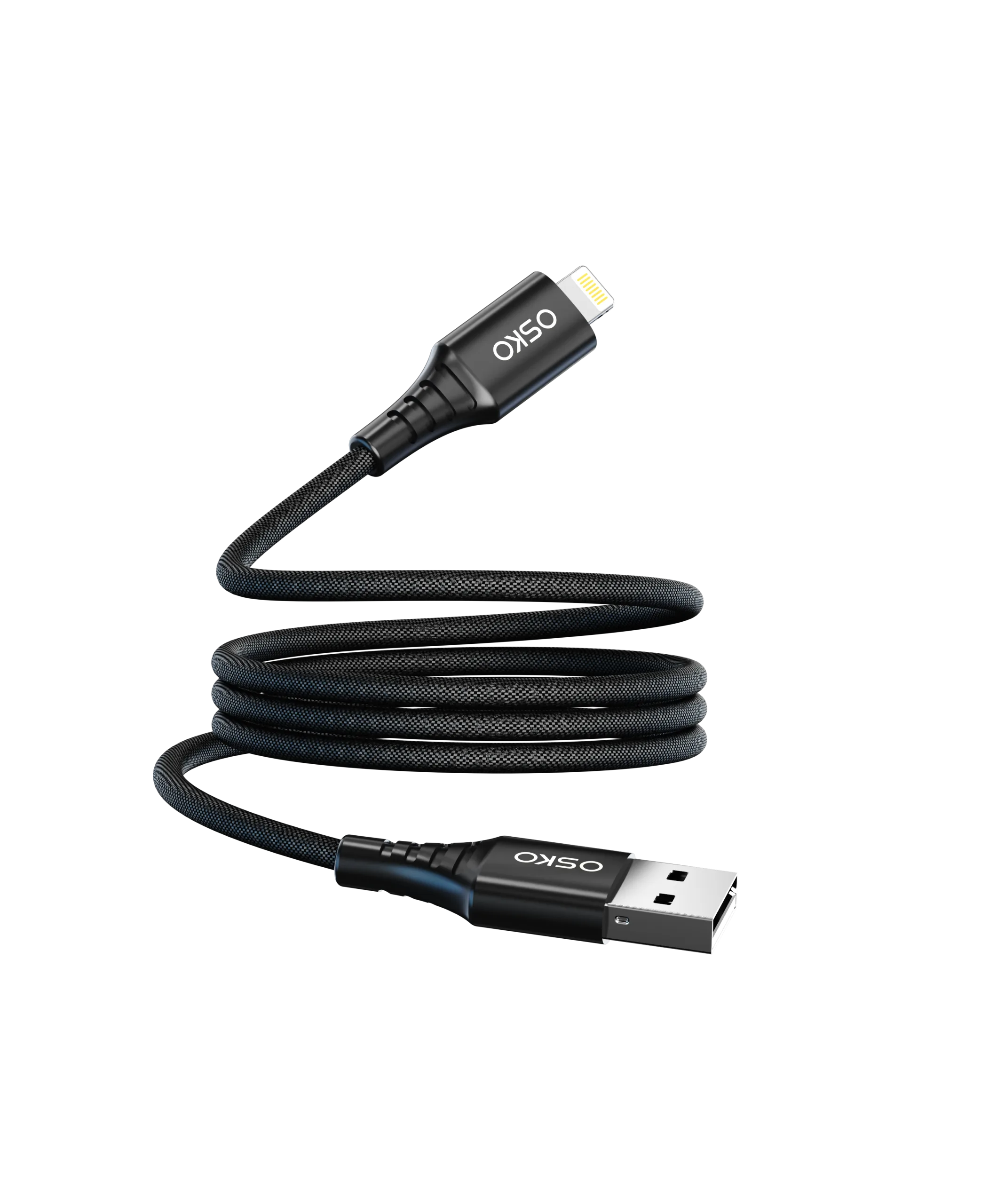
Lightning cable for most iPhone models (iPhone 5–iPhone 14 series)
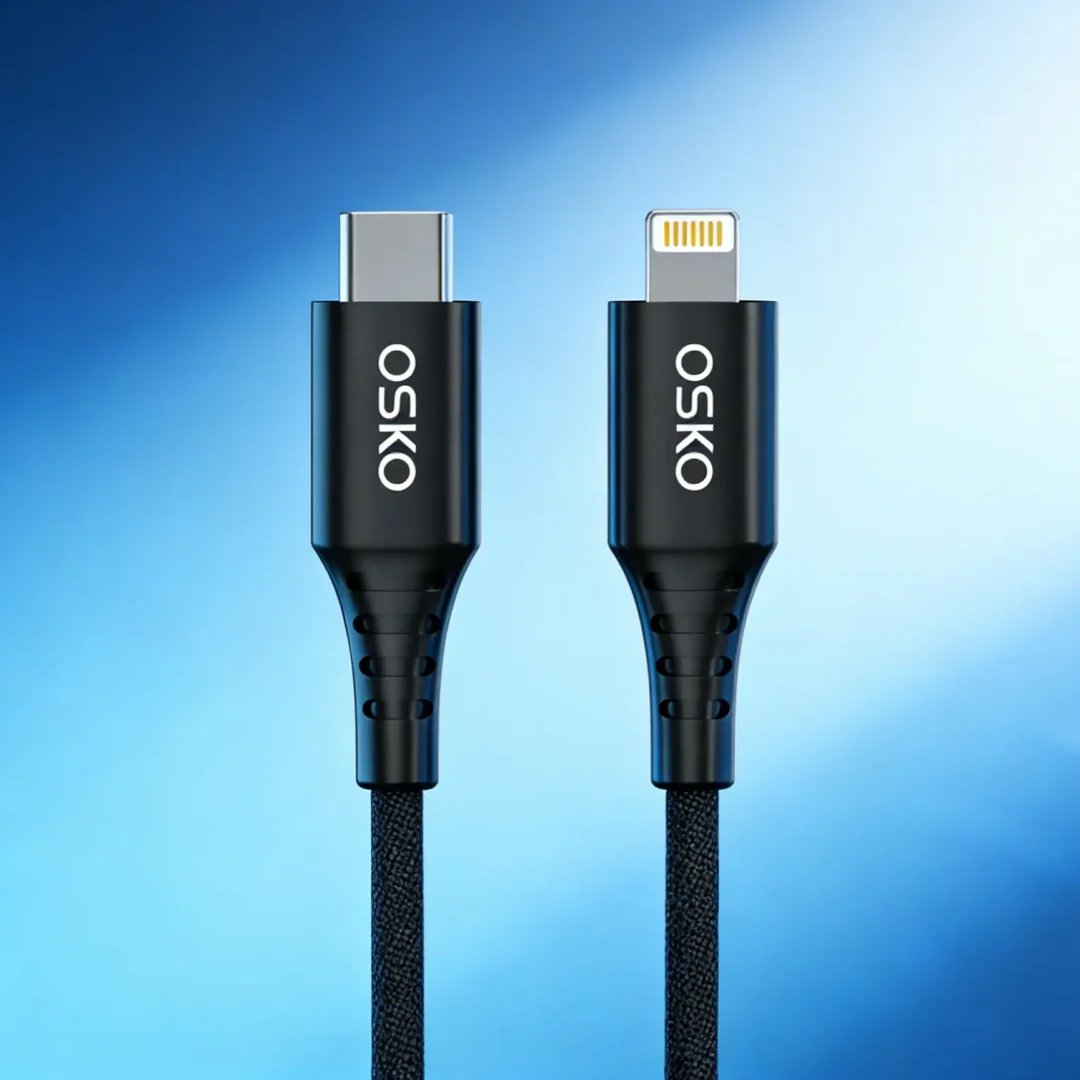
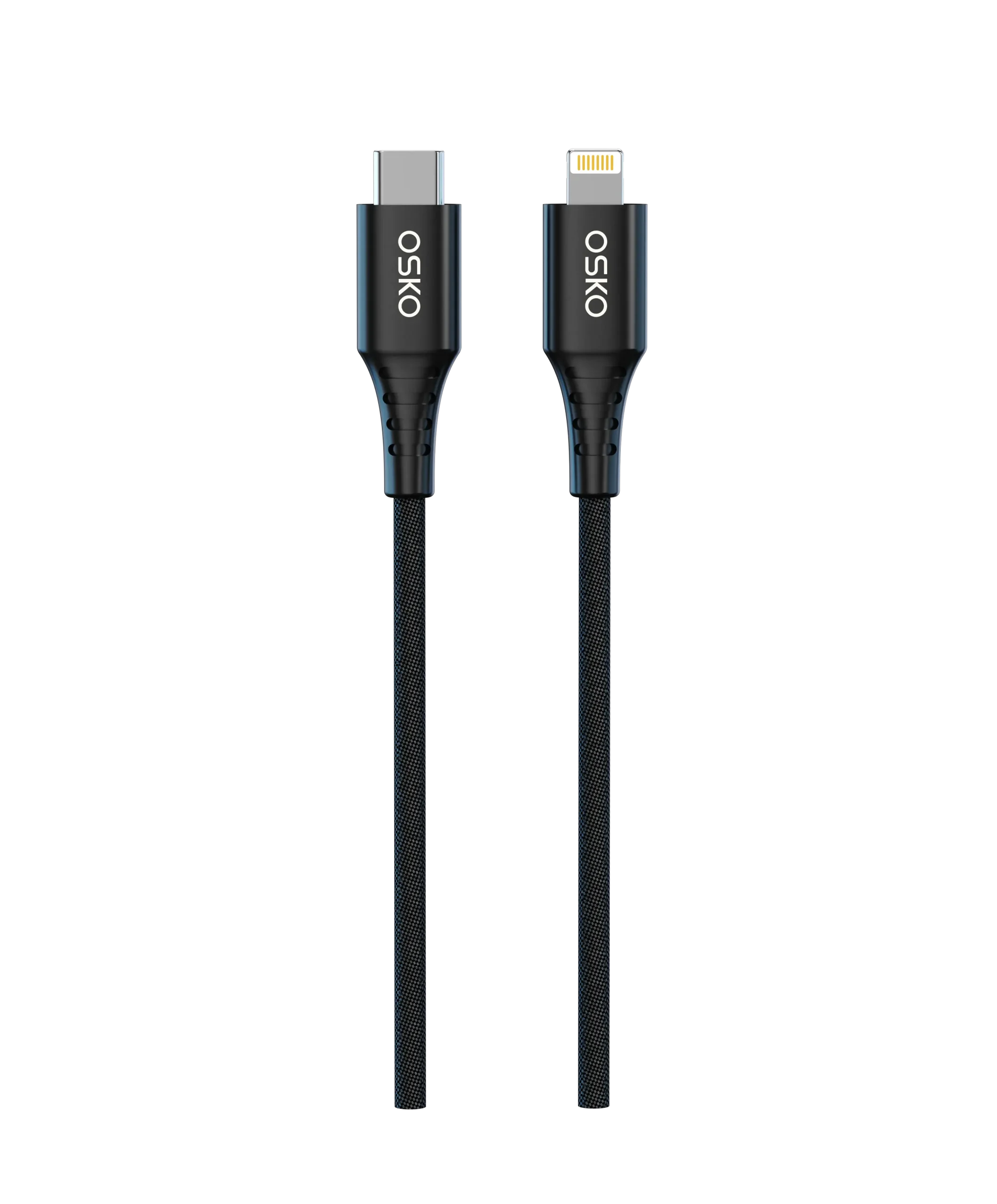
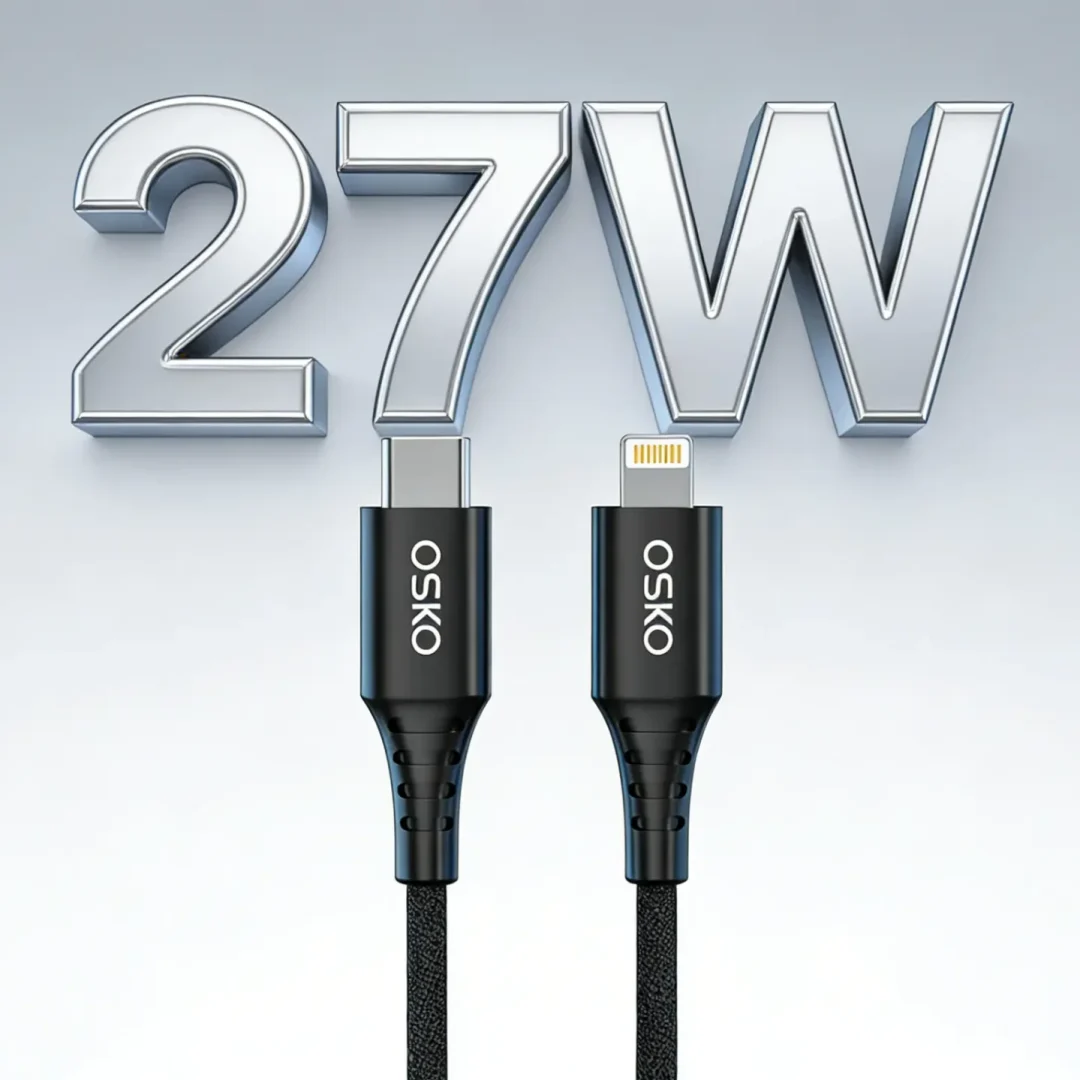
USB-C to Lightning cable for fast charging with modern adapters
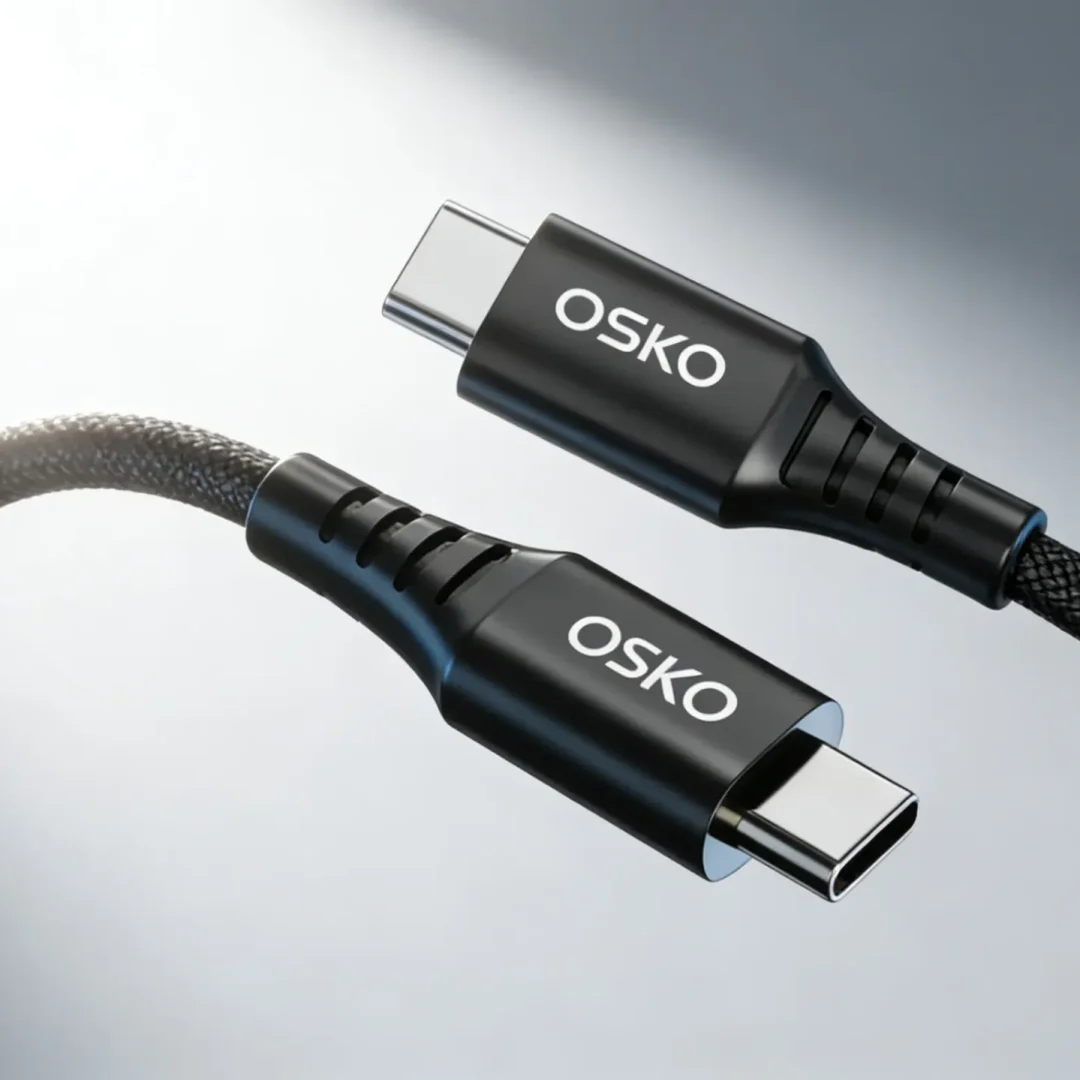
USB-C to USB-C for latest iPhone 15 and newer models
Choosing the correct connector ensures full compatibility and optimal charging performance.
Material and Build Quality
High-quality cables typically include:
| Material Type | Function | Performance Impact |
|---|---|---|
| Oxygen-free copper | Power transmission | Fast and stable charging |
| TPE insulation | Flexibility | Improved durability |
| Nylon braided jacket | Mechanical protection | Long lifespan |
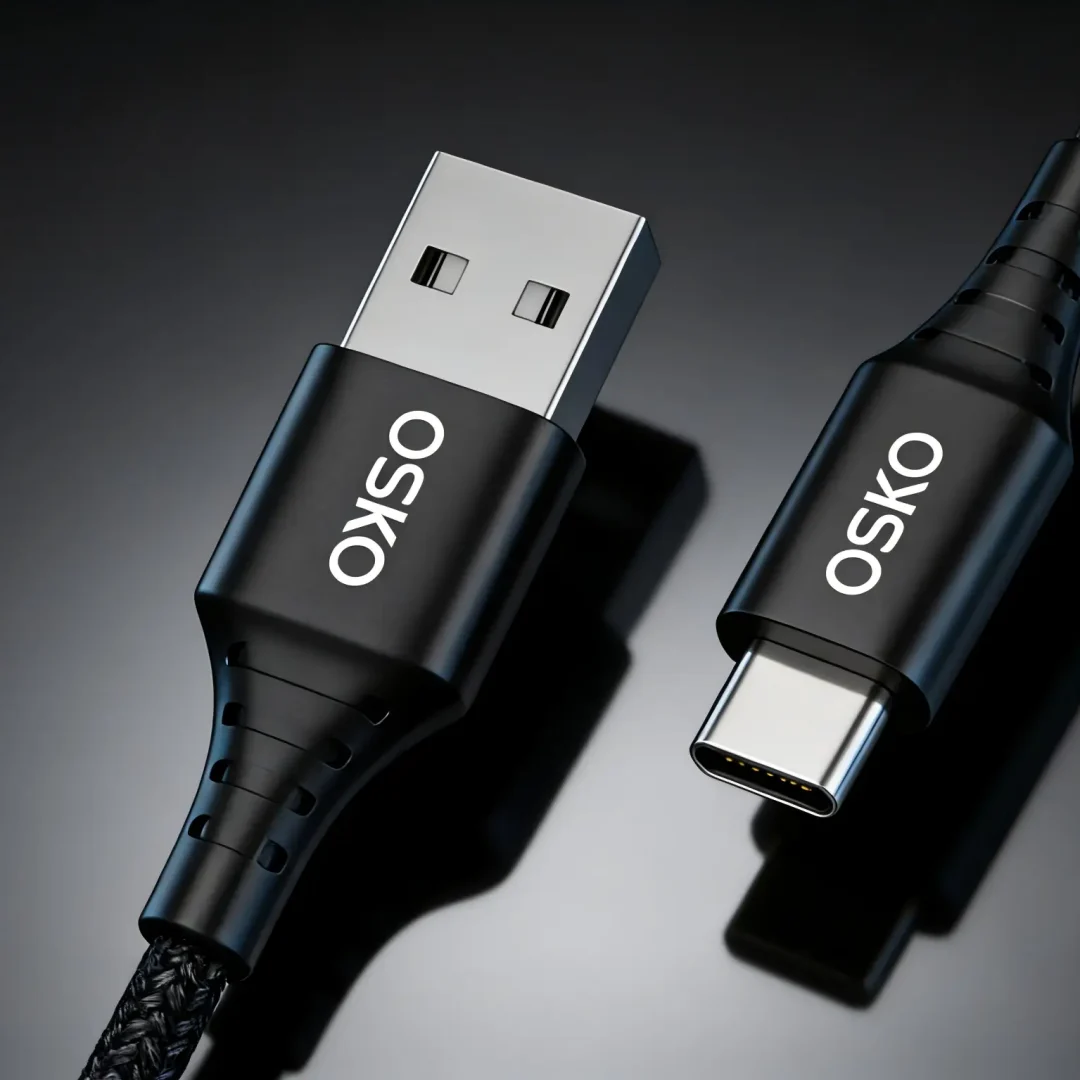
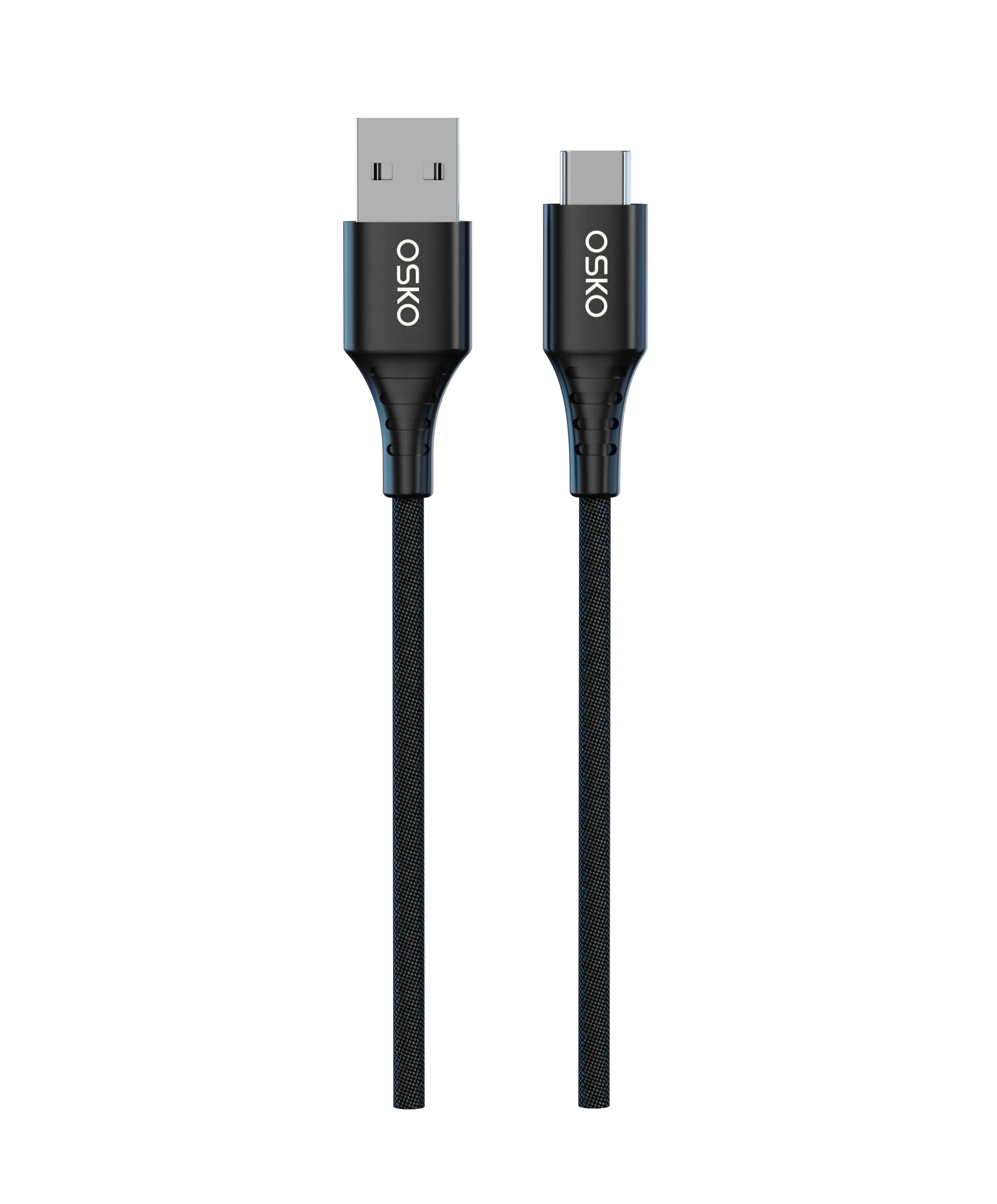
Premium suppliers such as Durable nylon braided Type C charging cable factory ensure consistent manufacturing quality.
Fast Charging Compatibility
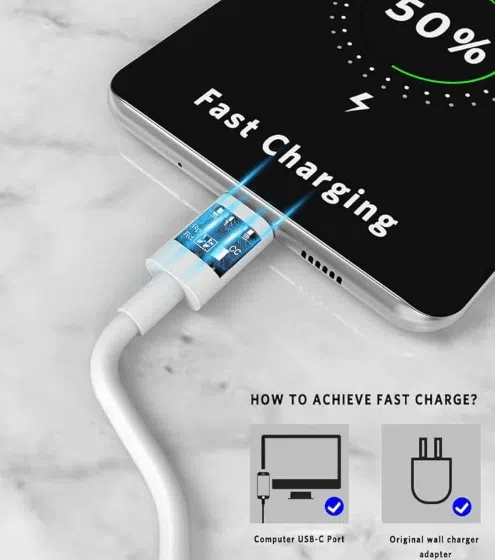
For iPhone fast charging, cable quality must support:
USB Power Delivery (USB-PD) protocol
Stable voltage regulation
Low-resistance conductor design
Certified USB-IF compliant Type C cable manufacturer products ensure proper performance under high-power conditions.
OEM and Wholesale Considerations
For global buyers, selection criteria also include:
MFi certification verification
Batch consistency control
Packaging customization
Supply chain scalability
Common sourcing options include:
Bulk custom 6ft 10ft USB-C cables
Wholesale 60w braided usb c cable
OEM ODM custom length USB C cables
White label 240W fast charging cable wholesale
These are widely used in retail, e-commerce, and distribution networks.
Application-Based Selection Scenarios
Desk charging: short, durable cables
Travel use: flexible mid-length cables
Home use: long braided cables for convenience
Car use: reinforced compact cables
Specialized designs such as Braided right angle USB-C cable wholesale are also used in gaming and automotive environments.
FAQ
Do I need an MFi-certified cable for iPhone?
Yes, MFi certification ensures full compatibility and stable fast charging performance.
What is the best cable for fast charging iPhone?
A USB-C to Lightning cable with oxygen-free copper conductors and USB-PD support.
Are braided cables better for iPhone?
Yes, braided cables provide better durability and longer lifespan.
Can I use any USB-C cable for iPhone?
Only USB-C cables designed for Apple protocols or MFi-certified Lightning cables are recommended.
Why does my iPhone charge slowly with some cables?
Usually due to poor conductor quality, weak shielding, or lack of proper certification.
Summary
Choosing the right charging cable for an iPhone depends on three key engineering factors: connector compatibility, material quality, and certification compliance.
While connector type ensures physical compatibility, conductor materials and shielding determine charging speed and stability, and MFi certification ensures full system reliability within Apple’s ecosystem.
For OEM manufacturers and global buyers in North America and Europe, maintaining strict control over these parameters is essential for delivering consistent product performance and reducing customer failure rates.
Ultimately, the best iPhone charging cable is not defined by appearance, but by engineered quality across materials, structure, and compliance standards.