
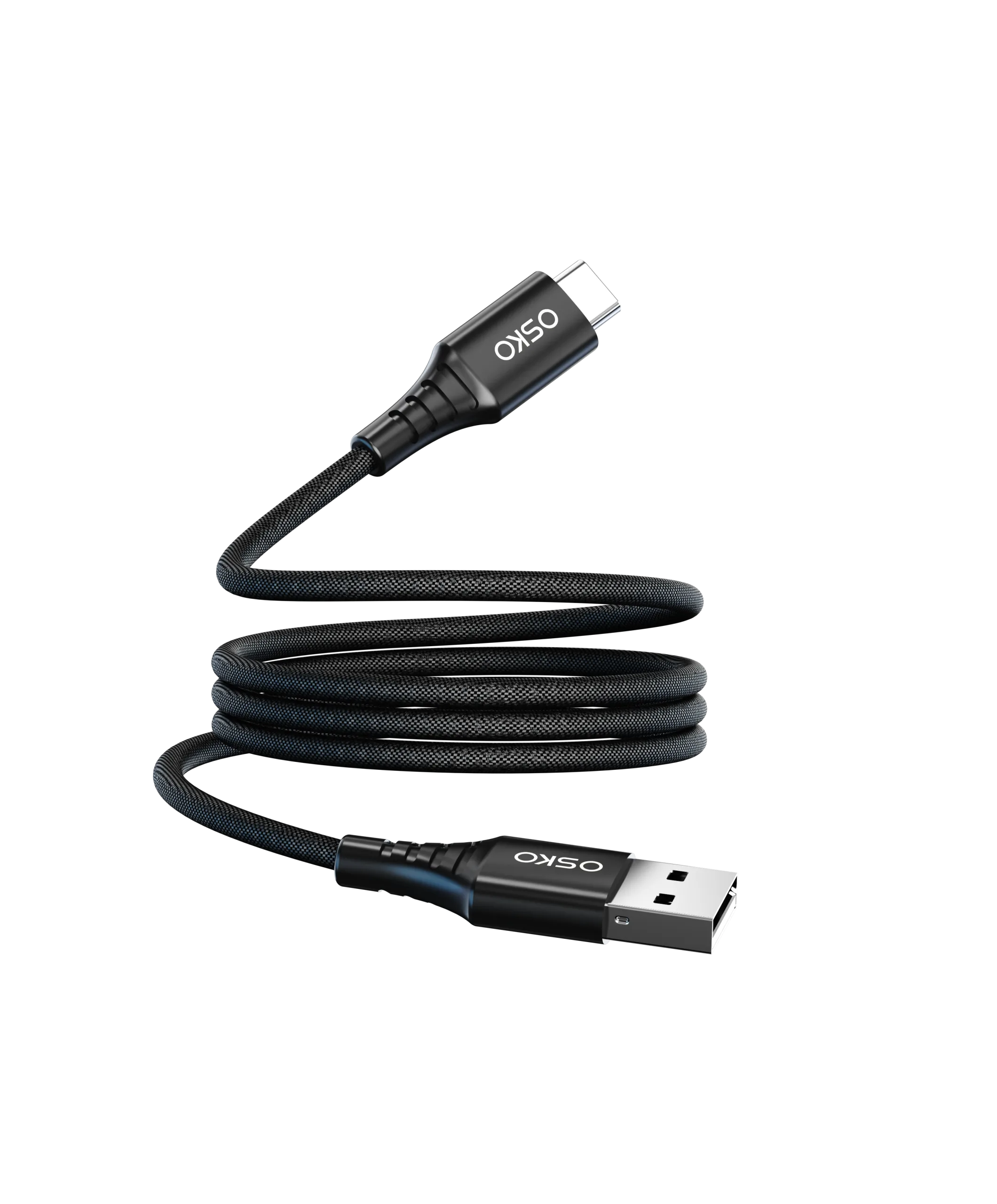
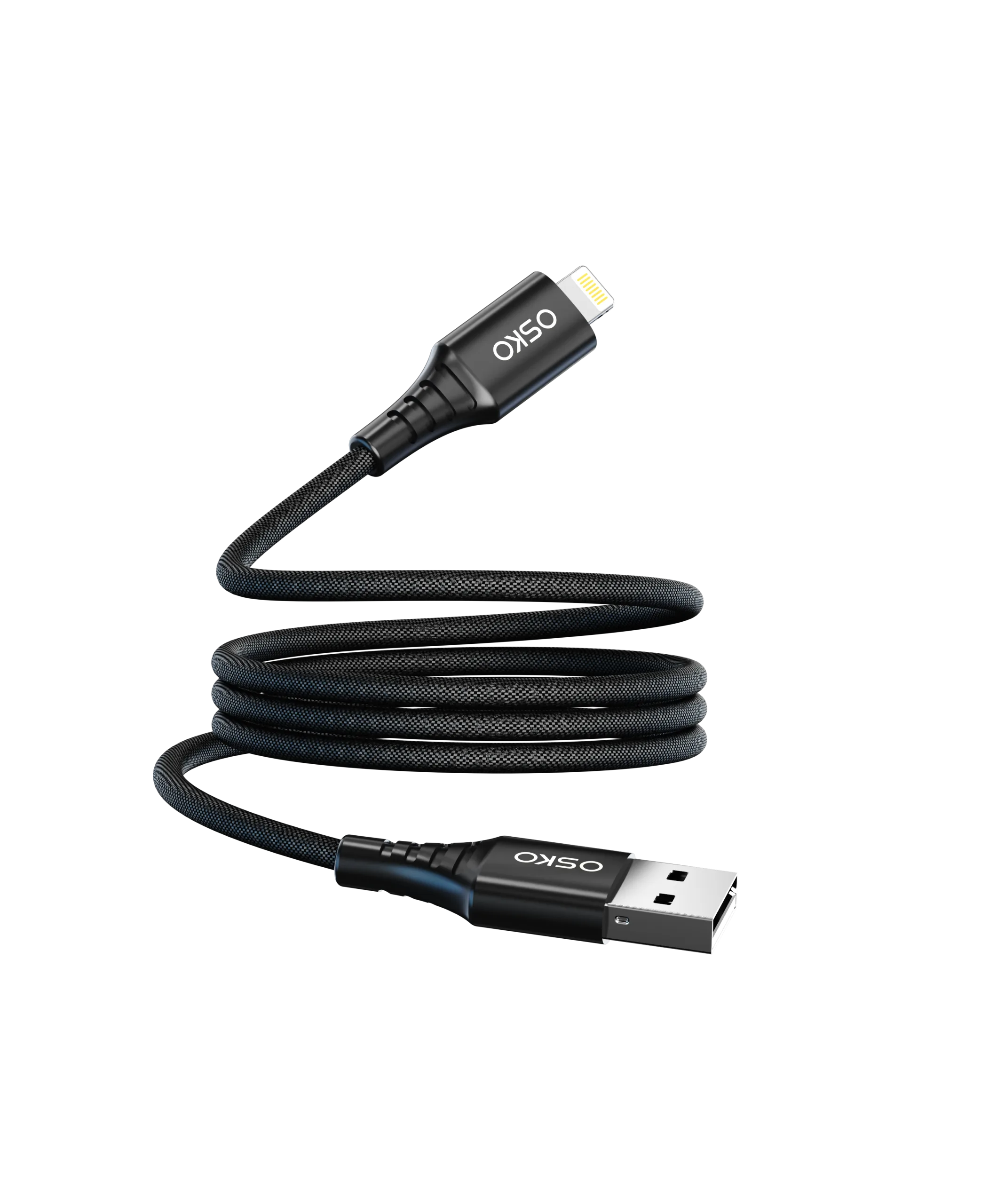

Introduction
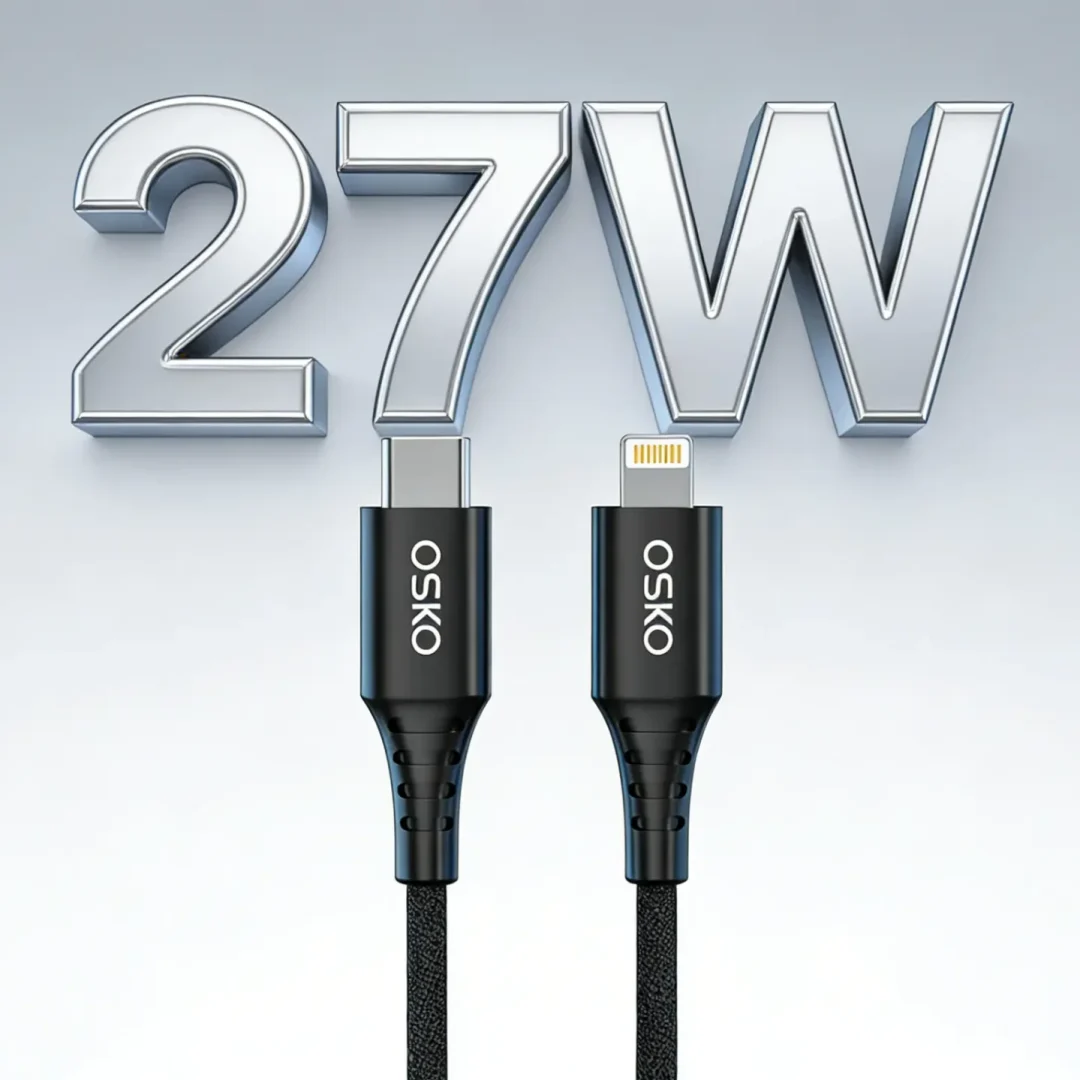
In 2026, with rapid advancements in laptops, tablets, mobile workstations, and gaming devices, 240W USB-C cables remain a critical part of the charging ecosystem.
Although many users assume that lower-wattage cables are sufficient for smartphones and everyday devices, modern power-hungry hardware has pushed USB Power Delivery (USB-PD) systems into higher voltage and current requirements.
As a result, 240W cables are no longer niche products. They are now essential infrastructure for high-performance computing, cross-device charging ecosystems, and OEM supply chains in North American and European markets.

Material Science & Dielectric Properties
The importance of 240W USB-C cables begins at the material and electrical engineering level.
USB Power Delivery 3.1 Architecture
The 240W standard is based on USB Power Delivery 3.1 (USB-PD 3.1), which extends power capacity up to:
48V × 5A = 240W maximum output
This allows a single USB-C cable to support:
High-performance laptops
Workstation-class devices
External GPUs and docking systems
Professional creative hardware
However, achieving this level of power requires strict engineering control over conductor resistance and thermal behavior.
Conductor Engineering and Resistance Control
At 240W levels, even small resistance variations cause:
Significant heat generation
Voltage drop under load
Reduced charging efficiency
High-quality fast charging cable engineering solves this through:
Oxygen-free copper conductors
Optimized cross-sectional wire thickness
Low-resistance internal routing
These materials are essential for stable performance in USB-C cable power delivery systems.
Thermal Stability and Heat Dissipation
Higher wattage means higher thermal stress.
A 240W USB-C cable must manage:
Continuous high-current flow
Connector heat buildup
Environmental temperature variation
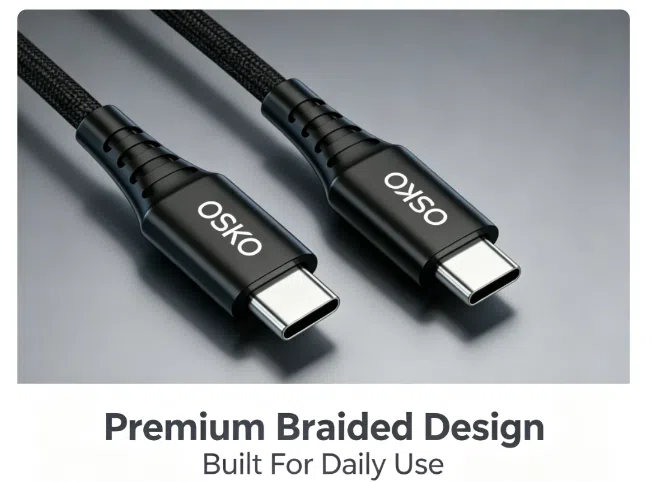
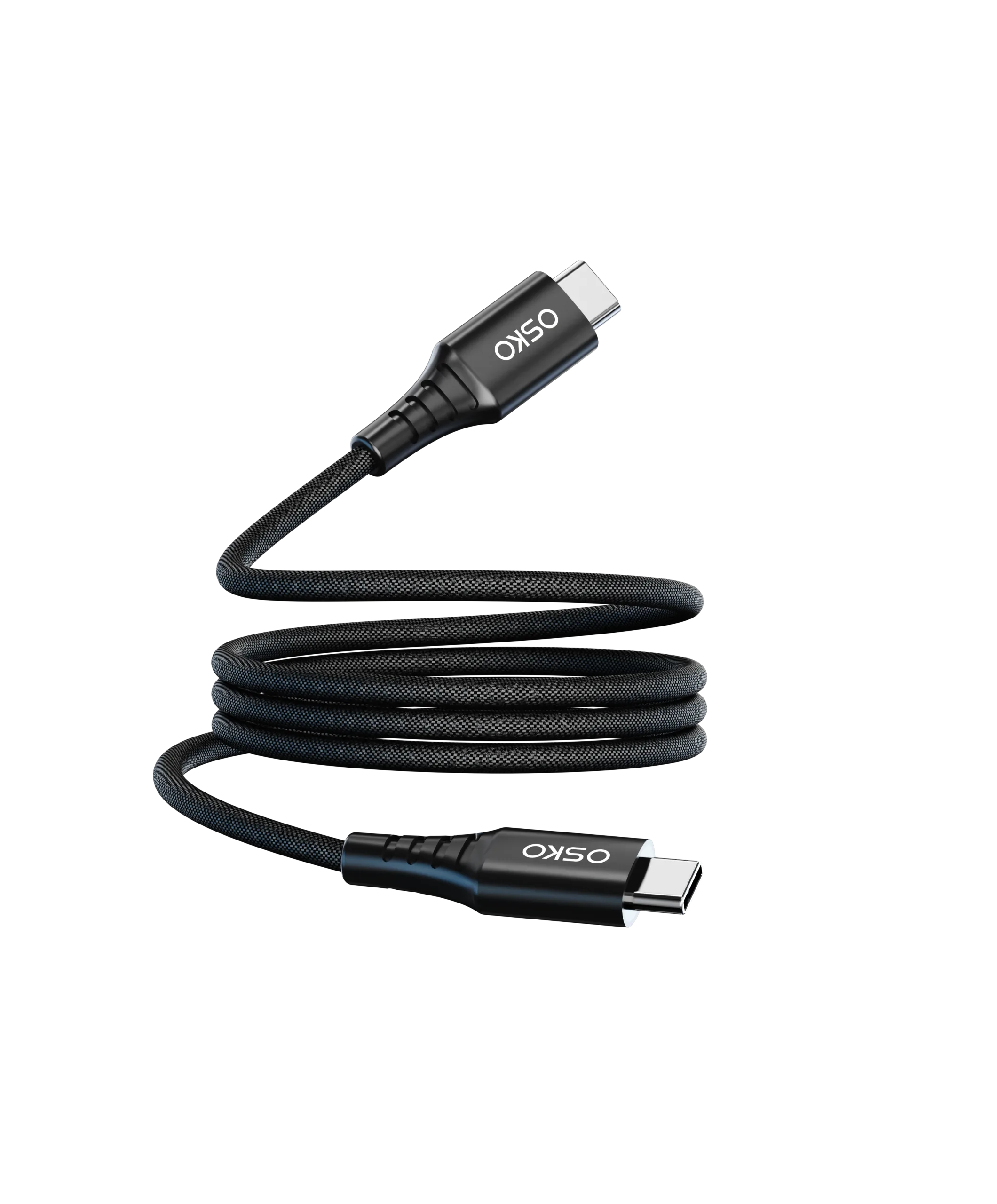
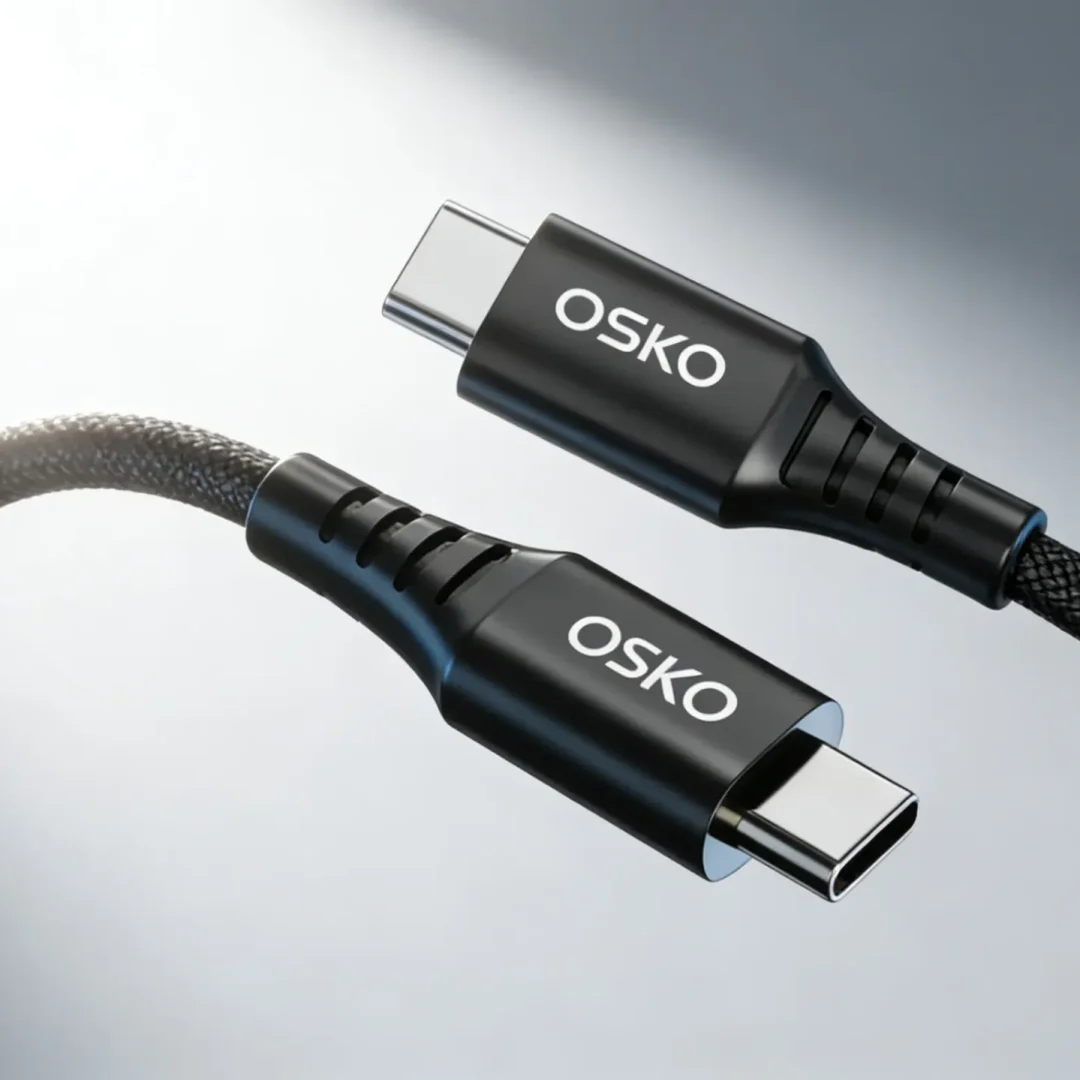
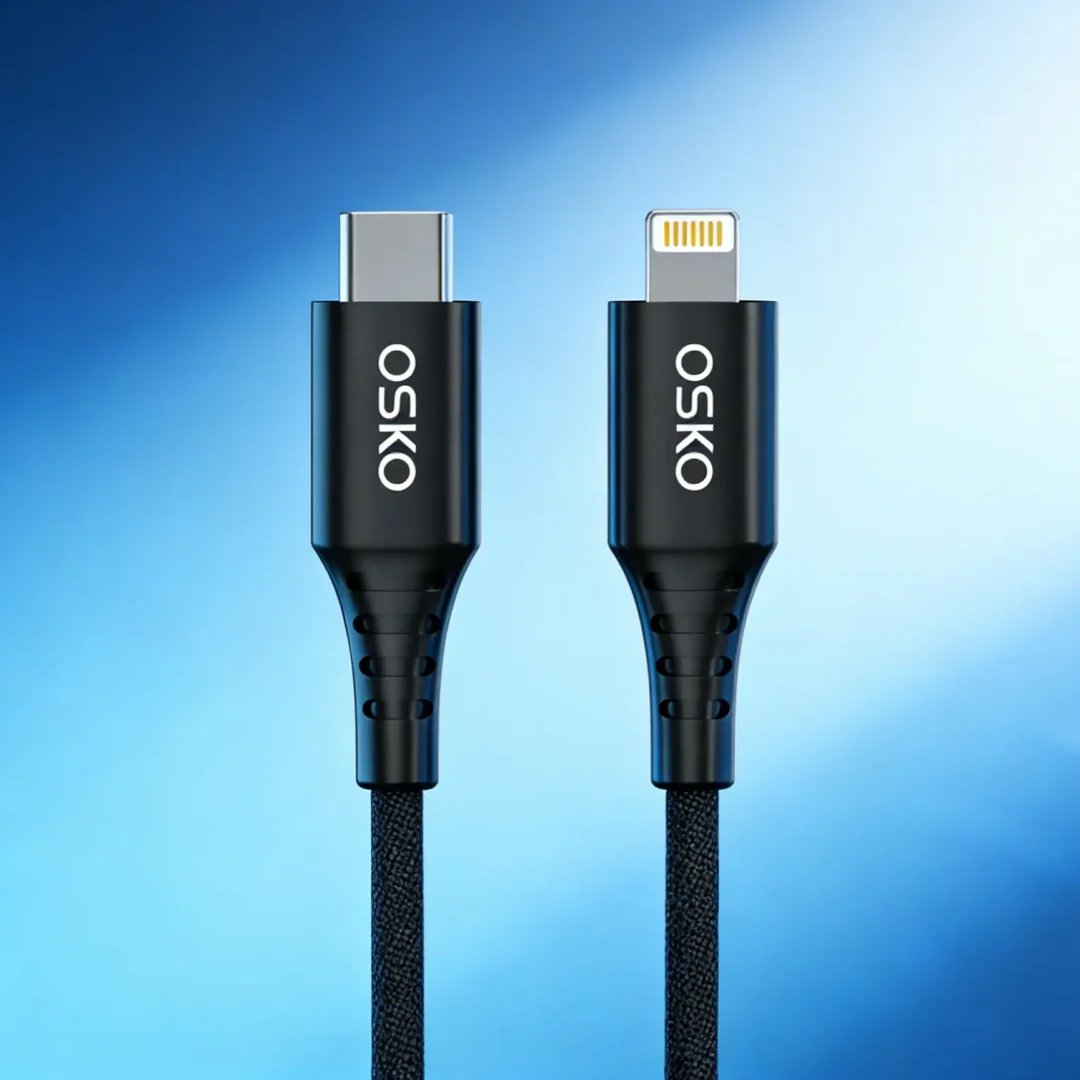
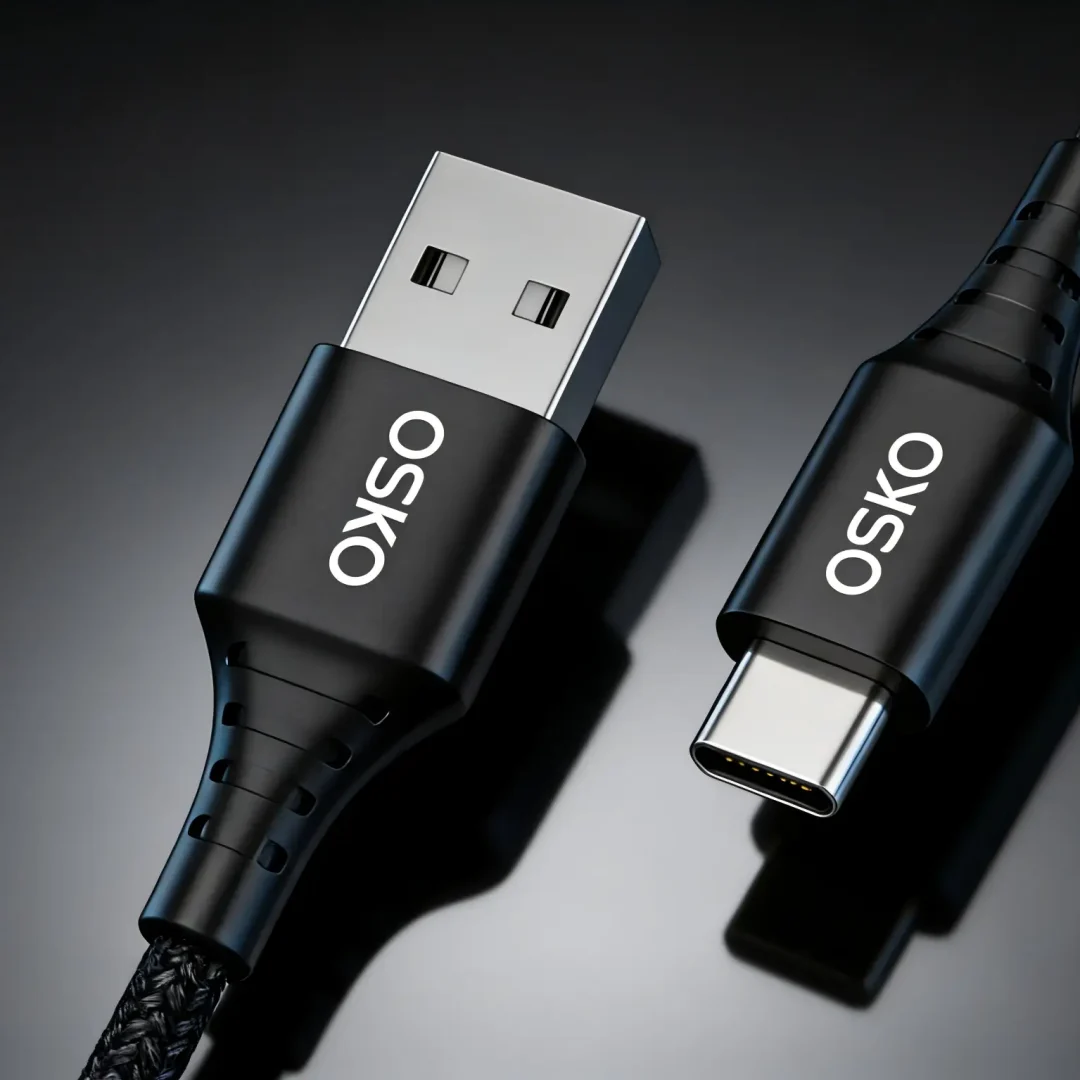
Premium designs from a braided USB-C cable factory typically use:
Nylon braided outer layers for heat resistance
Multi-layer insulation systems
EMI shielding to stabilize current flow
Without these structures, long-term reliability fails under sustained load.
Signal Integrity and E-Marker Chips
240W cables require E-Marker chips, which:
Identify cable power capacity
Communicate safe current limits
Enable USB-PD negotiation
Without E-Marker certification, devices will automatically limit power delivery to protect hardware.
This is why OEM USB cable manufacturer systems strictly integrate E-Marker validation in production lines.
Case Study
Global Laptop Manufacturer Power System Upgrade
A US-based laptop brand upgraded its workstation series to support higher performance GPUs and AI workloads.
Engineering Requirements
The system required:
Stable 240W charging support
Compatibility with USB-C universal charging
Reduced charging time under full load
Cross-device interoperability
Technical Challenges
The engineering team encountered:
Standard 100W cables overheating under load
Voltage instability during peak performance
Connector degradation under repeated use
Compatibility issues with third-party cables
This demonstrated that lower wattage cables could not support next-generation computing systems.
OSKO Engineering Solution
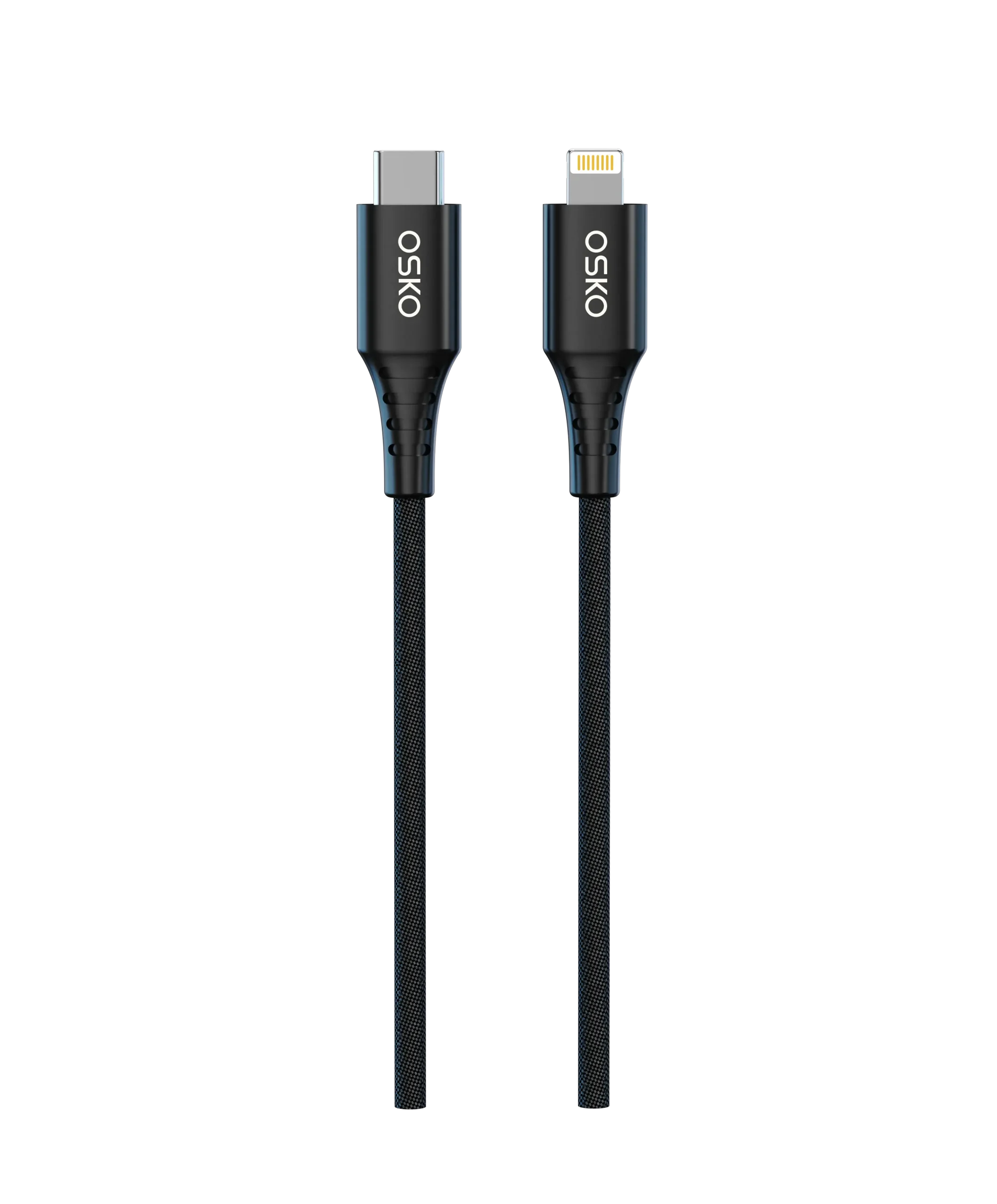
OSKO implemented a full 240W USB-C cable architecture upgrade, including:
Oxygen-free copper conductor redesign
Reinforced shielding layers for EMI control
High-temperature resistant TPE insulation
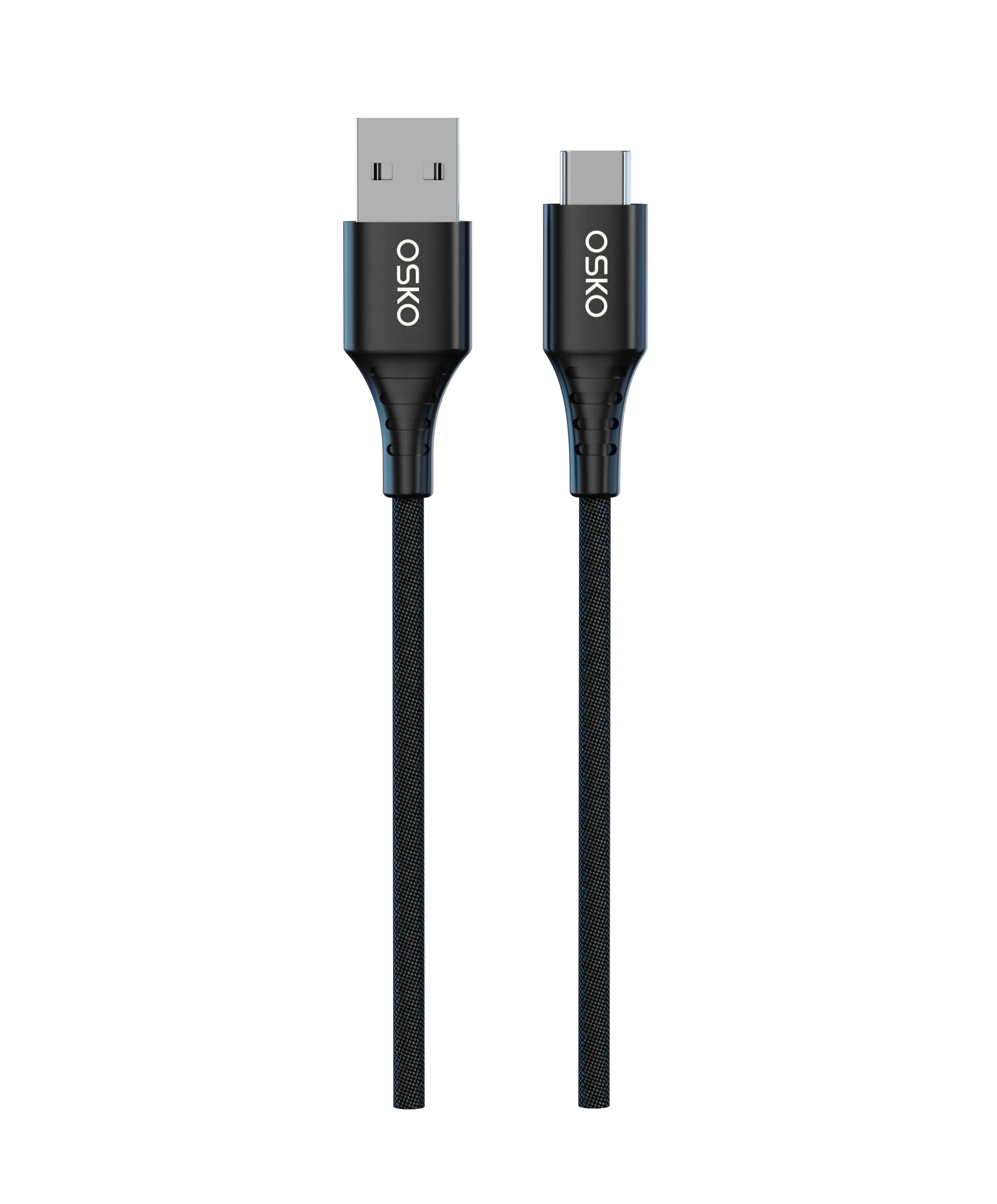
Nylon braided mechanical reinforcement
Certified E-Marker chip integration
OEM production aligned with:
CE RoHS certified 240W USB C cable standards
USB-IF compliant Type C cable manufacturer requirements
ISO9001 certified braided USB cable factory production systems
Supply chain integration included:
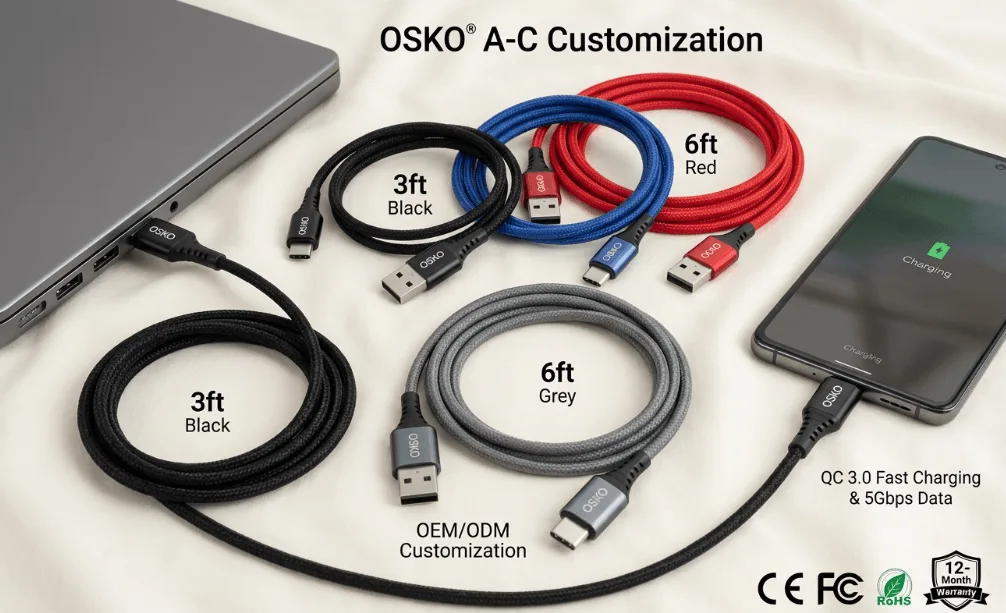
White label 240W fast charging cable wholesale
Bulk custom 6ft 10ft USB-C cables
OEM ODM custom length USB C cables
Results
After deployment:
Charging time reduced significantly
Device thermal stability improved
Cable failure rate dropped
System compatibility expanded across global markets
This confirmed that 240W cables are essential for modern high-performance ecosystems.
Selection Guide
Why 240W Cables Still Matter in 2026
Even though many smartphones only require 20W–45W, 240W cables remain important because:
One cable supports all device classes
Future-proof compatibility is ensured
High-end laptops require higher power headroom
Docking systems depend on stable high-wattage delivery
Material Requirements for 240W Cables
High-power cables require:
Oxygen-free copper conductors
Reinforced insulation systems
Advanced EMI shielding
E-Marker chip integration
Premium Durable nylon braided Type C charging cable factory production ensures long-term stability under continuous load.
Application Scenarios
240W USB-C cables are widely used in:
Gaming laptops
Workstations and creative devices
Docking stations
Multi-device charging hubs
Enterprise IT infrastructure
Specialized versions include:
Braided right angle USB-C cable wholesale for gaming setups
Heavy duty coiled USB-C spring cable bulk for industrial environments
Bulk short 3ft braided Type C cables for compact systems
OEM and Wholesale Considerations
Global buyers prioritize:
Certification compliance (USB-IF, CE, FCC)
Batch consistency
Thermal reliability testing
Custom branding and packaging
Common sourcing categories include:
Wholesale 60w braided usb c cable (entry-level market)
OEM ODM custom length USB C cables
Tangle-free double-braided USB C cable wholesale
Custom packaging braided charging cable factory
FAQ
Do I really need a 240W USB-C cable?
Yes, if you use laptops, workstations, or want full future compatibility across devices.
Can a 240W cable charge a phone safely?
Yes. Power delivery is negotiated, so devices only draw what they need.
Is 240W overkill for smartphones?
For smartphones alone, yes—but it ensures future-proof compatibility.
What makes a 240W cable different?
It includes stronger conductors, E-Marker chips, and advanced thermal design.
Are all USB-C cables 240W capable?
No. Only certified USB-PD 3.1 cables with proper engineering support 240W.
Summary
240W USB-C cables remain essential in 2026 because they support the highest level of USB Power Delivery, enabling compatibility across laptops, workstations, and future high-performance devices.
Their importance is not defined by smartphones alone, but by the growing demand for universal, high-wattage, cross-platform charging infrastructure.
From a technical standpoint, 240W cables require advanced conductor materials, thermal management systems, EMI shielding, and E-Marker chip integration to ensure safe and stable operation.
For OEM manufacturers and global markets in North America and Europe, 240W cables are no longer optional accessories—they are foundational components of next-generation charging ecosystems.
Ultimately, their value lies in future-proofing, system compatibility, and engineering reliability across increasingly power-demanding devices.