

Introduction
When users compare a 60W vs 240W charging cable for iPhone, the most common misunderstanding is that higher wattage automatically means faster charging.
In reality, iPhone charging speed is controlled by Apple’s internal power management system, not just cable rating.
Both 60W and 240W USB-C cables can charge an iPhone safely, but they differ significantly in engineering design, thermal capacity, and future compatibility.
Understanding this difference requires looking at USB Power Delivery architecture, MFi certification, and internal cable construction.

Material Science & Dielectric Properties
The performance difference between a 60W USB-C cable and a 240W USB-C cable is primarily determined by internal electrical design rather than external appearance.
Power Delivery Capability
USB Power Delivery defines how much power a cable can safely handle:
60W cable: typically supports up to 3A current
240W cable: supports up to 5A current (PD 3.1 EPR standard)
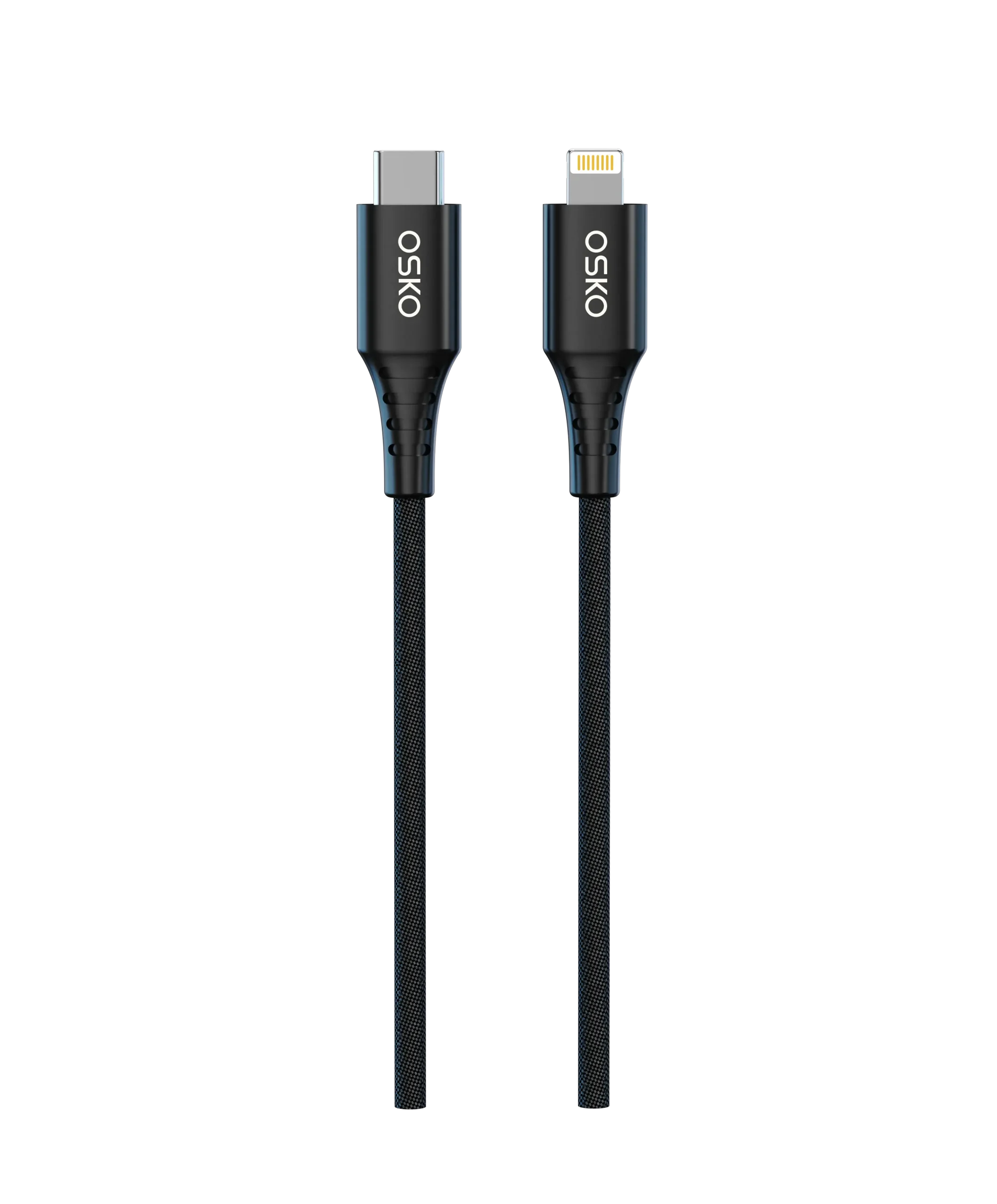
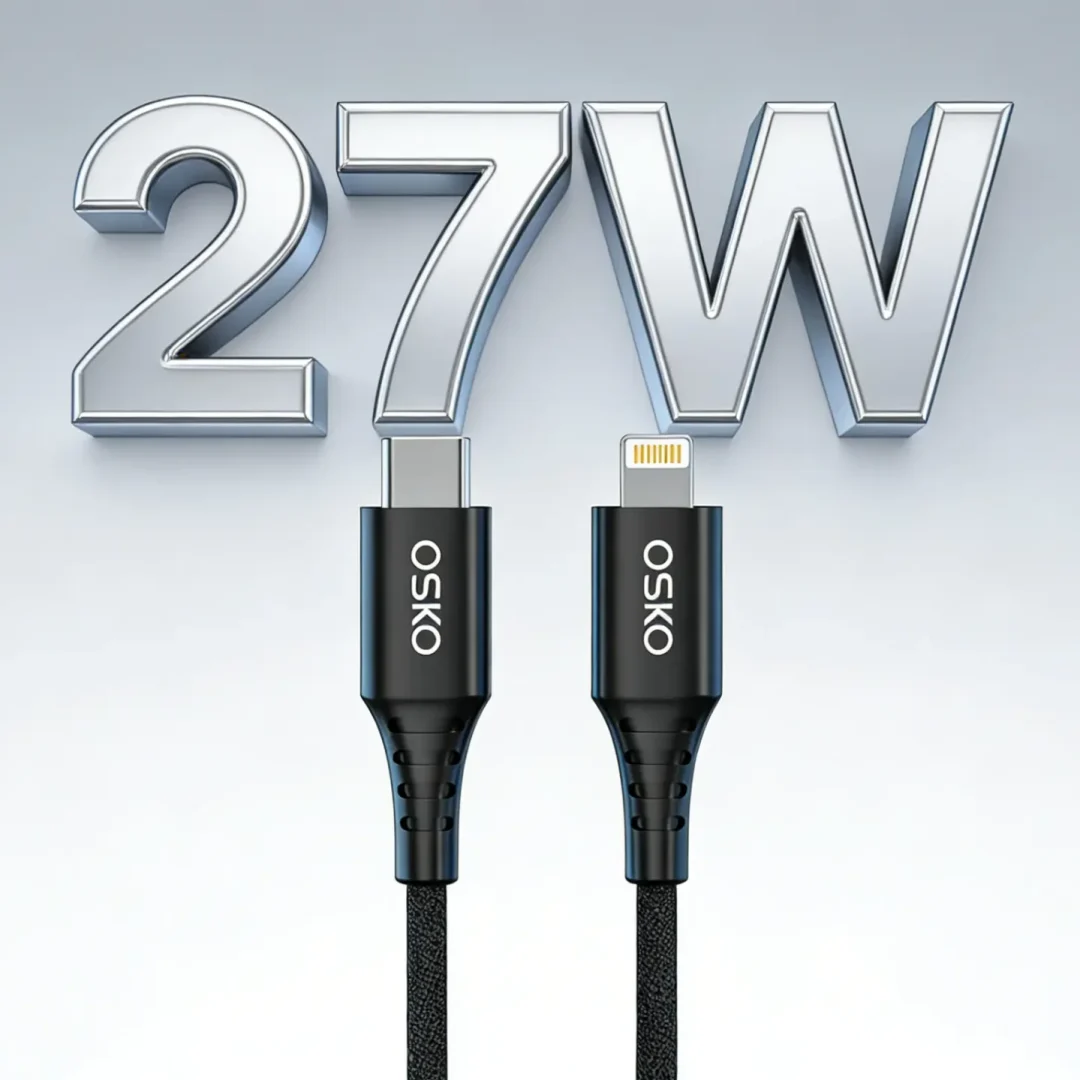
However, iPhones do not draw anywhere near 60W or 240W. Most iPhone fast charging is capped around 20W–27W depending on model.
This means both cables exceed iPhone requirements.
E-Marker Chip Requirement
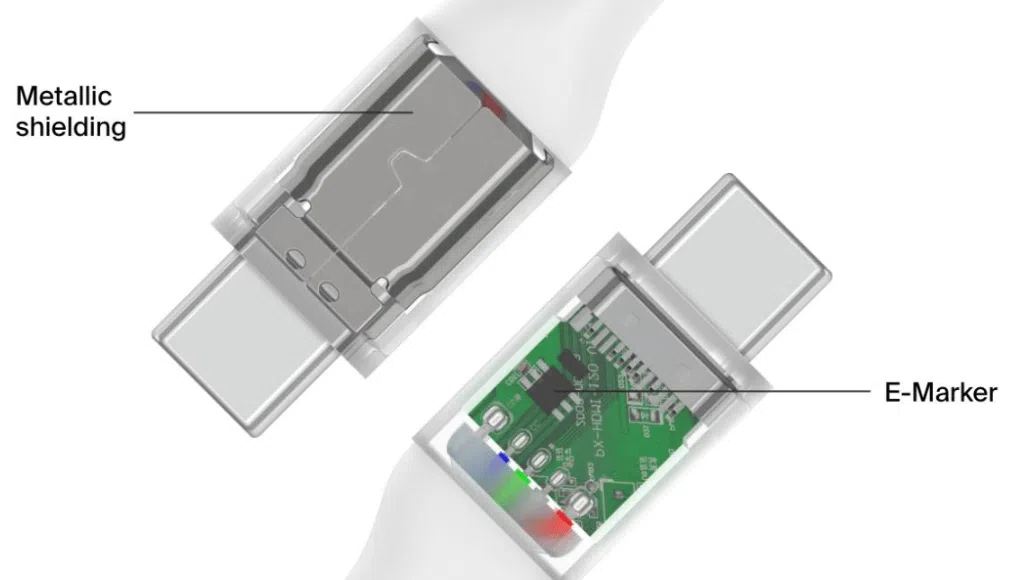
The biggest technical difference is the E-Marker chip.
60W cables often do NOT require an E-Marker chip
240W cables MUST include an E-Marker chip
The E-Marker USB-C cable enables:
Power capability identification
Safe high-current negotiation
Device compatibility validation
Thermal safety control
This makes 240W cables more intelligent and future-proof.
Conductor Design Differences
Higher wattage cables require stronger internal structure:
60W cable: standard copper conductors
240W cable: reinforced oxygen-free copper with lower resistance
This reduces heat generation under load and improves long-term durability.
Even when used for iPhone, the 240W cable runs cooler due to lower resistance design.
Dielectric and Shielding Design
Both cables use insulation materials such as:
TPE (flexible insulation layer)
PE (low dielectric loss layer)
PVC (basic protection layer)
However, 240W cables typically include enhanced shielding:
Multi-layer EMI shielding
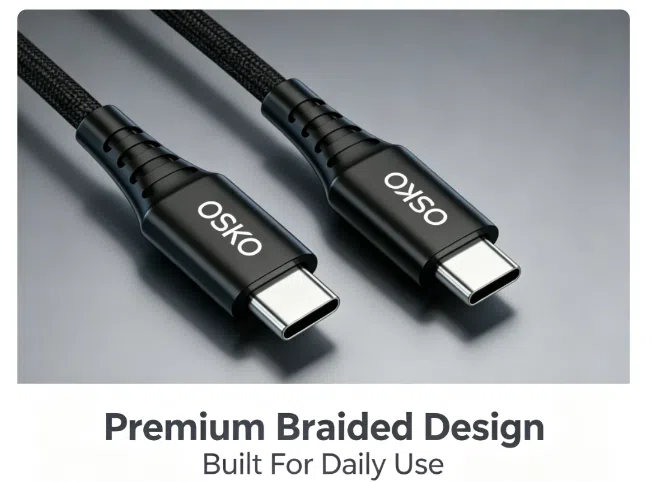
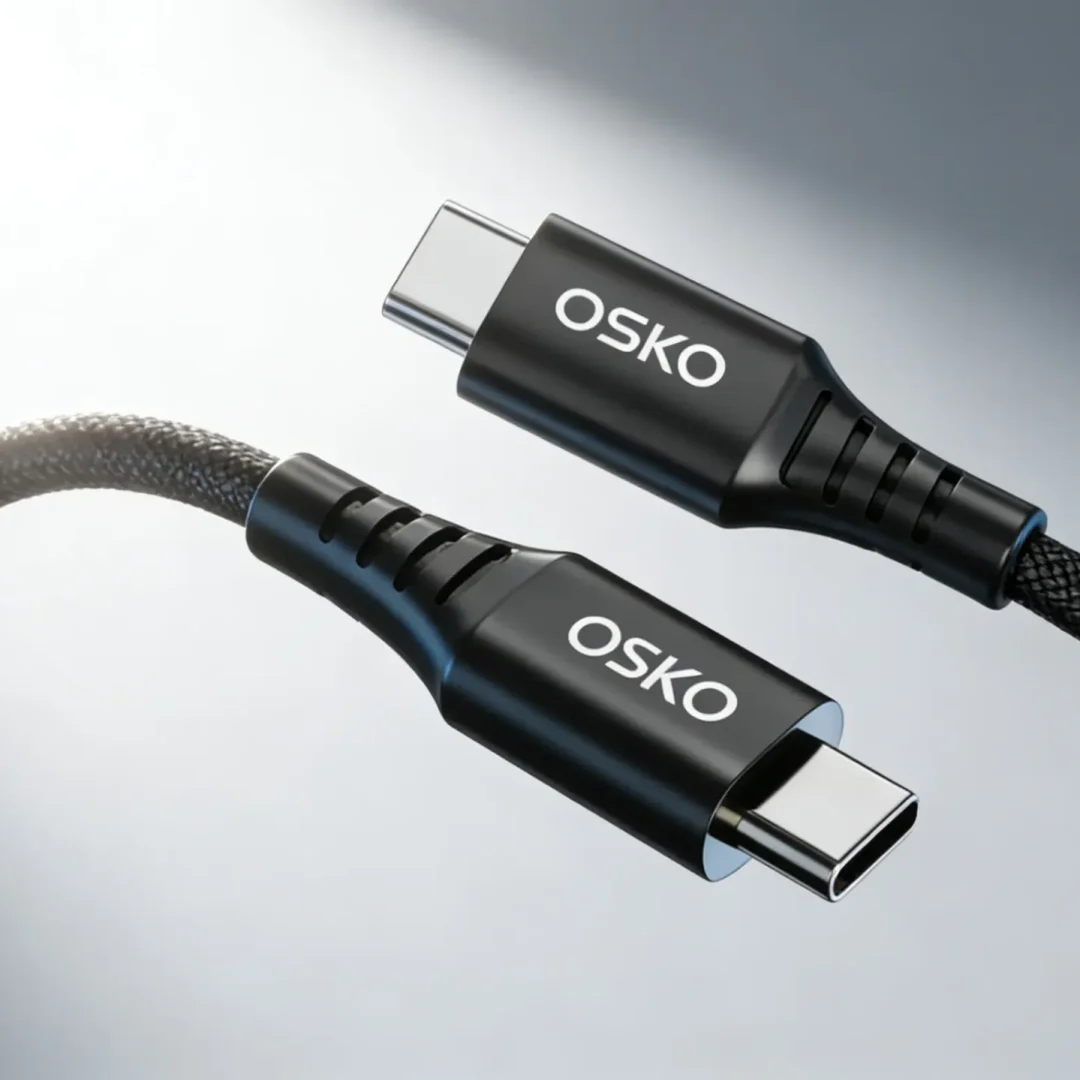
Reinforced braided structure
Improved connector strain relief
This improves durability more than charging speed.
Case Study
Apple Ecosystem Accessory Optimization (North America Market)
A distributor tested whether 240W cables improve iPhone charging performance compared to 60W cables.
Test Devices
iPhone 13 / 14 / 15 series
MacBook Air and Pro
USB-C PD wall chargers (20W–100W)
Engineering Findings
iPhone charging speed remained identical (~20W–27W max)
Cable temperature was slightly lower in 240W cables
240W cables showed better long-term durability
60W cables were sufficient for phone-only use cases
OSKO Engineering Interpretation
From a system design perspective:
iPhone is the limiting factor, not the cable
Cable rating affects safety margin, not speed
Higher wattage = higher durability and future compatibility
Conclusion from Case Study
240W cables do not increase iPhone charging speed, but they improve:
Thermal stability
Mechanical durability
Long-term reliability
Selection Guide
60W vs 240W for iPhone Users
| Feature | 60W USB-C Cable | 240W USB-C Cable |
|---|---|---|
| iPhone charging speed | Same | Same |
| Heat performance | Normal | Cooler |
| Durability | Standard | Higher |
| E-Marker chip | Usually no | Yes |
| Future compatibility | Limited | High |
When to Choose 60W Cabl
A 60W USB-C cable is suitable if:
You only charge iPhone or AirPods
You do not use laptops
You want lower cost solution
You prefer lightweight cables
When to Choose 240W Cable
A 240W USB-C cable is better if:
You use MacBook or gaming laptop
You want one cable for all devices
You need maximum durability
You want future-proof USB4/PD 3.1 support
OEM Manufacturing Considerations
For global buyers, cable selection should also consider:
USB-IF certification compliance
E-Marker chip quality
Copper purity standards
Mechanical stress testing
Common sourcing categories:
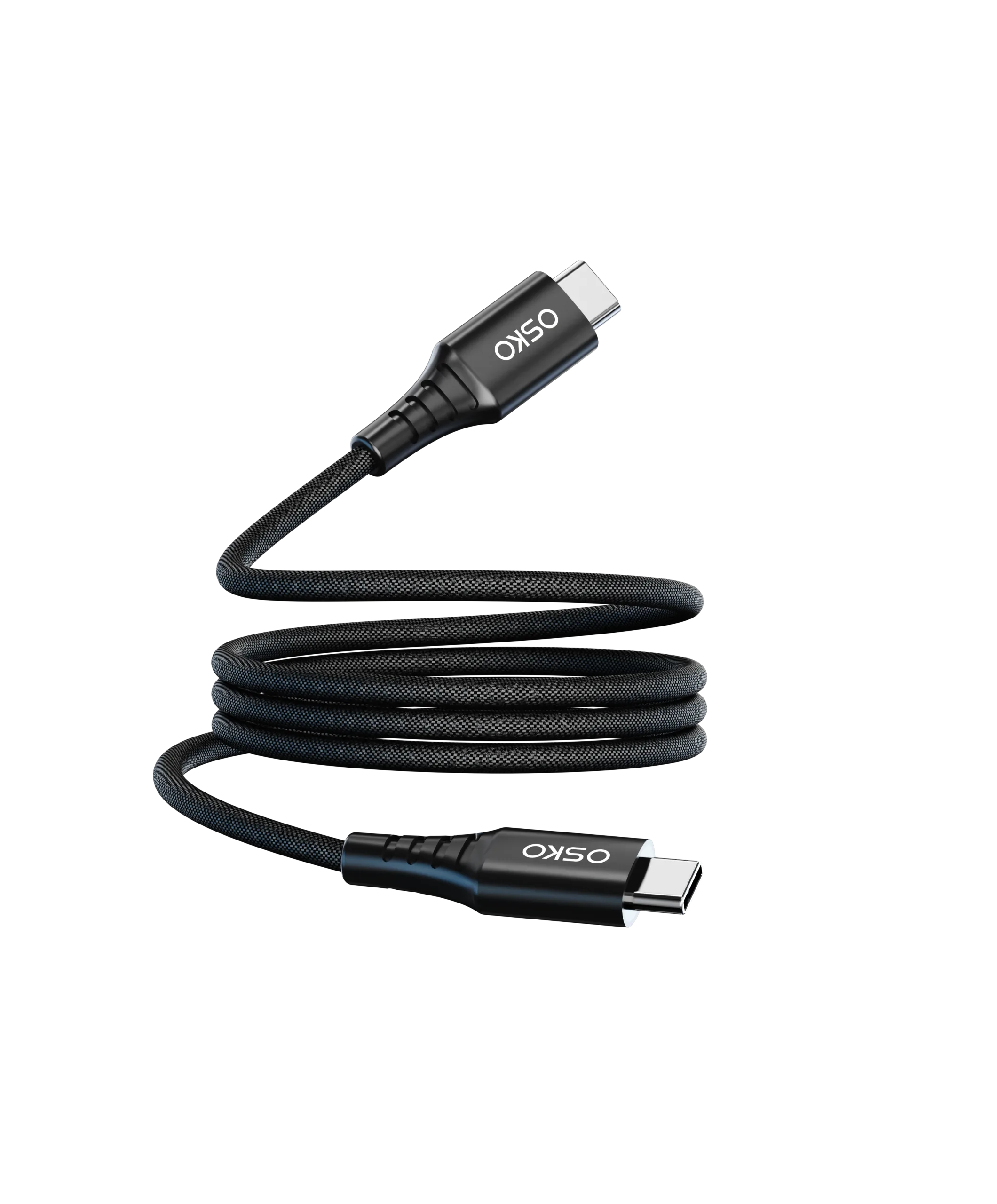
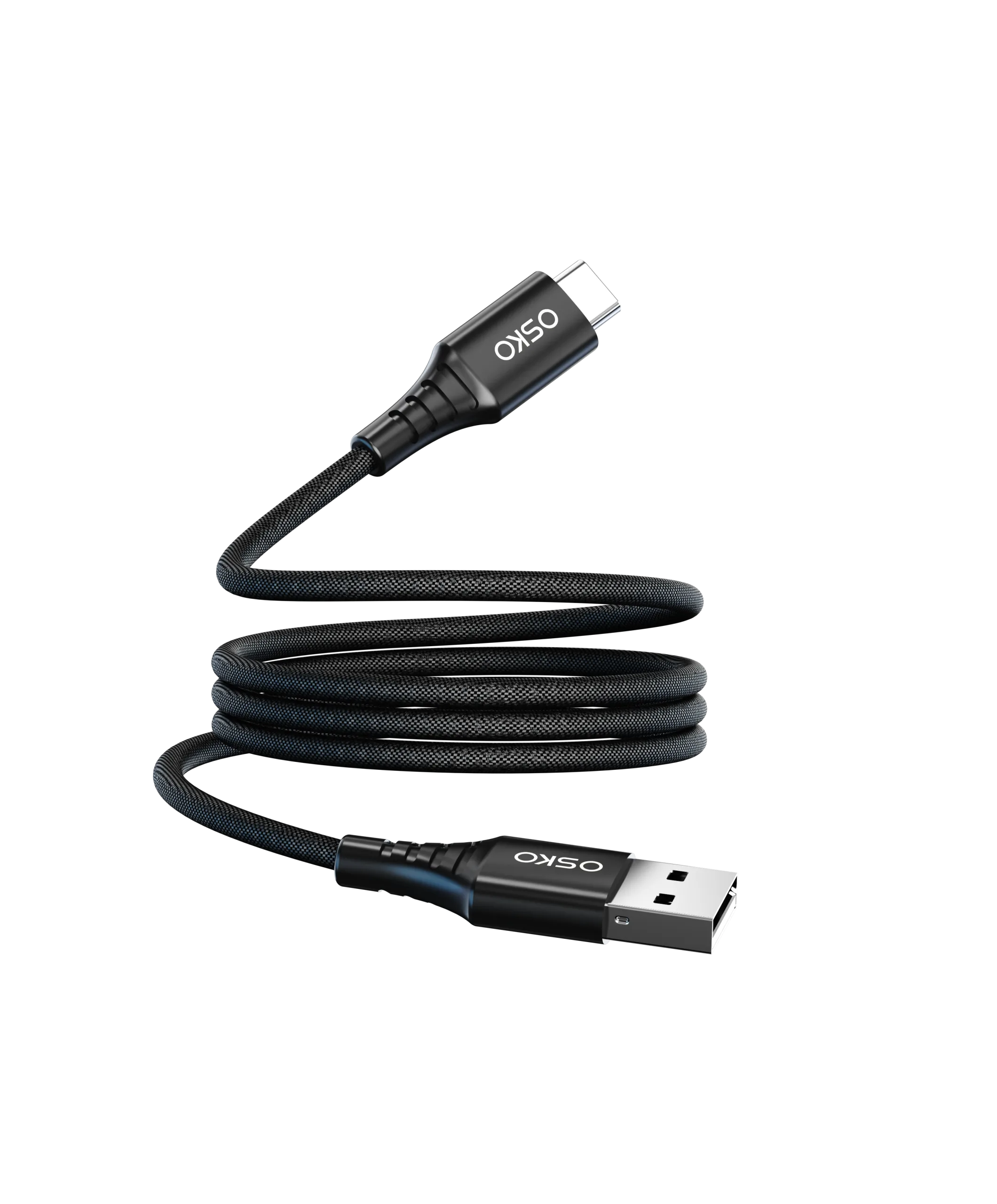
Heavy duty braided USB-C cable manufacturer
White label 240W fast charging cable wholesale
Durable nylon braided Type C charging cable factory
OEM ODM custom length USB C cables
Bulk custom 6ft 10ft USB-C cables
Application Scenarios
60W cable: mobile phones, earbuds, light accessories
240W cable: laptops, docks, multi-device setups
In real usage, both are safe for iPhone due to automatic power negotiation.
FAQ
Will a 240W cable charge my iPhone faster?
No. iPhones limit charging speed internally.
Is 60W enough for iPhone fast charging?
Yes. iPhone typically uses 20W–27W maximum.
Is 240W cable overkill for iPhone?
For phone-only users, yes. For mixed-device users, no.
Does cable wattage affect battery health?
No. iPhone manages power intake automatically.
Is E-Marker necessary for iPhone cables?
Only required for high-power cables like 240W models.
Summary
The comparison of 60W vs 240W charging cable for iPhone shows that charging speed is not determined by cable wattage alone.
Both cables deliver the same iPhone fast charging performance because the device controls power intake.
The real difference lies in engineering design: 240W cables provide stronger conductor systems, mandatory E-Marker chips, better thermal performance, and higher durability, making them more suitable for multi-device and future-proof use cases.
For pure iPhone users, 60W cables are sufficient. For users with laptops or mixed ecosystems, 240W cables offer better long-term value.
Ultimately, the choice depends on usage scenario rather than charging speed alone.
Contact Information
OSKO provides OEM/ODM USB-C cable solutions, including:
60W / 100W / 240W USB-C charging cables
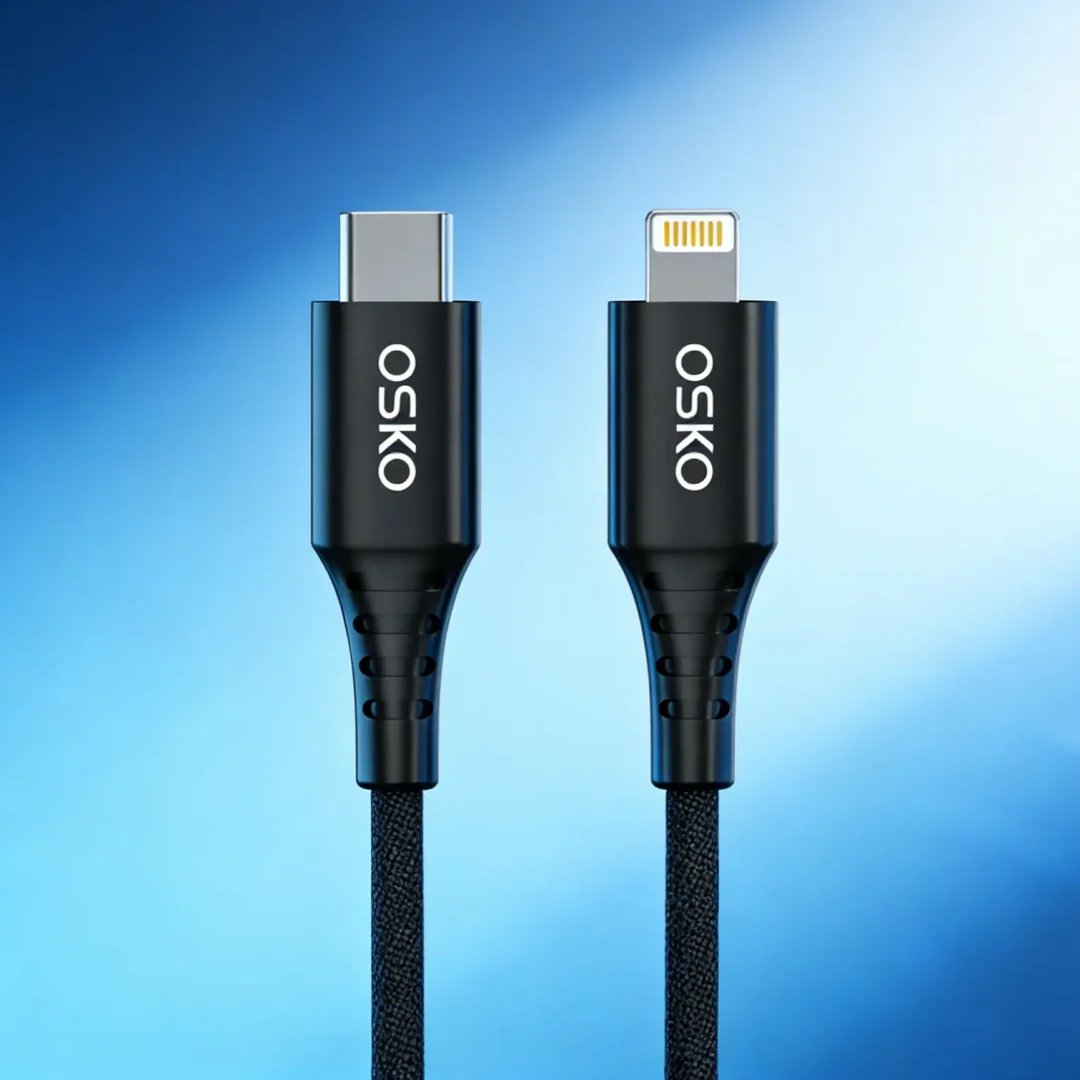
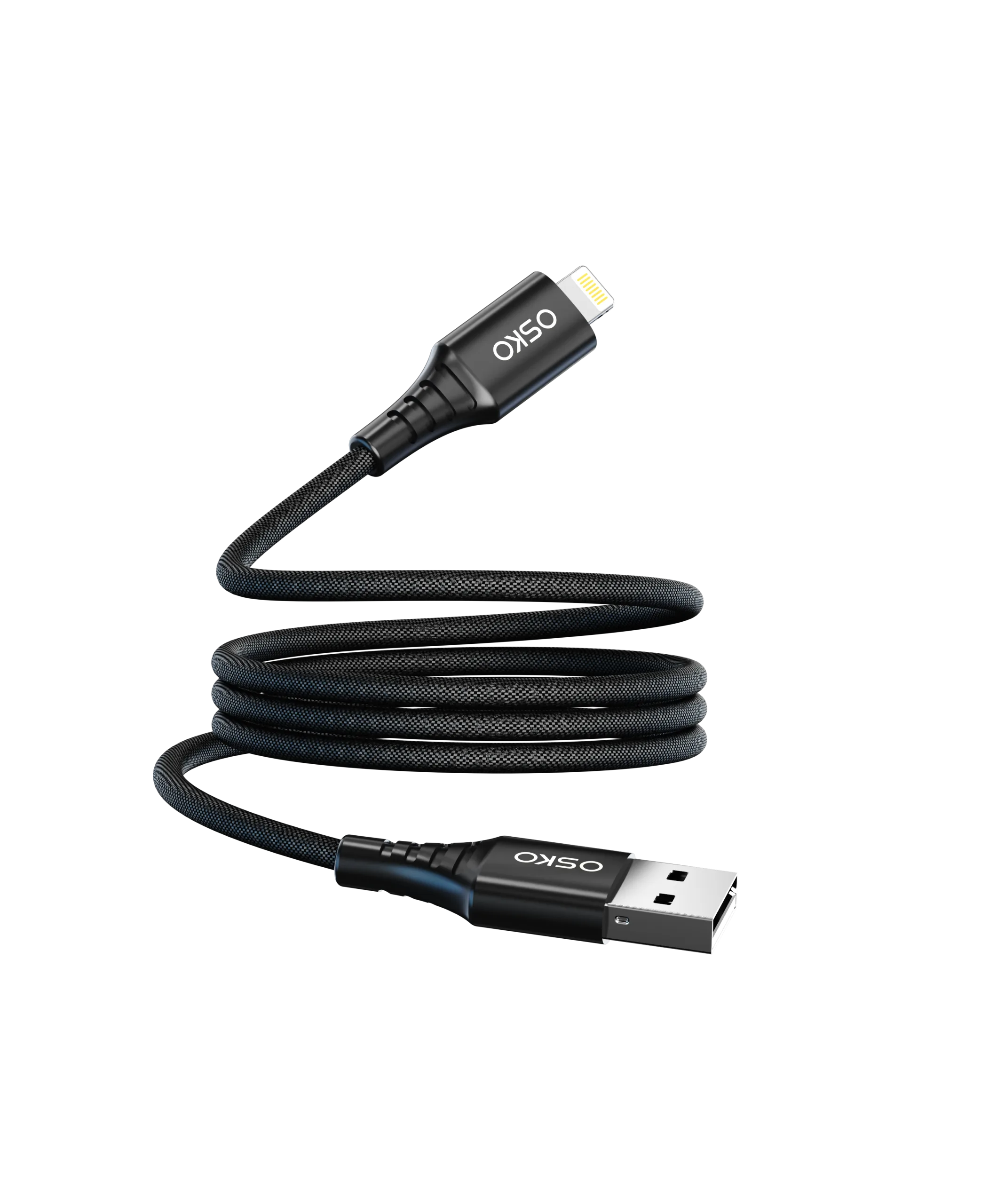
MFi-compatible Lightning cables
Nylon braided durable cable systems
Custom branding and packaging
Wholesale and bulk supply programs