
Introduction
Understanding what are the common test items for USB cables is essential for ensuring product reliability, safety, and performance consistency in global markets.
For US and European buyers, USB cables are not judged only by appearance or stated specifications, but by measurable engineering test results that verify charging speed, durability, signal stability, and compliance with USB standards.
In OEM and wholesale supply chains, testing is the key factor that determines whether a USB-C cable can pass Amazon requirements, retail distribution standards, and long-term consumer usage expectations.
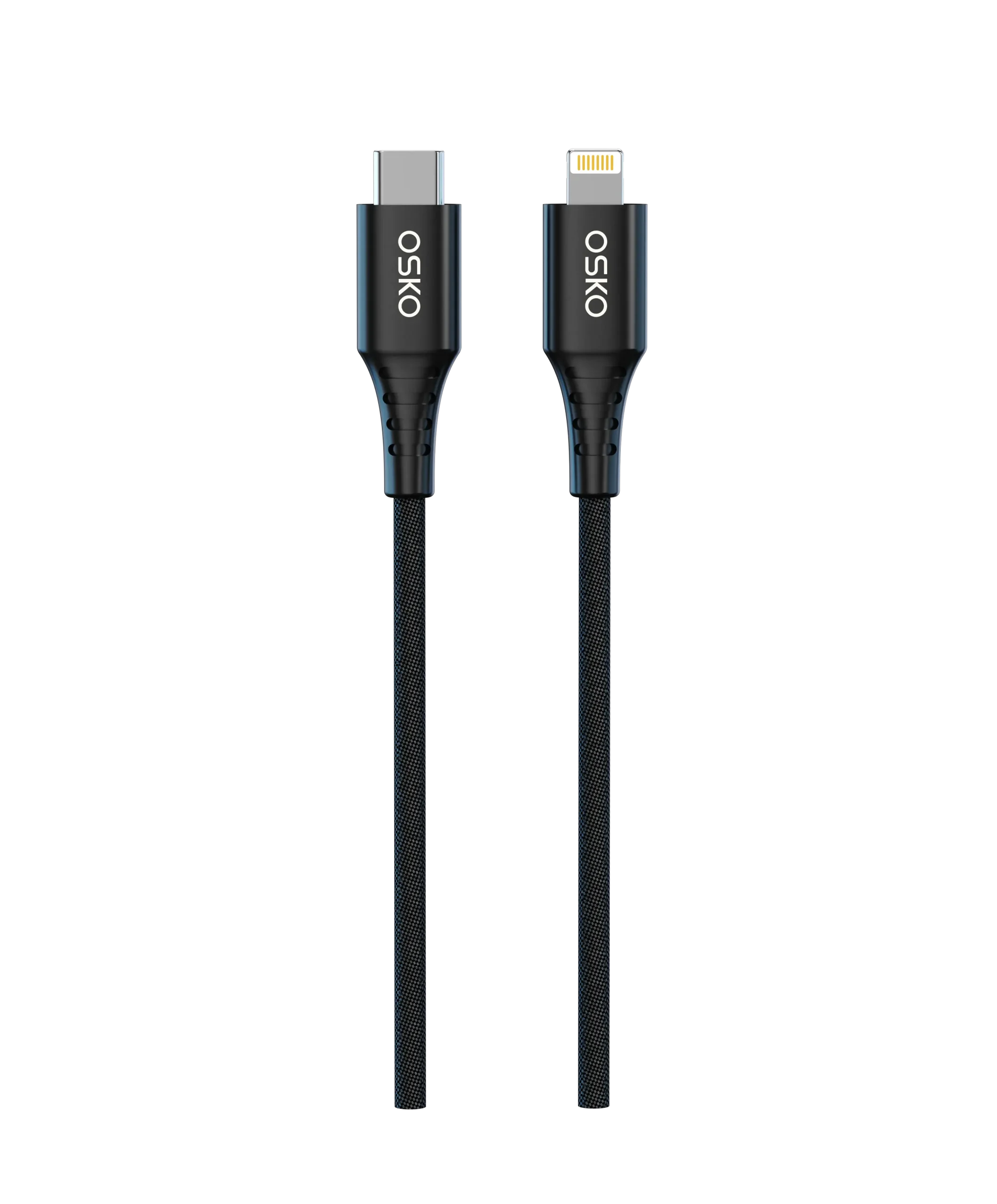
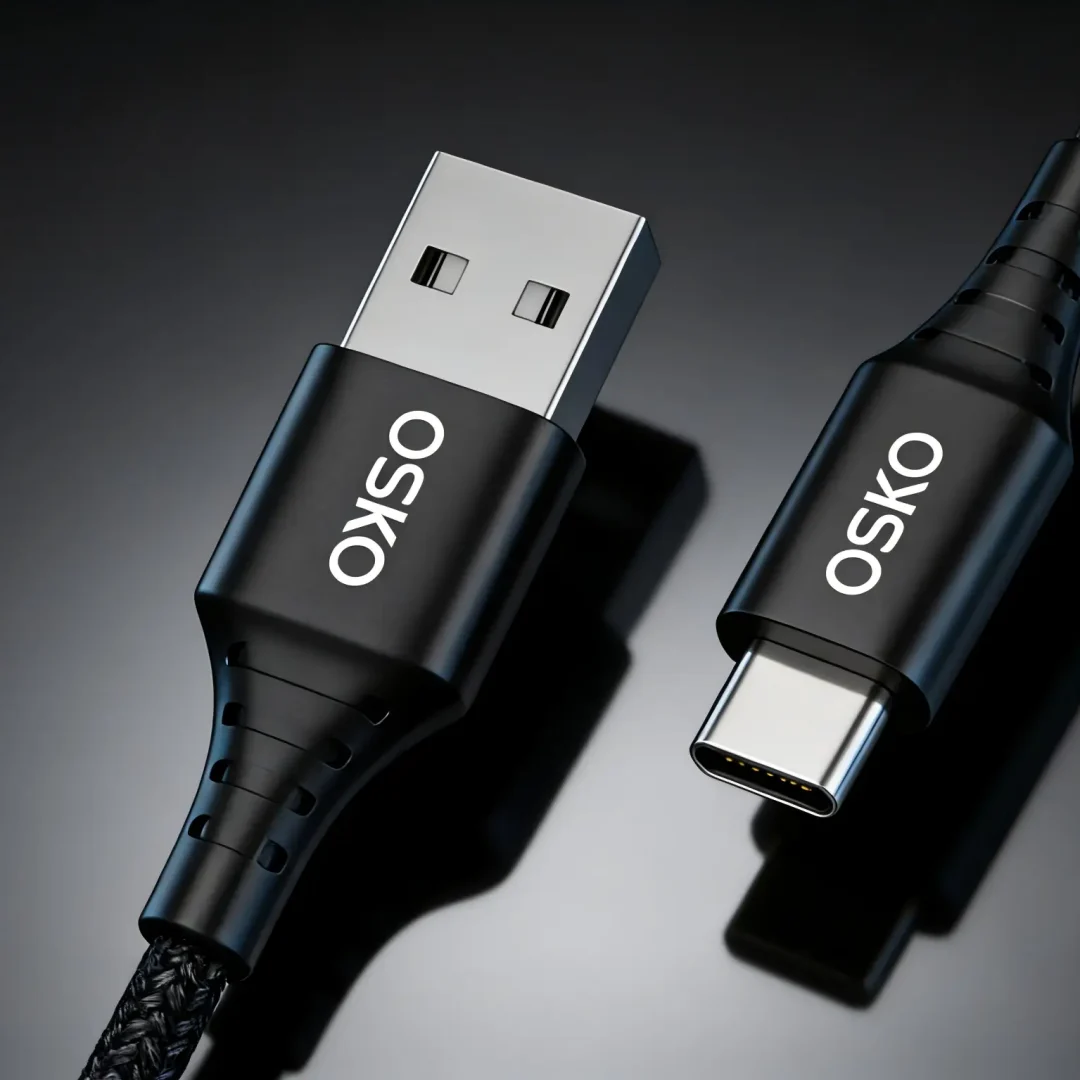
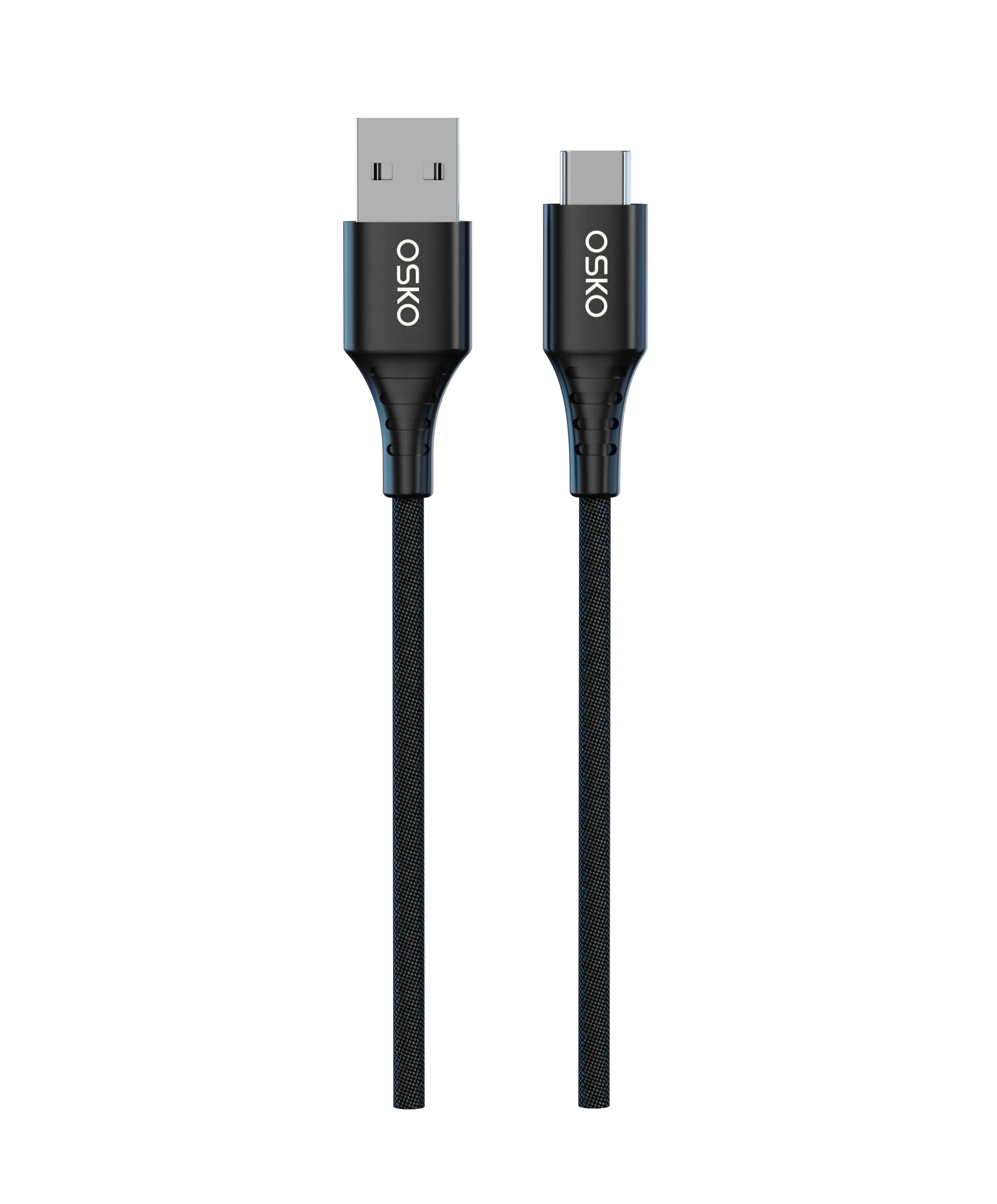
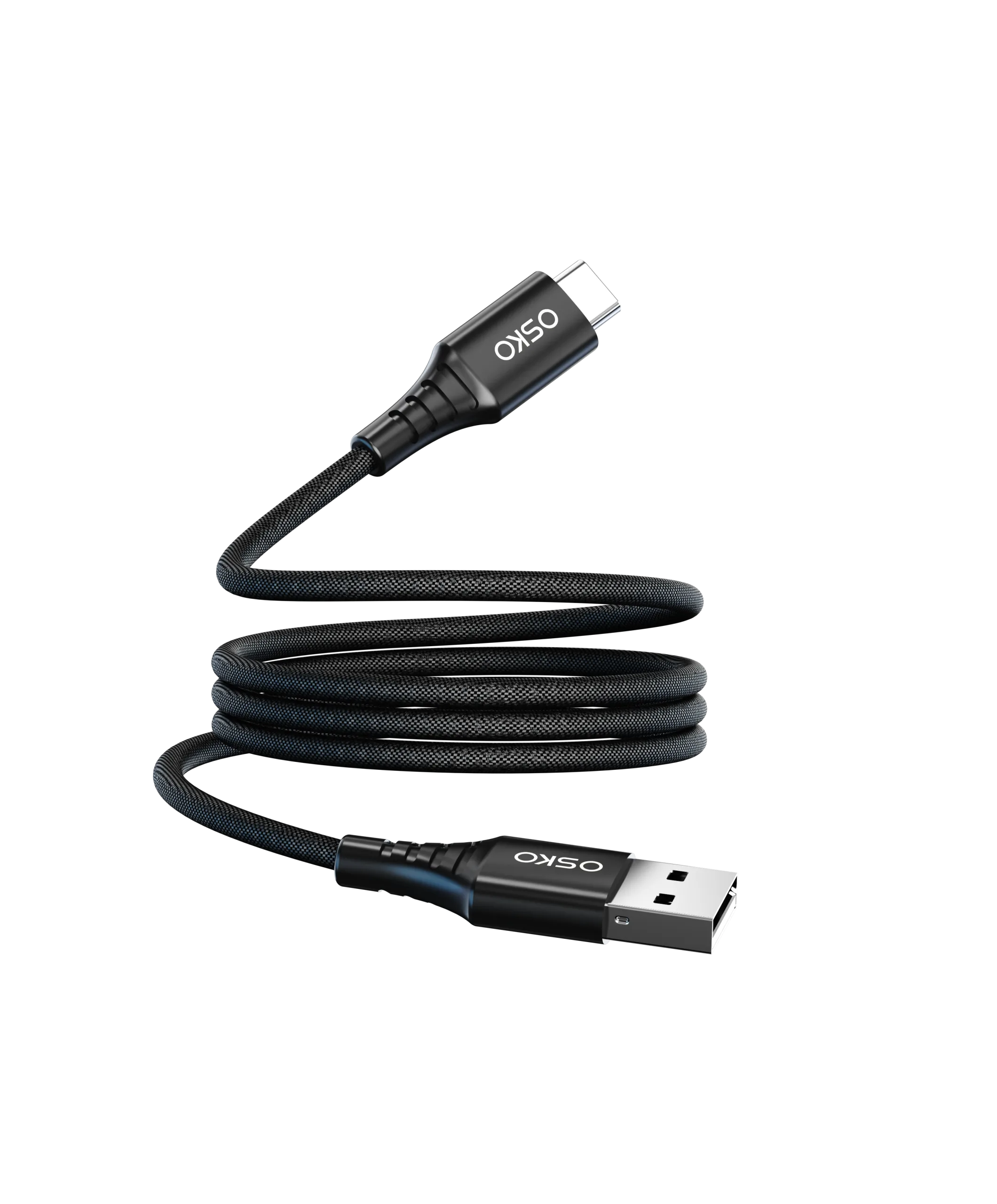
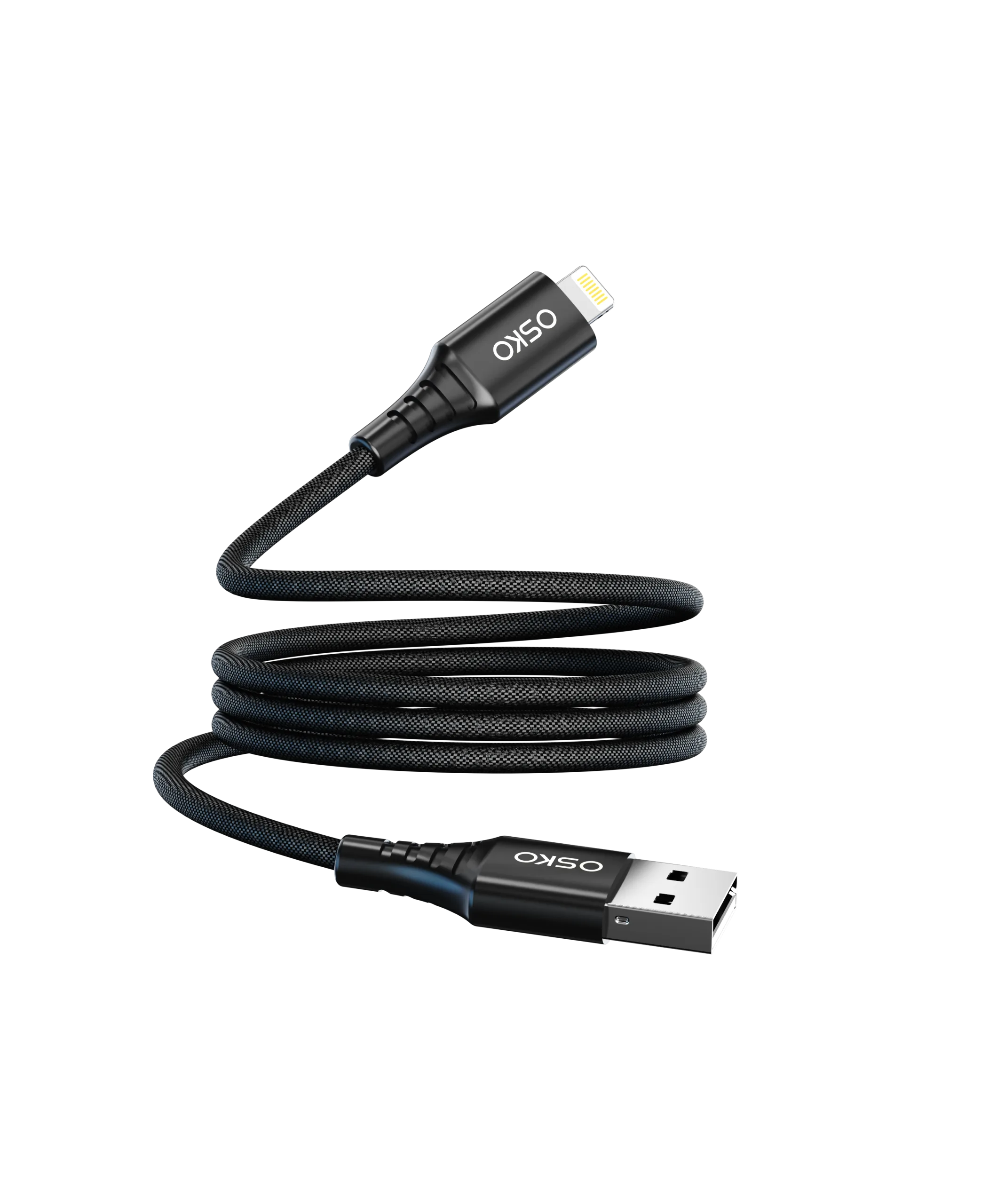
OSKO defines USB cable quality through structured laboratory and production-line testing systems aligned with international standards.
Material Science & Electrical Performance Testing
USB cable testing begins with internal electrical structure validation.
1. Electrical Resistance Test
This test measures conductor efficiency.
It evaluates:
Voltage drop under load
Current-carrying efficiency
Heat generation during charging
High resistance indicates poor copper quality or undersized wire gauge.
2. USB Power Delivery (USB-PD) Compatibility Test
This ensures correct fast charging behavior:
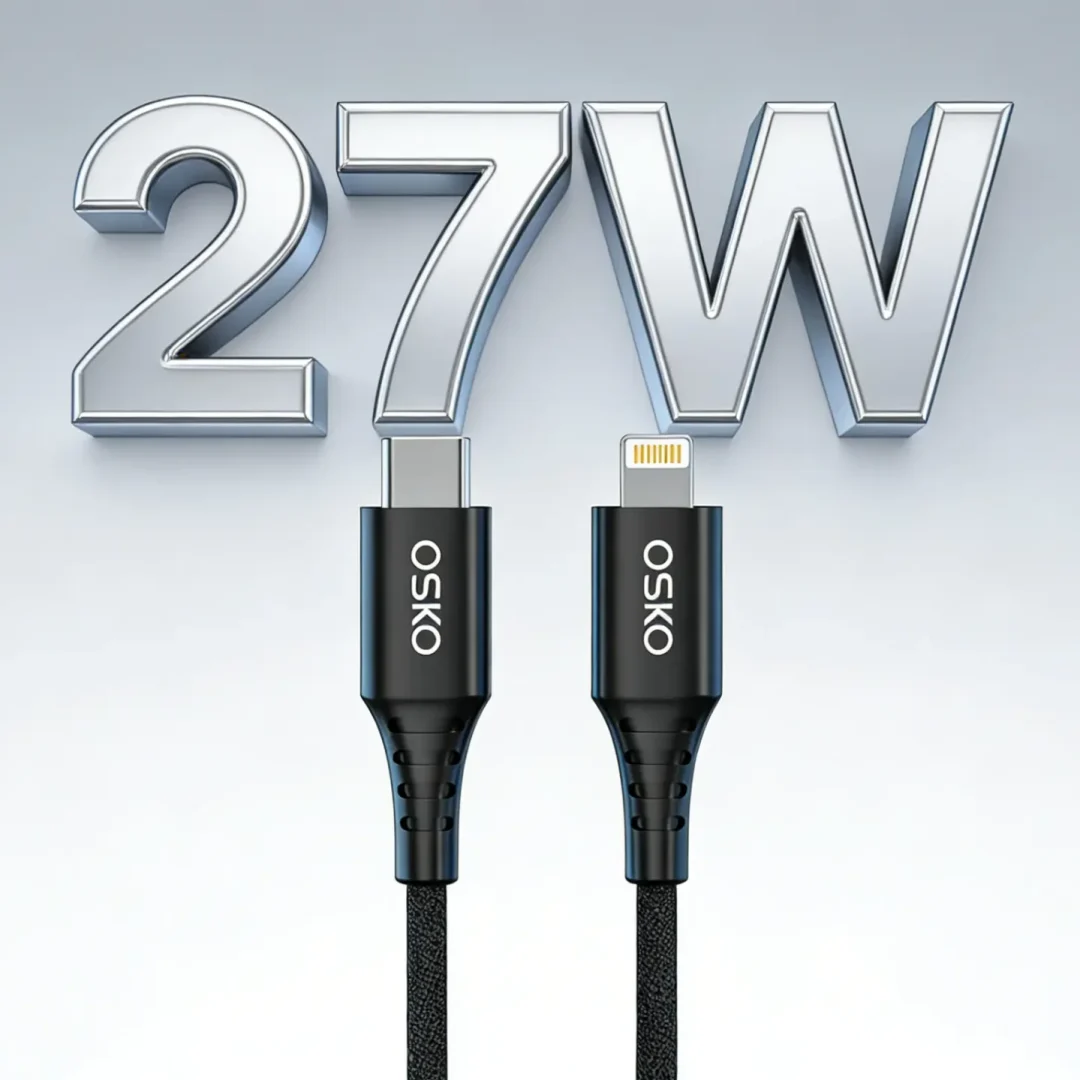
18W / 60W / 100W / 240W power negotiation
Stable voltage switching
Safe current regulation
Failure in this test results in slow charging or unstable power delivery.
3. Data Transmission Speed Test
USB cables must meet expected data rates:
USB 2.0 → 480 Mbps
USB 3.2 → 5–10 Gbps
USB4 / Thunderbolt → 20–40 Gbps
This test checks signal integrity and bandwidth stability.
4. EMI (Electromagnetic Interference) Test
This test ensures stable signal behavior in real environments.
It evaluates:
Signal noise resistance
Cross-device interference protection
Shielding effectiveness
Poor EMI performance causes connection drops and unstable charging.
5. E-Marker Chip Validation (High-Power Cables)
For cables above 60W:
Confirms correct power identification
Ensures USB-PD negotiation accuracy
Prevents overcurrent risk
Without this test, high-wattage cables may fail safety standards.
Case Study
US E-Commerce Cable Return Rate Reduction Project
Customer Background
A US-based Amazon seller experienced high return rates on USB-C cables labeled as “fast charging,” but customer complaints indicated inconsistent charging performance and durability issues.
The objective was to standardize USB cable testing items to improve product reliability.
Engineering Problems Identified
Testing revealed:
Inconsistent resistance values across production batches
USB-PD negotiation failures in 30% of samples
Weak connector strain relief causing internal wire breakage
Insufficient shielding leading to unstable data transfer
Lack of standardized durability testing before shipment
OSKO Engineering Solutio
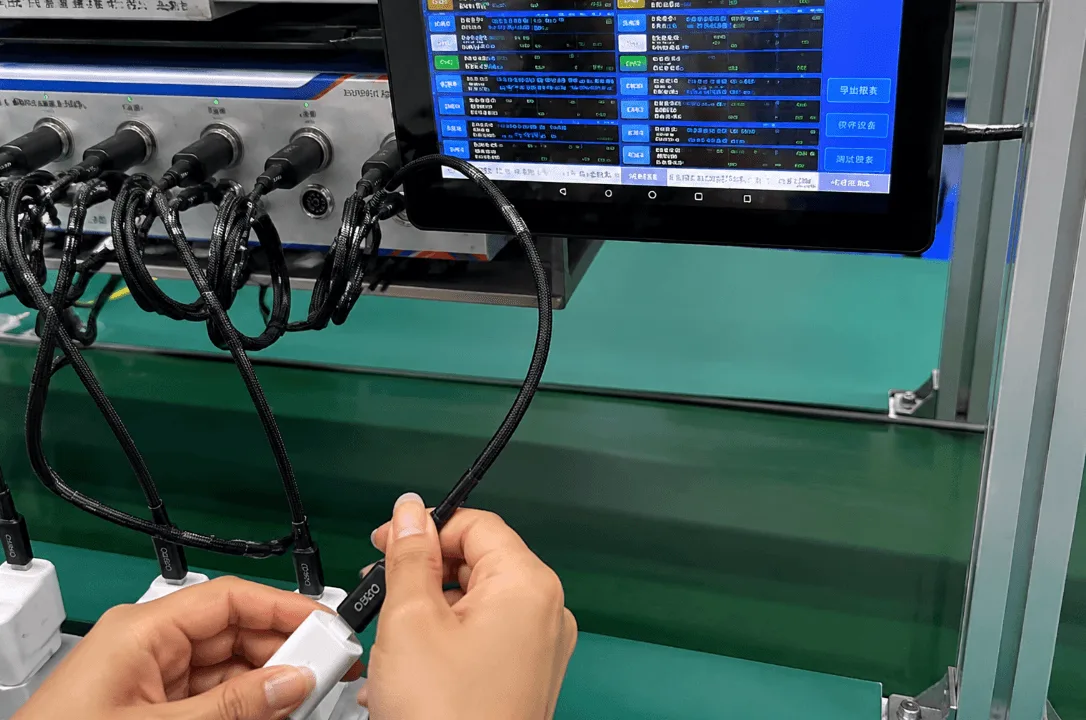
OSKO implemented a full testing framework:
Electrical resistance testing for every batch
USB-PD protocol validation (60W / 100W / 240W)
Multi-layer EMI shielding verification
Connector mechanical stress testing
Controlled aging tests under continuous load
Manufacturing aligned with:
USB-IF compliant Type C cable manufacturer standards
ISO9001 certified braided USB cable factory quality system
FCC approved nylon braided USB C cable supplier EMI testing
CE RoHS certified 240W USB C cable compliance validation
Result
After implementation:
Product return rate reduced by over 40%
Charging performance consistency significantly improved
Customer complaints decreased
Brand rating increased across Amazon listings
Supply chain reliability stabilized
Selection Guide
Common USB Cable Test Items in Manufacturing
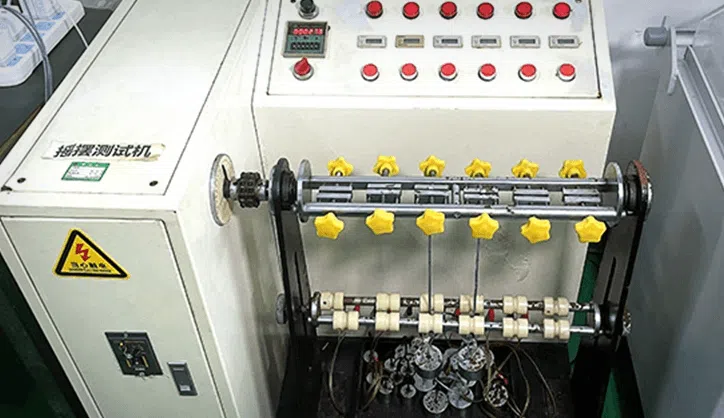
1. Mechanical Durability Testing
Includes:
Bending test (10,000–30,000 cycles)
Plug insertion and removal test
Pull strength test
This simulates real-world daily usage.
2. Connector Reliability Test
Evaluates:
Contact resistance stability
Connector wear after repeated use
Plug alignment accuracy
Poor connectors are a major failure point in consumer returns.
3. Cable Flexibility Test
Checks:
Torsion resistance
Flex life under repeated bending
Outer jacket cracking resistance
Braided cables usually perform better in this category.
4. Thermal Stability Test
Evaluates:
Heat generation under continuous fast charging
Insulation safety under load
Temperature rise limits
Critical for 60W–240W USB-PD cables.
5. Environmental Aging Test
Simulates long-term usage conditions:
High temperature exposure
Humidity resistance
UV aging for outer jacket durability
Test Items Comparison Table
| Test Category | Purpose | Importance |
|---|---|---|
| Electrical resistance | Charging efficiency | Critical |
| USB-PD test | Fast charging stability | Critical |
| Data speed test | Signal integrity | High |
| Bending test | Physical durability | High |
| Thermal test | Safety under load | Critical |
| EMI test | Signal stability | High |
Application Scenarios
USB cable testing ensures reliability across:
OEM USB cables for branded electronics production
ODM USB cables for customized engineering designs
USB cables for wholesale distribution
Desktop charging cables for office workstation environments
Travel USB cables for portable use cases
In-car charging cables for automotive charging systems
Home USB cables for household multi-device ecosystems
FAQ
Why are USB cable tests important?
They ensure safety, durability, and consistent charging performance.
What is the most important test for USB-C cables?
USB-PD charging stability and electrical resistance testing.
How many bending cycles should a good cable pass?
Typically 10,000 to 30,000 cycles depending on quality leve
Do all manufacturers perform full testing?
No, low-cost suppliers often skip or partially perform tests.
Is EMI testing required?
Yes, especially for data transfer and fast charging stability.
Summary
The common test items for USB cables include electrical resistance testing, USB-PD validation, data transmission testing, bending durability, thermal stability, and EMI shielding verification.
These tests ensure that cables meet real-world performance expectations across charging speed, durability, and safety.
OSKO applies a structured multi-stage testing system to ensure every cable meets US and European market requirements for OEM, wholesale, and retail applications.
In modern manufacturing, testing is not a final step—it is the foundation of product reliability and brand trust.
Contact Information
OSKO provides OEM/ODM USB cable manufacturing with full testing systems:
USB-PD certified charging cables
Braided and TPE cable durability solutions
Full QC and batch testing reports
Amazon-ready product compliance
Private label manufacturing services
OSKO engineering team delivers fully tested, high-reliability USB cable solutions for global markets.