

Introduction
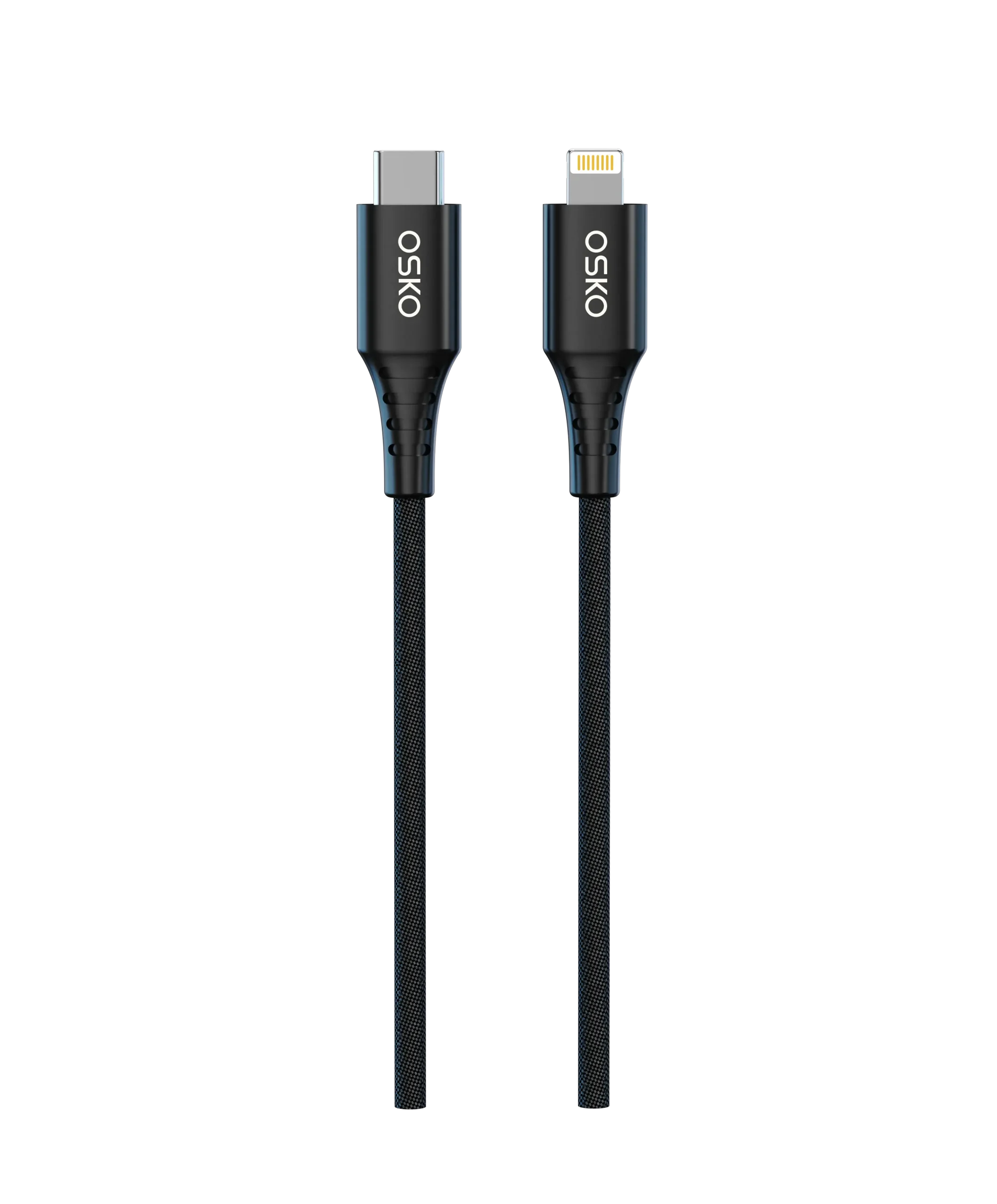
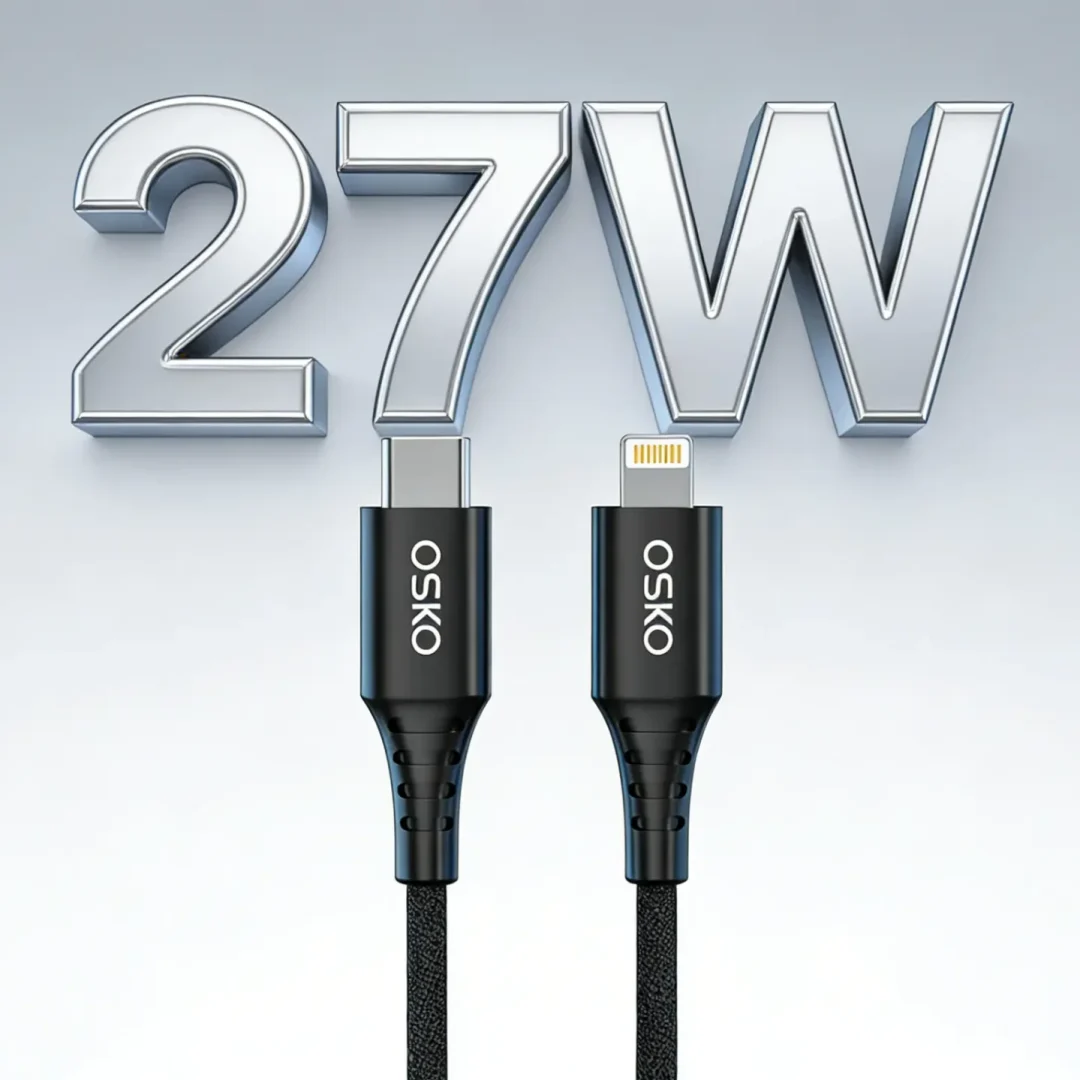
The introduction of USB-C cable 240W PD 3.1 explained represents one of the most important upgrades in modern charging technology.
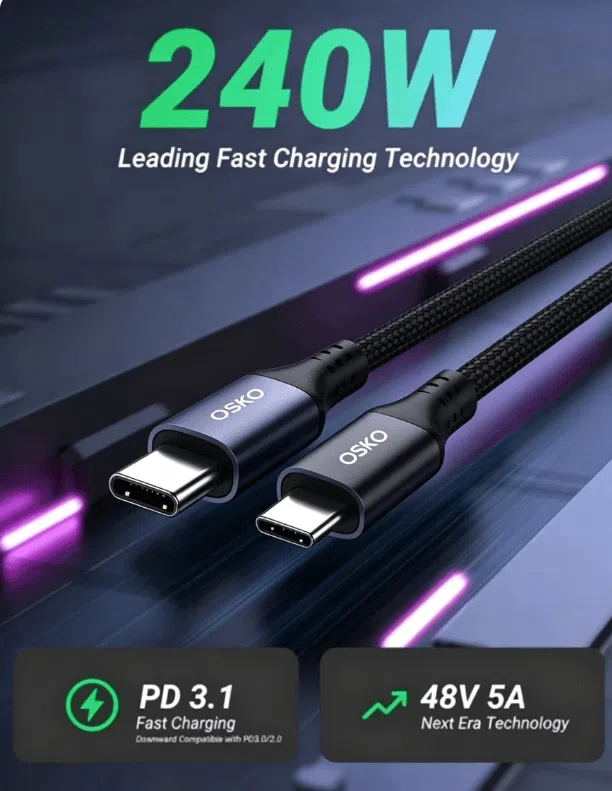
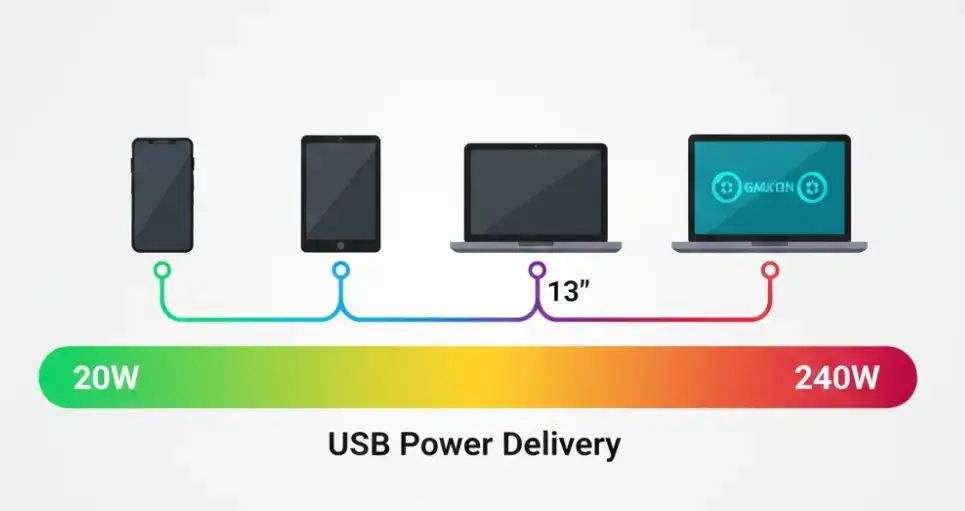
USB Power Delivery 3.1 (PD 3.1) introduces Extended Power Range (EPR), increasing maximum power output from 100W to 240W. This enables a single USB-C cable to power high-performance laptops, gaming systems, docking stations, and professional workstations.
For OEM manufacturers and global buyers, understanding 240W USB-C PD 3.1 cable engineering is essential for product development, certification compliance, and market positioning in the US and Europe.
OSKO approaches PD 3.1 not as a marketing upgrade, but as a complete electrical and thermal engineering system.
Material Science & Electrical Engineering Principles
What Is USB PD 3.1 (Power Delivery 3.1)?
USB PD 3.1 is the latest charging protocol that supports:
Standard Power Range (SPR): up to 100W
Extended Power Range (EPR): up to 240W
This upgrade allows USB-C to replace proprietary laptop chargers.
The key innovation is higher voltage support:
20V (traditional PD 3.0 limit)
28V / 36V / 48V (PD 3.1 EPR levels)
Higher voltage reduces current load, improving efficiency and heat control.
Why 240W Requires Engineering Redesign
A 240W USB-C cable is not just a thicker wire—it is a fully redesigned system:
Higher current stability requirements
Lower resistance copper conductors
Advanced shielding for EMI protection
Thermal-resistant insulation materials
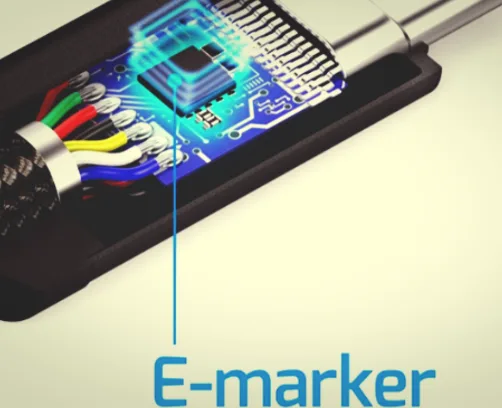
Embedded E-Marker chip for communication
Without these upgrades, overheating and charging failure can occur.
E-Marker Chip Function in 240W Cables
E-Marker chips are mandatory for PD 3.1 cables.
They:
Identify cable power rating (240W capability)
Communicate voltage/current limits
Ensure safe negotiation between devices
Prevent overcurrent damage
This is a critical requirement for any USB-C E-Marker chip cable design.
Wire Gauge (AWG) Requirements
For 240W performance:
Typically 20AWG or lower is required for power lines
Lower resistance = better efficiency
Thicker conductors reduce heat generation
Proper AWG selection directly affects safety and charging speed stability.
Thermal and Safety Design
240W cables musst handle significantly more heat:
Multi-layer insulation structure
Heat-resistant polymer materials (TPE / advanced nylon)
Reinforced connector strain relief
Controlled temperature rise under load
Thermal failure is one of the biggest risks in low-quality high-power cables.
Case Study
US Gaming Laptop OEM Charging Cable Upgrade Project
Customer Background
A US gaming accessory brand wanted to launch a high-performance 240W USB-C PD 3.1 cable to support next-generation gaming laptops and docking stations.
The goal was to replace bulky proprietary chargers with a universal USB-C solution.
Engineering Problems Identified
Initial prototype issues included:
Overheating at sustained 200W+ loads
Inconsistent PD handshake with laptops
Signal degradation at longer cable lengths
Missing E-Marker chip validation
Connector wear after repeated high-current use
OSKO Engineering Solution
OSKO redesigned the cable architecture:
Implemented low-resistance copper conductor system
Added certified USB-IF compliant Type C cable manufacturer E-Marker integration
Optimized shielding layers for EMI stability
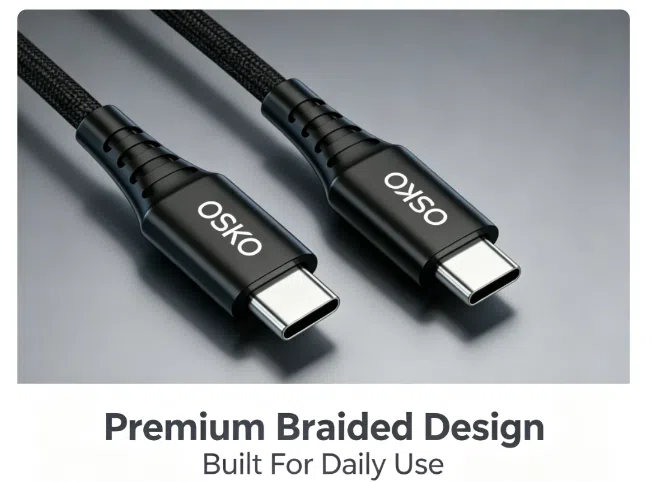
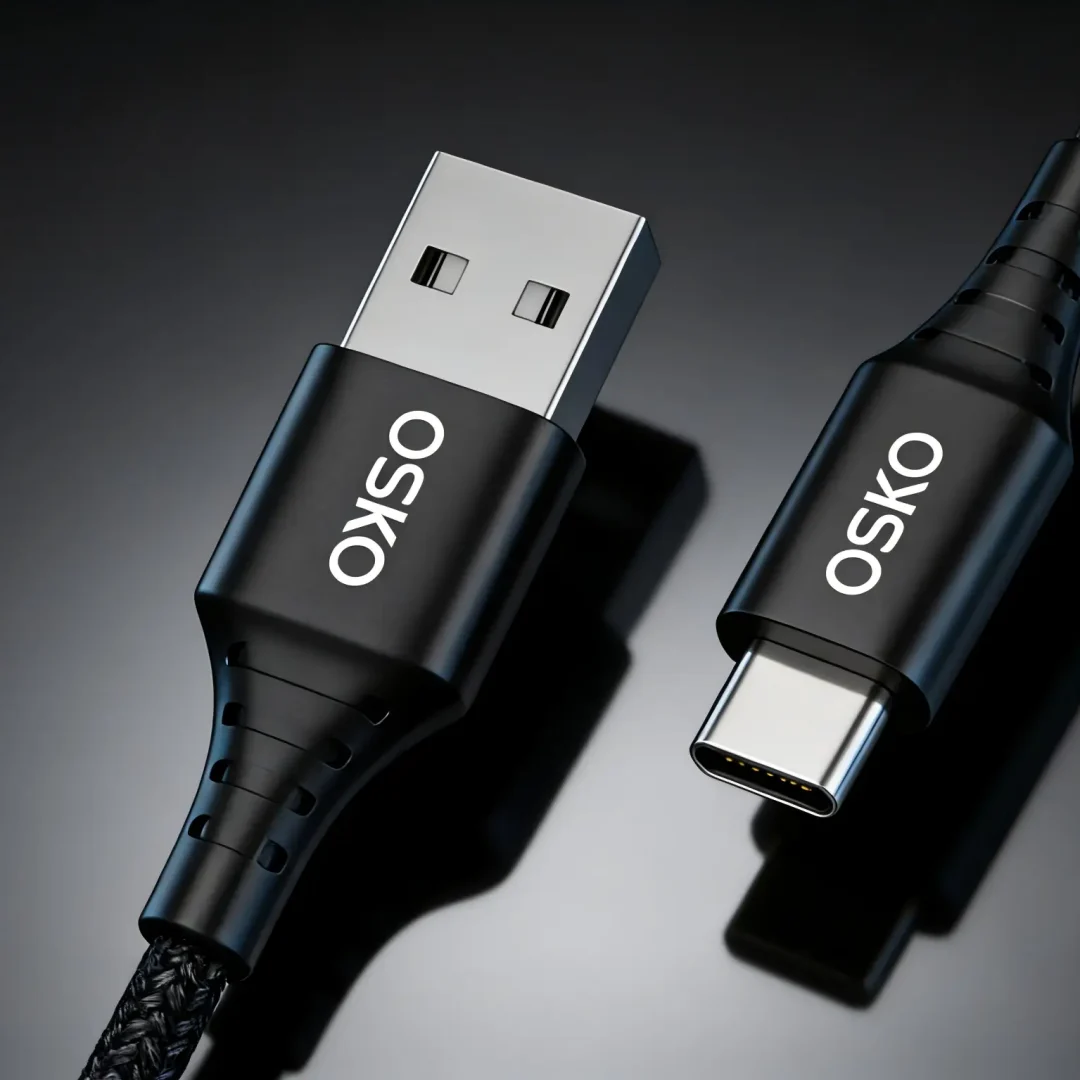
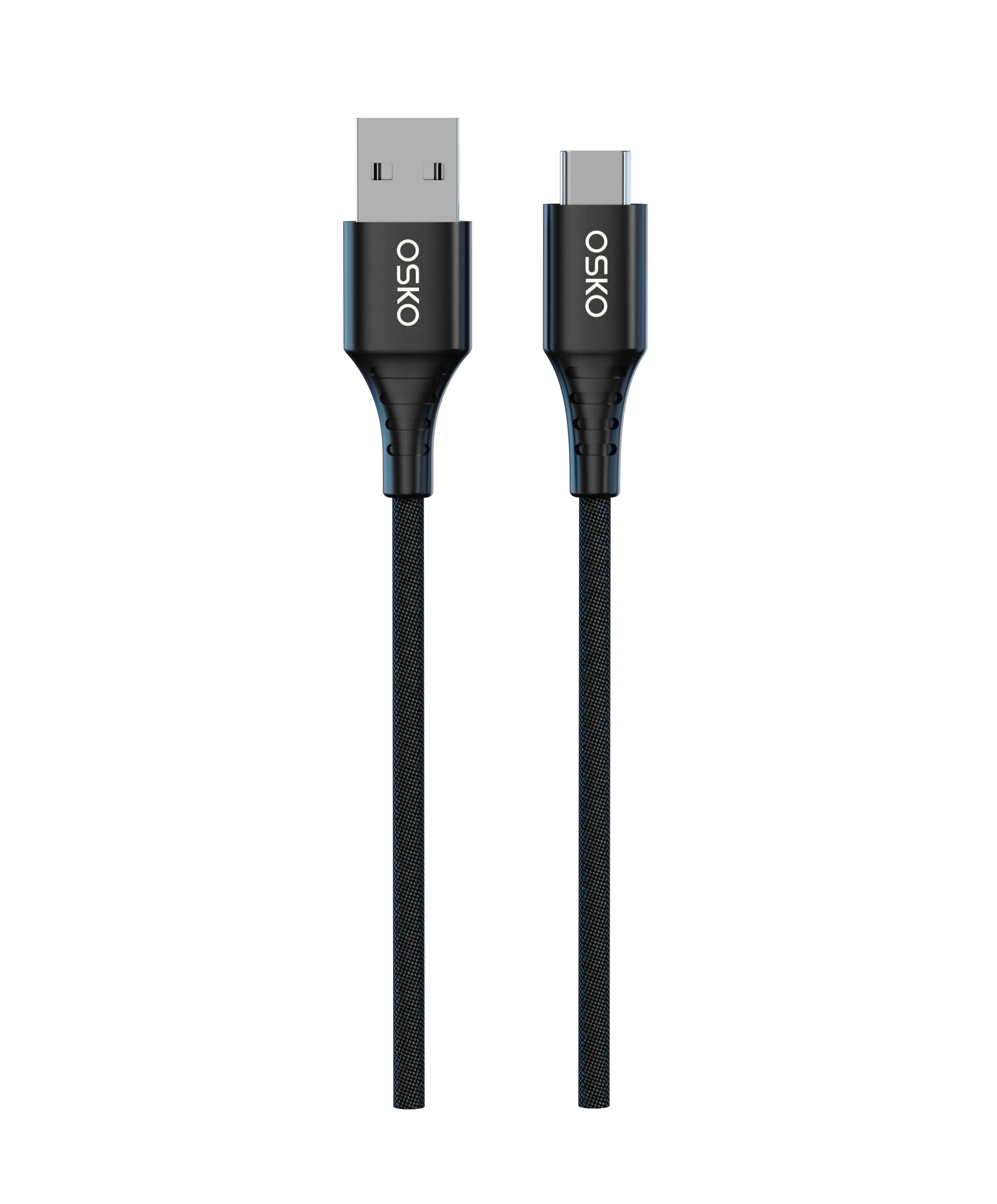
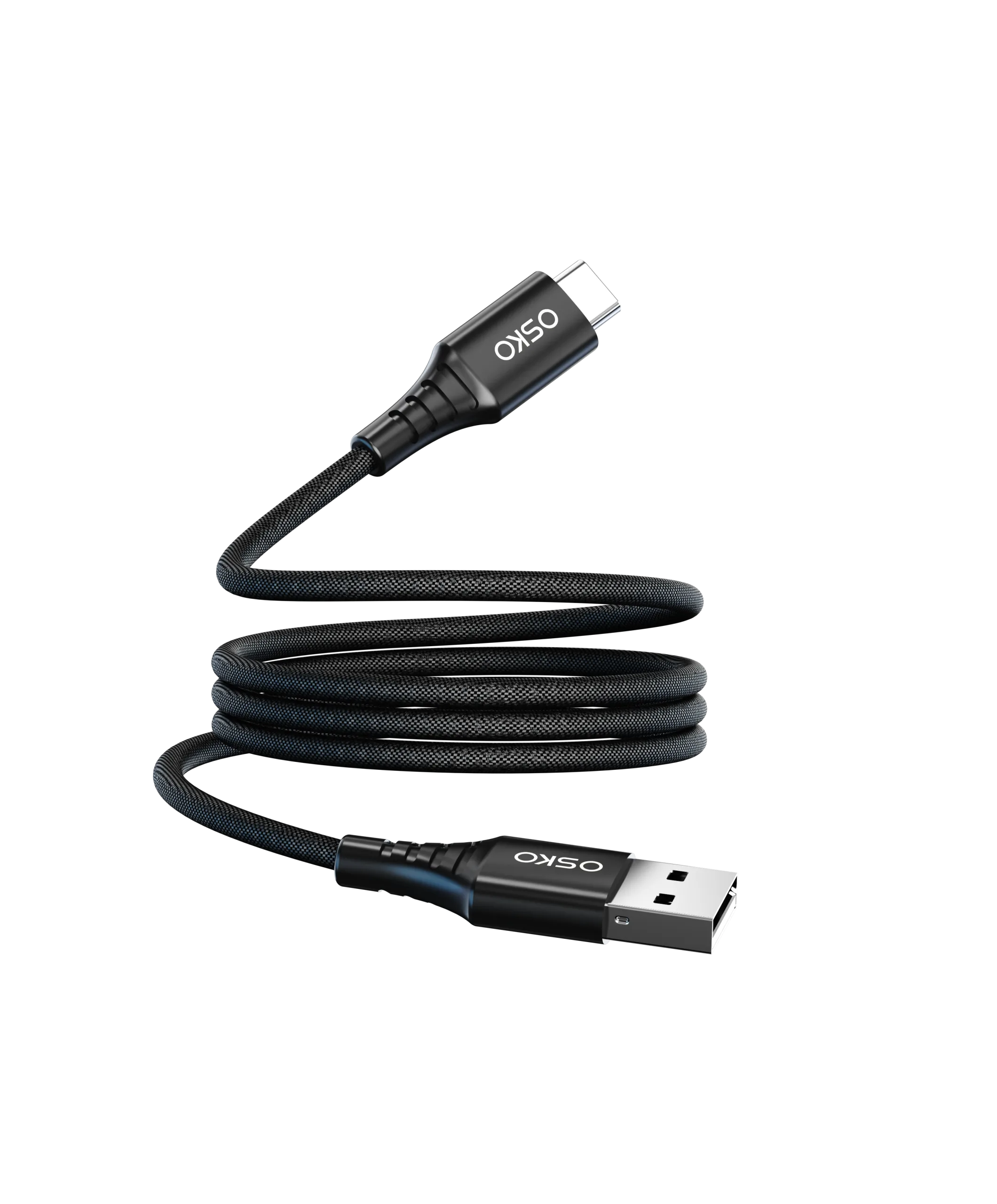
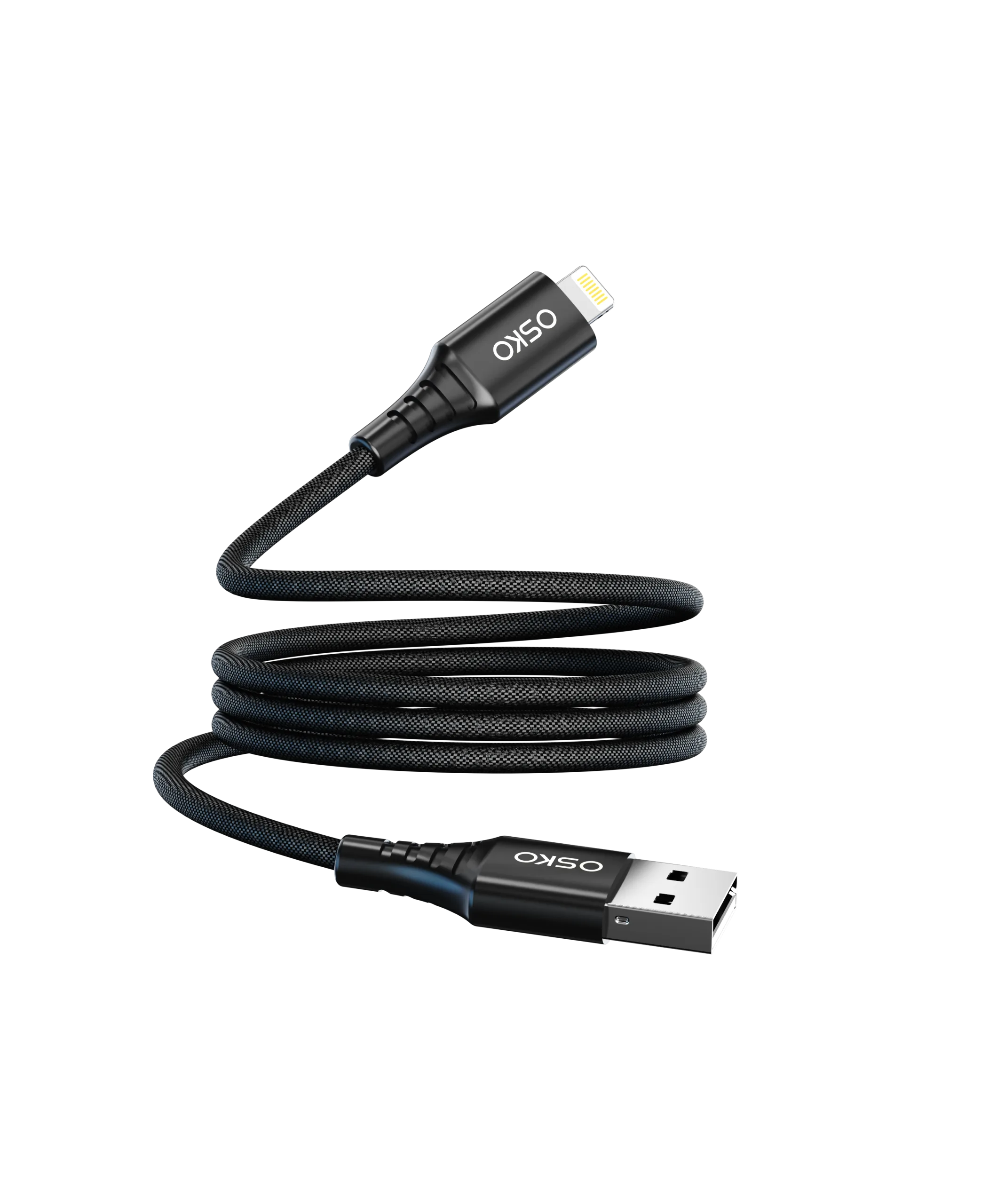
Reinforced nylon braided outer jacket for durability
Introduced thermal stability testing under continuous 240W load
Compliance system included:
CE RoHS certified 240W USB C cable validation
FCC approved nylon braided USB C cable supplier EMI testing
ISO9001 production consistency control
Batch-level electrical safety verification
Result
Stable 240W output achieved without overheating
Full compatibility with gaming laptops confirmed
Improved durability under high-cycle usage
Successful product launch in US e-commerce channels
Reduced return rate due to thermal issues
Selection Guide
How to Identify a True 240W USB-C PD 3.1 Cable
1. Check PD 3.1 Support
A real cable must explicitly support:
USB Power Delivery 3.1
Extended Power Range (EPR)
240W rating
2. E-Marker Chip Requirement
Mandatory for:
100W+ cables
Especially 240W designs
Without it, safe negotiation cannot occur.
3. Wire Gauge Quality
Look for:
20AWG or better for power lines
Low resistance copper conductors
4. Material Construction
Common premium materials:
Nylon braided outer layer
Heat-resistant TPE insulation
Reinforced connector housing
5. Certification Standards
Important certifications include:
USB-IF
FCC
RoHS
CE
ISO9001 manufacturing system
Specification Comparison Table
| Feature | 60W Cable | 100W Cable | 240W PD 3.1 Cable |
|---|---|---|---|
| Voltage | 20V max | 20V max | 28–48V EPR |
| E-Marker | Optional | Required | Mandatory |
| Wire Gauge | 24–28AWG | 22–24AWG | ≤20AWG |
| Thermal Load | Low | Medium | High |
| Use Case | Phones | Laptops | Gaming/workstations |
Application Scenarios
240W PD 3.1 cables are widely used in:
High-performance laptops
Gaming workstation setups
USB-C docking stations
Professional creative workstations
Enterprise IT charging systems
OEM USB cables for high-end electronics
ODM USB cables for custom engineering projects
Wholesale USB cables for premium distribution channels
FAQ
Is USB-C 240W safe?
Yes, if it uses proper E-Marker chips and certified manufacturing standards.
Can all USB-C devices use 240W cables?
Yes, but they will only draw the power they require.
Is PD 3.1 backward compatible?
Yes, it supports older USB-PD standards.
Why do some 240W cables cost more?
Because of higher-grade copper, E-Marker chips, and stricter thermal design requirements
Do I need a special charger for 240W?
Yes, you need a PD 3.1 EPR-compatible charger.
Summary
The USB-C cable 240W PD 3.1 explained standard represents a major evolution in charging technology, enabling high-power delivery up to 240W through USB-C.
It requires advanced engineering including E-Marker chips, high-grade copper conductors, thermal safety design, and strict compliance testing.
OSKO’s OEM manufacturing system ensures that every 240W PD 3.1 cable meets US and European safety, performance, and durability standards for high-end applications.
In modern charging ecosystems, 240W is not just higher power—it is a new engineering benchmark.
Contact Information
OSKO provides OEM/ODM high-power USB-C cable solutions including:
240W PD 3.1 certified cables
Gaming and workstation charging solutions
Braided premium durability designs
Full USB-IF compliance support
Amazon-ready retail packaging