
Introduction
Choosing the right charging cable for Apple devices has become more complicated because the Apple ecosystem now includes different connector standards and power requirements.
A user may own:
MacBook Pro for professional work
iPhone for daily communication
iPad for entertainment and productivity
However, these devices do not always require the same cable.
Many charging problems happen because users select cables based only on connector appearance instead of technical specifications.
Common issues include:
MacBook Pro charging slowly with a low-power cable
iPhone fast charging not working
iPad charging inconsistently
Cable overheating during high-power use
The correct cable selection depends on:
Device model
Connector type
Charging power requirement
USB Power Delivery (PD) support
Cable construction quality
For consumers, selecting the correct cable improves charging efficiency and device safety.
For retailers and brands, understanding these differences helps develop reliable Apple accessory products through professional OEM USB-C cable manufacturer solutions.

Material Science & Dielectric Properties
Understanding Apple Device Charging Requirements
Apple devices use different charging interfaces depending on generation.
Current Apple charging systems include:
| Device | Common Connector | Recommended Cable |
|---|---|---|
| New iPhone models | USB-C | USB-C to USB-C cable |
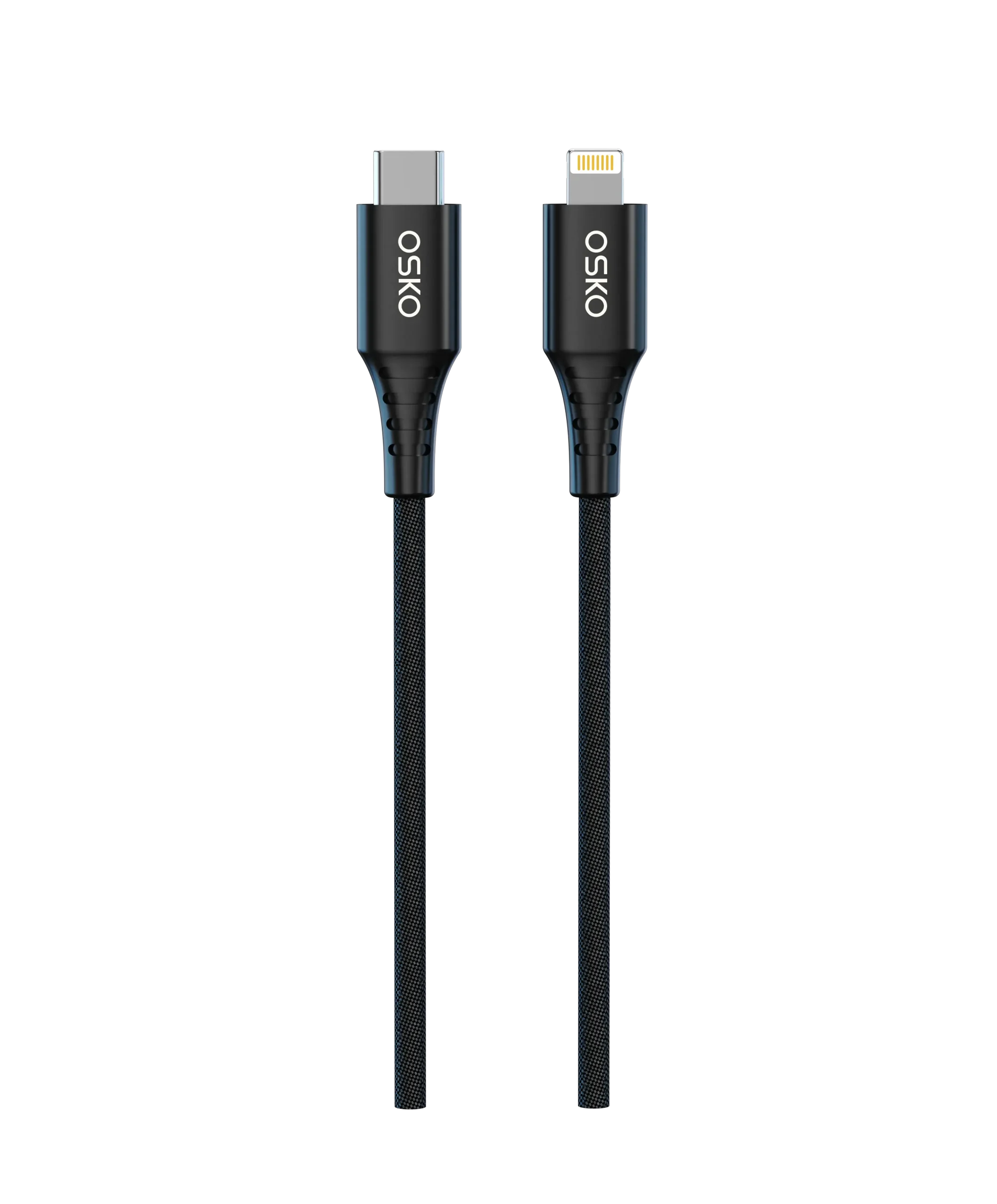
| Older iPhone models | Lightning | USB-C to Lightning cable |
| iPad Pro/Air newer models | USB-C | USB-C to USB-C cable |
| MacBook Pro | USB-C | High-power USB-C cable |
The connector determines physical compatibility, while cable specifications determine charging performance.
Choosing the Right Cable for MacBook Pro
Why MacBook Pro Requires Higher-Power Cables
MacBook Pro laptops require significantly more power than smartphones.
A professional laptop may require:
60W
96W
100W
140W charging solutions
A basic phone cable may physically connect but cannot deliver enough power.
Recommended MacBook Pro Cable Specifications
| MacBook Application | Recommended Cable |
|---|---|
| Light office work | 60W USB-C cable |
| MacBook Air | 60W USB-C cable |
| MacBook Pro daily use | 100W USB-C cable |
| High-performance MacBook Pro | 140W USB-C cable |
A professional 100W USB-C cable usually includes:
5A current support
E-marker chip
High-quality copper conductor
Improved thermal management
Why E-Marker Chips Matter for MacBook Charging
High-power USB-C cables require electronic identification.
The E-marker chip communicates:
Cable power capability
Current rating
Safety information
Without an E-marker:
Charger output may be limited
Fast charging may not activate
Laptop charging performance may decrease
For professional applications, a reliable USB-C PD charging cable is essential.
Choosing the Right Cable for iPhone
New USB-C iPhone Models
Newer iPhone models use USB-C ports.
Recommended:
Advantages:
Compatible with USB-C chargers
Supports fast charging
Works with power banks and laptops
Recommended specification:
| Usage | Recommended Cable |
|---|---|
| Daily charging | 60W USB-C cable |
| Travel | 3ft braided USB-C cable |
| Office | 6ft USB-C cable |
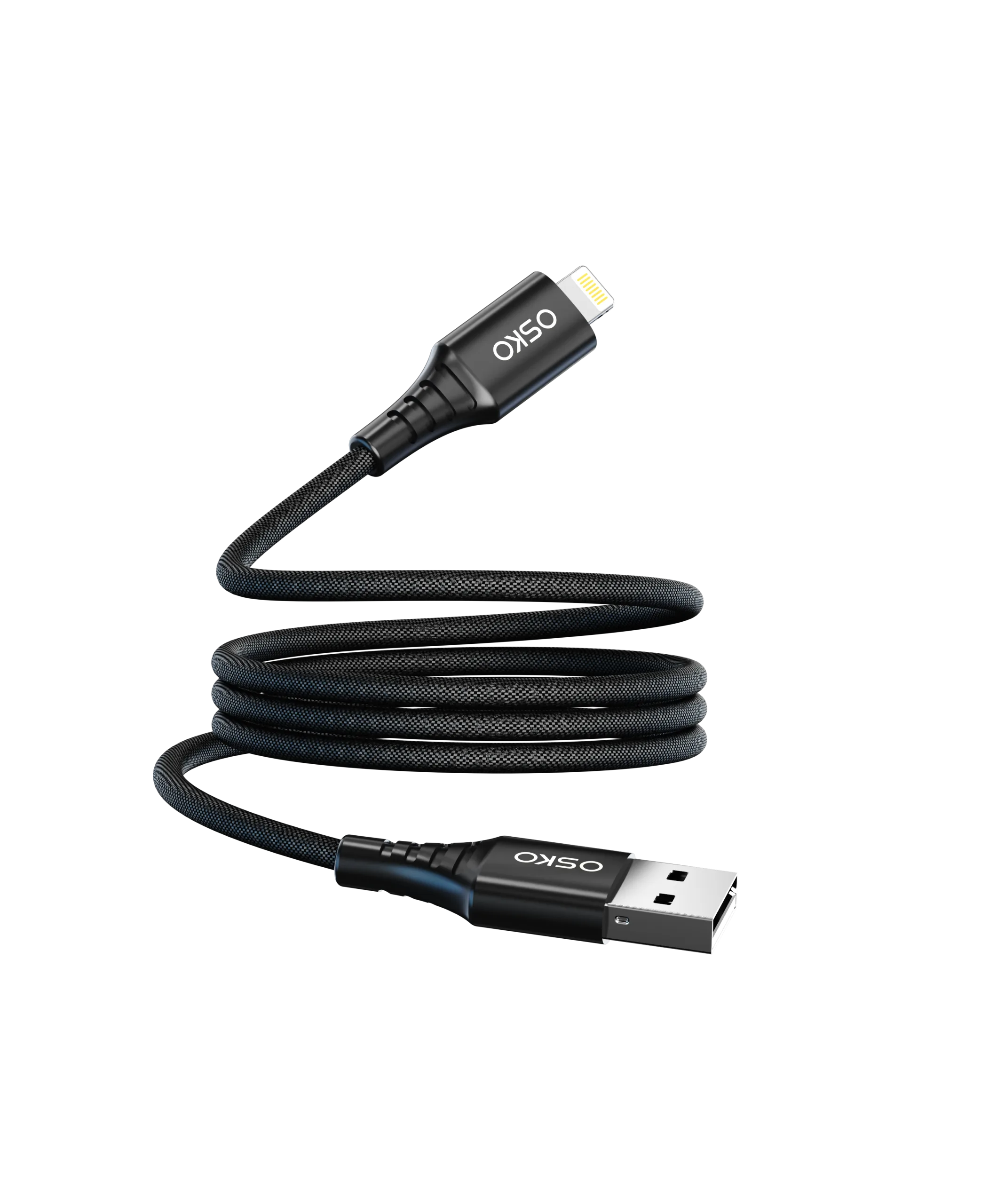
Older Lightning iPhone Models
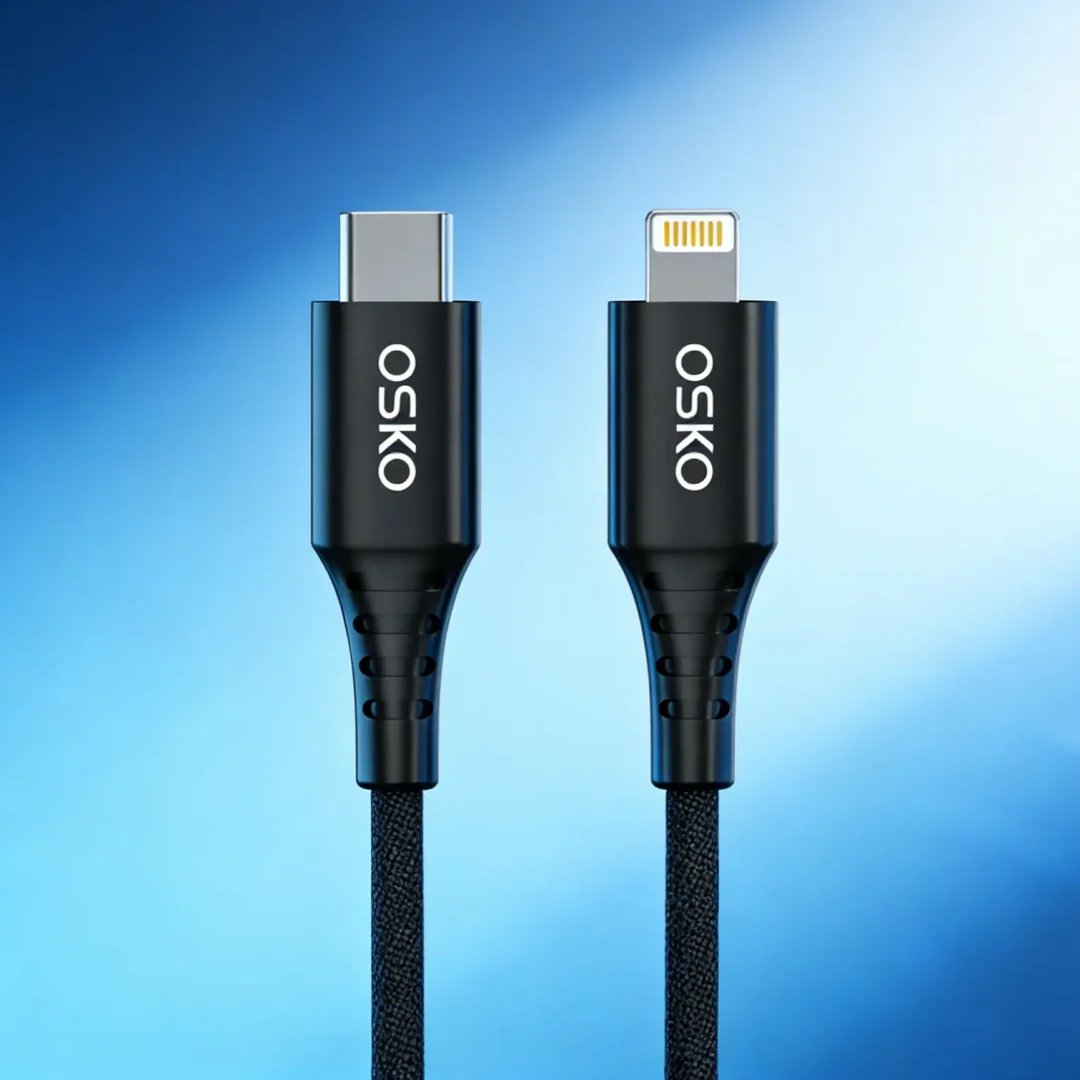
Older iPhones require:
For fast charging:
Required:
USB-C PD charger
Compatible Lightning cable
Benefits:
Faster charging than USB-A Lightning cables
Better compatibility with modern chargers
A reliable USB-C to Lightning cable supplier should provide:
Stable connector performance
Quality shielding
Durable cable structure
Choosing the Right Cable for iPad
USB-C iPad Models
Many iPad Pro and iPad Air models use USB-C.
Recommended:
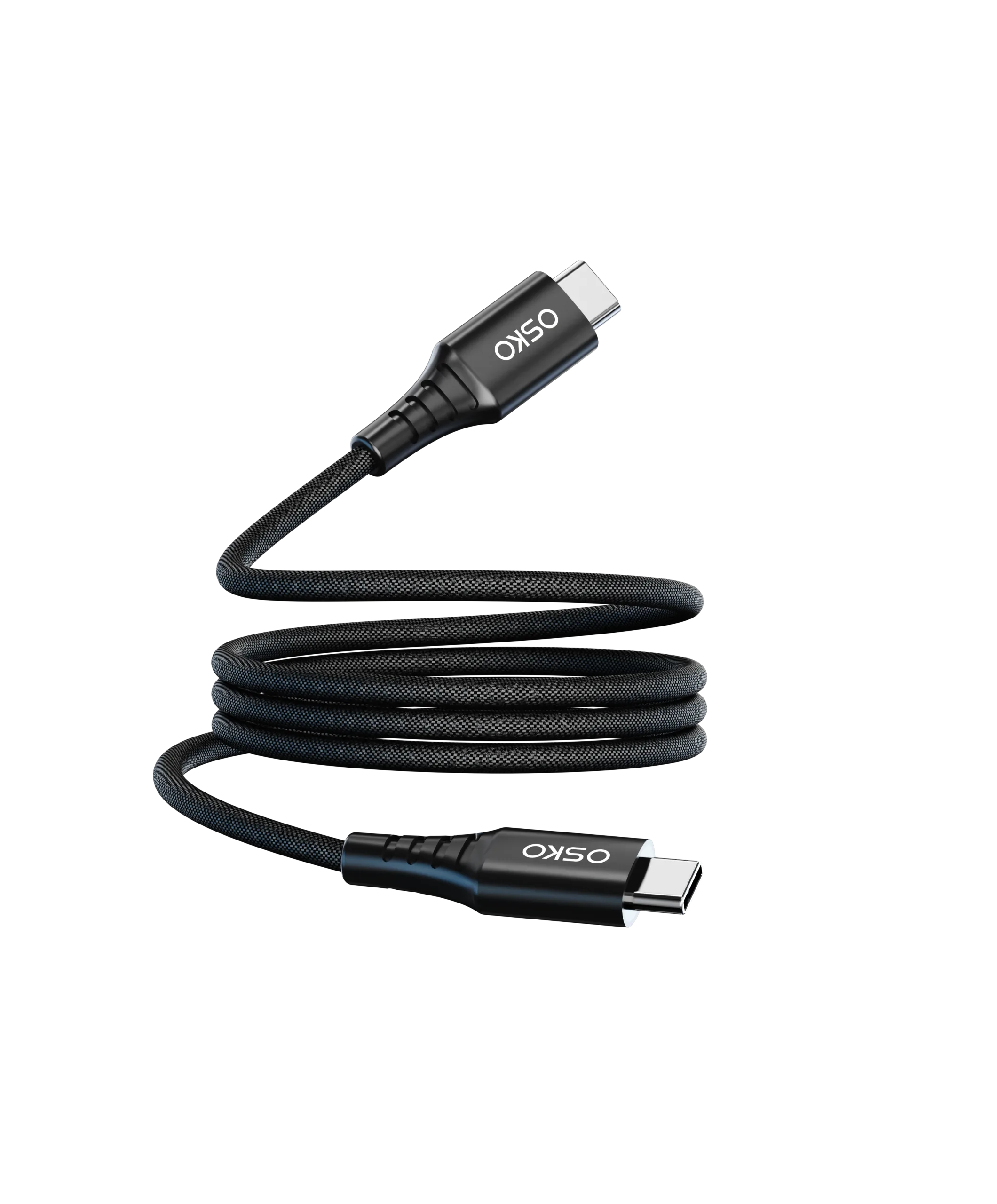
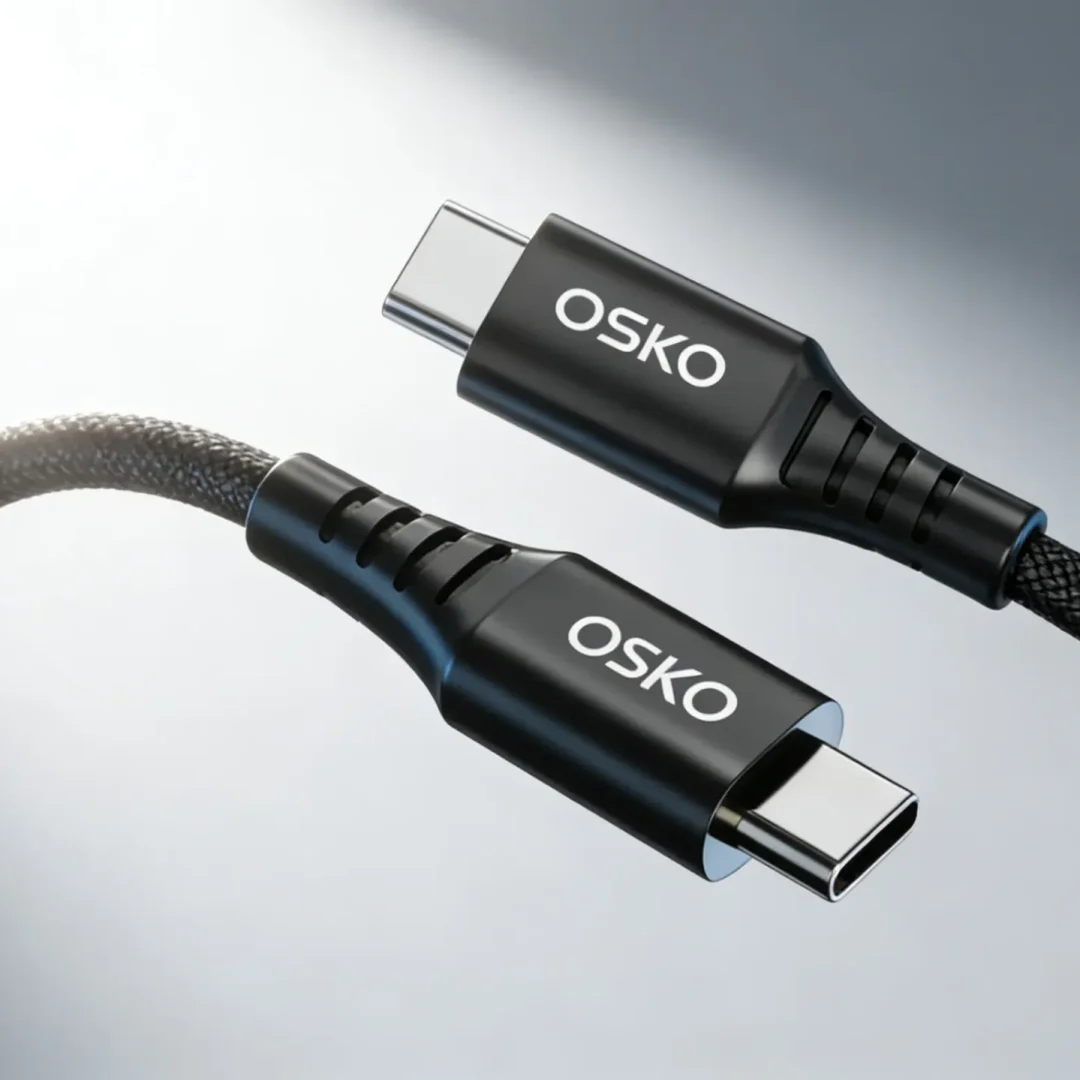
USB-C to USB-C cable
Applications:
Charging
Data transfer
Accessories
For professional users:
Designers
Students
Business users
A high-quality USB-C cable improves:
Charging stability
Accessory compatibility
Lightning iPad Models
Some older iPad models still use Lightning connectors.
Recommended:
Suitable for:
Older iPad models
Standard charging applications
USB-C Cable Power Comparison for Apple Devices
| Cable Type | Power Capability | Suitable Devices |
|---|---|---|
| USB-C to Lightning | Fast charging support | Older iPhone/iPad |
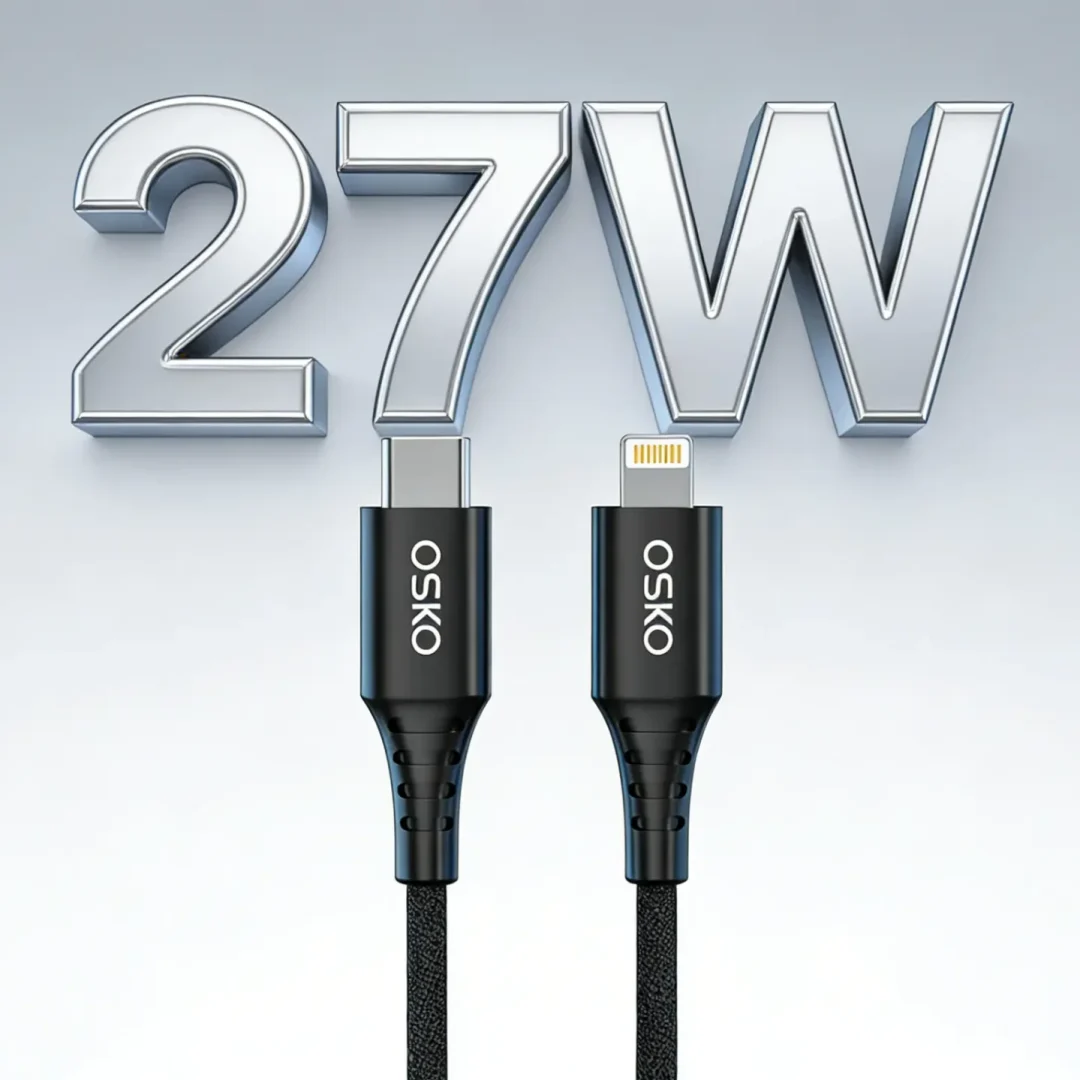
| 60W USB-C Cable | Medium power | iPhone, iPad, MacBook Air |
| 100W USB-C Cable | High power | MacBook Pro, laptops |
| 240W USB-C Cable | Maximum PD power | High-performance devices |
Cable Material Selection: PVC vs Braided Cable
Standard PVC Cable
Advantages:
Lower cost
Lightweight
Suitable for basic applications
Common markets:
Entry-level retail
Promotional products

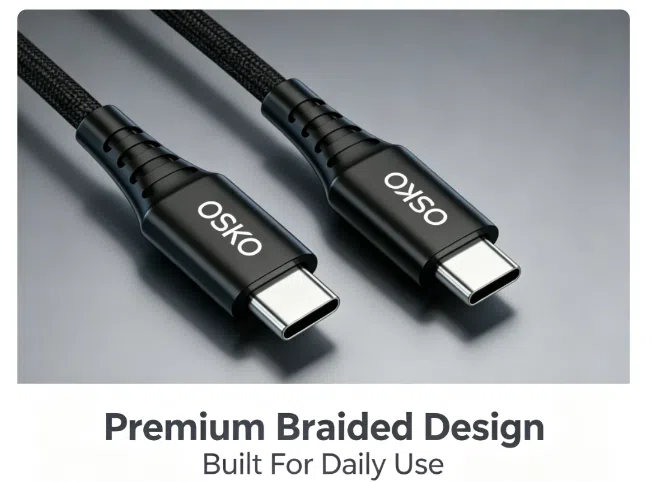
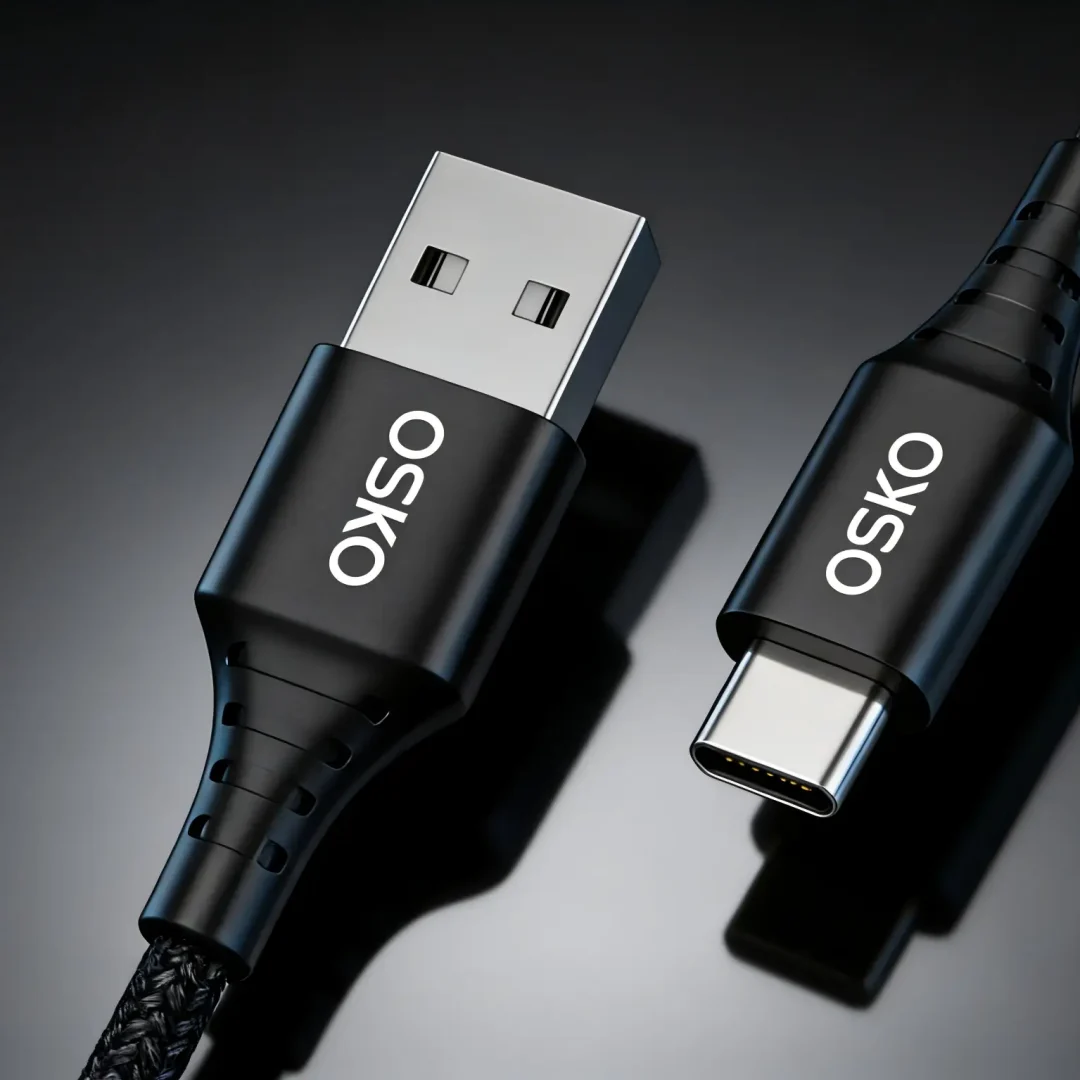
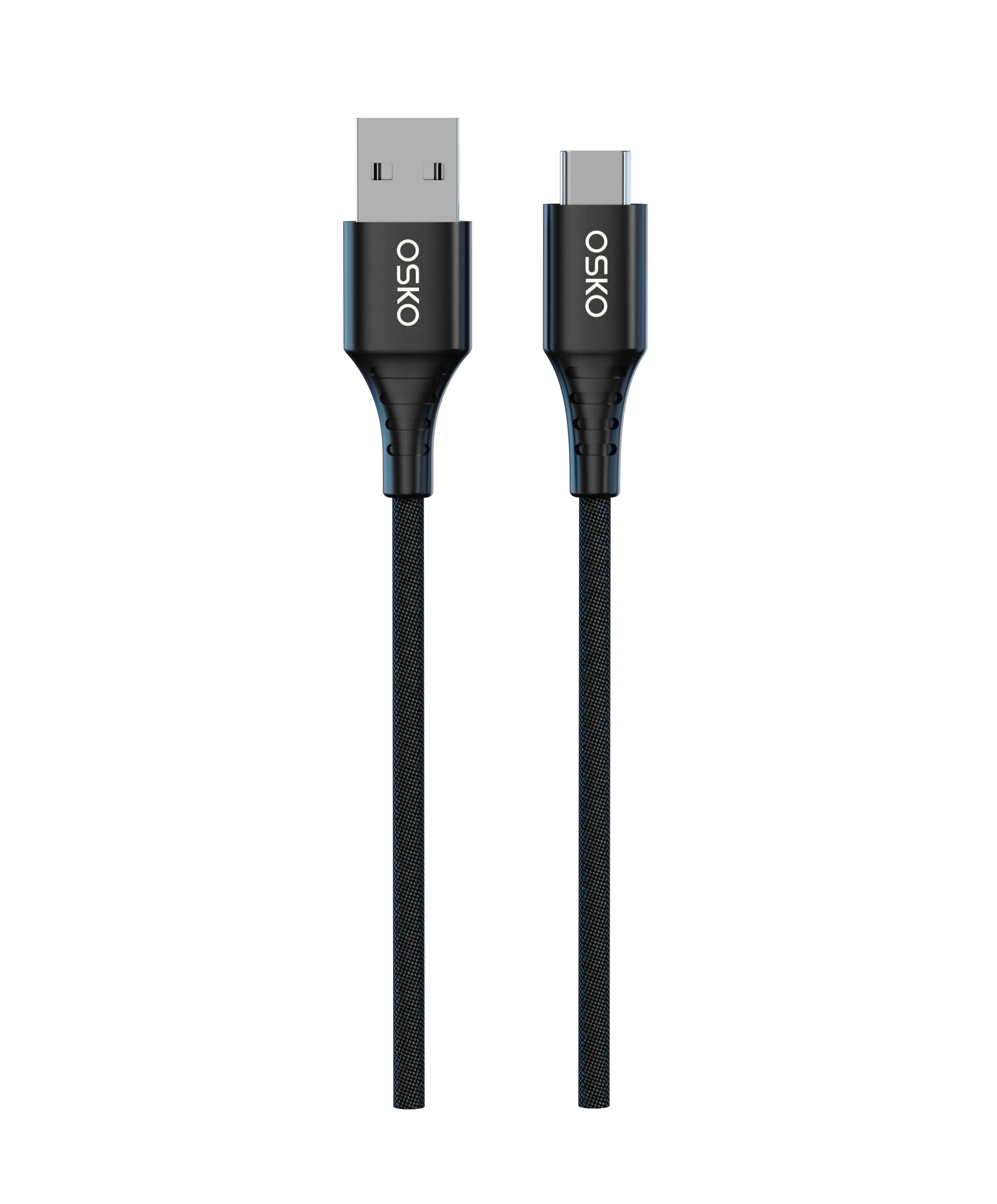
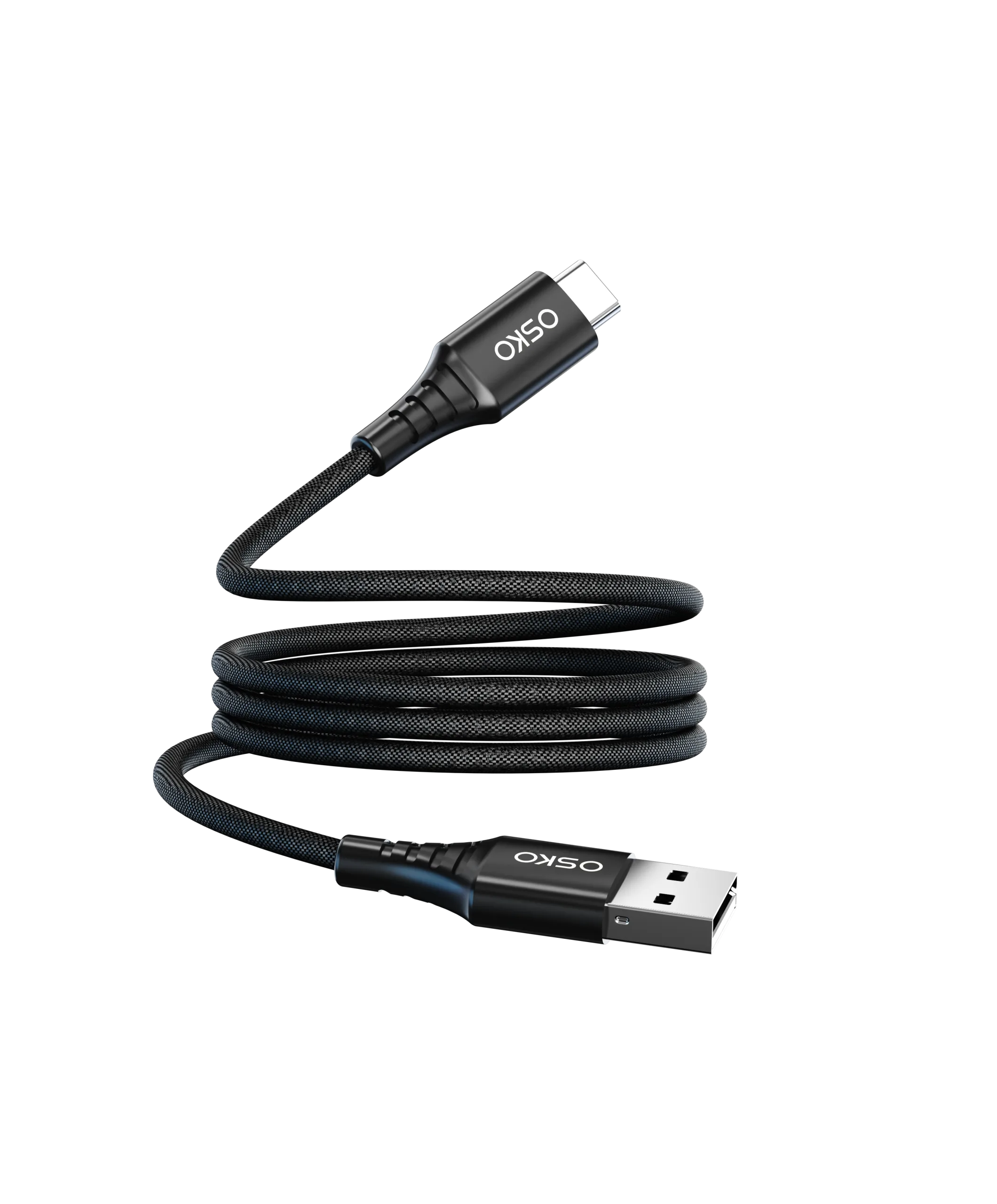
Nylon Braided USB-C Cable
A braided cable provides:
Better abrasion resistance
Improved flexibility
Reduced tangling
Premium appearance
Suitable for:
Premium Apple accessories
Travel charging cables
Desk charging systems
Many brands work with a Heavy duty braided USB-C cable manufacturer to develop durable charging products.
Cable Length Selection Guide
Cable length affects convenience and performance.
| Length | Best Application |
|---|---|
| 1ft | Power banks and travel kits |
| 3ft | Everyday phone charging |
| 6ft | Desk and office charging |
| 10ft | Large workspace setups |
Longer cables require better engineering because resistance increases with length.
Professional suppliers can provide:
OEM ODM custom length USB C cables
for different markets.
Case Study
North American Apple Accessory Brand Creates Multi-Device Charging Cable Series
Customer Background
A US electronics retailer wanted to develop a charging cable product range covering:
iPhone users
iPad users
MacBook Pro users
Target channels:
Online retail
Electronics stores
Corporate customers
Required products:
USB-C to Lightning cable
60W USB-C cable
100W USB-C cable
Custom retail packaging
Customer Challenges
Different Device Requirements
The customer previously sold one universal cable.
Problems:
Laptop users experienced slow charging
Customers were confused about compatibility
Product returns increased
Need for Product Segmentation
The brand needed:
Clear specifications
Different power ratings
Better durability
OSKO Solution
OSKO developed separate cable solutions.
| Product | Engineering Design | Application |
|---|---|---|
| USB-C to Lightning | PD fast charging | Older iPhone/iPad |
| 60W USB-C | Standard PD charging | iPhone/iPad/MacBook Air |
| 100W USB-C | High-power charging | MacBook Pro |
| Braided series | Enhanced durability | Premium retail |
The project supported:
OEM USB-C cable manufacturer
ODM USB cable supplier
Retail USB cable products
Bulk USB cables wholesale
Selection Guide
How to Choose the Correct Cable for Apple Devices
For iPhone Users
Choose:
USB-C to USB-C for newer iPhones
USB-C to Lightning for older models
60W cable for future compatibility
For iPad Users
Choose:
USB-C to USB-C for newer iPads
USB-C to Lightning for older models
For MacBook Pro Users
Choose:
100W USB-C cable for most models
Higher-power cable for advanced models
For Wholesale Buyers and Brands
When sourcing Apple charging cables, evaluate:
| Evaluation Factor | Importance |
|---|---|
| Power rating | Determines charging speed |
| Connector compatibility | Prevents returns |
| Material quality | Improves lifespan |
| Certification | Supports global sales |
| Customization ability | Builds brand value |
Professional suppliers should support:
USB-IF compliant Type C cable manufacturer
CE RoHS certified USB-C cable factory
FCC approved nylon braided USB C cable supplier
ISO9001 certified braided USB cable factory
FAQ
Can one USB-C cable charge MacBook Pro, iPhone, and iPad?
Yes, a high-quality USB-C to USB-C cable can support many Apple devices, but older Lightning devices require a USB-C to Lightning cable.
Is a 100W USB-C cable safe for iPhone?
Yes. USB-C PD automatically negotiates the required power. The iPhone only receives the power it supports.
Do iPhones need a 100W cable?
Usually no. A 60W USB-C cable is generally sufficient, but a 100W cable can provide future compatibility.
Is braided cable better for Apple devices?
Braided cables generally provide better durability and are suitable for users who frequently travel or use cables daily.
Why does my MacBook charge slowly with a USB-C cable?
Possible reasons include:
Cable power rating too low
Missing E-marker chip
Poor conductor quality
Charger limitation
Summary
Selecting the right cable for MacBook Pro, iPhone, and iPad requires matching the cable specification with the device requirement.
Recommended choices:
iPhone: USB-C to USB-C or USB-C to Lightning depending on model
iPad: USB-C cable for newer models, Lightning cable for older models
MacBook Pro: 100W or higher USB-C cable for professional charging
The most important factors are:
Connector compatibility
USB-C PD support
Power rating
Cable material
Length selection
For consumers, the right cable improves charging speed and reliability.
For retailers, distributors, and brands, partnering with an experienced USB-C cable manufacturer provides stable production, customization options, and high-quality charging solutions for global markets.
Contact Information
OSKO provides professional Apple charging cable solutions:
60W / 100W / 240W USB-C cables
Braided charging cables
OEM and ODM USB cable manufacturing
Private label charging cables
Custom length and packaging solutions