
Introduction
USB connectors are used in almost every electronic device, from smartphones and laptops to printers, cameras, gaming devices, and automotive systems.
However, many users are confused by the different USB connector types:
Why does one cable fit a phone but not a laptop?
Why does a USB-C cable charge faster than an older USB cable?
Can an old USB-A charger work with a new USB-C device?
Which USB connector should brands choose for retail products?
The four major USB connector types commonly used in consumer electronics are:
USB-A
USB-B
Micro USB
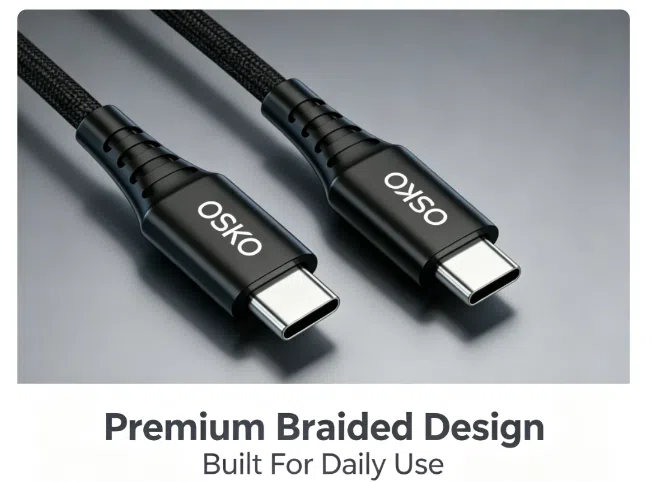
USB-C
Each connector has different:
Physical designs
Device applications
Charging capabilities
Data transfer speeds
Market usage scenarios
Understanding these differences helps consumers choose the correct cable and helps businesses select the right products when sourcing USB cable manufacturer, OEM, ODM, and wholesale solutions.

Material Science & Dielectric Properties
USB Connector Evolution Overview
USB technology has developed through several generations.
| Connector Type | Main Period of Use | Common Applications |
|---|---|---|
| USB-A | 1990s–Present | Chargers, computers, hubs |
| USB-B | 1990s–Present | Printers, scanners |
| Micro USB | 2007–Present | Android phones, accessories |
| USB-C | 2014–Present | Smartphones, laptops, modern devices |
The development trend has moved from larger connectors toward smaller, reversible, and higher-performance designs.
USB-A Connector
What Is USB-A?
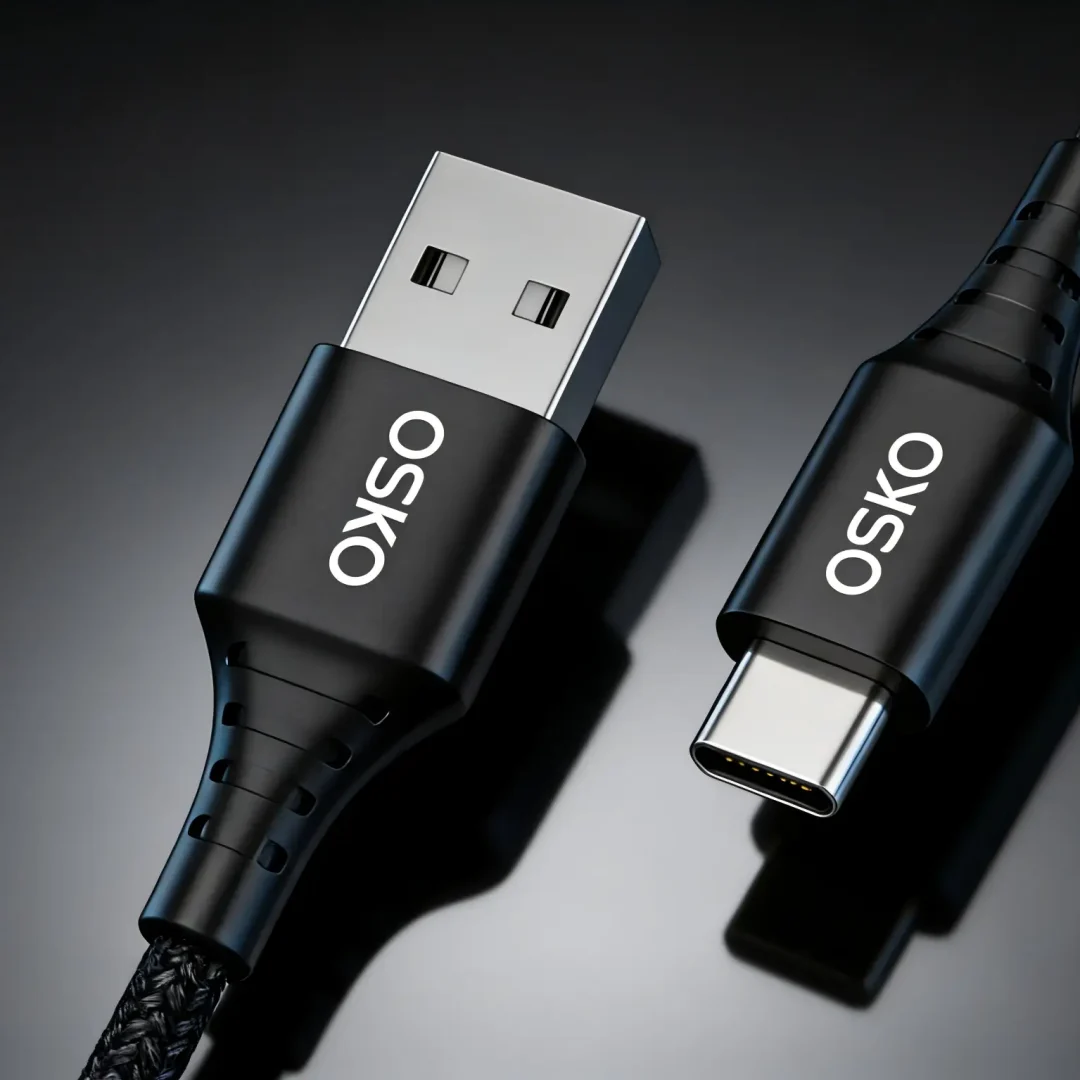
USB-A is the traditional rectangular USB connector that most people recognize.
It is commonly found on:
Computer USB ports
Wall chargers
Car charging ports
USB hubsA typical USB-A cable has a rectangular male connector that plugs into a power source or computer.
USB-A Features
| Feature | Description |
|---|---|
| Shape | Rectangular |
| Reversible | No |
| Common Use | Power and data |
| Market Status | Still widely used |
USB-A Applications
USB-A remains common in:
Desktop computers
Laptops
Car chargers
Power adapters
Office equipment
Many users still require:
to connect older chargers with newer USB-C devices.
USB-B Connector
What Is USB-B?
USB-B is a larger square-shaped connector mainly used for computer peripherals.
Typical devices include:
Printers
Scanners
External hard drives
Professional audio equipment
USB-B Features
| Feature | Description |
|---|---|
| Shape | Square with beveled corners |
| Main Purpose | Peripheral connection |
| Common Cable | USB-A to USB-B |
USB-B Applications
Although less common today, USB-B is still used in:
Office equipment
Industrial devices
Specialized electronics
For these applications, reliability is usually more important than compact size.
Micro USB Connector
What Is Micro USB?
Micro USB became one of the most popular connectors for mobile devices before USB-C adoption.
It was widely used in:
Android smartphones
Bluetooth speakers
Cameras
Power banks
E-readers
Micro USB Features
| Feature | Description |
|---|---|
| Size | Small connector |
| Reversible | No |
| Common Use | Mobile accessories |
| Replacement Trend | USB-C |
Advantages of Micro USB
Benefits include:
Low production cost
Compact size
Wide compatibility
However, limitations include:
Connector orientation problems
Lower power capability
Less durability compared with USB-C
USB-C Connector
What Is USB-C?
USB-C is the newest major USB connector standard designed for modern devices.
It is used in:
Smartphones
Tablets
MacBooks
Windows laptops
Monitors
Gaming devices

USB-C Features
| Feature | Description |
|---|---|
| Shape | Small oval connector |
| Reversible | Yes |
| Charging Capability | High power support |
| Data Capability | High-speed options |
| Video Support | Available |
Why USB-C Became Popular
USB-C solves many problems of older connectors.
Advantages include:
1. Reversible Design
Users can plug the cable in either direction.
This improves:
Convenience
User experience
Connector lifespan
2. Higher Charging Power
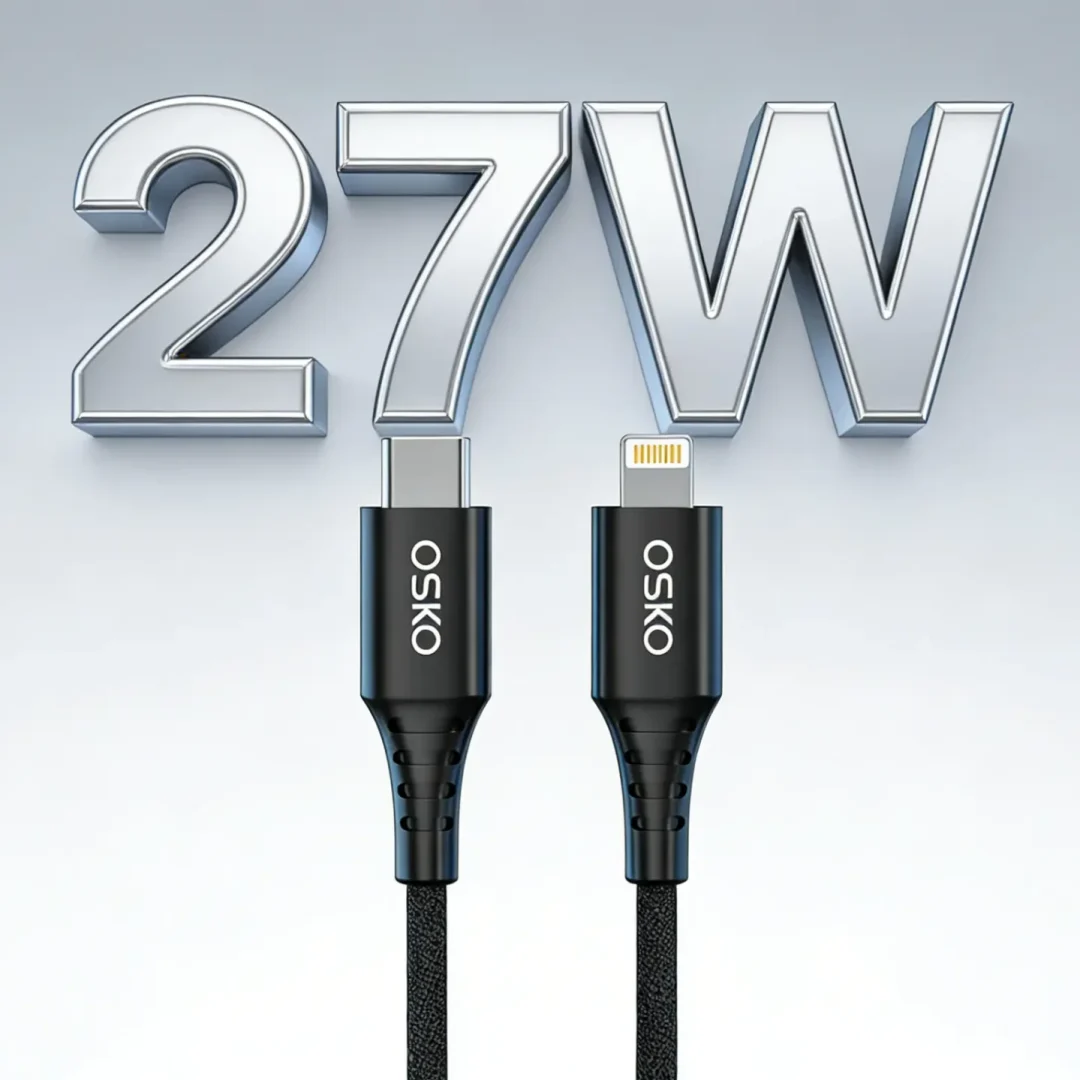
USB-C supports USB Power Delivery (PD).
Common cable ratings include:
| Cable Rating | Application |
|---|---|
| 60W USB-C cable | Phones, tablets, lightweight laptops |
| 100W USB-C cable | MacBook Pro and laptops |
| 240W USB-C cable | High-power devices |
3. High-Speed Data Transfer
USB-C cables can support:
USB 2.0
USB 3.x
USB4
Applications include:
External SSDs
Displays
Docking stations
USB Connector Comparison Table
| Connector | Main Devices | Charging Capability | Current Market |
|---|---|---|---|
| USB-A | Computers, chargers | Medium | Still widely used |
| USB-B | Printers, peripherals | Low-medium | Specialized |
| Micro USB | Older phones, accessories | Limited | Declining |
| USB-C | Phones, laptops | High | Growing standard |
Case Study
US Retail Brand Upgrades USB Cable Product Portfolio
Customer Background
A North American electronics retailer wanted to update its charging accessory lineup.
The company sold:
Smartphone accessories
Computer cables
Travel charging products
Office accessories
The goal was to reduce outdated products and expand USB-C solutions.
Customer Challenges
The retailer faced:
Too many connector types
Customer confusion
Different product specifications
Increasing demand for USB-C devices
The company needed a supplier capable of supporting multiple markets.
OSKO Solution
OSKO developed a segmented cable product range.
| Product | Connector Type | Application |
|---|---|---|
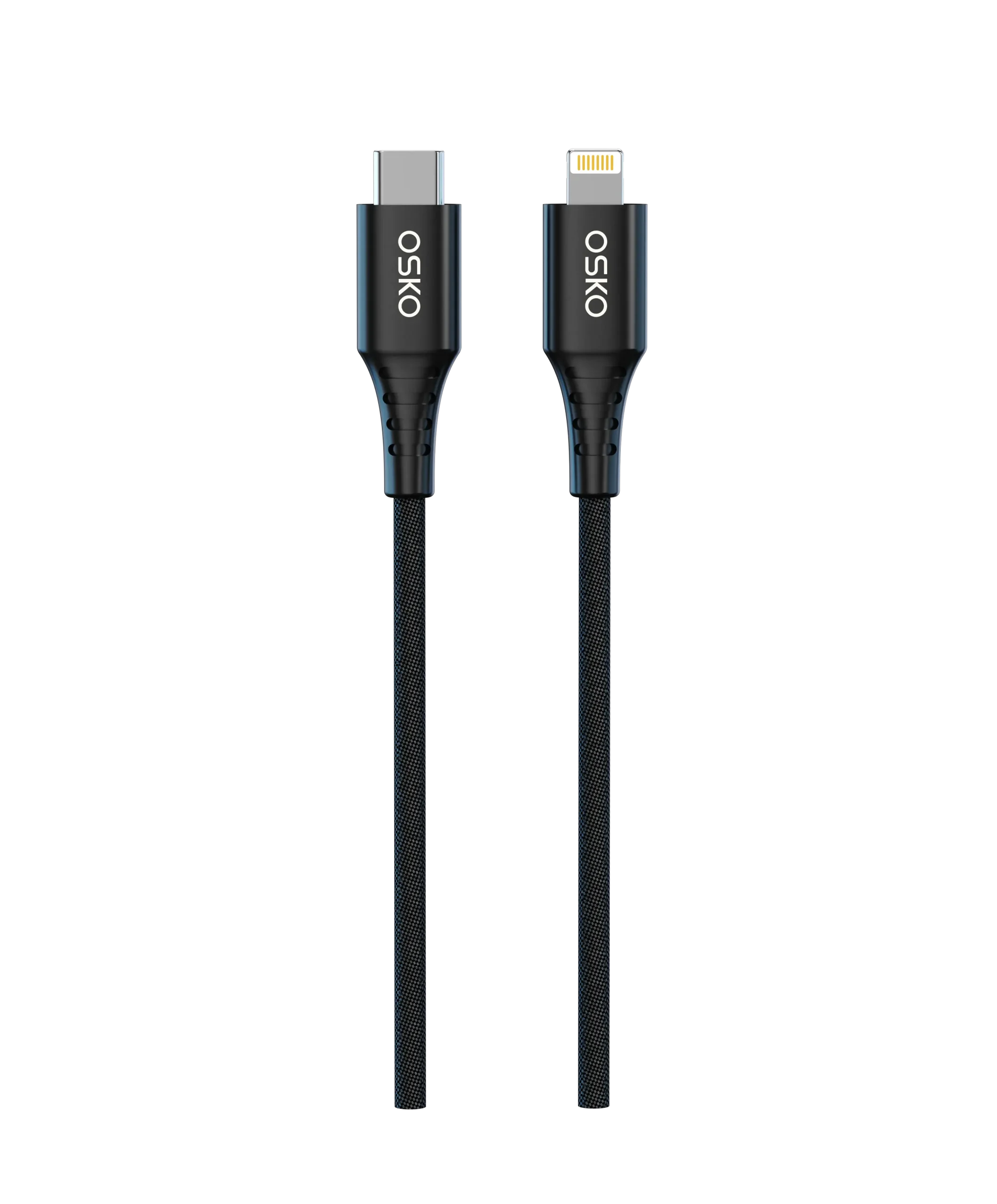
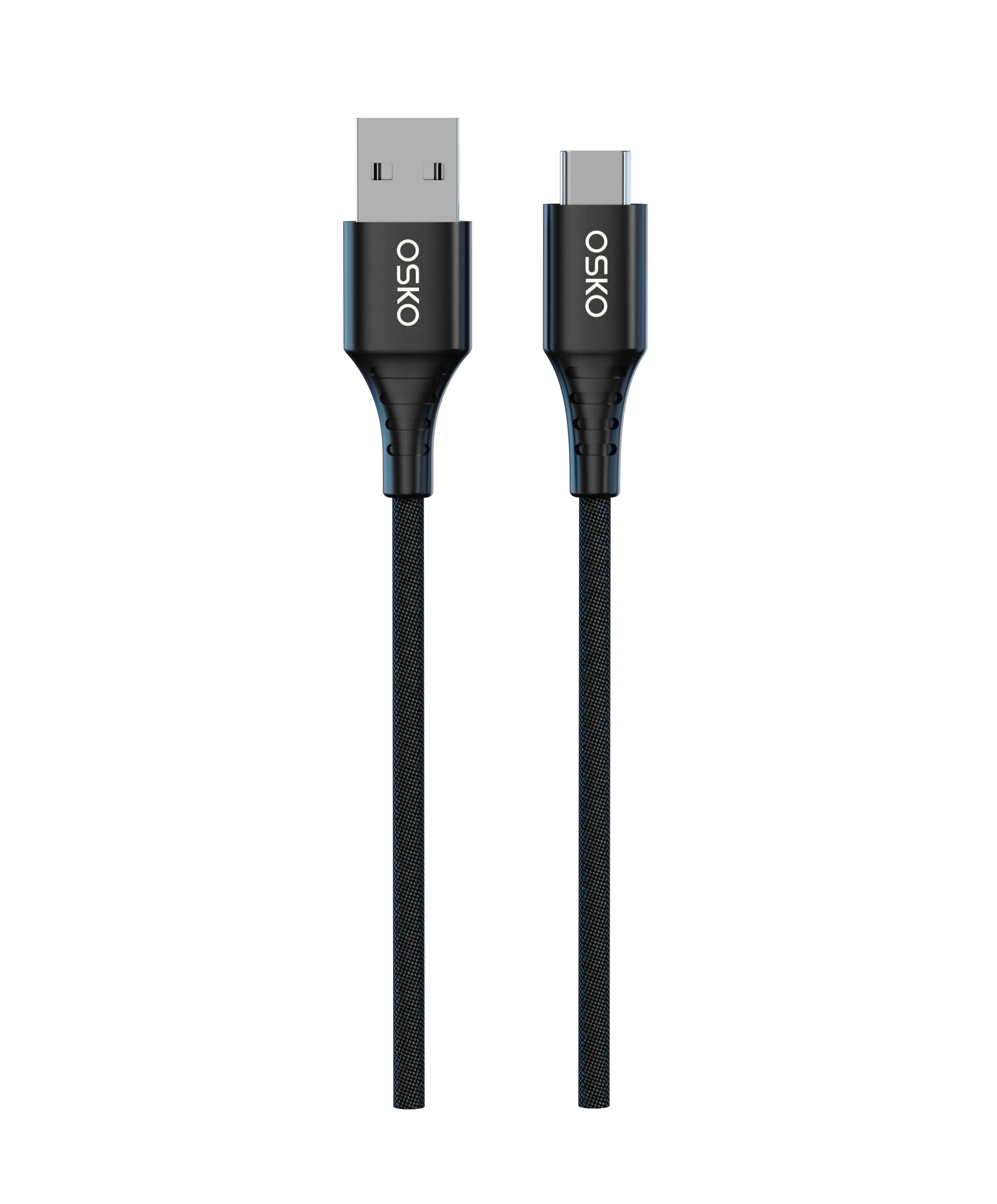
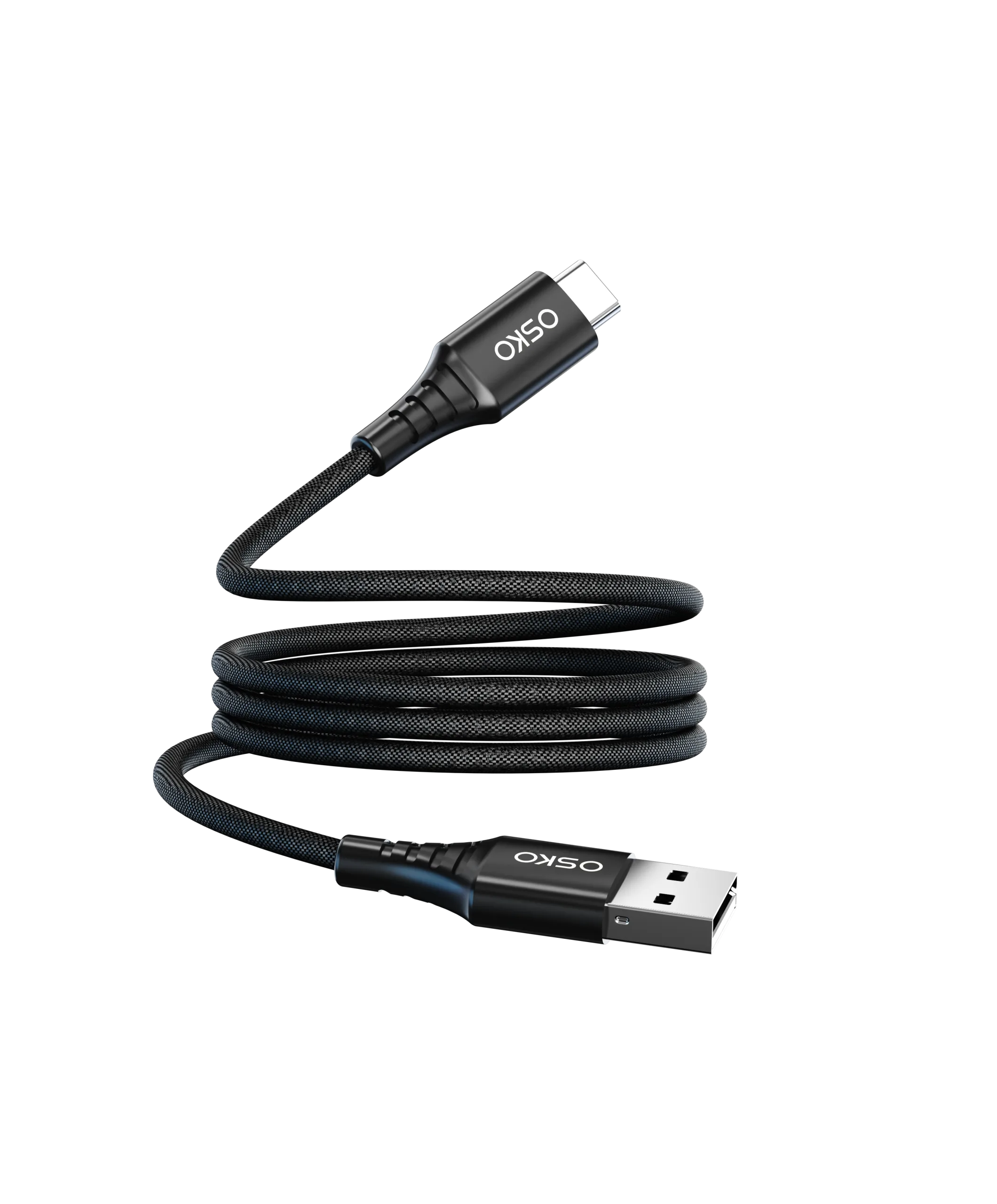
| USB-A to USB-C cable | USB-A + USB-C | Existing chargers |
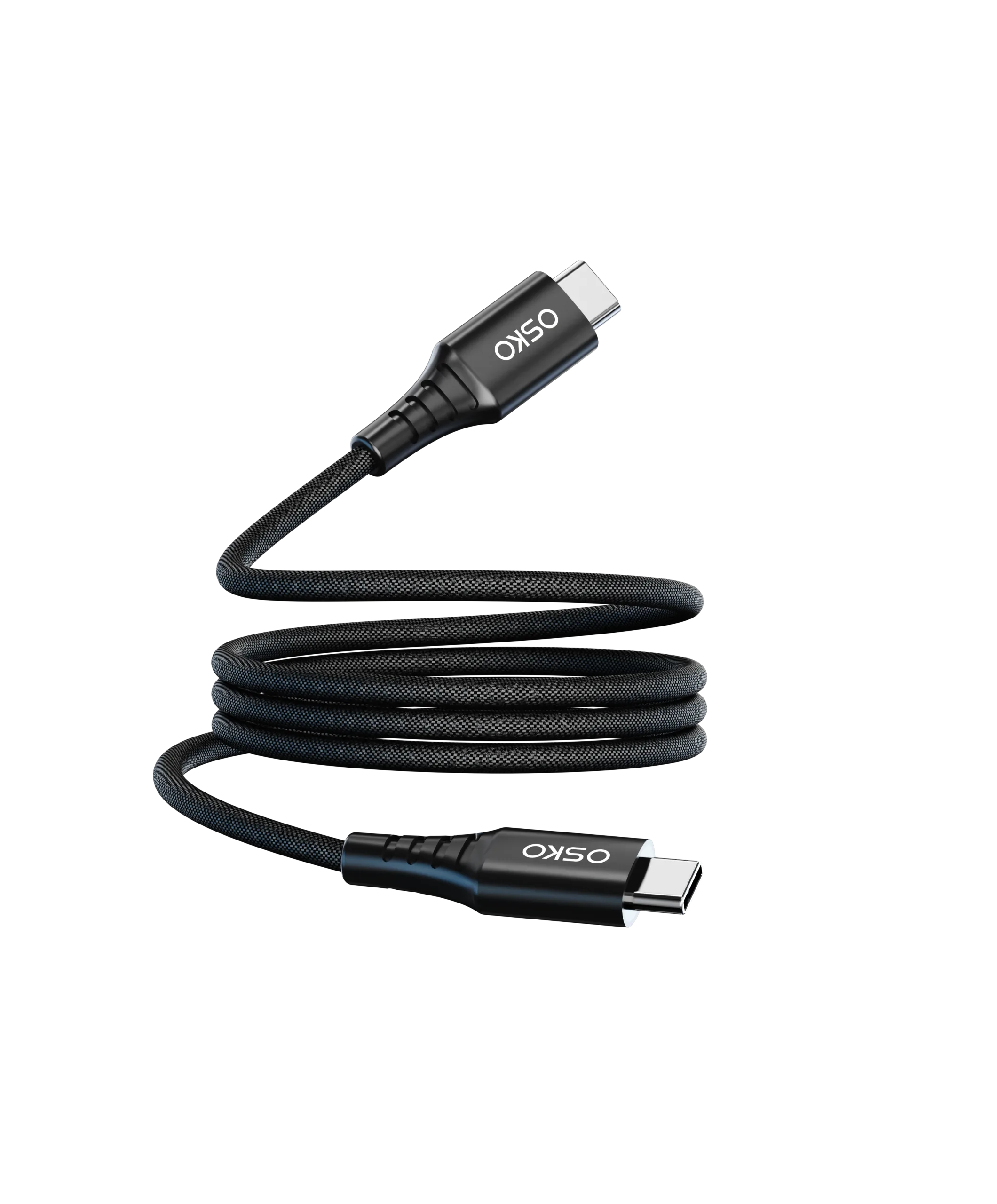
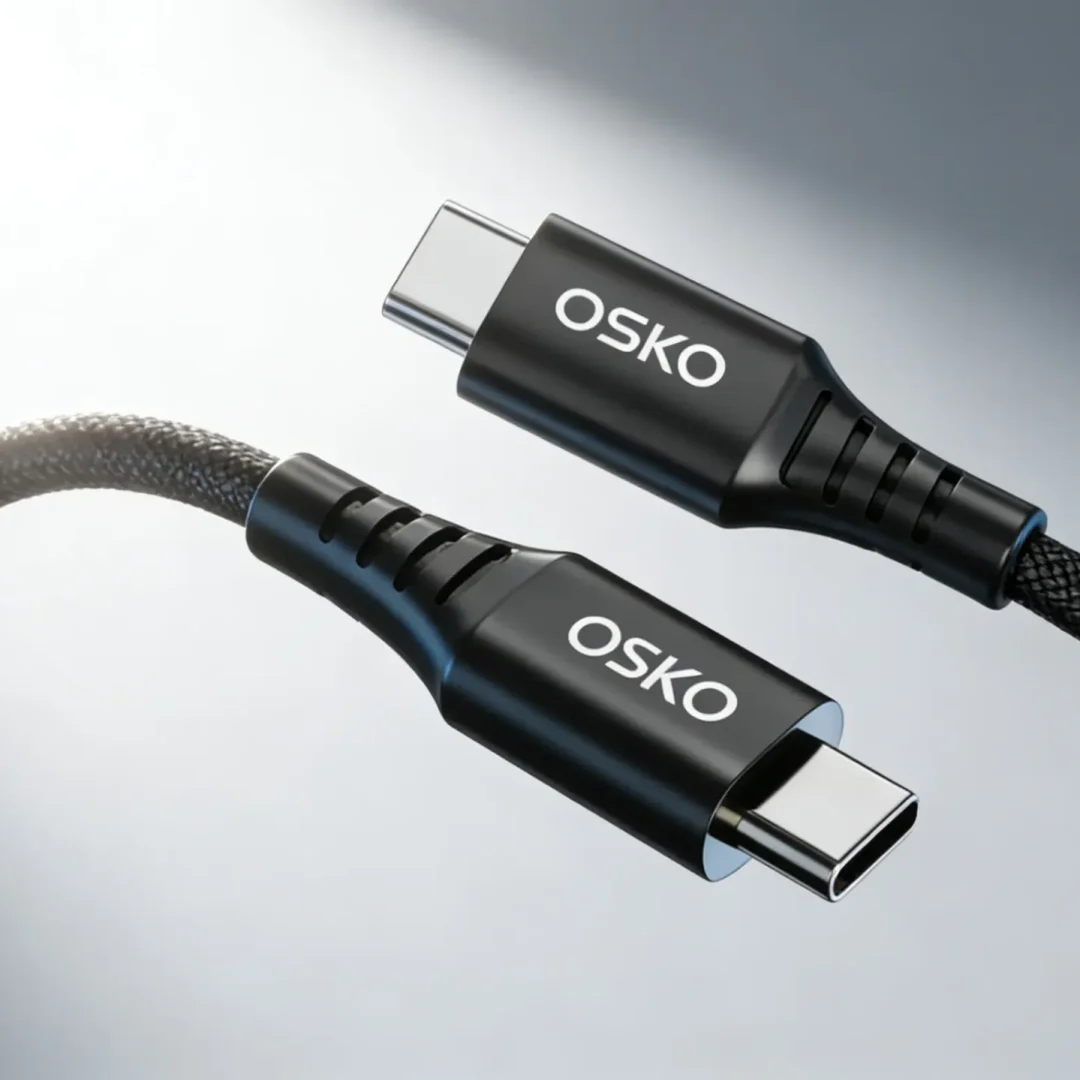
| USB-C to USB-C cable | USB-C + USB-C | PD charging |
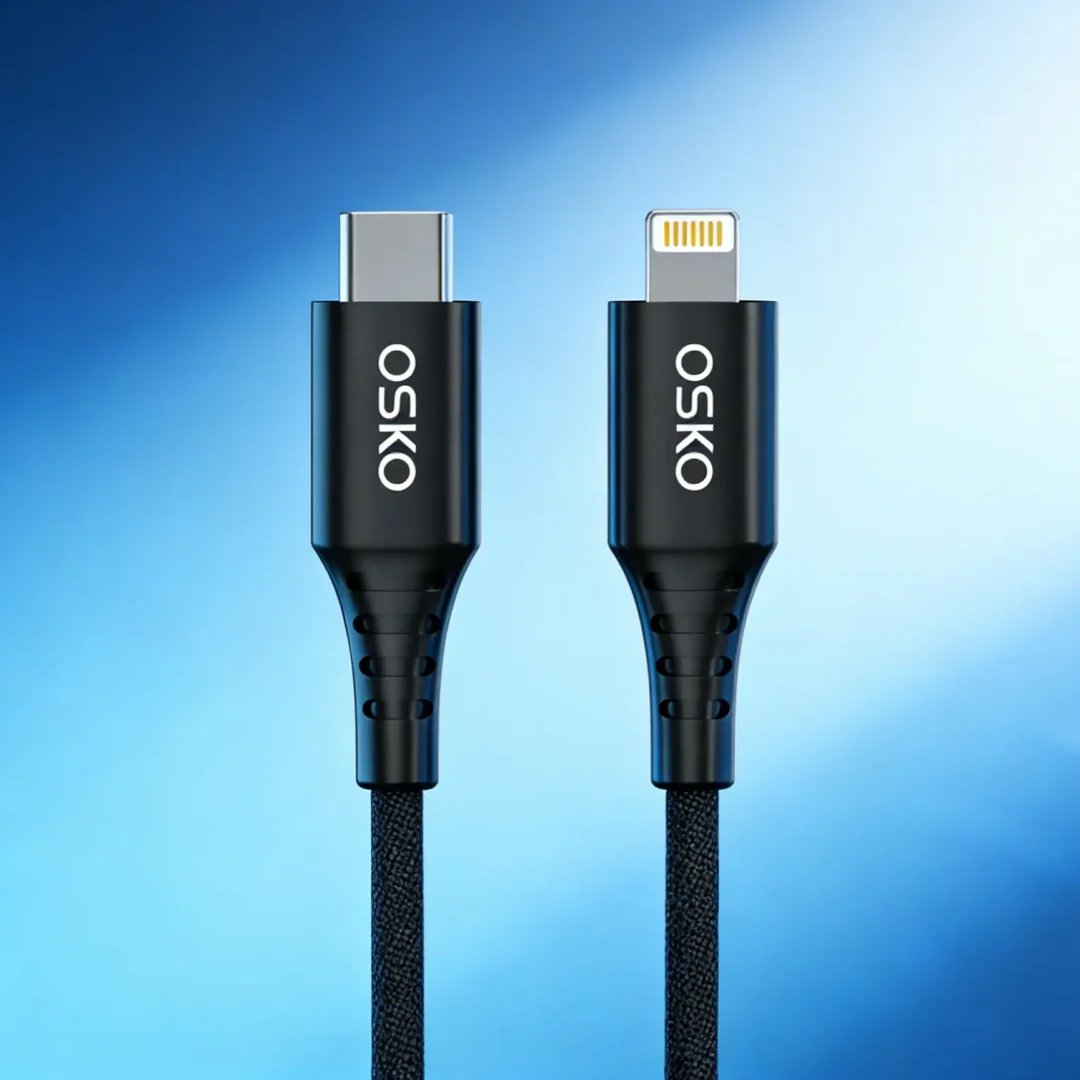
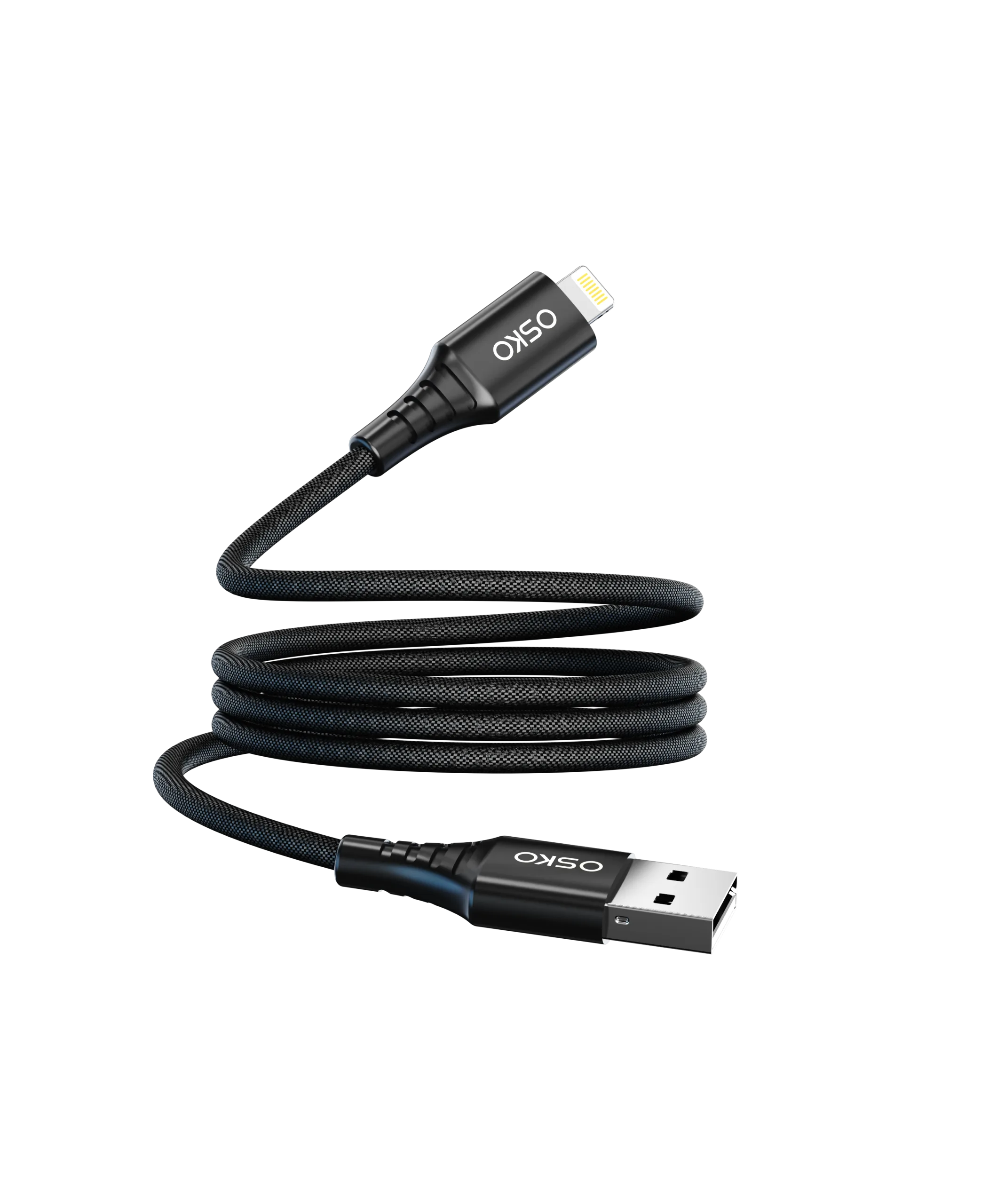
| USB-A to Lightning cable | Apple devices | Older iPhone models |
| USB-B cable | Printers | Office equipment |
The project supported:
OEM USB cable manufacturing
ODM USB cable development
USB cable wholesale
Bulk USB cables
Retail USB cable solutions
Selection Guide
How to Choose the Right USB Connector
Choose Based on Your Device
| Device | Recommended Connector |
|---|---|
| New Android phone | USB-C |
| iPhone USB-C models | USB-C |
| Older Android devices | Micro USB |
| Laptop charging | USB-C |
| Printer | USB-B |
| Computer accessories | USB-A |
Consider Charging Requirements
For modern fast charging:
Recommended:
USB-C connector
USB PD support
Appropriate power rating
For example:
Smartphone → 60W USB-C cable
Laptop → 100W USB-C cable
High-power device → 240W USB-C cable
Evaluate Cable Quality
A reliable USB cable should include:
Quality copper conductors
Strong connector housing
Proper shielding
Durable outer jacket
For premium applications, buyers often choose:
Durable nylon braided Type C charging cable factory
for improved durability.
Check Certifications
For international markets:
| Certification | Purpose |
|---|---|
| CE | European safety |
| RoHS | Material compliance |
| FCC | US compliance |
| USB-IF | USB performance |
| ISO9001 | Quality system |
Professional suppliers may provide:
USB-IF compliant Type C cable manufacturer
CE RoHS certified USB-C cable supplier
ISO9001 certified braided USB cable factory
FAQ
What are the four main USB connector types?
The four common USB connector types are USB-A, USB-B, Micro USB, and USB-C.
Is USB-C replacing Micro USB?
Yes. USB-C has become the preferred connector because it supports higher power, faster data transfer, and reversible connection.
Is USB-C faster than USB-A?
USB-C can support higher charging power and faster data speeds, but actual performance depends on cable and device specifications.
Can USB-A connect to USB-C devices?
Yes. A USB-A to USB-C cable allows older USB-A chargers and computers to connect with USB-C devices.
Which USB connector is best for future devices?
USB-C is currently the most future-oriented connector because it supports charging, data transfer, and video applications.
Summary
The four major USB connector types are:
USB-A: Traditional connector used for computers and chargers
USB-B: Peripheral connector used mainly for printers and specialized devices
Micro USB: Older mobile connector still used in some accessories
USB-C: Modern universal connector supporting fast charging and high-speed data
For everyday users, USB-C is now the preferred choice because it offers:
Higher charging power
Better compatibility
Reversible design
Advanced data capabilities
For brands, distributors, and wholesalers, selecting the correct connector type is essential for successful USB cable product development.
Working with an experienced USB cable manufacturer helps ensure reliable materials, engineering support, certification compliance, and scalable production.
Contact Information
OSKO provides professional USB cable manufacturing solutions:
USB-C cables
Micro USB cables
USB-B cables
OEM and ODM USB cable production
Private label USB cables
Custom length and packaging solutions