
Introduction
The rapid adoption of USB-C technology has changed how modern electronic devices are powered. From smartphones and tablets to laptops and professional equipment, users increasingly expect faster charging, universal compatibility, and safer power delivery.
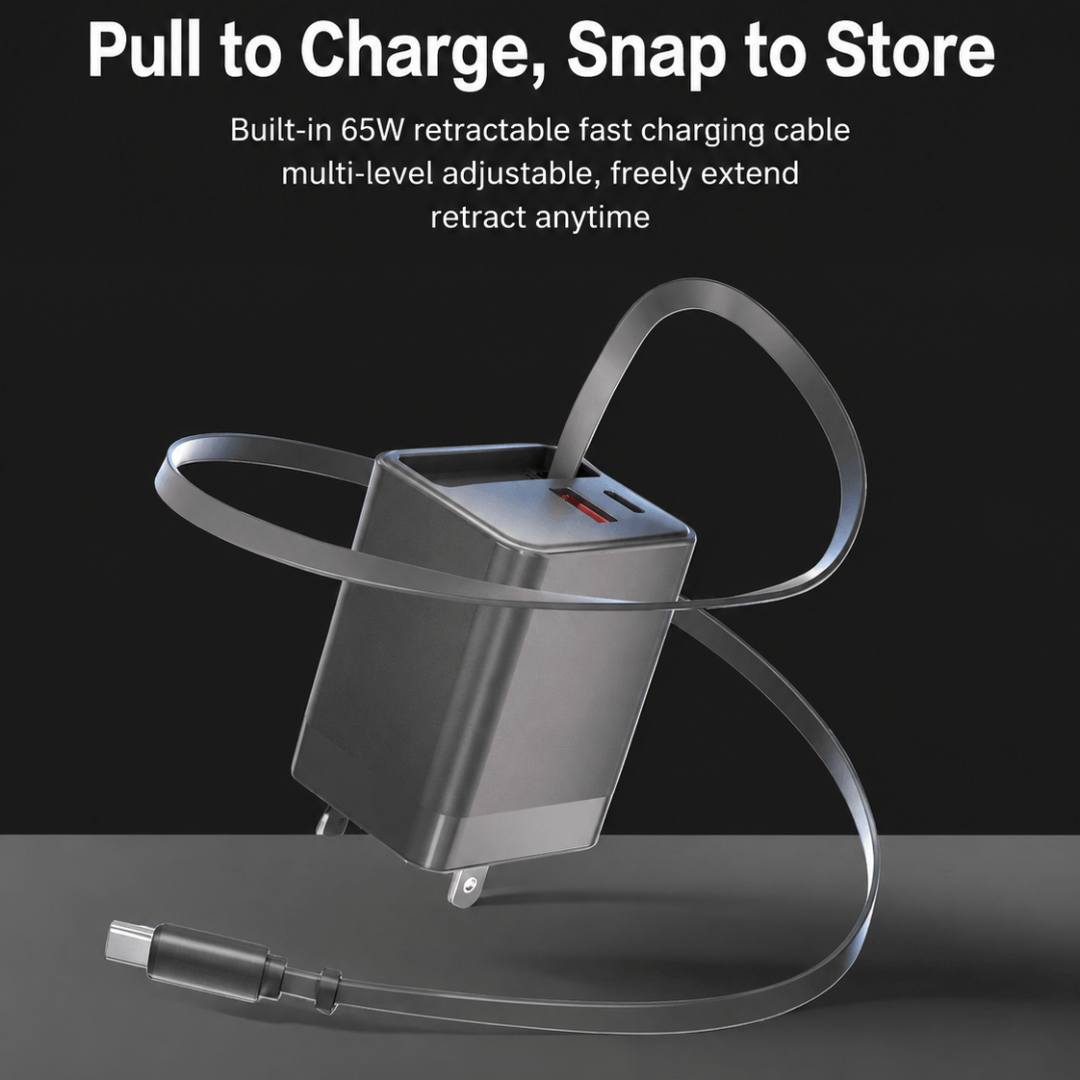
A high-quality USB C Type Charger is no longer only a power adapter. It is part of a complete charging system that includes:
Charger output capability
USB-C cable performance
Power Delivery protocol
Device charging requirements
Many charging problems are not caused by the charger alone. The compatibility between charger, cable, and device directly affects charging speed, stability, and safety.
For example, a high-power charger paired with an unsuitable cable may result in:
Reduced charging speed
Unstable power output
Excess heat generation
Poor user experience
For electronics brands, distributors, and procurement teams, selecting a reliable charging solution requires evaluating:
Power technology
Safety standards
Material quality
Product compatibility
Manufacturing capability
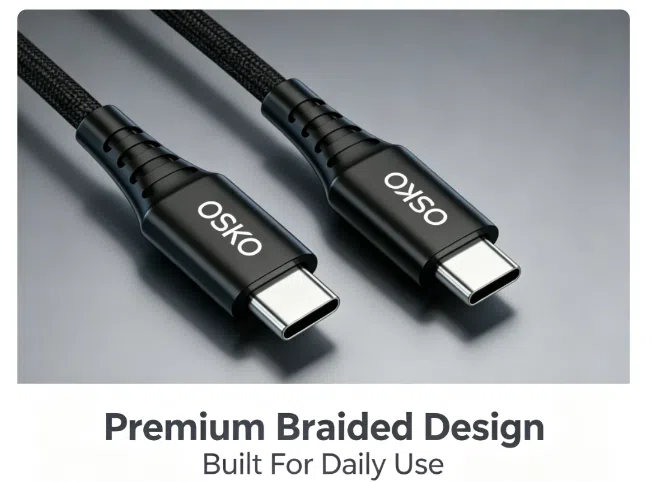
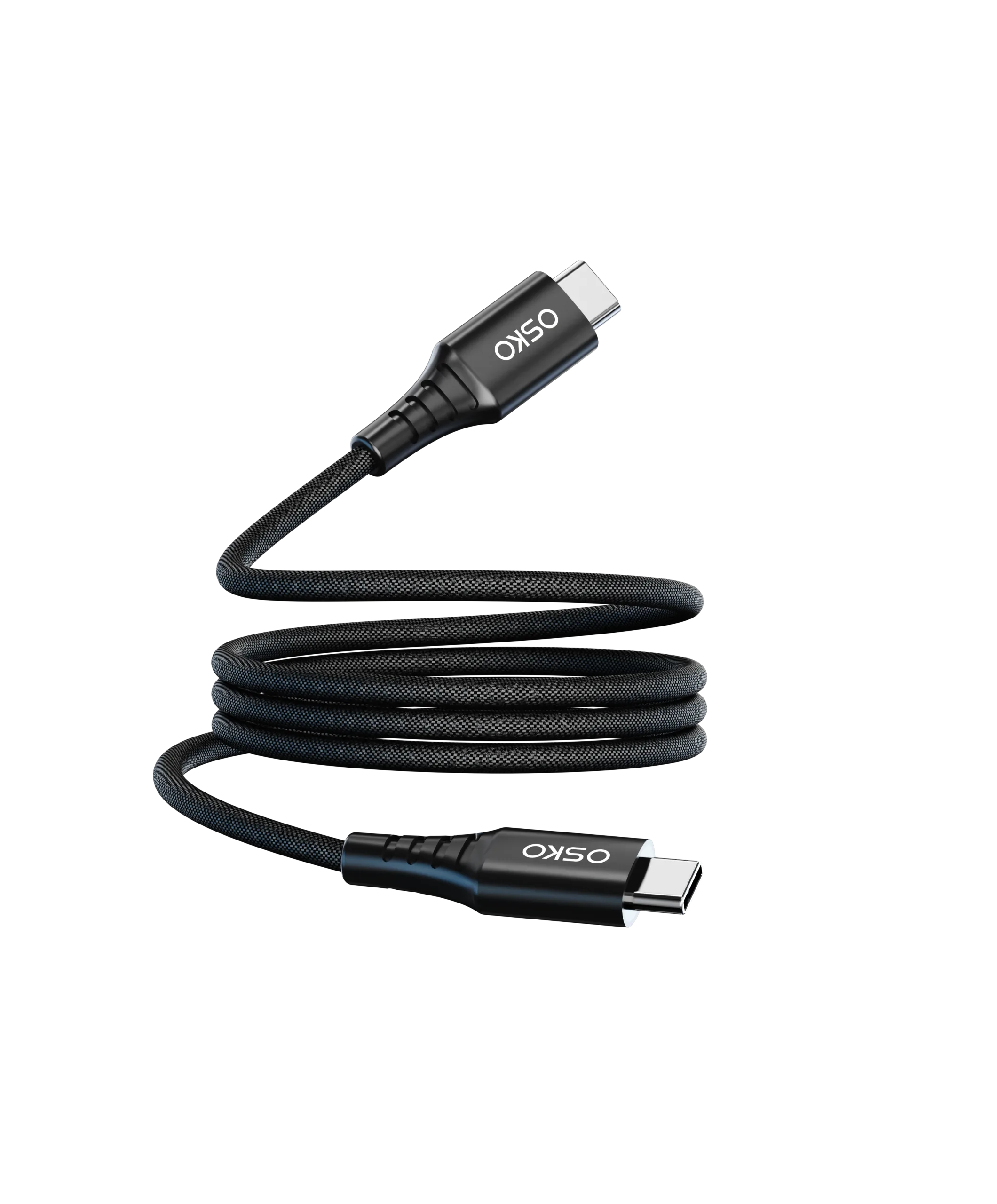
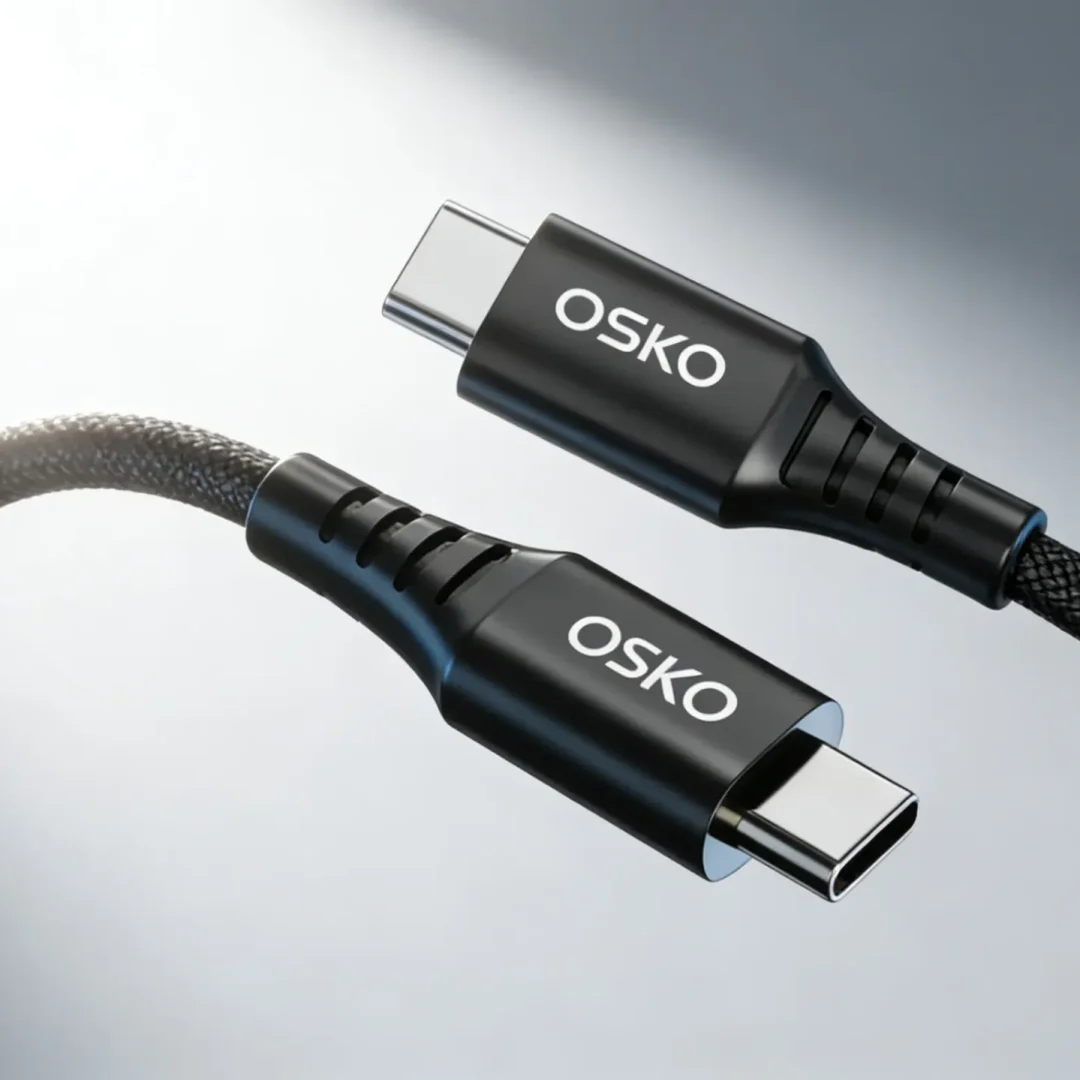
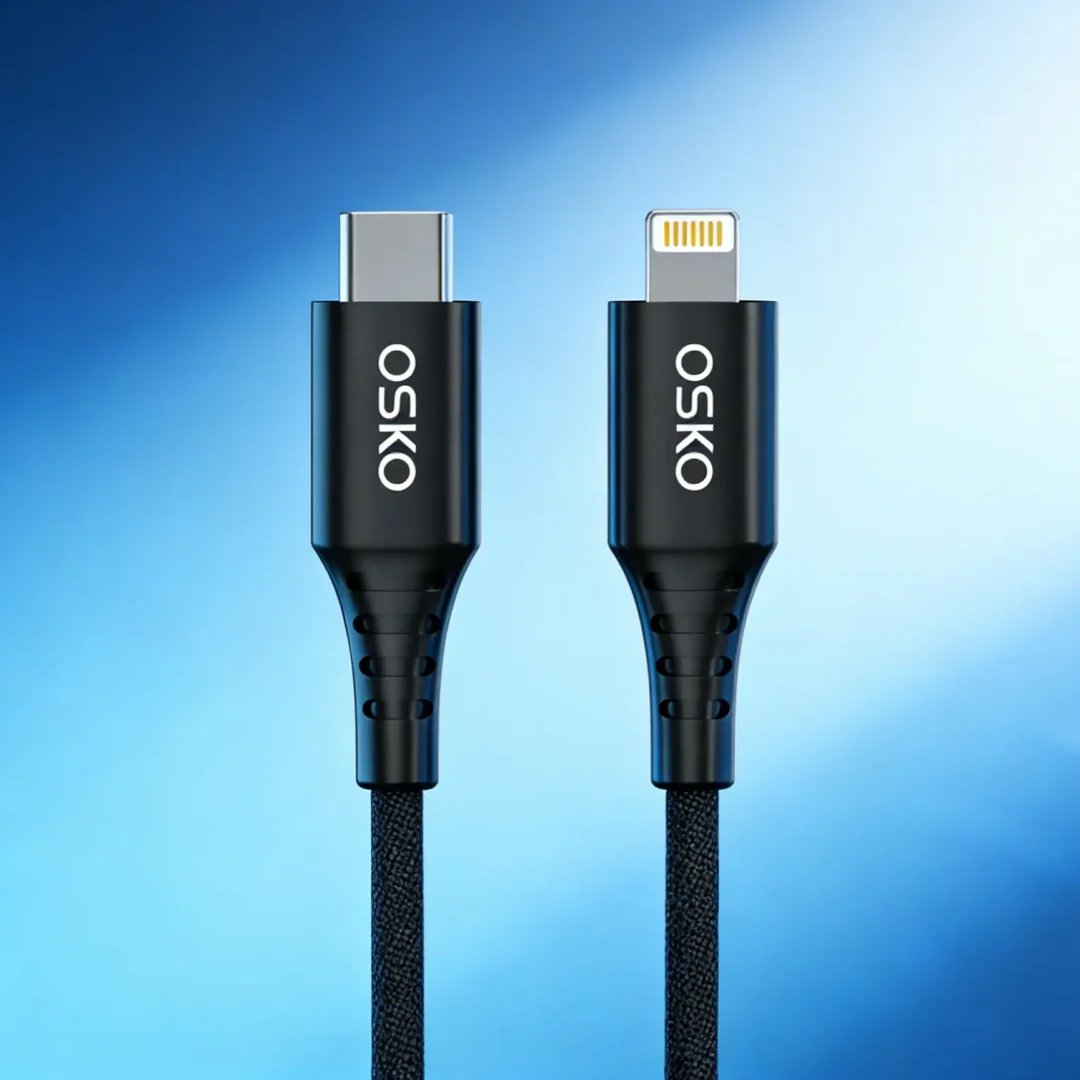
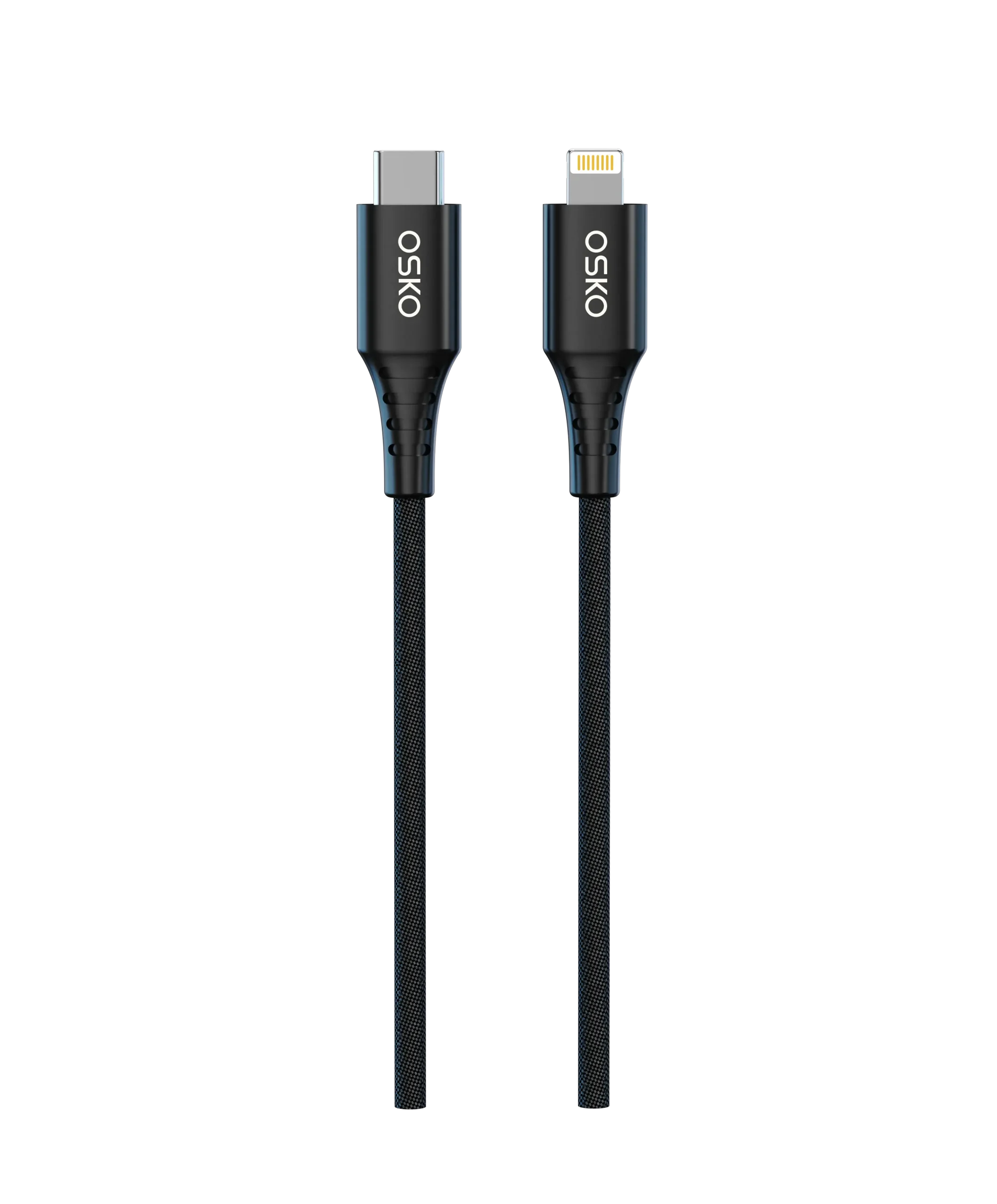
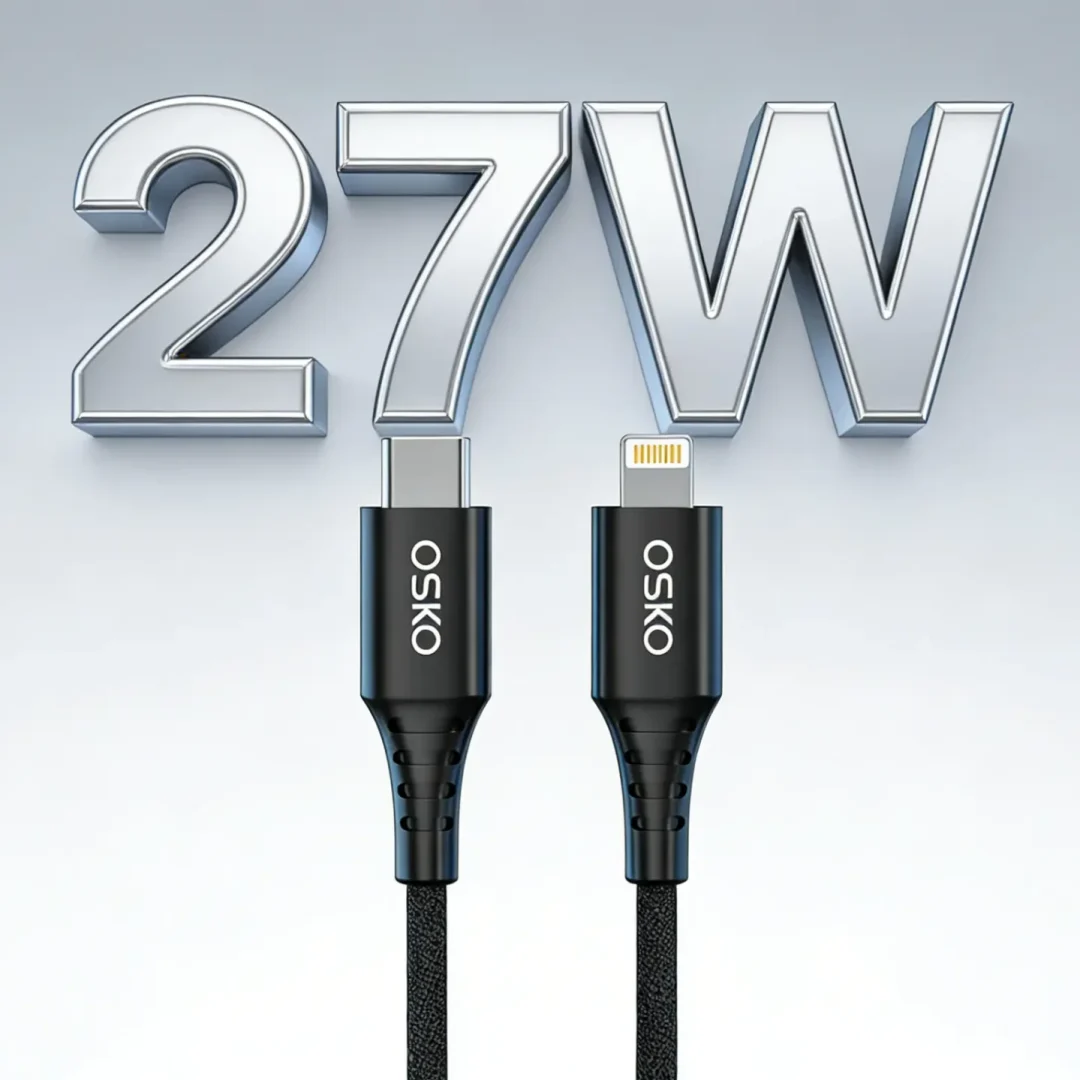
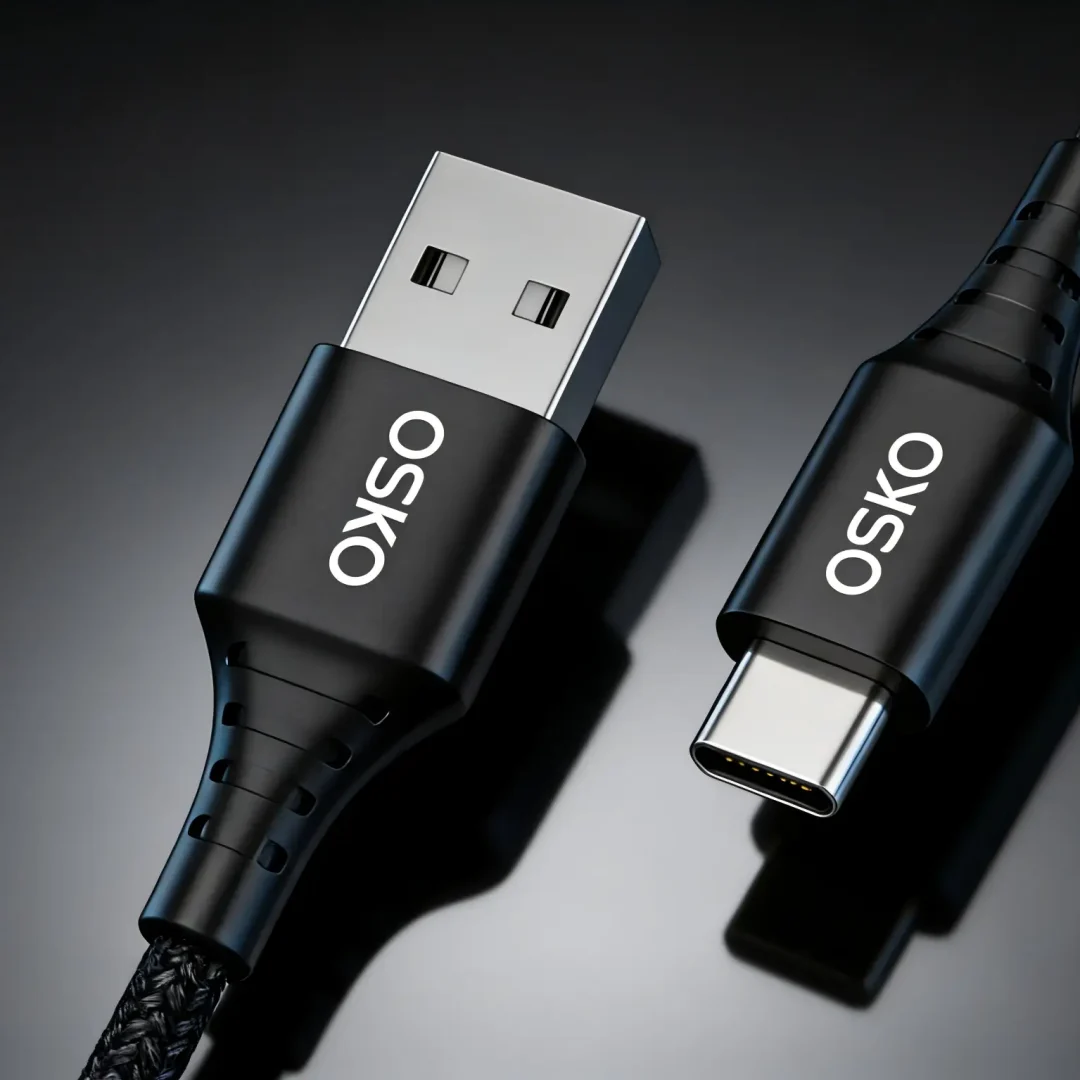
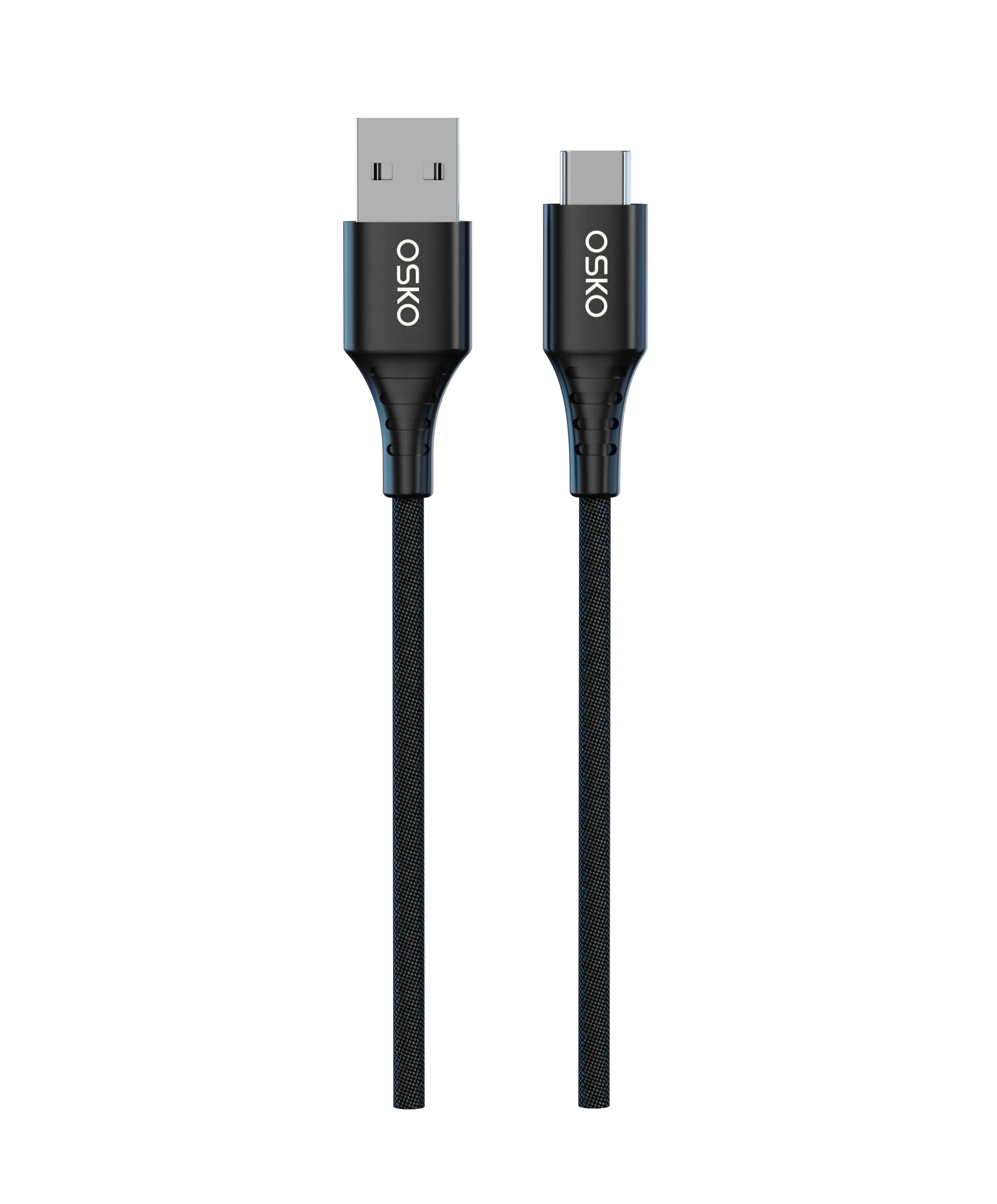
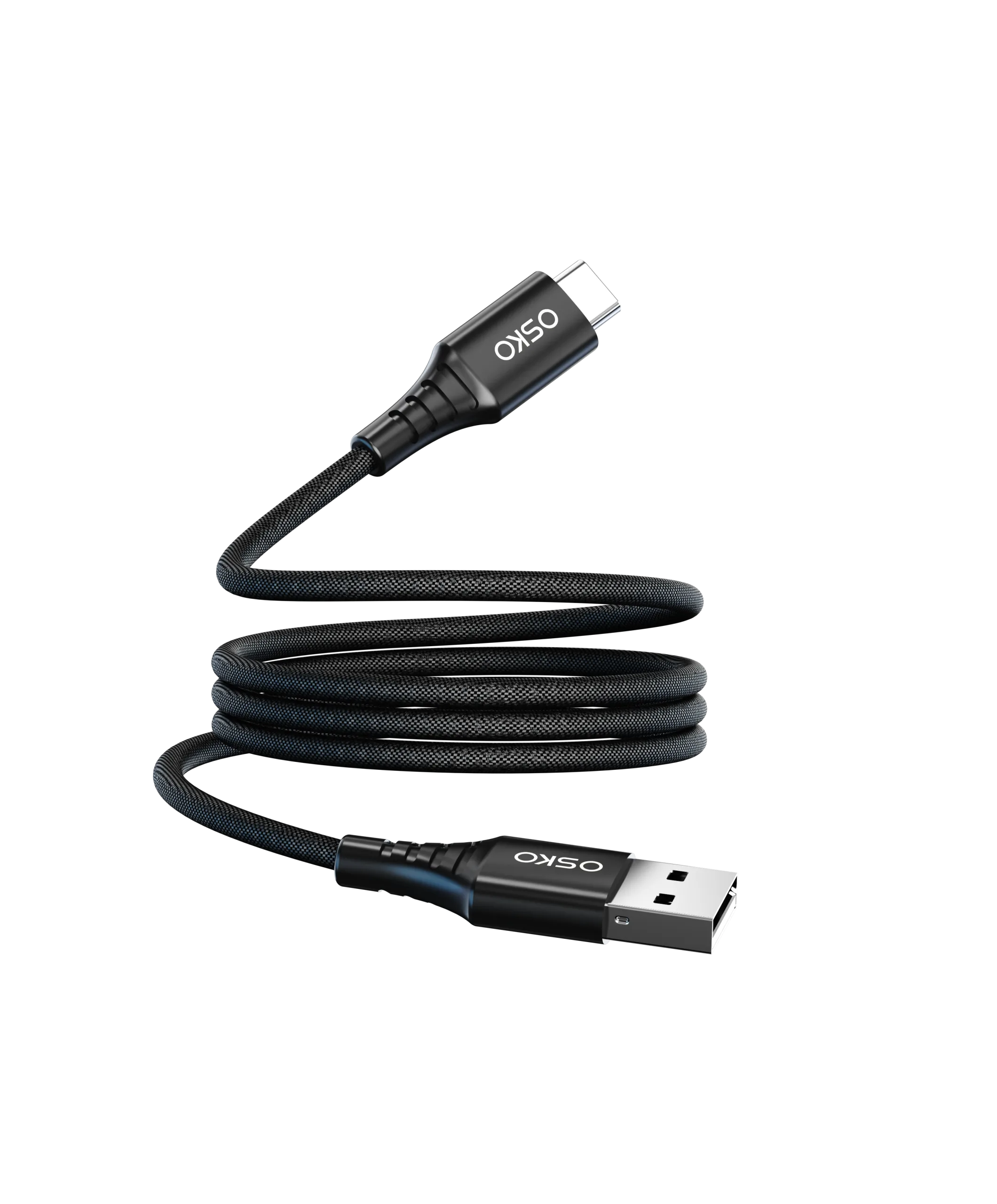
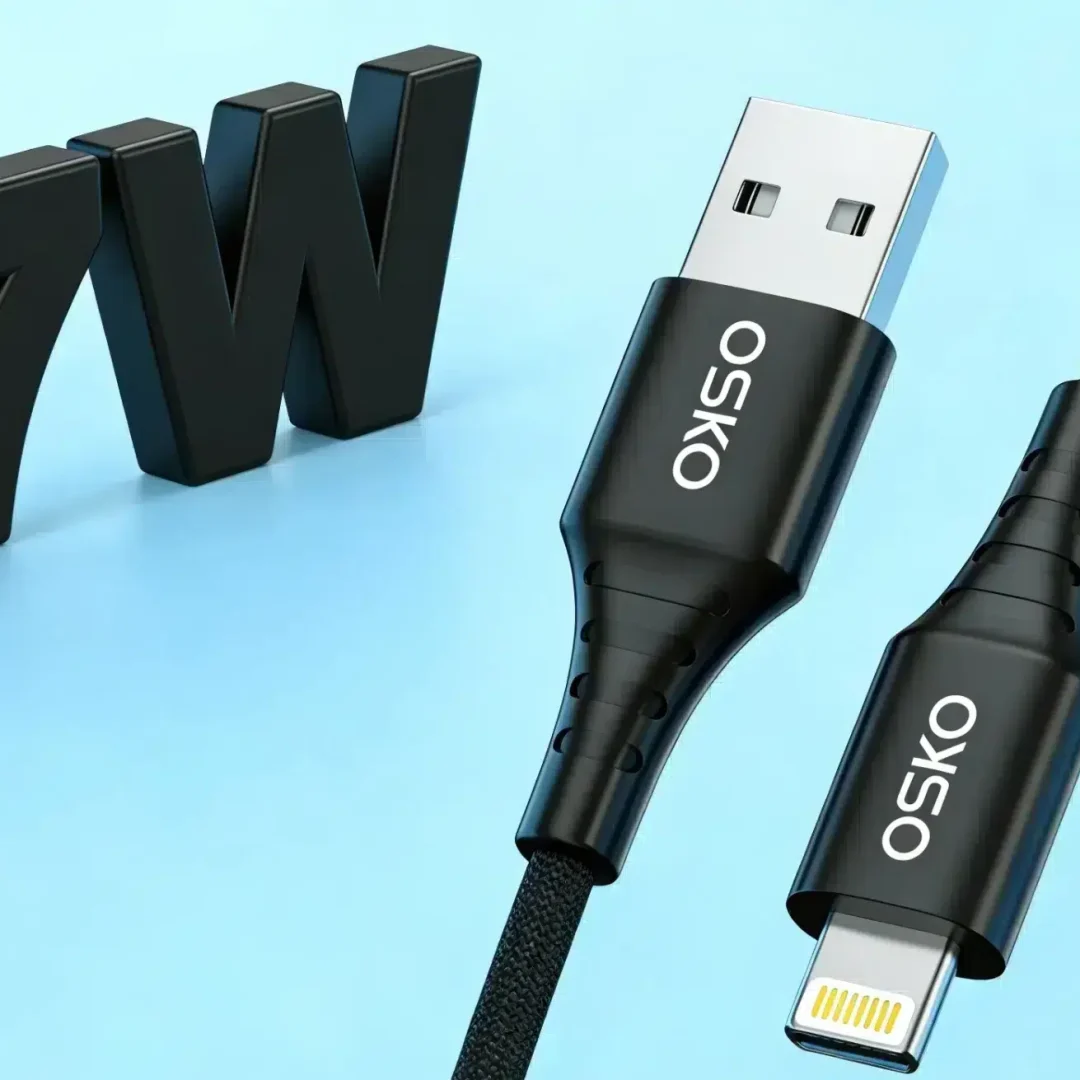
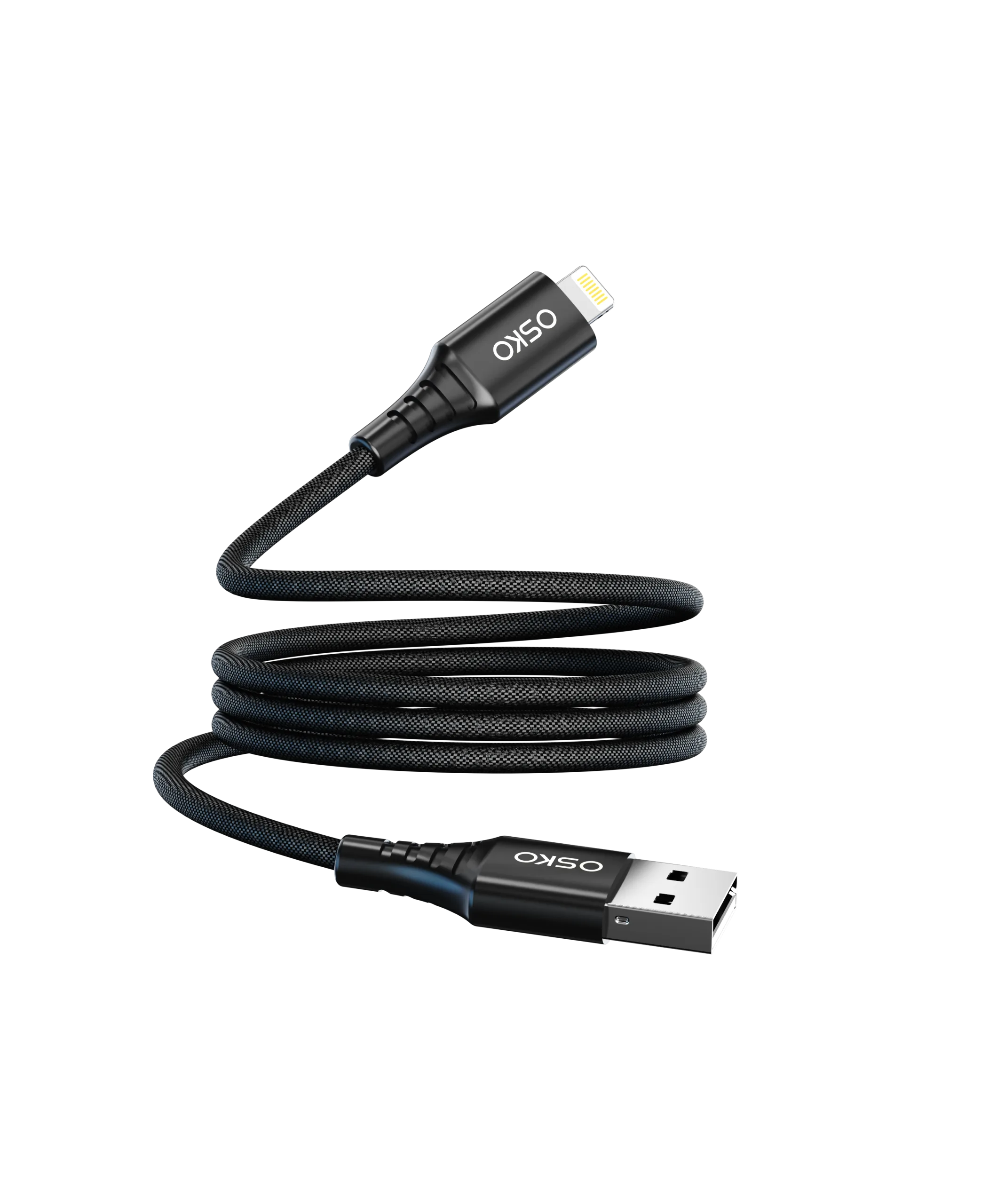
OSKO provides OEM and ODM charging accessory solutions, including USB-C Charging Cable, fast charging cables, and customized charging solutions for global electronics brands and distributors.

Material Science & Power Performance Design
Understanding USB-C Type Charger Structure
A professional USB-C charger contains multiple technical components that determine charging efficiency and reliability.
| Component | Function | Performance Impact |
|---|---|---|
| Power conversion system | Converts AC power to DC output | Determines efficiency |
| Semiconductor components | Controls power switching | Improves charging performance |
| Protection circuit | Prevents electrical risks | Enhances safety |
| USB-C output port | Connects charging cable | Determines compatibility |
| Thermal management system | Controls temperature | Improves lifespan |
| Housing material | Protects internal components | Supports durability |
Power Delivery Technology in USB-C Chargers
How USB-C Fast Charging Works
Modern USB-C Fast Charger products commonly use USB Power Delivery technology.
USB PD allows communication between:
Charger
Cable
Device
The system automatically negotiates the required power level.
Instead of delivering maximum power continuously, the charger adjusts output based on device demand.
Benefits include:
Faster charging
Better energy efficiency
Reduced heat generation
Improved device protection
Understanding Charger Power Ratings
Selecting the Correct Wattage
USB-C chargers are available in different power levels.
| Charger Power | Typical Applications |
|---|---|
| 20W–30W | Smartphones and small tablets |
| 45W–60W | Tablets and lightweight laptops |
| 65W–100W | Laptops and professional devices |
| 140W+ | High-power computers and advanced devices |
Choosing the correct power depends on:
Device requirements
Charging habits
Cable capability
Usage environment
USB-C Charger and Cable Compatibility
Why Cable Selection Matters
A charger cannot achieve its designed performance without the correct cable.
A suitable USB-C Charging Cable should match:
Power rating
Charging protocol
Connector specification
Application requirements
Examples:
| Charger | Recommended Cable |
|---|---|
| 30W charger | Standard USB-C cable |
| 60W charger | 60W USB-C Cable |
| 100W charger | 100W USB-C Cable |
| High-power charger | Certified high-power cable |
USB-C Charging Cable Engineering Requirements
Internal Conductor Design
The cable conductor affects:
Current capacity
Voltage loss
Heat generation
A professional USB-C Cable Manufacturer optimizes:
Copper conductor structure
Resistance control
Internal wiring layout
This ensures stable power transmission.
E-Marker Technology
High-power USB-C cables may include an E-Marker chip.
The chip communicates information about:
Cable power capability
Current capacity
Charging compatibility
This improves communication between charger and device.
Safety Design of USB-C Fast Charger Systems
Protection Technologies
Reliable charging solutions require multiple protection systems.
Common protections include:
| Protection | Function |
|---|---|
| Over-voltage protection | Prevents excessive voltage |
| Over-current protection | Controls current output |
| Short-circuit protection | Prevents electrical damage |
| Temperature protection | Controls heat generation |
| Power regulation | Maintains stable output |
Thermal Management and Material Design
Controlling Heat During Charging
Heat is one of the biggest factors affecting charger lifespan.
A professional charger design considers:
Component layout
Heat dissipation
Housing structure
Material selection
Effective thermal management improves:
Safety
Charging stability
Product reliability
Manufacturing and Quality Control
Production Process of USB-C Charging Solutions
A reliable supplier controls every production stage.
| Production Stage | Purpose |
|---|---|
| Component inspection | Verify electronic parts |
| PCB assembly | Build power system |
| Circuit testing | Confirm electrical performance |
| Housing assembly | Protect components |
| Safety testing | Verify reliability |
| Final inspection | Ensure shipment quality |
Quality Testing Standards
Electrical Testing
Important tests include:
| Test | Purpose |
|---|---|
| Output power test | Verify charging capability |
| Voltage stability test | Confirm consistent output |
| Efficiency test | Measure energy performance |
| Protection test | Verify safety functions |
Compatibility Testing
A professional charging solution should test with:
Smartphones
Tablets
Laptops
USB-C accessories
Testing ensures:
Stable charging
Correct power negotiation
Better user experience
OEM and ODM USB-C Charger Solutions
OEM Product Development
OEM solutions allow brands to customize:
Product appearance
Packaging
Logo
Product combination
Cable options
Common customers include:
Electronics brands
Retail companies
Charging accessory distributors
ODM Engineering Support
ODM services include:
Product specification planning
Technical optimization
Material selection
Manufacturing support
This helps companies develop differentiated charging products.
Case Study: USB-C Charger and Cable Bundle Development for a German Electronics Brand
Customer Background
A German consumer electronics brand planned to launch a new fast charging accessory series for European retail markets.
The company sold:
Smartphone accessories
Tablet accessories
Consumer electronics products
The customer wanted to develop:
USB C Type Charger
USB-C Charging Cable
Fast charging bundle products
The goal was to provide customers with a complete charging solution instead of selling chargers and cables separately.
Engineering Challenges
1. Charger and Cable Performance Matching
The customer previously purchased chargers and cables from different suppliers.
Problems included:
Inconsistent charging performance
Different product quality between batches
Customer complaints about slow charging
A unified charging solution was required.
2. European Market Reliability Requirements
The customer needed products suitable for:
Retail distribution
Online sales
Long-term customer usage
The products required:
Stable quality
Reliable safety performance
Professional packaging
3. Product Line Expansion
The customer wanted multiple charging options:
Smartphone charging
Tablet charging
Laptop charging
The supplier needed to provide flexible product planning.
OSKO Engineering Solution
Integrated Charger and Cable Solution
OSKO supported:
USB-C charger selection
Matching USB-C charging cable development
Power specification optimization
Product packaging customization
Cable Performance Optimization
The selected cable solutions included:
Appropriate conductor design
Stable power transmission
Durable outer materials
Reliable connector structure
Quality Assurance System
| Quality Control | Purpose |
|---|---|
| Power output test | Verify charger performance |
| Cable charging test | Confirm compatibility |
| Temperature test | Control thermal performance |
| Plug test | Improve durability |
| Final inspection | Ensure product consistency |
The customer successfully developed a complete fast charging product series for the European consumer electronics market.
Selection Guide
How to Choose a USB C Type Charger
Match Charger Power with Device Requirements
Consider:
Smartphone charging needs
Tablet requirements
Laptop power demand
Select the Correct USB-C Cable
A complete charging system requires:
Compatible cable wattage
Proper charging protocol
Reliable manufacturing quality
Evaluate Supplier Capability
A professional supplier should provide:
Engineering support
Quality testing
OEM customization
Stable production
Consider Long-Term Partnership
For brands and distributors, supplier reliability affects:
Product reputation
Customer satisfaction
Market competitiveness
FAQ
What is a USB C Type Charger?
A USB C Type Charger is a charging adapter using the USB-C connector standard, supporting modern charging technologies including USB Power Delivery.
Is a USB-C charger compatible with all USB-C devices?
Most USB-C devices can connect, but charging speed depends on device requirements, charger power, and cable capability.
What cable should be used with a USB-C fast charger?
The cable should match the charger output. For example, a 60W or 100W charger requires a suitable high-power USB-C cable.
Is a higher wattage USB-C charger always better?
Not necessarily. The best charger depends on device requirements. Higher wattage provides more capability but does not force excessive power into devices.
Can OSKO provide USB-C charger and cable solutions?
Yes. OSKO provides OEM and ODM solutions including:
USB-C Charging Cable
Fast Charging Cable
USB-C Cable
Custom charging accessories
Bulk cable production
Summary
Choosing the right USB C Type Charger requires understanding the complete charging system, including charger technology, cable performance, and device compatibility.
A reliable charging solution should provide:
Fast charging capability
Stable power delivery
Safety protection
Quality materials
Manufacturing consistency
For electronics brands and distributors, working with an experienced supplier helps create reliable products while reducing quality risks.
OSKO provides professional OEM and ODM charging solutions, including:
USB-C Charging Cable
Fast Charging Cable
USB-C Cable
Custom charging accessories
Bulk USB cable manufacturing
Through engineering expertise, material optimization, and strict quality control, OSKO supports global customers from product development to mass production.
Contact Information
OSKO USB Cable Manufacturing Solutions
OSKO specializes in:
USB-C Cable Manufacturing
Fast Charging Cable Production
OEM USB Cable Development
ODM Charging Solutions
Custom Charging Accessories
Bulk USB Cable Supply
For electronics brands, distributors, and procurement teams seeking reliable charging solutions, OSKO provides complete engineering support and scalable manufacturing capabilities.