
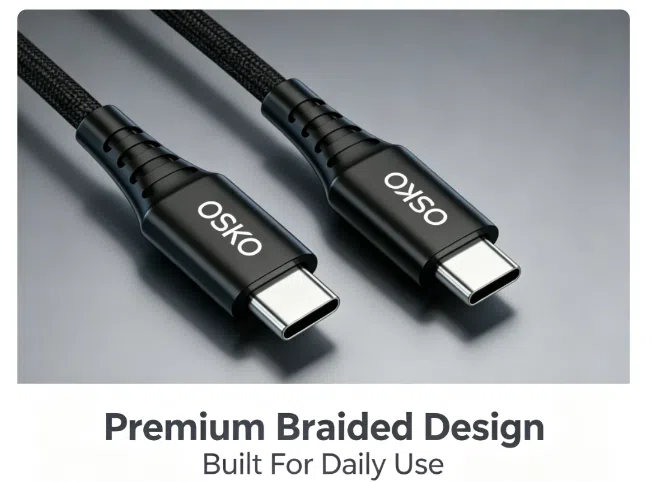
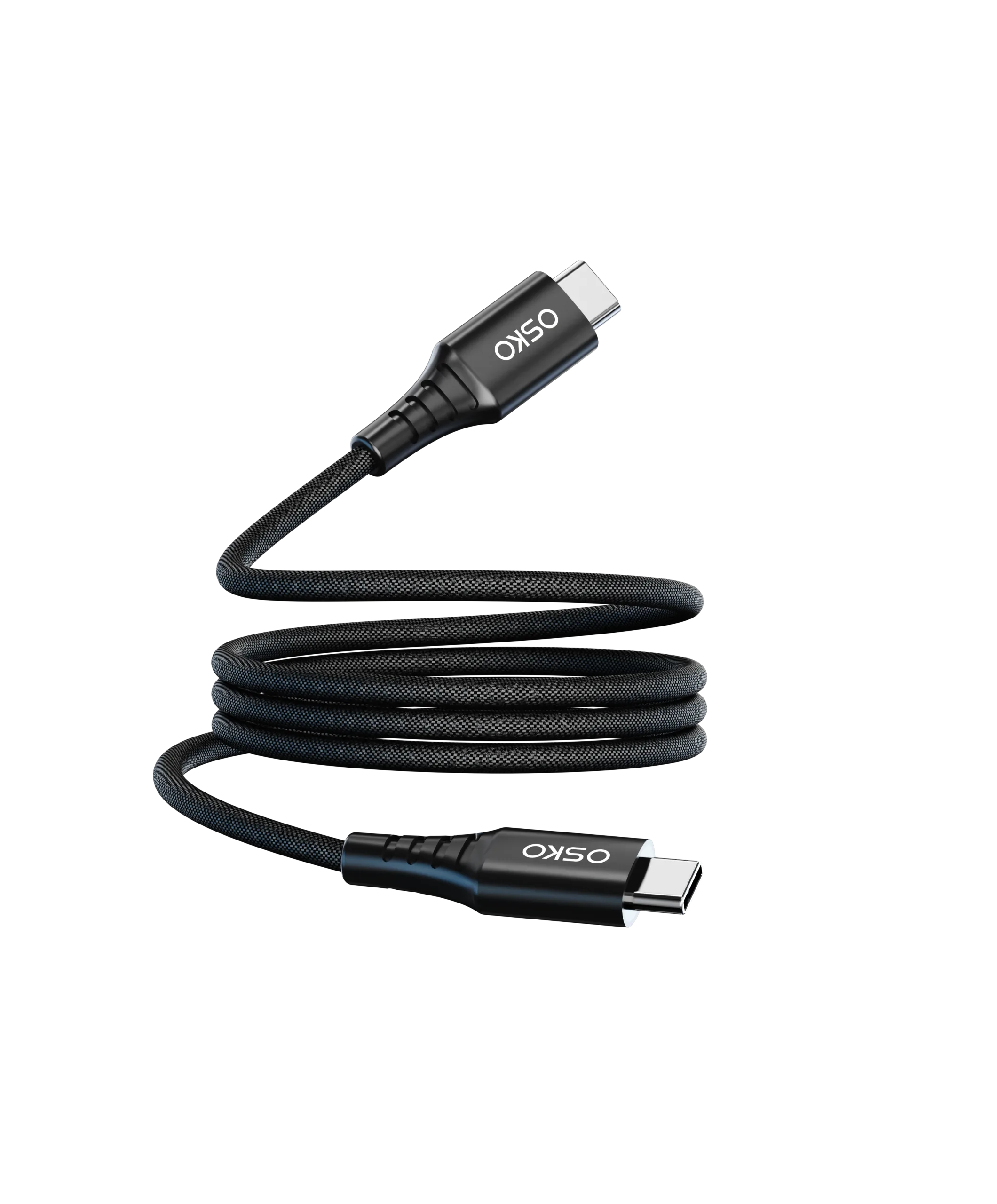
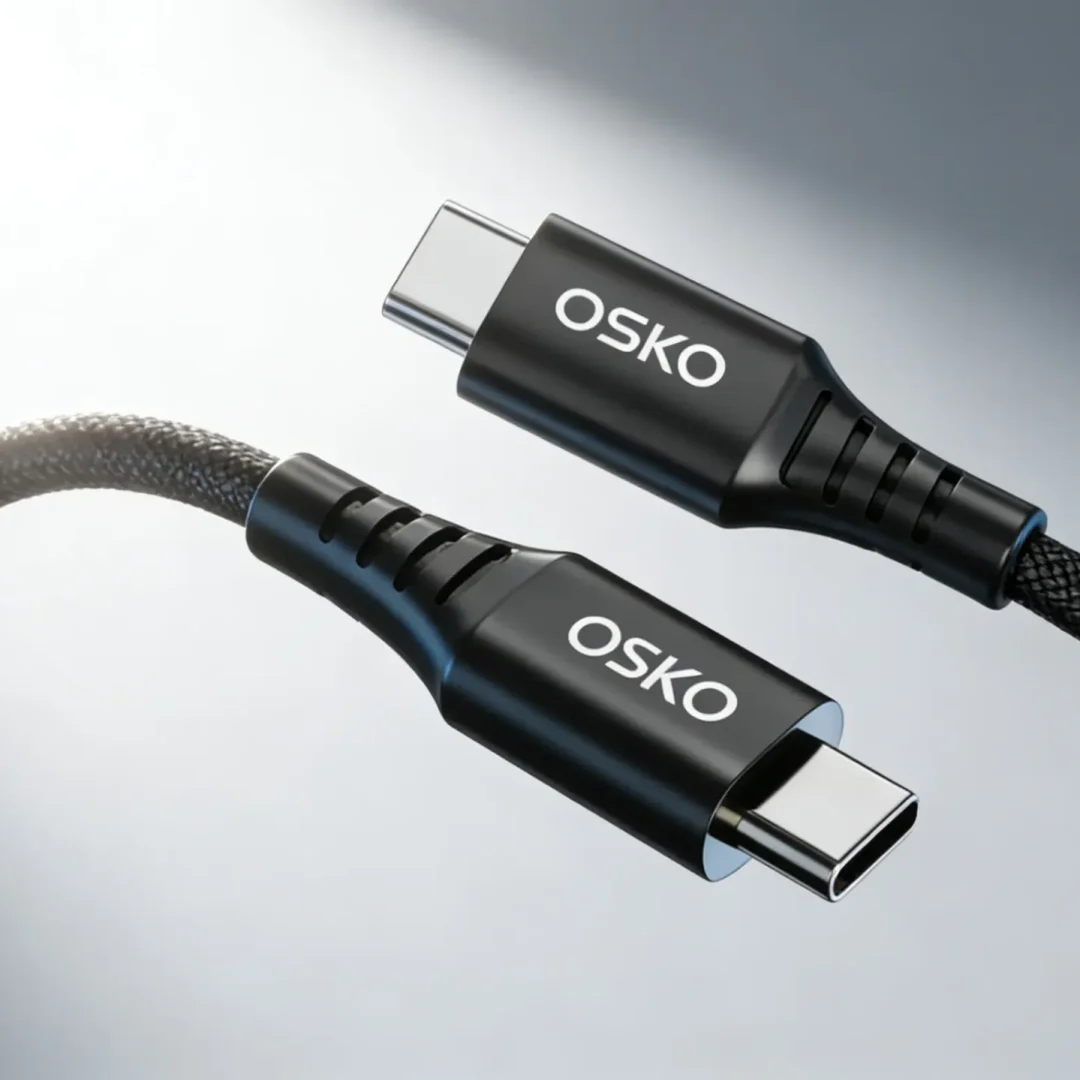
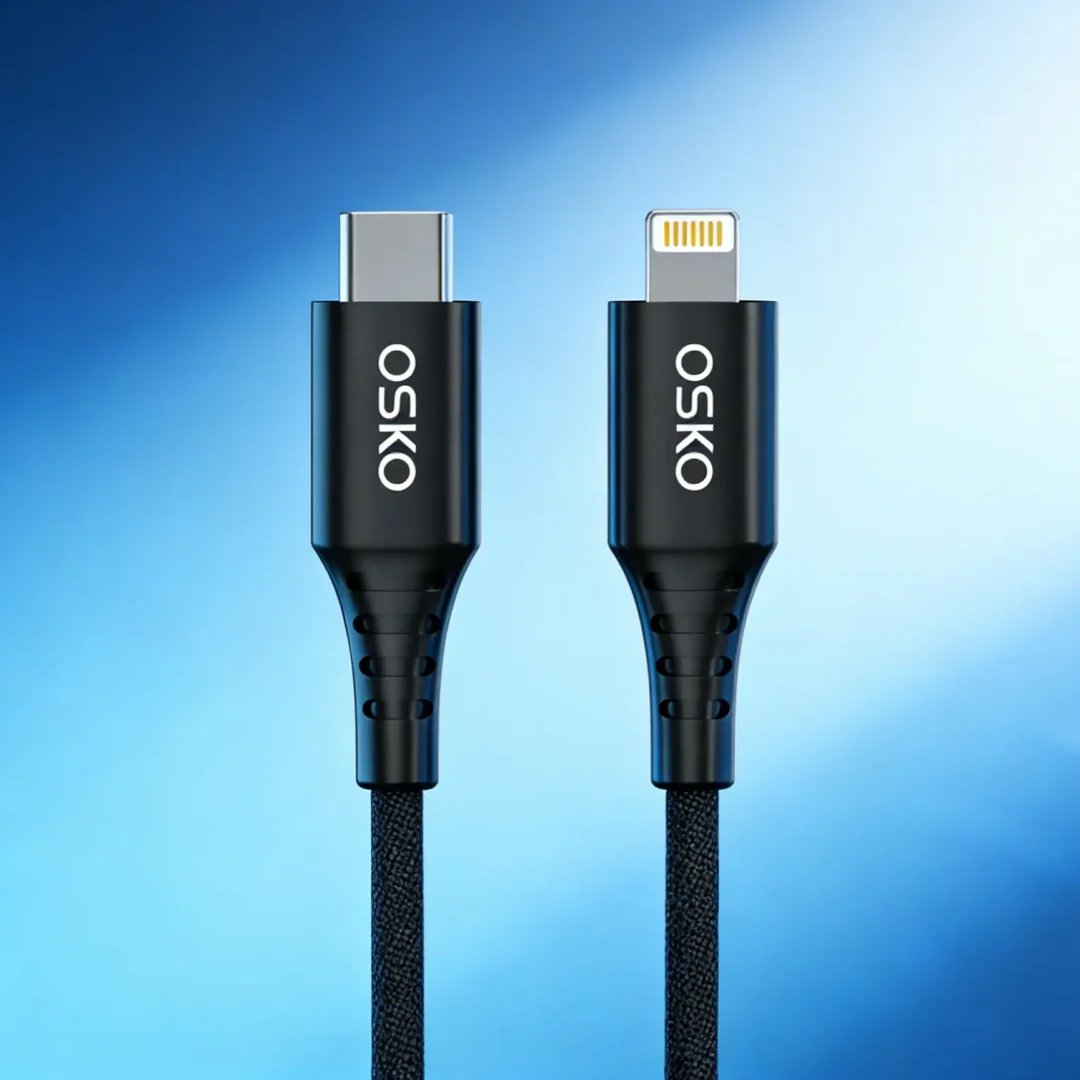

Introduction: The Hidden Reason Your Cable Gets Hot
Most people buying a phone charging cable focus on marketing features like:
“Fast Charging”
“120W PD Support”
“USB-C Quick Charge”
However, very few understand what actually determines a cable’s charging efficiency, data transfer speed, and heat performance.
The real core of a charging cable is not the outer wire. It’s the tiny component at both ends of the cable:
The Connector
Whether a cable:
Charges stably
Transfers data quickly
Avoids overheating
Lasts a long time
Supports high-power fast charging
…all depends heavily on the connector design and materials.
Today’s premium phone cable connectors consist of four critical components:
- Nickel/Gold Plating
- Phosphor Bronze Pins
- LCP High-Temperature Resistant Core
- E-marker Smart Chip
These elements distinguish low-end cables from high-performance fast charging cables.
1. What Is a Phone Cable Connector?
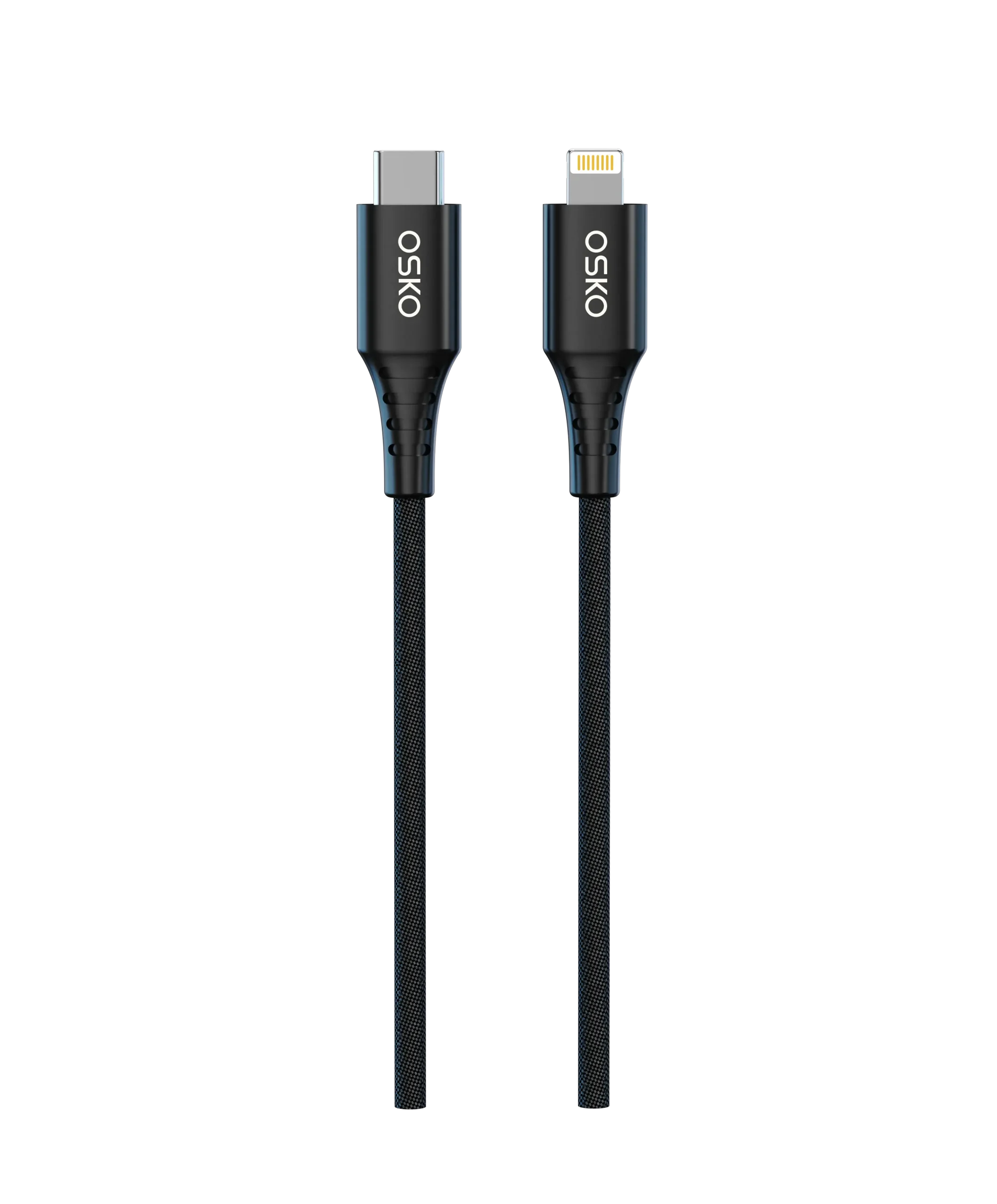
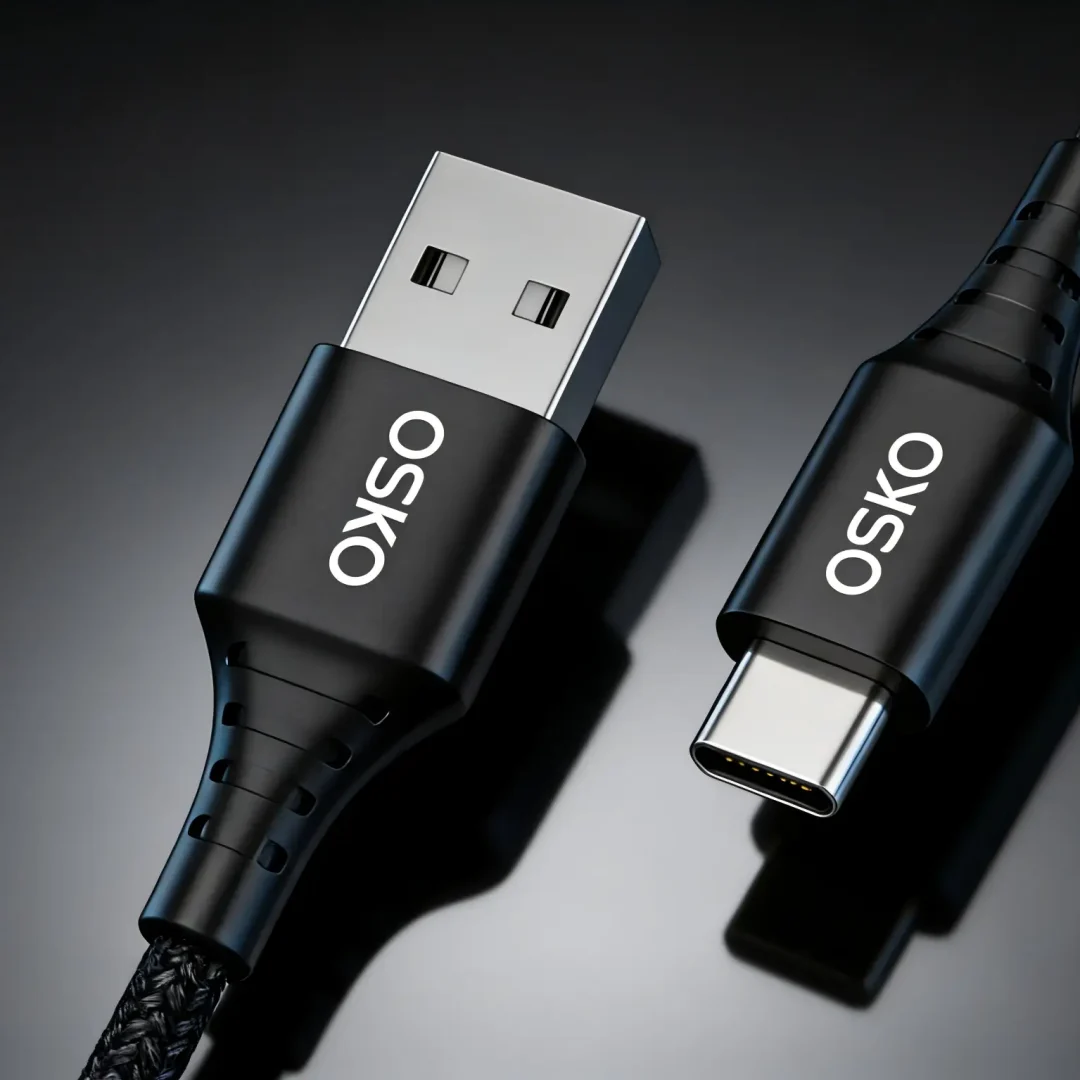
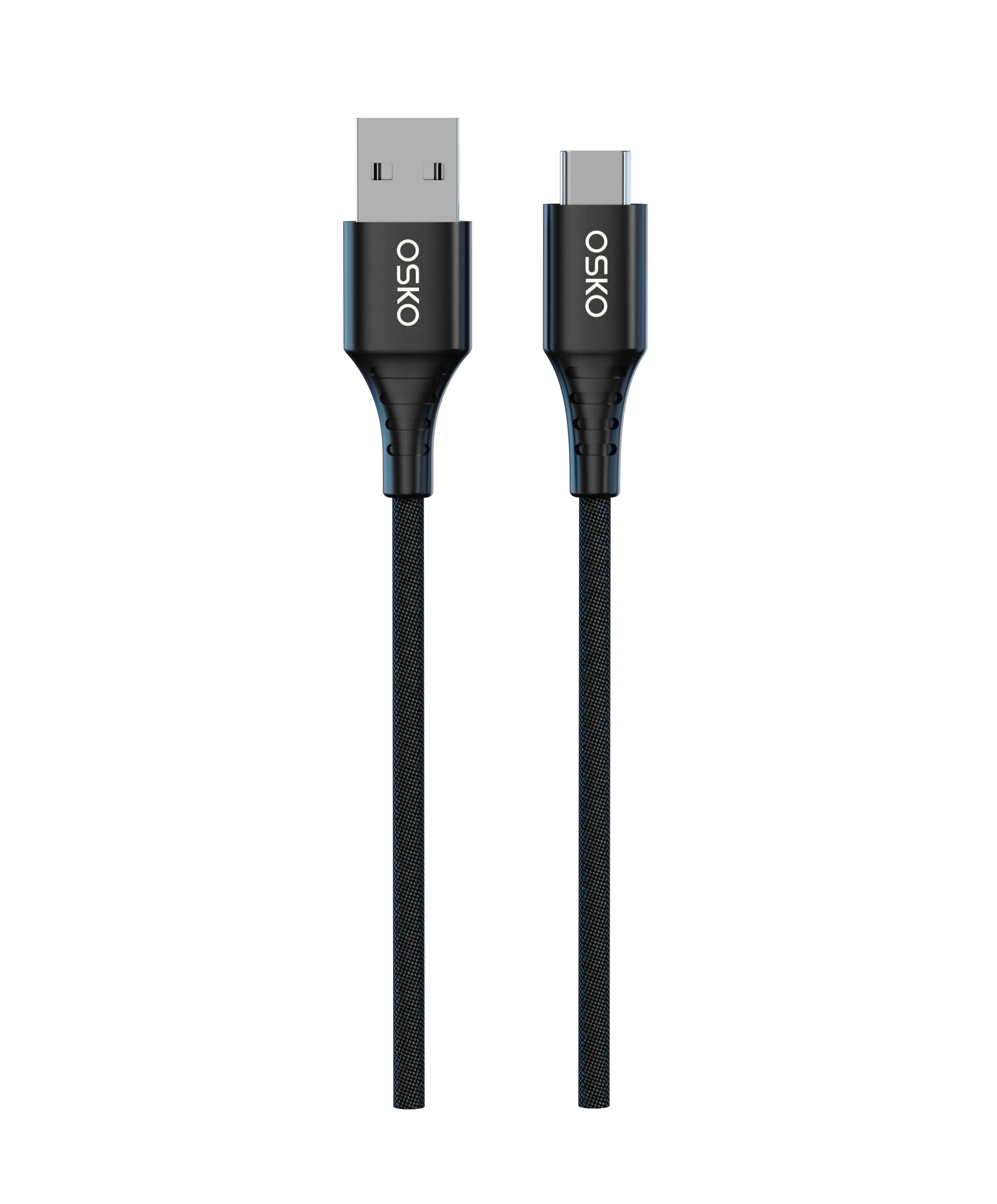
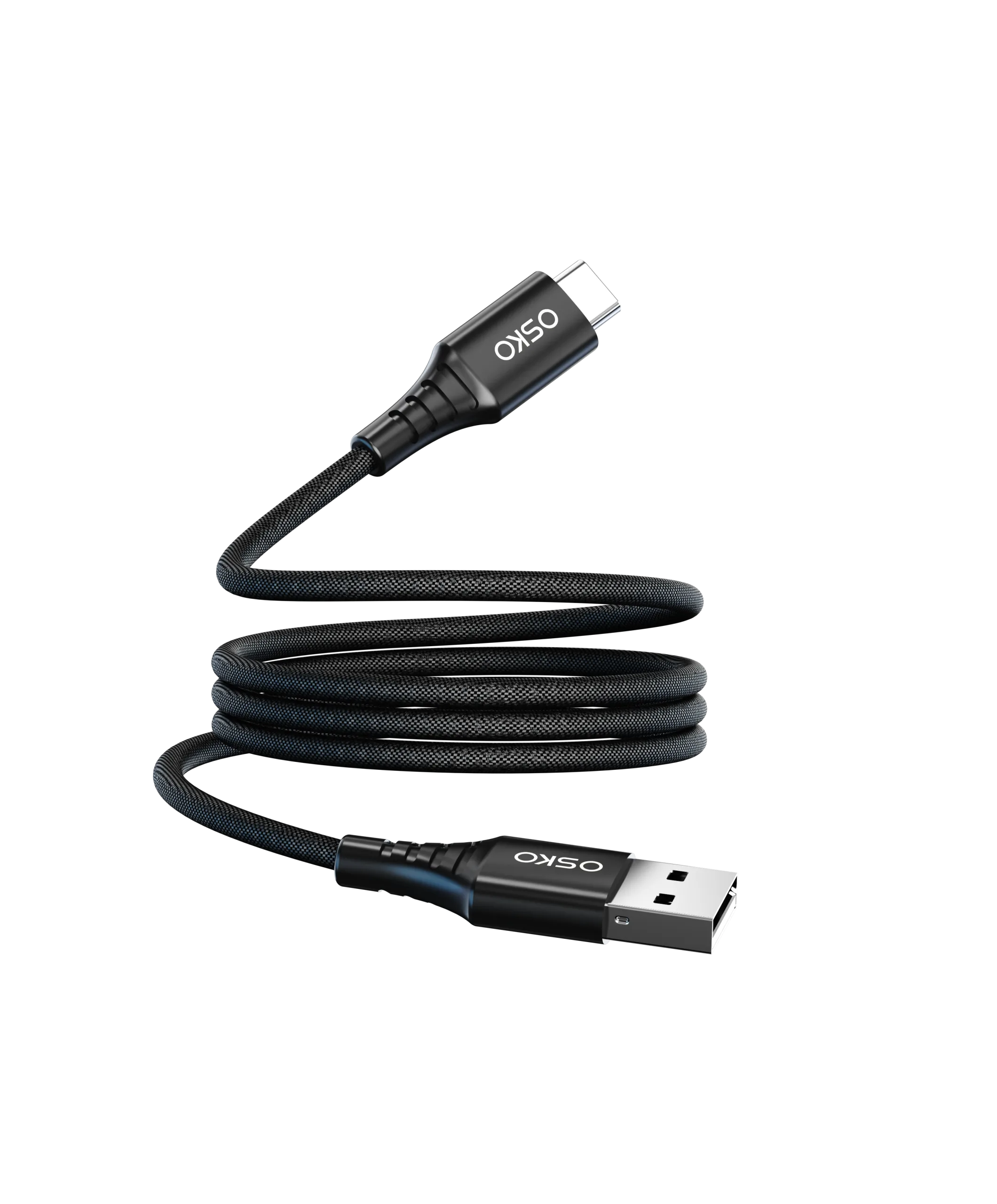
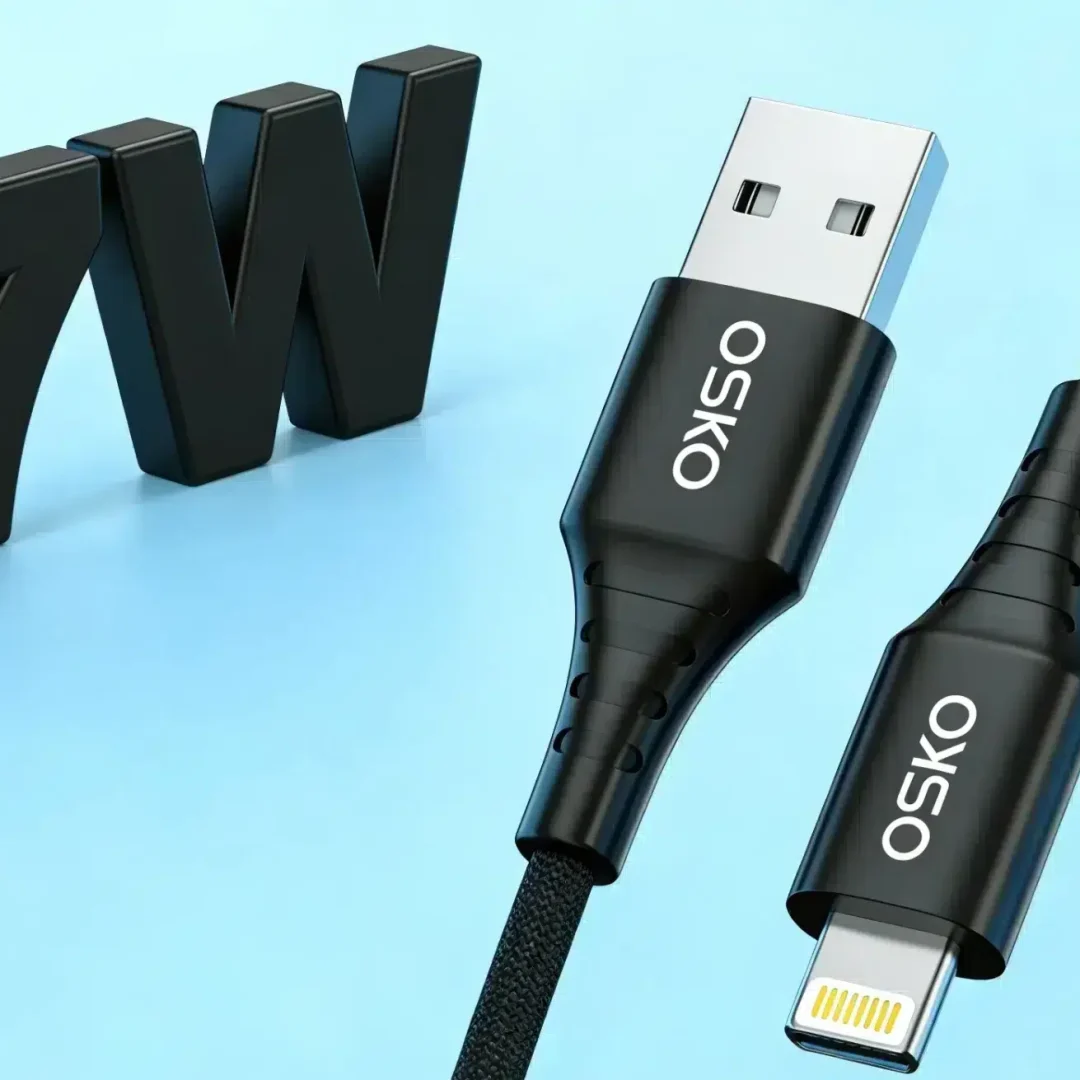
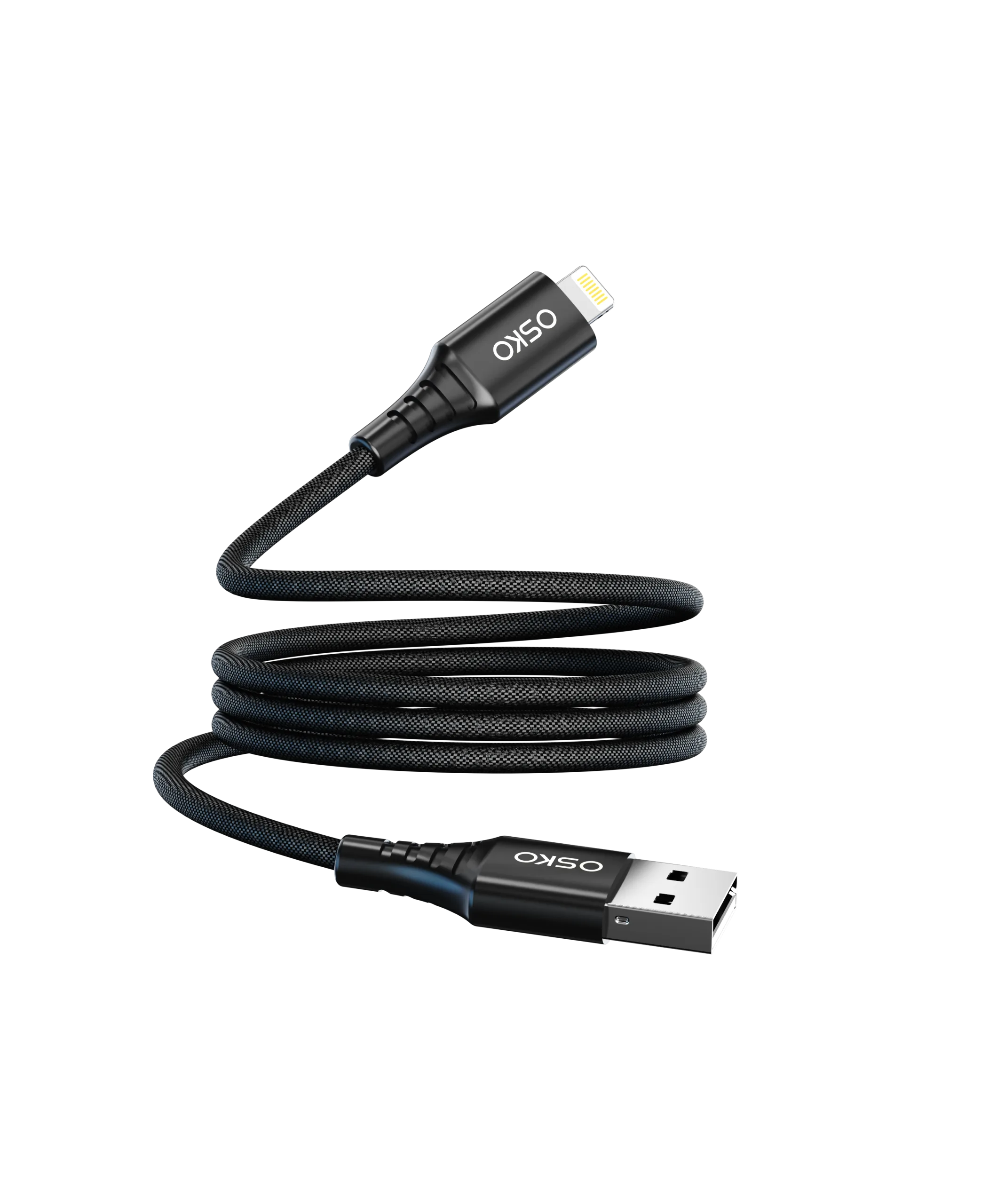
The connector is the plug at both ends of a cable. Common types include:
USB-C Connector
Lightning Connector
USB-A Connector
Though small, connectors perform critical functions:
Power delivery negotiation
Data transmission
Fast charging communication
Current control and device recognition
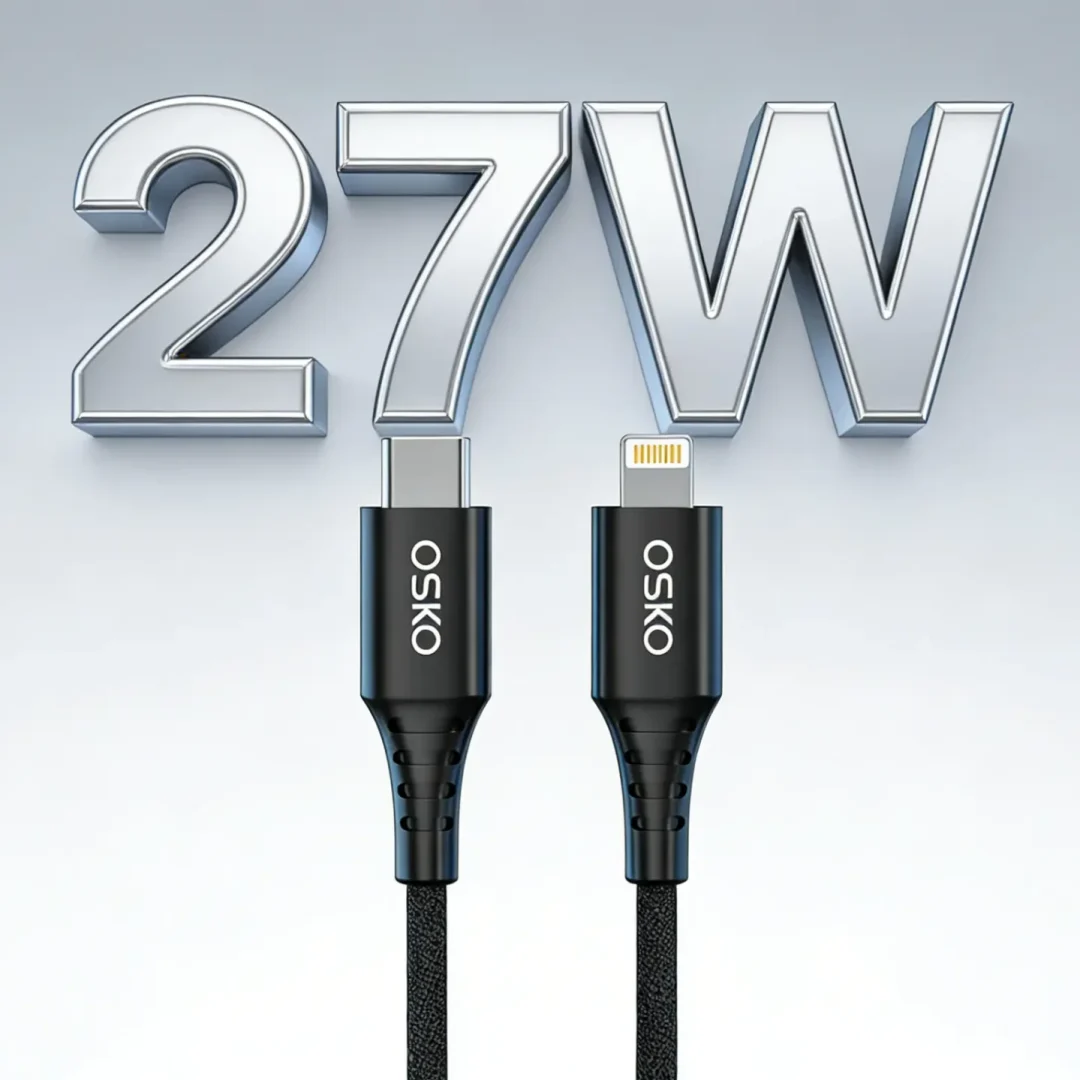
With PD Fast Charging, USB Type-C 100W, and 240W charging, connectors are more advanced than ever.
During the old 5V/1A charging era, almost any cable could charge a device. Today:
Charging power is higher
Current is larger
Heat generation increases
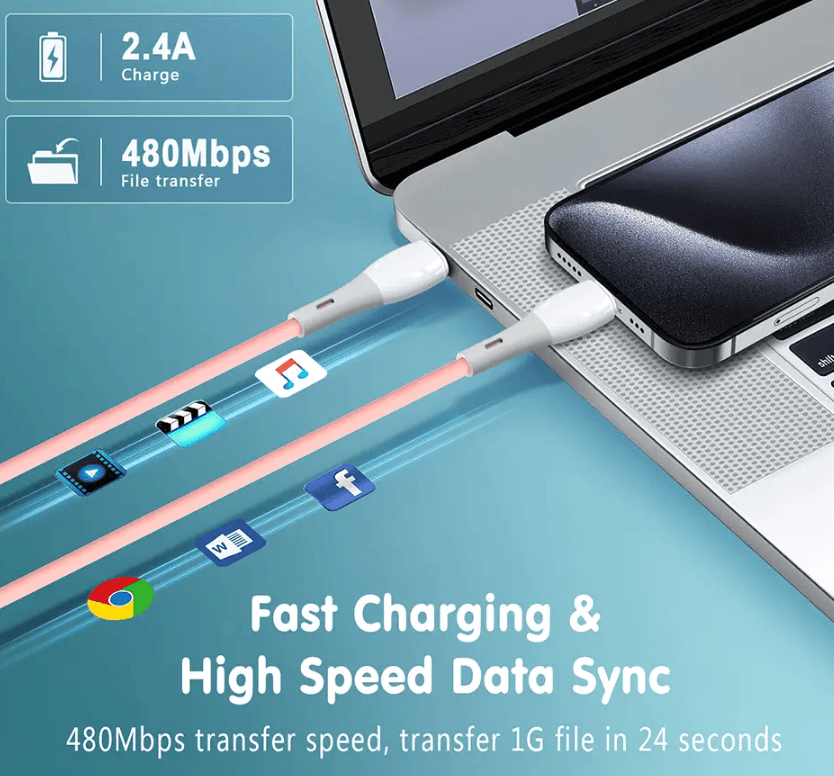
Data speeds are faster
If the connector quality is poor, cables can overheat, fail to charge properly, or even damage devices.
2. Core Component 1: Nickel/Gold Plating
Many assume the golden part of a connector is purely decorative.
Reality: plating is crucial for:
Conductivity
Oxidation resistance
Contact stability
Plug-in lifespan
Why Plating Is Essential
Metals naturally oxidize over time. Oxidation increases resistance, causing:
Heat generation
Unstable charging
Device recognition errors
Why Nickel First, Then Gold?
Structure: Copper → Nickel → Gold
Nickel Plating: Corrosion resistance, adhesion, and prevents copper diffusion
Gold Plating: Stable conductivity, low resistance, non-oxidizing
Premium cables advertise 24K Gold Connector or Gold-Plated Terminals because they ensure long-term reliability.
Cheap cables often use thin or fake gold coatings, resulting in:
Blackened connectors
Unstable charging
Device errors
3. Core Component 2: Phosphor Bronze Pins
While gold plating is the “outer protection,” phosphor bronze pins are the connector’s “skeleton.”
They ensure:
Conductivity efficiency
Elasticity and durability
Current carrying capacity
Why Not Use Pure Copper?
Pure copper is soft
Pins bend after repeated insertions
Leads to loose contacts and unreliable charging
Phosphor bronze provides:
Conductivity
Strength
Elasticity
Fatigue resistance
Benefits:
- Elasticity: Thousands of plug-in cycles without deformation
- Stable Conductivity: Handles 60W, 100W, 240W charging safely
- Longevity: Over 10,000 insertions possible
4. Core Component 3: LCP High-Temperature Resistant Core
Many don’t realize the connector contains a precision internal plastic core.
LCP (Liquid Crystal Polymer) is an advanced engineering plastic used in:
Smartphone connectors
Automotive electronics
High-frequency communication devices
Why LCP?
Heat resistance up to 260–280°C
Dimensional stability under heat
Maintains accurate pin positioning
Prevents fast charging failure
Ordinary plastic deforms easily, compromising contact stability and data transfer speed.
5. Core Component 4: E-marker Smart Chip
If the first three components are hardware foundations, the E-marker chip is the brain of modern USB-C cables.
Functions:
Current and power recognition
Fast charging communication
Device authentication
Protocol negotiation (PD, QC, PPS)
Why 100W+ Cables Need E-Markers
USB standards: >3A current requires E-marker
Without it, charging is limited to 18W/30W/60W
Ensures safe high-power charging
6. Why Premium Charging Cables Are Expensive
Premium cables cost more because of:
Gold plating
Phosphor bronze terminals
LCP cores
E-marker chips
Precision welding
High-frequency testing
Impedance control
High-performance cables now support:
USB4 and Thunderbolt
240W charging
40Gbps data transfer
7. How to Identify a High-Quality Connector
- Connector Color: Soft, genuine gold tone
- Plug-in Feel: Firm, smooth, stable
- Heat Performance: Stable temperature during fast charging
- E-marker Support: Required for 100W+ charging
8. Future Development Trends
Future connectors will focus on:
Higher heat resistance
Lower electrical resistance
Faster data transmission
Smart chip control
Longer lifespan
Especially with AI devices, USB4, Thunderbolt 5, and 240W charging, connectors will increasingly resemble miniature precision electronic systems.
Conclusion
Many people think a charging cable is “just a cable.”
Truth: performance depends on the connector.
High-quality connectors combine:
- Nickel/Gold Plating
- Phosphor Bronze Pins
- LCP High-Temperature Core
- E-marker Smart Chip
Together, these determine:
Charging stability
Fast data transfer
Connector durability
Cable lifespan
Next time you purchase a charging cable, look beyond appearance. The connector’s materials, structure, and internal design are what truly define cable quality.