
Introduction
The global demand for Apple Lightning cables and adapters remains stable in 2026 despite the gradual transition toward USB-C ecosystems. Millions of iPhone and iPad users still rely on Lightning-based charging solutions, especially in North America and Europe where legacy devices, enterprise fleets, and retail inventories continue to support Lightning connectivity.
However, the performance gap between standard cables and engineered charging solutions is significant. Issues such as unstable fast charging, cable fraying, connector failure, and “accessory not supported” errors often originate from low-quality materials or missing certification standards.
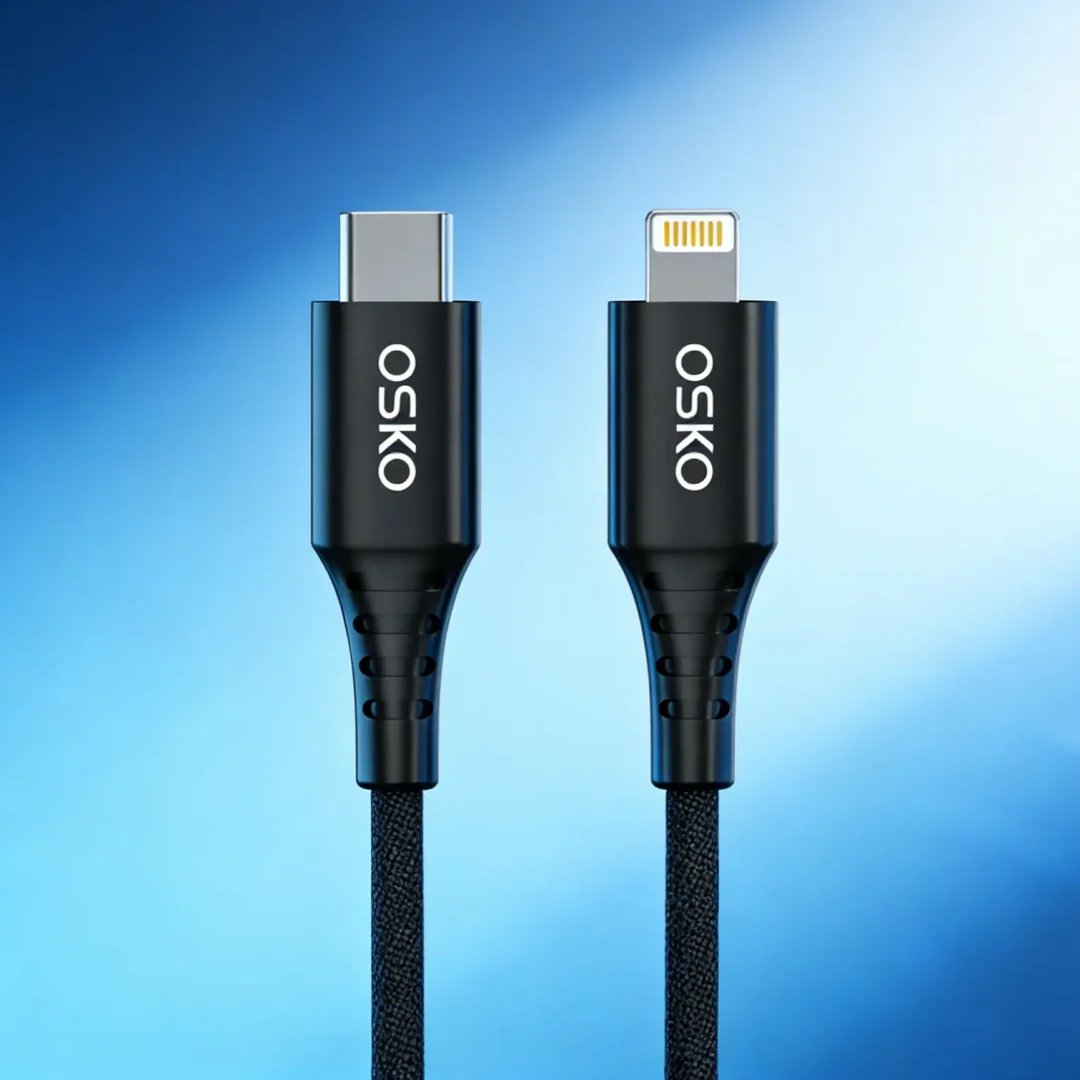
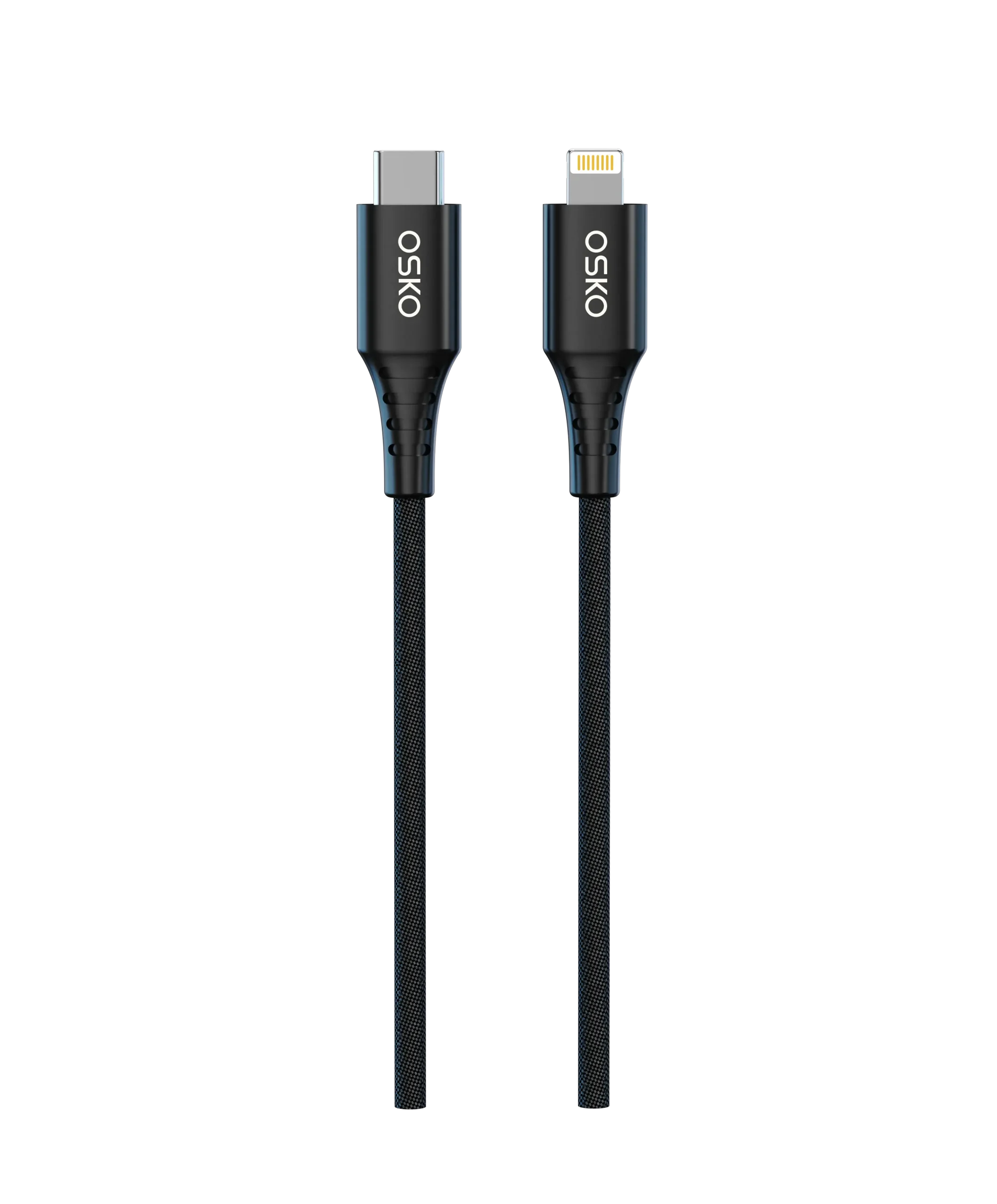
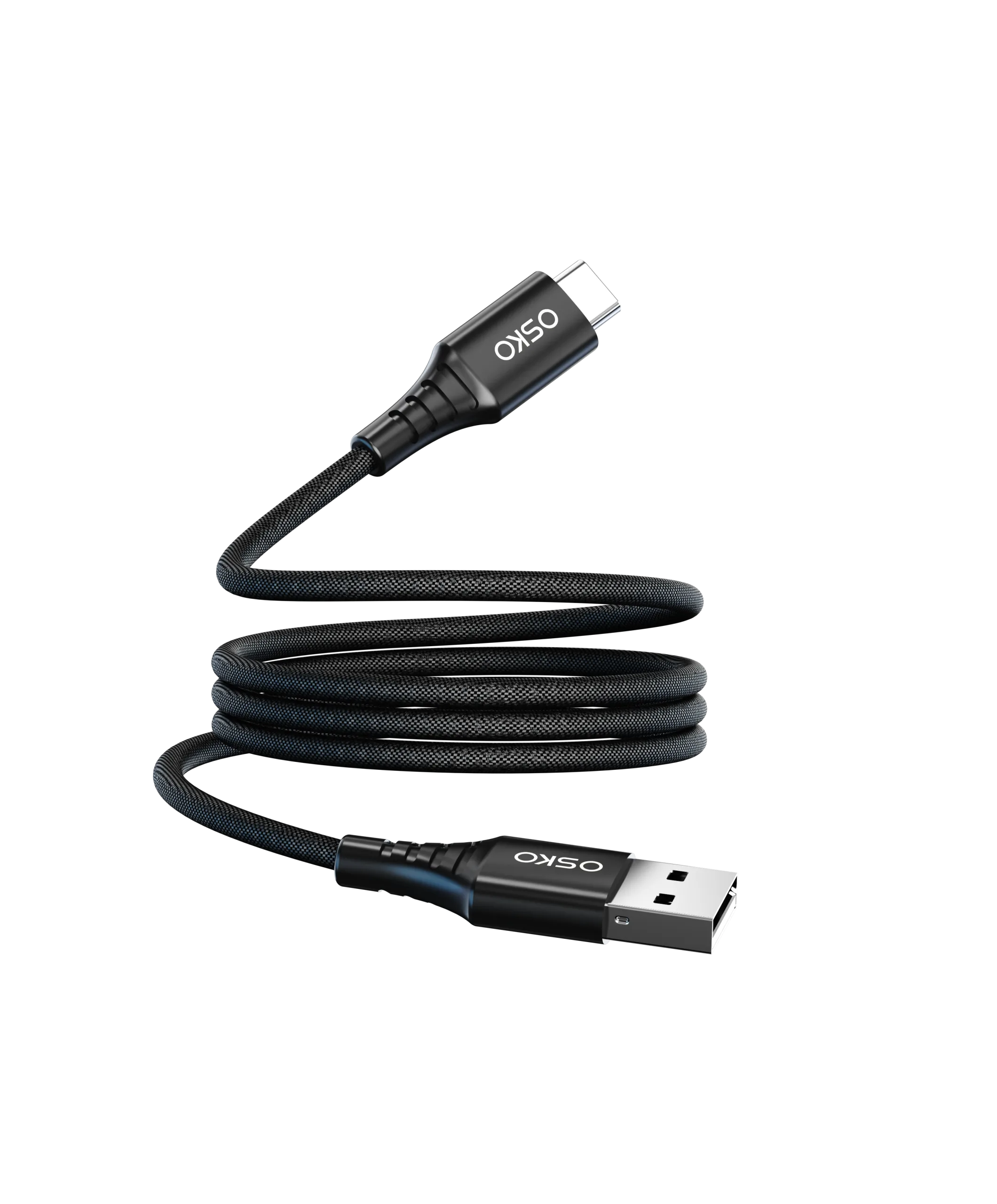
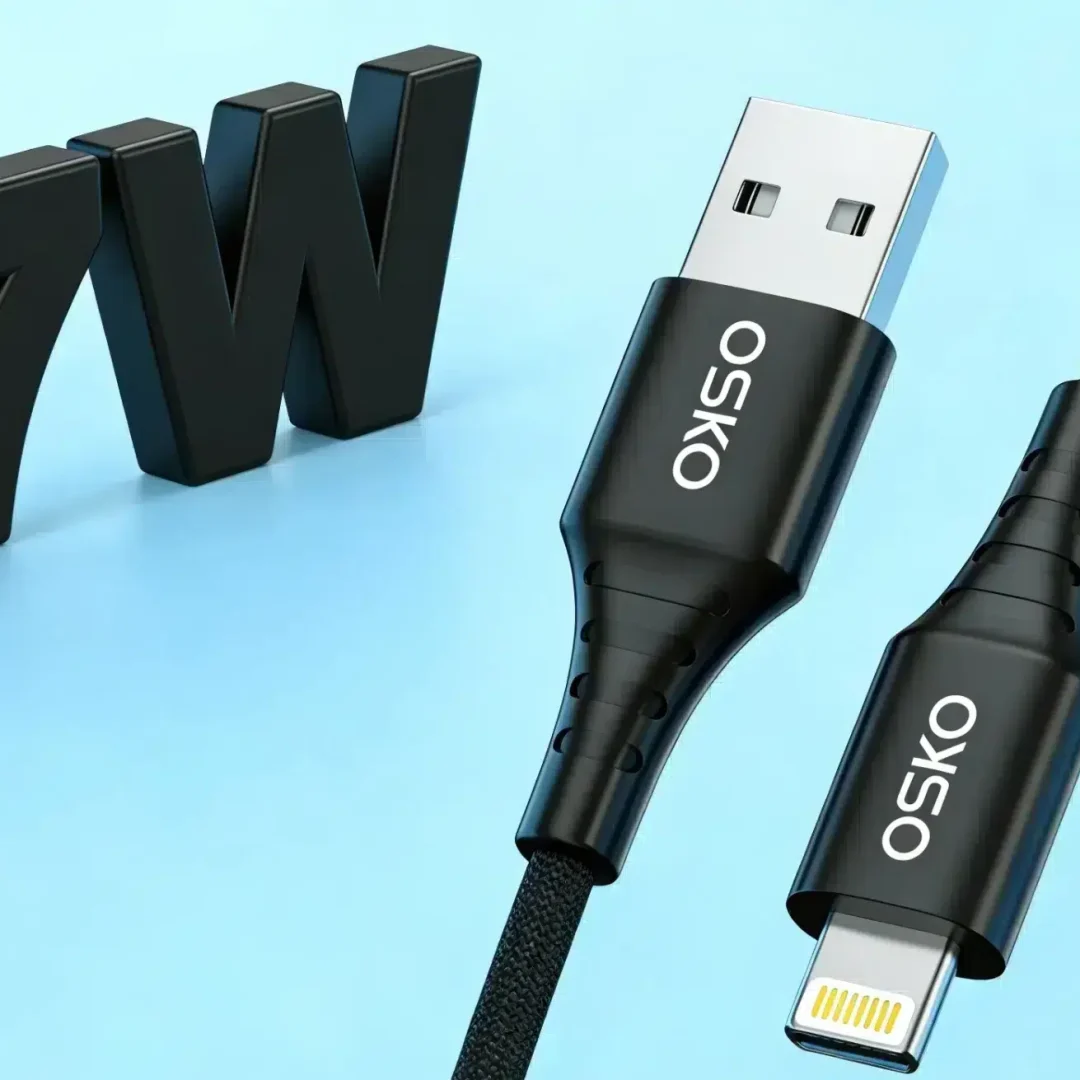
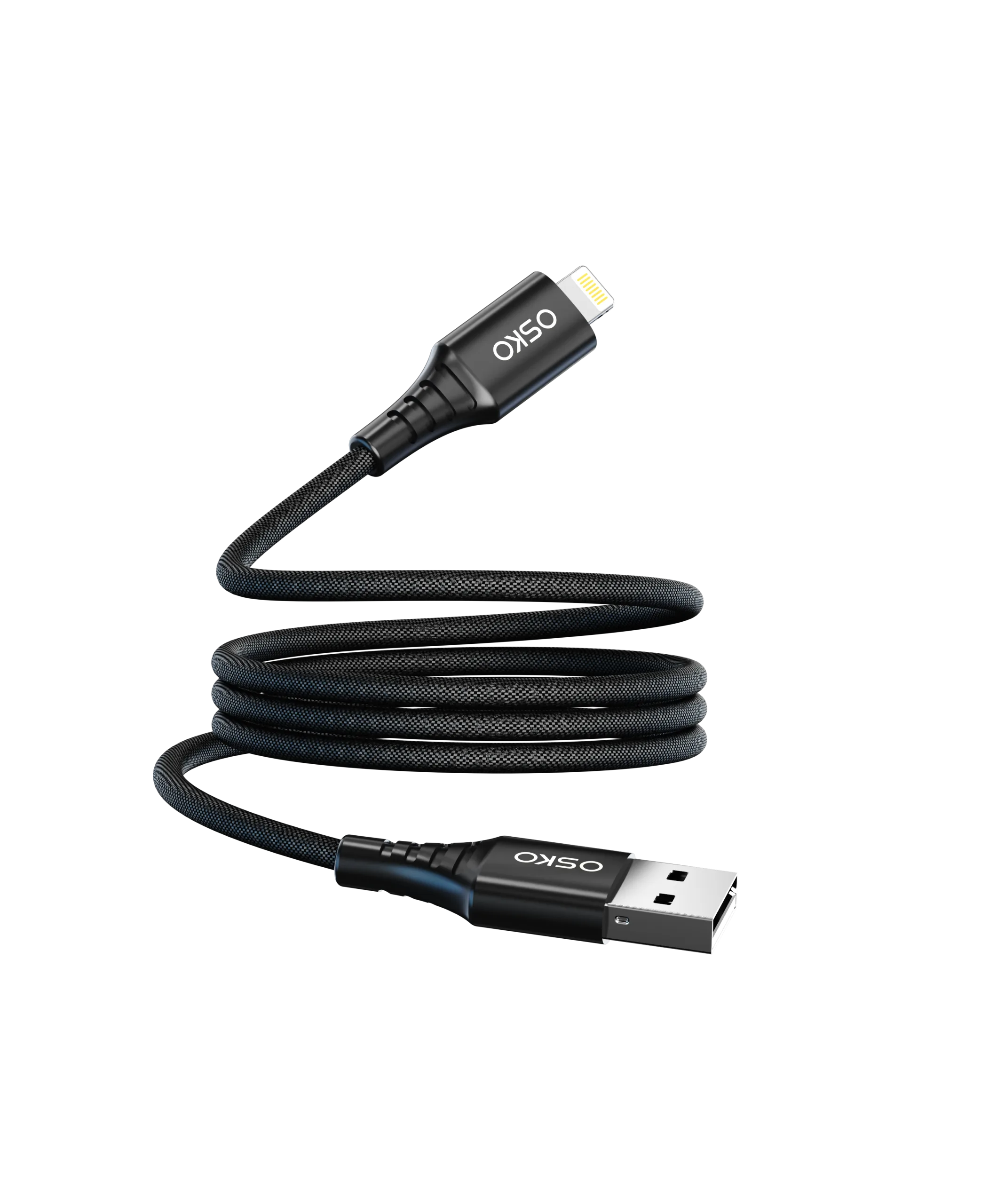
To address these challenges, OSKO focuses on producing nylon braided iPhone cables, reinforced adapters, and OEM/ODM-grade Lightning solutions designed for long-term durability and stable Power Delivery performance through USB-C to Lightning configurations.
From an engineering perspective, a high-quality Lightning cable is not just a charging accessory but a controlled electrical transmission system that must balance resistance, thermal management, and data integrity.
This article explains how Apple Lightning cables and adapters are engineered, how to evaluate quality, and how wholesale buyers and OEM brands can select the right supplier for global distribution.
Applicable Scenarios
Retail and Consumer Market Distribution
Retail channels remain one of the largest demand sources for Lightning cables and adapters.
In real-world applications, consumers prioritize:
Fast charging stability for iPhones
Durable cable construction for daily use
Compatibility with Apple ecosystem updates
Compact and travel-friendly designs
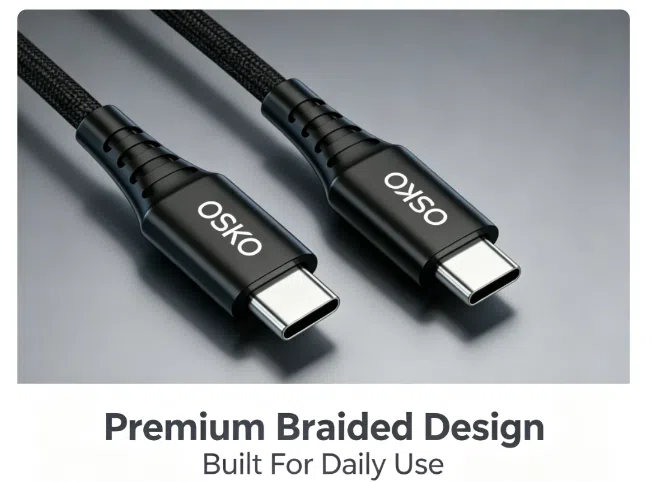
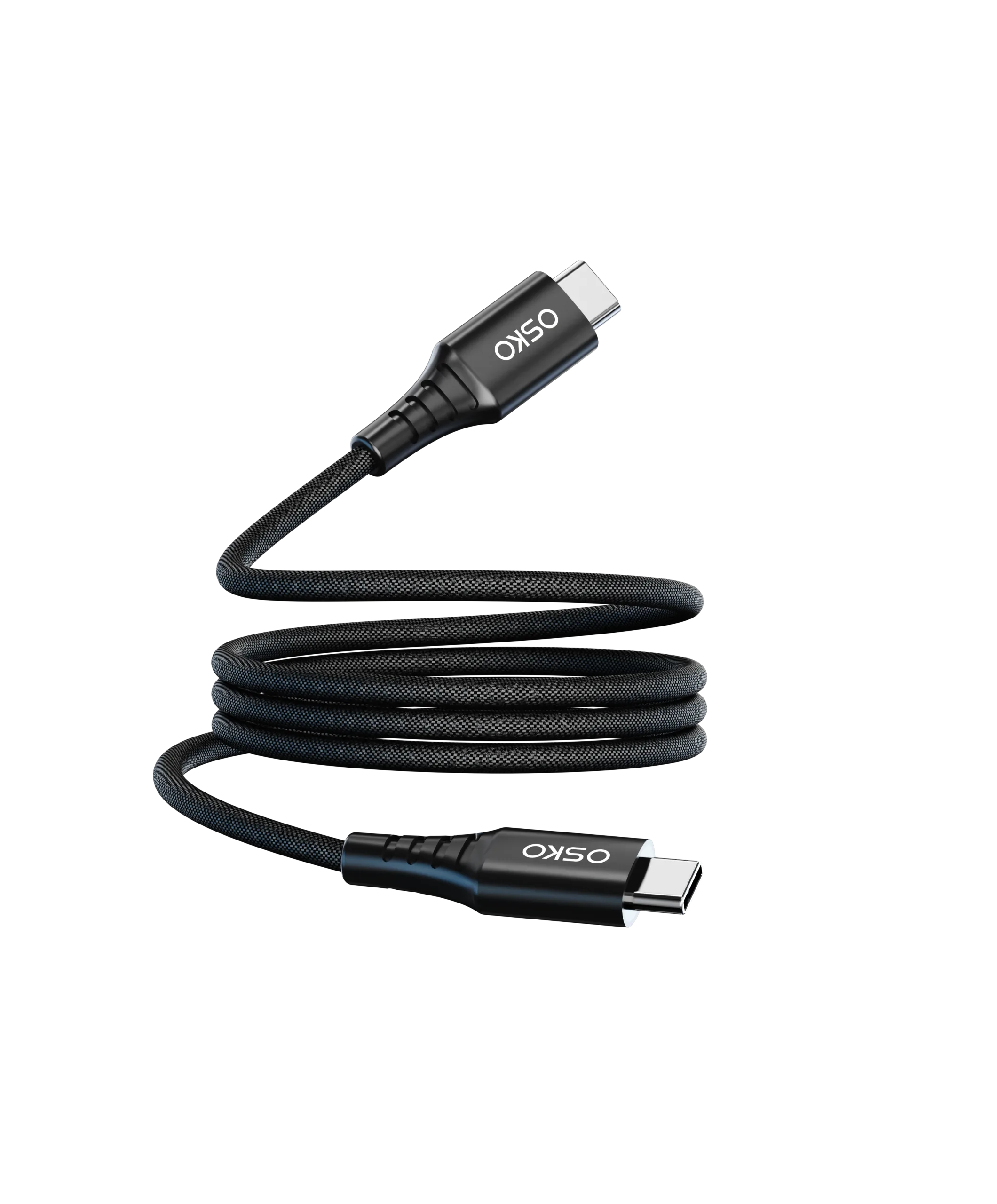
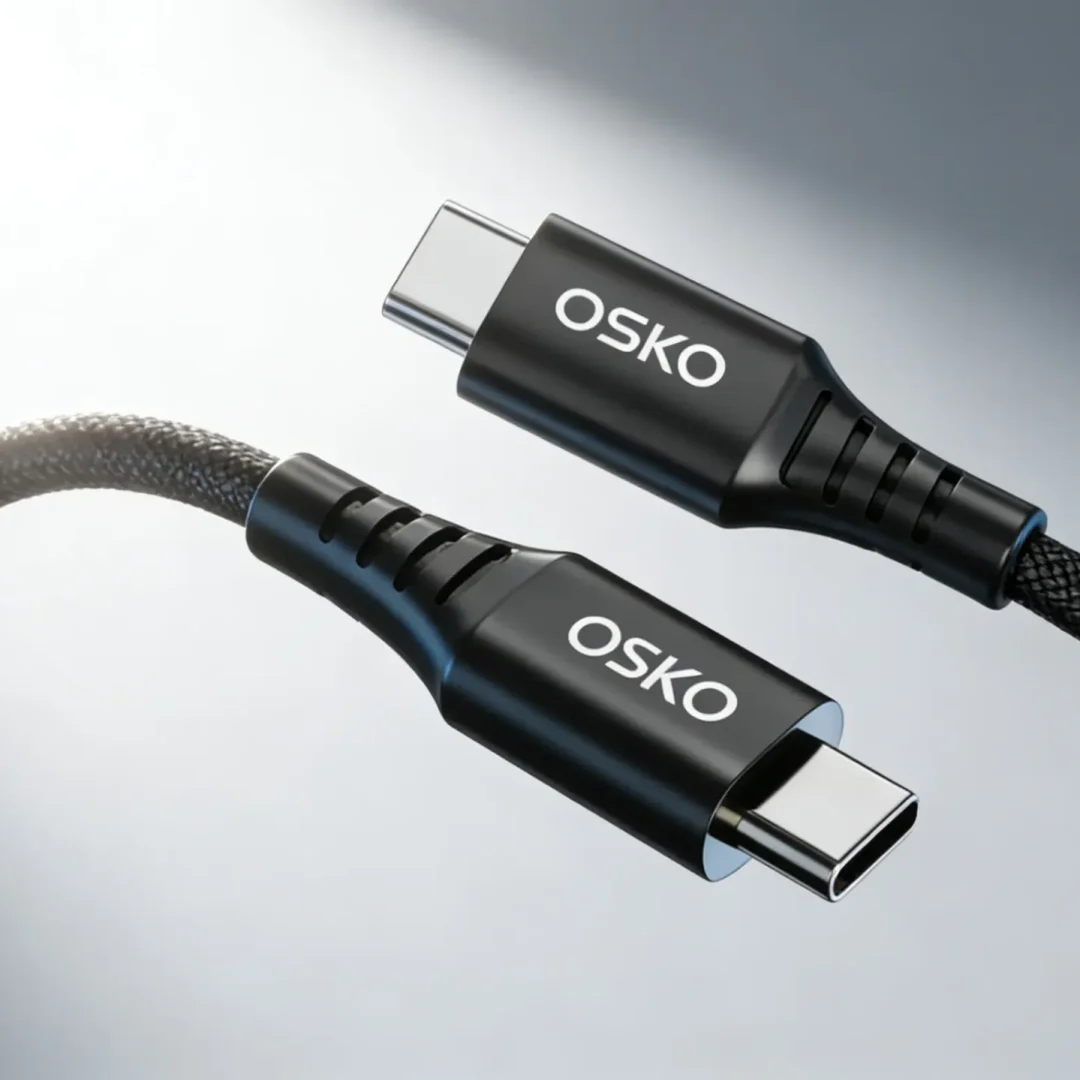
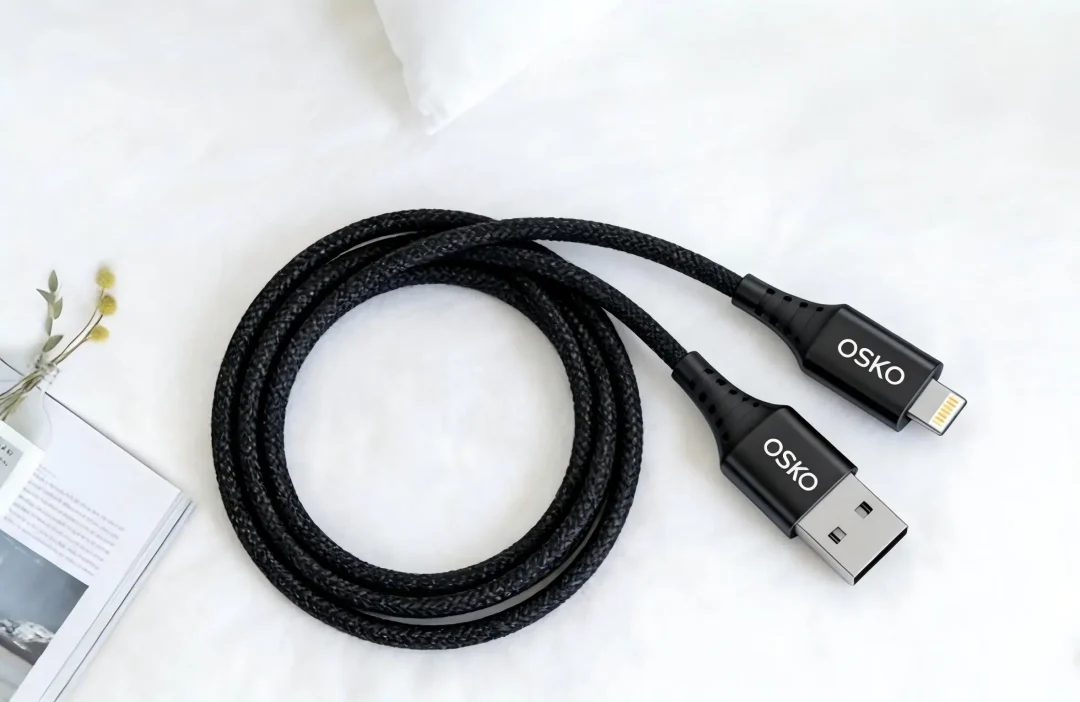
To meet these expectations, suppliers increasingly adopt nylon braided Lightning cable supplier solutions that provide improved abrasion resistance and longer lifespan compared with standard PVC cables.
In retail environments across North America and Europe, packaging quality and product durability directly influence return rates and brand perception.
OEM and ODM Lightning Cable Manufacturing
OEM and ODM clients require scalable production with strong customization capabilities.
Typical requirements include:
Private label branding
Custom packaging design
Cable length variations
Connector customization
Color-coded braided designs
OSKO provides OEM Lightning cable and ODM Lightning cable solutions designed for global electronics brands, accessory companies, and promotional product distributors.
From a technical standpoint, OEM Lightning cables must integrate MFi-certified chips to ensure secure communication between Apple devices and accessories. Without proper chip integration, iOS systems may reject the accessory or limit charging performance.
This is especially critical for USB-C to Lightning cable products used in fast charging configurations with PD wall adapters.
Desk Charging Systems and Office Environments
Desk charging environments require stable, long-duration performance and mechanical durability.
Modern office setups often include:
iPhones for communication
iPads for productivity
Docking stations and monitors
Multiple charging accessories
To ensure stable operation, professional users prefer:
Braided Lightning cables
Reinforced connector housings
Extended cable lengths (6ft–10ft)
Tangle-free cable structures
In corporate environments, bulk custom 6ft 10ft USB-C cables and Lightning variants are commonly used for workstation charging setups where flexibility and durability are essential.
Travel and Automotive Charging Applications
Travel and automotive environments expose cables to mechanical stress, temperature variation, and repeated movement.
Common engineering challenges include:
Connector strain during motion
Cable tangling in bags or vehicles
Heat exposure inside cars
Frequent plugging/unplugging cycles
To solve these issues, manufacturers developed:
Braided Lightning cables for durability
Coiled charging cables for compact storage
Right-angle connectors for reduced stress
Reinforced strain-relief designs
As a result, tangle-free double-braided USB C cable wholesale designs have influenced Lightning cable engineering for automotive accessories and travel kits.
Purchase Recommendations
Evaluate MFi Certification First
The most critical requirement for Apple Lightning cables is MFi certification.
MFi ensures:
Stable communication with Apple devices
Safe voltage regulation during charging
Compatibility with iOS updates
Prevention of accessory error messages
Without MFi certification, Lightning cables may fail unexpectedly after system updates or exhibit inconsistent charging behavior.
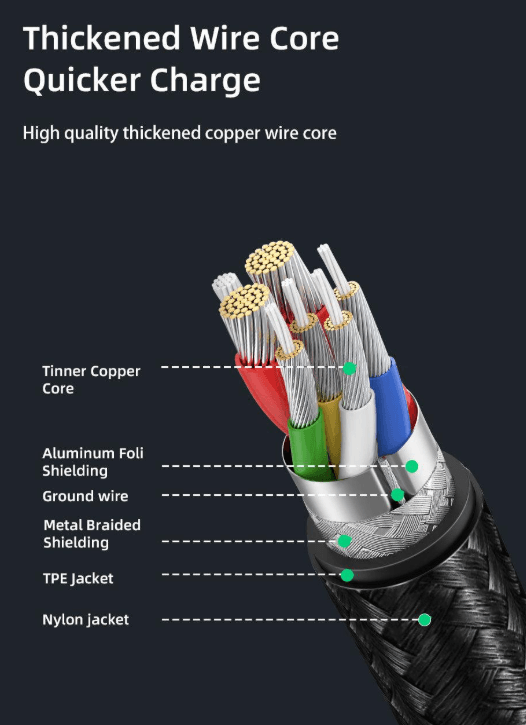
Analyze Material and Structural Design
Cable durability depends heavily on external and internal engineering.
Standard PVC cables often suffer from:
Surface cracking
Internal wire fatigue
Reduced flexibility
Tangling issues
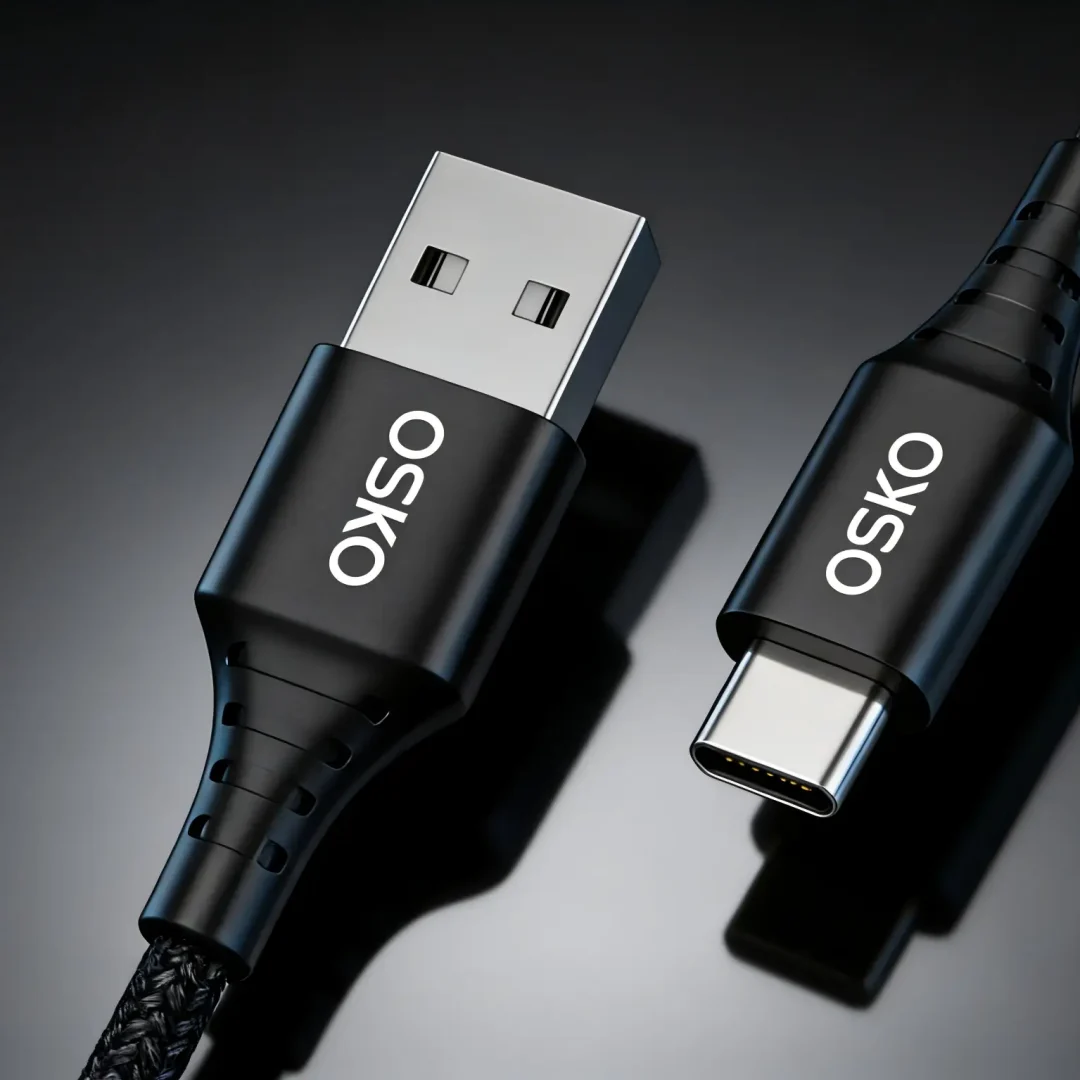
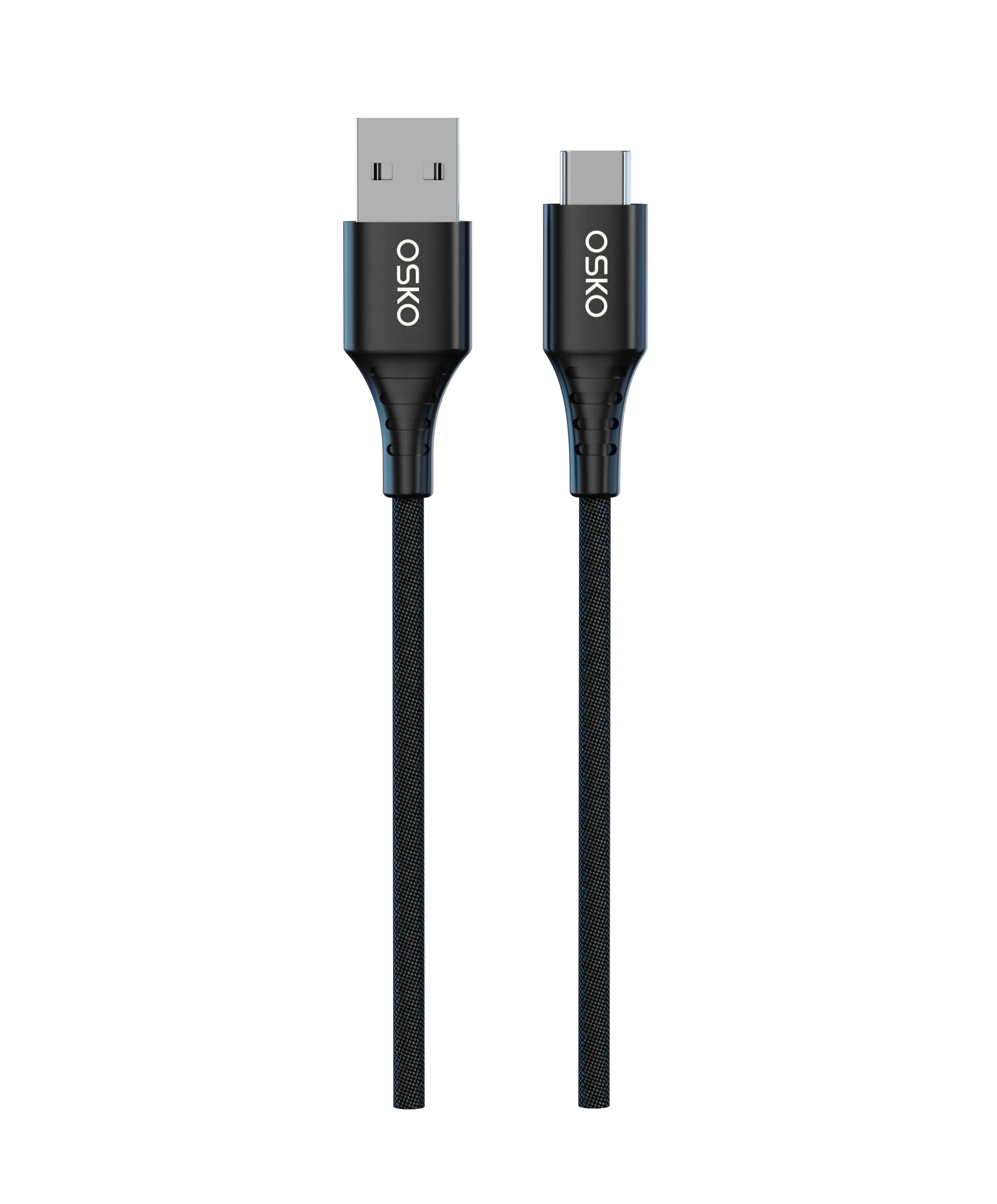
By comparison, durable nylon braided Type C charging cable factory design principles applied to Lightning cables provide:
Improved tensile strength
Enhanced bend resistance
Longer service life
Better thermal stability
This is particularly important for high-frequency charging environments such as retail, travel kits, and automotive accessories.
Evaluate Charging and Data Performance
High-quality Lightning cables must support both power delivery and stable data transmission.
Key engineering factors include:
Copper conductor thickness
Shielding structure
MFi chip quality
Voltage regulation design
Performance standards typically include:
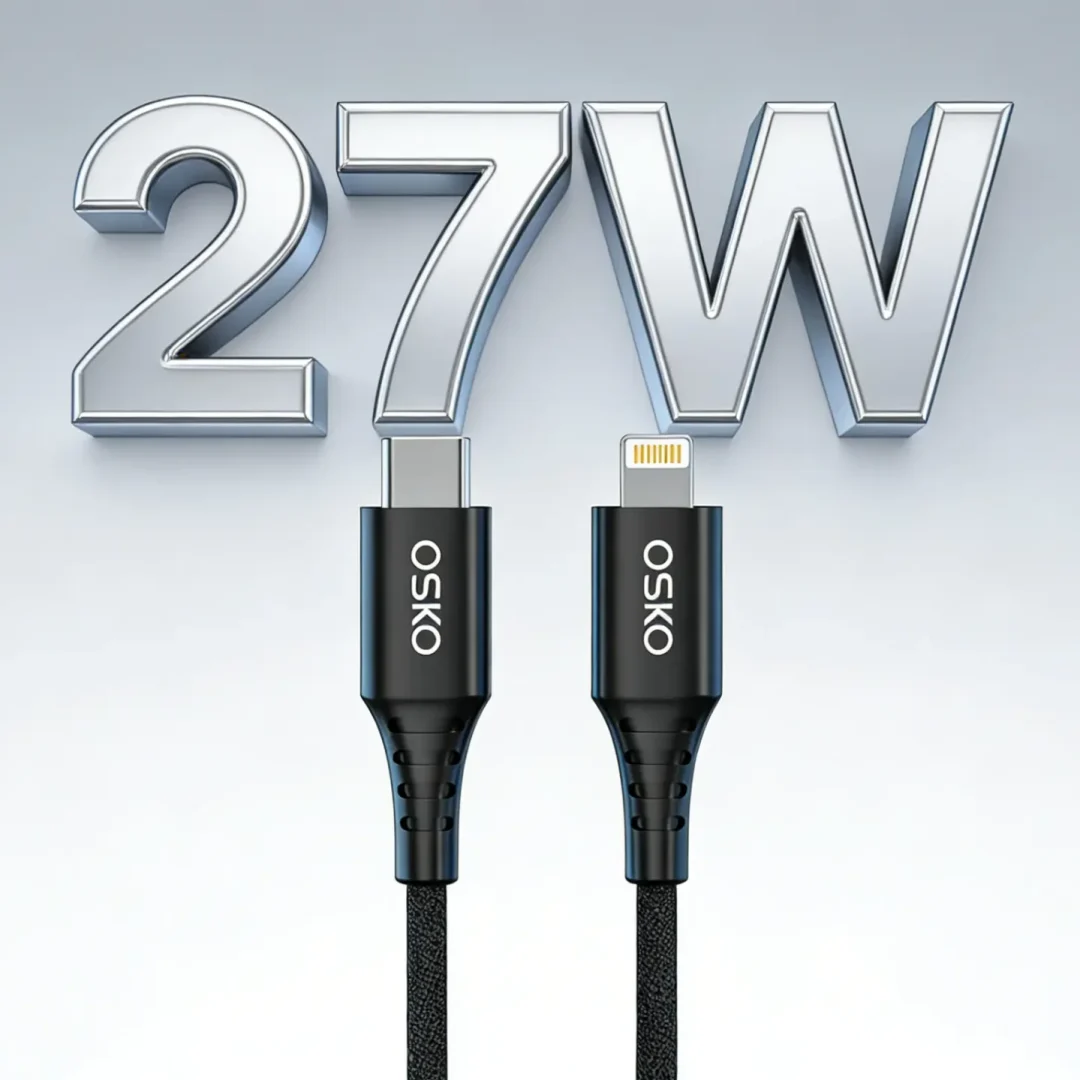
12W–20W fast charging (via USB-C PD adapter)
Stable iOS data synchronization
Reduced heat generation during charging cycles
For modern iPhone users, USB-C to Lightning cable remains the standard for fast charging compatibility.
Check Adapter Compatibility
Adapters play a key role in overall charging performance.
A reliable Lightning ecosystem requires:
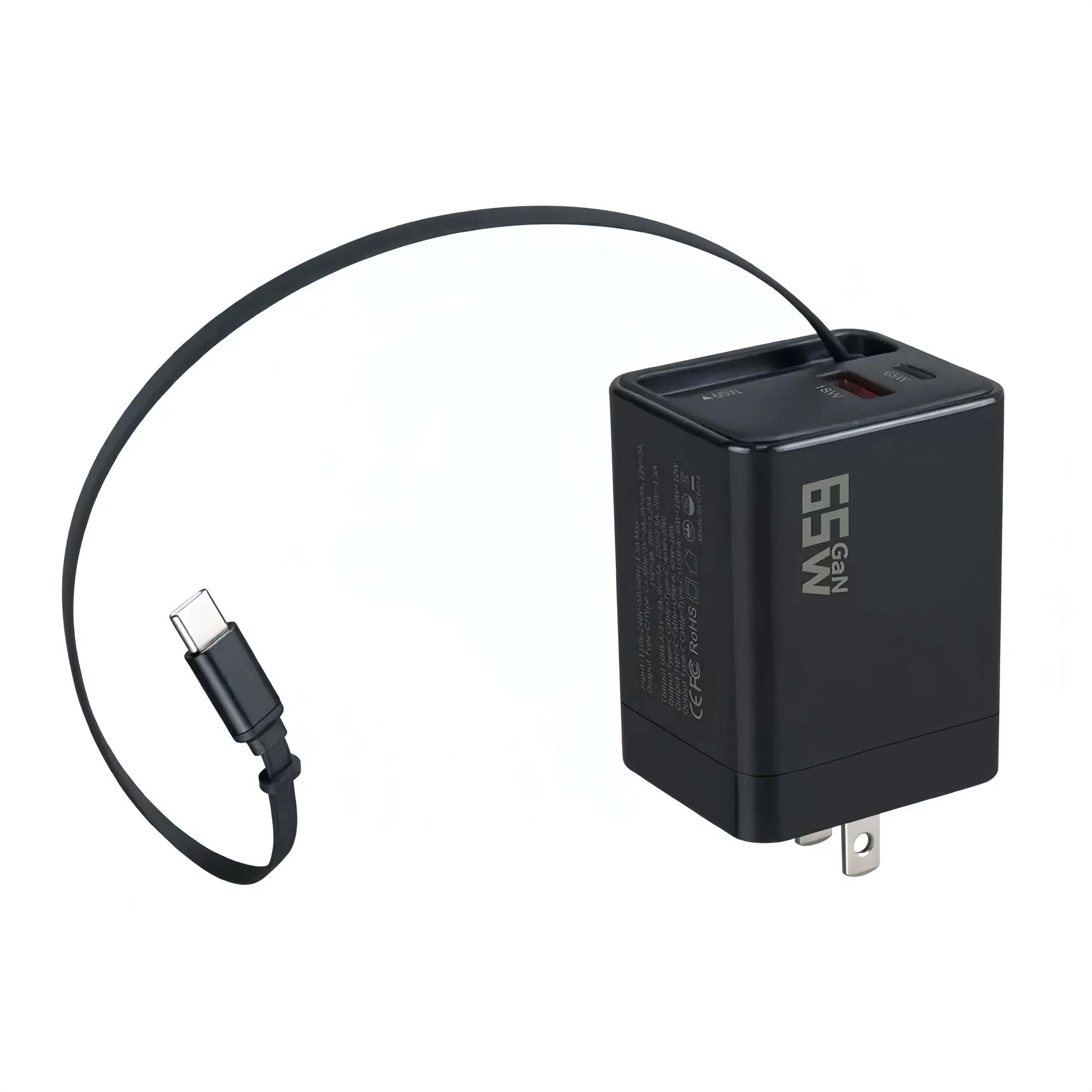
USB-C PD wall adapters
USB-A charging adapters (legacy support)
Multi-port charging hubs
When paired correctly, Apple Lightning cables and adapters ensure optimized charging efficiency across multiple device types.
Certification and Compliance Standards
For North American and European markets, compliance is essential.
Professional suppliers must meet:
MFi certification (Apple requirement)
CE certification
RoHS compliance
FCC approval
Prop 65 compliance
These certifications ensure safe operation, legal distribution, and compatibility with regional regulations.
Recommended Product Configurations
| Product Type | Length | Material | Application |
|---|---|---|---|
| USB-C to Lightning Cable | 3ft | Nylon Braided | Fast charging travel use |
| MFi Lightning Cable | 6ft | Double Braided Nylon | Desk charging systems |
| USB-A to Lightning Cable | 6ft | Reinforced PVC | Retail and legacy charging |
| Right-Angle Lightning Cable | 3–6ft | Braided Nylon | Car charging systems |
| OEM Custom Lightning Cable | Custom | Premium Braided | Wholesale and branding projects |
FAQ
Why is MFi certification required for Lightning cables?
MFi certification ensures compatibility with Apple devices, safe charging behavior, and long-term system stability across iOS updates.
Are nylon braided Lightning cables more durable?
Yes. Nylon braided cables provide superior abrasion resistance, improved flexibility, and longer lifespan compared to standard PVC cables.
Can Lightning cables support fast charging in 2026?
Yes. When paired with a USB-C PD adapter, Lightning cables support up to 20W fast charging for compatible iPhones.
What is the advantage of OEM Lightning cable production?
OEM production allows brands to customize packaging, length, color, and branding while maintaining certified manufacturing standards.
Are Lightning cables still relevant in 2026?
Yes. Many iPhones and iPads still use Lightning interfaces, making them highly relevant in retail, enterprise, and accessory markets.
Summary
The Apple Lightning cable and adapter ecosystem remains an important segment of the global charging accessory market in 2026, particularly across North America and Europe where large installed bases of Apple devices continue to rely on Lightning connectivity.
From an engineering perspective, nylon braided Lightning cables significantly improve durability, thermal stability, and mechanical resistance compared to standard PVC alternatives. When combined with MFi-certified chipsets and properly designed USB-C PD charging adapters, they ensure stable fast charging and reliable data transmission.
For OEM, ODM, wholesale, and retail buyers, selecting a qualified supplier is essential. Key factors include certification compliance, material engineering, connector design, and customization capability.
OSKO’s approach integrates Apple Lightning cables and adapters into a unified engineering system designed for desk charging, travel kits, automotive environments, and large-scale distribution.
By choosing professionally manufactured Lightning solutions, buyers can reduce failure rates, improve end-user satisfaction, and maintain consistent performance across global markets.