
Introduction
The demand for Apple Lightning cables remains strong in 2026, even as USB-C adoption expands across global device ecosystems. Millions of iPhone, iPad, and accessory users still rely on Lightning interfaces for charging and data transfer, especially in North American and European markets where legacy Apple devices continue to dominate retail and enterprise usage.
However, not all Lightning cables deliver the same level of performance. Differences in MFi certification, internal chip design, conductor quality, and material structure can significantly affect charging stability, data transfer speed, and long-term durability.
From a supply chain perspective, wholesale buyers, OEM brands, and retail distributors must carefully evaluate Lightning cable suppliers to ensure compliance, reduce return rates, and maintain product consistency across large-volume orders. This becomes especially important for Apphone Lightning cable supplier partnerships that focus on scalable production, certified quality control, and global distribution support.
This guide explains how to evaluate the best Apple Lightning cables of 2026, focusing on engineering performance, certification standards, application scenarios, and wholesale procurement strategy.

Applicable Scenarios
Retail Lightning Cable Distribution
Retail markets continue to be one of the largest demand drivers for Apple Lightning cables, particularly in regions where iPhone usage remains dominant.
In practical applications, retail buyers prioritize:
Fast charging stability
Apple MFi certification
Durable connector structure
Tangle-free cable design
Attractive packaging for shelf display
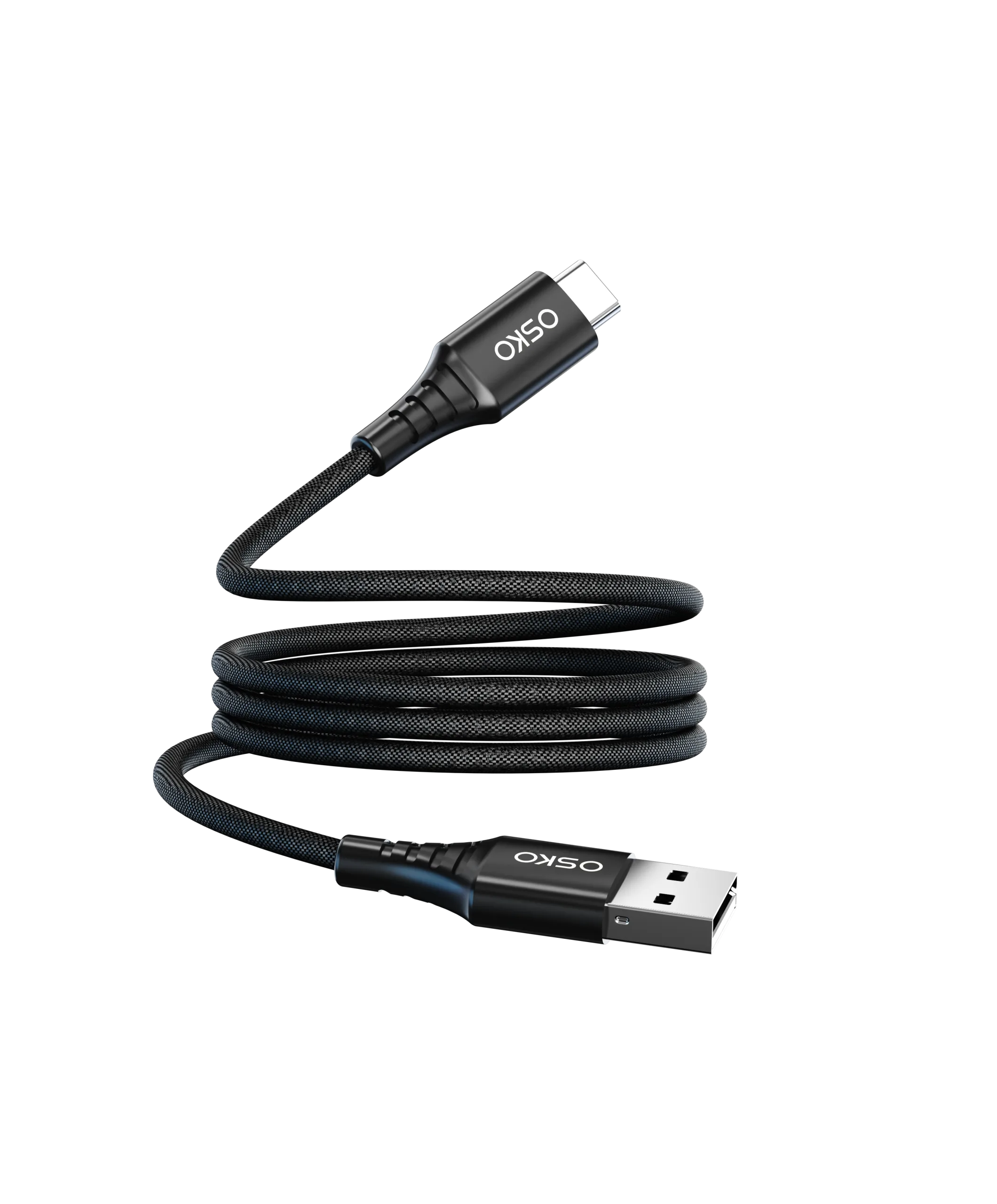
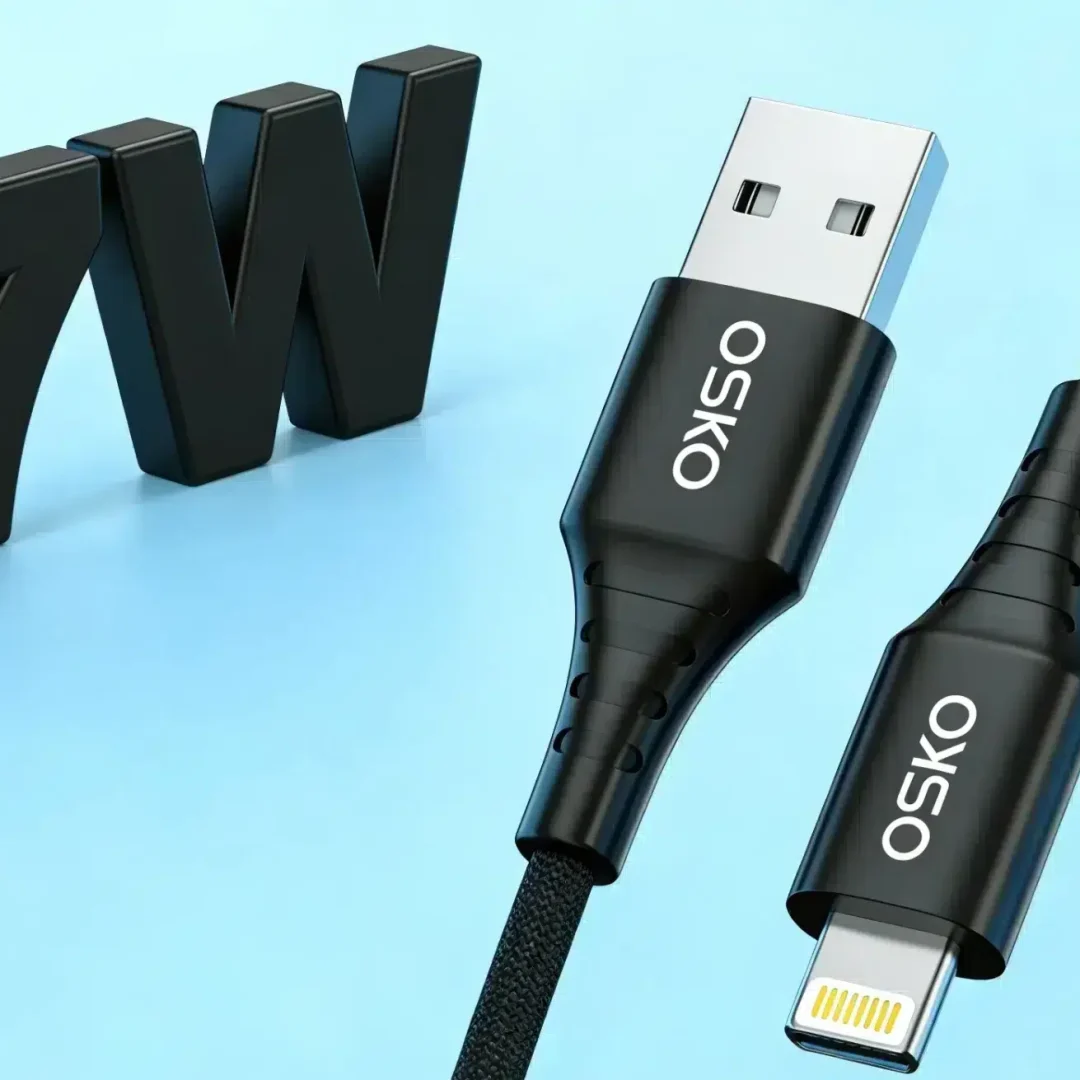
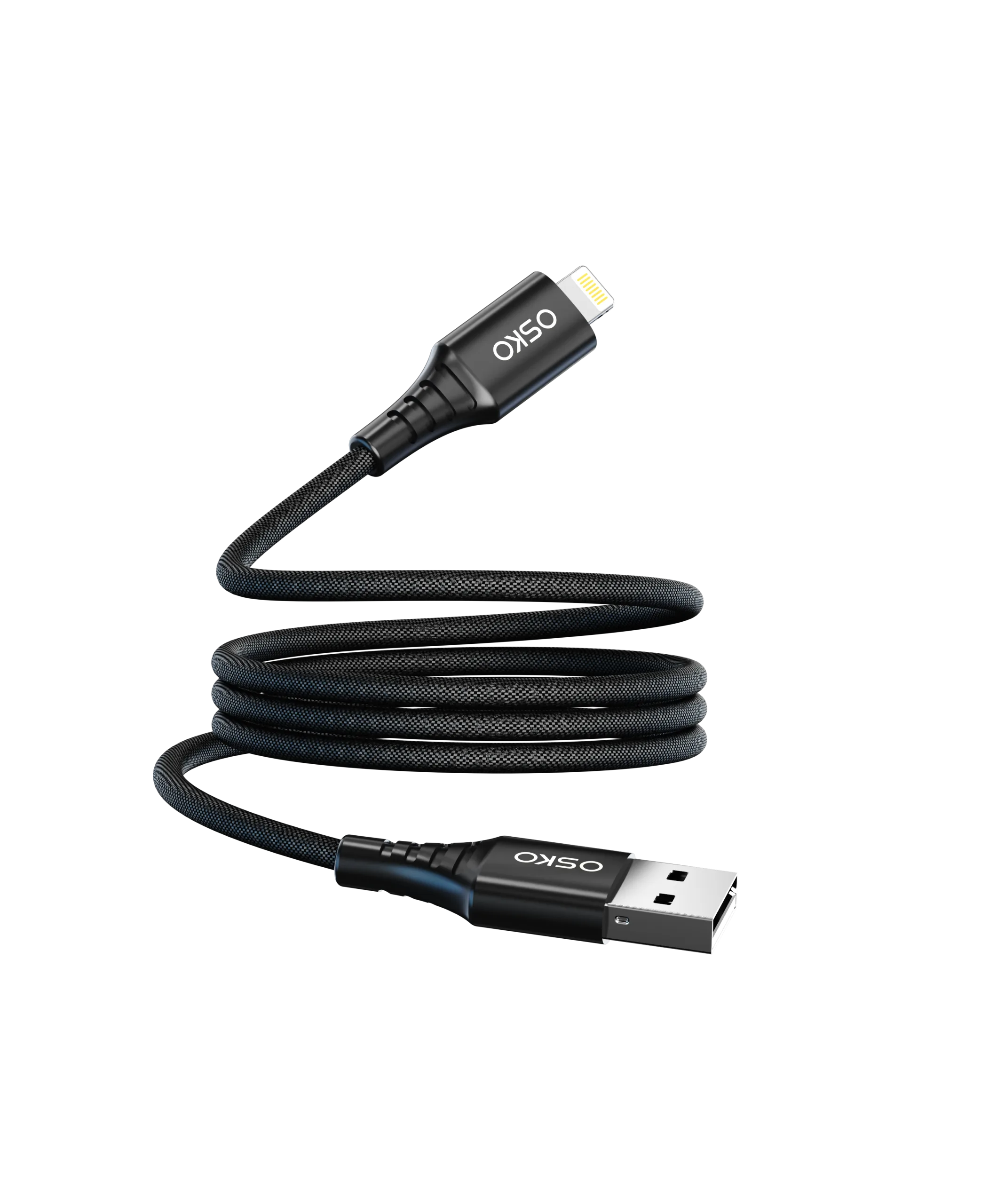
To meet these requirements, many suppliers now offer heavy duty braided Lightning cable manufacturer solutions designed for retail packaging and long-term consumer use.
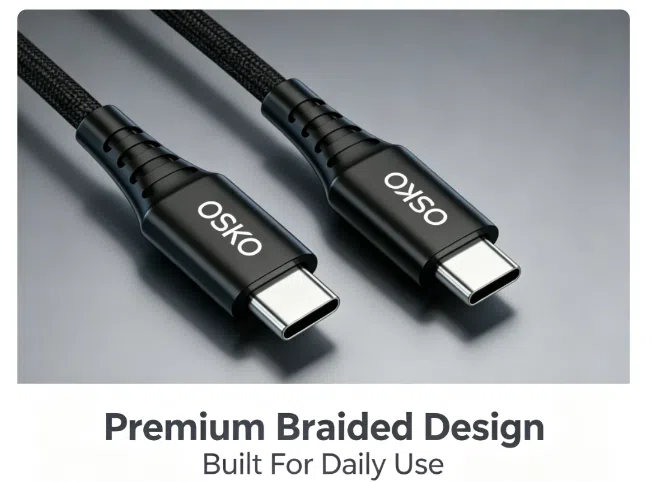
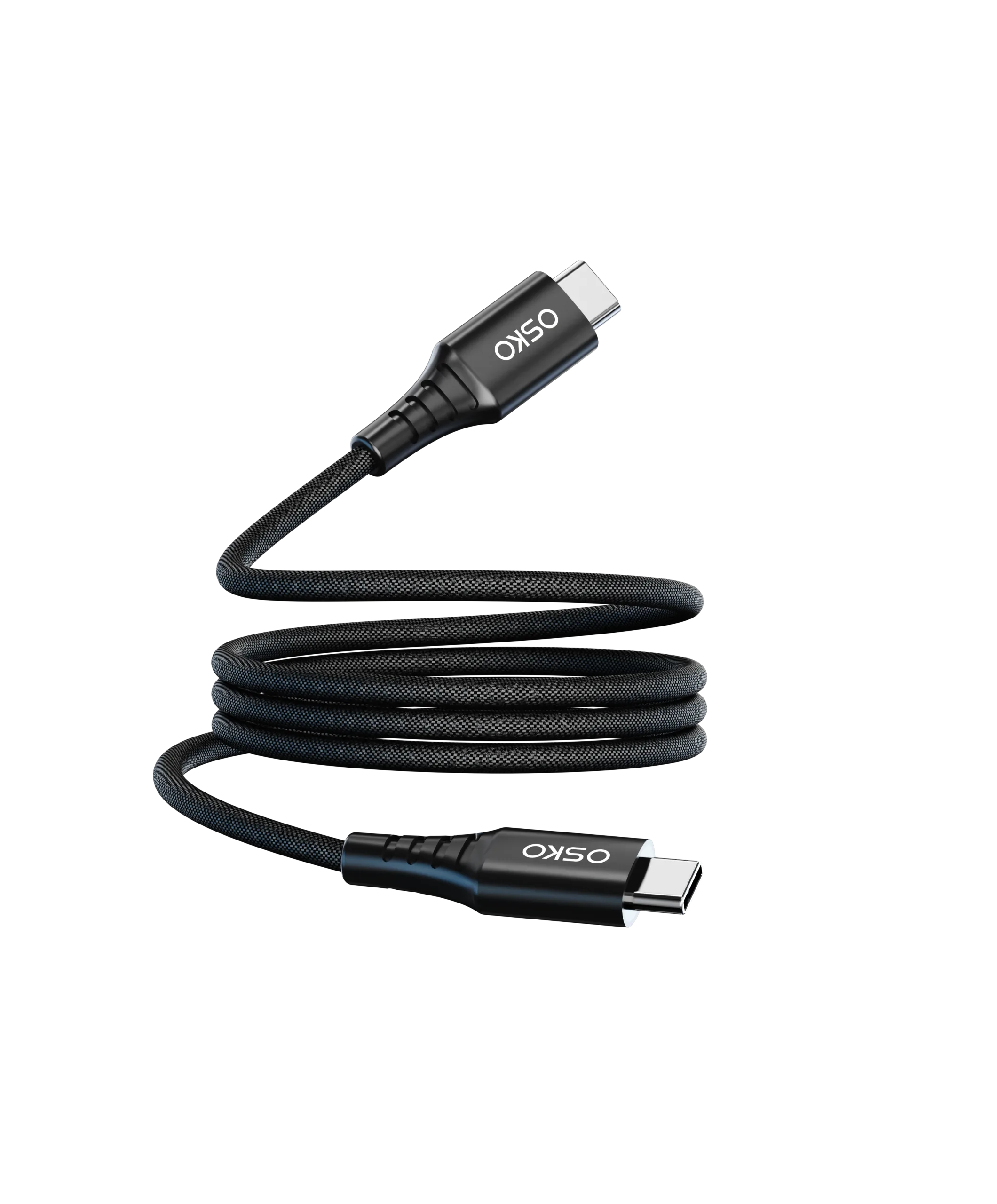
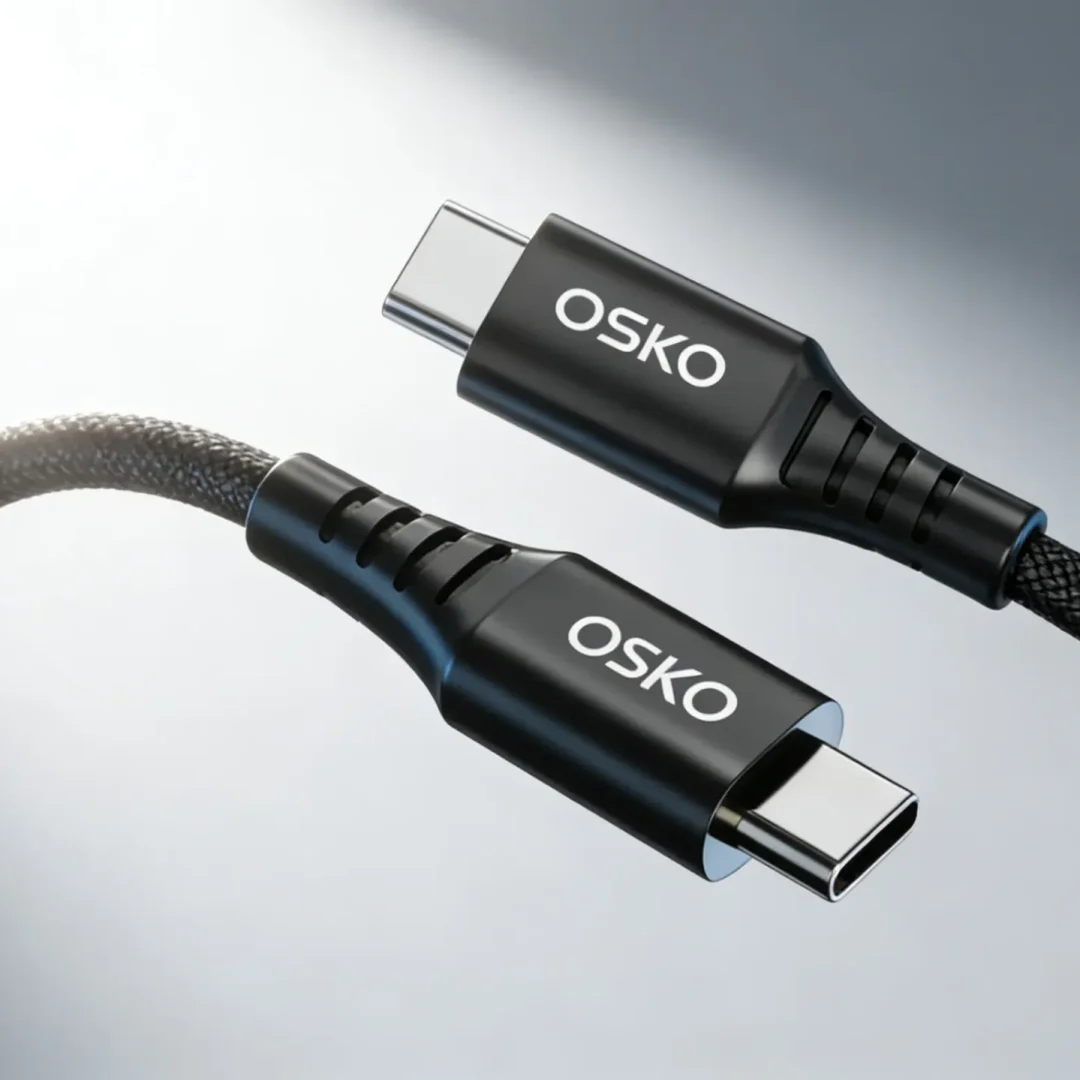
Compared with standard PVC cables, braided Lightning cables provide improved abrasion resistance and reduced tangling, making them more suitable for daily consumer handling.
OEM and ODM Lightning Cable Projects
OEM and ODM buyers require more advanced customization compared to retail distributors.
Typical requirements include:
Custom logo branding
Private label packaging
Cable length customization
Color variation (black, white, custom braided tones)
Region-specific compliance certification
To support this demand, manufacturers provide OEM Lightning cable and ODM Lightning cable production services for global brands.
From an engineering perspective, Lightning cables must integrate Apple-certified MFi chips to ensure stable communication between devices and prevent compatibility errors such as “accessory not supported” warnings.
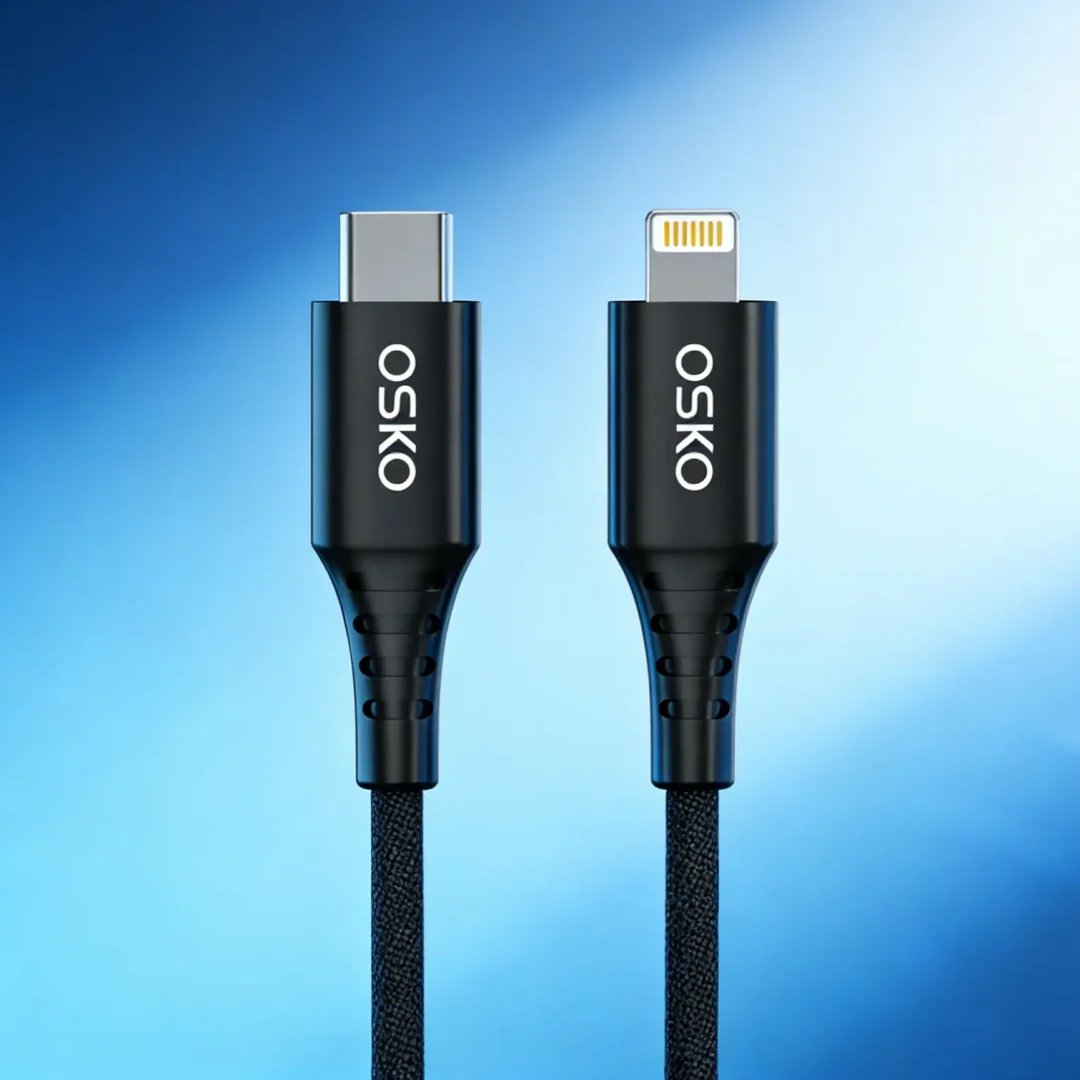
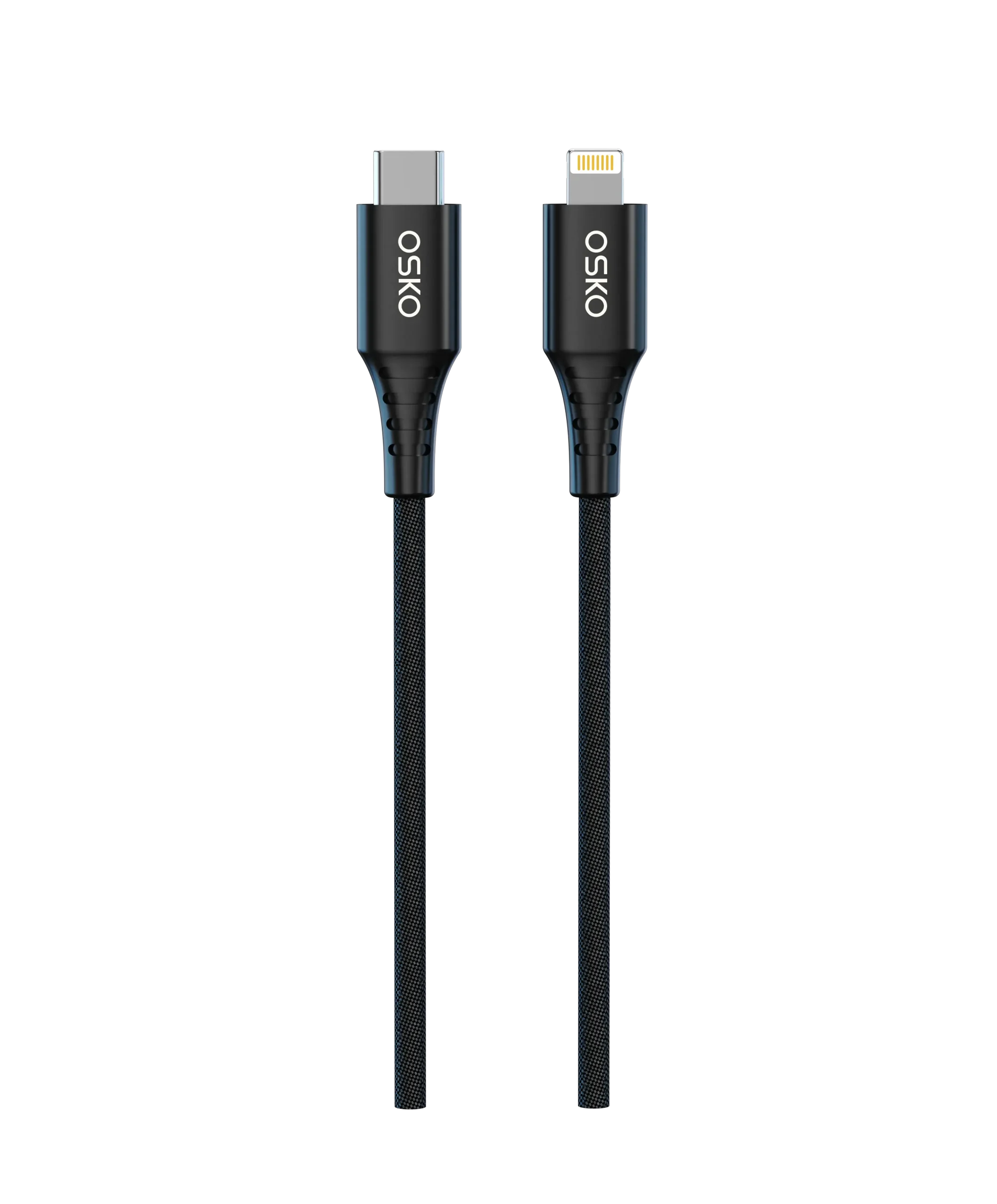
This is especially important for USB-C to Lightning cable products designed for fast charging iPhones using PD adapters.
Desk Charging Cable Systems
Desk environments require stable and long-lasting charging performance.
In office and home workstation setups, users often connect iPhones or iPads for extended periods while syncing data or charging simultaneously.
To improve reliability, professional buyers prefer:
Braided Lightning cables
Reinforced connector housings
Extended cable lengths (6ft–10ft)
Tangle-free cable structures
In North American office environments, longer cables are commonly used for desk flexibility. Therefore, bulk custom 6ft 10ft USB-C cables and Lightning variants are widely adopted in enterprise accessory kits.
This ensures stable charging performance while reducing wear caused by constant cable movement
Travel and Automotive Charging Applications
Travel environments and vehicle charging systems introduce additional stress on Lightning cables.
Frequent movement, vibration, and temperature variation can quickly degrade low-quality cables.
To solve this issue, manufacturers developed:
Braided Lightning cables
Coiled charging cables
Right-angle connector designs
Reinforced strain-relief structures
For automotive use, Lightning cables must maintain stable power delivery even when connected to fluctuating car charger outputs.
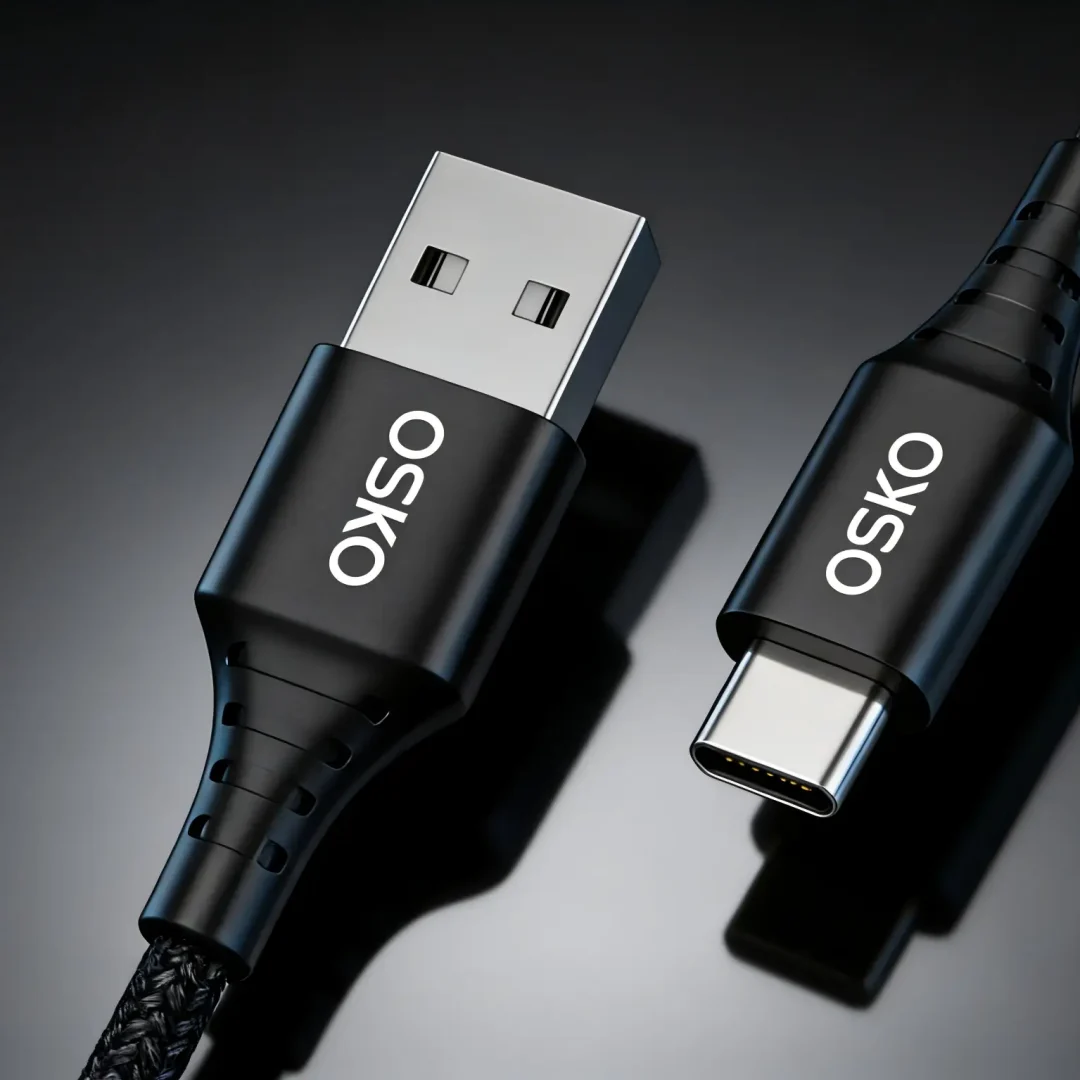
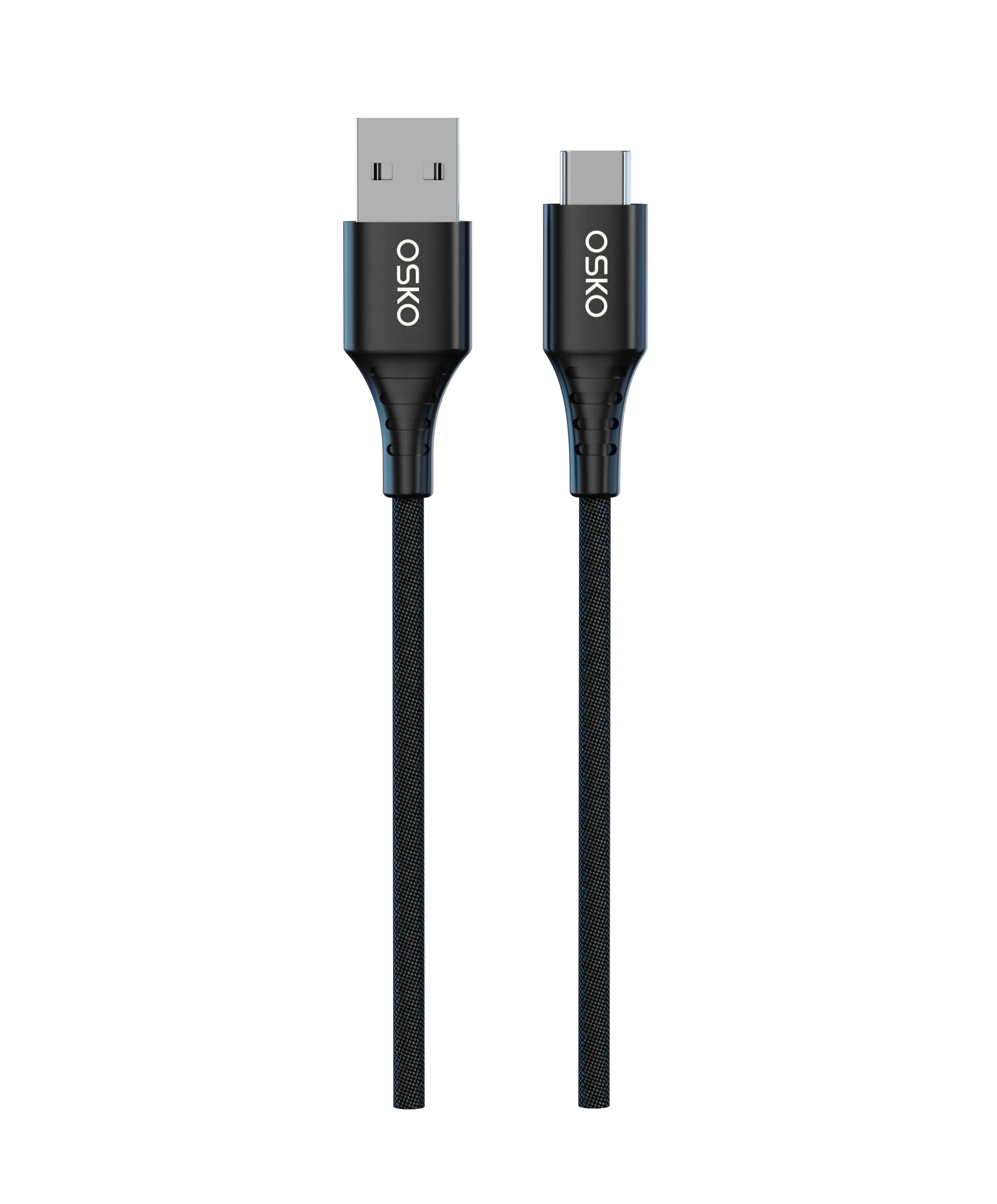
As a result, tangle-free double-braided USB C cable wholesale and Lightning equivalents are widely used in travel kits and car charging accessories.
Purchase Recommendations
Evaluate MFi Certification
The most critical factor in selecting an Apple Lightning cable is MFi certification.
MFi (Made for iPhone/iPad) ensures:
Stable device communication
Safe charging voltage regulation
Compatibility with iOS updates
Reduced risk of “unsupported accessory” errors
Without MFi certification, Lightning cables often fail after system updates or generate unstable charging behavior.
For wholesale buyers, verifying certification is essential before large-scale procurement.
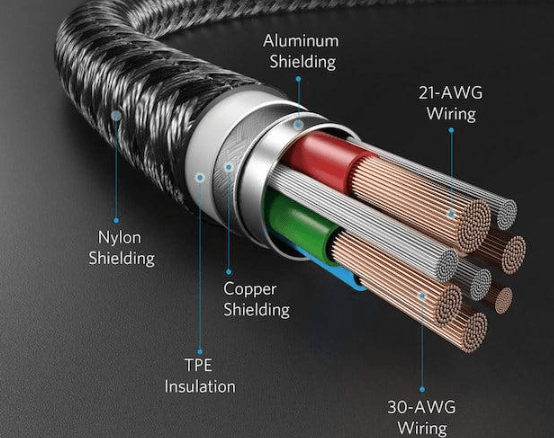
Assess Cable Material and Construction
Cable durability depends heavily on material structure.
Standard PVC Lightning cables often suffer from:
Surface cracking
Connector wear
Internal wire breakage
Tangling issues
By comparison, durable nylon braided Type C charging cable factory style construction (adapted for Lightning cables) provides:
Higher tensile strength
Better bend resistance
Improved heat tolerance
Longer lifespan under daily use
This makes braided Lightning cables ideal for retail and OEM applications targeting long-term customer satisfaction.
Analyze Charging and Data Performance
Lightning cables support both charging and data transfer, but performance varies by internal design.
Key engineering factors include:
Copper conductor thickness
Internal shielding structure
MFi chip quality
Voltage regulation stability
High-quality Apple Lightning cables support:
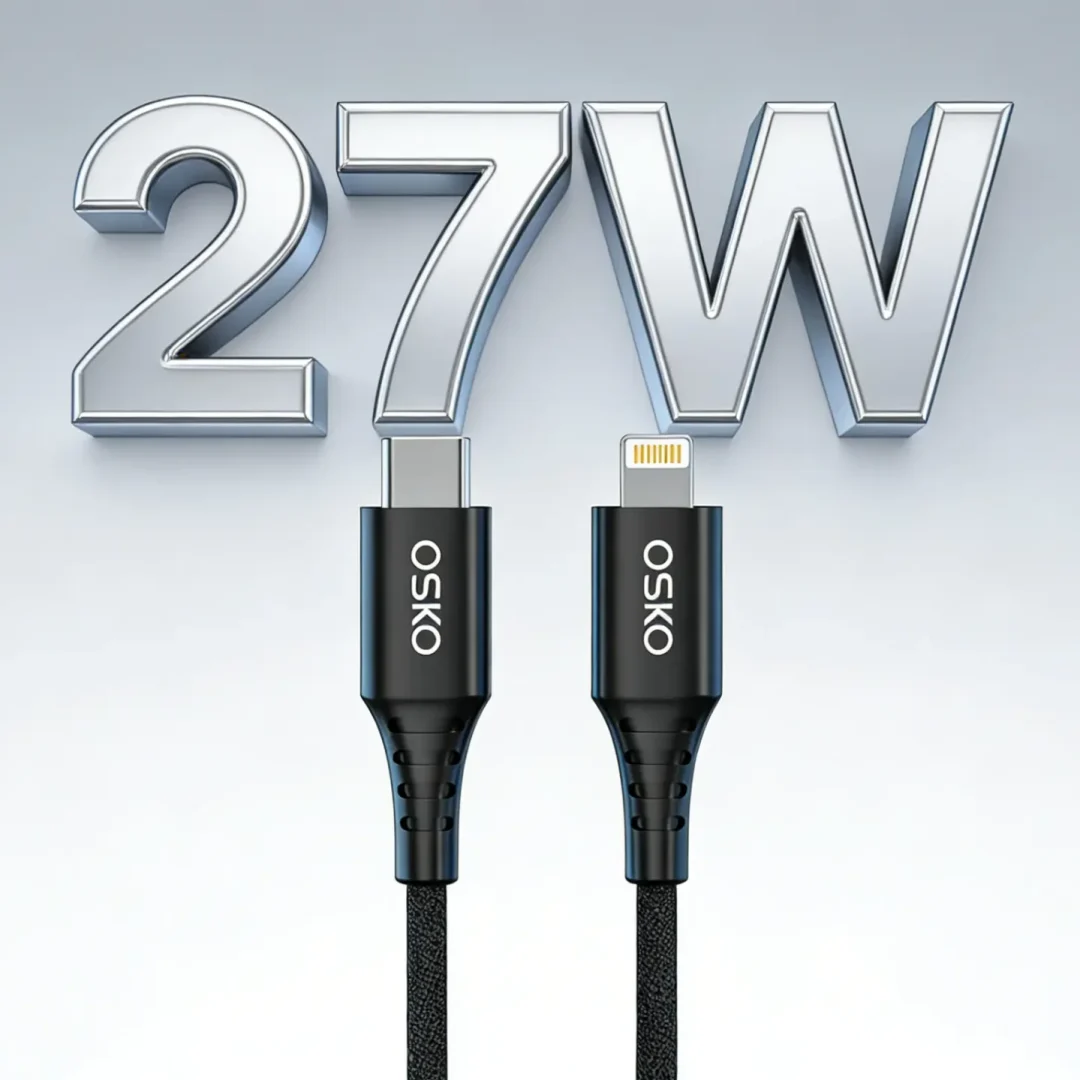
12W–20W fast charging (via PD adapter)
Stable data sync with iTunes and file systems
Reduced heat generation during charging
For modern iPhones, USB-C to Lightning cable solutions remain the standard for fast charging compatibility.
Certification and Compliance Standards
For North American and European markets, compliance is essential.
Professional suppliers should provide:
MFi certification (Apple requirement)
CE certification
RoHS compliance
FCC approval
Prop 65 compliance (for US distribution)
For example, FCC approved nylon braided USB C cable supplier frameworks often extend into Lightning cable production lines for consistent regulatory compliance.
Recommended Lightning Cable Types (2026)
| Cable Type | Length | Material | Recommended Use |
|---|---|---|---|
| USB-C to Lightning Cable | 3ft | Nylon Braided | Fast charging, travel |
| USB-A to Lightning Cable | 6ft | Reinforced PVC | Retail, standard charging |
| MFi Braided Lightning Cable | 6ft | Double Braided Nylon | Desk charging systems |
| Right-Angle Lightning Cable | 3–6ft | Reinforced Braided | Car charging use |
| OEM Custom Lightning Cable | Custom | Premium Braided | Branding and wholesale |
FAQ
Why is MFi certification important for Lightning cables?
MFi certification ensures compatibility with Apple devices and guarantees safe charging performance and system stability across iOS updates.
Are braided Lightning cables better than standard cables?
Yes. Braided cables offer improved durability, reduced tangling, and longer lifespan compared with standard PVC cables.
Can Lightning cables support fast charging in 2026?
Yes. When paired with a PD adapter and using a USB-C to Lightning cable, fast charging up to 20W is supported for compatible iPhones.
What is the best Lightning cable for wholesale buyers?
Wholesale buyers typically prefer MFi-certified braided Lightning cables due to their balance of durability, compliance, and retail performance.
Can Lightning cables be customized for OEM brands?
Yes. OEM and ODM suppliers offer custom lengths, colors, packaging, and branding for Lightning cable production.
Summary
Selecting the best Apple Lightning cables in 2026 requires careful evaluation of certification standards, material engineering, charging performance, and supplier capability.
From a technical perspective, MFi-certified braided Lightning cables provide significantly improved durability, stable charging performance, and long-term reliability compared with non-certified alternatives. These advantages are especially important in retail, OEM, and wholesale distribution channels across North American and European markets.
At the same time, proper Lightning cable selection must consider use-case scenarios such as desk charging systems, travel kits, automotive charging environments, and enterprise accessory bundles. Each scenario requires different cable lengths, connector structures, and material reinforcement strategies.
For Apphone and similar suppliers, delivering consistent quality, certified production, and scalable OEM/ODM support is essential for maintaining competitiveness in the global charging cable market.
By choosing professionally engineered Apple Lightning cables with MFi certification, braided construction, and optimized charging performance, buyers can reduce failure rates, improve customer satisfaction, and ensure stable fast charging across the Apple ecosystem in 2026 and beyond.