
Introduction
Many users assume that all charging cables are the same until they encounter a common problem: one cable charges their phone perfectly but doesn’t work with another device.
For example:
An iPhone cable may not charge an Android phone.
An Android charging cable may not provide enough power for a MacBook.
A MacBook charging cable may be unnecessarily powerful for smaller devices.
Buyers sourcing cables for retail or wholesale often struggle with inventory complexity.
As more devices adopt USB-C, while millions of Apple devices still use Lightning connectors, selecting the right cable has become increasingly confusing.
The good news is that choosing the correct cable becomes simple once you understand the connection standards, charging requirements, and device compatibility.
This guide explains which cables are suitable for iPhone, Android, and MacBook devices, helping consumers, retailers, and OEM buyers make informed purchasing decisions.
Applicable Scenarios
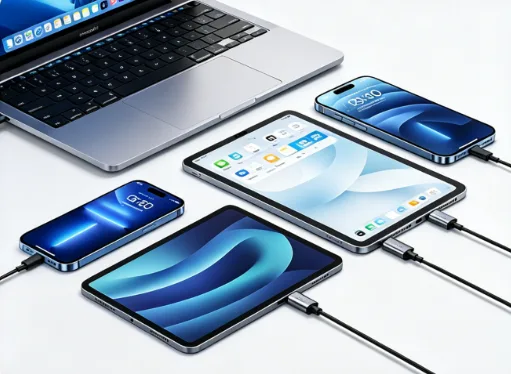
Charging Multiple Devices at Home
Modern households often contain a mix of devices:
iPhones
Android phones
MacBooks
Tablets
Power banks
The challenge is reducing cable clutter while maintaining compatibility.
In most cases, a combination of USB-C to USB-C cables and USB-C to Lightning cables can cover nearly all charging needs.
For families using newer Apple devices and modern Android phones, USB-C has become the most versatile solution.
Office and Desk Charging Setups
Office environments require reliability and convenience.
Employees often connect:
MacBooks
Smartphones
Wireless accessories
Docking stations
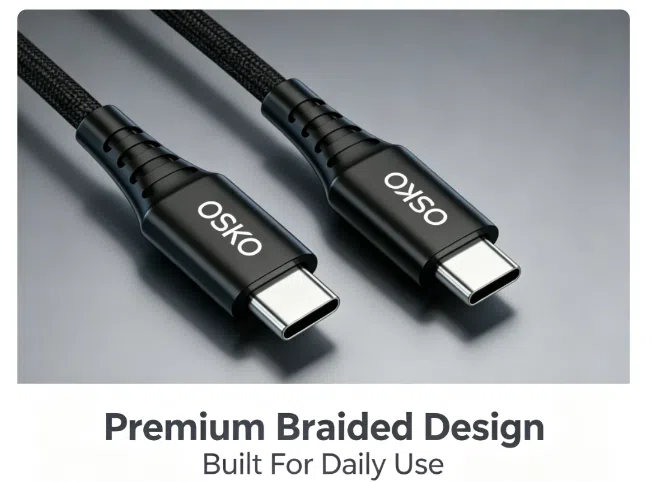
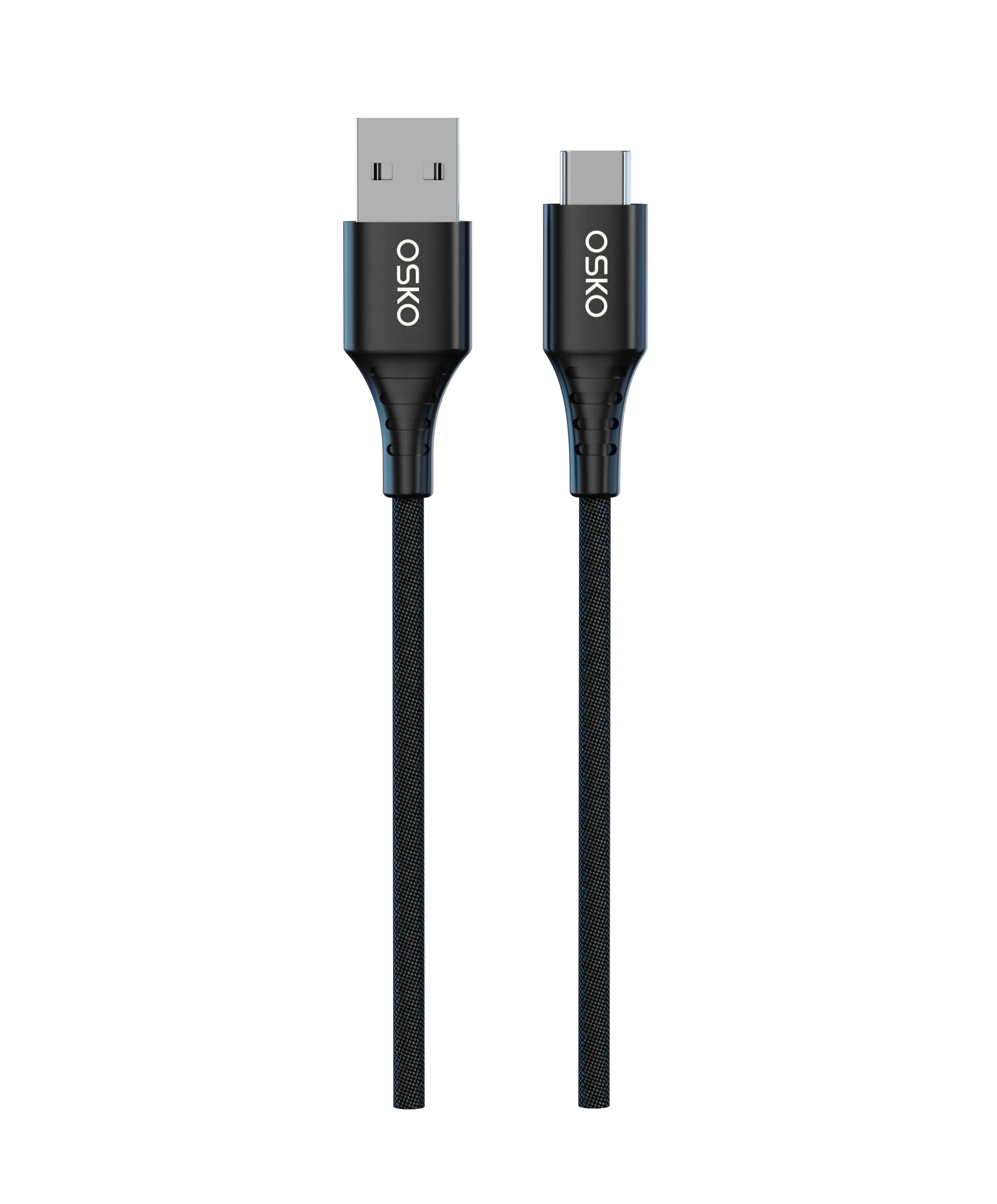
For these applications, high-quality nylon braided USB-C cables are commonly preferred because they offer:
Improved durability
Better cable management
Long service life
Stable fast charging performance
Many companies also choose OEM ODM custom length USB C cables to optimize workstation layouts.
Travel and Mobile Charging
Travelers need cables that support multiple devices while minimizing luggage space.
Instead of carrying several cables, users often choose:
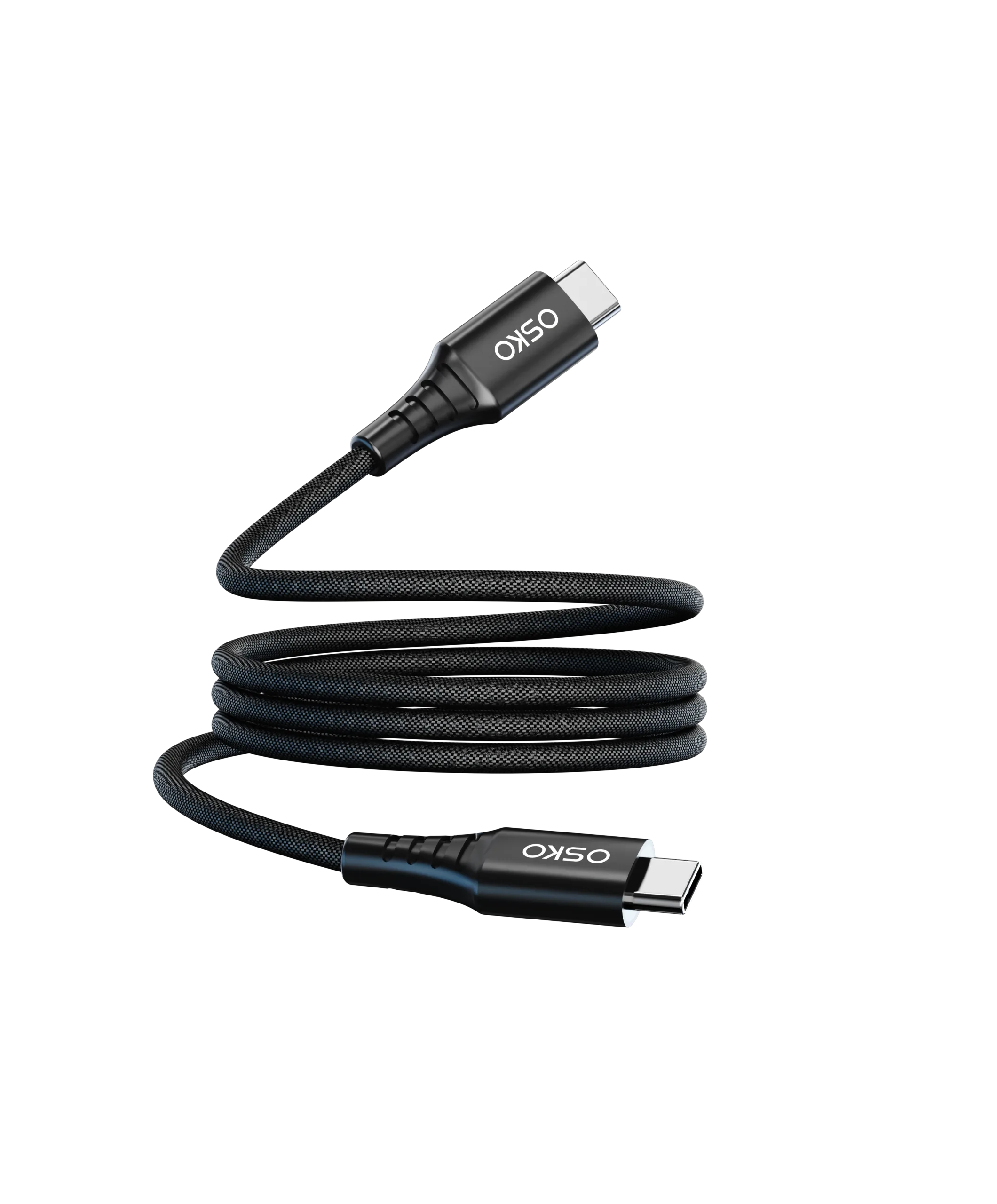
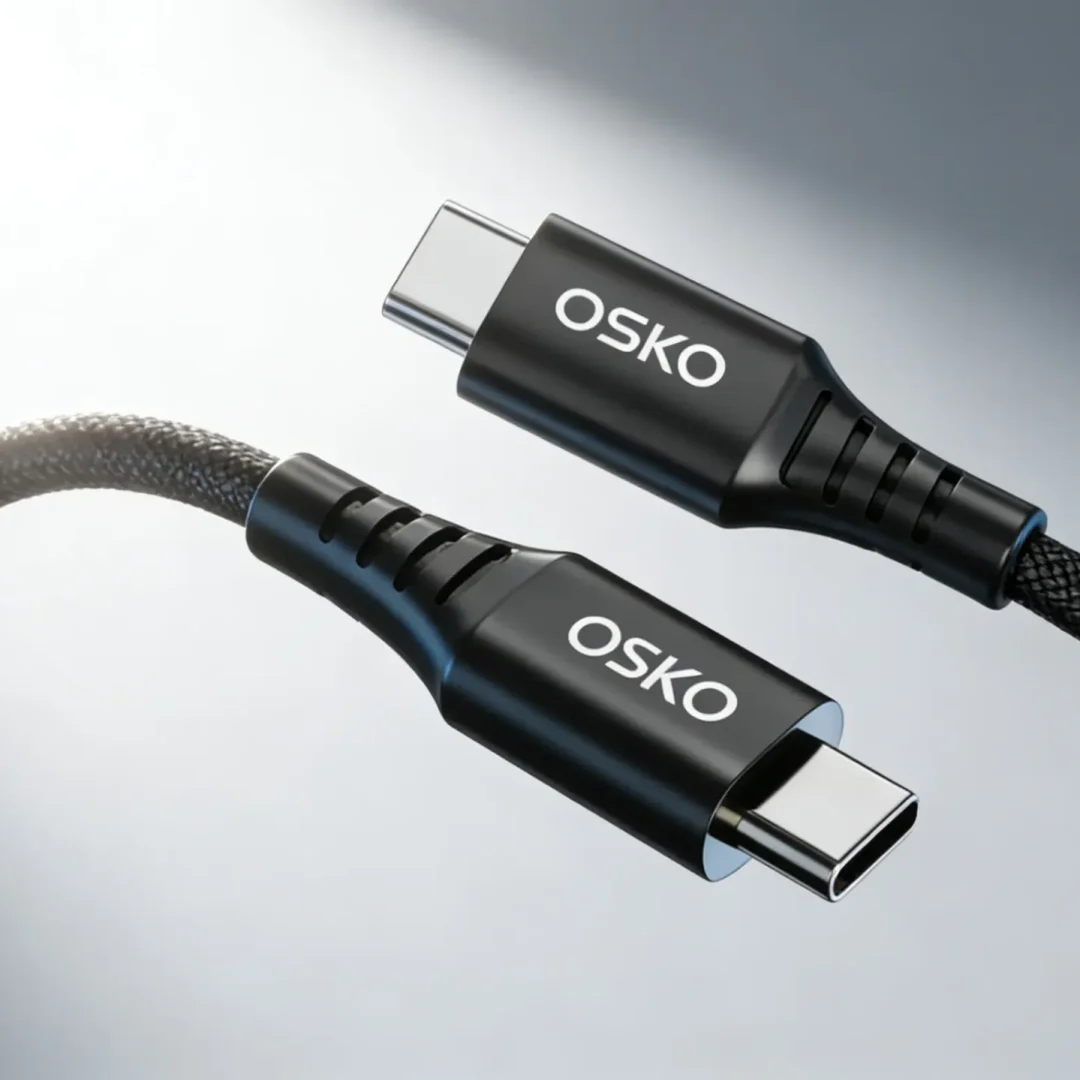
USB-C to USB-C cables for MacBooks and Android devices
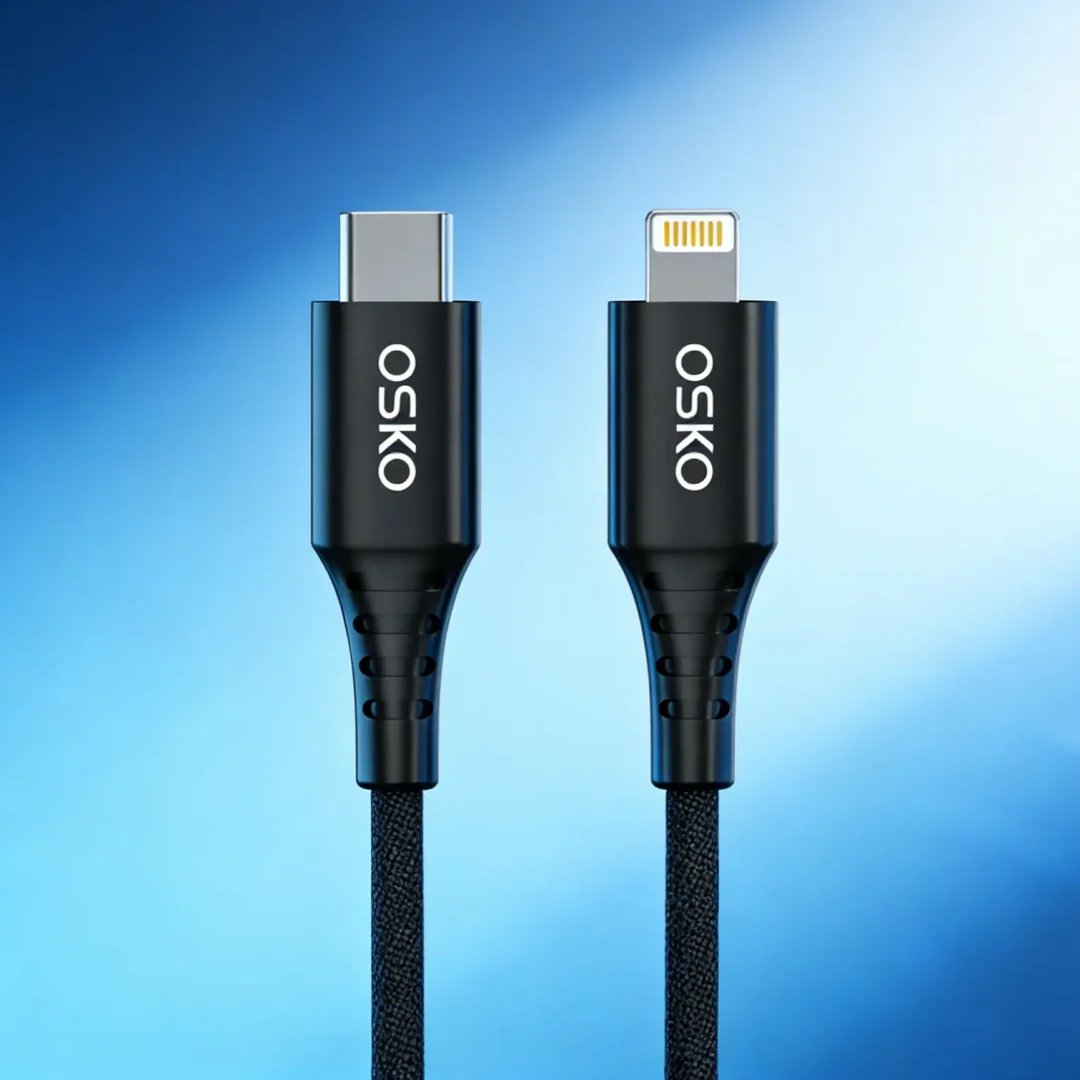
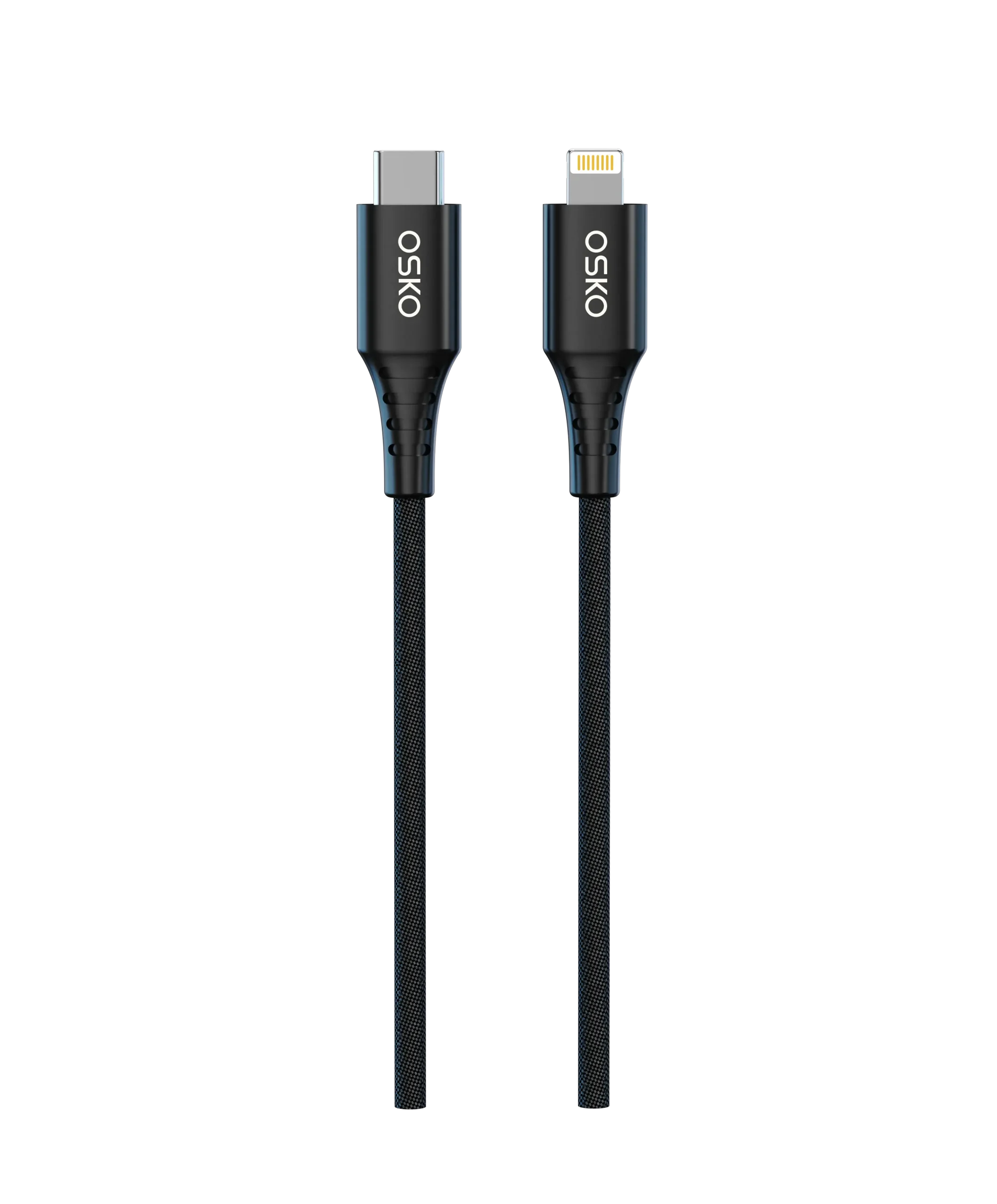
USB-C to Lightning cables for iPhones
This combination supports most modern charging scenarios.
For travel kits, tangle-free double-braided USB C cable wholesale designs are particularly popular due to their durability and compact storage.
Understanding Device Compatibility
Before selecting a cable, it’s important to understand which connector each device uses.
| Device Type | Common Connector |
|---|---|
| New MacBooks | USB-C |
| Most Android Phones | USB-C |
| Older iPhones | Lightning |
| Newer iPhones | USB-C |
| iPads (Recent Models) | USB-C |
| AirPods (Many Models) | Lightning or USB-C |
The connector determines which cable type is required.
However, charging speed depends on more than just the connector—it also depends on power delivery capability.
Which Cable Is Best for iPhone?
The answer depends on the iPhone model.
Older iPhones with Lightning Ports
These devices require:
Benefits include:
Fast charging support
MFi-certified compatibility
Reliable data transfer
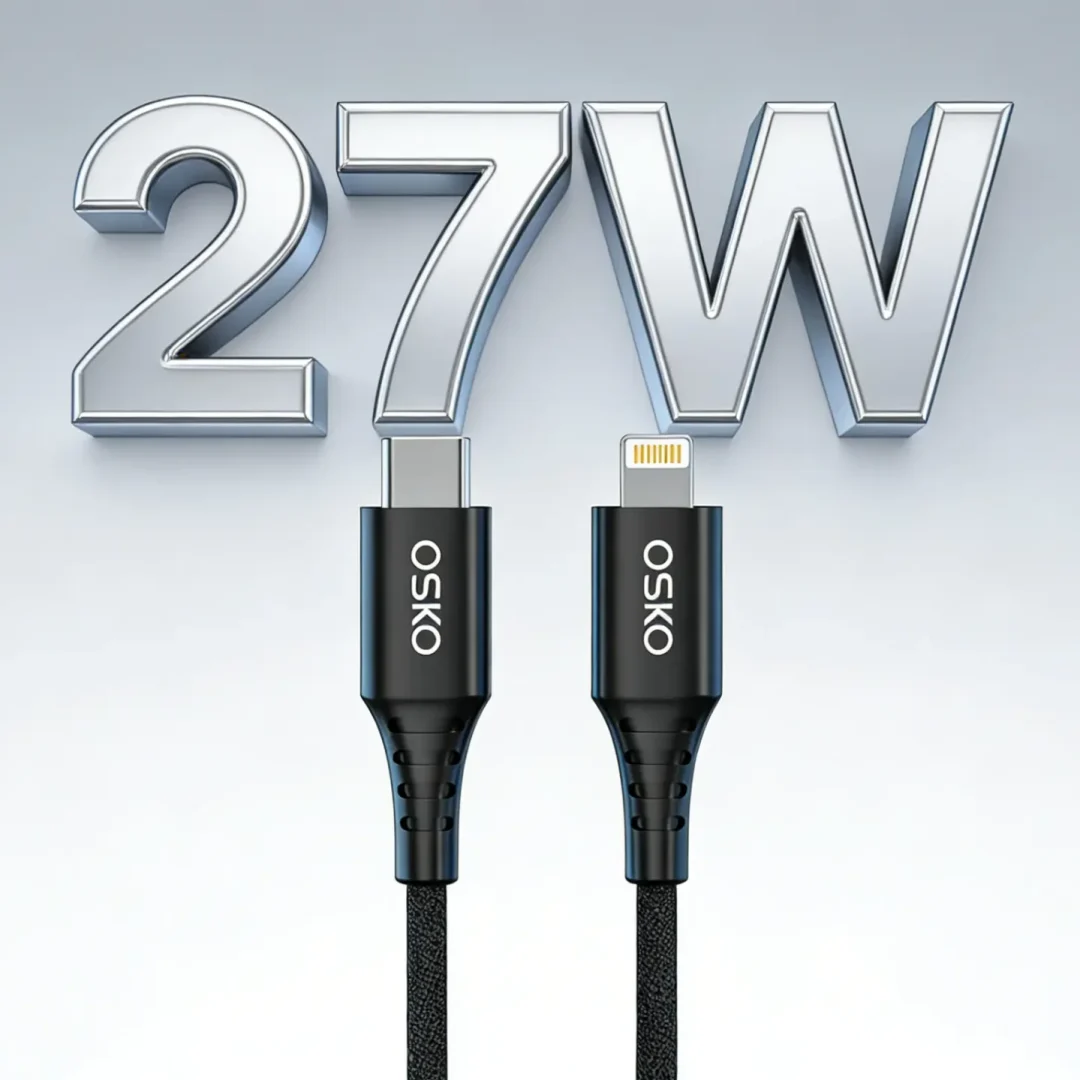
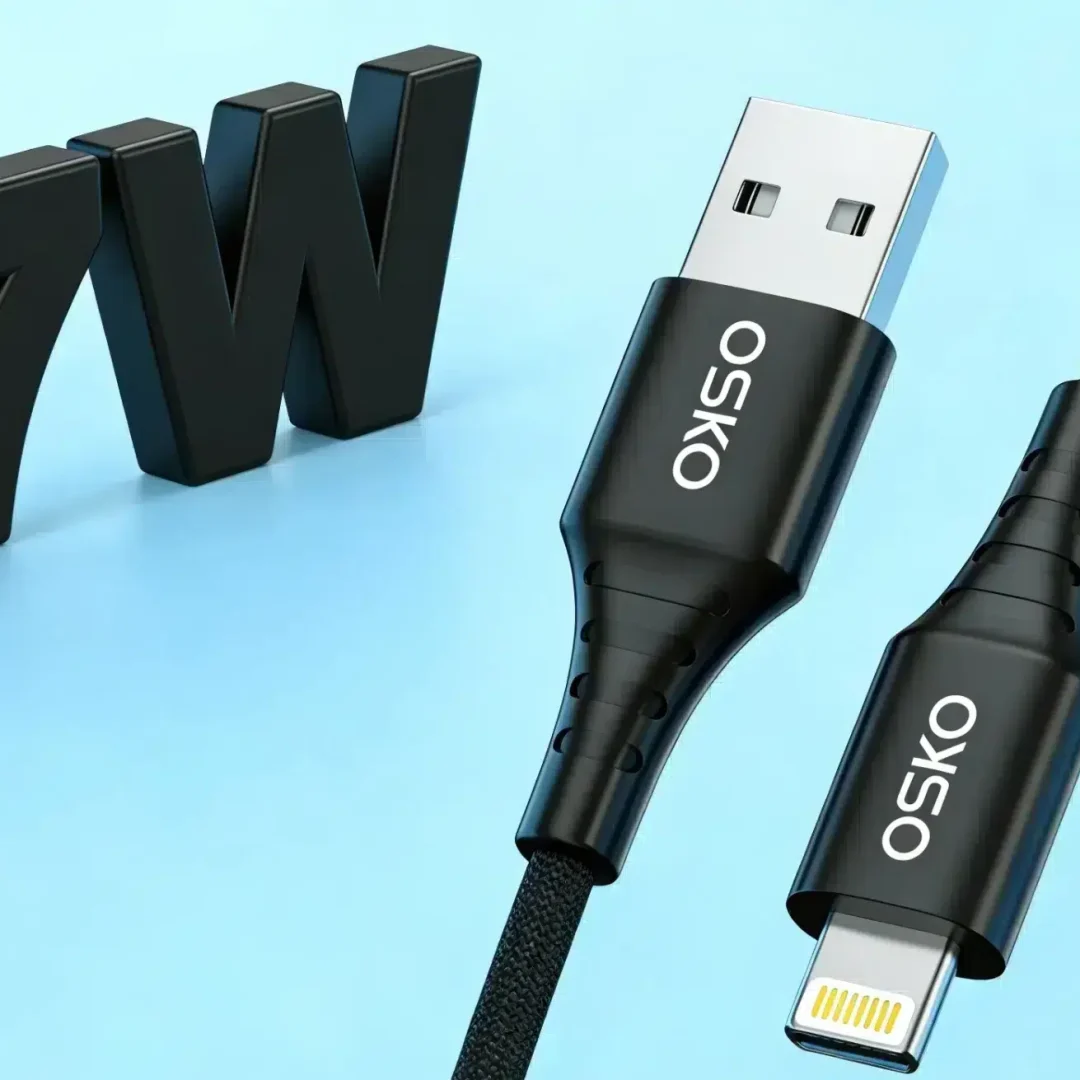
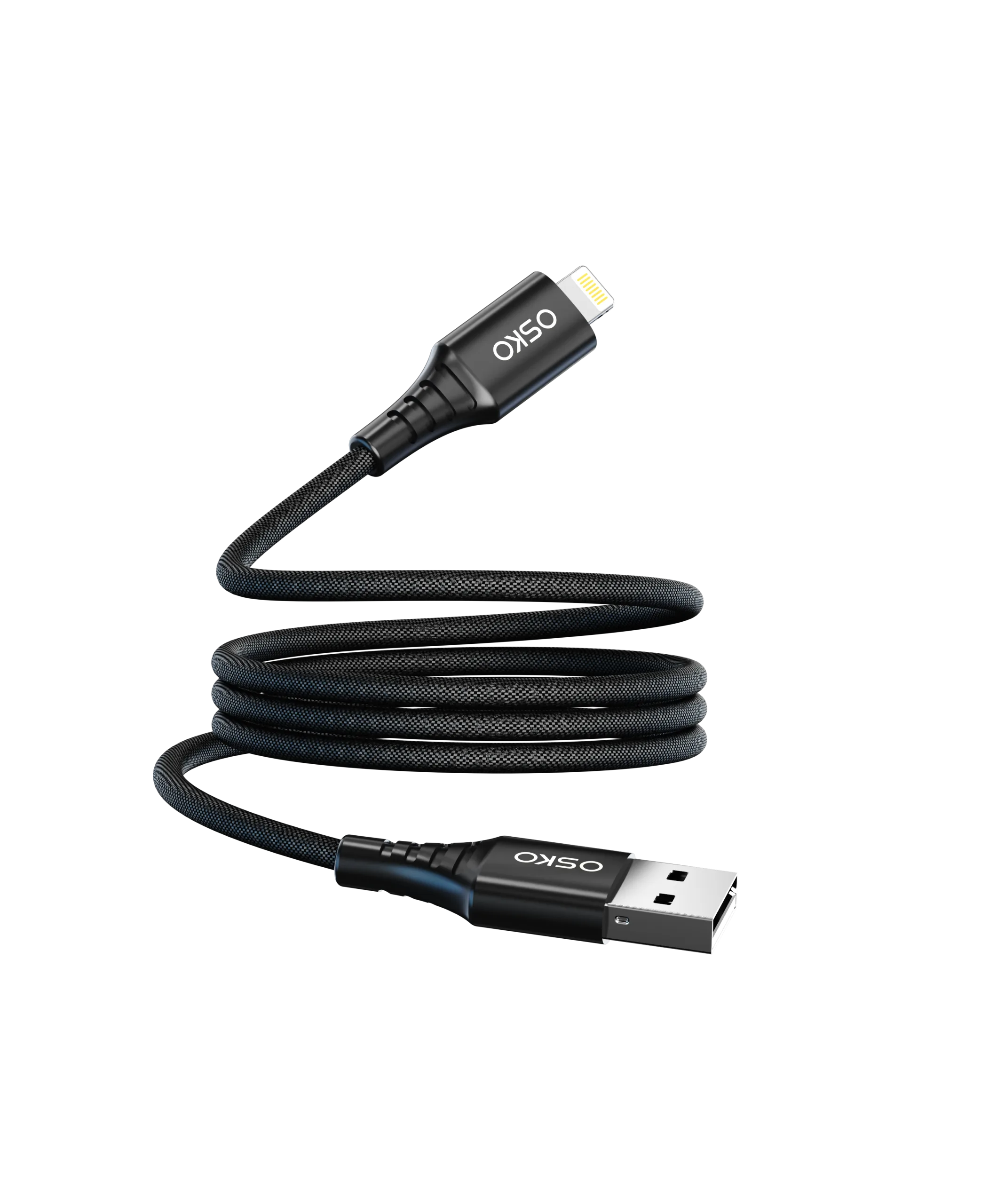
A quality USB-C to Lightning cable paired with a PD charger can significantly reduce charging times.
Newer iPhones with USB-C Ports
Recent iPhone models use USB-C.
Recommended cable:
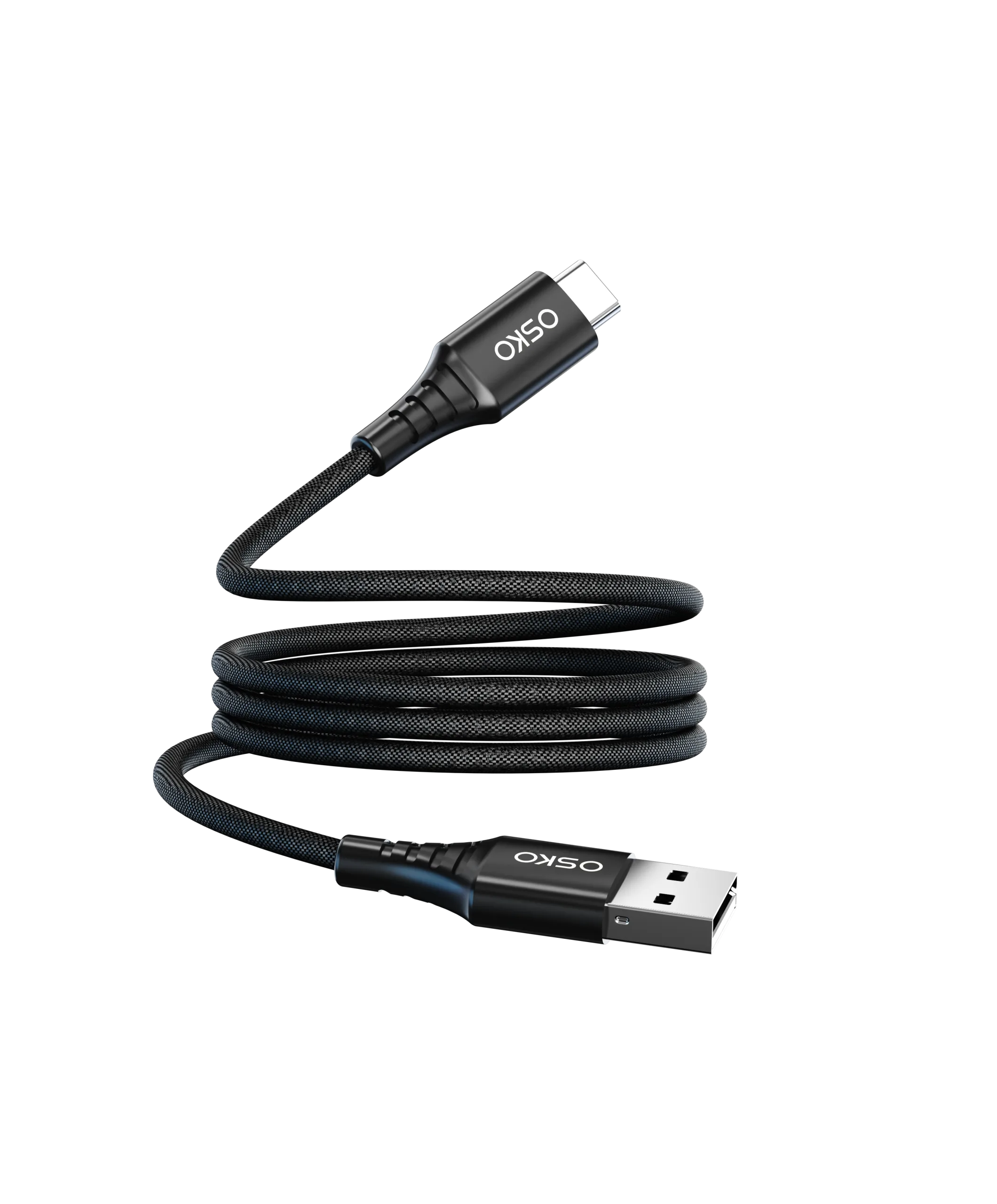
USB-C to USB-C Cable
Advantages:
Universal compatibility
Faster charging support
Simplified charging ecosystem
This change allows iPhones to share cables with Android phones and MacBooks.
Which Cable Is Best for Android?
Most Android devices now use USB-C.
Recommended cable:
USB-C to USB-C Cable
Benefits:
Supports PD fast charging
Compatible with modern adapters
High data transfer capability
For smartphones supporting high-wattage charging, buyers should choose cables with:
E-marker chips
USB-IF compliance
High-quality copper conductors
Products from a USB-IF compliant Type C cable manufacturer generally provide more consistent charging performance.
Which Cable Is Best for MacBook?
MacBooks require significantly more power than smartphones.
A standard phone cable may not provide sufficient wattage.
Recommended cable:
USB-C to USB-C PD Cable
Power recommendations:
| MacBook Type | Recommended Cable |
|---|---|
| MacBook Air | 60W USB-C Cable |
| MacBook Pro 14″ | 100W USB-C Cable |
| MacBook Pro 16″ | 140W–240W USB-C Cable |
For professional users, CE RoHS certified 240W USB C cable solutions offer maximum flexibility and future-proof compatibility.
Cable Material Matters
Choosing the correct connector is only part of the equation.
Cable construction directly affects durability and charging efficiency.
Standard PVC Cables
Advantages:
Lower cost
Lightweight
Disadvantages:
More prone to damage
Higher risk of tangling
Shorter lifespan
Nylon Braided Cables
Advantages:
Improved durability
Better abrasion resistance
Enhanced appearance
Longer service life
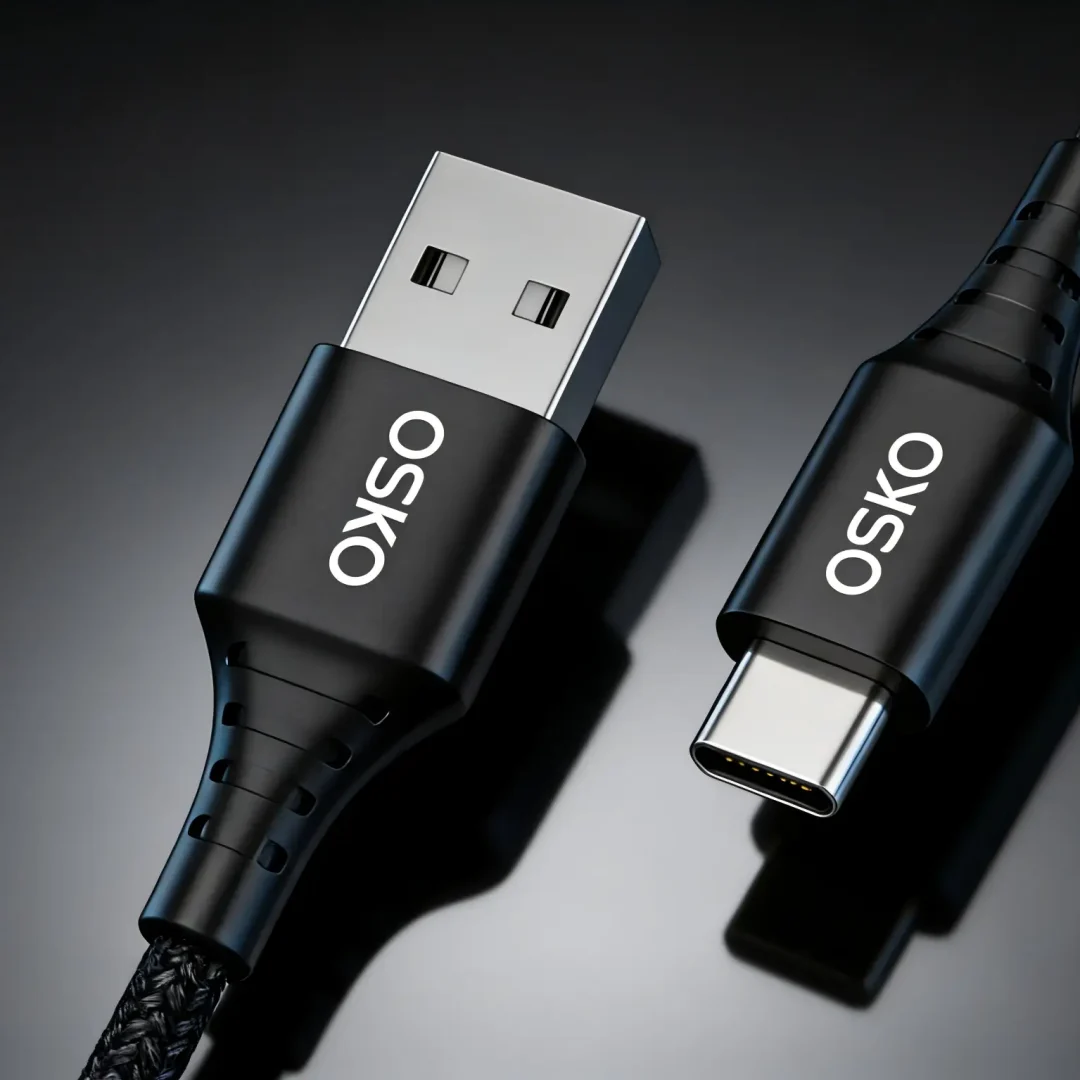
Many buyers prefer products from a durable nylon braided Type C charging cable factory because braided cables typically perform better in demanding environments.
This is especially important for:
Travel charging kits
Desk charging systems
Automotive charging solutions
Purchase Recommendations
When choosing a cable for multiple devices, use the following guide:
| Use Case | Recommended Cable |
|---|---|
| Older iPhone | USB-C to Lightning |
| New iPhone | USB-C to USB-C |
| Android Phone | USB-C to USB-C |
| MacBook Air | 60W USB-C Cable |
| MacBook Pro | 100W–240W USB-C Cable |
| Multi-Device Travel Kit | USB-C to USB-C + USB-C to Lightning |
| Office Workstation | Nylon Braided USB-C Cable |
| Retail Distribution | Custom OEM USB-C Cable |
For wholesale buyers, maintaining a product lineup that includes both USB-C and Lightning options helps serve the widest customer base.
FAQ
Can one cable charge iPhone, Android, and MacBook?
If all devices use USB-C, a high-quality USB-C cable can charge all three.
However, older iPhones with Lightning ports require a USB-C to Lightning cable.
Is USB-C replacing Lightning?
Yes. USB-C is becoming the universal standard, although millions of Lightning devices remain in use.
What cable is best for fast charging?
A USB-C cable with appropriate wattage support and PD compatibility is generally the best choice.
Are braided cables worth it?
Yes. Braided cables typically offer better durability and a longer lifespan than standard PVC cables.
Can a phone charging cable charge a MacBook?
Not always. Many phone cables are limited to lower wattages and may not support laptop charging.
Summary
Choosing the right cable for iPhone, Android, and MacBook devices depends primarily on connector type and power requirements.
For most users, USB-C has become the preferred solution because it supports modern Android phones, newer iPhones, tablets, and MacBooks through a single universal standard.
However, Lightning cables remain essential for older iPhone models and Apple accessories that have not yet transitioned to USB-C.
When selecting cables, buyers should focus not only on compatibility but also on charging capacity, material quality, certification, and durability. High-quality braided cables with proper compliance standards provide better long-term performance and lower failure rates.
By understanding device requirements and choosing certified charging solutions, users and wholesale buyers can simplify their charging ecosystem while ensuring fast, reliable performance across all devices.
Request OEM & Wholesale Cable Solutions
Looking for reliable charging cable manufacturing?
OSKO offers:
USB-C and Lightning cable production
Custom cable lengths
Nylon braided charging cables
OEM & ODM services
Bulk wholesale supply
Private label packaging
Fast charging solutions up to 240W
Request a Quote
Name: ___________________
Company: ___________________
Email: ___________________
Product Type: USB-C / Lightning / Multi-Device Cable
Quantity: ___________________
Project Requirements: ___________________
Contact our engineering team today to receive samples, technical specifications, and customized OEM pricing.