
Introduction
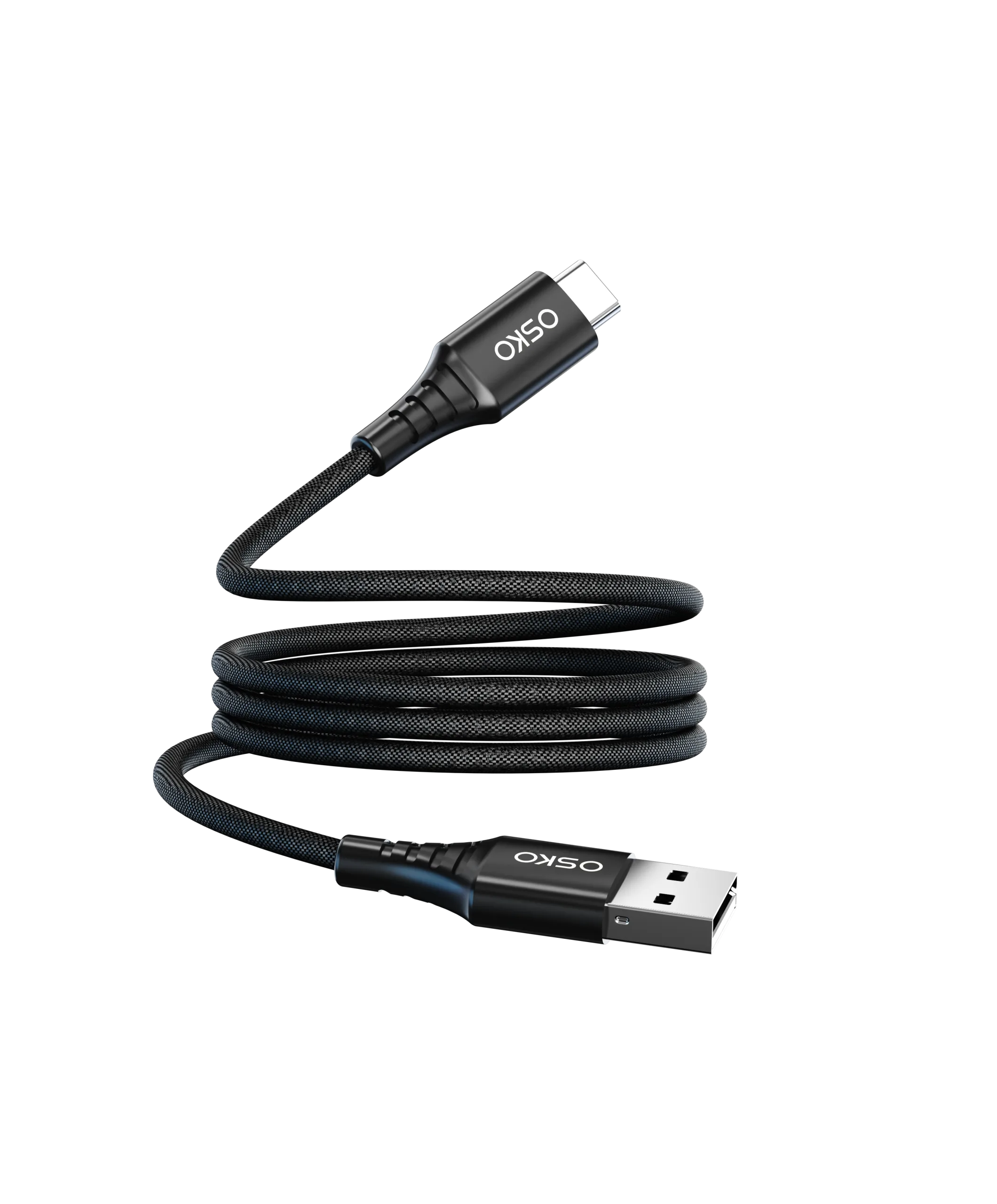
Choosing the right USB-C Cable for iPhone 15/16 has become an important consideration for consumers, retailers, and electronics brands since Apple’s transition from the Lightning connector to USB-C interfaces.
The iPhone 15 and iPhone 16 series introduced a new charging ecosystem that requires users to select compatible USB-C cables for:
Fast charging
Data transfer
Daily charging
Travel use
Professional mobile workflows
Although many USB-C cables look similar externally, their internal structures can be significantly different. Cable performance depends on:
Conductor quality
Connector design
Power delivery capability
Data transmission structure
Material durability
A low-quality cable may cause:
Slow charging
Unstable connection
Short service life
Poor user experience
For electronics brands and procurement teams, developing an iPhone Charging Cable requires a balance between technical compatibility, production consistency, and market positioning.
OSKO specializes in OEM and ODM USB cable manufacturing, helping global brands develop reliable Apple-compatible charging solutions through advanced material selection, engineering optimization, and strict quality control.

Material Science & Dielectric Properties
Understanding USB-C Cable Requirements for iPhone 15/16
The adoption of USB-C on iPhone 15/16 changes the requirements for charging accessories.
A professional USB-C Charging Cable must support:
Stable power delivery
Reliable device communication
Long-term mechanical durability
The internal cable structure includes multiple functional layers.
| Cable Component | Function | Importance |
|---|---|---|
| Copper conductor | Transfers electrical power | Determines charging efficiency |
| Insulation layer | Separates conductors | Ensures electrical safety |
| Shielding layer | Protects signal transmission | Reduces interference |
| Connector assembly | Connects devices | Ensures compatibility |
| Outer jacket | Provides protection | Improves durability |
| Strain relief | Protects cable joints | Extends product lifetime |
USB-C Power Delivery and Fast Charging Performance
How Fast Charging Works on iPhone 15/16
Modern iPhone charging performance depends on the cooperation between:
Power adapter
USB-C cable
Device charging system
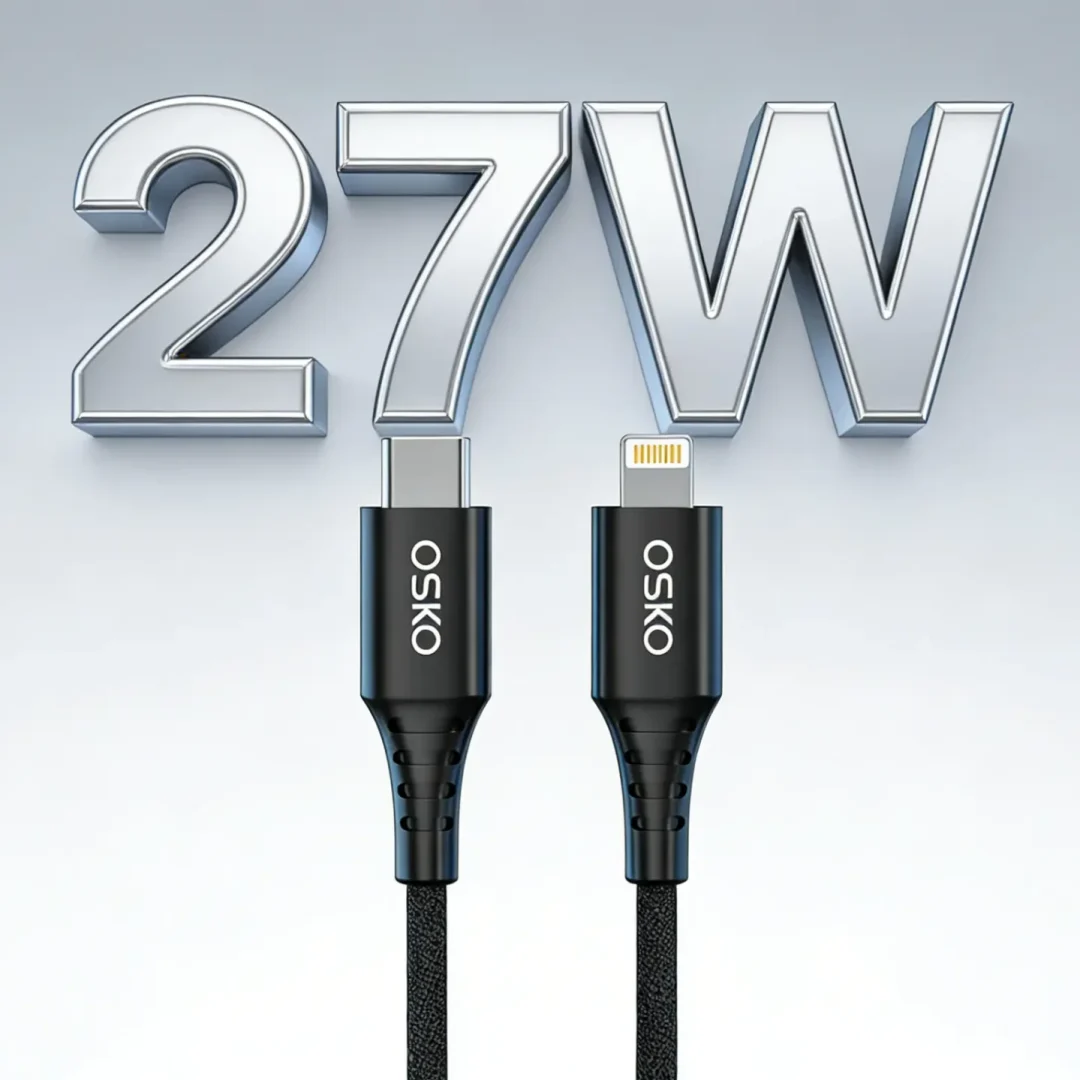
A high-quality Fast Charging Cable helps maintain stable power transfer during charging.
Important factors include:
Cable current capability
Electrical resistance
Connector quality
Internal conductor design
For retail products, charging reliability directly affects customer satisfaction.
USB-C to USB-C Cable Advantages
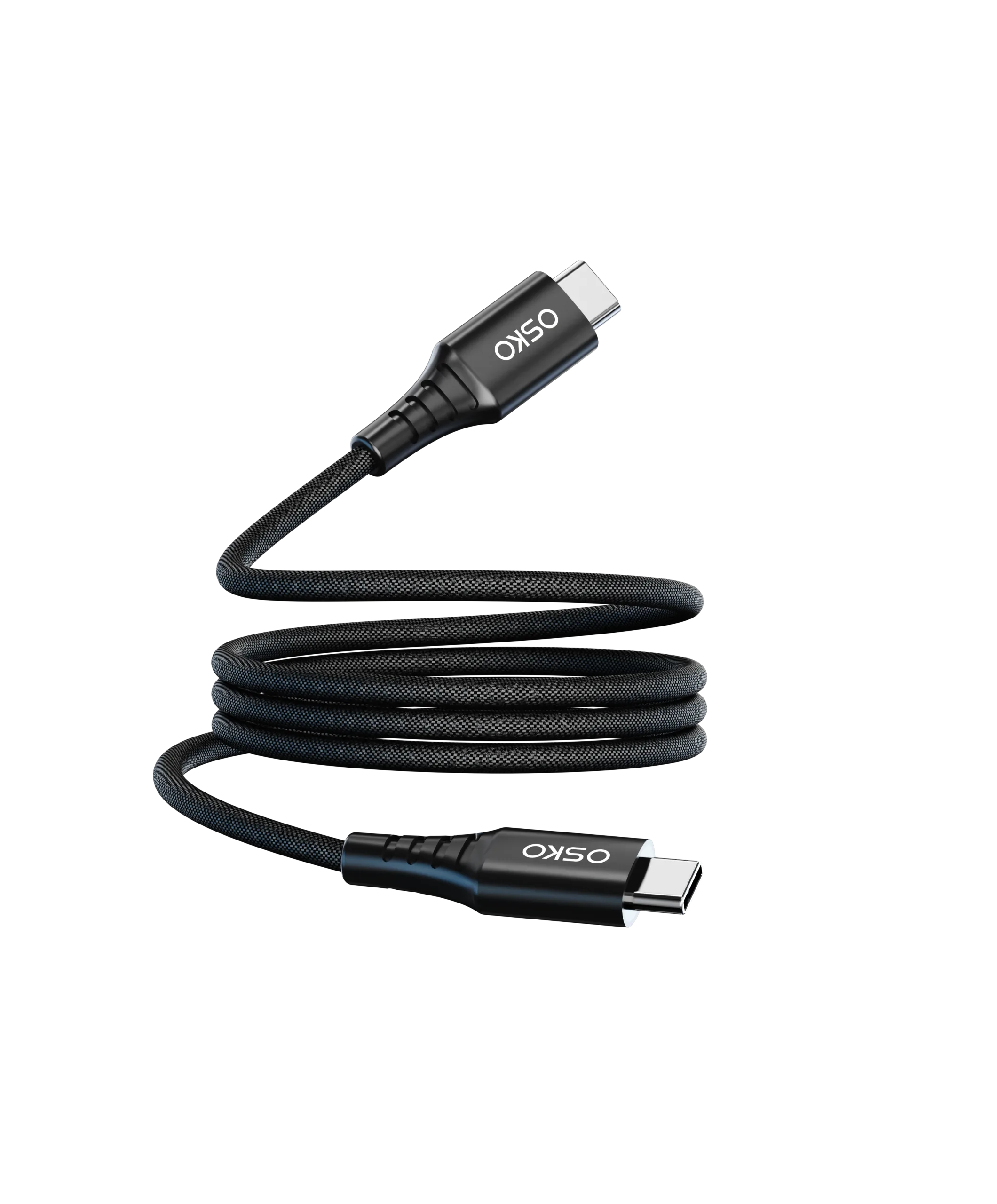
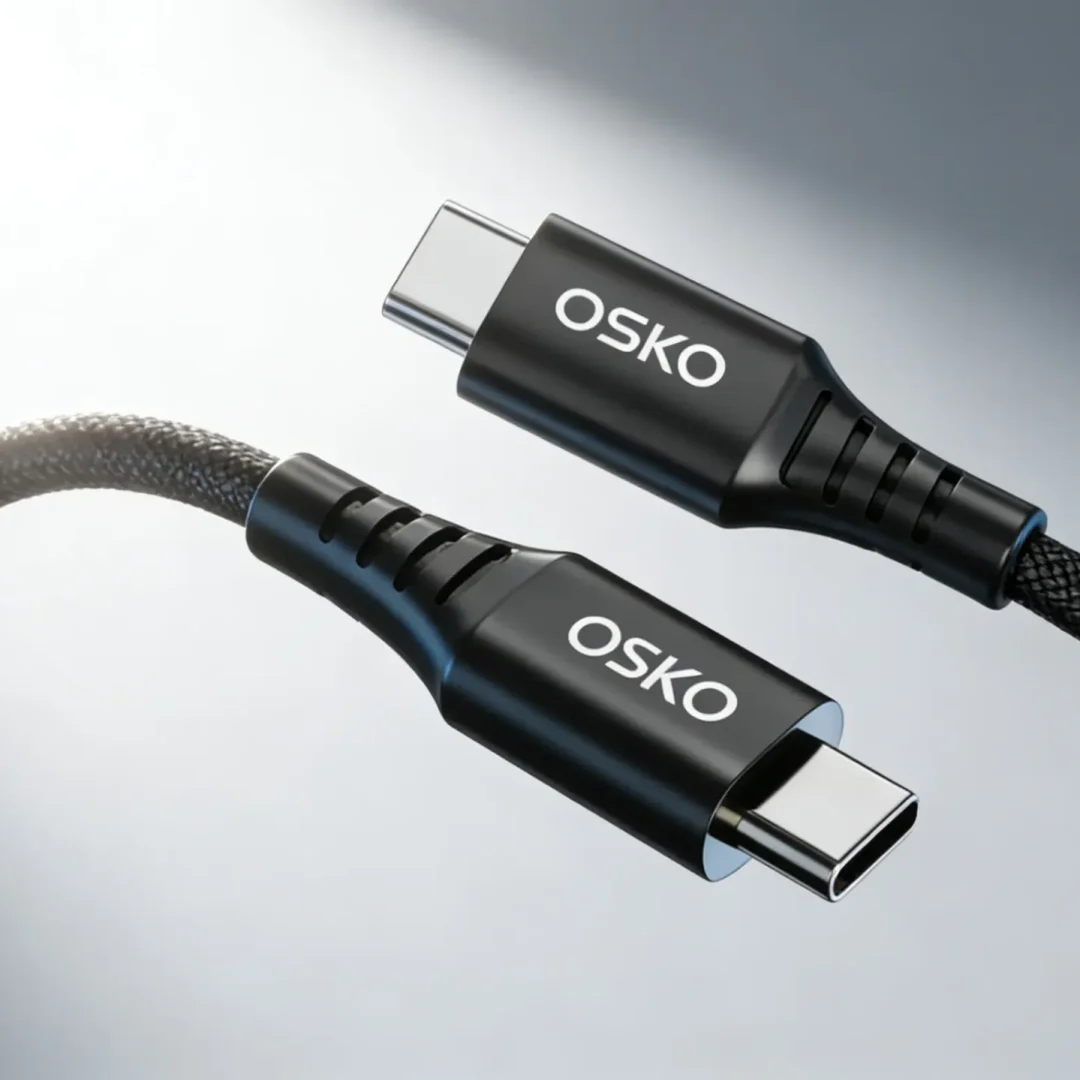
For iPhone 15/16 users, USB-C to USB-C Cable products are increasingly common because many modern chargers now use USB-C output ports.
Advantages include:
Compatibility with USB-C power adapters
Support for modern charging ecosystems
Convenient connection with laptops and tablets
Common applications:
| Application | Usage Scenario |
|---|---|
| Home charging | Daily smartphone charging |
| Office charging | Desk workstation setup |
| Travel | Multi-device charging |
| Car charging | Mobile power solution |

Material Selection and Durability Engineering
Cable Jacket Materials
The external material influences:
Flexibility
Appearance
Wear resistance
User experience
Common options include:
| Material | Characteristics |
|---|---|
| PVC | Cost-effective and reliable |
| TPE | Flexible and comfortable |
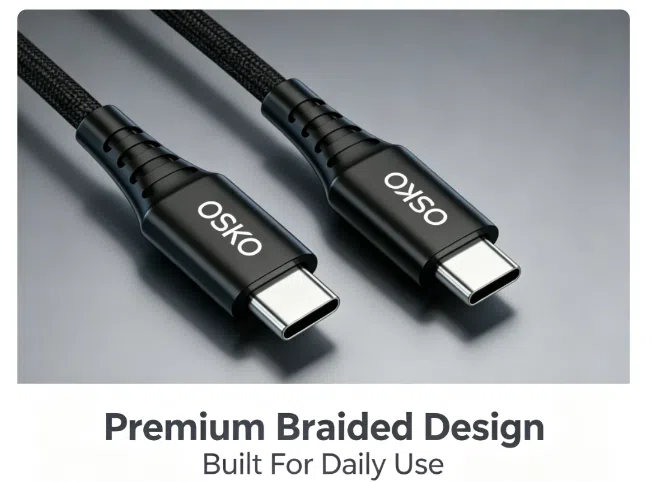
| Nylon braided | Premium appearance and improved abrasion resistance |
For retail markets, material selection often affects product positioning.
Premium Retail USB Cable products typically require better surface durability and appearance consistency.
Connector Reliability Design
The connector area experiences repeated stress from:
Plugging and unplugging
Bending
Pulling
Professional designs include:
Reinforced connector housing
Improved solder structure
Flexible strain relief
These improvements reduce:
Internal wire breakage
Connection failures
Customer returns
Data Transmission Considerations
Charging Cable vs Data Cable
Not every USB-C cable provides the same data performance.
Depending on the product specification, cables may support different data transfer capabilities.
For iPhone users, data applications include:
Photo transfer
Video transfer
Device backup
Computer connection
A professional USB-C Charging Cable design should define whether the product focuses on:
Charging only
Charging plus data transfer
Case Study: USB-C Cable for iPhone 15/16 Development for an Australian Electronics Retail Brand
Customer Background
An Australian consumer electronics retailer planned to update its mobile accessory product line after the introduction of USB-C ports on the latest iPhone models.
The company sold:
Smartphone accessories
Travel charging products
Retail electronics products
The customer required a new USB-C Cable for iPhone 15/16 product that could be positioned as a reliable everyday charging solution.
Their purchasing requirements included:
Stable fast charging performance
Premium retail appearance
Competitive production cost
Consistent supply capability

Engineering Challenges
1. New USB-C Product Transition
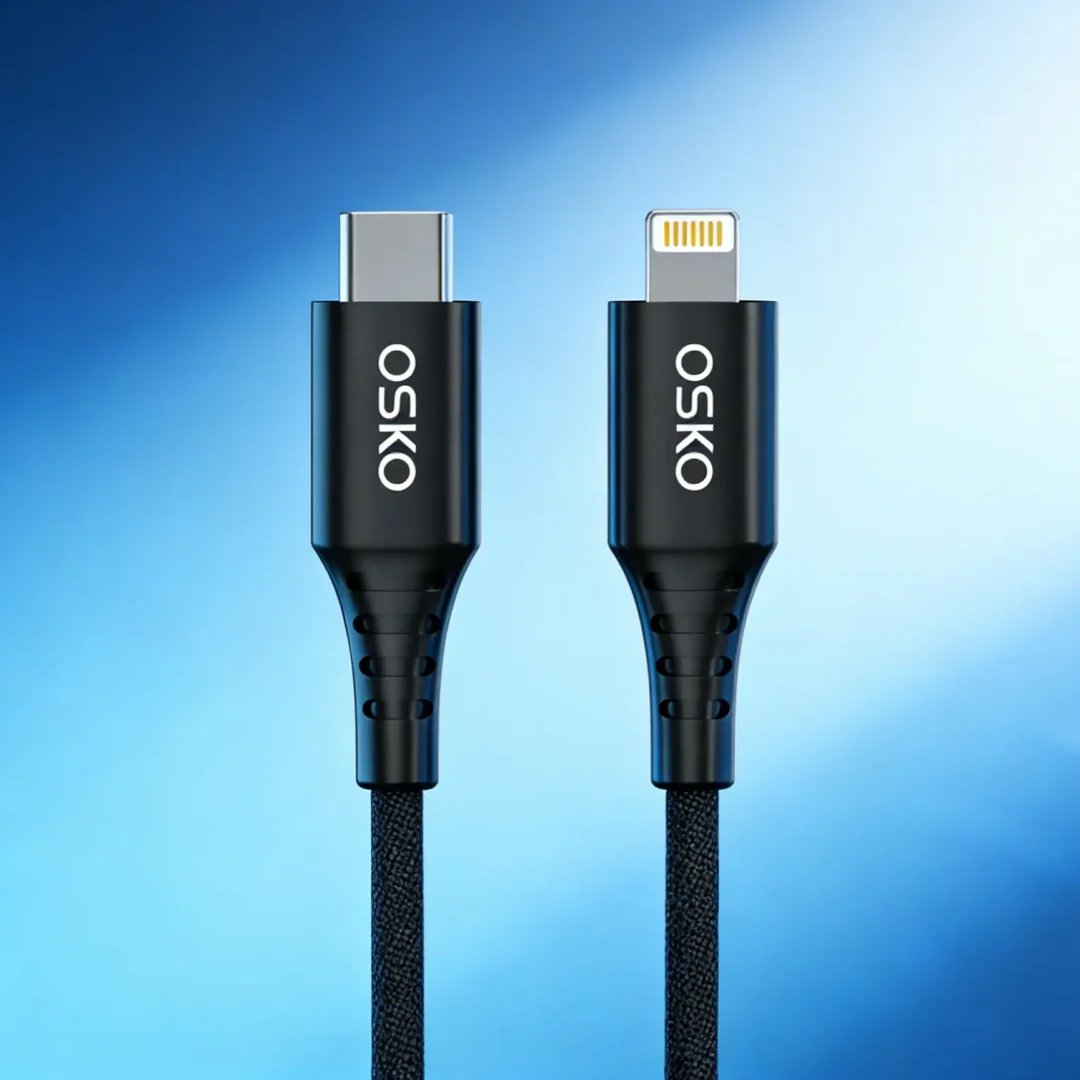
The customer previously focused on Lightning accessories.
The product transition required evaluation of:
USB-C connector design
New charging ecosystem requirements
Updated product packaging
2. Improving Charging Reliability
During supplier evaluation, the customer found some cables had:
Inconsistent charging performance
Poor connector durability
Different quality between batches
A more controlled manufacturing process was required.
3. Balancing Retail Cost and Quality
The customer needed a product suitable for competitive retail channels.
The cable needed:
Reliable performance
Attractive appearance
Controlled manufacturing cost
OSKO Engineering Solution
Optimized Cable Structure
OSKO developed a customized solution including:
High-quality copper conductors
Stable internal structure
Reinforced connector design
This improved charging reliability and product lifetime.
Retail Product Customization
OSKO supported:
Cable length customization
Material selection
Color options
Packaging solutions
to match the customer’s retail positioning.
Quality Control Process
| Test Item | Purpose |
|---|---|
| Charging test | Verify power performance |
| Connector test | Evaluate durability |
| Resistance test | Confirm electrical stability |
| Bend test | Check mechanical reliability |
| Appearance inspection | Maintain retail quality |
The final solution helped the customer launch a reliable USB-C charging accessory for iPhone 15/16 users.
Selection Guide: How to Choose USB-C Cable for iPhone 15/16
1. Check Charging Requirements
Before selecting a cable, consider:
Charger output capability
Required charging speed
Daily usage environment
2. Select the Correct Cable Type
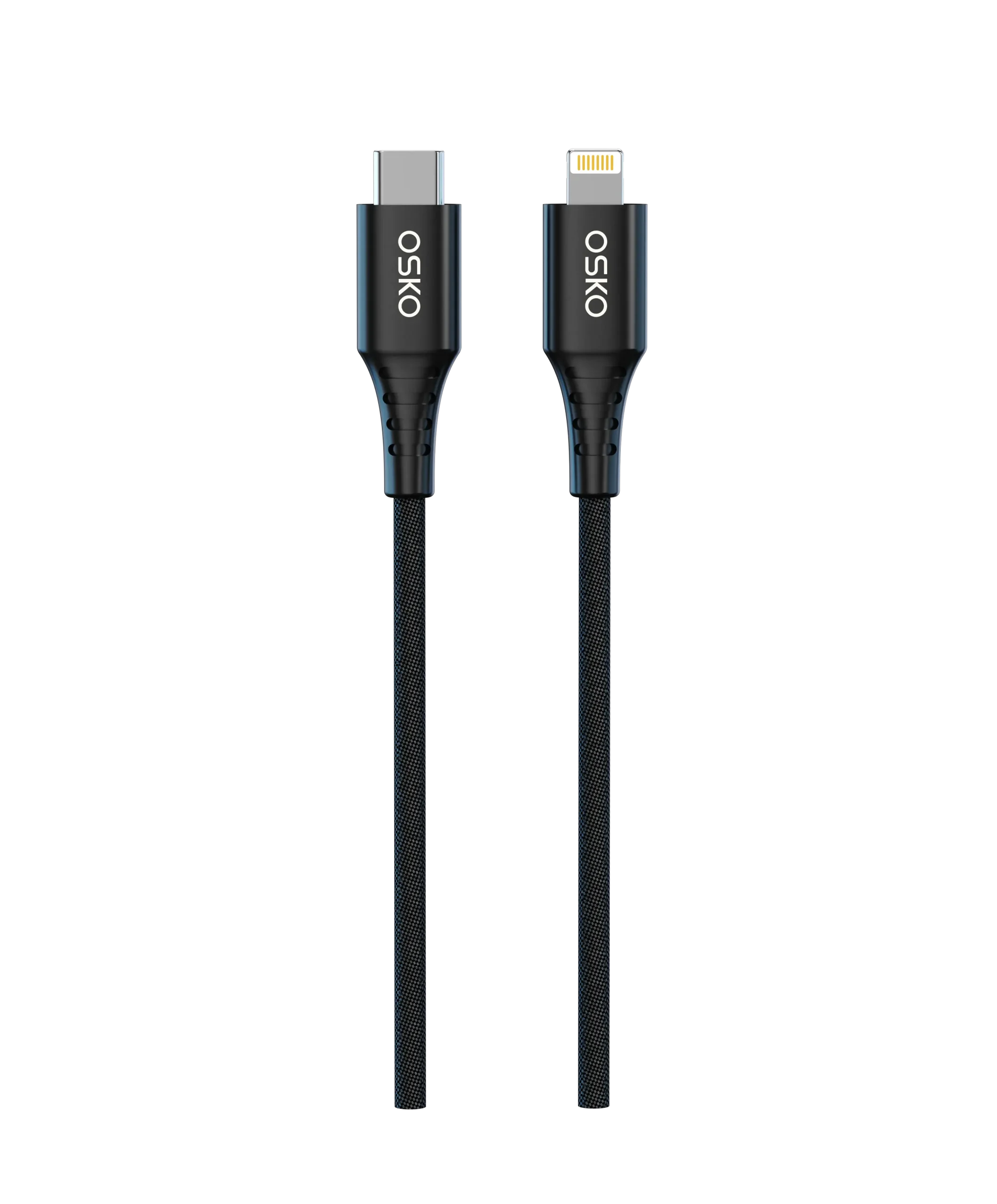
USB-C to USB-C Cable
Suitable for:
Modern USB-C chargers
Laptop charging environments
Multi-device users
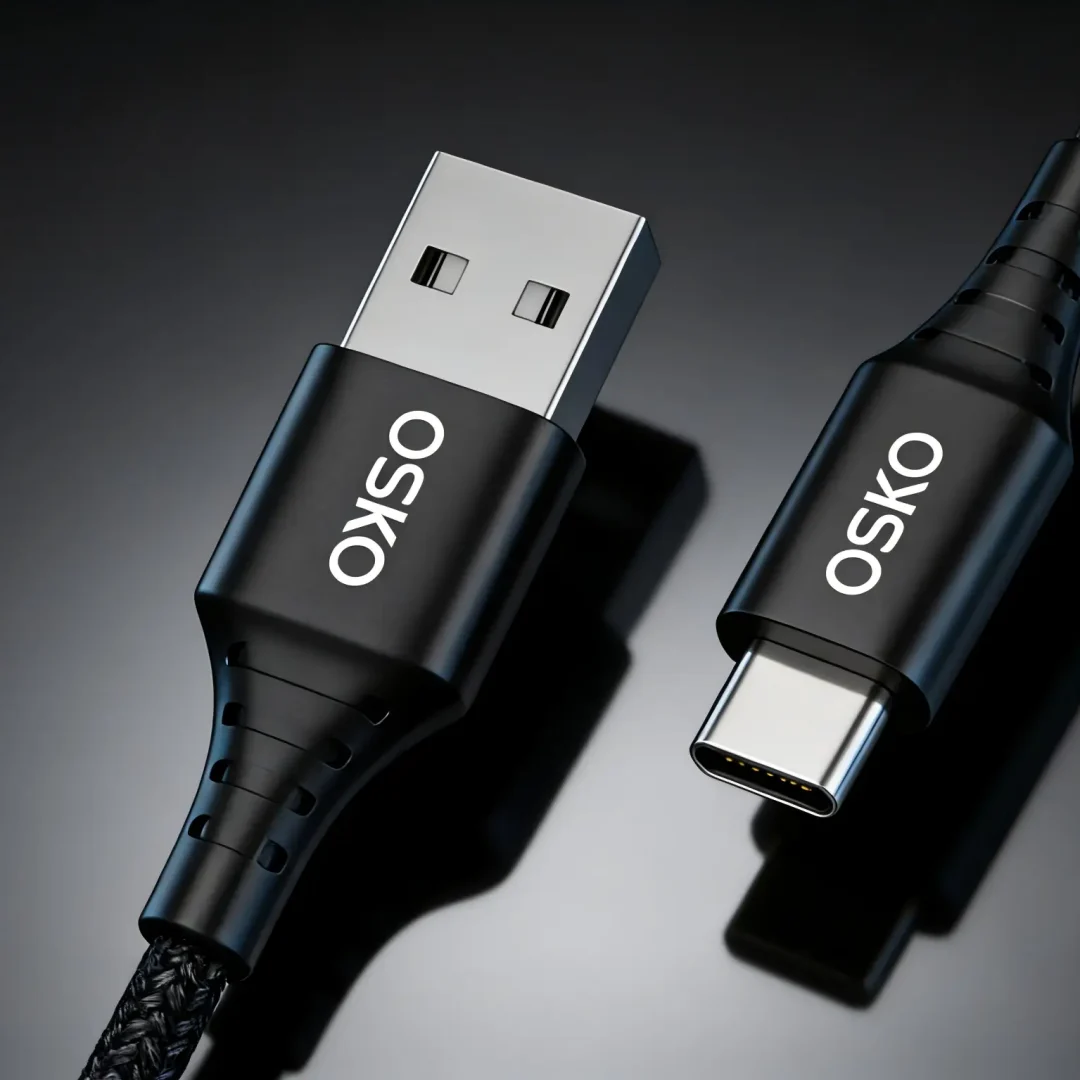
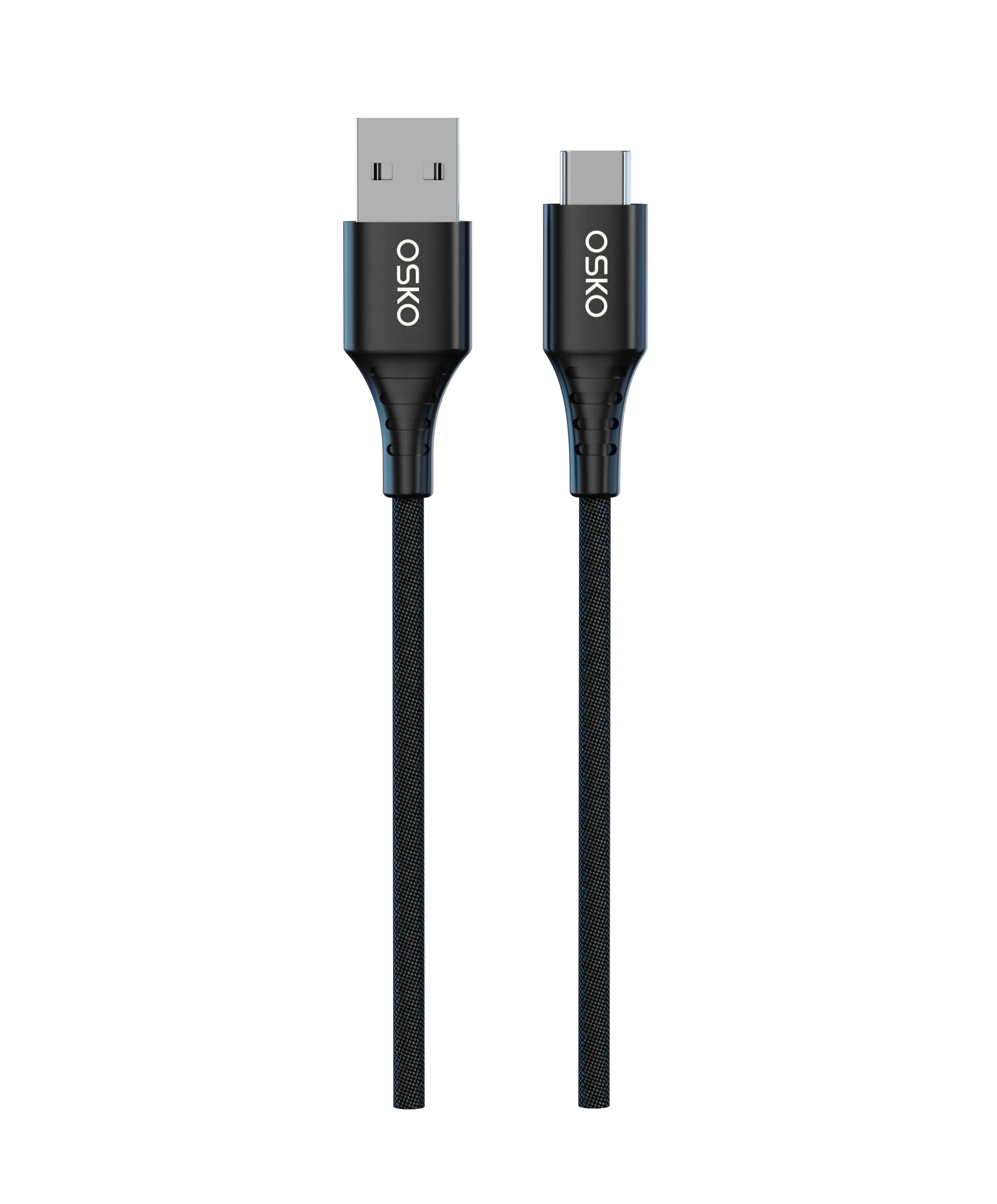
USB-A to USB-C Cable
Suitable for:
Existing USB-A chargers
Older charging accessories
Vehicle charging systems
3. Evaluate Durability Features
Look for:
Strong connector protection
Flexible cable structure
Quality outer materials
4. Choose an Experienced OEM Supplier
For brands developing Apple-compatible accessories, supplier capability matters.
A professional OEM USB Cable manufacturer should provide:
Engineering support
Custom production
Material selection
Quality testing
Packaging customization
OSKO supports global customers from product development to mass production.
FAQ
Does iPhone 15/16 use USB-C cables?
Yes. iPhone 15 and iPhone 16 series devices use USB-C connectors for charging and connectivity.
Can any USB-C cable charge iPhone 15/16?
Most USB-C cables can provide basic charging, but charging performance and data capability depend on cable design and specifications.
Is USB-C to USB-C better for iPhone 15/16?
For modern chargers, USB-C to USB-C is commonly preferred because many new adapters use USB-C output.
What makes a high-quality iPhone charging cable?
Important factors include:
Reliable connectors
Quality conductors
Stable charging performance
Durable materials
Can OSKO customize iPhone 15/16 USB-C cables?
Yes. OSKO provides OEM and ODM solutions including cable length, materials, connectors, packaging, and product specifications.
Summary
A reliable USB-C Cable for iPhone 15/16 requires more than simple connector compatibility. Product performance depends on electrical design, material selection, connector reliability, and manufacturing quality.
For consumers, a well-designed cable provides stable charging and better daily usability.
For electronics brands and procurement teams, selecting an experienced OEM partner ensures consistent quality, competitive production, and reliable supply.
OSKO provides professional OEM and ODM USB-C Charging Cable solutions, including iPhone charging cables, fast charging cables, USB-C to USB-C cables, and customized retail products.
Through engineering development, material optimization, and strict quality control, OSKO helps global brands create reliable charging solutions for modern Apple devices.
Contact Information
OSKO USB Cable Manufacturing Solutions
OSKO specializes in:
OEM USB Cable Manufacturing
ODM USB-C Cable Development
iPhone Charging Cable Solutions
Fast Charging Cable Production
Retail USB Cable Manufacturing
Custom USB-C Cable Solutions
For electronics brands, distributors, and procurement teams requiring reliable mobile charging products, OSKO provides professional engineering support from product design to mass production.