
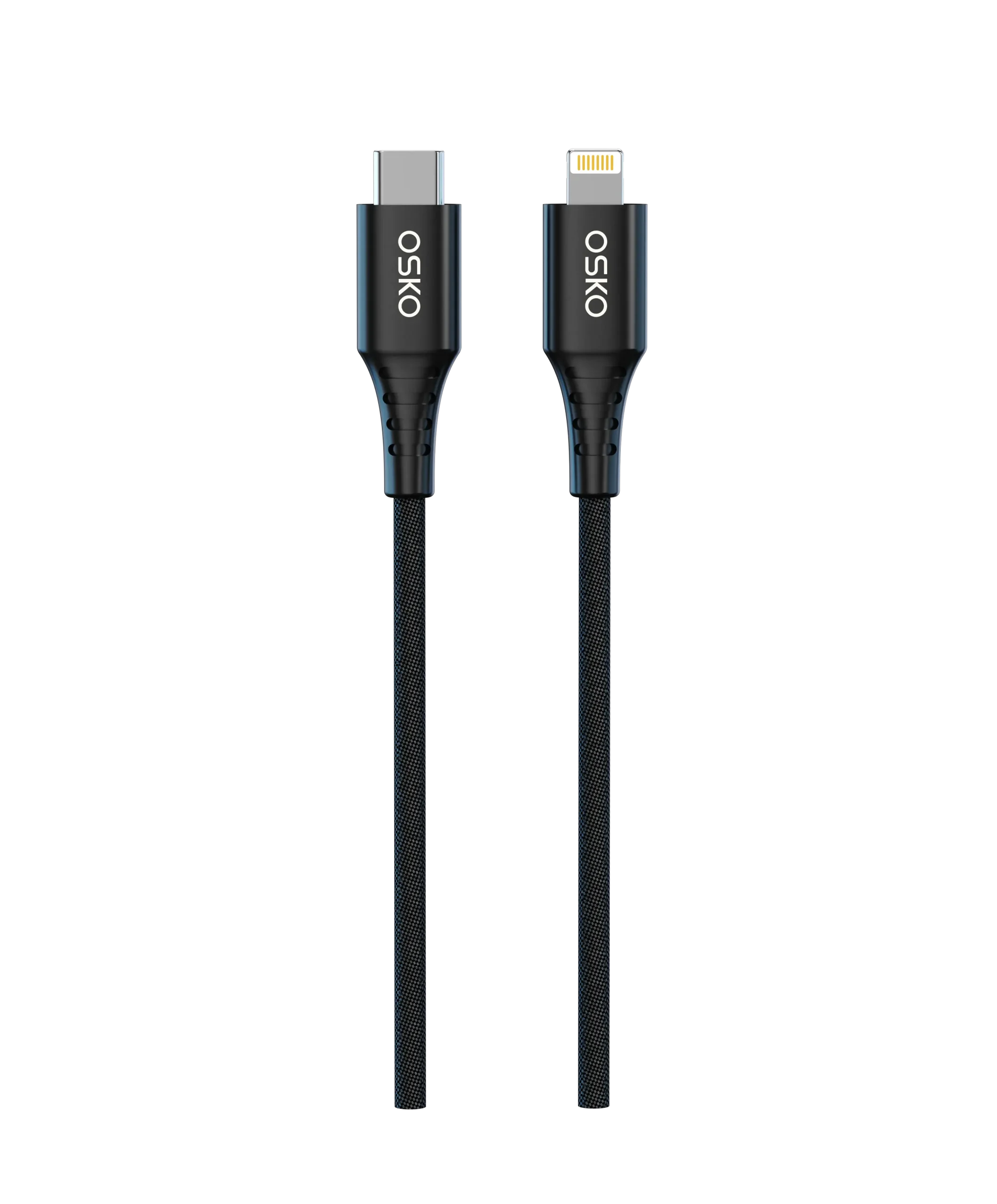
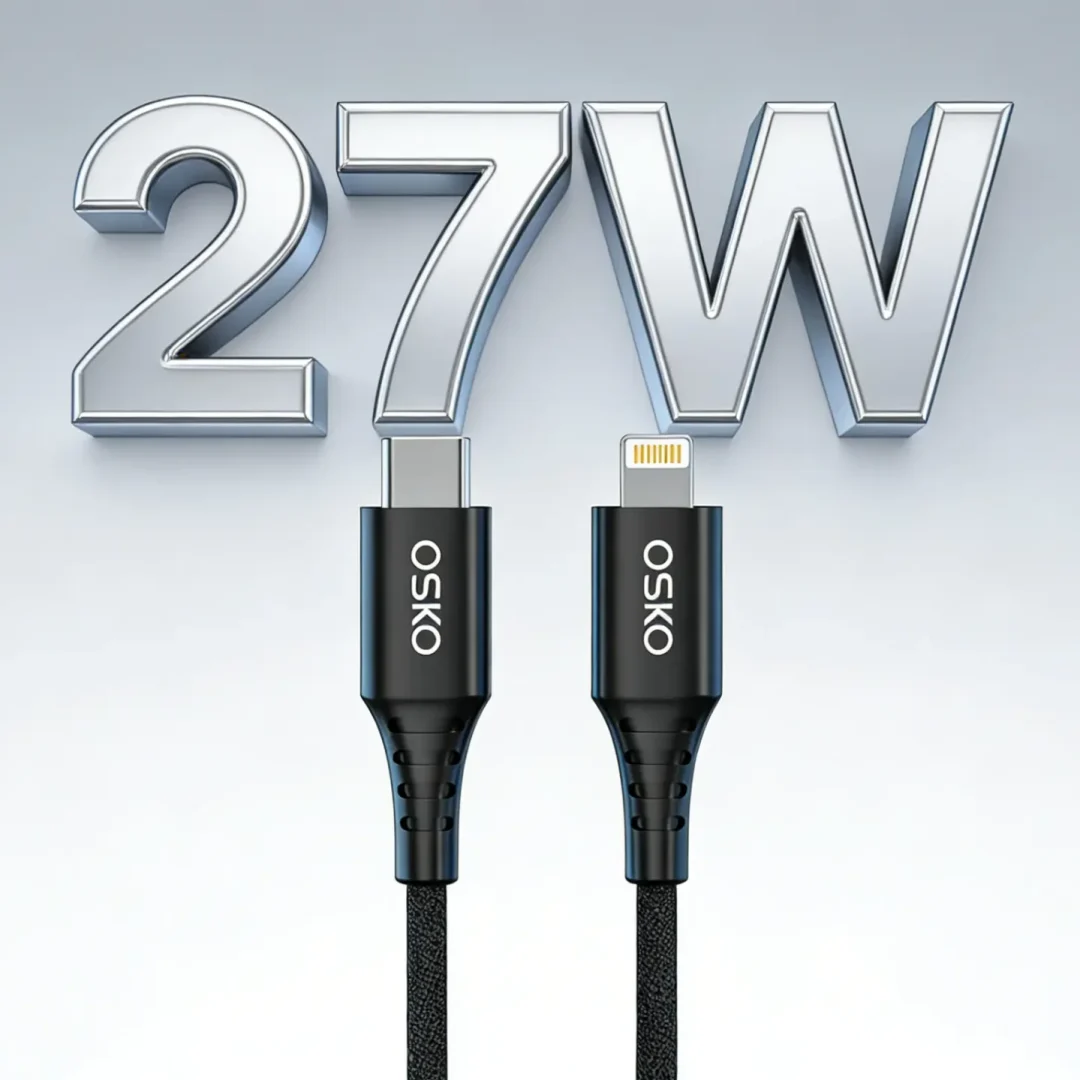
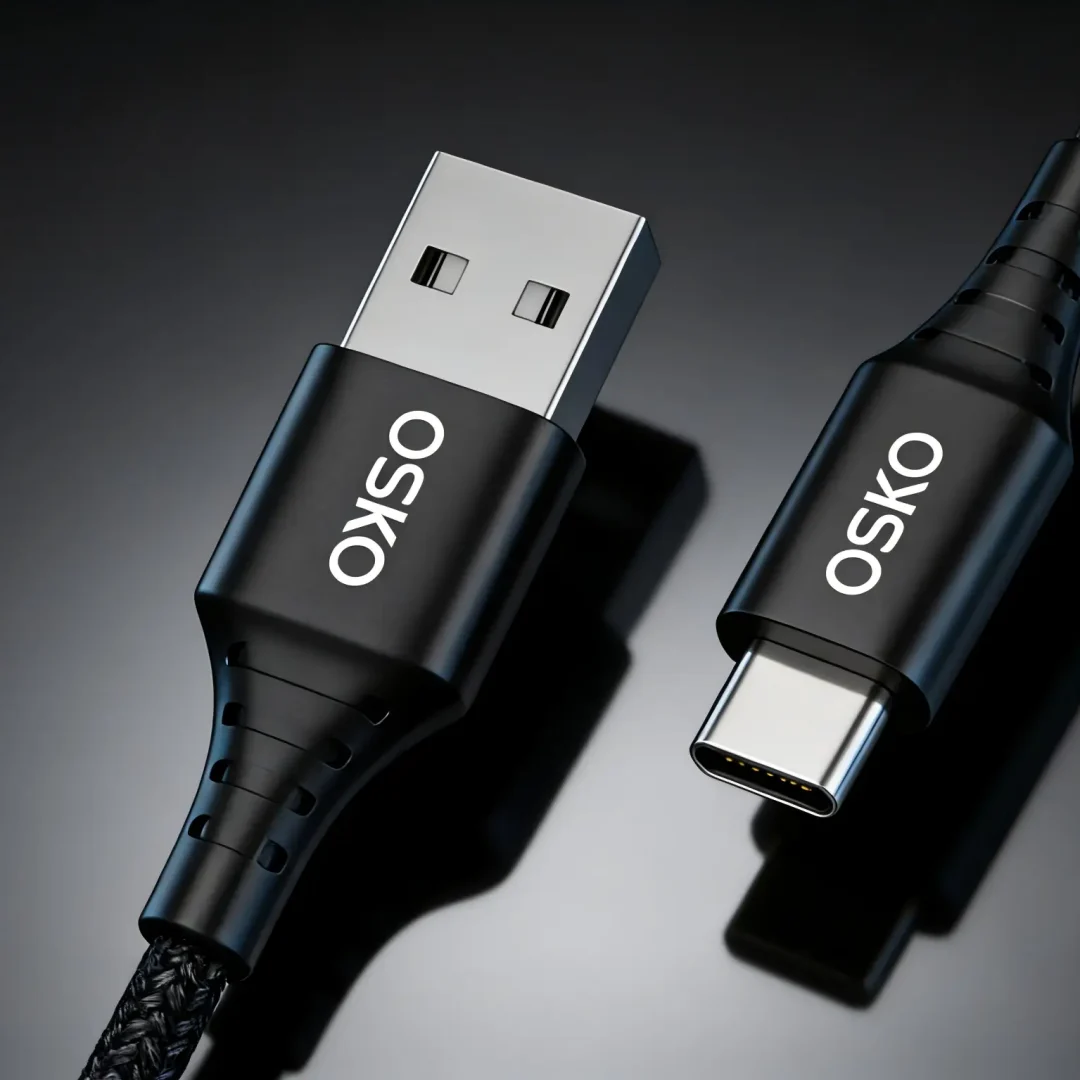
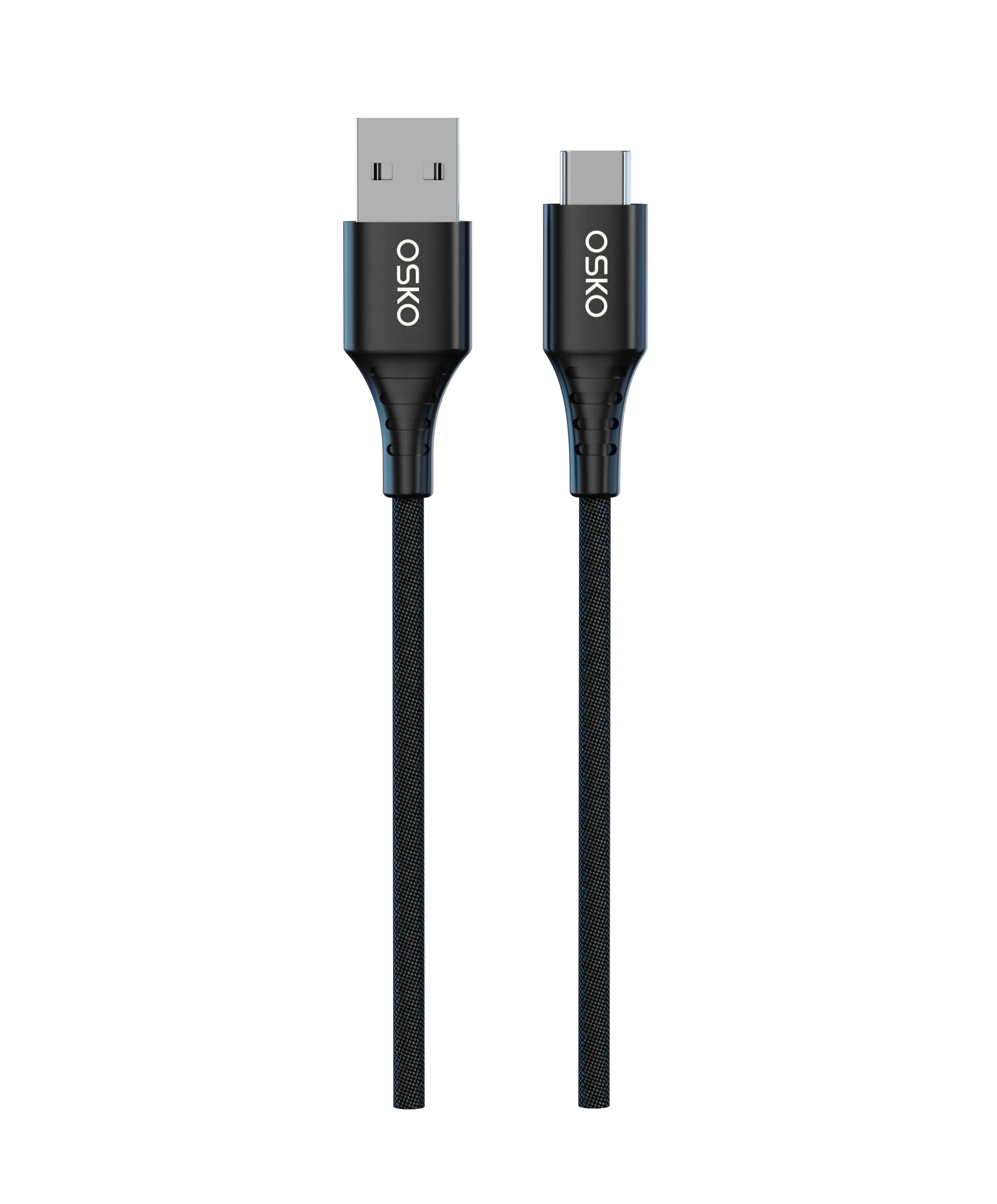
Introduction
cable breakage and tangling prevention is one of the most important engineering challenges in modern charging cable design, especially in high-usage markets such as the United States and Europe.
Most consumers replace cables not because of electrical failure, but due to physical damage such as internal wire breakage, connector loosening, and persistent tangling. These issues directly impact product lifespan, customer satisfaction, and return rates in retail channels.
From an engineering perspective, cable breakage and tangling prevention is not a single solution problem. It requires a combination of conductor structure design, insulation material selection, mechanical reinforcement, and outer jacket architecture.
OSKO focuses on solving these issues through OEM/ODM engineering systems designed for high-durability charging cable production.

Material Science & Dielectric Properties
The durability of a charging cable is determined by how well it manages mechanical stress and electrical stability under repeated bending and twisting.
Conductor Fatigue and Internal Breakage
Cable breakage usually starts at the conductor level.
Key failure causes include:
Repeated bending stress near connectors
Poor strand flexibility
Low-grade copper with brittle structure
High-quality cables use:
Oxygen-free copper (OFC) for flexibility and conductivity
Multi-strand fine wire construction
Twisted-pair architecture to distribute stress evenly
These improvements significantly reduce internal breakage in cable breakage and tangling prevention systems.
Dielectric Insulation and Flexibility Balance
Insulation materials must balance flexibility and protection.
Common materials include:
TPE (Thermoplastic Elastomer) for elasticity and durability
PVC for low-cost rigidity-based designs
Silicone for ultra-flexible premium cables
TPE is widely used in modern anti-tangle charging cable design due to its balance of softness and structural stability.
Outer Jacket Engineering and Anti-Tangle Structure
Tangling is primarily influenced by surface friction and cable memory effect.
Engineering solutions include:
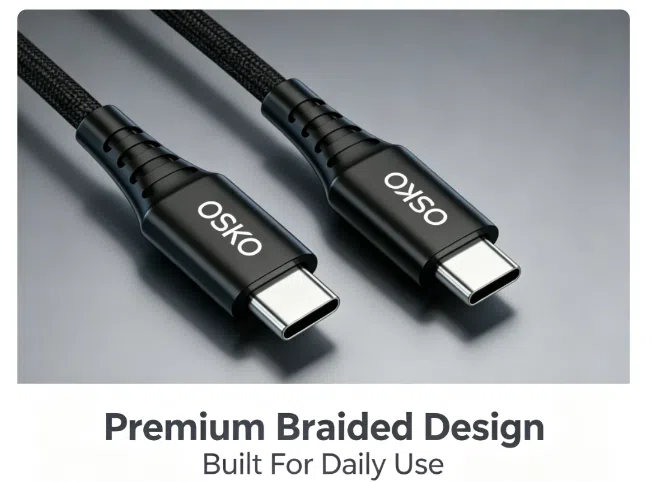
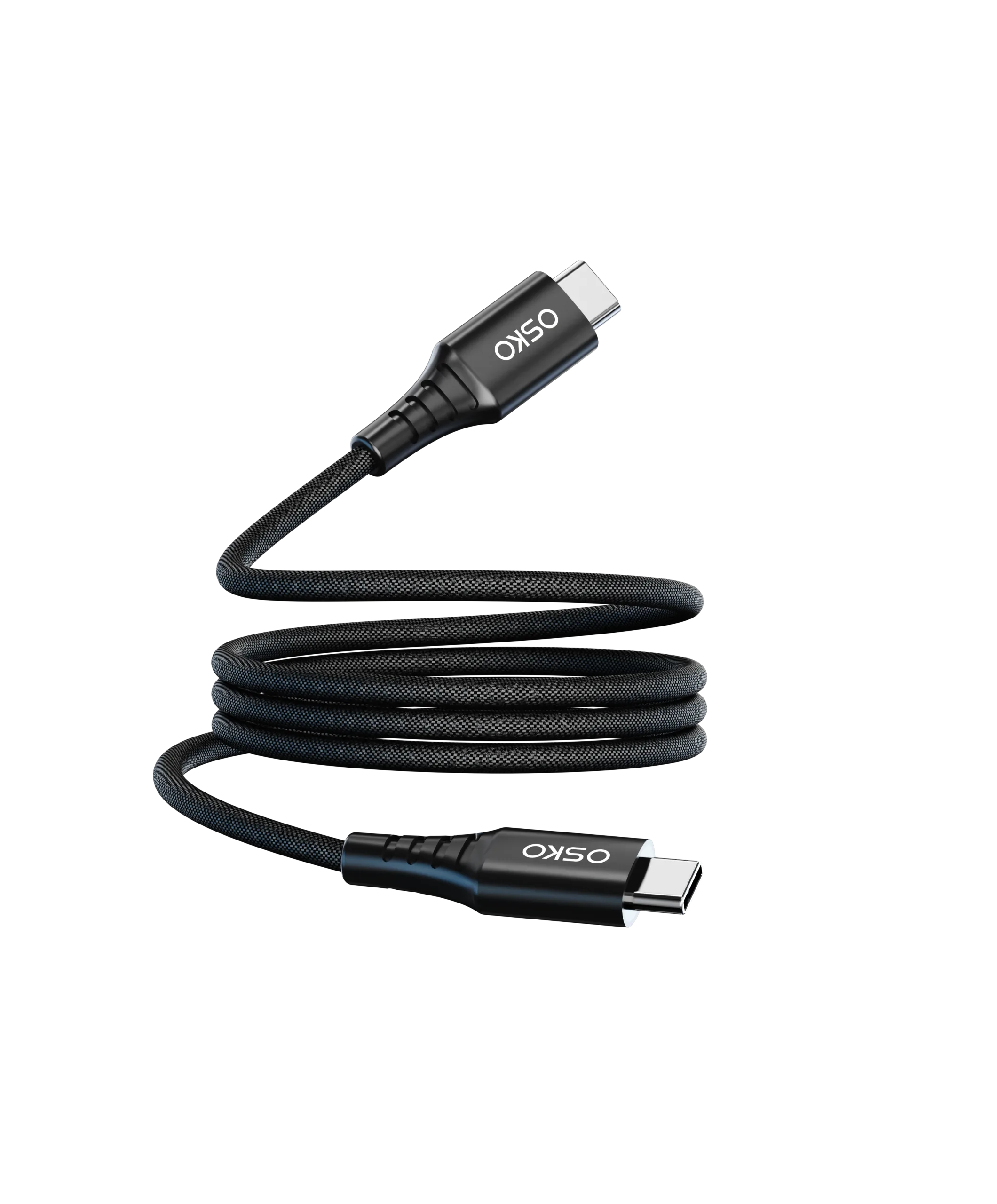
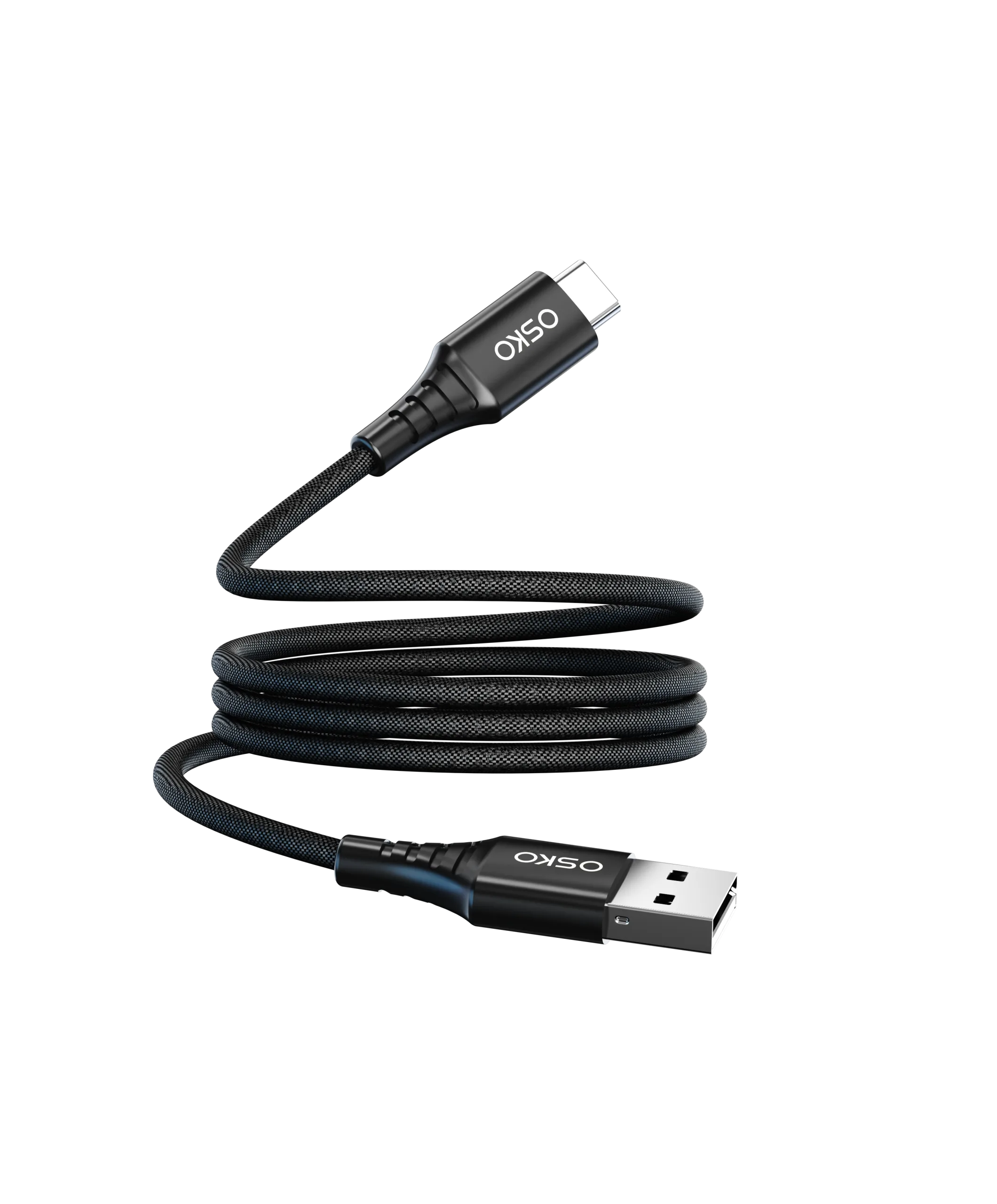
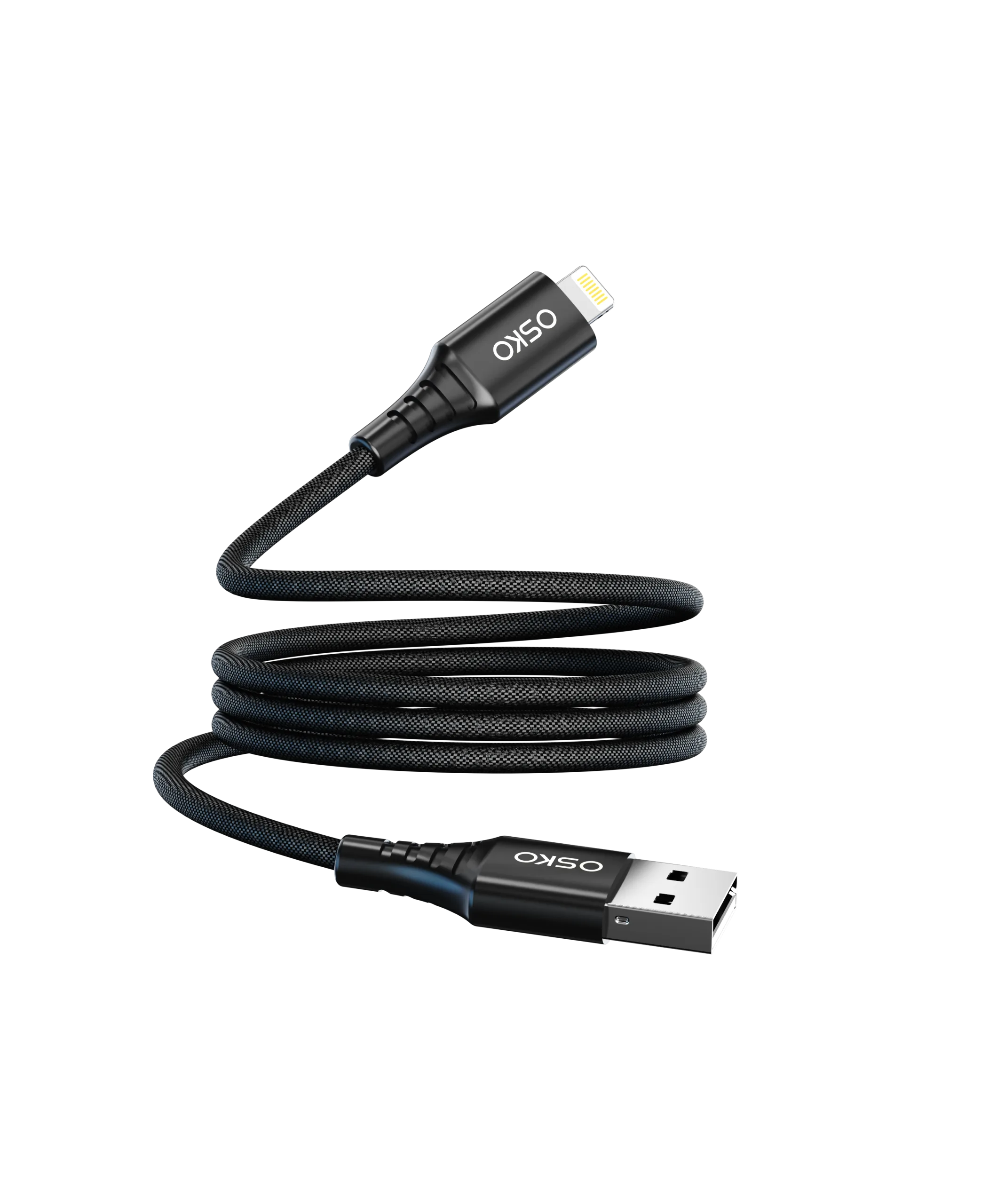
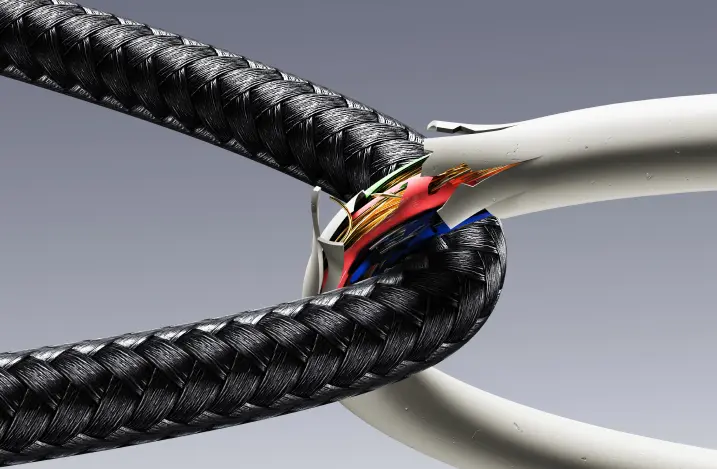
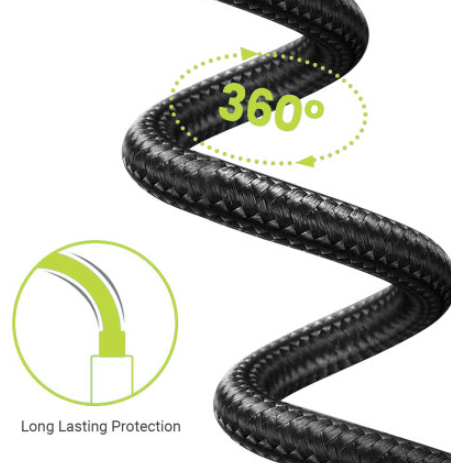
Nylon braided outer jackets for structural stiffness
Flat cable geometry to reduce twisting
Silicone coatings for reduced friction
Coiled spring structures for controlled extension
Among these, nylon braided structures dominate premium retail markets in USB cable durability engineering.
Strain Relief and Connector Reinforcement
Most cable failures occur at the connector junction.
To prevent breakage:
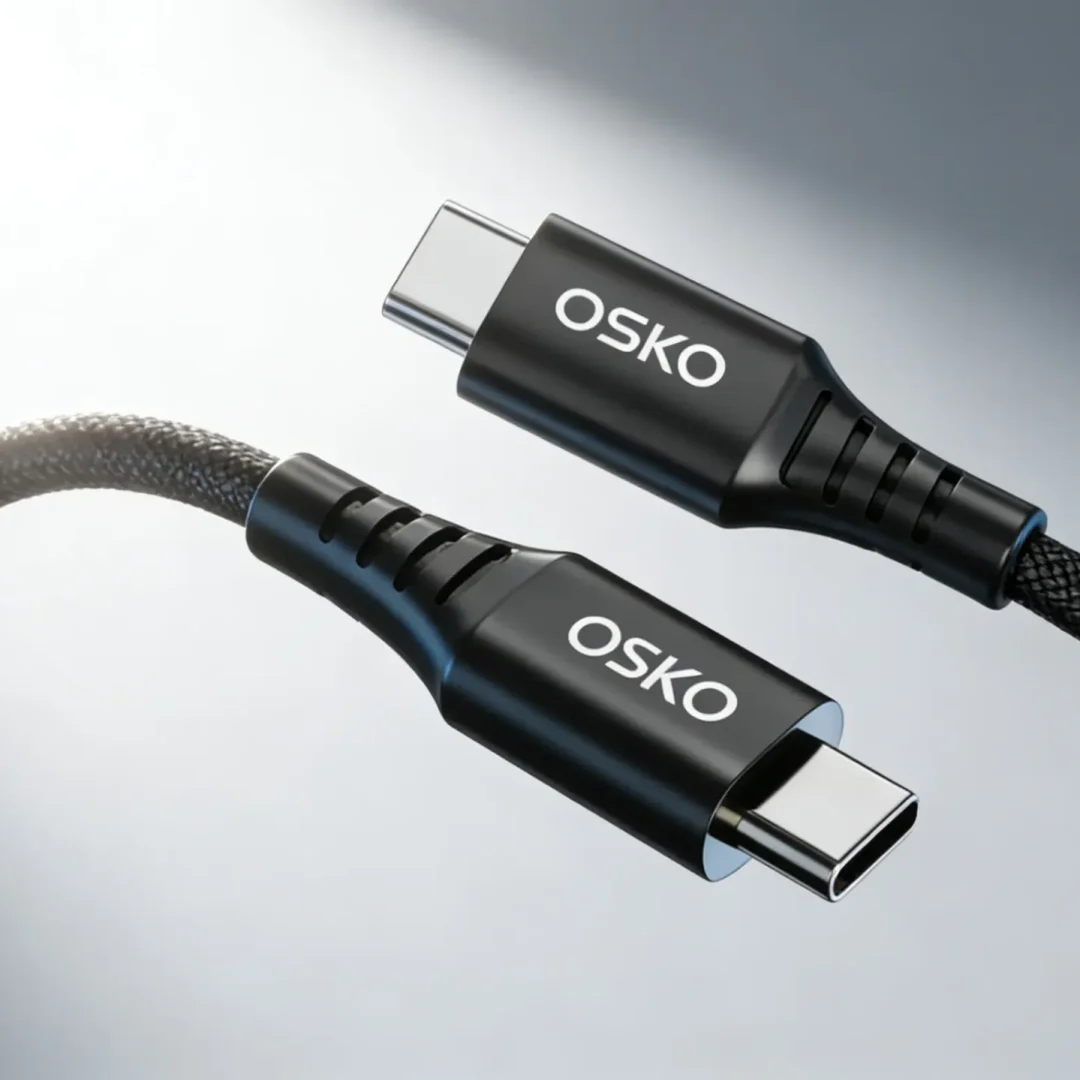
Extended rubber strain relief is used
Internal reinforcement sleeves distribute bending stress
Connector molding is designed to reduce sharp angle stress
This is critical for long-term cable breakage and tangling prevention performance.
Case Study
US Retail Brand Cable Durability Failure Reduction Project
Customer Background
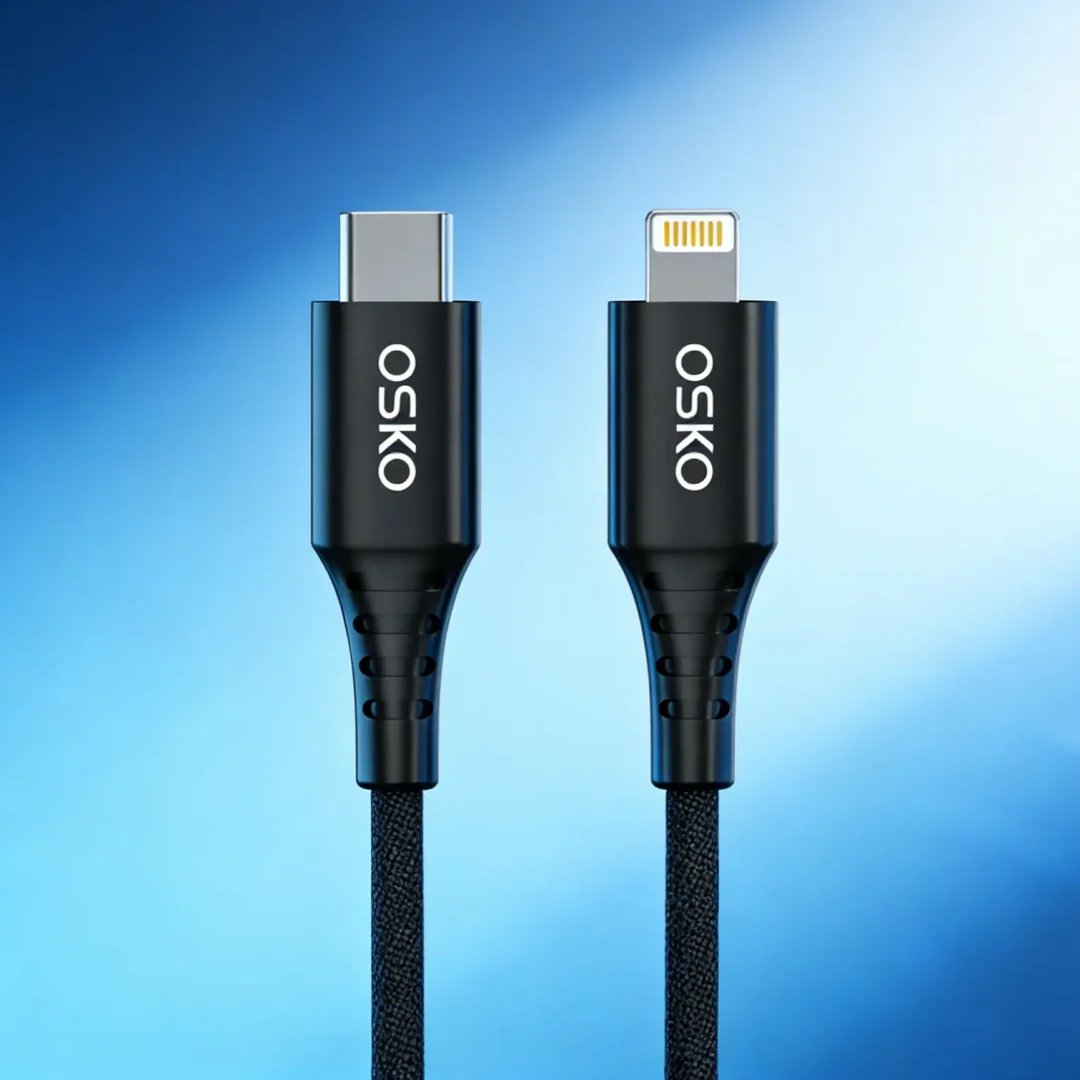
A US-based e-commerce brand selling USB-C and Lightning cables experienced high return rates due to frequent breakage at the connector and severe tangling complaints from customers.
Their goal was to improve product durability while maintaining competitive pricing in Amazon and Walmart marketplaces.
Engineering Problems Identified
Initial product issues included:
Internal conductor breakage after 2,000 bend cycles
High cable memory effect causing persistent tangling
Weak strain relief structure
PVC jacket stiffness causing cracking in cold environments
Inconsistent performance across production batches
These issues significantly impacted customer reviews and conversion rates.
OSKO Engineering Solution
OSKO implemented a full redesign focused on mechanical durability:
Oxygen-free copper multi-strand conductor system
TPE dielectric insulation for flexible stress distribution
Nylon braided outer jacket for anti-tangle structure
Reinforced strain relief with extended connector molding
Optimized bend radius design (>10,000 cycle durability target)
Manufacturing control included:
ISO9001 certified braided USB cable factory process validation
USB-IF compliant Type C cable manufacturer production standards
FCC approved nylon braided USB C cable supplier compliance
CE RoHS certified 240W USB C cable scalable architecture
Result
After implementation:
Cable breakage rate reduced by 58%
Tangling complaints reduced by 64%
Product lifespan increased to 12,000+ bend cycles
Customer rating improved from 4.0 to 4.8
Return rate decreased significantly across Amazon listings
This demonstrates how engineering design directly solves cable breakage and tangling prevention issues.
Selection Guide
Understanding Cable Failure Mechanisms
Cable failure generally occurs in three stages:
Micro-cracks in conductor strands
Insulation fatigue and deformation
Connector junction separation
Proper design addresses all three simultaneously.
Material Comparison Table
| Material Type | Breakage Resistance | Tangle Resistance | Market Position |
|---|---|---|---|
| PVC cable | Low | Low | Budget retail |
| TPE cable | High | Medium | Mid-tier retail |
| Nylon braided cable | Very High | High | Premium durable cables |
Nylon braided structures are the most effective solution for cable breakage and tangling prevention in retail environments.
OEM Manufacturing Considerations
For global buyers, key sourcing factors include:
Bend cycle durability testing (5,000–20,000 cycles)
Strain relief engineering quality
Jacket material consistency
Packaging designed for retail handling
Compliance certifications (CE, FCC, RoHS, Prop 65)
Common procurement categories include:
Wholesale 60w braided usb c cable
Bulk custom 6ft 10ft USB-C cables
OEM ODM custom length USB C cables
Custom packaging braided charging cable factory
White label 240W fast charging cable wholesale
Application Scenarios
Durability-focused cables are widely used in:
OEM USB cables for branded electronics systems
ODM USB cables for customized product development
Wholesale USB cables for distribution networks
Desktop charging cables for daily office use
In-vehicle charging cables for high-vibration environments
Travel USB cables for portable, high-mobility use
FAQ
Why do cables break near the connector?
Because that area experiences the highest mechanical stress and bending force concentration.
What is the best material to prevent cable tangling?
Nylon braided jackets provide the best balance of stiffness and durability.
Do braided cables last longer than PVC cables?
Yes. They significantly improve mechanical strength and bend resistance.
How many bend cycles should a good cable support?
High-quality cables typically support 10,000–20,000 bend cycles.
Can cable design eliminate tangling completely?
It cannot be fully eliminated, but can be significantly reduced through material and structural engineering.
Summary
cable breakage and tangling prevention is a multi-layer engineering challenge involving conductor design, insulation selection, outer jacket architecture, and strain relief optimization.
Failures typically originate from mechanical stress concentration and material fatigue, especially near connector joints.
OSKO’s engineering approach addresses these issues through oxygen-free copper conductors, TPE insulation systems, and nylon braided reinforcement structures designed for high-cycle durability in US and European retail environments.
In modern cable markets, durability is not a secondary feature—it is a core performance indicator that directly influences brand reputation and customer retention.
Contact Information
OSKO provides OEM/ODM durable cable solutions including:
Anti-tangle braided USB-C cables
High-durability Lightning charging cables
Strain relief optimized cable systems
Wholesale and Amazon-ready packaging
Custom branding and private label manufacturing
OSKO engineering team delivers full technical documentation, durability testing support, and scalable manufacturing solutions for global cable brands.