
Introduction
A USB-C cable is used hundreds or even thousands of times during its lifetime. Daily actions such as plugging in a phone, charging a laptop, moving a cable on a desk, or carrying a charger in a bag create continuous mechanical stress.
Many users experience common cable failures:
Cable breaks near the connector
Outer jacket cracks after repeated bending
Charging becomes unstable
Data transfer stops working
Cable becomes loose after long-term use
These problems usually come from weak material selection, poor internal structure, or insufficient durability testing.
The most durable USB-C cables for everyday use are designed with a combination of:
Strong outer materials
Flexible internal conductors
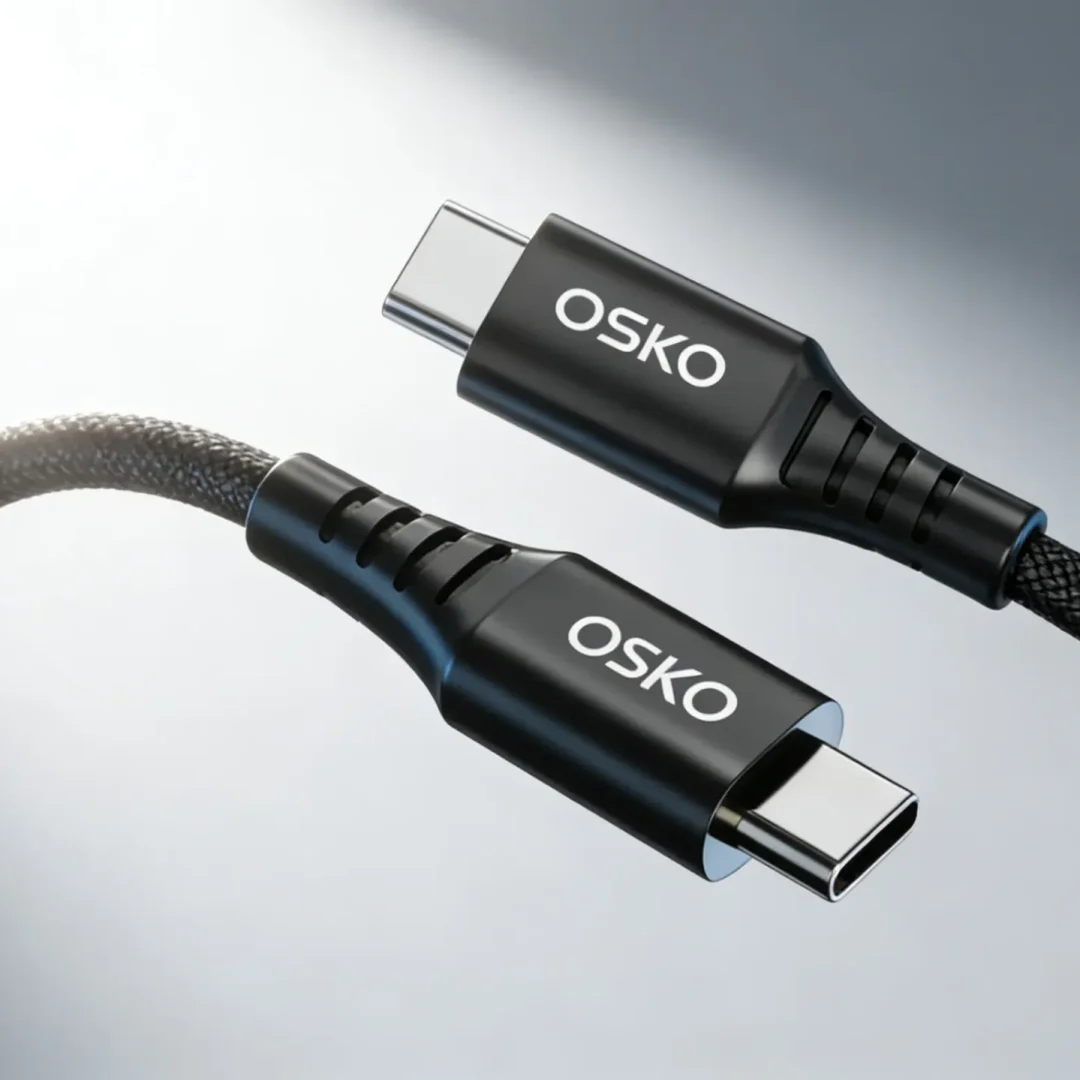
Reinforced connectors
Proper strain relief
Reliable electrical design
For consumers, a durable cable reduces replacement frequency and improves charging reliability.
For US retailers, distributors, and OEM buyers, durability directly affects product reviews, customer satisfaction, and brand reputation.
A professional USB-C cable manufacturer evaluates durability through:
Bend cycle testing
Pull force testing
Plug insertion testing
Charging performance testing
Material reliability analysis
Material Science & Mechanical Structure
What Makes a USB-C Cable Durable?
Cable durability depends on multiple layers working together.
A high-quality USB-C cable typically includes:
| Component | Function |
|---|---|
| Copper conductor | Transfers power and data |
| Insulation layer | Protects electrical stability |
| Shielding layer | Reduces interference |
| Outer jacket | Protects against wear |
| Connector housing | Prevents mechanical damage |
| Strain relief | Reduces bending stress |
A durable cable is not created by one material alone. It requires optimized engineering across the entire structure.
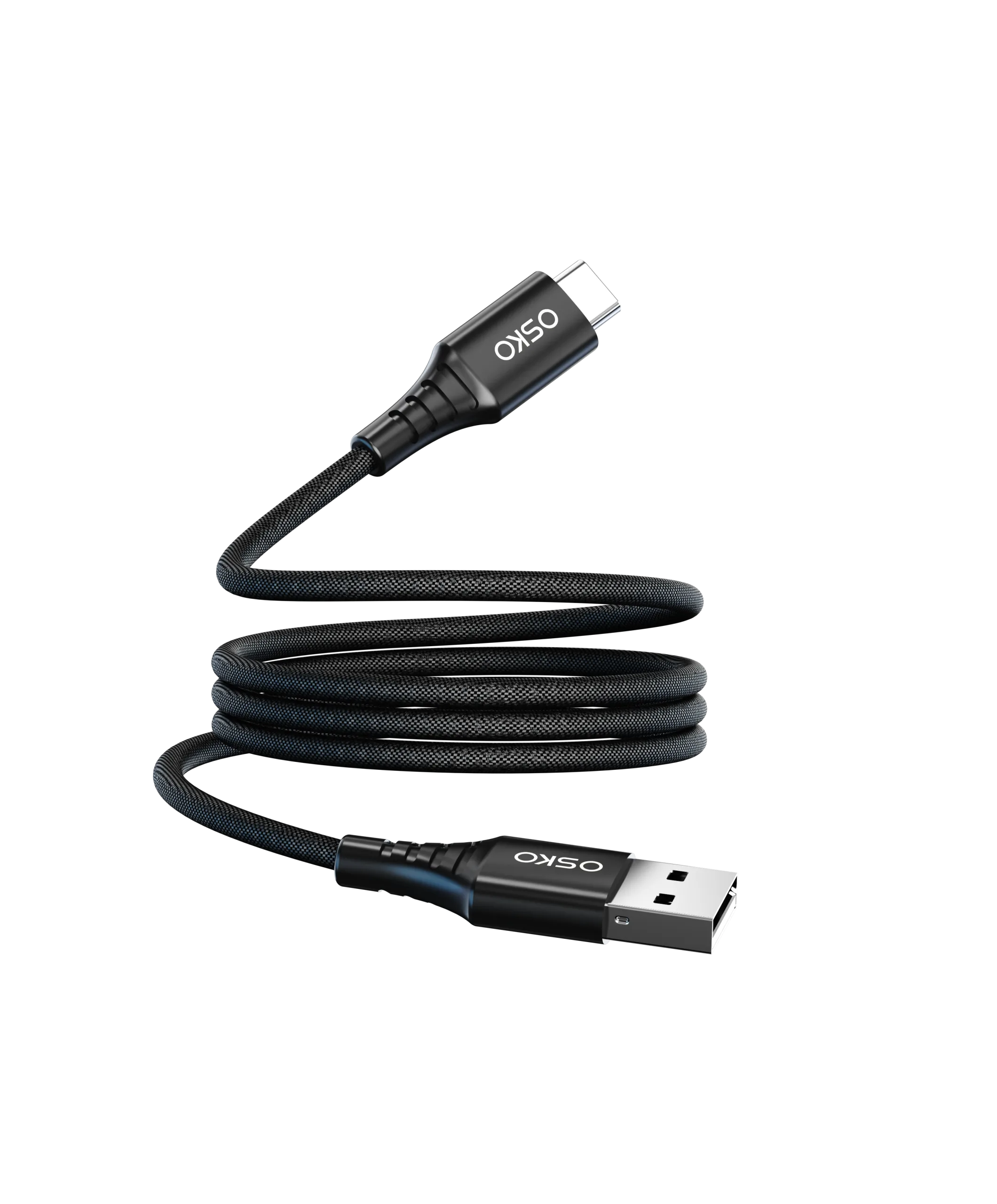
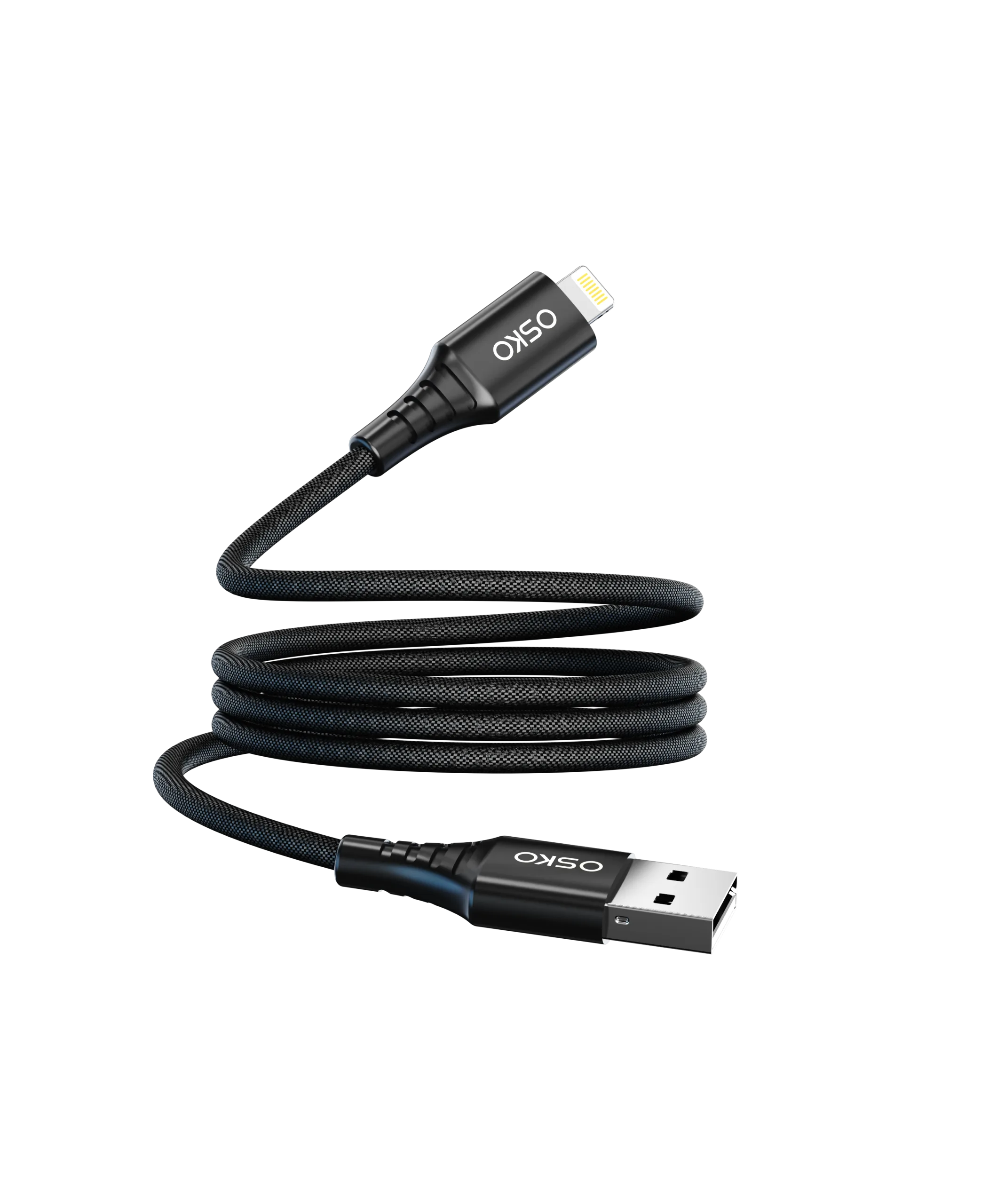
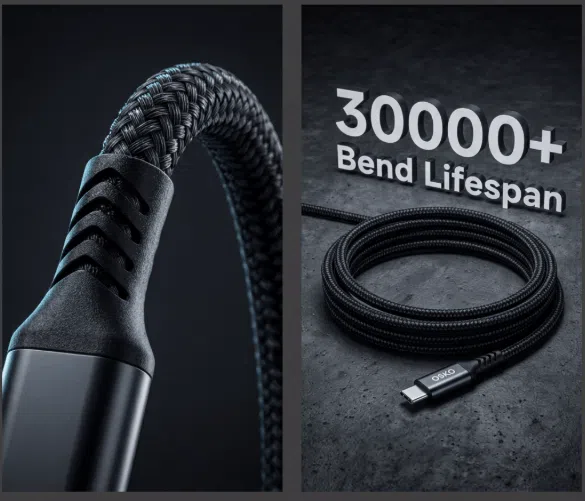
Nylon Braided USB-C Cable: The Most Popular Durable Design
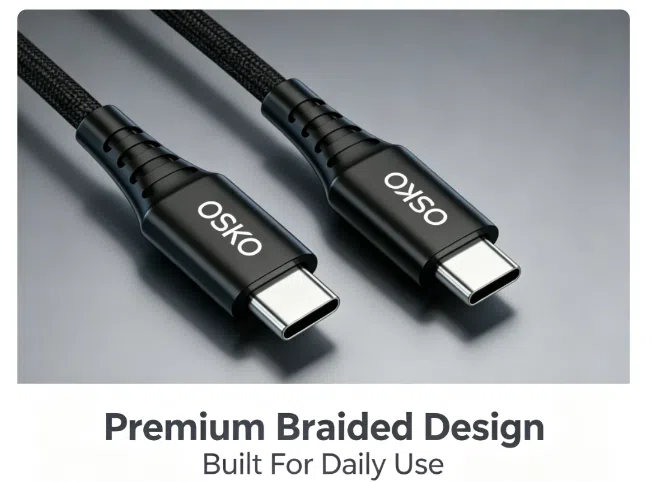
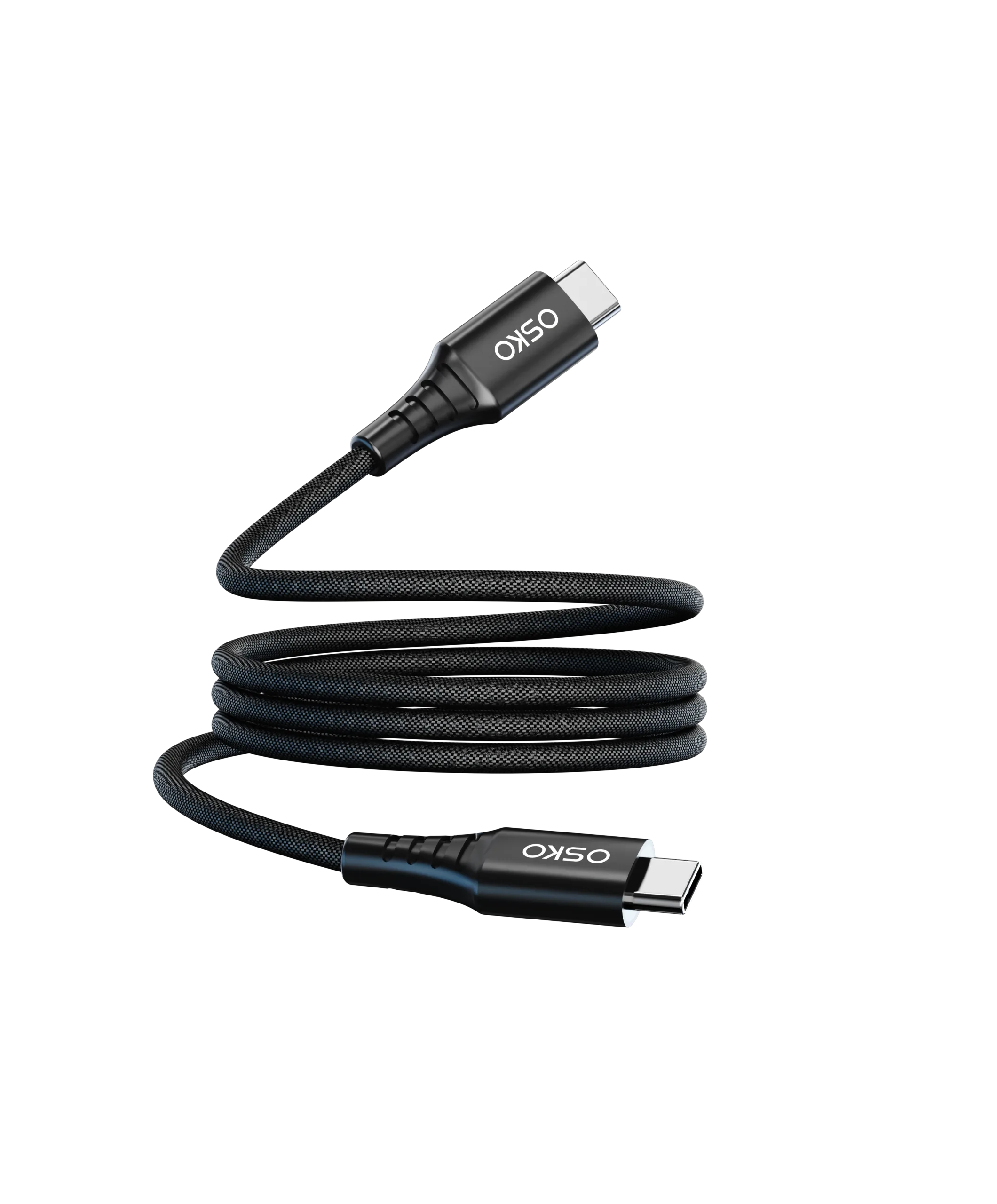
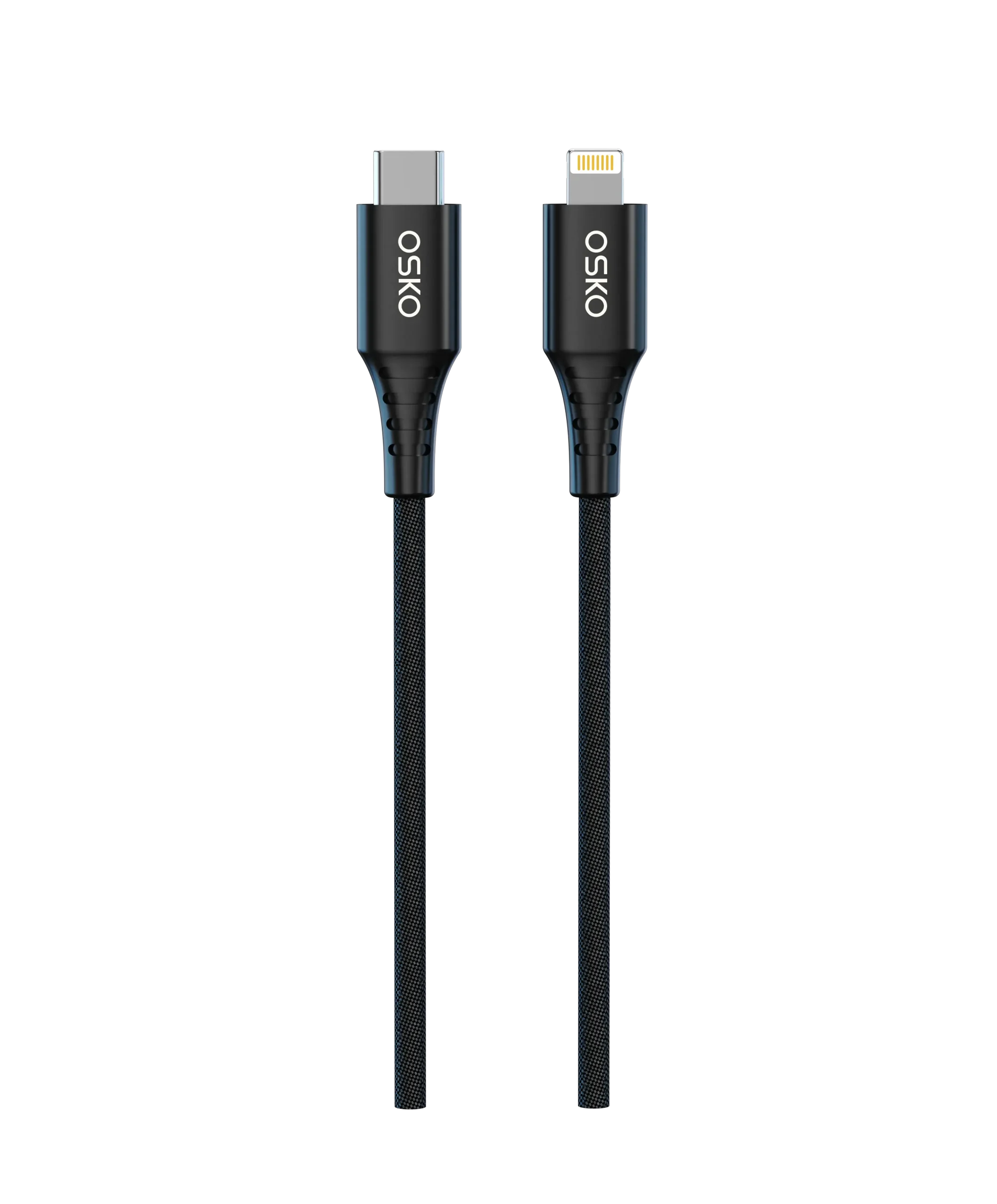
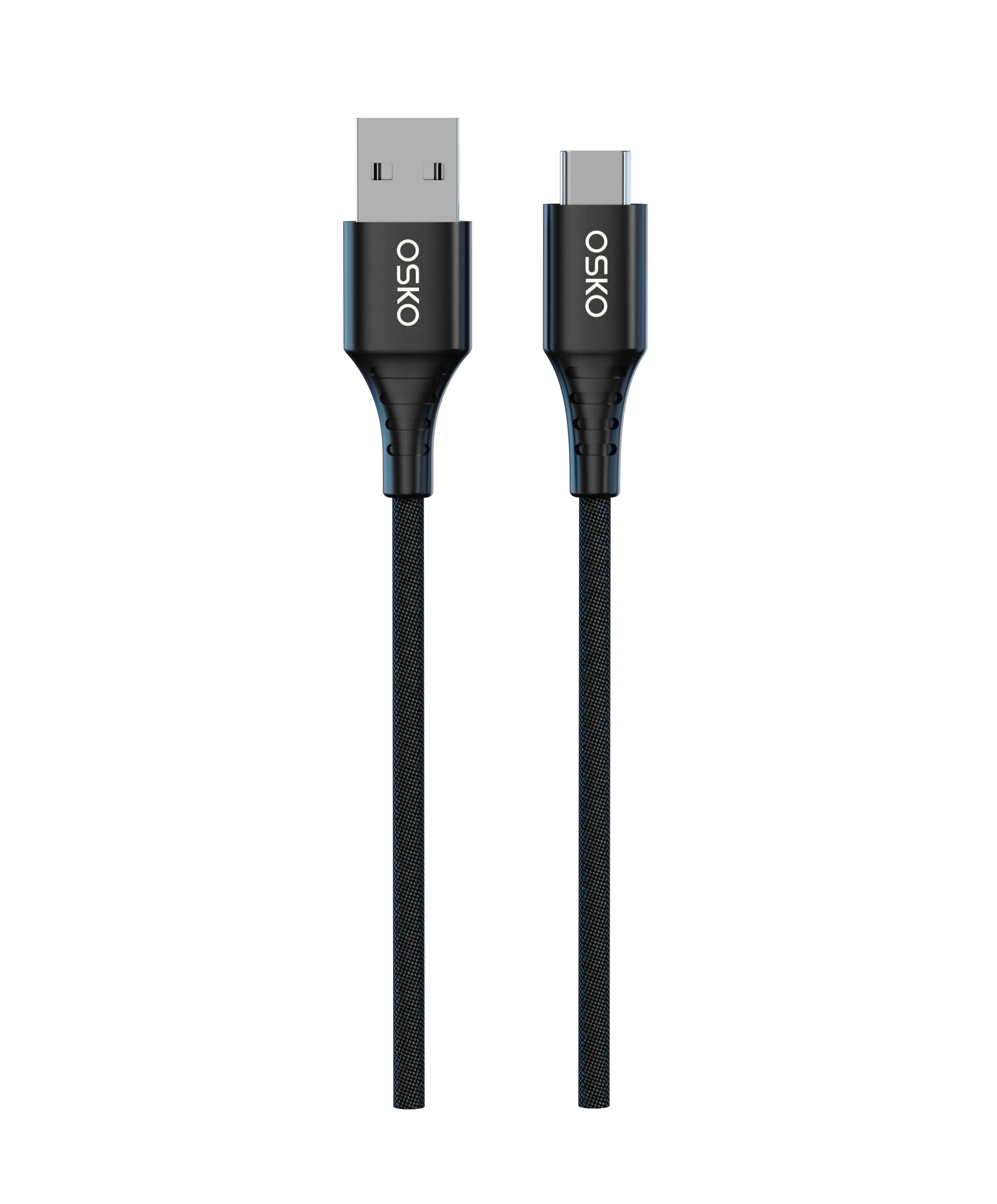
A nylon braided USB-C cable is widely considered one of the most durable options for everyday users.
The braided outer layer provides additional mechanical protection.nylon braided USB-C cable
Advantages
Abrasion Resistance
Nylon fibers protect the cable surface from:
Friction
Scratches
Daily handling
Suitable for:
Office environments
Travel
Backpack storage
Better Bend Protection
Everyday cable damage often happens near:
Connector area
Cable exit point
A braided structure helps distribute bending force and reduces stress concentration.
Premium Product Appearance
For retail products, braided cables provide:
Higher perceived quality
Better shelf appearance
Premium user experience
This is why many accessory brands choose durable nylon braided Type C charging cable factory solutions for consumer products.
TPU vs PVC vs Nylon Braided USB-C Cables
Different materials provide different performance characteristics.
| Material | Advantages | Limitations | Applications |
|---|---|---|---|
| PVC | Low cost, simple production | Less flexible | Basic charging cables |
| TPU | Flexible, durable, soft | Higher cost | Daily charging |
| Nylon braid | Strong wear resistance | More complex manufacturing | Premium cables |
Internal Conductor Design and Cable Lifespan
The internal conductor determines both charging performance and mechanical reliability.
A durable cable uses:
High-quality copper wire
Fine-strand conductor design
Flexible internal arrangement
Fine-strand copper improves:
Flexibility
Resistance to bending
Electrical stability
Poor internal wiring may lead to:
Broken conductors
Intermittent charging
Data failures
Connector Reinforcement: The Most Important Failure Point
The connector area receives the highest mechanical stress.
Common causes of failure:
Bending near the plug
Pulling force
Frequent insertion
A durable USB-C cable includes:
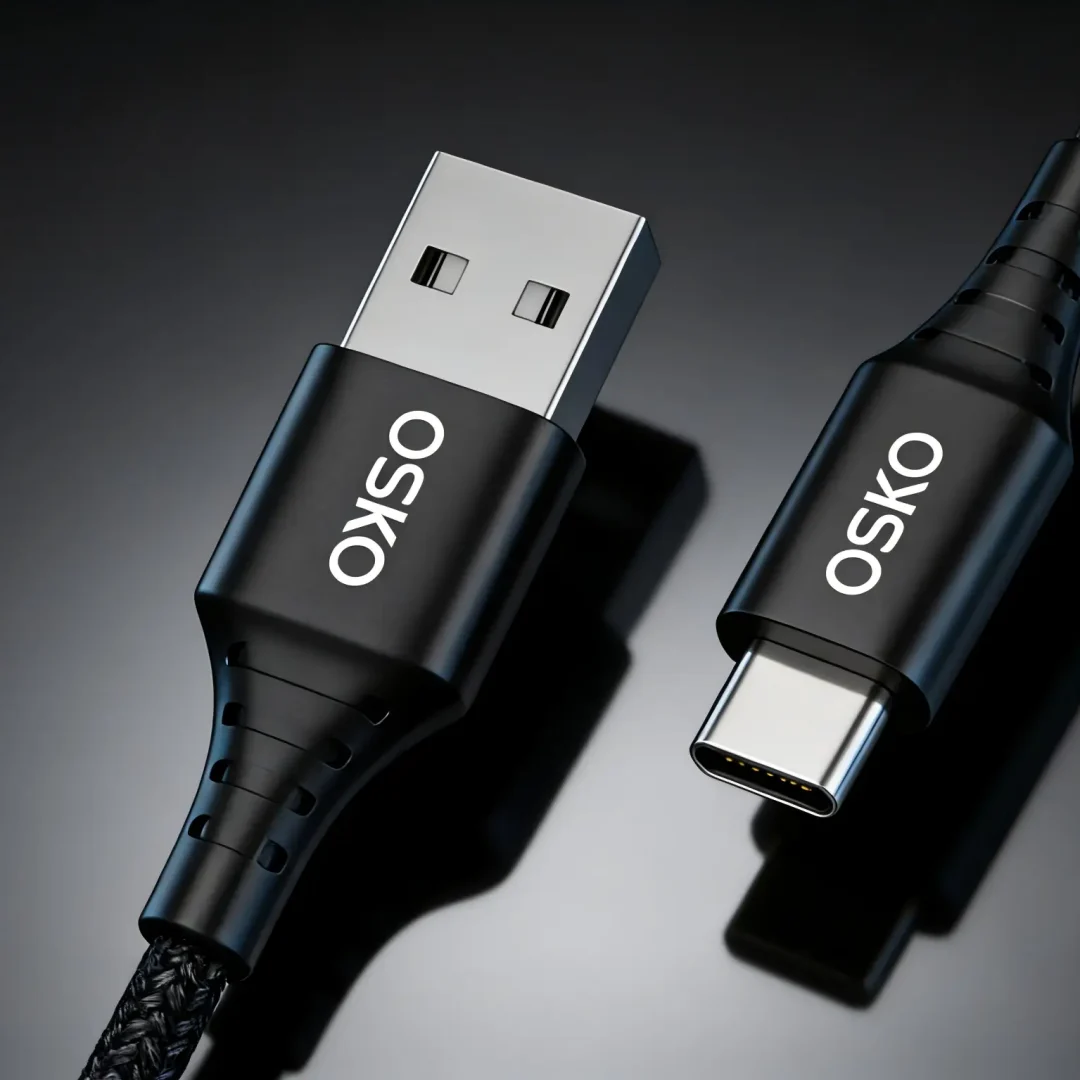
Strong Strain Relief
The strain relief section absorbs bending forces.
Reinforced Connector Housing
Protects internal solder joints.
Quality Metal Shell
Improves:
Plug stability
Connection reliability
Mechanical strength
Professional manufacturers test connectors through:
Plug/unplug cycles
Pull tests
Bending tests
Durability Testing Standards for USB-C Cables
A reliable USB-C cable should pass multiple tests.
| Test | Purpose |
|---|---|
| Bend test | Measures flexibility and lifespan |
| Pull test | Tests mechanical strength |
| Plug cycle test | Evaluates connector durability |
| Temperature test | Checks heat resistance |
| Charging test | Confirms electrical stability |
These tests are especially important for:
Bulk USB cable orders
Retail products
OEM projects

Durable USB-C Cable Applications
Home Charging Cable
Home users typically require:
Daily plugging and unplugging
Stable charging
Long service life
Recommended:
Travel USB-C Cable
Travel environments create additional stress:
Folding
Storage
Frequent movement
Recommended features:
Nylon braid
Flexible structure
Compact length
Car Charging Cable
Car environments require:
High movement resistance
Strong connector protection
Recommended:
Reinforced connector
Flexible jacket
3ft–6ft length
Desk Charging Cable
Office users need:
Clean cable management
Long-term reliability
Recommended:
6ft braided cable
Premium outer material
Case Study
US Consumer Electronics Brand Upgraded Standard USB-C Cable to Heavy-Duty Braided Design
A US electronics accessory company sold standard USB-C charging cables through online retail channels.
Customer reviews showed several problems:
Cable jacket cracking after several months
Connector damage near the plug
Increased return rates
Customer Requirements
The company wanted:
Longer lifespan
Premium appearance
Stable fast charging
Competitive manufacturing cost
Retail-ready packaging
Target applications:
Retail USB cable
Travel charging cable
Home charging cable
Engineering Problems
OSKO analyzed the original cable structure.
Mechanical Problems
The existing cable had:
Weak strain relief
Limited bending resistance
Low surface protection
Material Problems
The PVC jacket was not suitable for heavy daily use.
OSKO Engineering Solution
OSKO redesigned the cable structure.
Material Upgrade
Changed from standard PVC to:
Nylon braided outer jacket
Flexible internal conductor structure
Connector Improvement
Added:
Reinforced connector housing
Improved strain relief design
Quality Testing
Performed:
Bending durability testing
Plug cycle testing
Charging stability testing
Project Results
The improved cable achieved:
Longer product lifespan
Lower return rate
Better customer feedback
Improved retail positioning
The project supported:
OEM USB cable manufacturing
ODM USB cable development
Wholesale USB cable supply
Retail charging accessory products
Selection Guide
How to Choose the Most Durable USB-C Cable
Check the Outer Material
Recommended:
Nylon braid for heavy use
TPU for flexibility
Avoid low-quality thin jackets
Check Connector Protection
Look for:
Strong strain relief
Reinforced housing
Secure connection design
Choose the Correct Power Rating
Durability also depends on electrical performance.
Common options:
| Application | Recommended Cable |
|---|---|
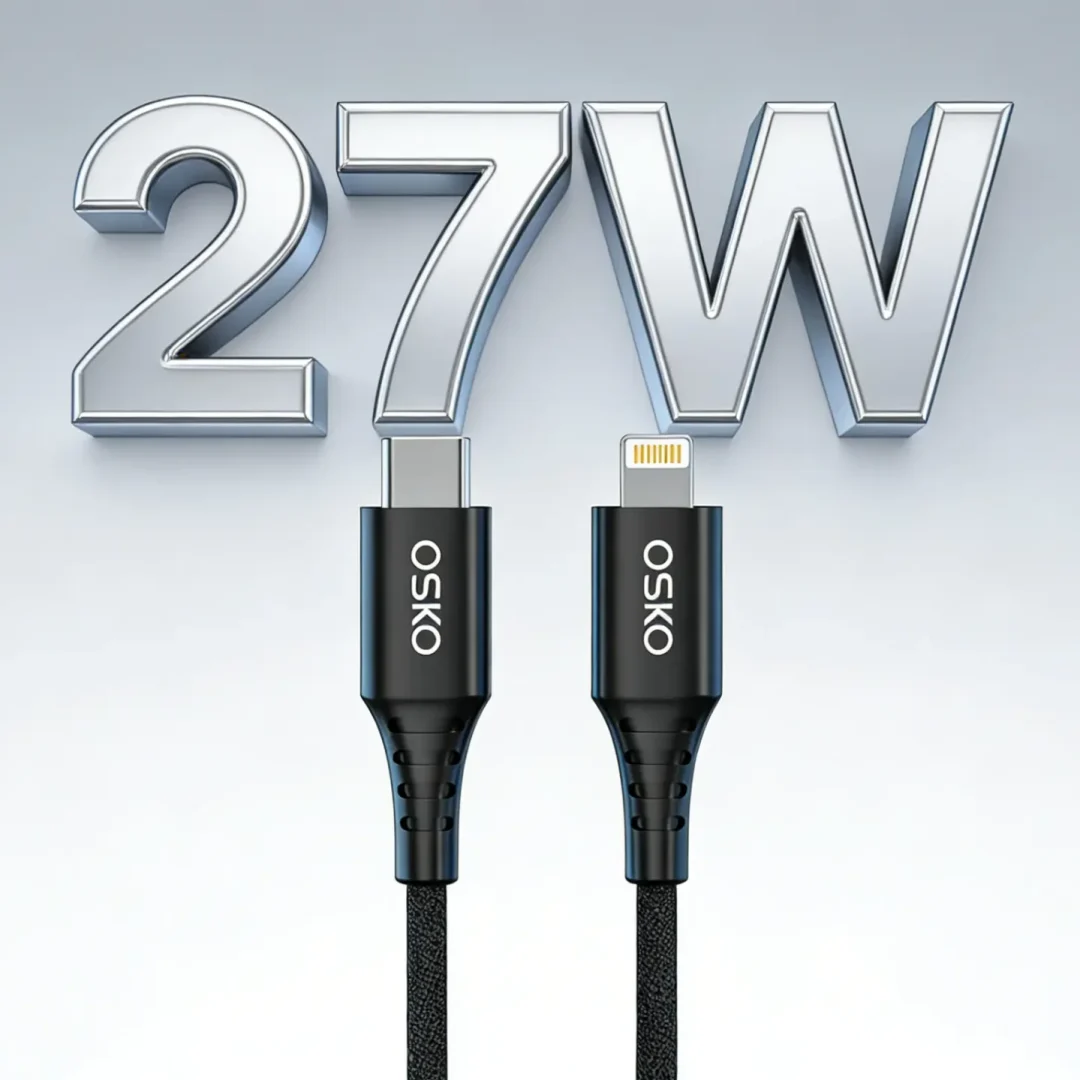
| Smartphone | 30W USB-C cable |
| Tablet | 60W USB-C cable |
| Laptop | 100W USB-C cable |
| High-power devices | 240W USB-C cable |
Choose the Right Supplier for OEM Projects
For brands sourcing durable cables, evaluate:
Material capability
Testing process
Production consistency
Customization support
OSKO provides:
Heavy duty braided USB-C cable manufacturer
Durable nylon braided Type C charging cable factory
Tangle-free double-braided USB C cable wholesale
Bulk custom color braided charging cables
OEM ODM custom length USB C cables
CE RoHS certified 240W USB C cable
FCC approved nylon braided USB C cable supplier
ISO9001 certified braided USB cable factory wholesale
FAQ
Are braided USB-C cables more durable than regular cables?
Yes. Braided cables generally provide better protection against abrasion, bending, and daily wear
What is the longest-lasting USB-C cable material?
Nylon braided designs combined with flexible internal conductors typically provide excellent durability for daily use.
How long should a durable USB-C cable last?
A high-quality cable can last several years depending on usage frequency, materials, and testing standards.
Does thicker USB-C cable mean better durability?
Not always. Durability depends on material quality, internal structure, and connector engineering.
Are expensive USB-C cables always more durable?
Not necessarily. A reliable cable should be evaluated based on specifications, construction, and testing rather than price alone.
Summary
The most durable USB-C cables for everyday use combine:
Nylon braided or high-quality TPU materials
Flexible copper conductors
Reinforced connectors
Strong strain relief
Reliable testing standards
For general users, a 3ft or 6ft braided USB-C cable provides an excellent balance of durability and convenience.
For US brands, distributors, and OEM buyers, durable cable development requires professional engineering, material selection, and manufacturing control.
OSKO provides customized durable USB-C cable solutions for home, travel, automotive, desktop, and retail applications with OEM and ODM manufacturing capabilities.
Contact Information
OSKO provides professional durable USB-C cable solutions:
Heavy-duty braided USB-C cables
Fast charging cables
Custom length USB-C cables
OEM and ODM cable manufacturing
Wholesale charging cable supply
OSKO engineering team supports global brands with cable design optimization, material selection, durability testing, and reliable manufacturing solutions.