

Introduction
Many consumers and wholesale buyers notice that braided charging cables are usually more expensive than standard PVC cables. At first glance, they may look similar internally, leading to a common question:
How is a braided charging cable actually created, and why does it cost more?
The answer lies in the manufacturing process.
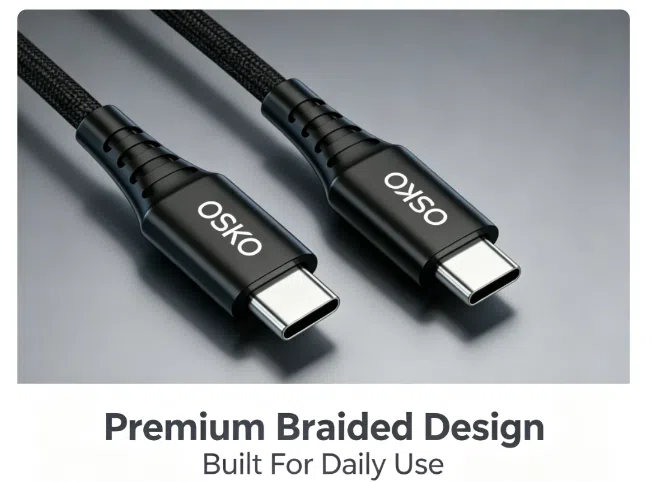
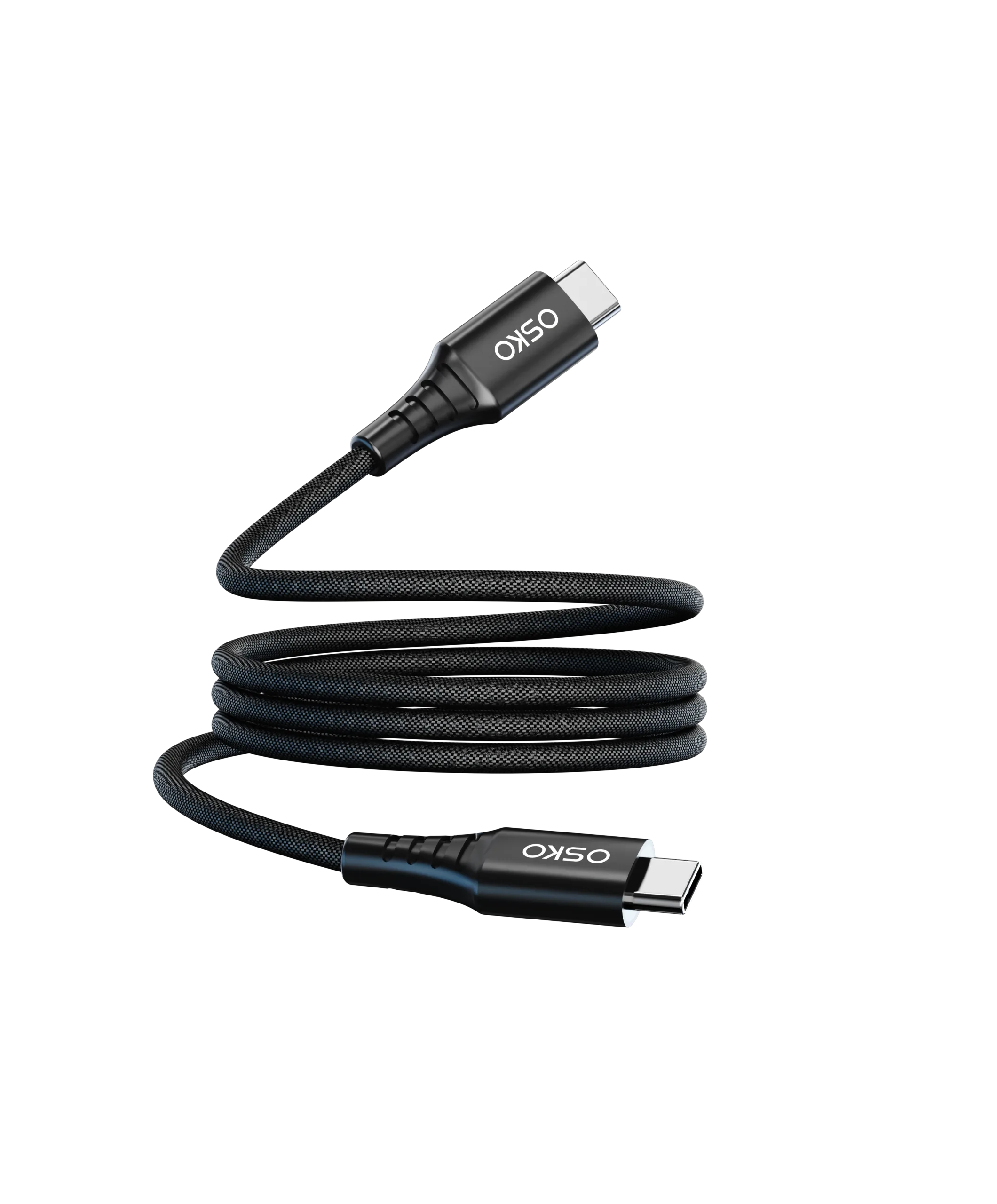
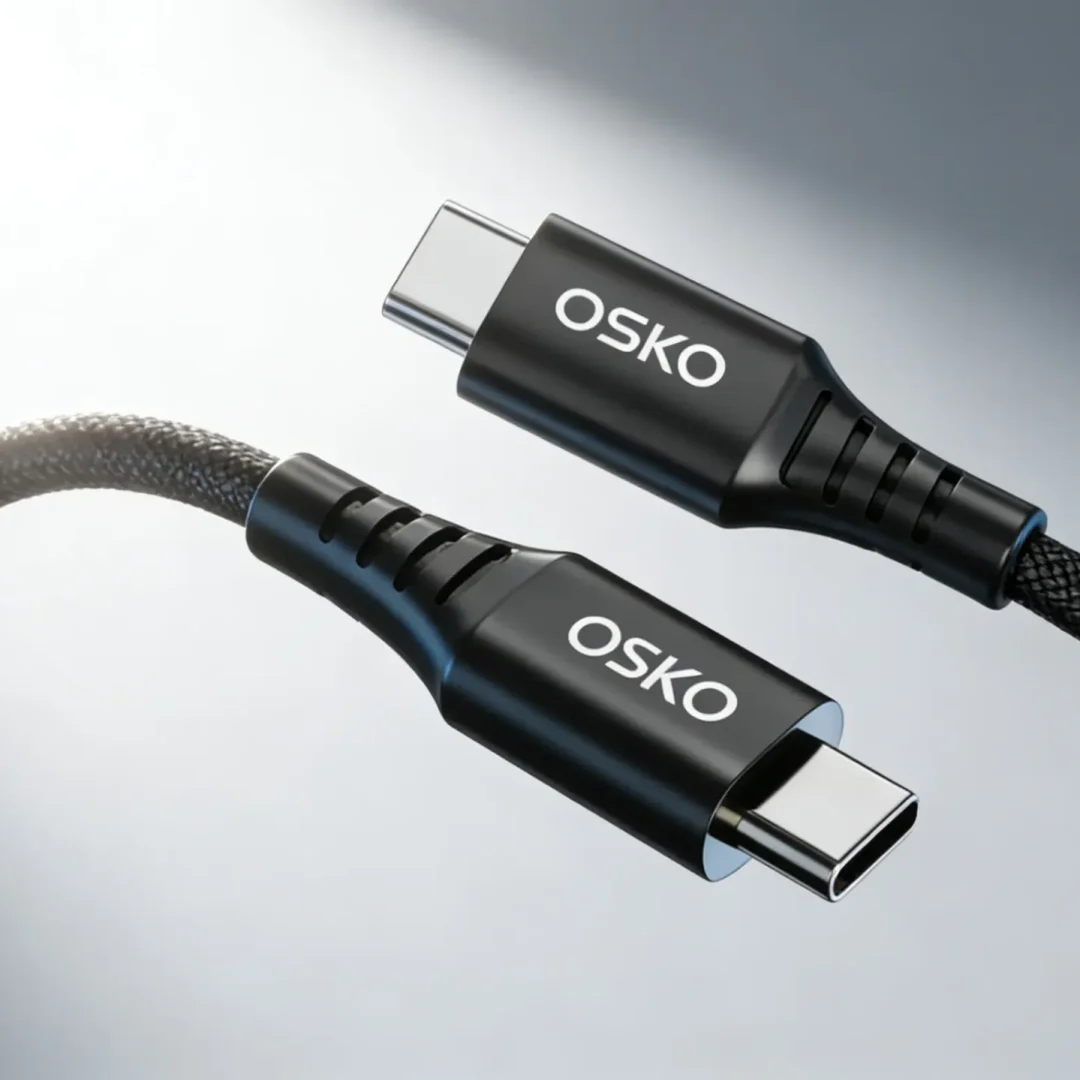
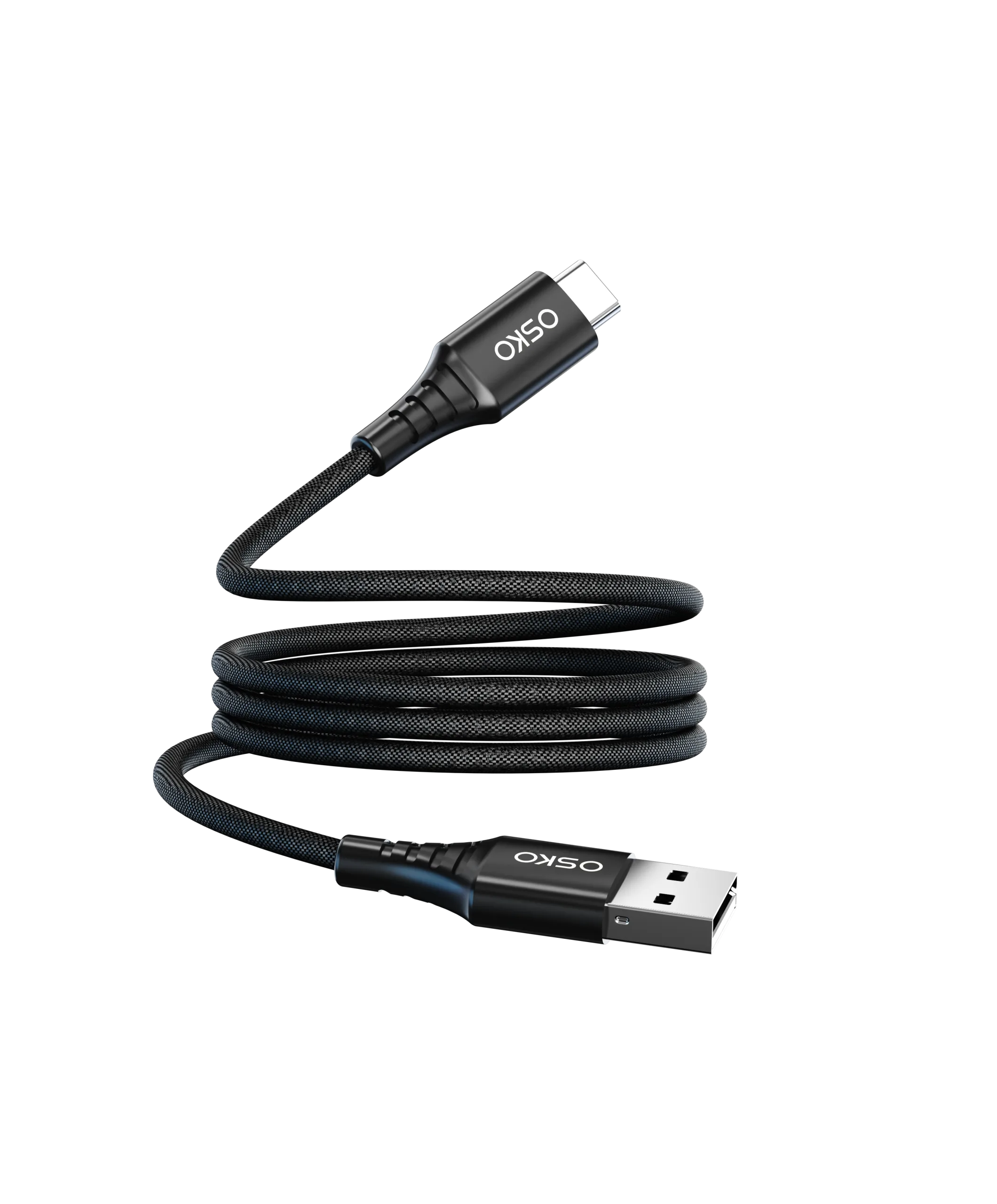
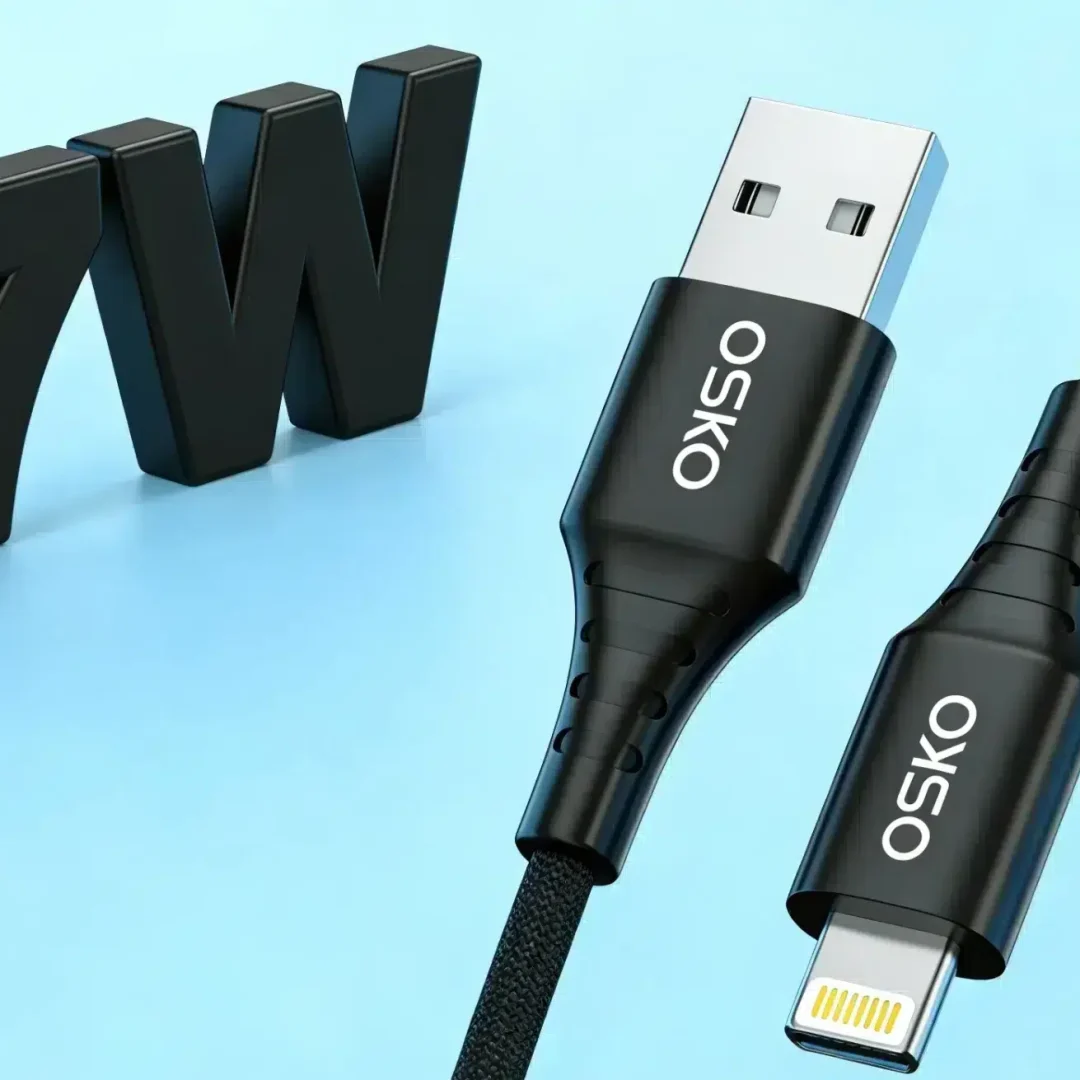
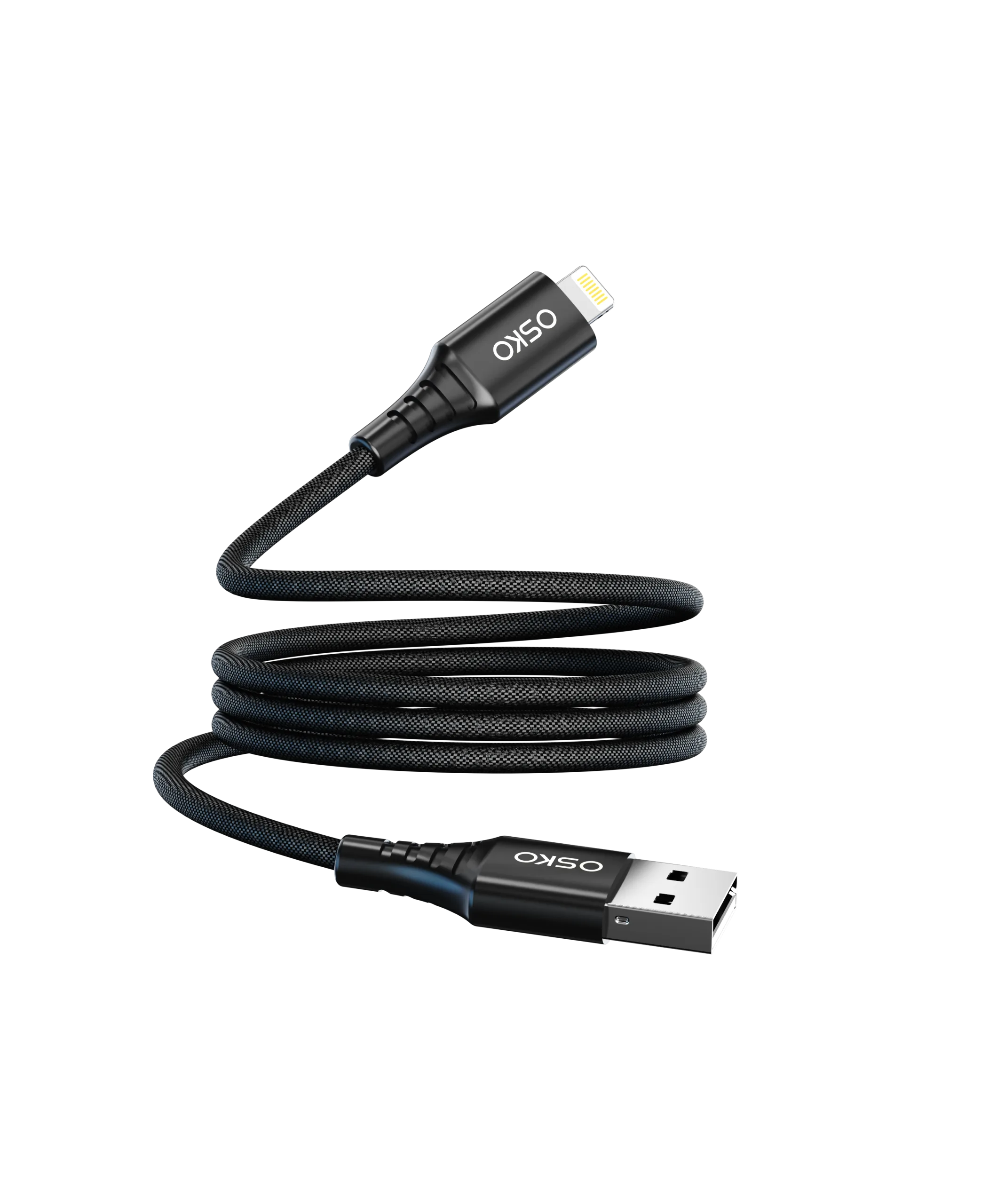
Unlike ordinary charging cables, braided cables require additional production stages, specialized machinery, higher-quality materials, and stricter quality control. The braided exterior is not simply decorative—it is engineered to improve durability, abrasion resistance, and overall cable lifespan.
For OEM brands, distributors, and wholesale buyers, understanding how braided charging cables are produced helps evaluate supplier capabilities, manufacturing quality, and product value.
Applicable Scenarios
Consumer Electronics
Braided charging cables are widely used for:
Smartphones
Tablets
Laptops
Power banks
Gaming accessories
Consumers often prefer braided designs because they resist tangling and typically last longer than standard cables.
OEM and ODM Cable Projects
Many brands choose braided cables for:
Premium product lines
Private-label accessories
Corporate gift programs
Retail packaging
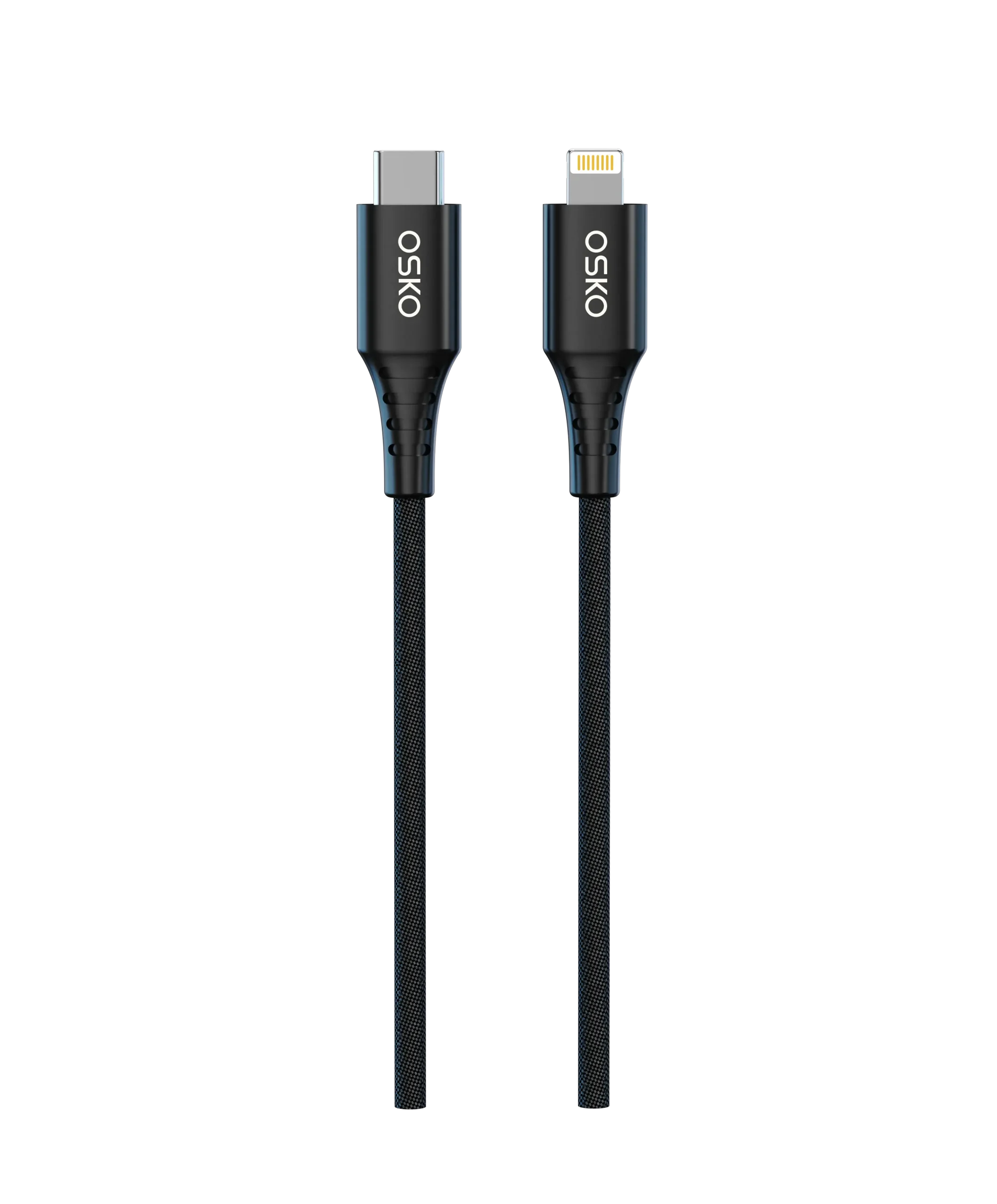
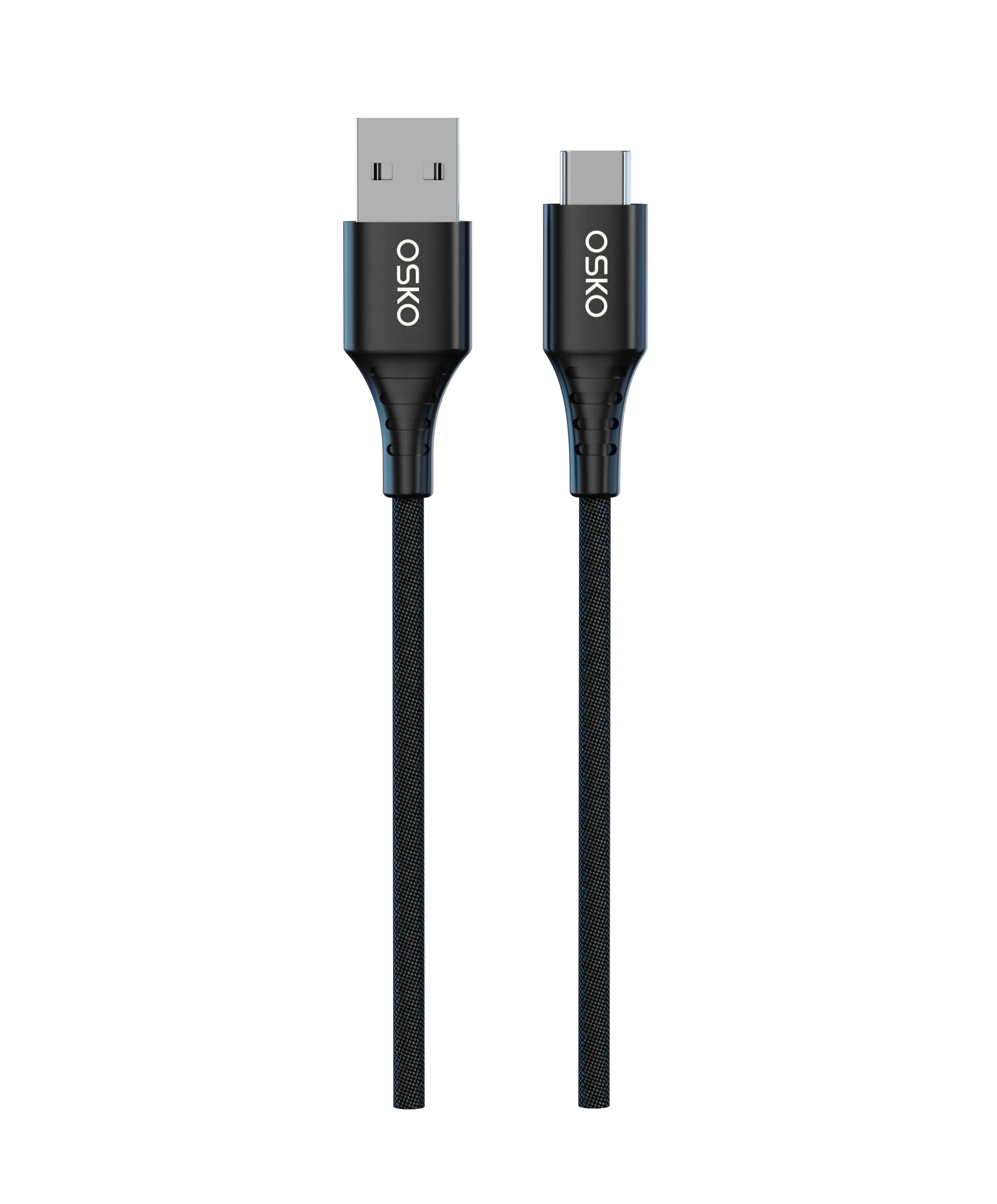
Products such as OEM ODM custom length USB C cables and Bulk custom 6ft 10ft USB-C cables commonly utilize braided construction to enhance perceived quality.
Automotive and Travel Applications
Charging cables used in cars or travel environments experience:
Frequent bending
Constant movement
Repeated storage and unpacking
Braided jackets provide better protection against wear and mechanical stress, making them popular for automotive and travel accessories.
The Manufacturing Process of a Braided Charging Cable
The creation of a braided charging cable involves multiple engineering stages. Each step contributes to charging performance, durability, and compliance with industry standards.
Step 1: Conductor Selection
Every charging cable begins with its conductor.
The conductor is responsible for carrying:
Electrical power
Data signals
Most quality cables use copper conductors because of their excellent conductivity.
Manufacturers typically choose between:
| Conductor Type | Characteristics |
|---|---|
| Bare Copper | Cost-effective |
| Tinned Copper | Improved corrosion resistance |
| High-Purity Copper | Better conductivity |
| Oxygen-Free Copper | Premium performance |
For high-power products such as 60W, 100W, or 240W USB-C cables, larger conductor sizes are required to safely carry current.
The conductor quality directly influences charging speed and efficiency.
Step 2: Insulation Layer Extrusion
After conductor preparation, insulation is applied.
The insulation serves several purposes:
Electrical isolation
Signal protection
Mechanical support
Common insulation materials include:
PE (Polyethylene)
PP (Polypropylene)
TPE (Thermoplastic Elastomer)
At this stage, manufacturers carefully control insulation thickness to maintain consistent electrical performance.
Step 3: Core Assembly
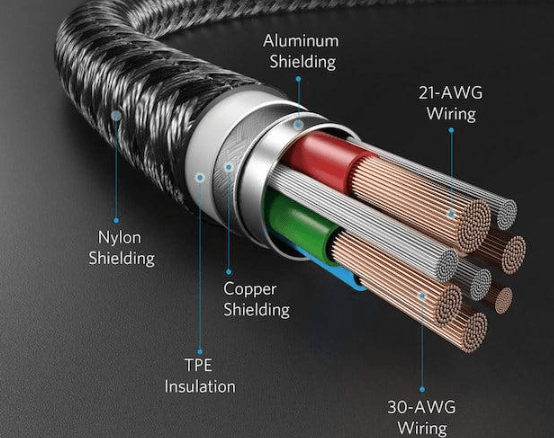
Next, multiple insulated conductors are assembled into a cable core.
Depending on cable specifications, the core may contain:
Power conductors
Data transmission wires
Ground wires
Shielding structures
Higher-performance cables such as USB 3.2 and USB4 require additional conductors and more complex internal structures.
Consequently, high-speed data cables are significantly more difficult to manufacture than standard charging cables.
Step 4: Shielding Installation
Shielding is critical for maintaining signal integrity.
Without proper shielding, cables may experience:
Signal interference
Reduced transfer speed
Charging instability
Common shielding materials include:
Aluminum foil
Braided copper shielding
Multi-layer shielding systems
Premium cables often utilize multiple shielding layers to meet USB-IF requirements.
Step 5: Outer Jacket Extrusion
Before braiding begins, the cable receives an outer protective jacket.
Typical jacket materials include:
| Material | Advantages |
|---|---|
| PVC | Economical |
| TPE | Flexible |
| TPU | Abrasion resistant |
This jacket provides the base structure upon which the braided layer will be applied.
The Braiding Process
Step 6: Nylon Braiding
This is the stage that differentiates braided cables from standard charging cables.
Using automated braiding machines, nylon yarn is woven around the cable jacket.
The process resembles textile manufacturing.
High-quality braiding provides:
Enhanced abrasion resistance
Improved tensile strength
Better appearance
Reduced tangling
Manufacturers may offer:
Single-braided designs
Double-braided designs
Multi-color braided designs
This additional production stage significantly increases manufacturing cost.
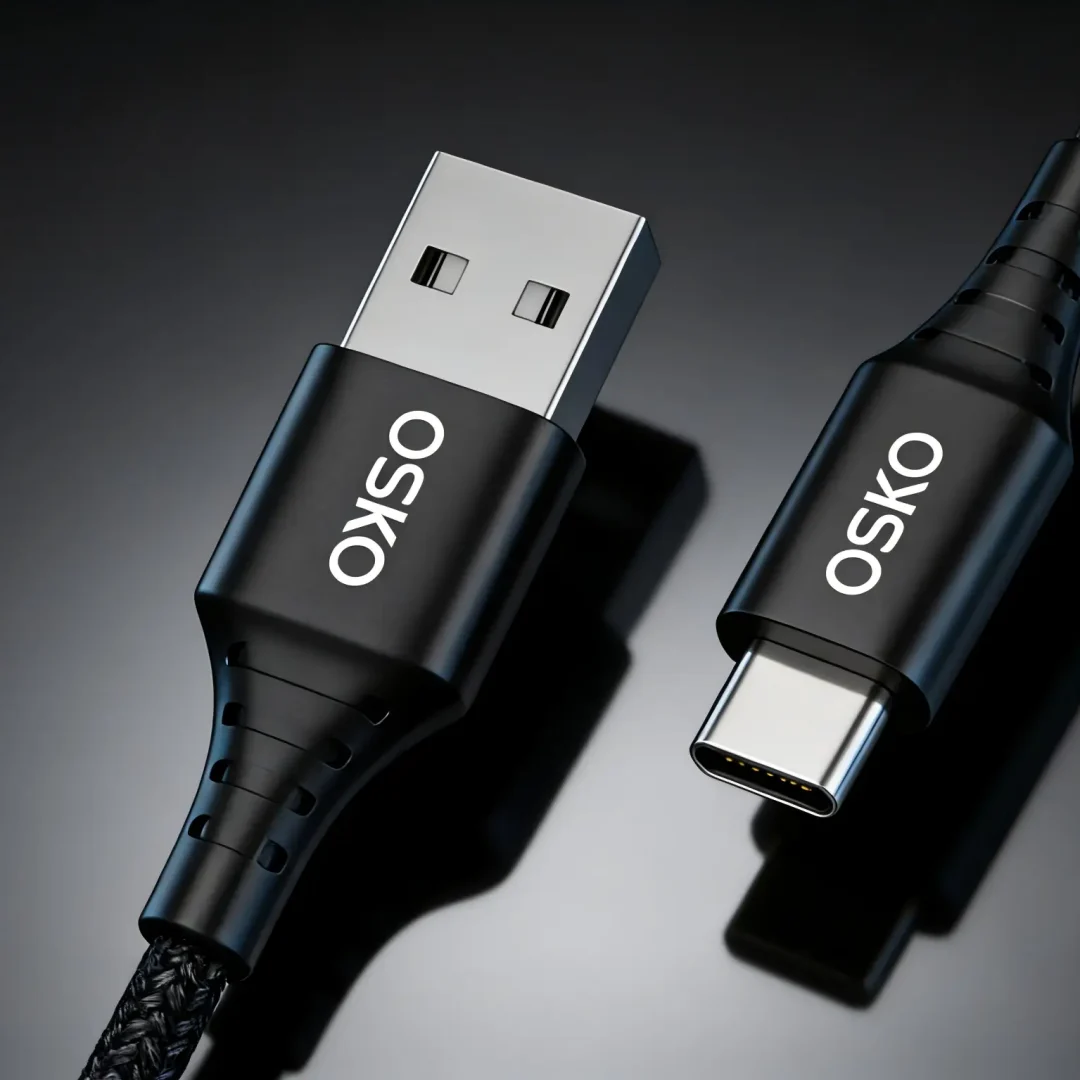
Products marketed as Durable nylon braided Type C charging cable factory solutions typically undergo this process.
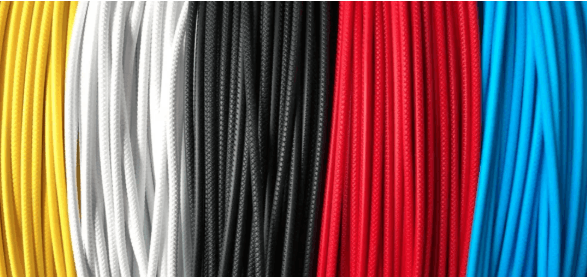
Step 7: Color and Pattern Customization
For OEM projects, customers often request:
Custom colors
Brand-specific patterns
Matching corporate identities
Popular options include:
Black and gray
Red and black
White and silver
Custom Pantone colors
Many brands source Bulk custom color braided charging cables to differentiate themselves in competitive retail markets.
Connector Assembly
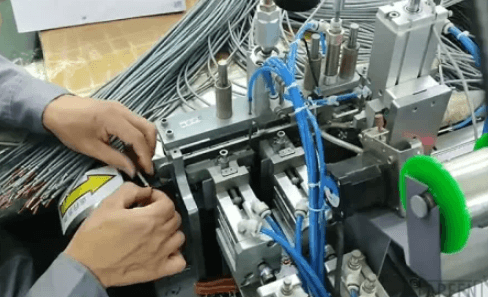
Step 8: Connector Installation
After braiding, connectors are attached.
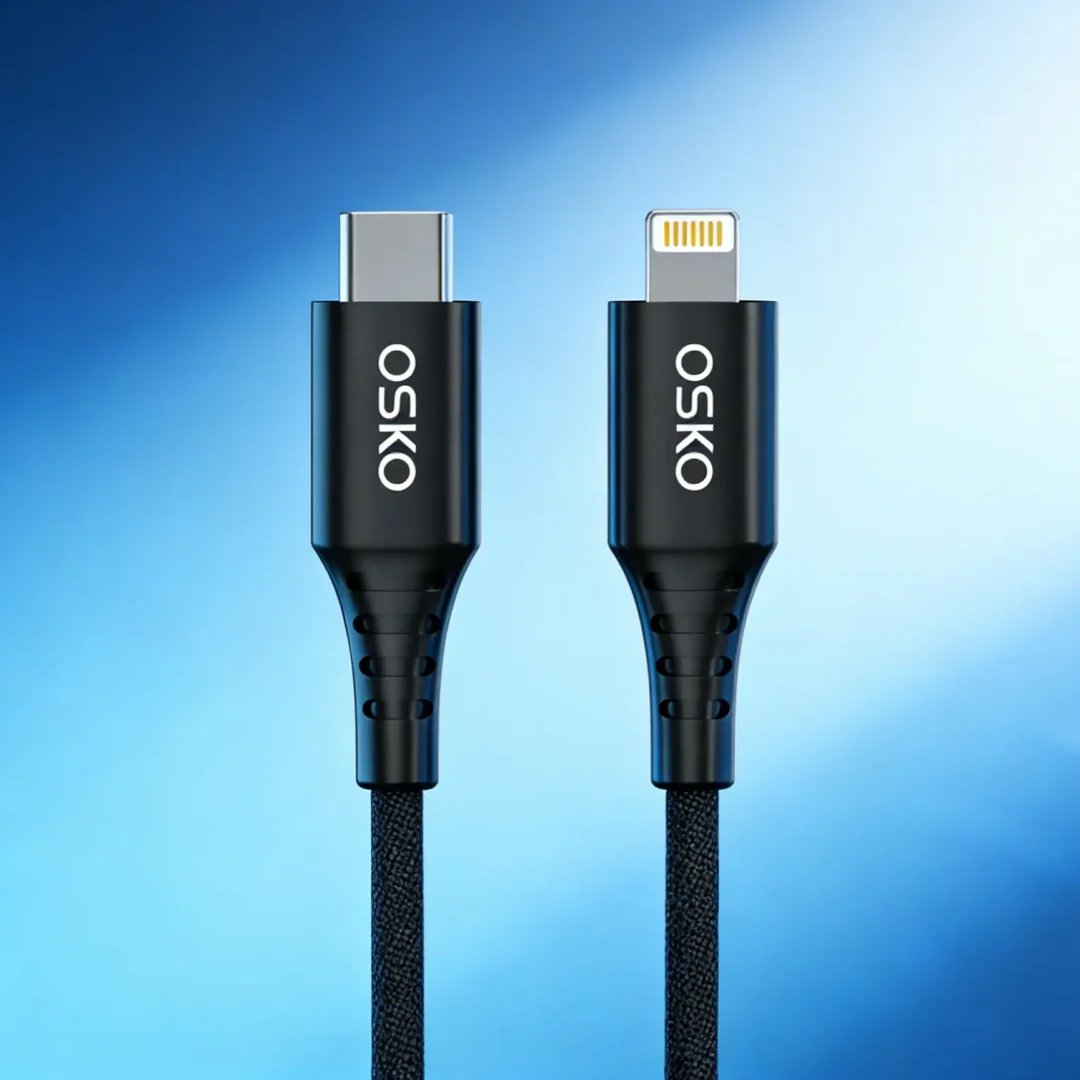
Common connector types include:
USB-C
Lightning
USB-A
Micro USB
The assembly process includes:
Soldering conductors
Installing circuit boards
Programming E-Marker chips (if required)
Strain relief installation
For high-power cables, E-Marker chips are essential for enabling:
100W charging
140W charging
240W charging
Step 9: Strain Relief Molding
One of the most common cable failure points is the connector area.
To reduce failures, manufacturers add strain relief components.
These structures help distribute bending stress and improve cable longevity.
Quality strain relief design is often a key differentiator between premium and low-cost products.
Testing and Quality Control
Step 10: Electrical Testing
Every cable should undergo electrical testing.
Common tests include:
| Test Type | Purpose |
|---|---|
| Continuity Test | Verify connections |
| Resistance Test | Measure conductor quality |
| Charging Test | Verify power delivery |
| Data Test | Confirm transfer speed |
Step 11: Mechanical Testing
Durability testing evaluates real-world performance.
Typical tests include:
Bend testing
Pull-force testing
Connector insertion testing
Abrasion testing
Premium braided cables often withstand tens of thousands of bending cycles.
Step 12: Certification Verification
Professional manufacturers may certify products for:
CE
RoHS
FCC
USB-IF
MFi
A USB-IF compliant Type C cable manufacturer generally follows stricter testing standards than uncertified suppliers.
Case Study: OEM Braided USB-C Cable Project
Customer Background
A North American electronics distributor wanted a premium charging cable line.
Requirements
USB-C fast charging support
6ft braided cable design
Private-label packaging
Low warranty rates
Engineering Challenge
Previous suppliers experienced:
Connector failures
Frayed jackets
Customer complaints
OSKO Solution
The project utilized:
Oxygen-free copper conductors
Double-braided nylon jackets
Reinforced strain relief
USB-IF-compliant design
Result
The distributor achieved:
Improved customer satisfaction
Reduced return rates
Stronger retail positioning
This demonstrates how manufacturing quality directly influences market performance.
FAQ
Why are braided cables more expensive?
Braided cables require additional materials, specialized machinery, and extra production steps compared to standard PVC cables.
Does braiding improve charging speed?
Not directly. Charging speed depends on conductor quality and internal design. However, braiding improves durability and long-term reliability.
Are braided cables stronger than PVC cables?
Generally, yes. Braided jackets provide greater resistance to abrasion and mechanical wear.
Can braided cables support 240W charging?
Yes. If designed with proper conductors and E-Marker chips, braided cables can support 240W USB-C Power Delivery.
Are braided cables suitable for OEM customization?
Absolutely. Custom colors, lengths, logos, packaging, and connector configurations are commonly available.
Summary
The manufacturing of a braided charging cable involves far more than simply adding a decorative outer layer.
From conductor selection and insulation to shielding, nylon braiding, connector assembly, and quality testing, every stage contributes to performance, durability, and safety.
The additional engineering and manufacturing processes explain why braided cables typically cost more than standard PVC cables. However, the benefits—including longer lifespan, improved durability, enhanced appearance, and lower failure rates—often justify the investment.
For consumers, retailers, and OEM buyers, understanding how braided charging cables are created provides valuable insight into product quality and supplier capabilities.
Request OEM Braided Cable Solutions
OSKO offers:
USB-C Braided Charging Cables
Lightning Braided Cables
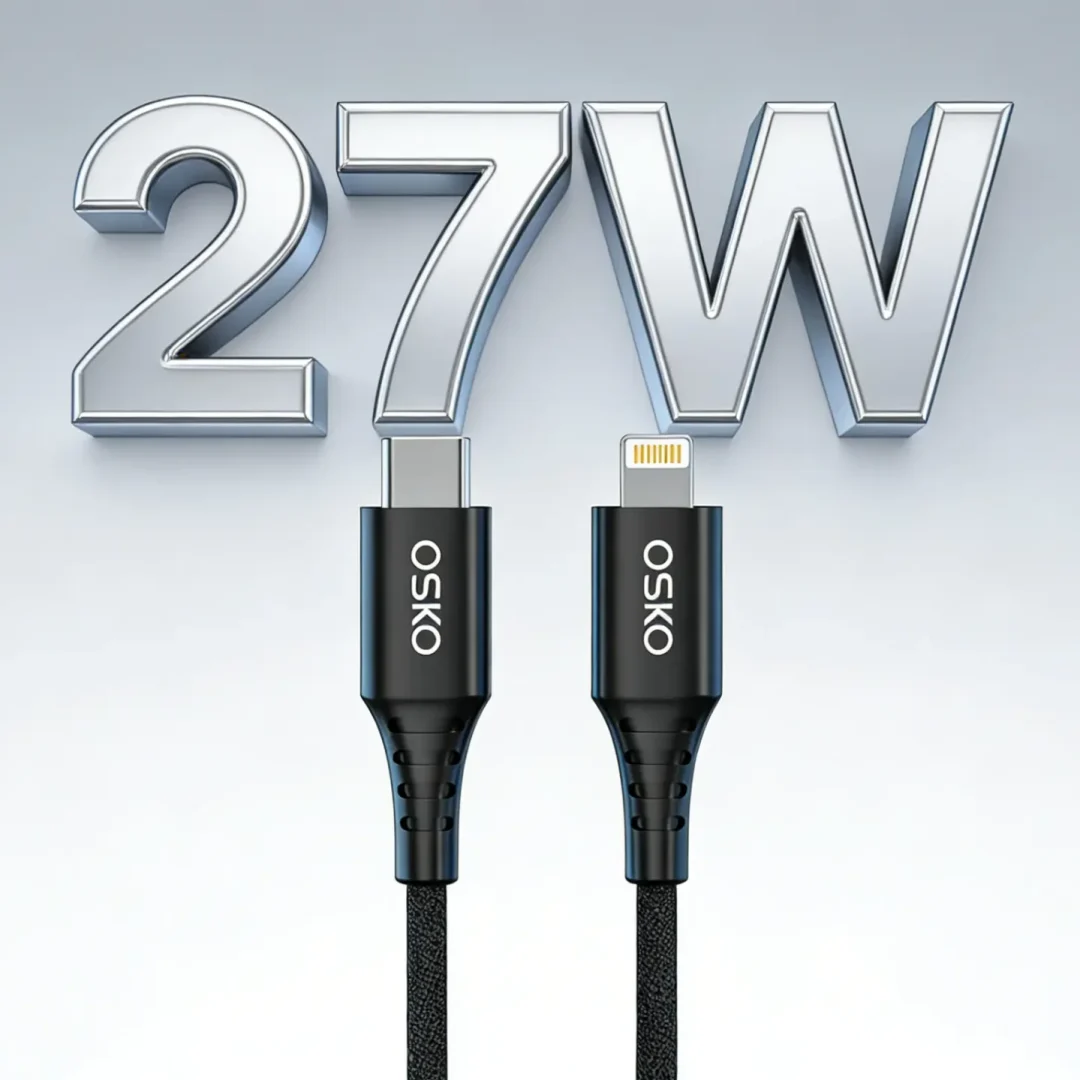
60W–240W Fast Charging Solutions
OEM & ODM Manufacturing
Custom Lengths and Colors
Private Label Packaging
Wholesale and Distribution Programs
Request a Quote
Name: ___________________
Company: ___________________
Email: ___________________
Cable Type: USB-C / Lightning / Multi-Connector
Required Length: ___________________
Estimated Quantity: ___________________
Project Requirements: ___________________
Contact our engineering team today for samples, technical specifications, certification documents, and customized OEM pricing.