
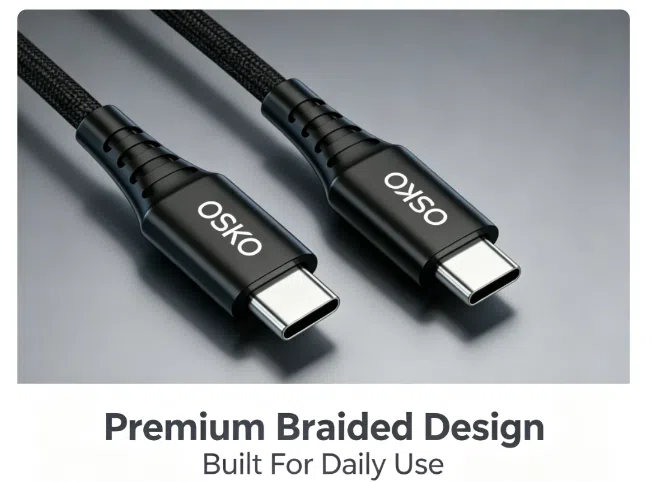
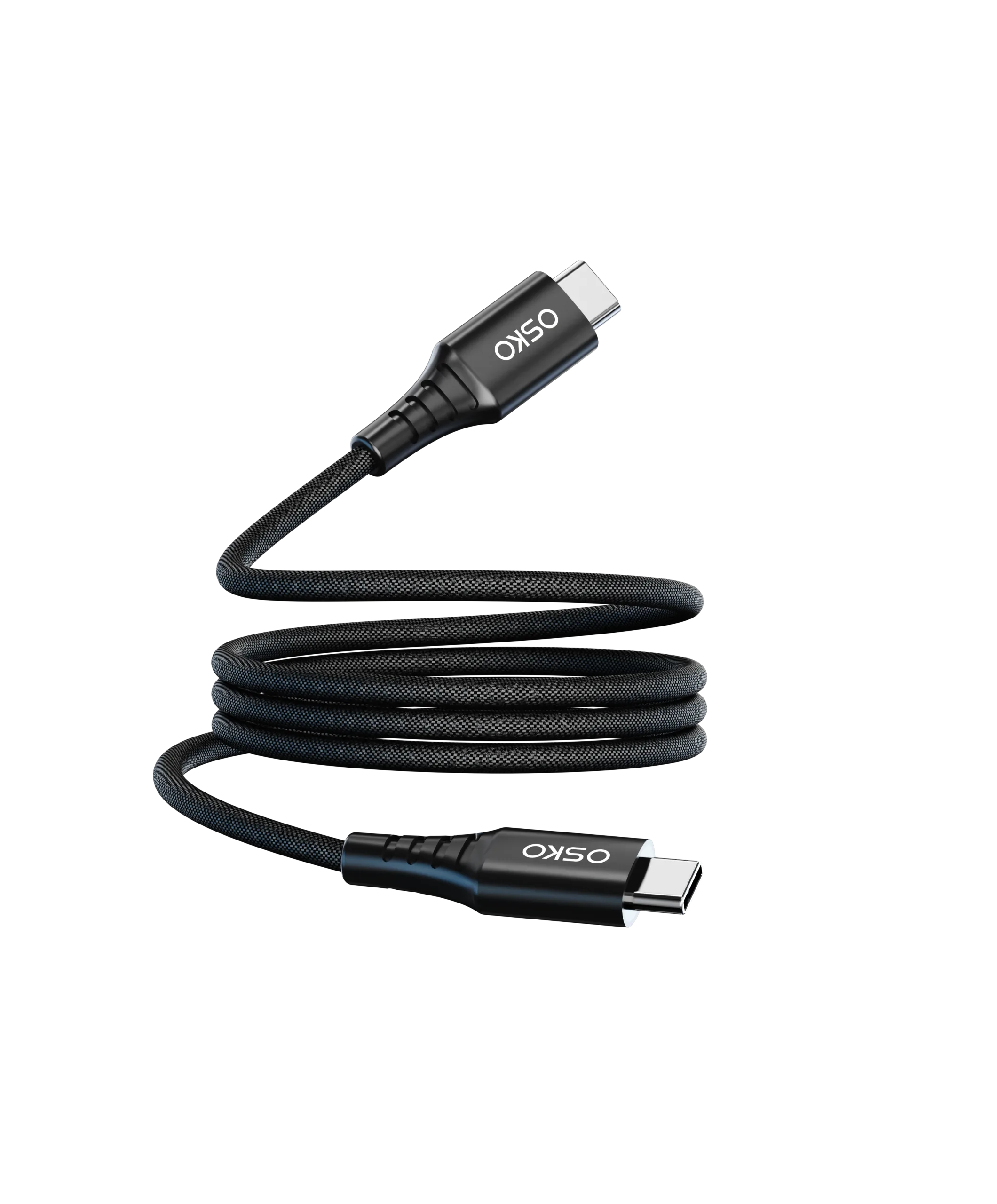
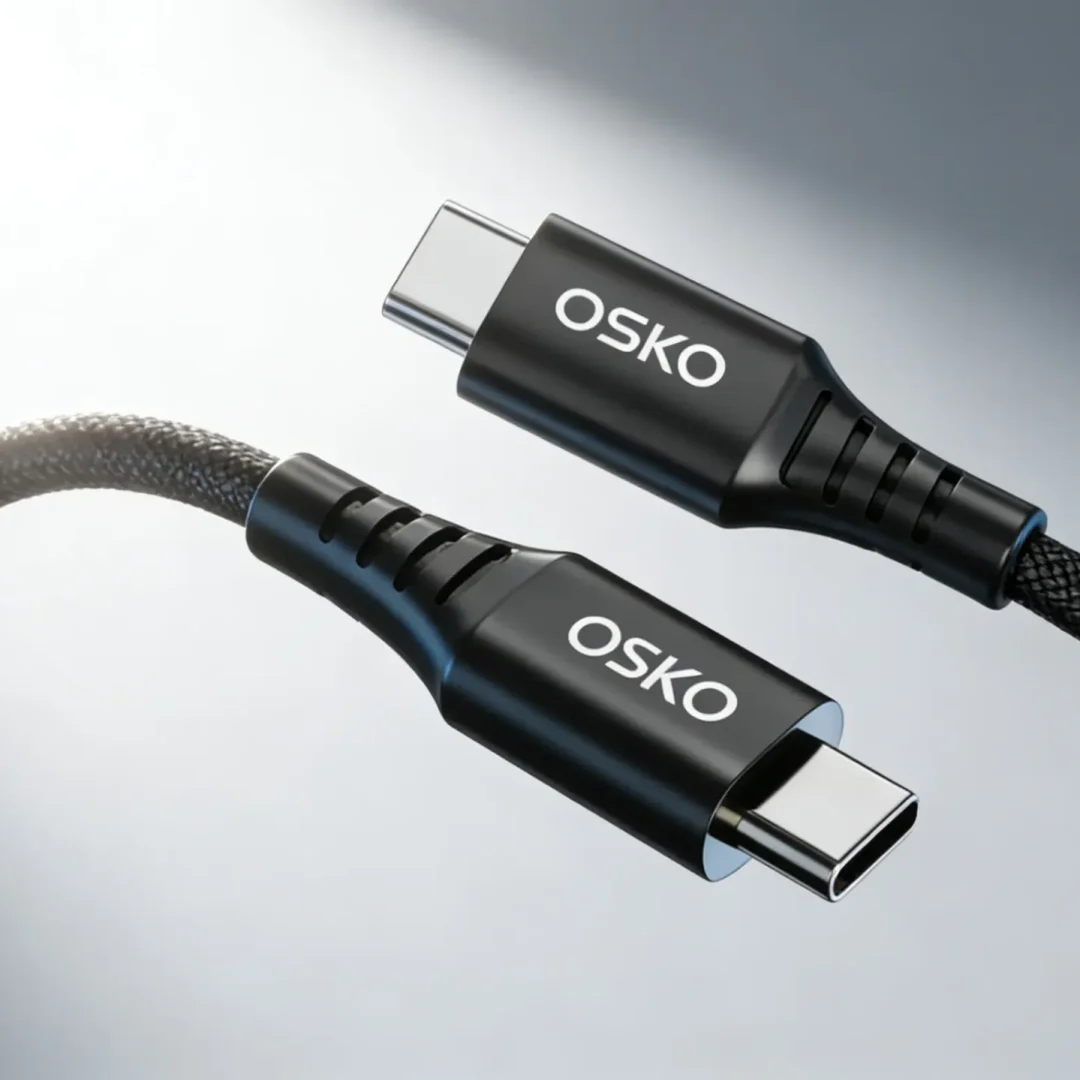
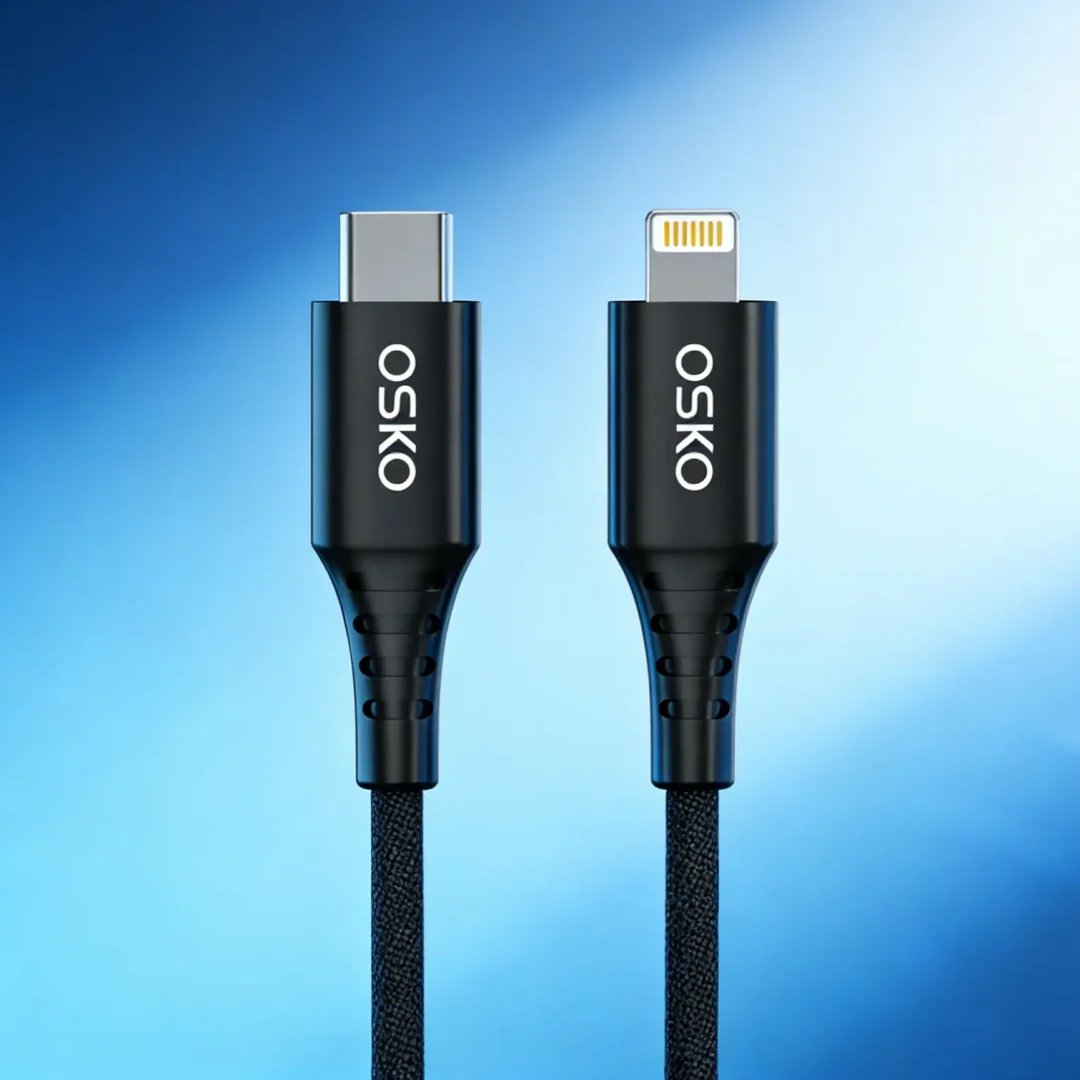
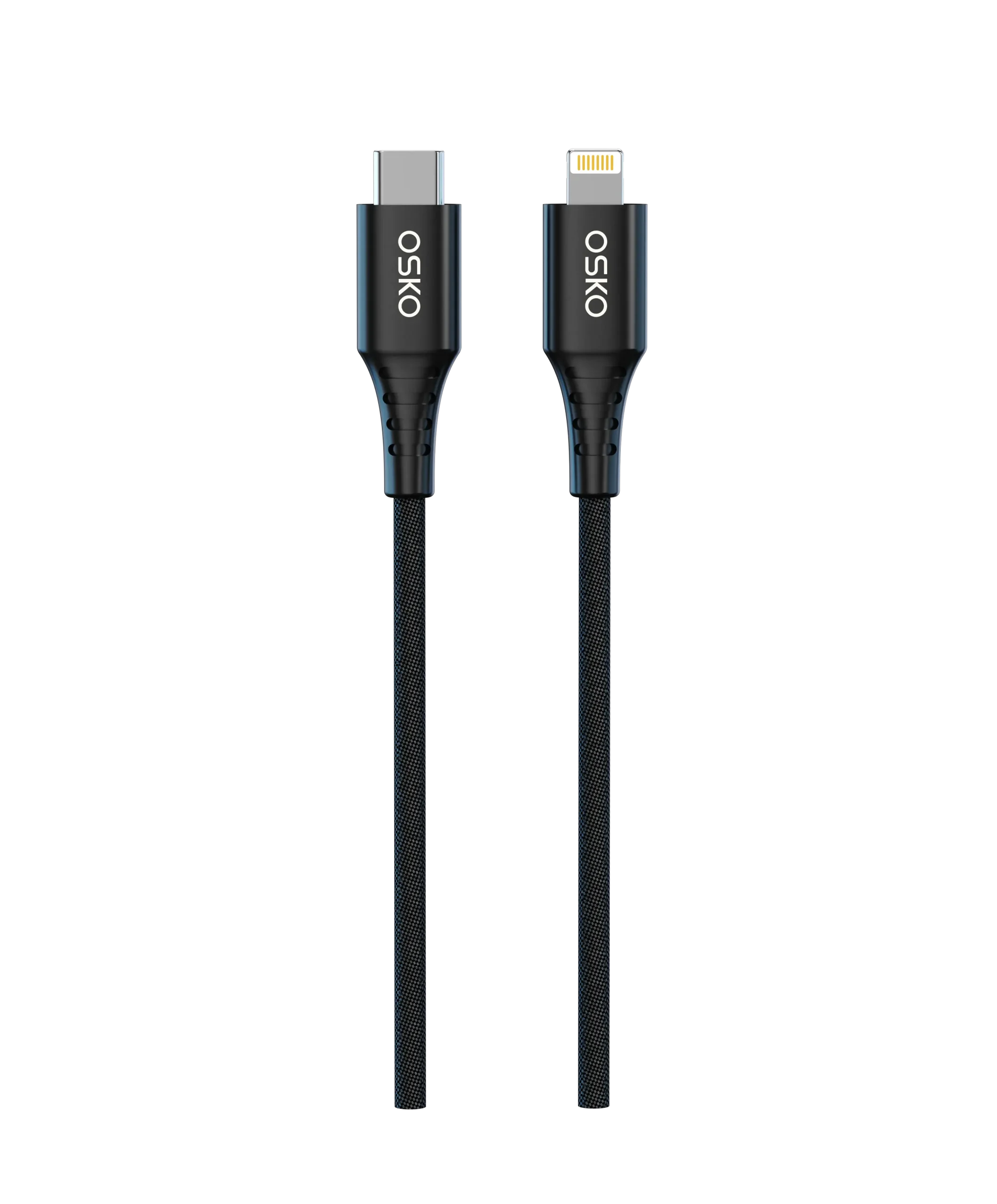
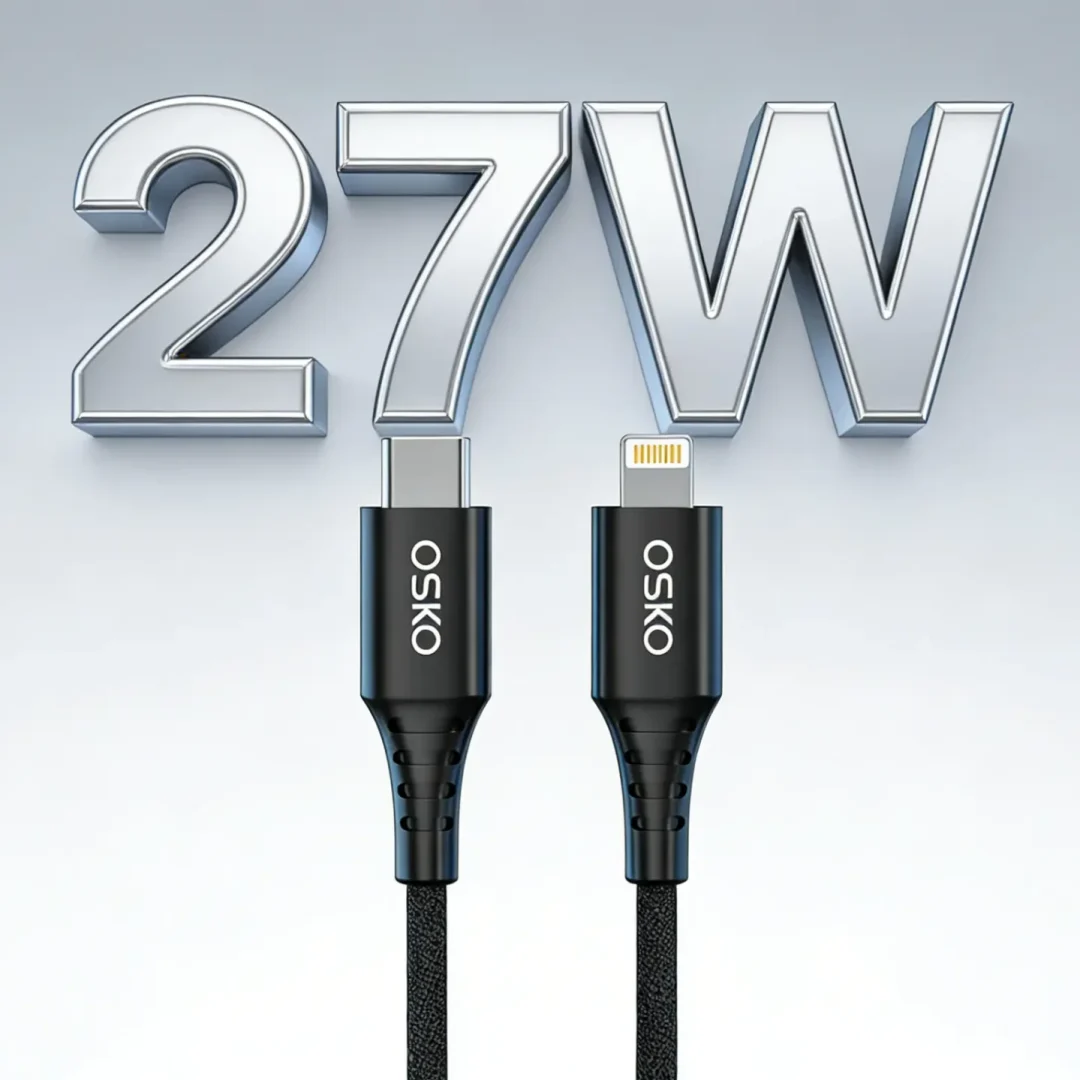
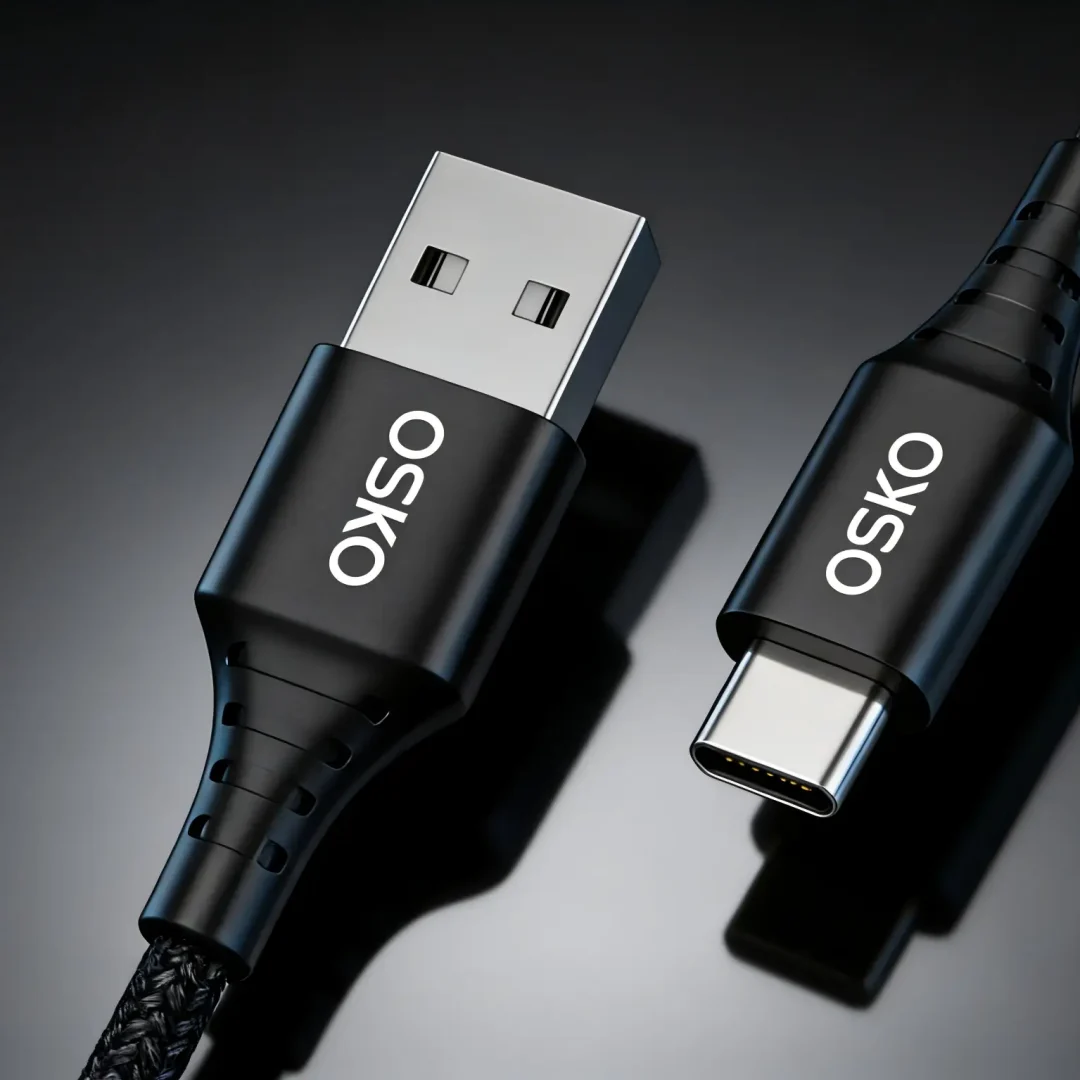
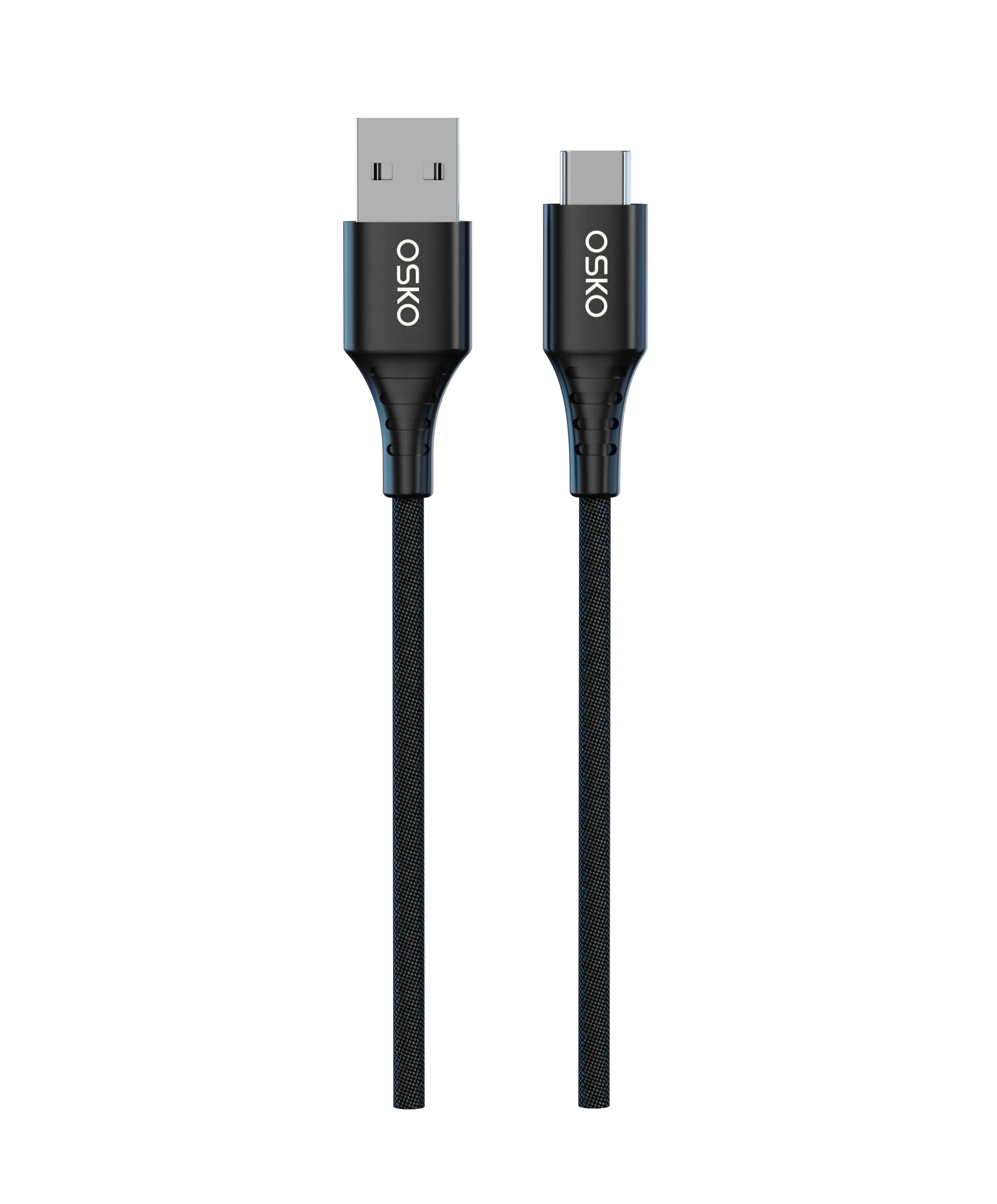
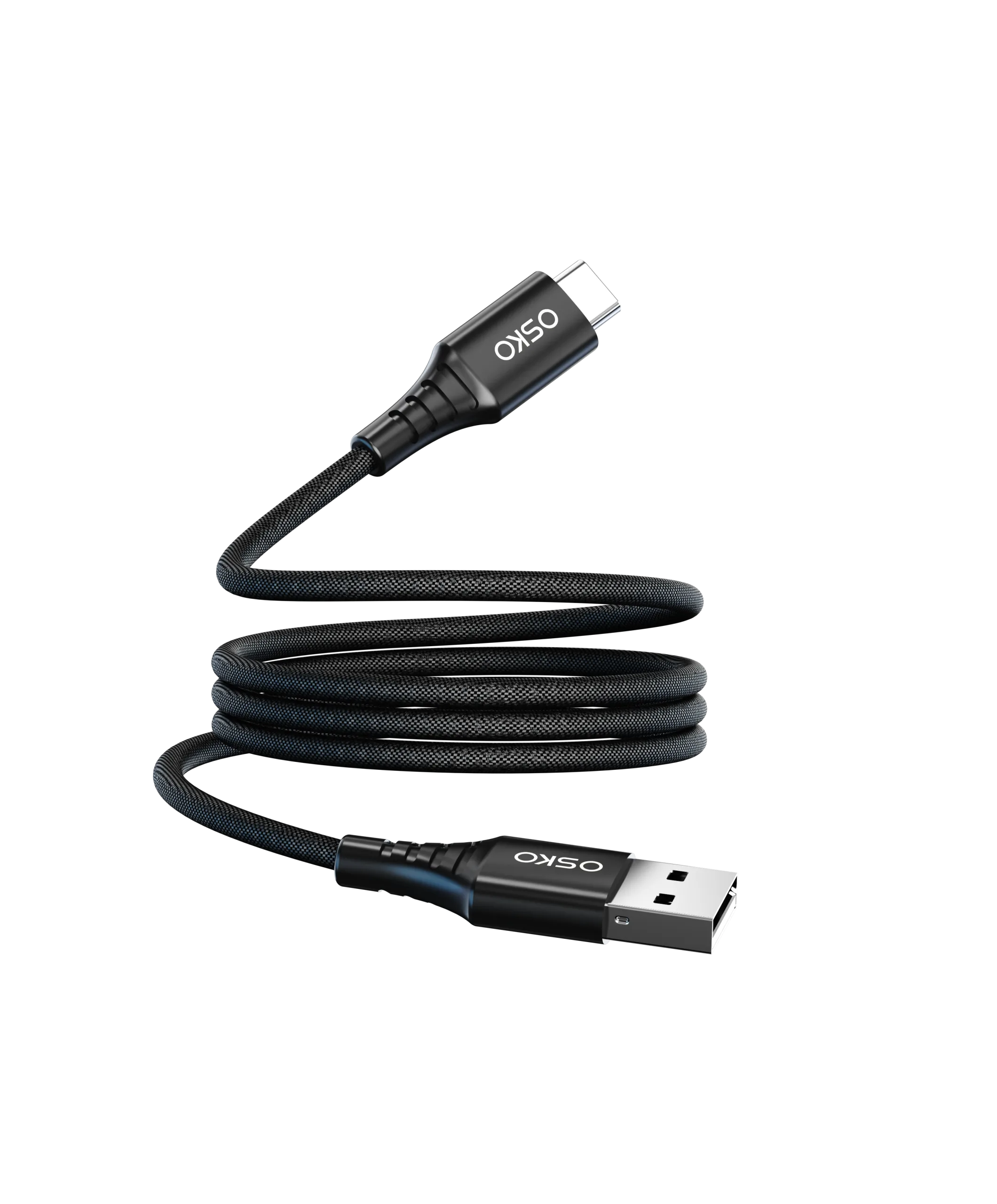
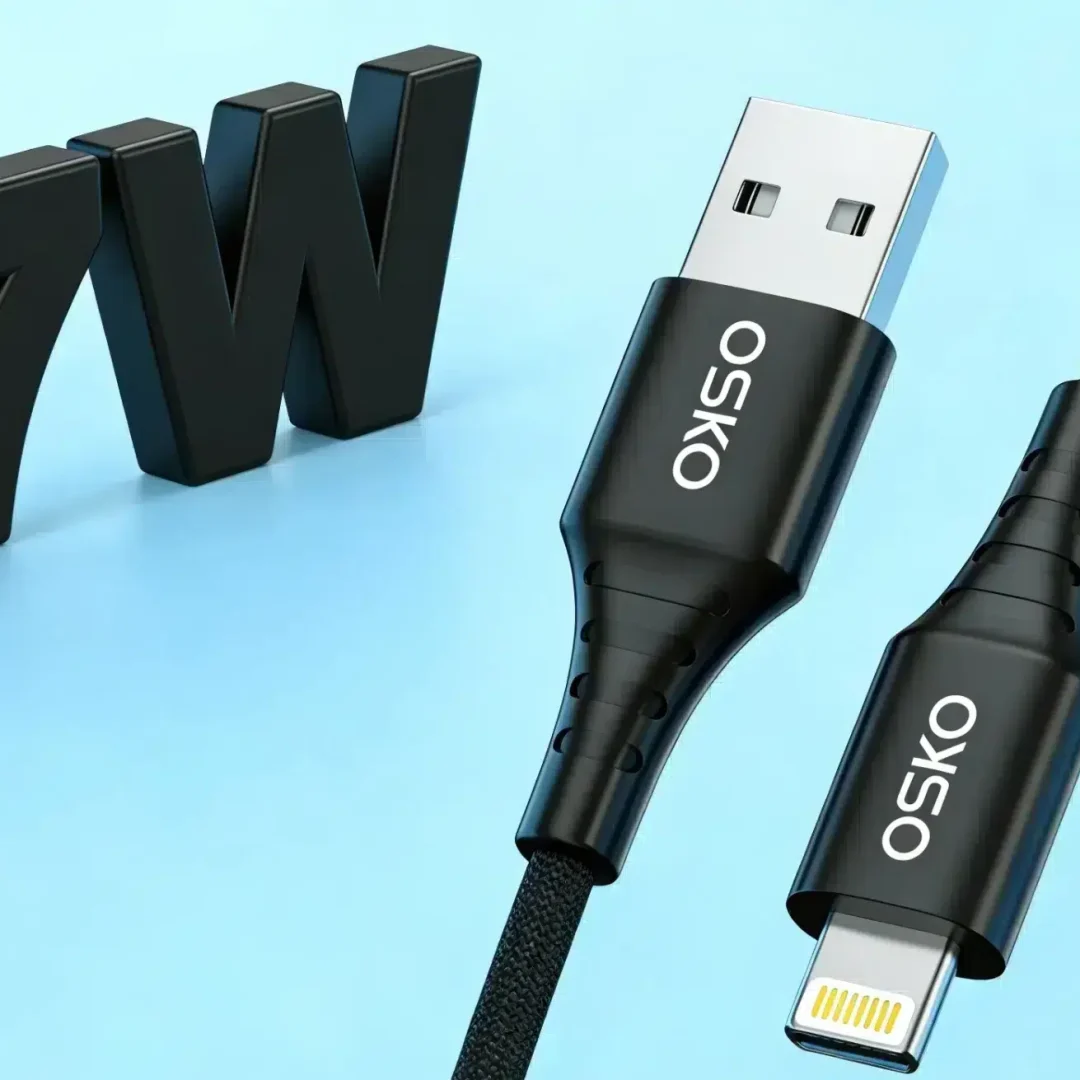
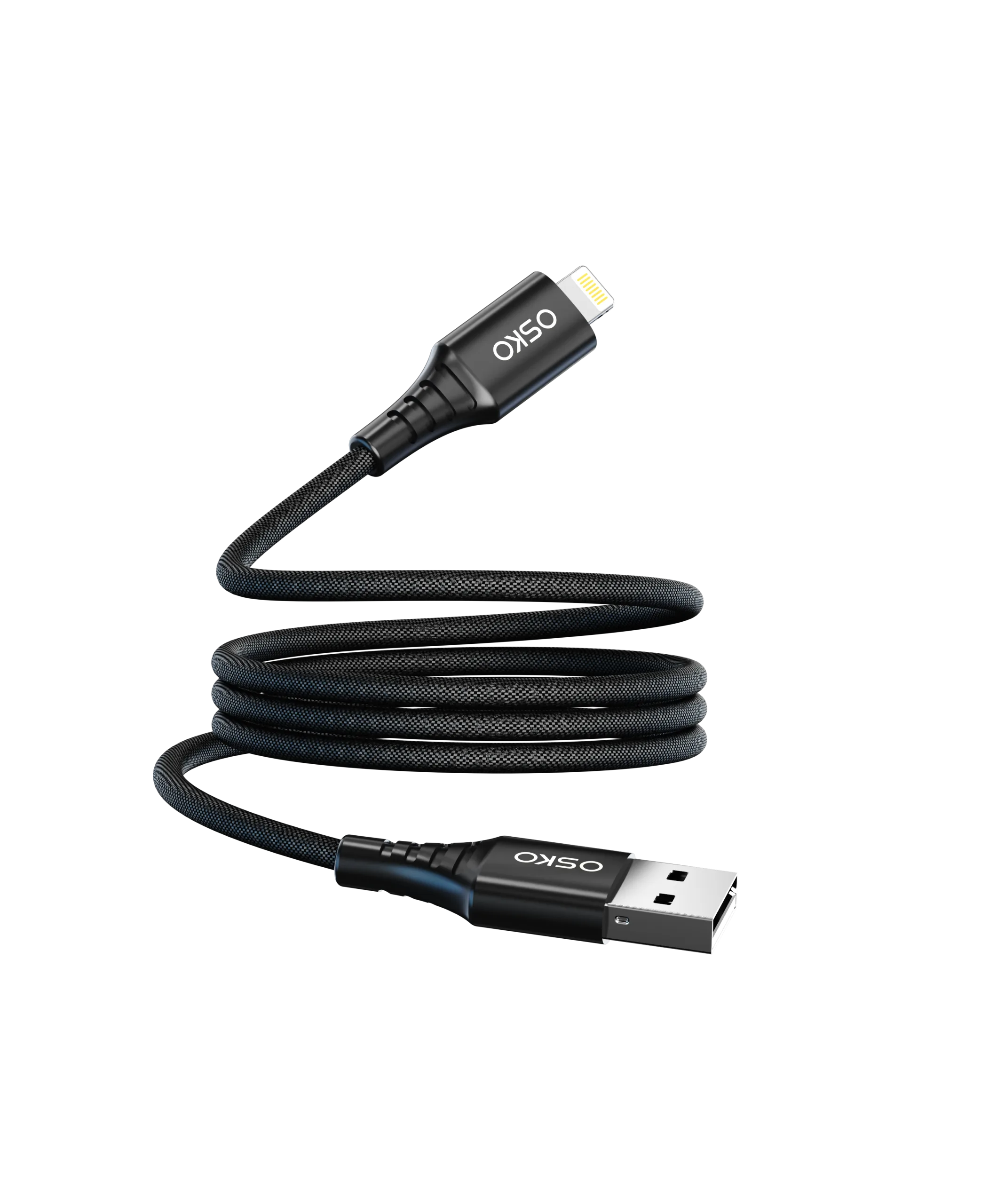
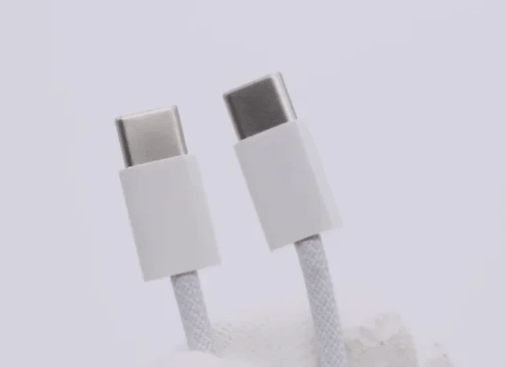
A genuine Apple charging cable is identified through multiple factors including certification, connector quality, printed markings, internal materials, charging performance, and manufacturing standards.
For consumers, cable appearance may seem like the most important factor.
However, for OEM buyers, distributors, retailers, and private-label brands, cable reliability depends on much more than appearance.
A high-quality Apple-compatible charging cable must provide:
Stable charging performance
Reliable data transmission
Long service life
Safe electrical operation
Consistent manufacturing quality
For businesses sourcing charging accessories in markets such as the United States, Germany, Australia, and the Netherlands, understanding cable quality standards helps reduce product returns and protect brand reputation.
Why Is It Important to Identify Genuine Apple Charging Cables?
What Problems Can Low-Quality Charging Cables Cause?
Counterfeit or poorly manufactured charging cables may look similar to authentic products but often use lower-quality components.
Common problems include:
Slow charging speed
Charging interruption
Device compatibility issues
Excessive connector heating
Poor data synchronization
Short cable lifespan
For retailers and distributors, unreliable charging cables can lead to:
Customer complaints
Higher return rates
Negative reviews
Brand reputation damage
Therefore, sourcing from a reliable MFi certified cable supplier is critical for long-term business success.
What Are the Key Features of a Genuine Apple Charging Cable?
How Can You Check Cable Appearance?
A genuine or high-quality Apple-compatible charging cable usually has consistent manufacturing quality.
Important inspection points include:
Connector Finish
High-quality connectors normally have:
Smooth metal surface
Accurate dimensions
Clean molding
Stable connection performance
Cable Jacket Quality
Professional cables typically have:
Uniform cable diameter
Smooth insulation surface
Strong strain relief
Consistent flexibility
Printing Accuracy
Authentic Apple Lightning cables usually include clear printed information.
Common markings include:
“Designed by Apple in California”
Assembly location information
Production identification code
The printing should be:
Sharp
Evenly spaced
Durable
Easy to read
Poor printing quality may indicate low manufacturing standards.
How Does Connector Quality Reveal Cable Reliability?
What Differences Exist Between Genuine and Low-Quality Connectors?
The connector is one of the most important components affecting cable lifespan.
| Feature | High Quality Cable | Low Quality Cable |
|---|---|---|
| Metal Finish | Smooth and consistent | Uneven surface |
| Contact Alignment | Accurate | Poor positioning |
| Plastic Housing | Clean molding | Visible defects |
| Strain Relief | Strong reinforcement | Easy cracking |
| Connection Stability | Reliable | Loose connection |
Professional Lightning cable manufacturers use precision molds and strict production control to maintain connector consistency.
Can Charging Performance Identify Cable Quality?
Does Fast Charging Mean a Cable Is Genuine?
Charging performance alone cannot confirm whether a cable is an original Apple product.
However, it can indicate whether the cable meets proper engineering standards.
A quality USB-C to Lightning cable should provide:
Stable charging current
Reliable voltage transmission
Consistent device recognition
Low connector temperature
Common problems caused by poor-quality cables:
Slow Charging
Possible reasons:
Thin conductors
High electrical resistance
Poor connector contact
Charging Disconnects
Possible causes:
Weak terminals
Poor soldering
Connector deformation
Excessive Heat
Possible causes:
Inferior copper materials
Poor insulation
Incorrect cable design
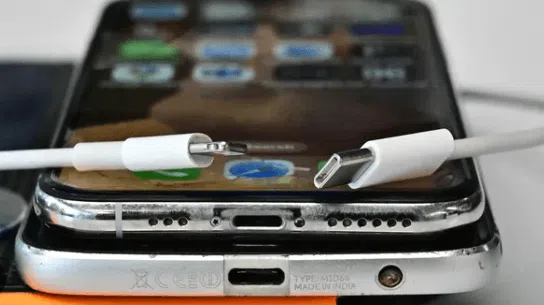
What Is Apple MFi Certification?
Why Is MFi Certification Important for Buyers?
MFi means:
Made for iPhone, iPad, and iPod
Apple’s MFi program allows approved accessory manufacturers to produce compatible accessories using authorized technologies.
For businesses, MFi certification helps ensure:
Better Apple device compatibility
Reduced compatibility failures
Stable charging performance
Higher customer confidence
A professional MFi certified Lightning cable supplier should provide:
Certification information
Product specifications
Quality documentation
Manufacturing capability
Is MFi the Same as an Original Apple Cable?
No.
An MFi-certified cable is not manufactured by Apple.
Instead, it is produced by an approved third-party manufacturer using Apple-authorized technology.
Many global accessory brands use MFi-certified cables as part of their product portfolio.
What Internal Materials Affect Apple Cable Quality?
Why Are Conductors Important?
The internal conductor directly affects:
Charging efficiency
Heat generation
Voltage stability
Cable lifespan
Professional manufacturers usually use:
High-purity copper conductors
Multi-strand wire structures
Reinforced insulation layers
Typical conductor specifications:
| Application | Recommended AWG |
|---|---|
| Standard charging | 28 AWG |
| Fast charging | 24–26 AWG |
| Premium OEM cable | 22–24 AWG |
Thicker conductors reduce resistance and improve electrical efficiency.
Does Cable Construction Affect Durability?
Why Do Premium Charging Cables Last Longer?
A professional charging cable includes multiple engineering layers:
Copper conductor
Insulation material
Shielding layer
Reinforced connector
Outer jacket
Premium designs may include:
Nylon Braided Jacket
Advantages:
Better abrasion resistance
Improved bending durability
Premium appearance
Reinforced Strain Relief
Helps prevent:
Connector cracking
Internal wire damage
Cable separation
For premium retail markets in the USA and Europe, braided Lightning cables are increasingly popular because customers associate durability with higher product value.
Why Does Solder Quality Matter?
What Is SAC305 Lead-Free Solder?
Professional cable factories often use SAC305 solder.
Composition:
Tin (Sn): 96.5%
Silver (Ag): 3.0%
Copper (Cu): 0.5%
Typical processing:
Melting point: approximately 217°C
Reflow temperature: 240–260°C
High-quality solder improves:
Electrical connection stability
Mechanical strength
Long-term reliability
Poor soldering can cause:
Intermittent charging
Increased resistance
Early product failure
How Do Professional Manufacturers Test Charging Cables
What Quality Tests Should OEM Buyers Request?
Reliable charging cable manufacturers perform multiple inspections.
Electrical Testing
Includes:
Continuity testing
Resistance testing
Charging verification
Data transmission testing
Mechanical Testing
Includes:
Connector insertion test
Pull-force test
Cable bending test
Tensile strength test
Premium cable products are commonly tested for:
Thousands of bending cycles
Long-term connector insertion durability
Stable charging performance
What Manufacturing Standards Should Buyers Verify?
How to Select a Reliable Apple-Compatible Cable Supplier?
Professional suppliers should have established quality management systems.
Important requirements include:
ISO9001 Quality Management
A certified factory should control:
Raw material inspection
Production processes
Quality records
Final inspection
Quality control stages include:
IQC
Incoming material inspection
IPQC
Production process monitoring
OQC
Final product inspection
These systems help maintain consistency during large-volume production.
What Certifications Should OEM Buyers Request?
Before placing bulk orders, buyers should review:
| Certification | Purpose |
|---|---|
| ISO9001 | Manufacturing quality management |
| RoHS | Hazardous substance control |
| REACH | Chemical compliance |
| MFi Authorization | Apple compatibility |
| USB-IF | USB standard compliance |
Additional documents may include:
Electrical test reports
Material specifications
Durability reports
Production records
Engineering Case Study: European Accessory Brand Develops MFi Charging Cable Line
Customer Background
A European electronics accessory company planned to expand its Apple charging accessory product range.
Target markets:
Germany
Netherlands
Australia
Requirements:
Stable Apple compatibility
Premium cable appearance
Private label packaging
Lower return rate
Customer Challenges
Previous suppliers experienced:
Charging instability
Inconsistent connector quality
Limited quality documentation
OSKO Manufacturing Solution
OSKO provided:
MFi-compatible Lightning cable solution
Reinforced connector structure
High-quality copper conductors
Production testing system
Custom packaging support
The solution helped improve:
Product reliability
Brand competitiveness
Customer satisfaction
How Should Businesses Source Apple-Compatible Charging Cables?
Questions OEM Buyers Should Ask Suppliers
Before purchasing:
Certification
Is the cable MFi certified?
Can compliance documents be provided?
Manufacturing
Does the factory have ISO9001 certification?
Are production tests performed?
Product Quality
What conductor materials are used?
What AWG specifications are available?
Are durability tests provided?
Choosing a qualified supplier reduces risk and improves long-term market performance.
FAQ
1. How can I identify a genuine Apple charging cable?
You can check certification information, connector quality, cable markings, charging stability, and overall manufacturing quality. Genuine or certified cables usually have consistent materials and reliable performance.
2. Is an MFi-certified cable the same as an original Apple cable?
No. MFi-certified cables are produced by third-party manufacturers approved by Apple technology requirements. They are compatible accessories, not Apple-manufactured products.
3. Do all Apple charging cables support fast charging?
No. Fast charging depends on cable type, charger output, device compatibility, and whether the cable supports required charging technology.
4. What should distributors check before buying Lightning cables in bulk?
Buyers should verify MFi certification status, ISO9001 manufacturing capability, conductor specifications, durability testing, compliance documents, and supplier experience.
5. Why do some charging cables stop working after a few months?
Common reasons include poor conductor quality, weak connectors, insufficient strain relief, low-quality soldering, or lack of production testing.
Conclusion
Identifying a genuine Apple charging cable requires more than checking packaging or appearance.
Reliable charging cables are built through:
Quality materials
Accurate connector design
Proper certification
Professional manufacturing processes
Complete quality testing
For OEM buyers, distributors, and private-label brands, choosing an experienced Apple-compatible charging cable manufacturer is essential for achieving reliable performance in global markets.
With strong engineering capability, ISO9001 quality systems, and certification support, professional suppliers can help businesses develop competitive charging cable products for customers in the United States, Germany, Australia, and the Netherlands.