
Introduction
Selecting the best cable structure for heavy daily use is not simply a matter of choosing a thicker or more expensive product. It is an engineering decision that directly affects long-term reliability, charging stability, and product safety.
In real-world usage scenarios across North America and Europe, charging cables are subjected to repeated bending, pulling, twisting, and thermal stress. These mechanical forces gradually degrade internal conductors and connector joints, leading to performance loss or complete failure.
From an OEM engineering perspective, cable durability is determined by structural design rather than appearance. A properly engineered heavy duty charging cable must balance flexibility, electrical performance, and mechanical reinforcement to survive thousands of daily usage cycles.
Material Science & Mechanical Structure
The structural integrity of a cable depends on how materials interact under continuous mechanical stress and electrical load.
Conductor Structure and Flexibility
The internal conductor is the foundation of any durable cable system.
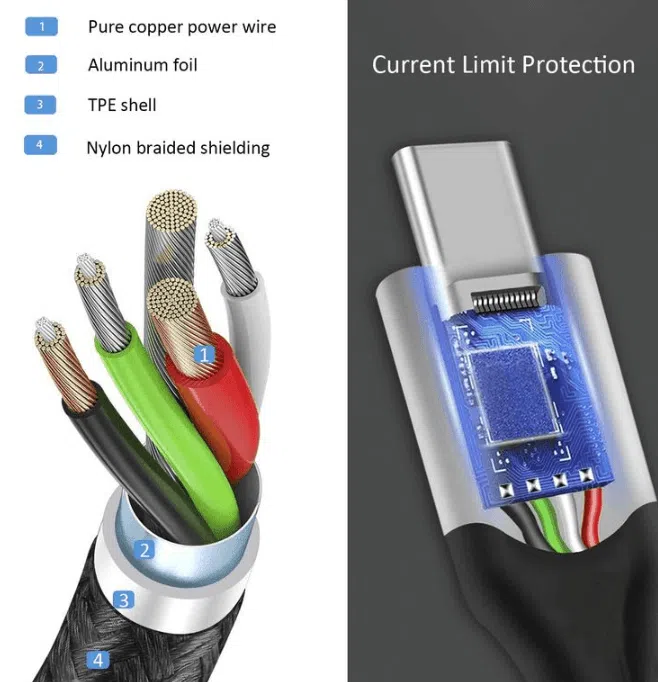
High-performance designs use:
Oxygen-free copper for low resistance
Multi-strand fine-wire architecture for flexibility
Tinned copper for oxidation resistance
This structure reduces internal breakage during repeated bending, which is essential for heavy daily use charging cables.
Low-quality cables often use fewer strands or mixed metals, resulting in rapid internal fatigue and unstable charging performance.
Dielectric Materials and Stress Absorption
Dielectric insulation plays a dual role: electrical isolation and mechanical cushioning.
Common materials include:
TPE: flexible, impact-resistant, widely used in OEM cables
PE: low dielectric loss and stable signal transmission
PVC: cost-effective but less durable under repeated bending
A stable dielectric system reduces micro-fractures in the conductor during daily stress cycles.
Outer Jacket Engineering and Abrasion Resistance
The outer layer determines how well a cable withstands external damage.
Typical structures include:
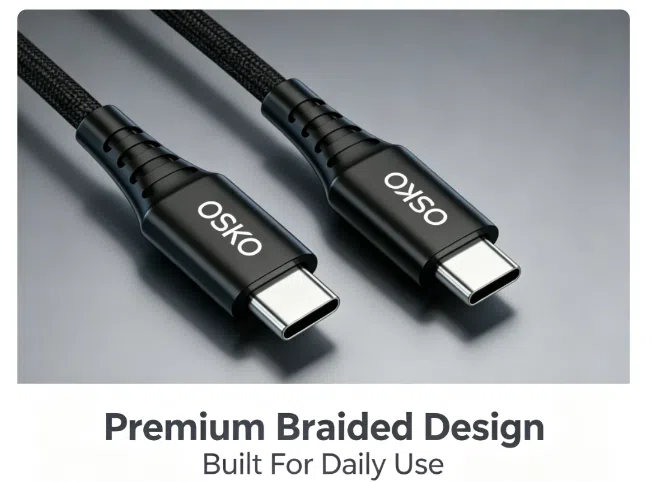
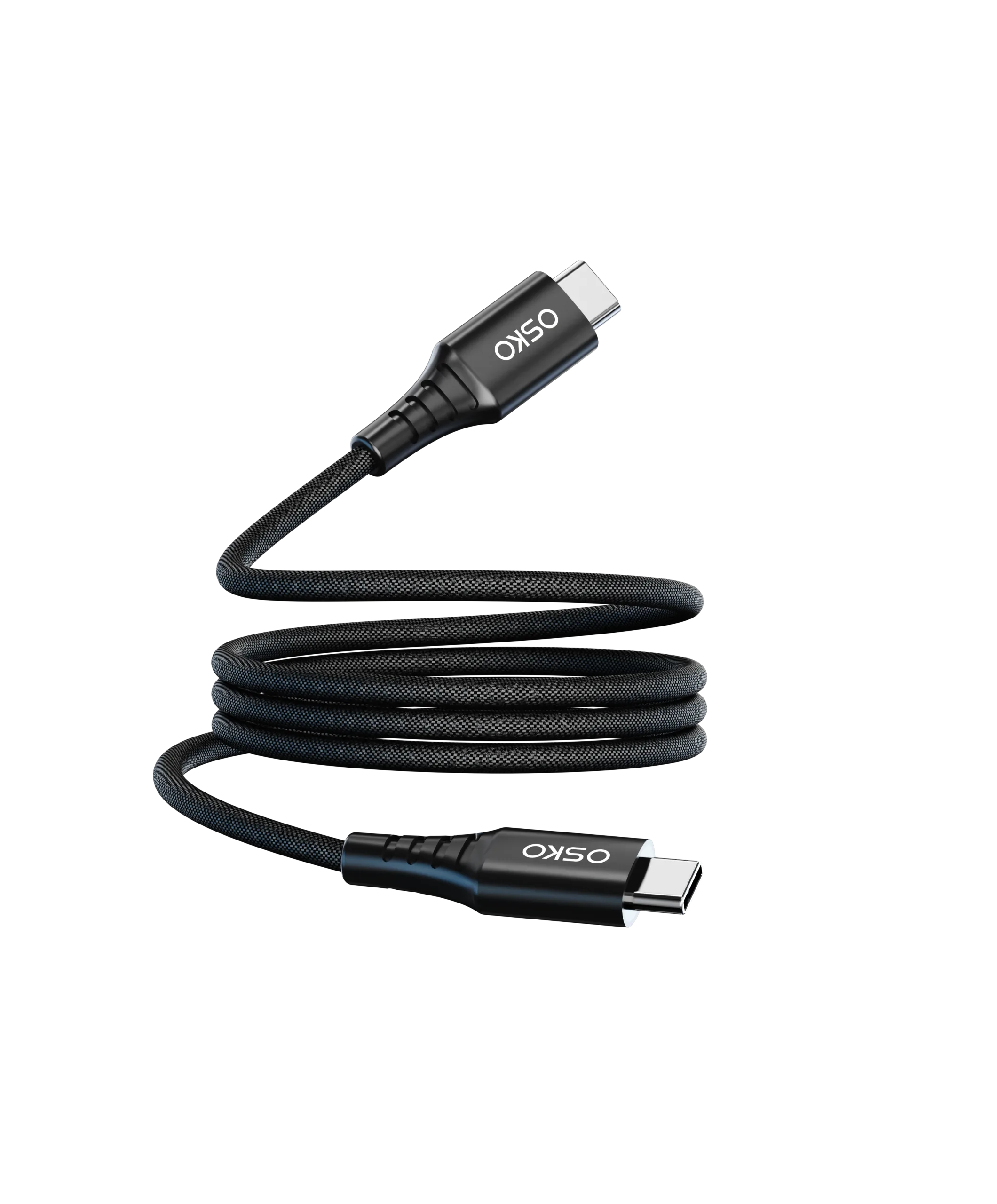
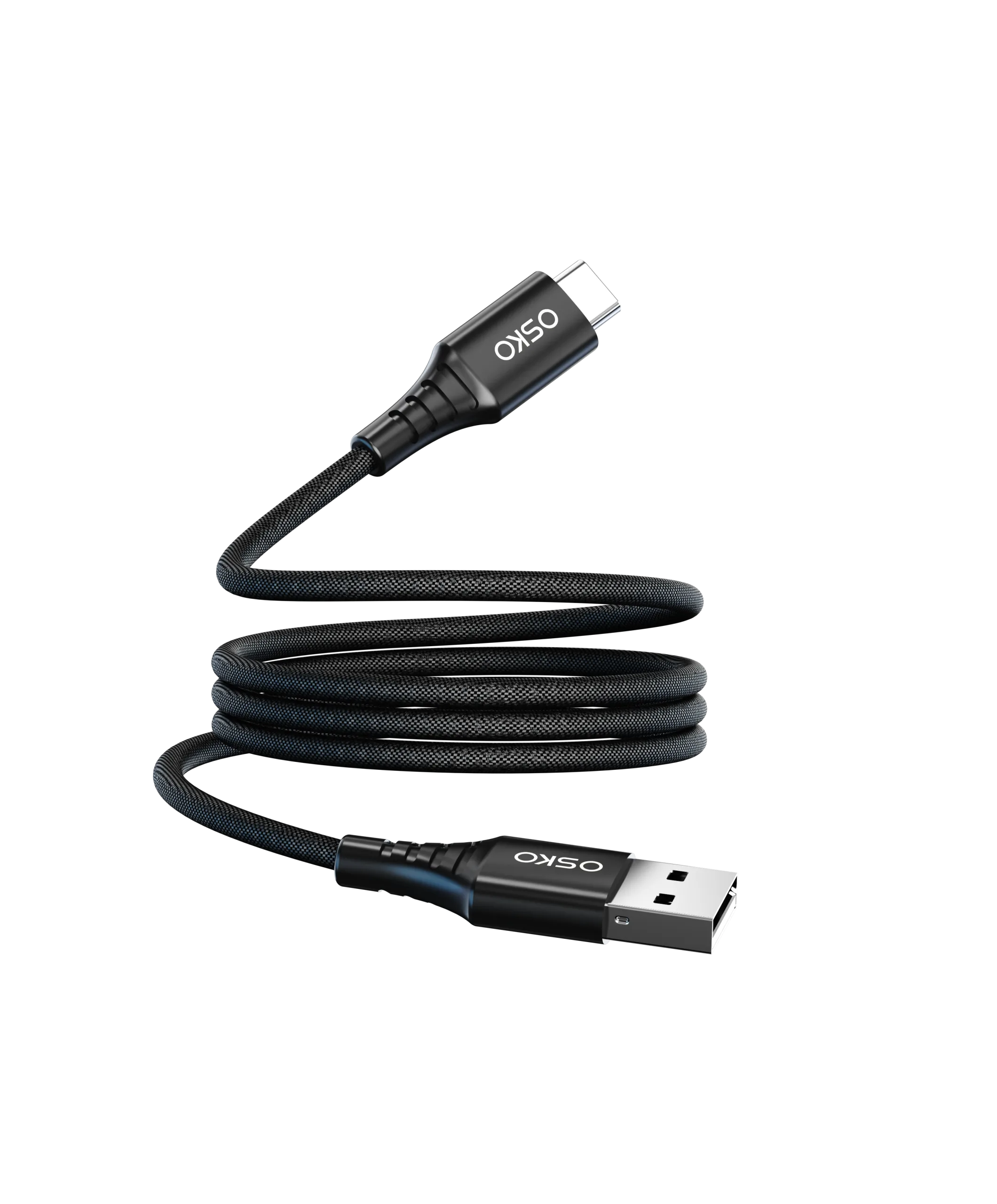
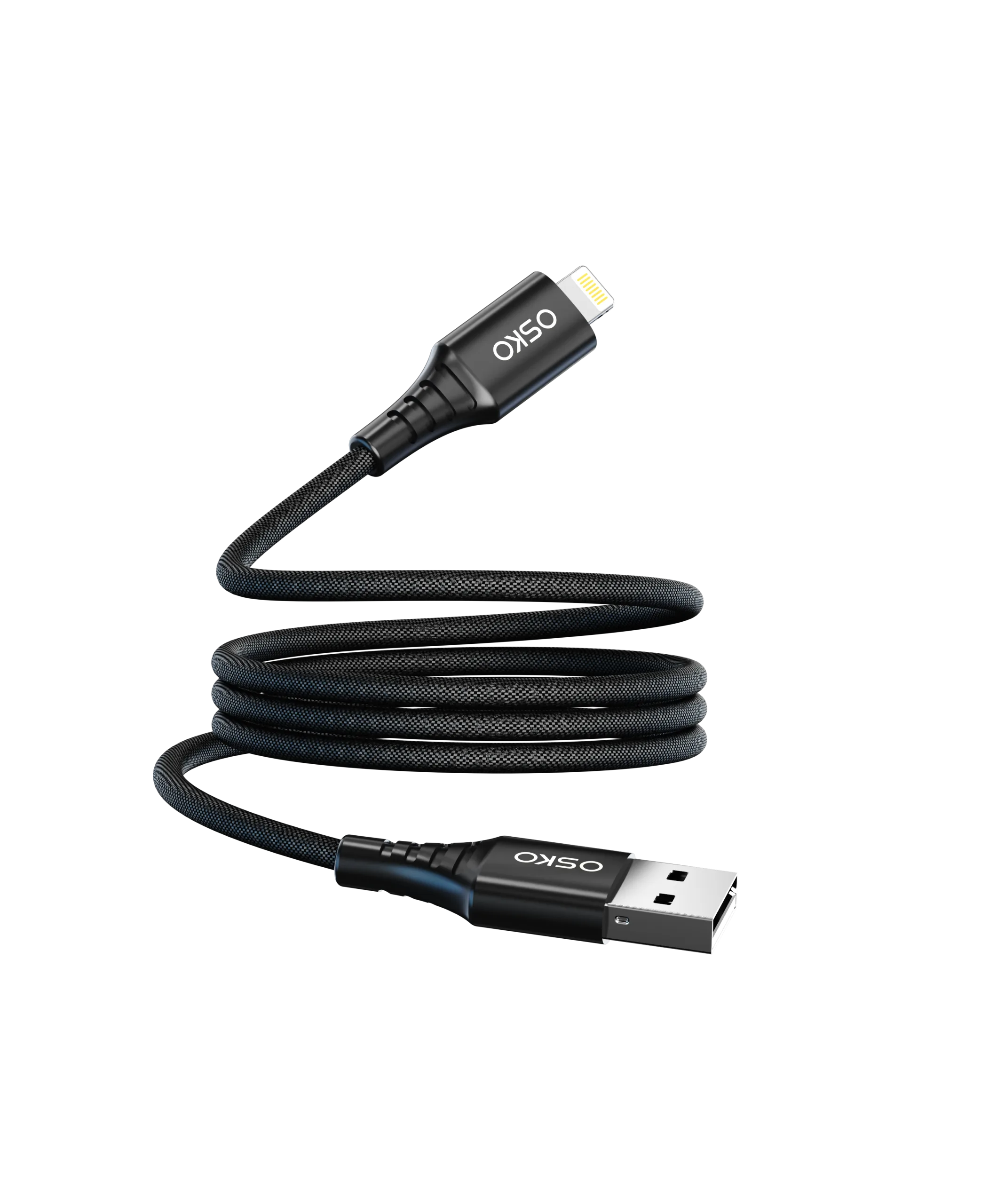
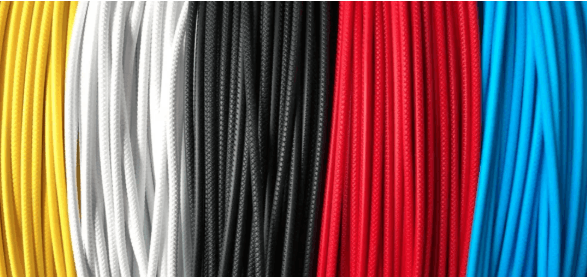
Nylon braided jacket for high abrasion resistance
TPU coating for elasticity and smooth flexibility
Double-braided reinforcement for industrial-grade durability
A well-designed jacket significantly extends the lifespan of a heavy duty USB-C cable in real environments.
Strain Relief Design and Failure Prevention
Most cable failures occur at the connector joint, not the wire itself.
Effective strain relief includes:
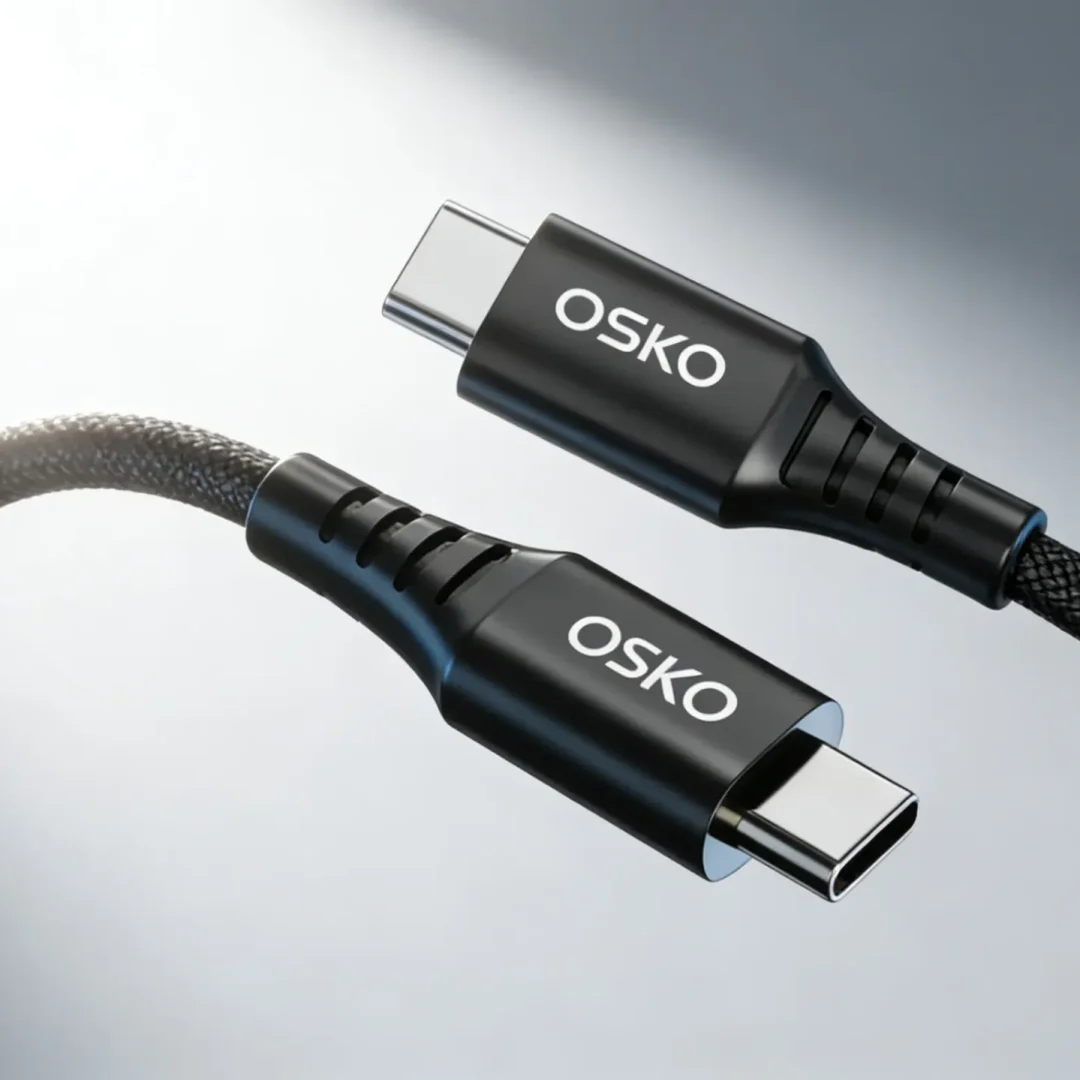
Reinforced injection-molded joints
Extended bending radius design
Multi-layer stress distribution structure
Without proper strain relief, even high-quality conductors will fail prematurely.
Case Study
US Retail Electronics Brand Heavy-Duty Cable Failure Reduction Project
A US-based electronics brand experienced high return rates on their “durable charging cable” product line, especially in high-frequency daily use environments.
Customer Requirements
Improve durability for 10,000+ bend cycles
Maintain stable 60W fast charging performance
Reduce Amazon return rate below 5%
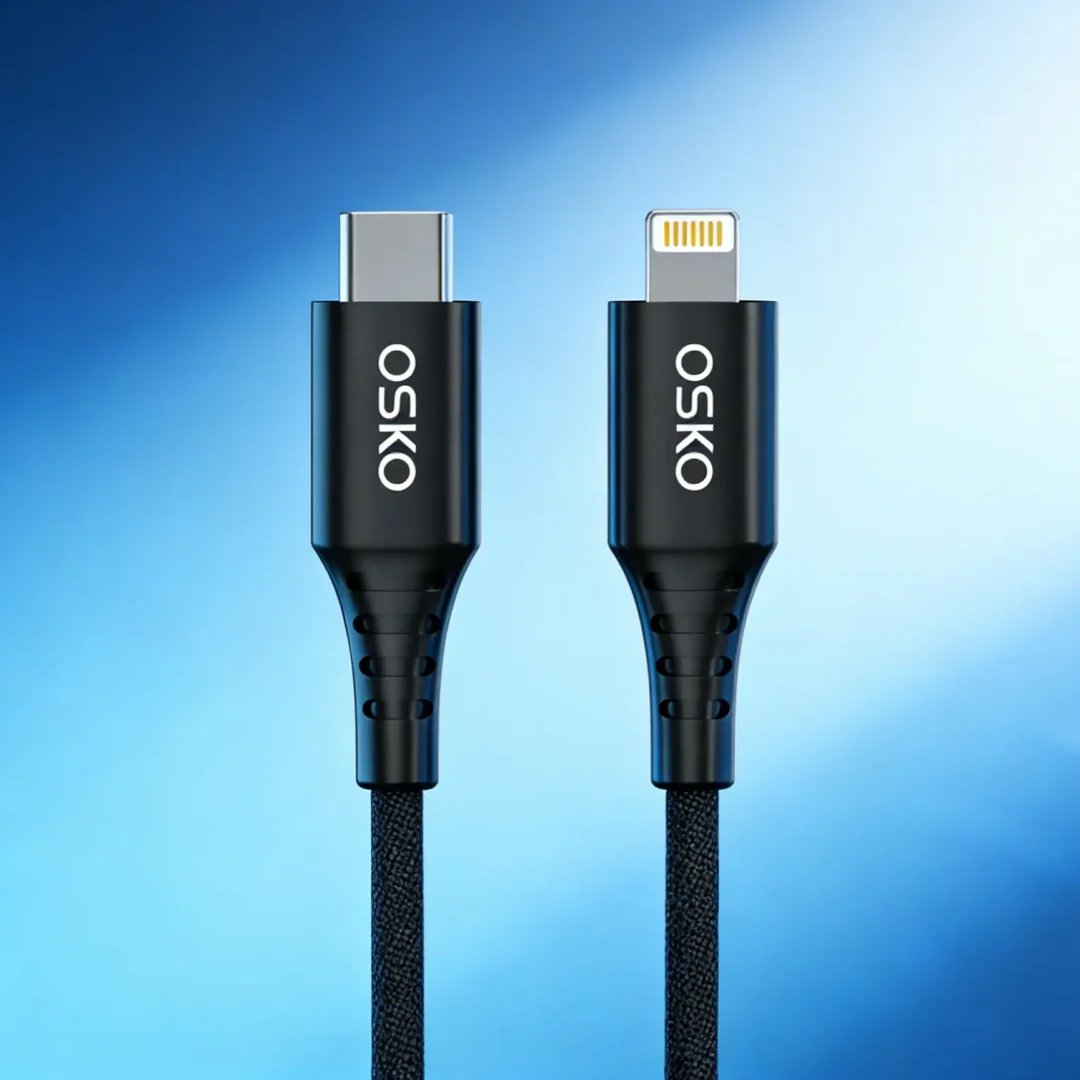
Ensure compatibility with iPhone, Android, and tablets
Achieve CE and FCC compliance for US/EU markets
Engineering Problem Analysis
Product testing revealed several structural weaknesses:
Insufficient strain relief at connector junction
Weak conductor fatigue resistance
Single-layer jacket prone to abrasion damage
Inconsistent shielding under repeated flexing
These issues led to premature cable failure under heavy daily use conditions.
OSKO Engineering Solution
OSKO redesigned the cable structure using a layered durability system:
Oxygen-free copper multi-strand conductor system
Reinforced TPE dielectric cushioning layer
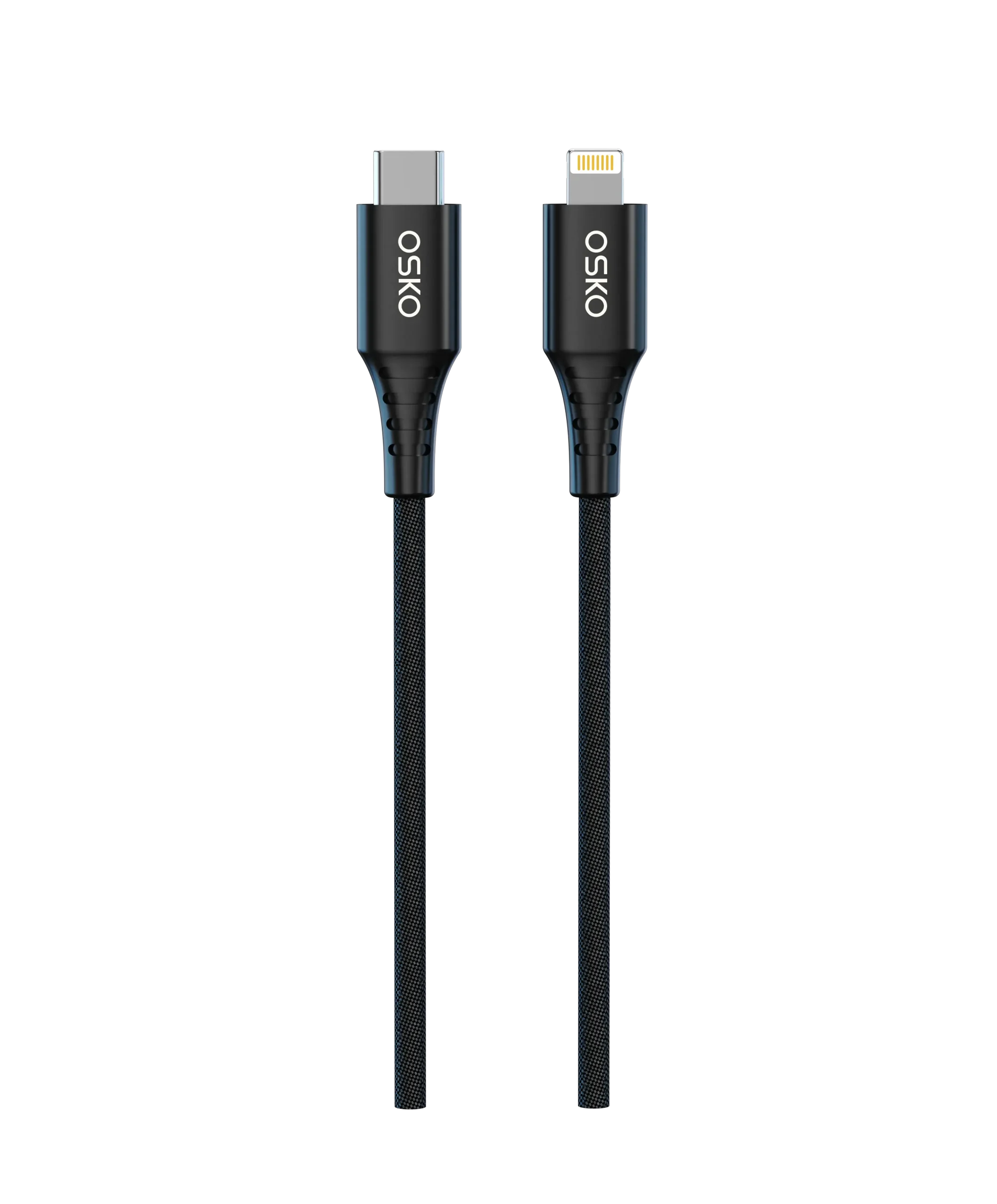
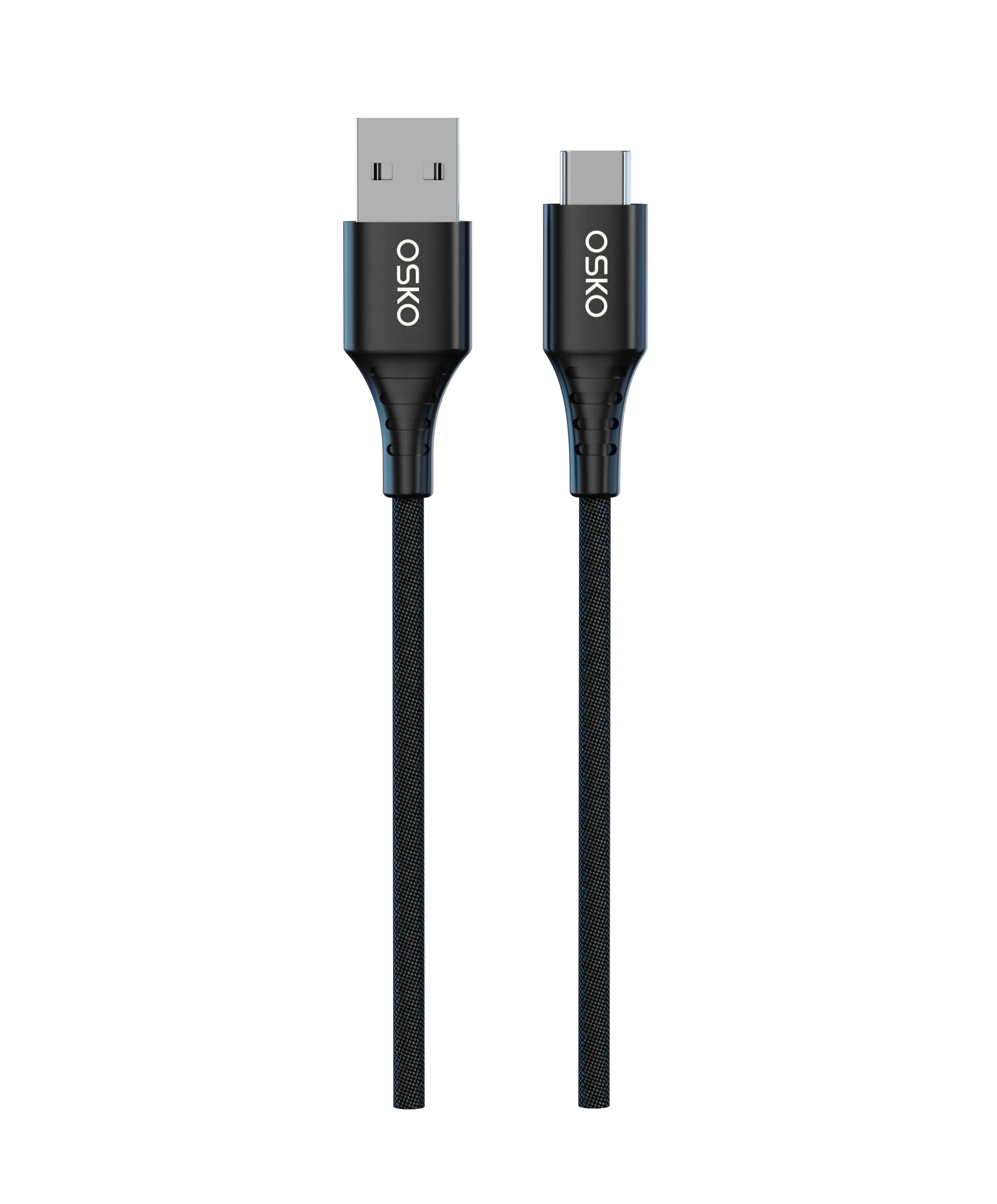
Double-layer nylon braided outer jacket
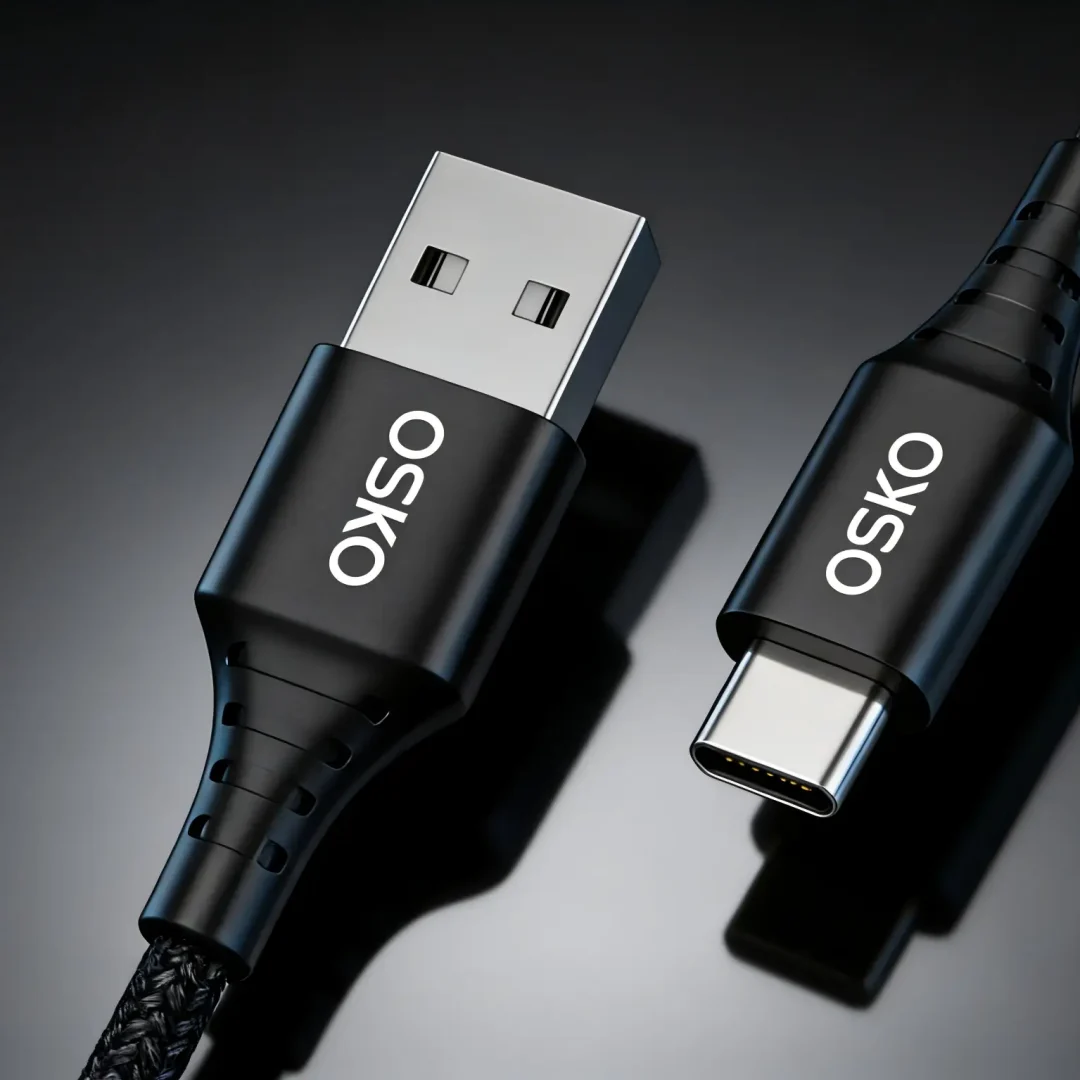
Extended strain relief connector architecture
USB-IF compliant PD transmission system
This structure aligns with OEM production systems used in:
OEM USB Cables
ODM USB Cables
Wholesale USB Cables
Bulk USB Cables
Retail USB Cables
Results
After implementation:
Mechanical durability increased significantly
Cable lifespan improved under heavy daily use
Return rate reduced in US retail channels
Charging stability remained consistent after extended cycles
This confirms that structural engineering is the key factor in cable longevity.
Selection Guide
How to Select the Best Cable Structure for Heavy Daily Use
Choosing the right structure requires evaluating mechanical, electrical, and environmental factors together.
Step 1: Evaluate Conductor Flexibility
A durable cable must use:
Multi-strand oxygen-free copper
High strand count for flexibility
Tinned surface treatment for oxidation resistance
This ensures stable performance under repeated bending cycles.
Step 2: Choose the Right Jacket Material
Recommended outer materials:
Nylon braided: best for abrasion resistance
TPU: best for flexibility and smooth handling
Double-braided systems: best for industrial use
These structures are commonly used in heavy duty USB-C cable manufacturing.
Step 3: Assess Strain Relief Engineering
Key features include:
Extended connector reinforcement
Stress distribution geometry
High-cycle bend testing validation
Poor strain relief is the primary cause of cable failure in daily use.
Step 4: Check Electrical Stability
Even durable cables must maintain:
Low resistance conduction
Stable USB Power Delivery (USB-PD)
Heat resistance under high current loads
Structural Comparison Table
| Structure Type | Durability | Flexibility | Application |
|---|---|---|---|
| PVC basic cable | Low | Medium | Light use |
| Single-layer TPU | Medium | High | Daily charging |
| Nylon braided cable | High | Medium | Heavy daily use |
| Double braided industrial cable | Very high | Medium-low | OEM / industrial use |
OEM Procurement Perspective
For global buyers, structural durability depends on supplier capability in:
OEM USB-C cable manufacturing
ODM structural engineering development
Wholesale USB cable production systems
Bulk USB cable quality control
Advanced factories provide:
Bulk custom 6ft 10ft USB-C cables
CE RoHS certified 240W USB C cable
USB-IF compliant Type C cable manufacturer
ISO9001 certified braided USB cable factory
FCC approved nylon braided USB C cable supplier
FAQ
What makes a cable suitable for heavy daily use?
Structural reinforcement, high-strand copper conductors, and durable outer jackets.
Are braided cables better for daily use?
Yes. Braided structures significantly improve abrasion resistance and lifespan.
Where do most cable failures occur?
At the connector strain relief area due to repeated bending stress.
Does cable thickness mean better durability?
Not always. Internal structure matters more than external thickness.
How many bend cycles should a good cable support?
High-quality cables typically support 10,000–20,000 bend cycles
Summary
The best cable structure for heavy daily use is determined by engineering design, not appearance or price.
A durable cable requires a combination of flexible multi-strand conductors, stable dielectric insulation, abrasion-resistant outer jackets, and reinforced strain relief architecture.
In US and European markets, where daily usage intensity is high, structural integrity directly impacts product reliability, return rates, and customer satisfaction.
Ultimately, long-lasting cable performance depends on a system-level engineering approach rather than isolated material selection.
Contact Information
OSKO provides professional OEM heavy-duty cable solutions, including:
High-durability USB-C fast charging cables (60W–240W)
Reinforced braided cable systems for daily use
OEM & ODM manufacturing services
Private label and retail packaging solutions
Wholesale and bulk supply programs
OSKO engineering team provides full technical documentation, durability testing support, and scalable OEM manufacturing solutions for global brands.