
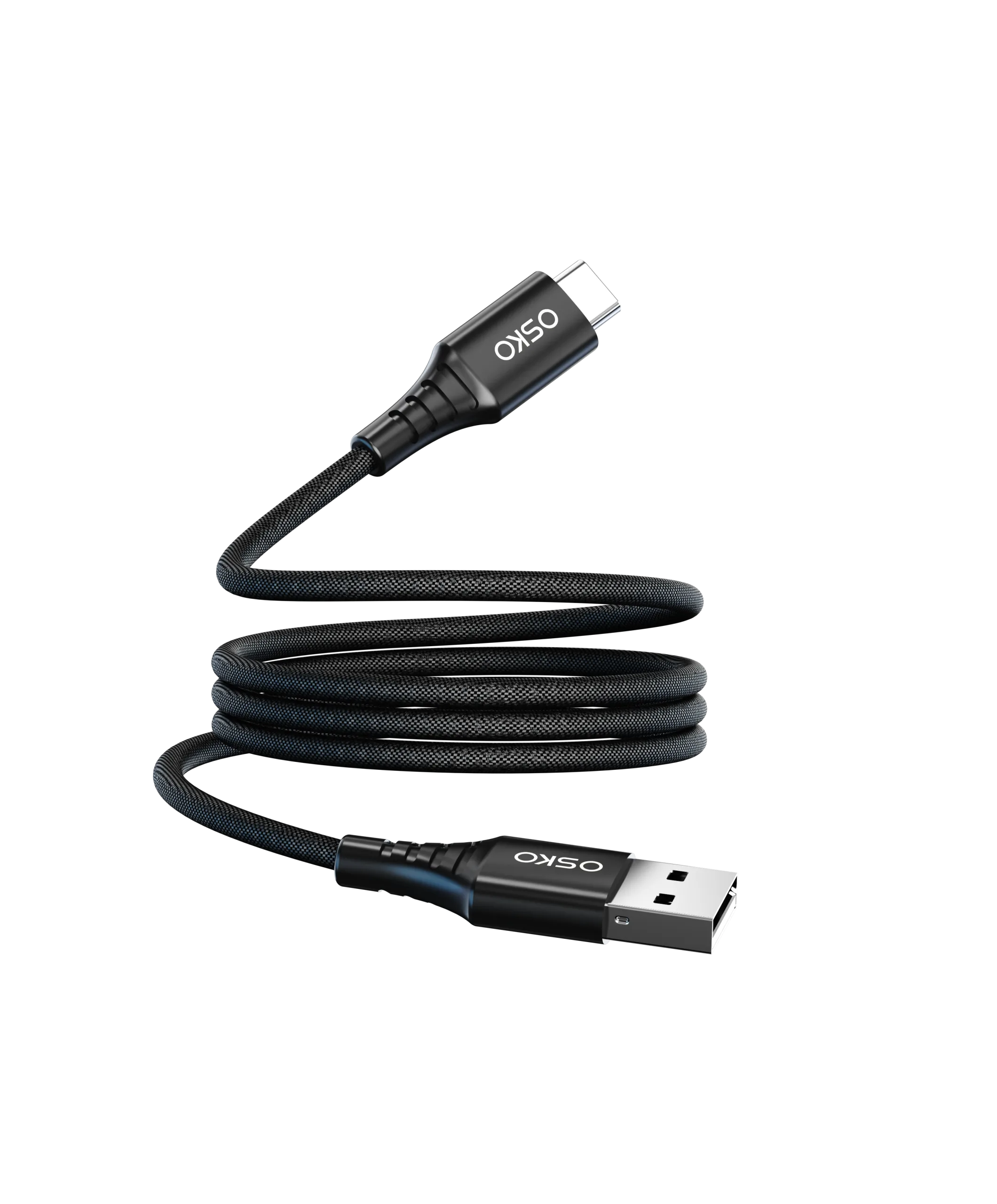
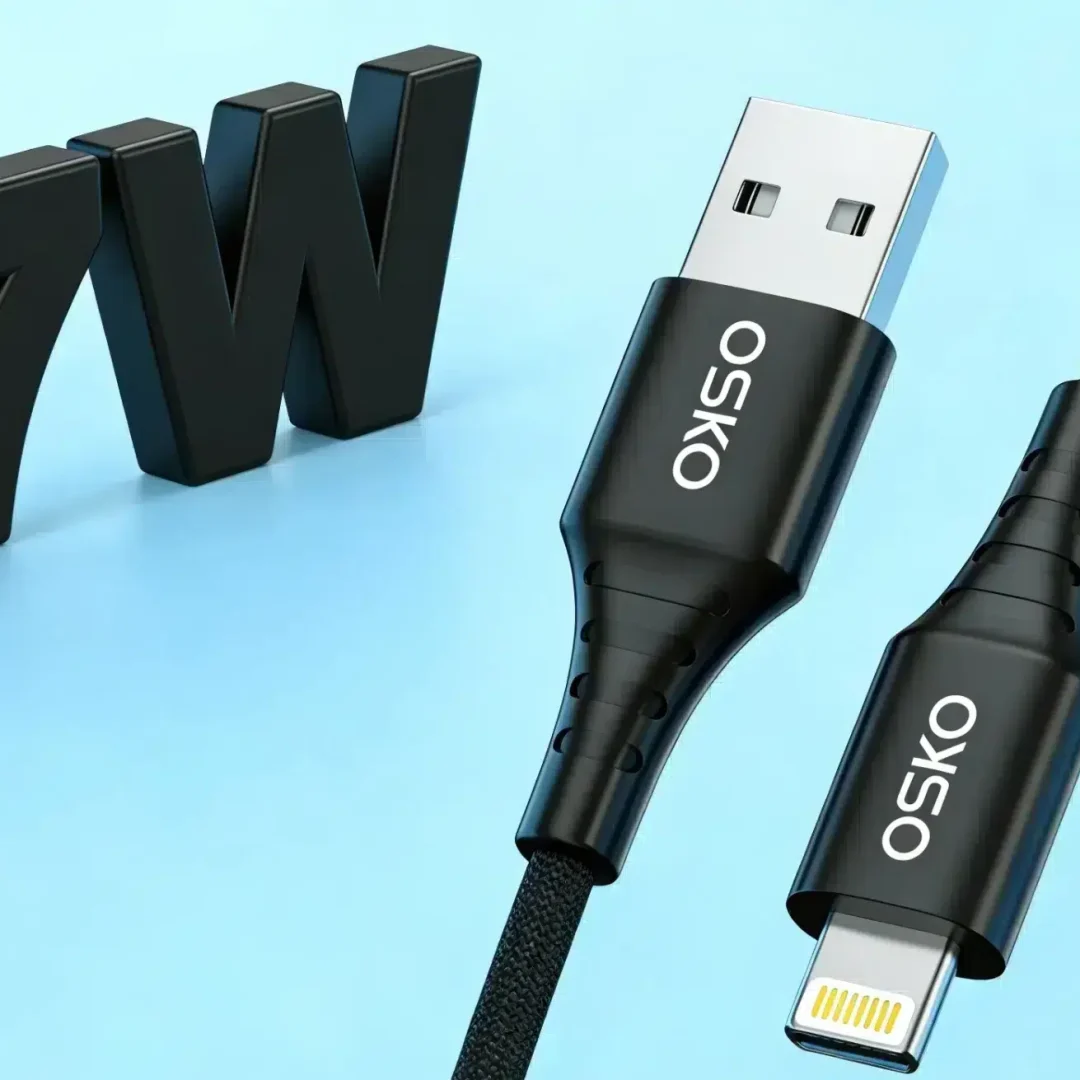
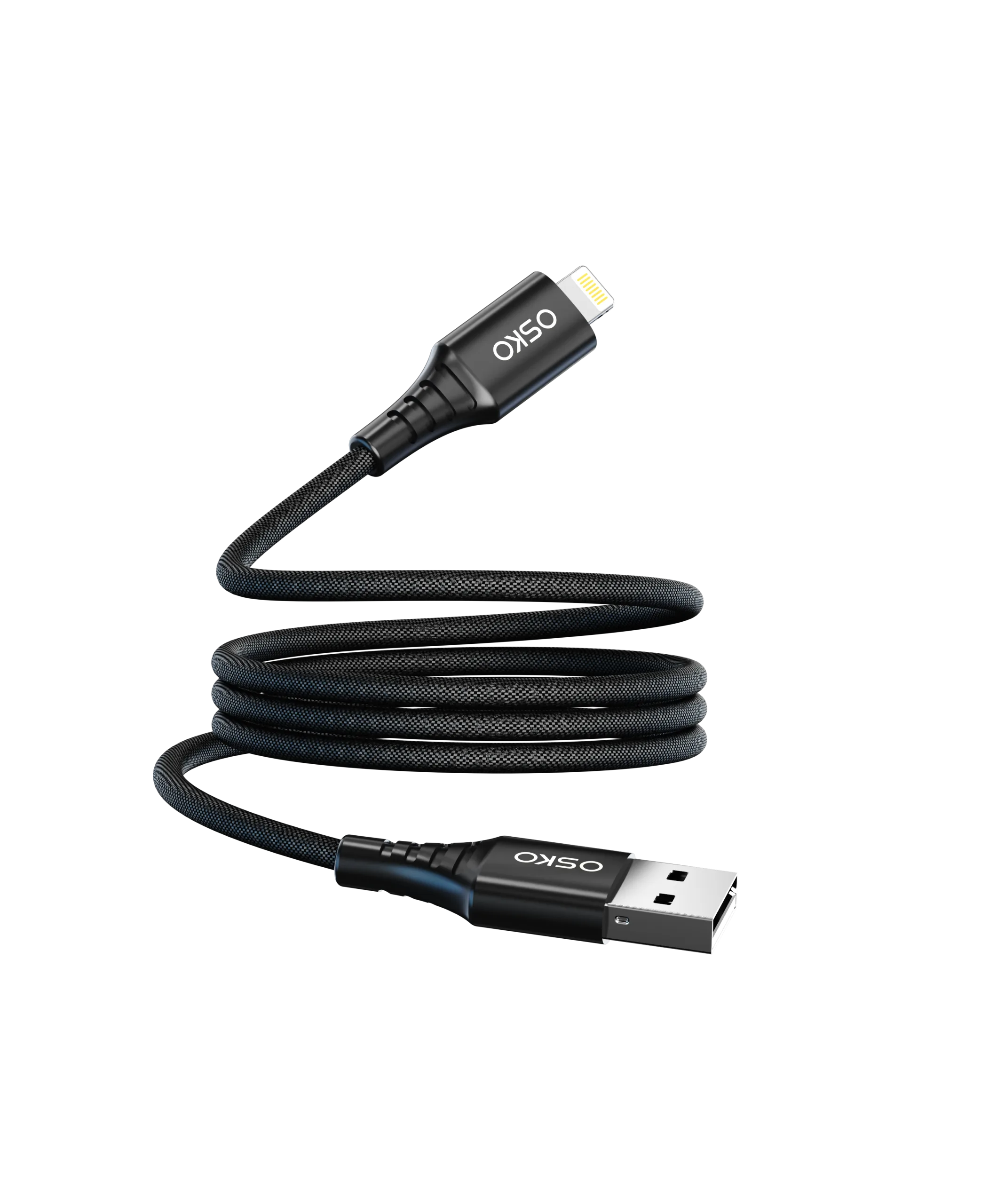
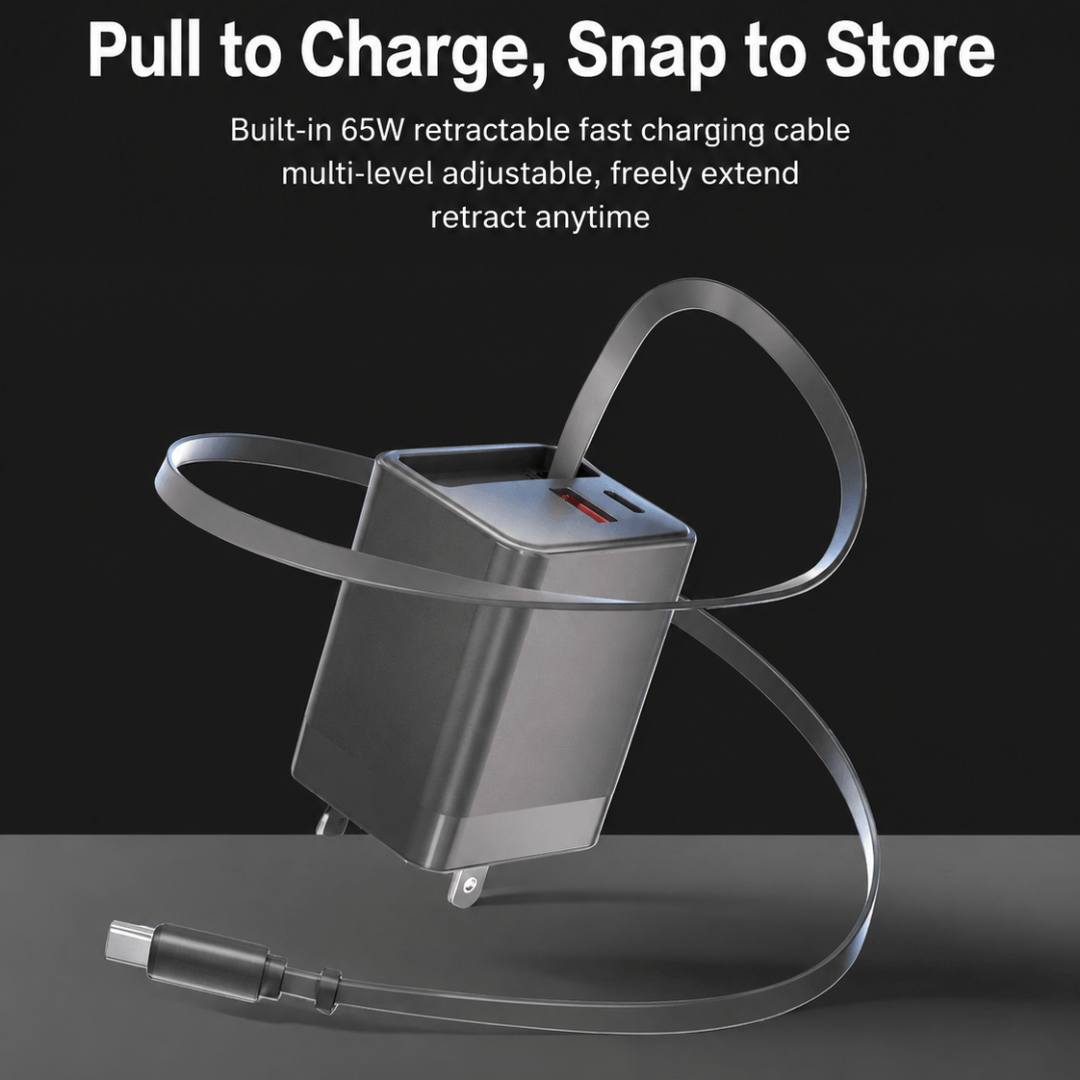
Introduction
Ordering wholesale charging cables may appear straightforward, but in practice it involves complex engineering, supply chain validation, and long-term quality risk management.
In US and European e-commerce markets, charging cables are among the most frequently returned accessories due to inconsistent performance, overheating, or compatibility issues. These problems are rarely caused by user behavior—they are typically the result of poor material selection, unstable manufacturing processes, or insufficient testing standards.
For wholesale buyers, especially Amazon sellers, distributors, and retail brand owners, understanding the technical and procurement risks behind USB-C cables is essential for maintaining product stability and protecting brand reputation.
From an OEM engineering perspective, a charging cable is not a simple accessory but a precision power transmission component that must meet strict electrical and mechanical standards.

Material Science & Manufacturing Risks
The performance of wholesale charging cables is determined primarily by material quality and production consistency.
Conductor Quality and Electrical Stability
The conductor is the core of every USB-C cable.
High-quality manufacturers use:
Oxygen-free copper (OFC) for low resistance
Multi-strand fine-wire construction for flexibility
Tin-coated copper for corrosion resistance
Low-cost suppliers often reduce copper content or substitute aluminum alloys, which leads to:
Voltage drop under load
Slow or unstable charging
Increased heat generation
These issues are especially critical in USB-C PD systems used in modern devices.
Dielectric Materials and Heat Resistanc
Insulation materials affect both safety and performance.
Common materials include:
TPE: flexible and heat resistant
PE: low dielectric loss, stable signal transmission
PVC: cost-effective but less stable under high current
Inconsistent insulation quality can lead to overheating or charging instability in bulk production batches.
Shielding Structure and Signal Integrity
EMI shielding is essential for stable fast charging communication.
Professional cables include:
Aluminum foil shielding
Braided copper shielding
Multi-layer composite protection
Without proper shielding, wholesale batches may show inconsistent performance across devices.
Connector Precision and Mechanical Wear
Connector design is one of the most common failure points in wholesale production.
Key engineering elements include:
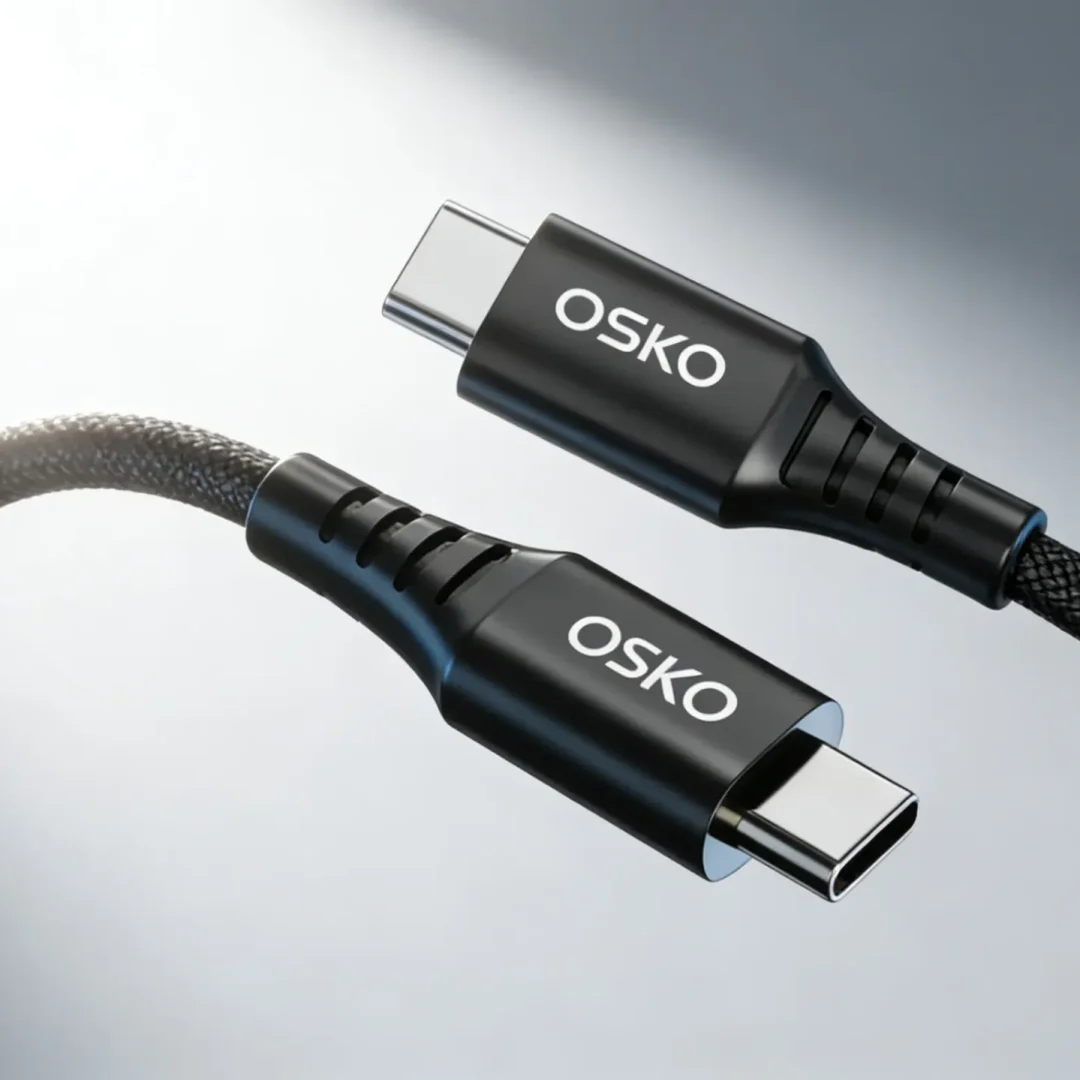
Precision USB-C interface molding
Gold-plated contact pins
Reinforced strain relief design
Poor control in this area leads to loose connections, intermittent charging, and high return rates.
Case Study
US E-Commerce Brand Wholesale Cable Failure Analysis
A US-based e-commerce brand sourcing wholesale charging cables from multiple low-cost suppliers experienced inconsistent product performance and high return rates across Amazon listings.
Customer Requirements
Stable 60W fast charging across all units
Compatibility with iPhone, Android, and laptops
Return rate below 5%
CE and FCC compliance for US/EU markets
Scalable bulk supply for retail distribution
Engineering Problems Identified
Testing revealed several systemic issues:
Inconsistent conductor resistance between batches
Weak EMI shielding causing unstable charging
Poor connector tolerance control
Lack of USB-PD protocol validation
These inconsistencies made it impossible to maintain stable customer experience at scale.

OSKO Engineering Solution
OSKO implemented a structured OEM manufacturing and QC system:
Oxygen-free copper conductor standardization
Reinforced TPE insulation for thermal stability
Double-layer braided shielding for EMI control
Precision USB-C connector manufacturing process
Full USB-IF compliant PD testing system
This production framework supports:
OEM USB Cables
ODM USB Cables
Wholesale USB Cables
Bulk USB Cables
Retail USB Cables
Results
After supplier optimization:
Charging stability improved across all batches
Product return rate significantly decreased
Customer satisfaction increased in retail channels
Cross-device compatibility improved
This demonstrates that wholesale quality control directly impacts brand success.
Selection Guide
What Buyers Should Check Before Ordering Wholesale Charging Cables
Wholesale buyers must evaluate suppliers beyond price and appearance.
Step 1: Material Transparency
A reliable supplier must clearly specify:
Copper content level (OFC preferred)
Insulation material type (TPE/PE recommended)
Shielding structure design
Material transparency is a key indicator of supplier reliability.
Step 2: Electrical Performance Testing
Buyers should request:
Voltage drop test reports
60W–240W PD compatibility validation
Thermal stability testing data
Device interoperability reports
Without these, product consistency cannot be guaranteed.
Step 3: Certification Compliance
For US and European markets, required certifications include:
CE compliance
FCC certification
RoHS compliance
USB-IF certification (Type-C cables)
ISO9001 manufacturing system
Certified suppliers significantly reduce regulatory risk.
Step 4: Production Scalability
A strong wholesale charging cables supplier must support:
Large-scale production capacity
Stable batch-to-batch consistency
Automated assembly lines
Quality control at multiple production stages
Step 5: OEM/ODM Flexibility
Professional suppliers should offer:
Custom lengths (3ft, 6ft, 10ft)
Custom packaging and branding
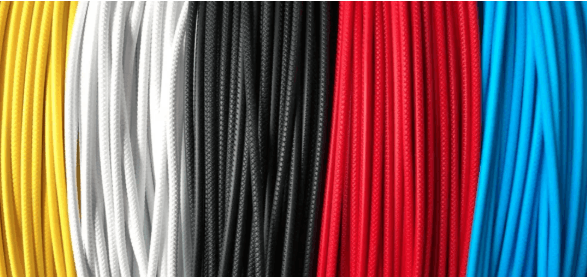
Bulk custom color braided charging cables
Private label OEM programs
Engineering customization for different markets
Supplier Evaluation Table
| Factor | High-Quality Supplier | Low-Quality Supplier | Risk Level |
|---|---|---|---|
| Copper quality | OFC copper | Mixed aluminum | High |
| Testing system | Full PD validation | Minimal testing | High |
| Certification | USB-IF, ISO9001 | Missing/partial | High |
| Shielding design | Multi-layer EMI protection | Basic shielding | Medium |
| OEM capability | Full customization | Limited options | Medium |
OEM Procurement Insight
Professional buyers typically source from:
OEM USB-C cable manufacturing partners
ODM engineering-focused suppliers
Wholesale USB cable distributors
Bulk USB cable factories
Advanced manufacturing capabilities include:
Bulk custom 6ft 10ft USB-C cables
CE RoHS certified 240W USB C cable
USB-IF compliant Type C cable manufacturer
ISO9001 certified braided USB cable factory
FCC approved nylon braided USB C cable supplier
FAQ
What should I check before buying wholesale charging cables?
Material quality, certification compliance, and PD performance testing are most important.
Why do wholesale USB cables vary in quality?
Differences in manufacturing processes and material standards cause inconsistent performance.
Is cheaper wholesale always better?
No. Low cost often correlates with unstable quality and higher return rates.
How do I reduce risk in bulk USB cable sourcing?
Choose certified suppliers with stable QC systems and engineering validation.
Do braided cables perform better in wholesale markets?
Yes. Braided cables offer higher durability and lower failure rates in retail use.
Summary
Ordering wholesale charging cables requires more than price comparison—it requires engineering evaluation, certification verification, and manufacturing consistency analysis.
From an OEM perspective, cable performance depends on conductor quality, insulation stability, shielding design, and connector precision. Without these fundamentals, wholesale products will face high failure rates and inconsistent customer experiences.
In US and European markets, where competition and customer expectations are high, selecting a technically capable supplier is essential for long-term business stability.
Ultimately, successful wholesale sourcing depends on engineering reliability, not just cost optimization.
Contact Information
OSKO provides professional OEM and wholesale USB-C cable solutions, including:
USB-C fast charging cables (60W–240W)
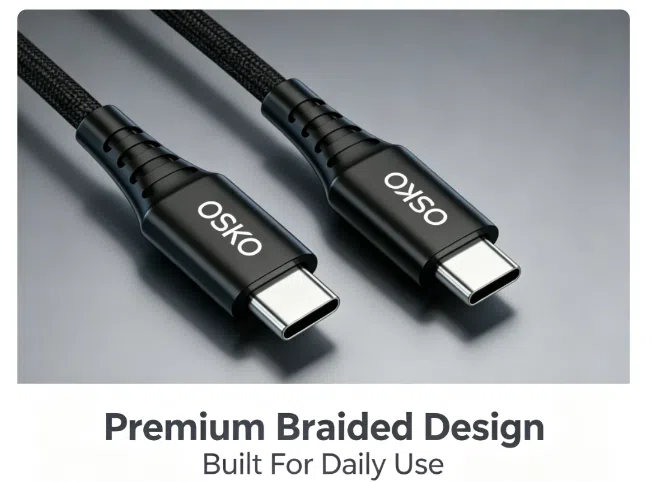
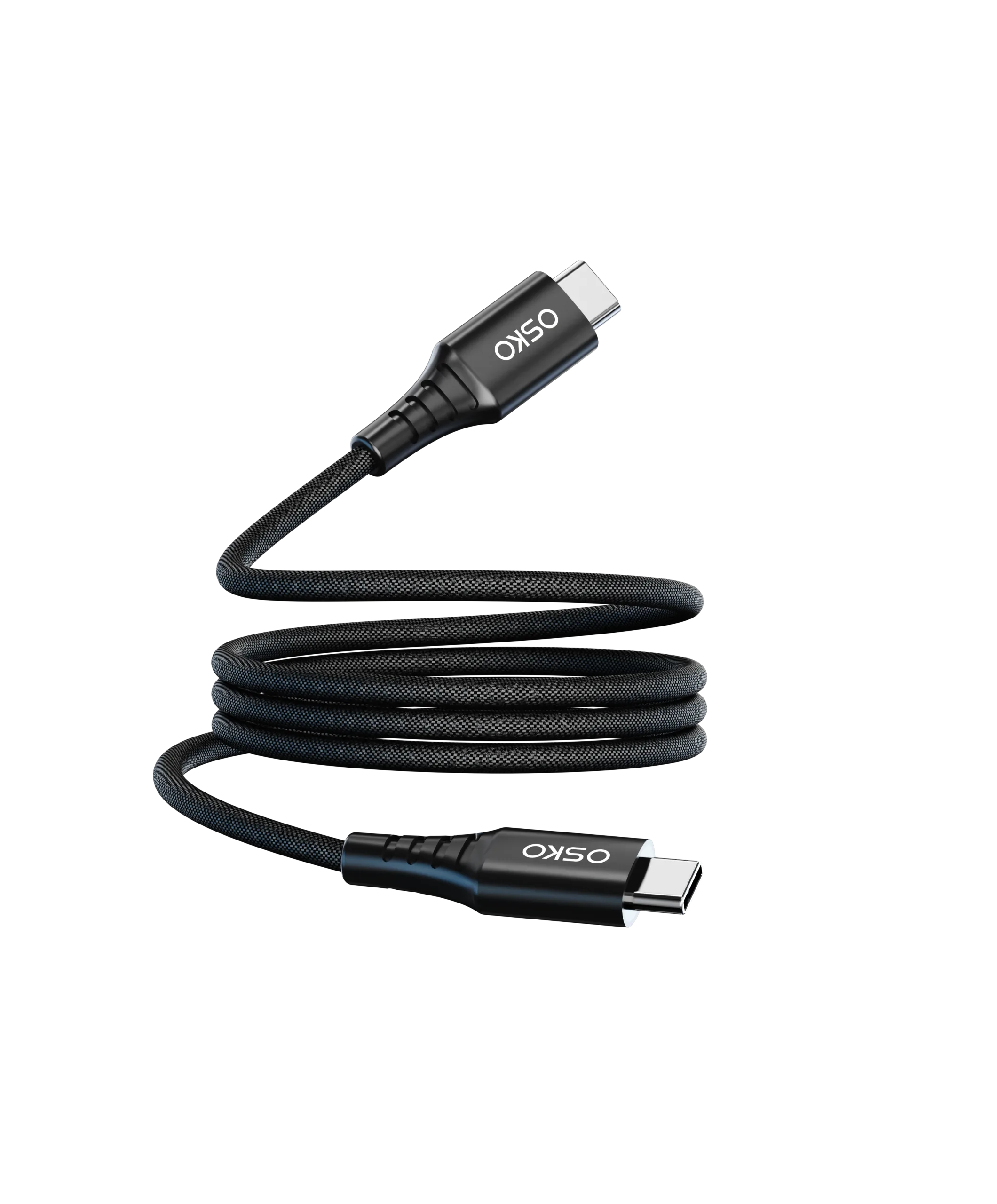
Braided high-durability cable systems
OEM & ODM manufacturing services
Private label and retail packaging solutions
Bulk supply programs for global markets
OSKO engineering team provides full technical documentation, compliance support, and scalable manufacturing solutions for global wholesale buyers.