How to Test a Car Charger Cable for Fast Charging and Reliability
Introduction
Car charger cables are essential for keeping devices charged during travel. However, not all cables deliver reliable performance. Many users experience slow charging, device overheating, or intermittent connections in their vehicles.
Testing a car charger cable ensures it delivers its advertised performance and avoids potential damage to devices. This guide explains step-by-step methods for testing voltage, current, charging speed, and durability, with practical tips for both consumers and OEM buyers.
Required Tools for Testing
To properly test a car charger cable, you need:
USB Power Meter: Measures voltage (V) and current (A).
Multimeter: For checking continuity and resistance.
Test Device: Smartphone, tablet, or laptop.
Car Charger Adapter: Compatible with the cable being tested.
Optional Load Tester: For simulating device power draw.
Using certified equipment ensures your testing is accurate and replicable, which is particularly important for OEM evaluations.
Step 1: Visual Inspection
Before using any tools, perform a visual inspection:
Check the cable for frayed wires, bent connectors, or broken insulation.
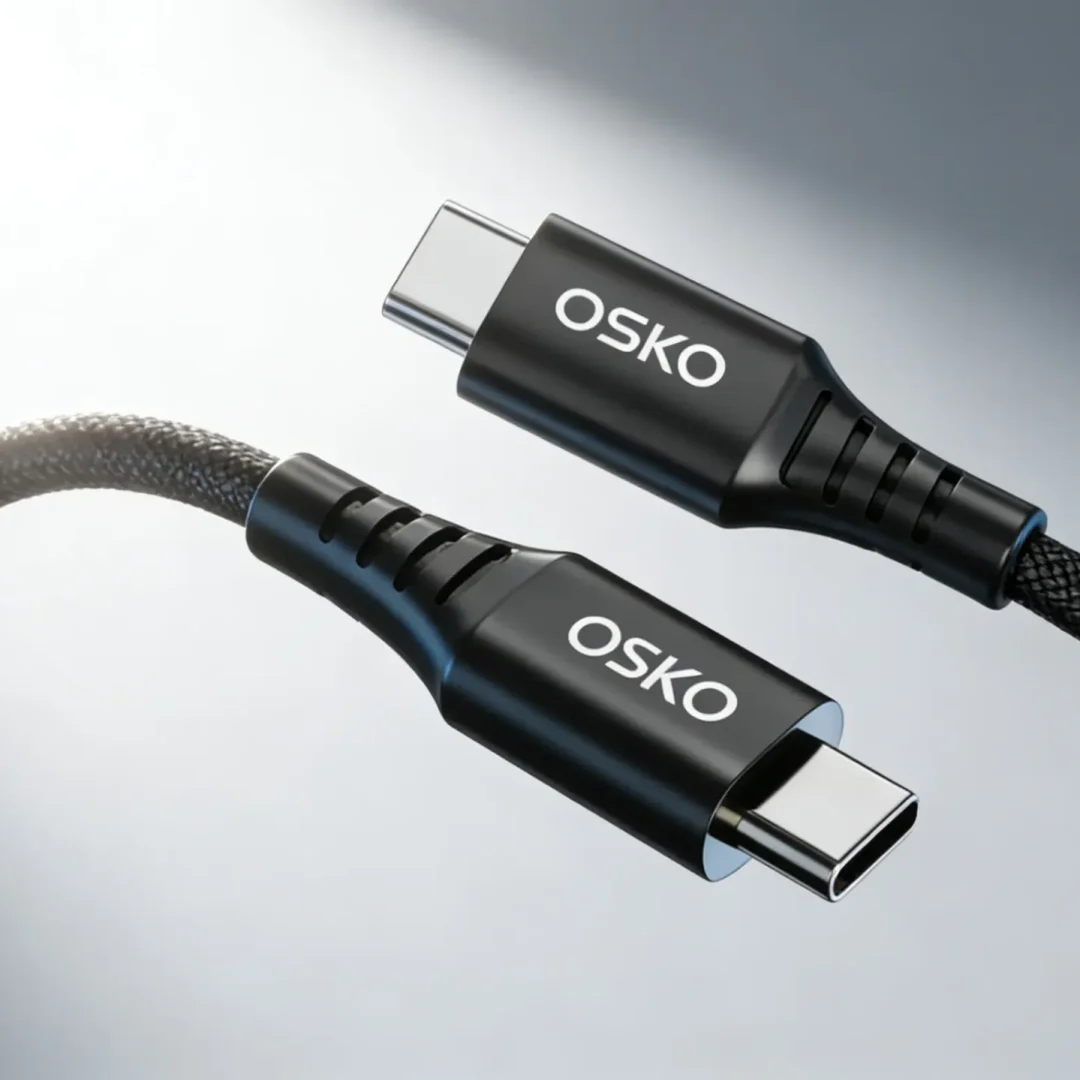
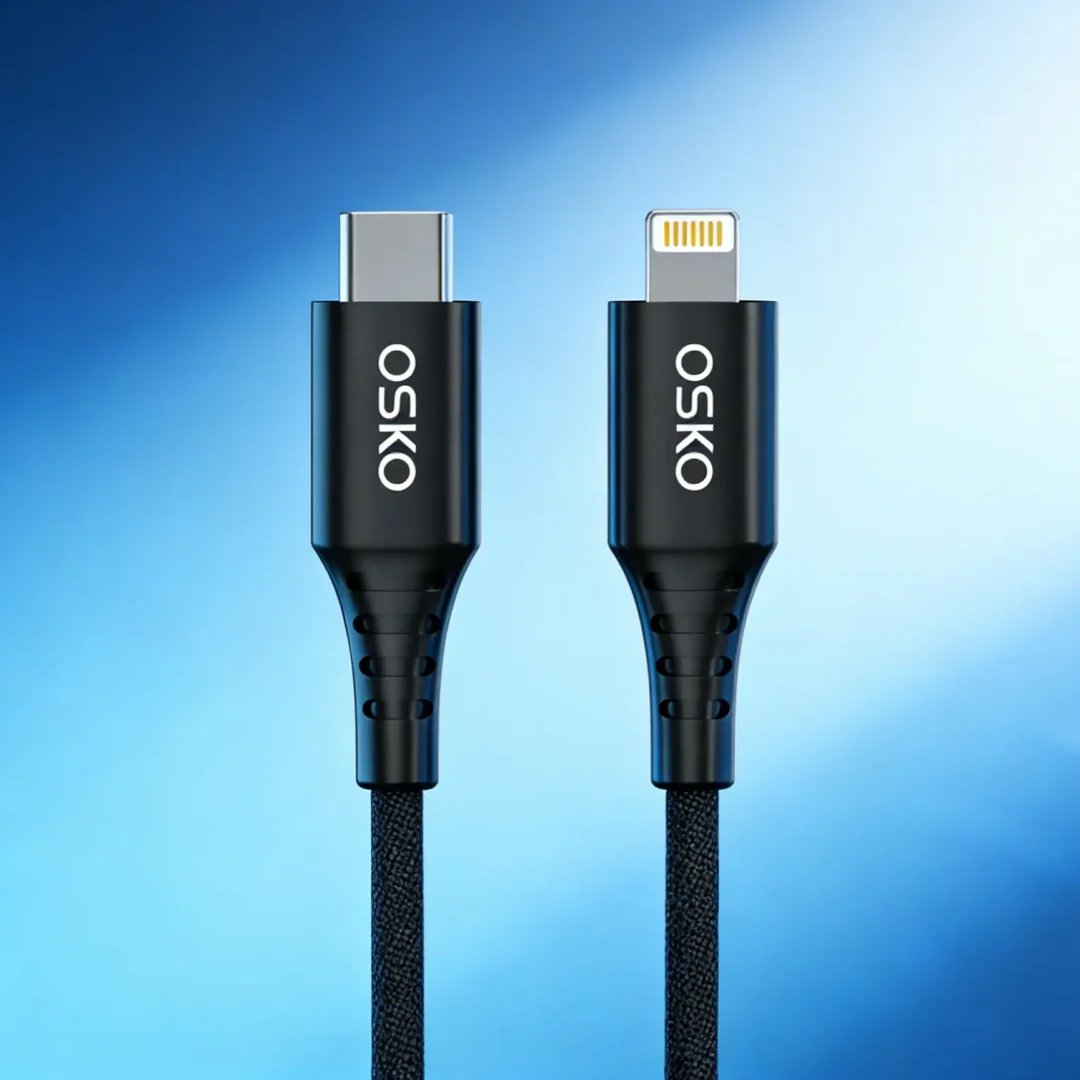
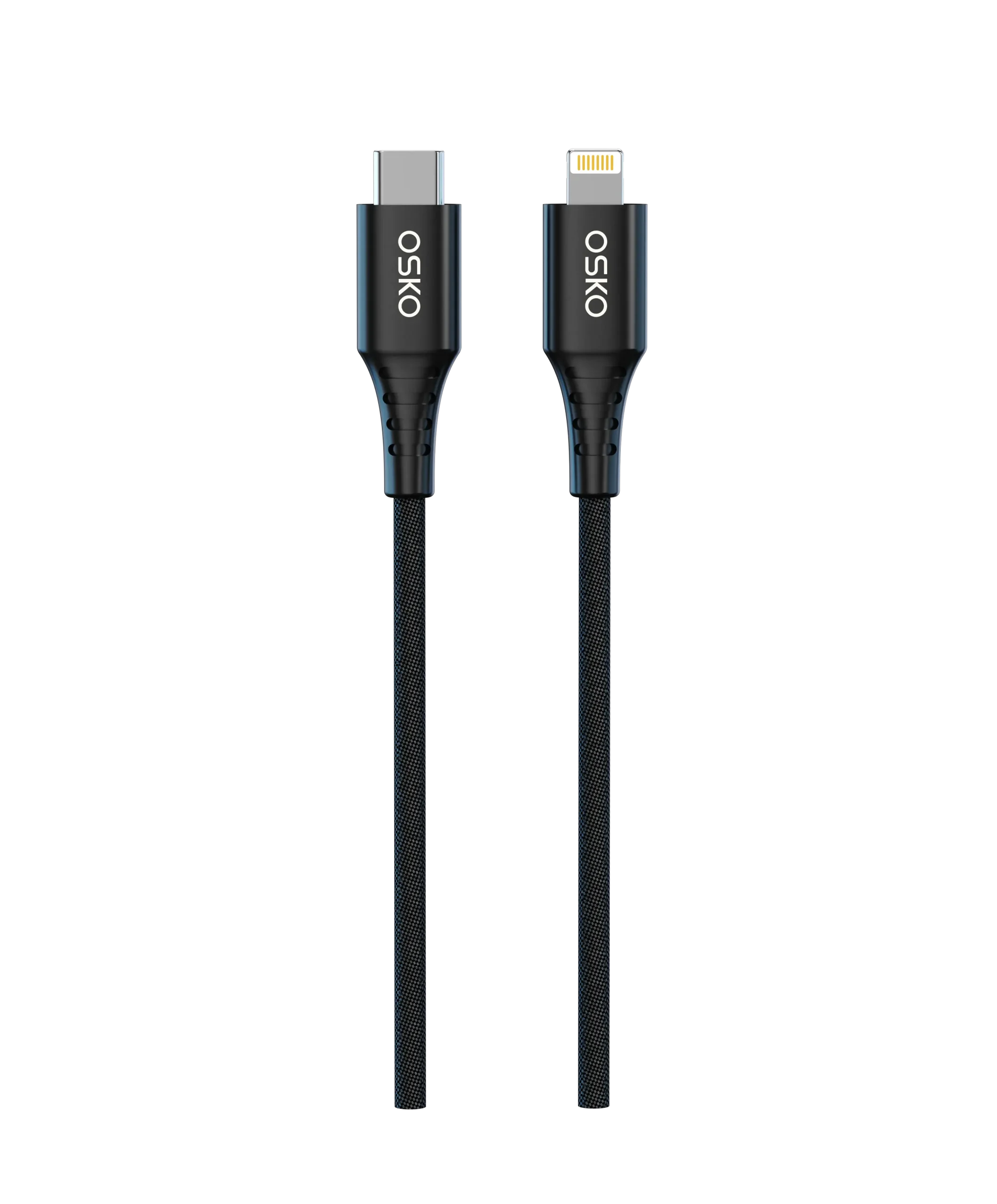
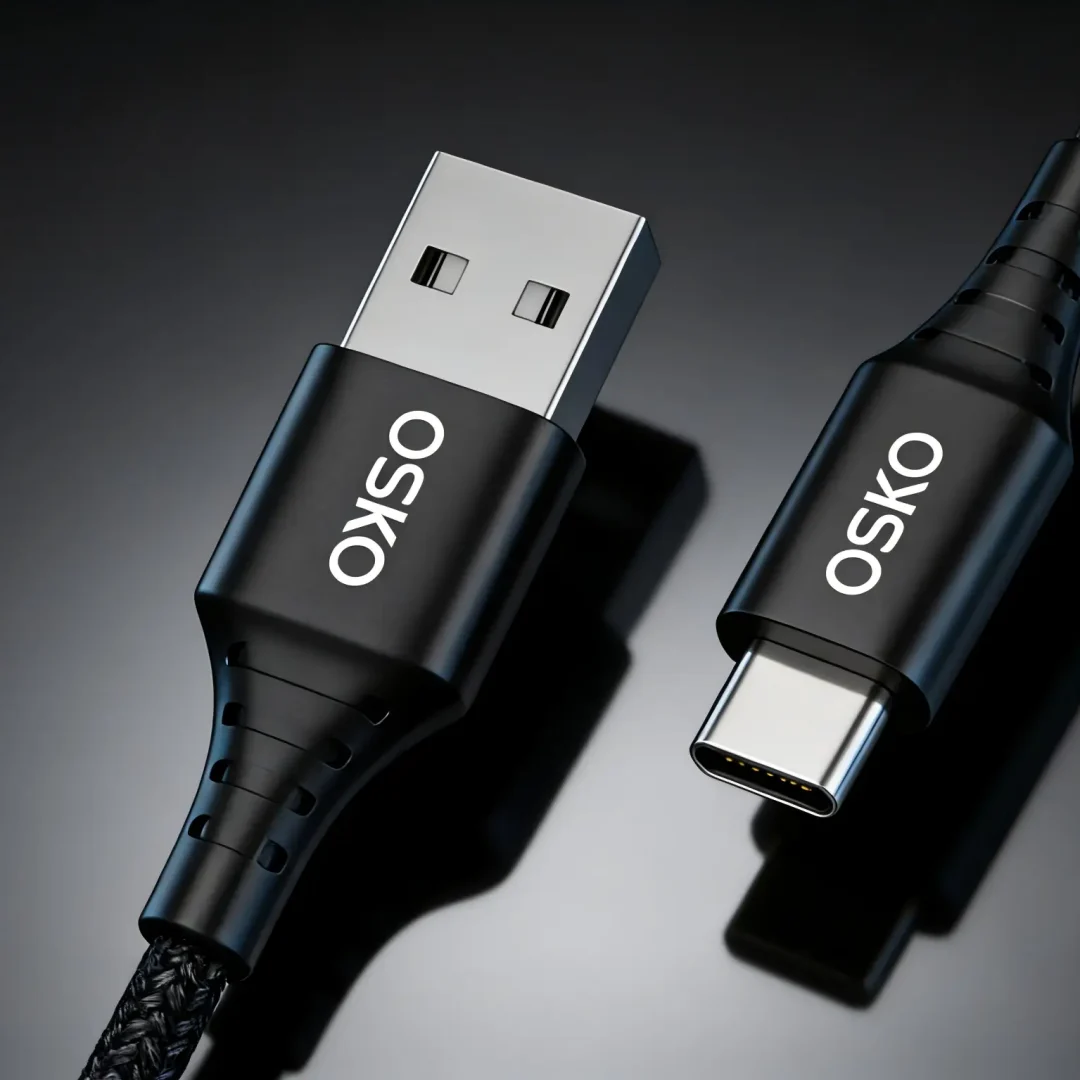
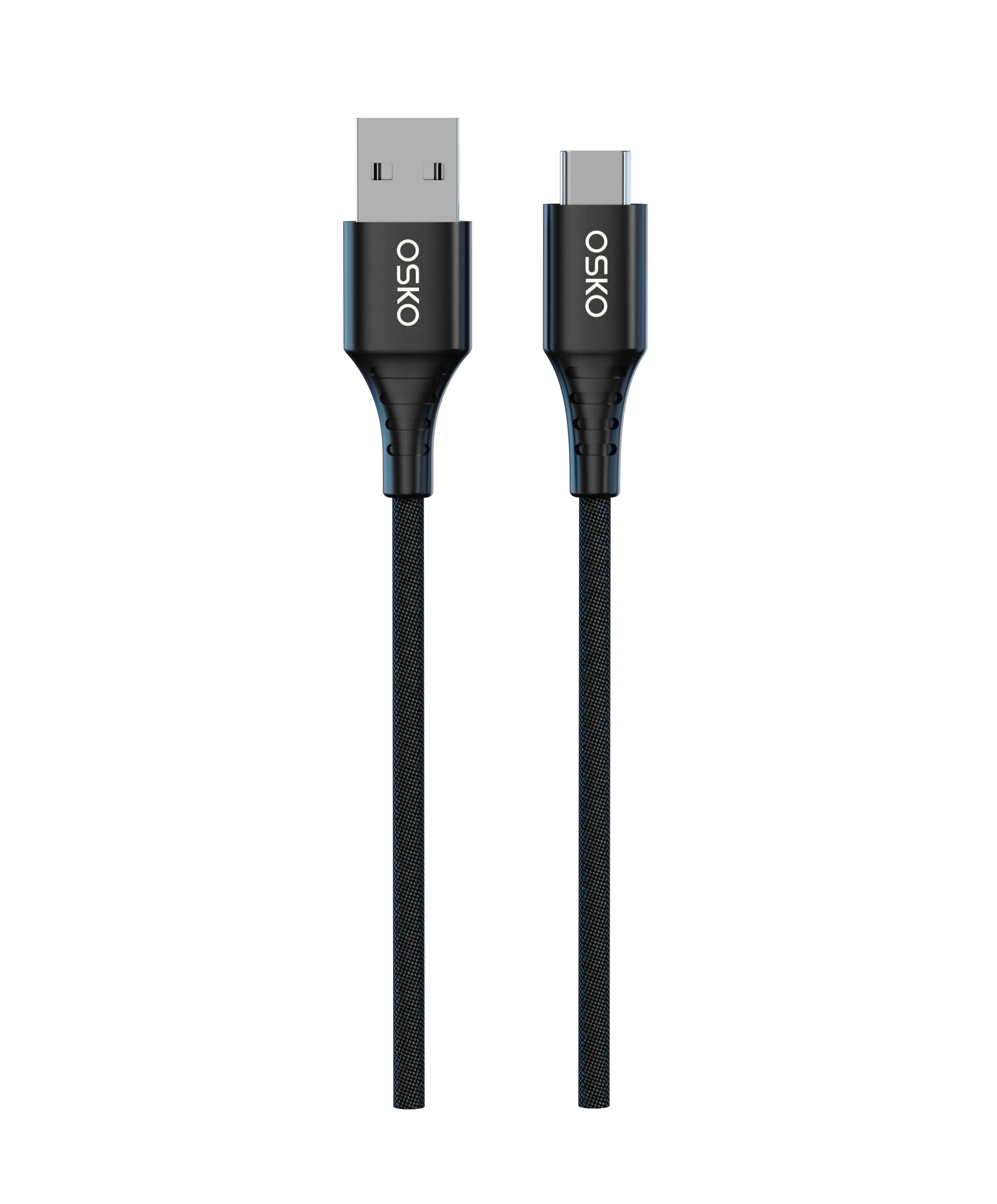
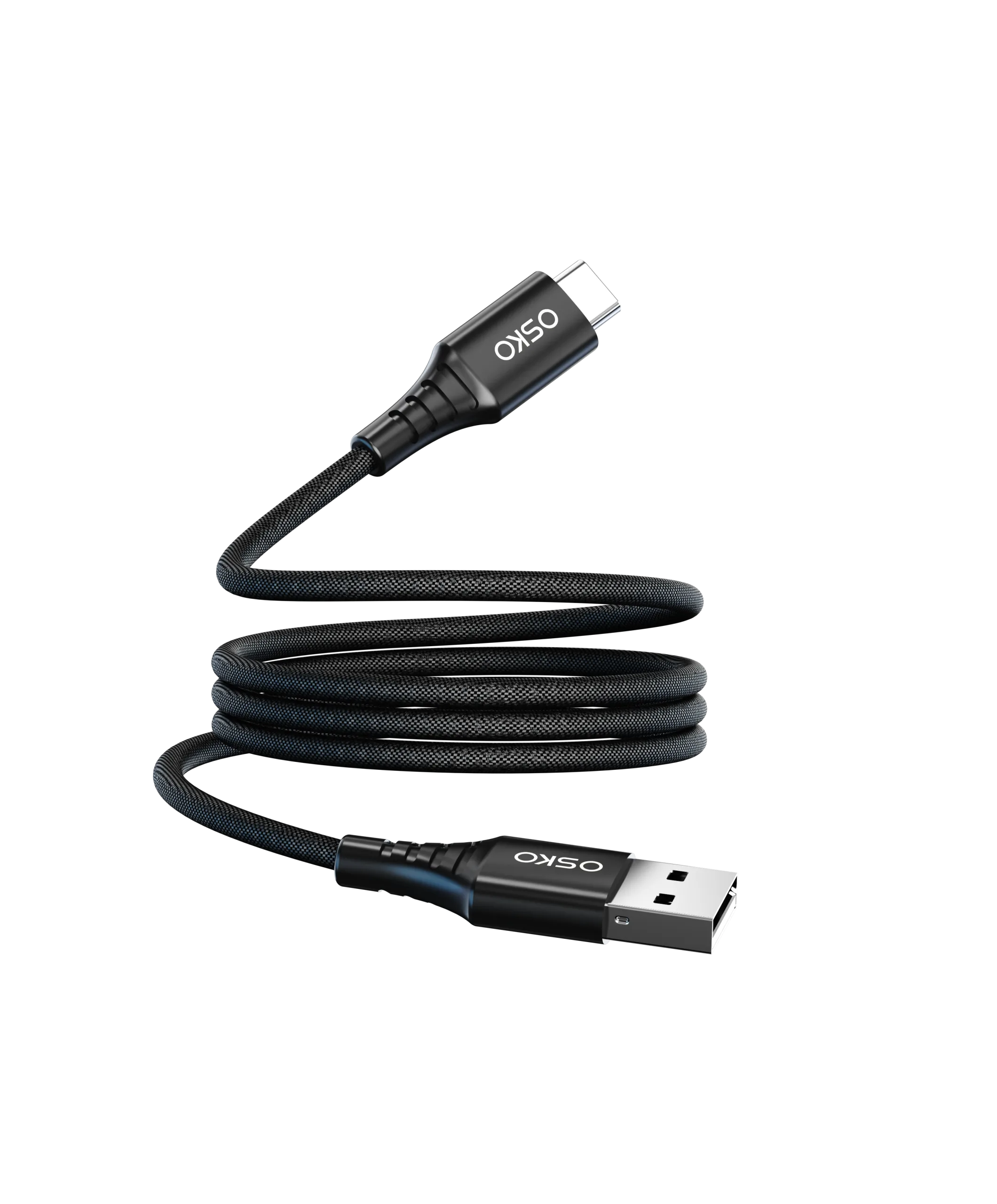
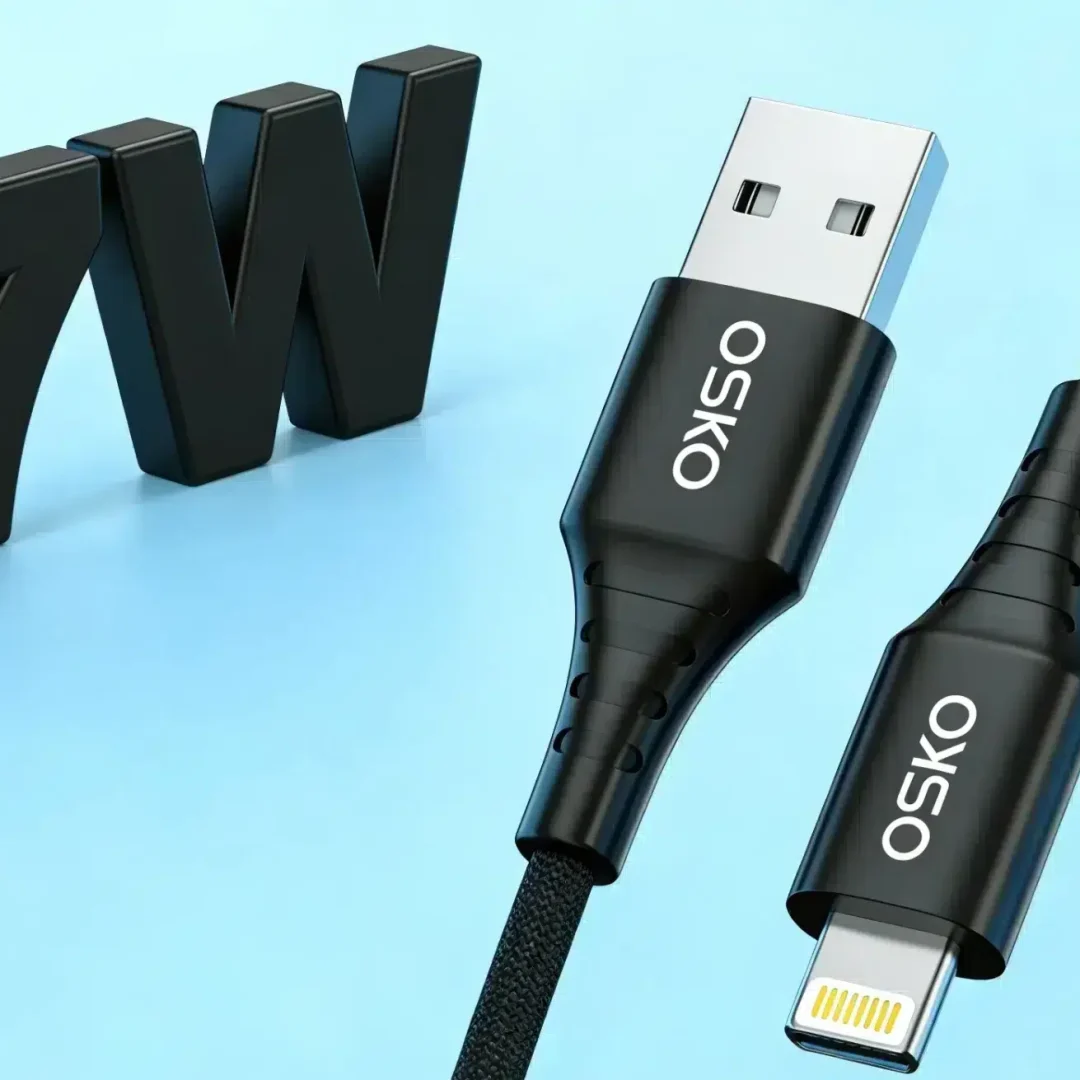
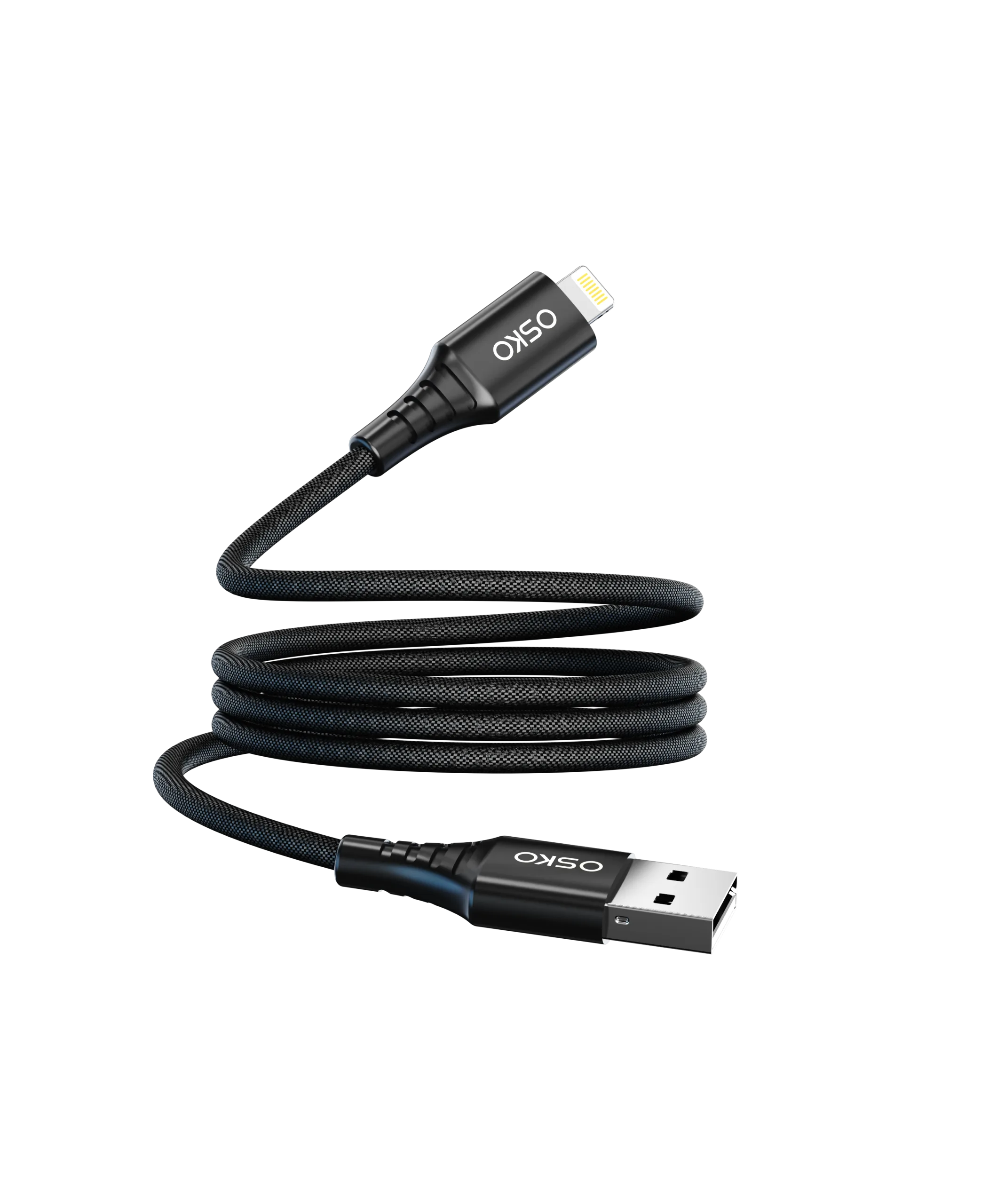
Inspect both ends of the cable (USB-A, USB-C, Lightning) for connector integrity.
Examine strain relief points where the cable joins the connector, as these are common failure spots.
A cable that fails visual inspection is unlikely to provide reliable charging and should be replaced or returned to the supplier.
Step 2: Continuity and Resistance Testing
Using a multimeter, check the cable’s continuity:
Set the multimeter to Ohms (Ω).
Place the probes on the corresponding pins of the connector ends.
Verify no open circuits or high resistance (>0.2 Ω for high-quality USB-C).
High resistance can reduce charging efficiency and may prevent high-power fast charging.
Step 3: Voltage and Current Testing
To test charging performance:
Connect the cable to a car charger and a test device.
Insert a USB power meter between the cable and the device.
Record voltage (V) and current (A) readings during charging.
Cable Type
Expected Voltage
Expected Current
Notes
USB-C PD 60W
5–20V
Up to 3A
Standard for smartphones and tablets
USB-C PD 100W
5–20V
Up to 5A
Laptop charging
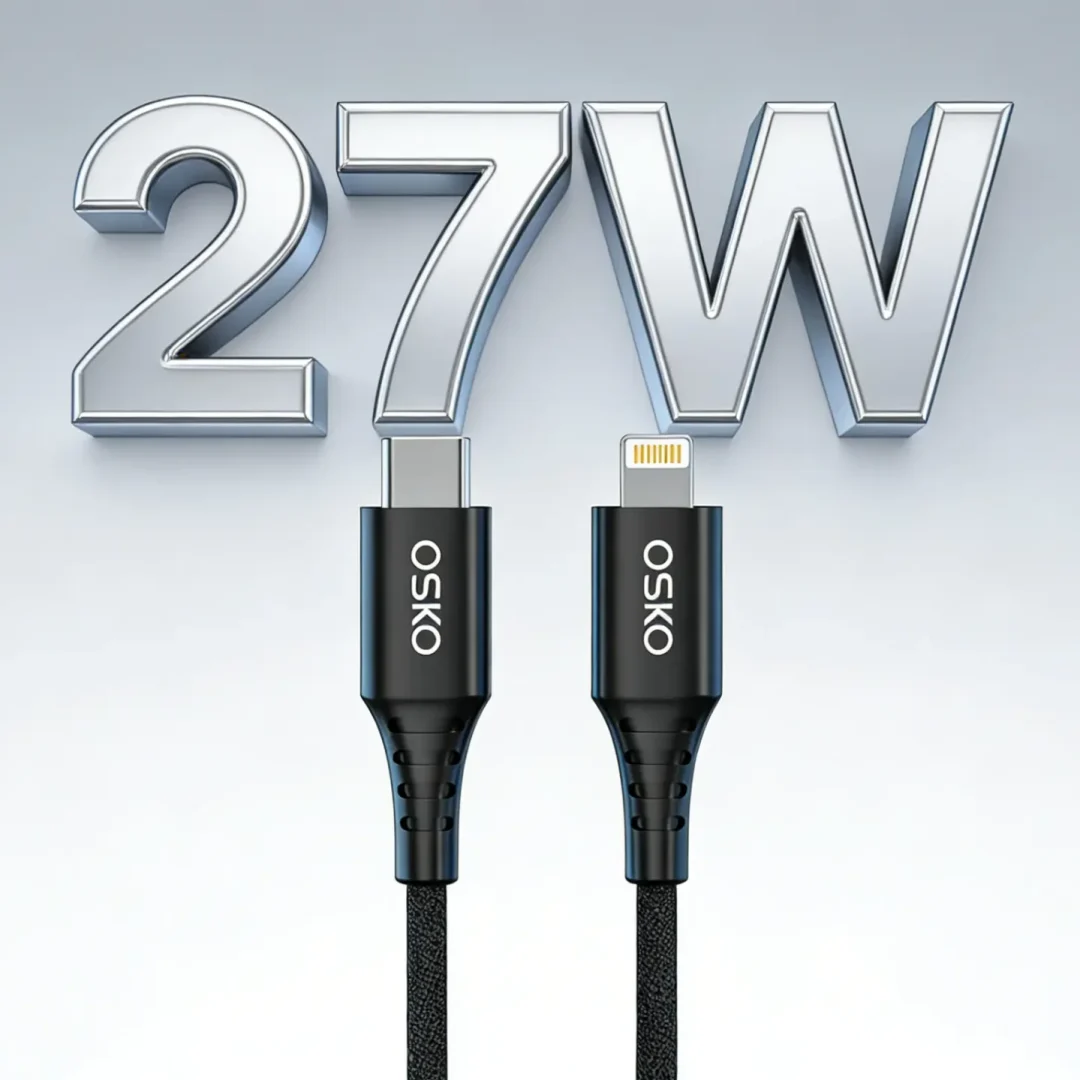
Lightning Fast Charge
5–9V
2–3A
Apple-certified devices
Standard Car USB
5V
1–2.4A
Older devices, slower charging
A properly rated cable should maintain stable voltage and current without significant drops under load.
Step 4: Fast Charging Verification
To verify fast charging capability:
Connect a compatible fast-charging device (e.g., iPhone with PD, Android with Qualcomm Quick Charge).
Ensure the device recognizes fast charging mode.
Monitor the current with a USB power meter; it should match the device’s fast-charging specification.
If the cable cannot maintain sufficient current, it may limit fast charging or cause heat buildup.
Step 5: Durability and Flexibility Check
Car cables are often bent, twisted, or pulled, so mechanical durability is critical.
Gently bend the cable 90° at several points near connectors.
Check for intermittent charging or disconnection during bending.
For longer-term durability tests, repeatedly plug and unplug the cable (e.g., 1,000 cycles).
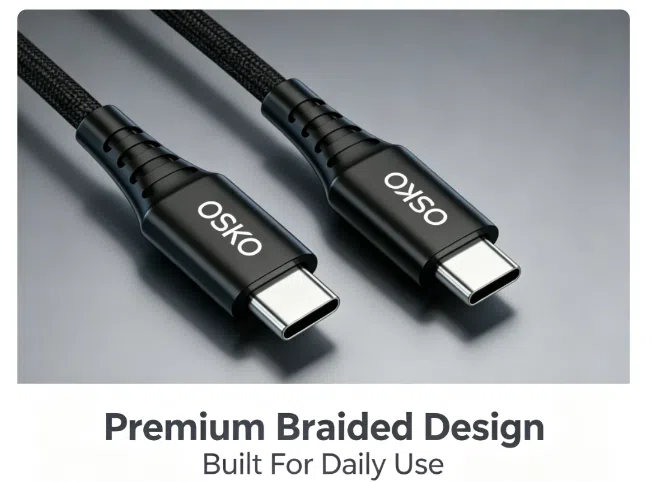
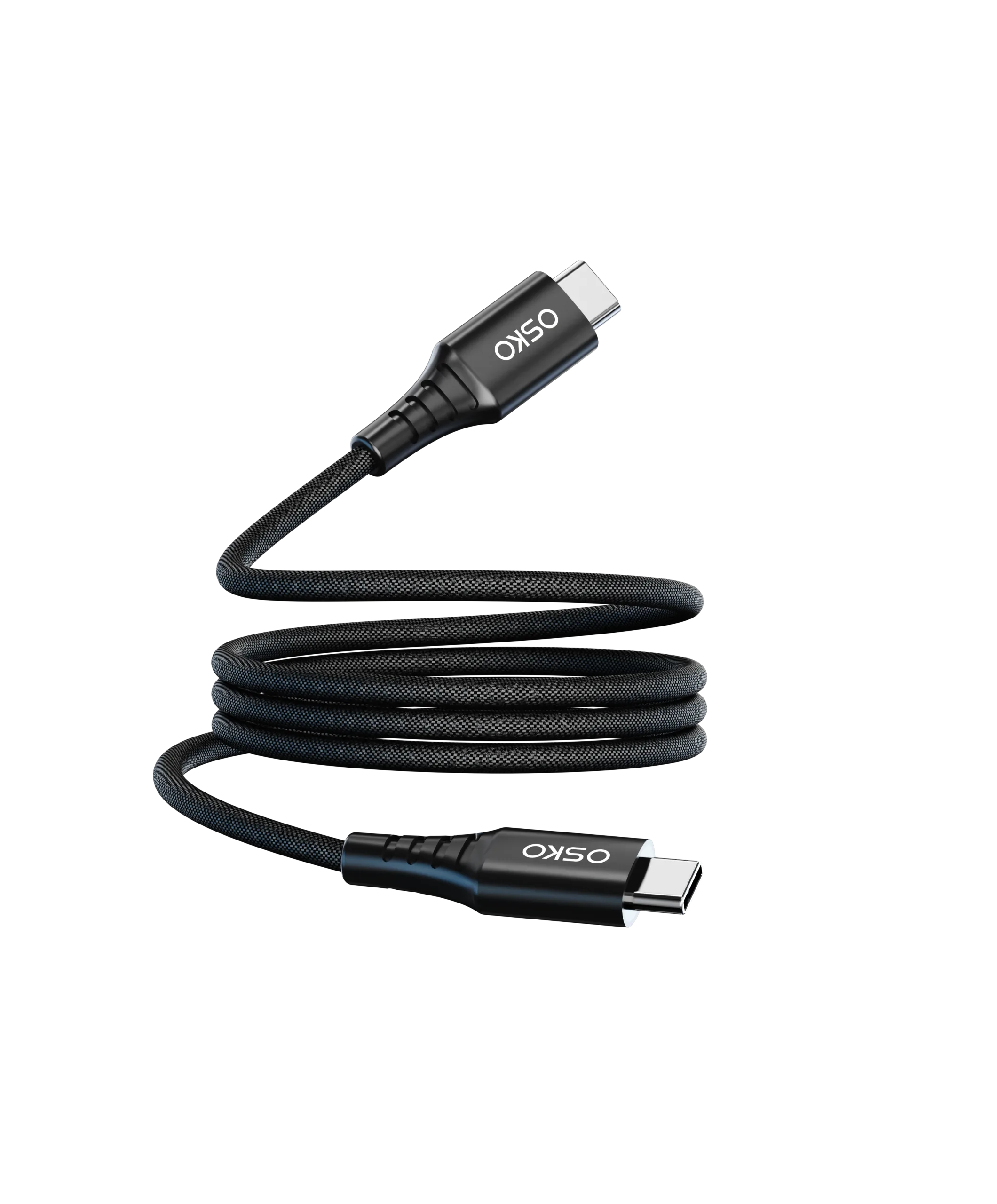
Nylon braided or reinforced cables usually withstand bending better than standard PVC cables, making them preferred for car charging applications.
Step 6: Temperature Monitoring
High-current cables can heat up during extended use.
Use a thermometer or infrared camera to monitor the cable’s temperature.
Maximum safe operating temperature is generally below 60°C (140°F) for nylon-braided cables and below 70°C (158°F) for reinforced PVC.
Excessive heat indicates a poor-quality cable, insufficient wire gauge, or low-quality connectors.
Step 7: OEM Sourcing Considerations
For wholesale and OEM buyers:
Verify CE, FCC, and RoHS certifications.
Test multiple samples from the batch for consistency in charging speed and durability.
Check for E-Marker integration in high-wattage USB-C cables (≥100W) to prevent device damage.
Consider nylon braided or dual-braided construction for long-lasting products.
Consistent testing ensures your private-label or OEM cables meet quality expectations for the U.S. and European markets.
Step 8: Internal Testing Report
For professional evaluation, create a report including:
Visual inspection results
Continuity and resistance measurements
Voltage and current readings under load
Fast charging verification results
Temperature readings
Bend and flex tests
Certification status
This helps track quality and improve sourcing decisions, especially for bulk purchases.
Summary
Testing a car charger cable involves more than just plugging it in. A professional approach includes:
Visual inspection for damage or wear
Continuity and resistance checks to ensure safe and efficient charging
Voltage and current measurements to verify fast charging performance
Mechanical durability tests for bending and strain relief
Temperature monitoring to prevent overheating
OEM batch evaluation for consistent quality
By following these steps, both individual users and OEM buyers can ensure they select reliable, high-performance car charger cablesthat deliver fast charging, safe power delivery, and long-term durability.
We use cookies and similar technologies on our website to provide the service you request, and to aim to offer you the best website experience possible.