
Introduction
Choosing the correct charger wattage for a MacBook Pro is not just about speed—it is about ensuring stable power delivery, avoiding thermal stress, and maintaining compatibility across generations of Apple devices. The wattage requirement varies significantly by model, with older 13-inch units needing around 60W–61W while the latest 16-inch models require up to 140W for fast charging.
For U.S. buyers, including OEM and wholesale customers, the key is to match the charger to the specific MacBook Pro model and workload. A charger that is too weak may still charge the device, but it will do so slowly and may underperform during heavy tasks. A charger that matches or exceeds the recommended wattage ensures optimal charging speed and long-term reliability.

Material Science & Dielectric Properties
The performance of a MacBook Pro charging system depends on both the power adapter and the cable. Modern MacBook Pros use USB Power Delivery (USB PD) and, starting with the 2021 models, MagSafe 3 for higher-power charging. The cable must be rated for the required wattage to avoid overheating and voltage drop.
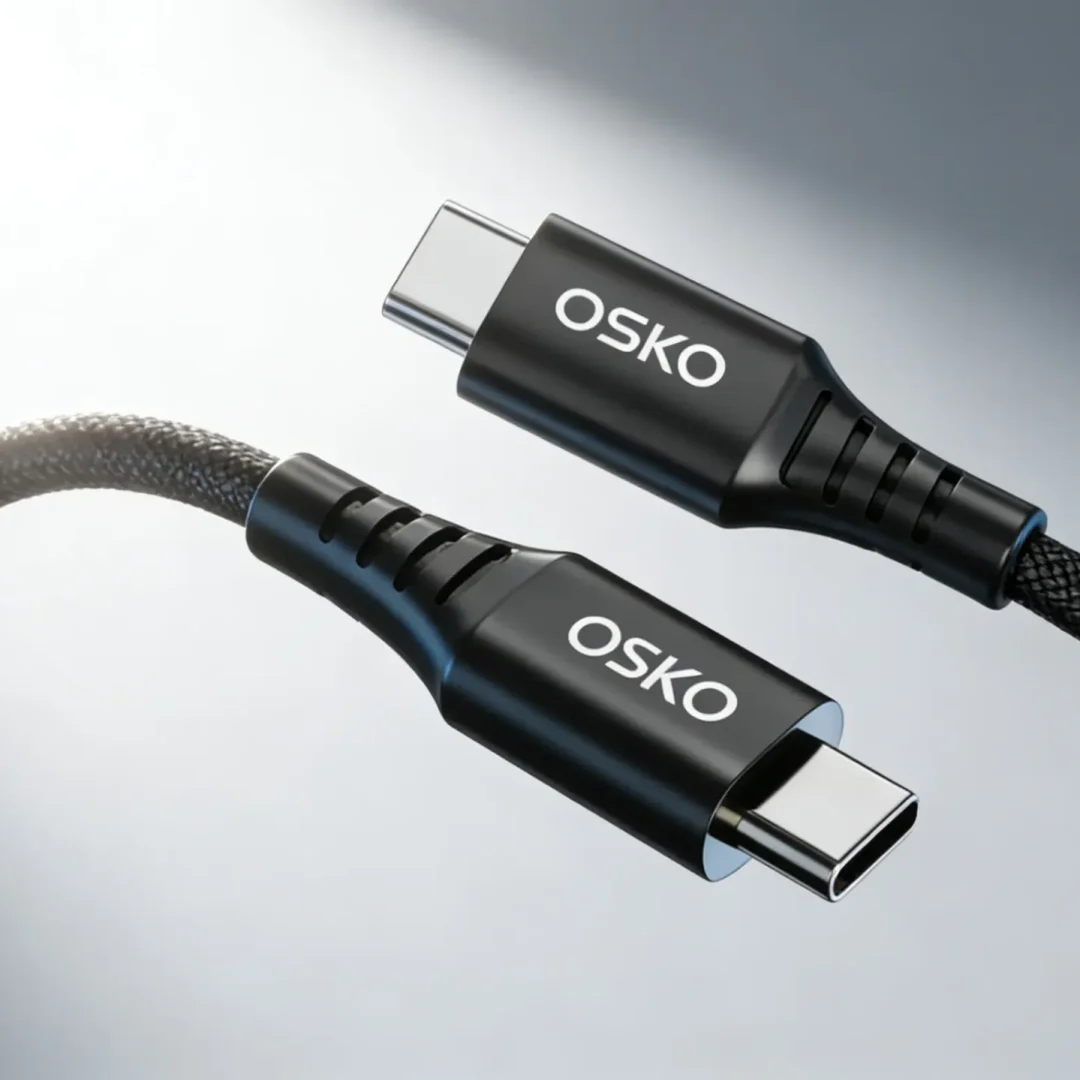
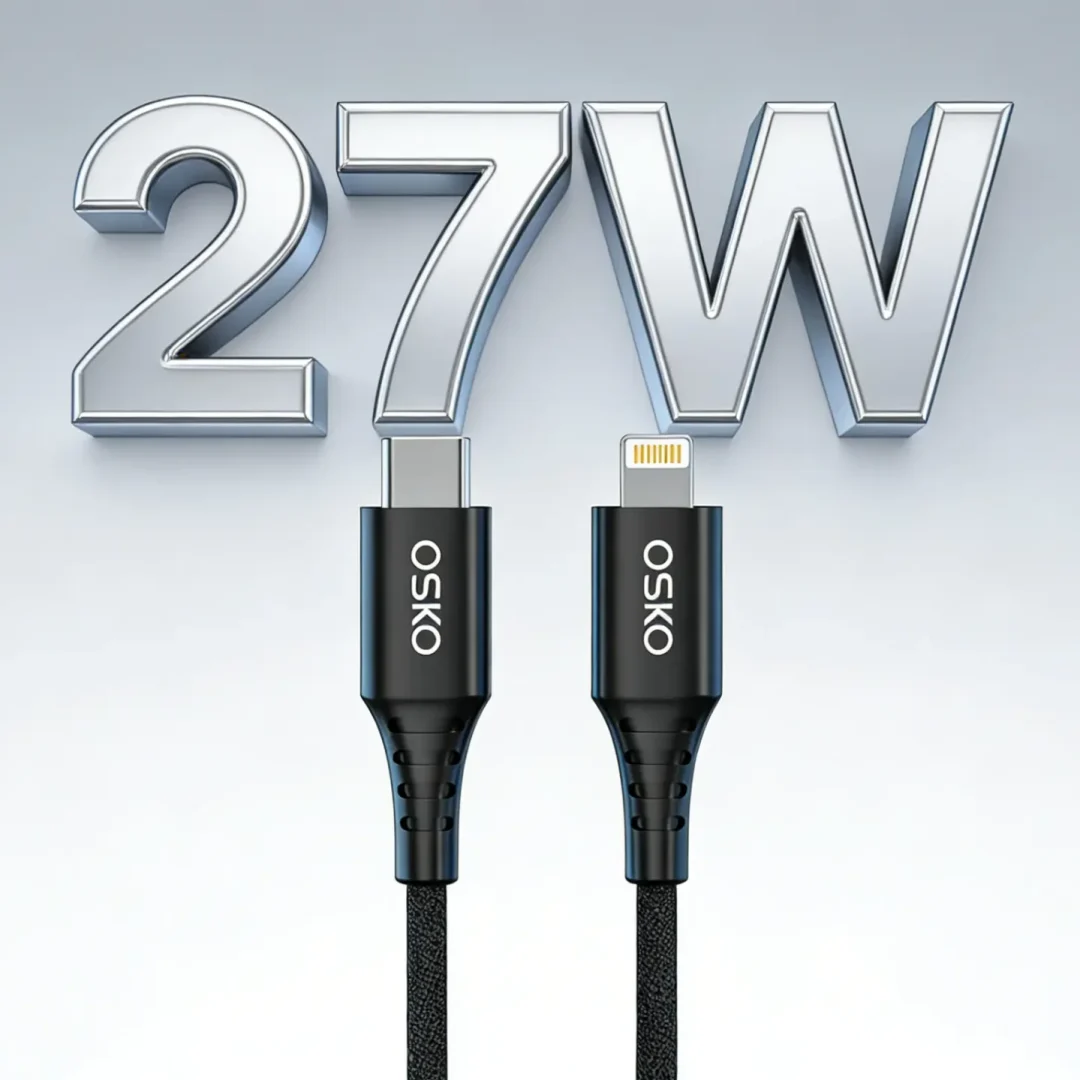
A USB-C charge cable rated for 60W typically supports up to 3A at 20V, while a 240W USB C cable supports up to 5A at 48V under USB PD 3.1 EPR (Extended Power Range). Using a cable that is not rated for the required power can limit charging speed or introduce safety risks.
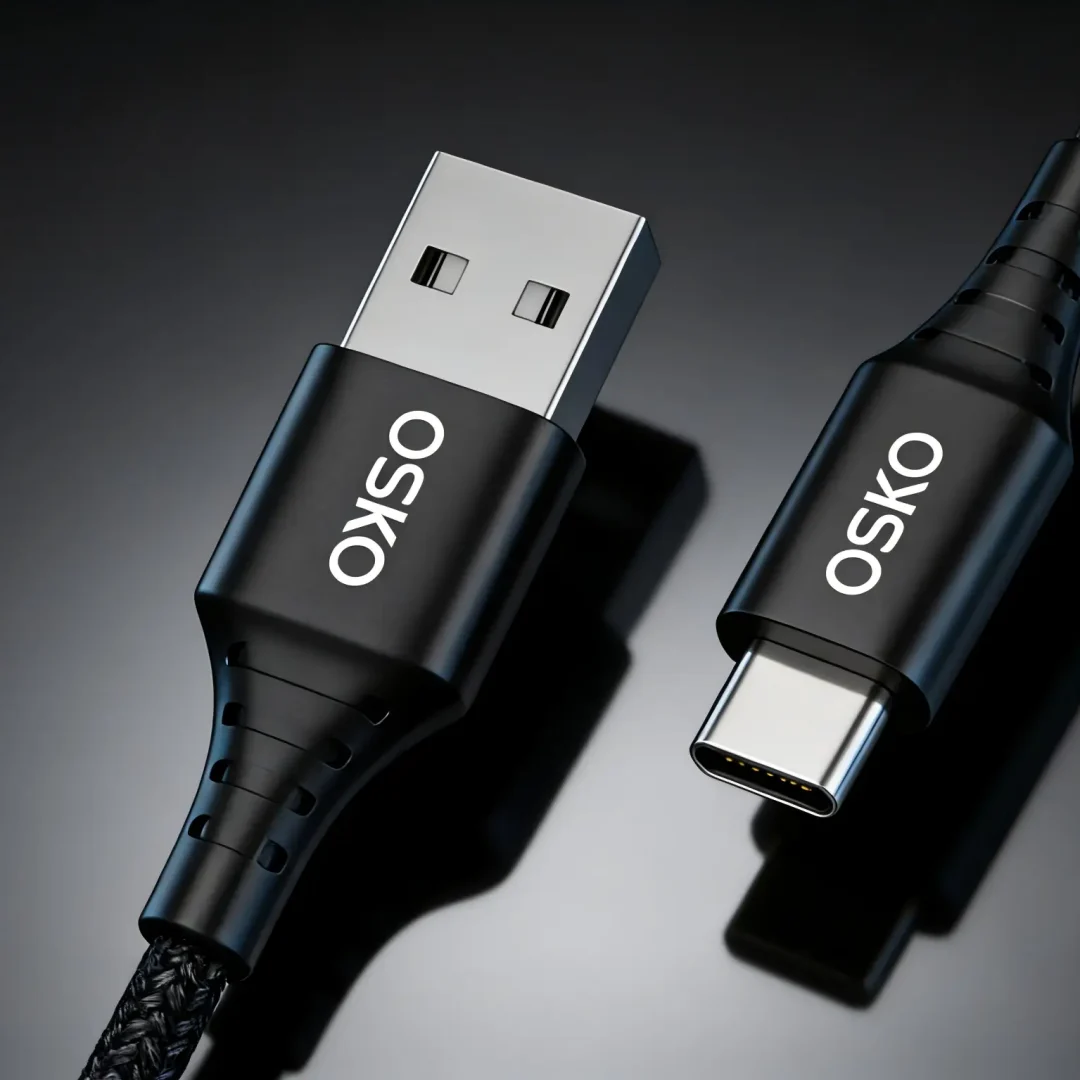
Dielectric quality and shielding in the cable also affect power stability. High-quality insulation and multi-layer shielding reduce electrical noise and maintain consistent voltage, which is critical during high-power charging. For enterprise and OEM sourcing, a USB-IF compliant Type C cable manufacturer ensures that cables meet strict performance and safety standards.

Case Study
A U.S.-based enterprise IT distributor needed to supply chargers for a mixed fleet of MacBook Pro laptops, covering three areas: OEM USB cables for accessory kits, wholesale USB cables for office deployments, and travel USB cables for remote workers. The initial issue was inconsistent charging performance: some users reported slow charging speeds, while others experienced voltage drops when performing high-load tasks such as video editing.
The engineering issue came from mismatched charger wattage and cable ratings. The distributor had sourced generic 60W chargers and unrated cables for all models, including the 16-inch MacBook Pro that requires up to 140W for fast charging. This created underperformance and customer dissatisfaction.
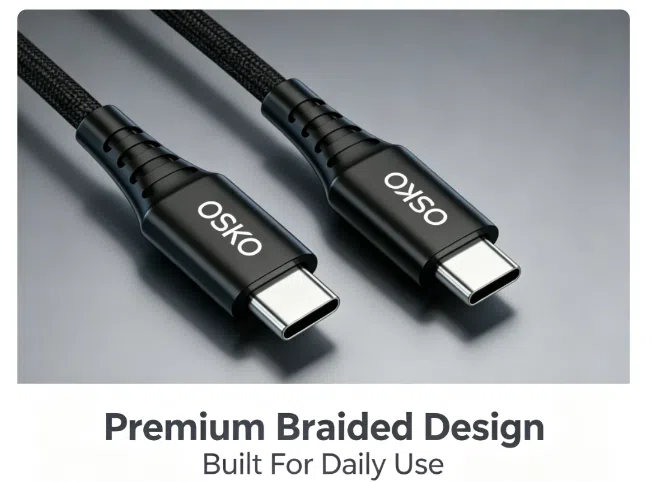
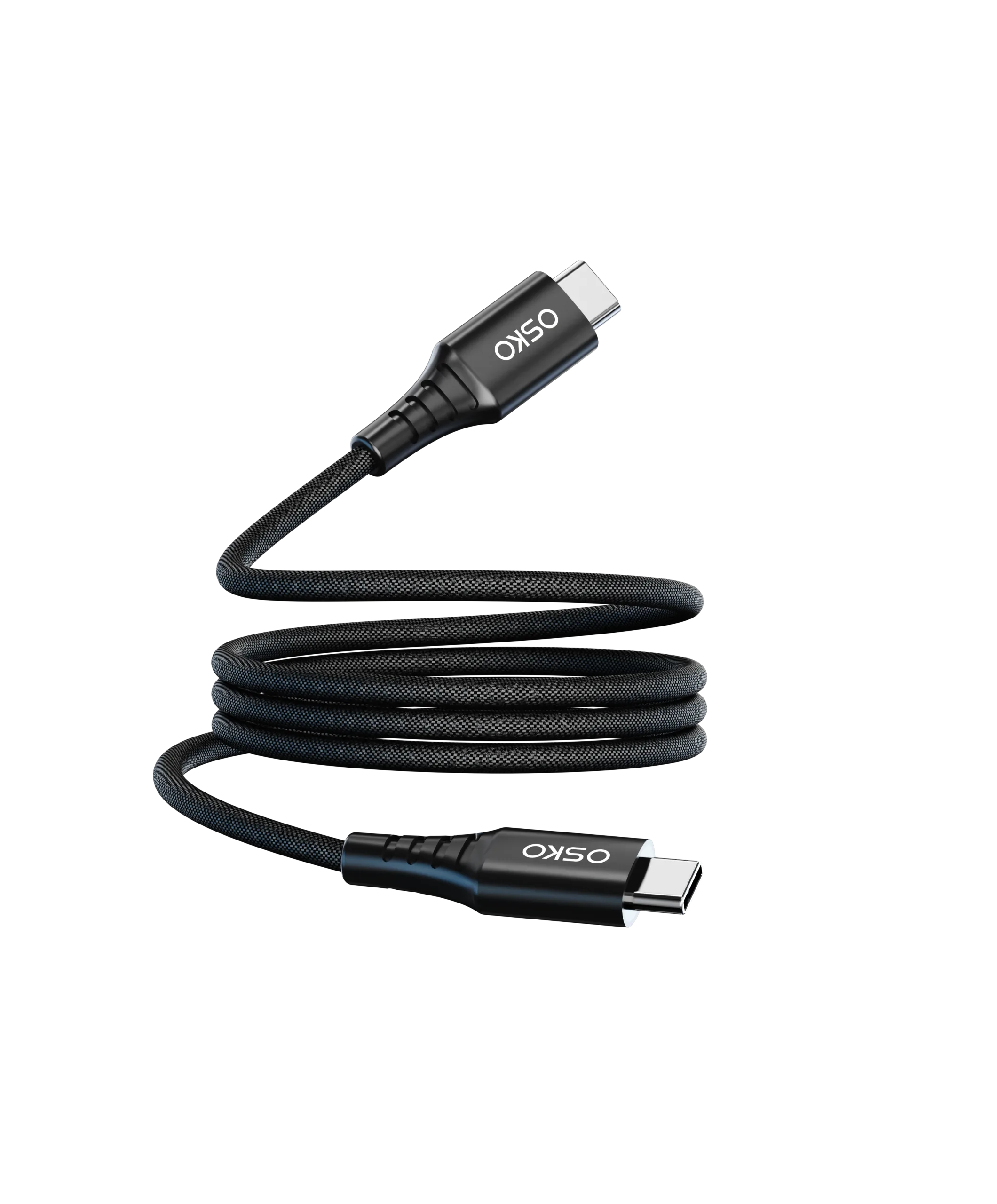
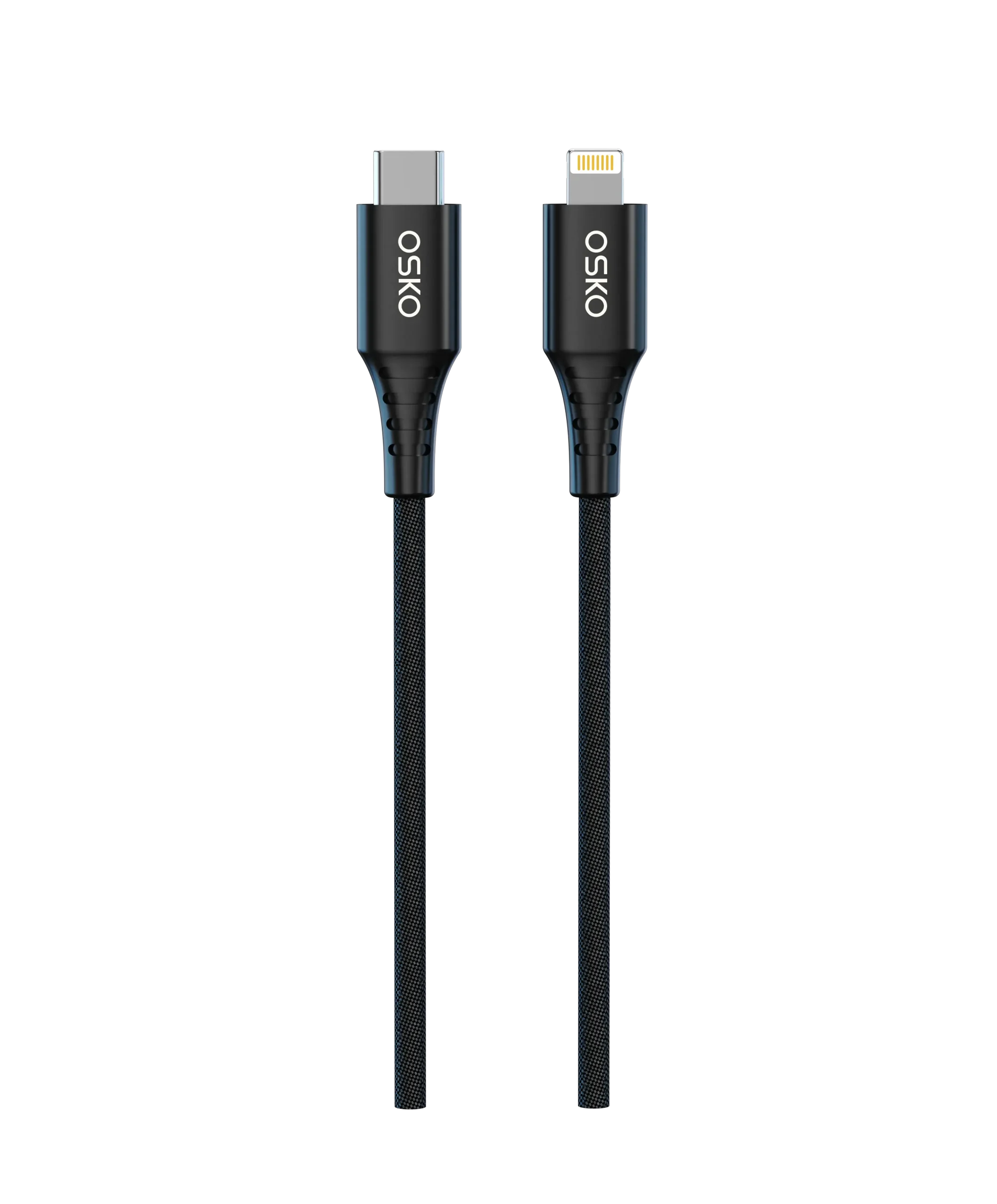
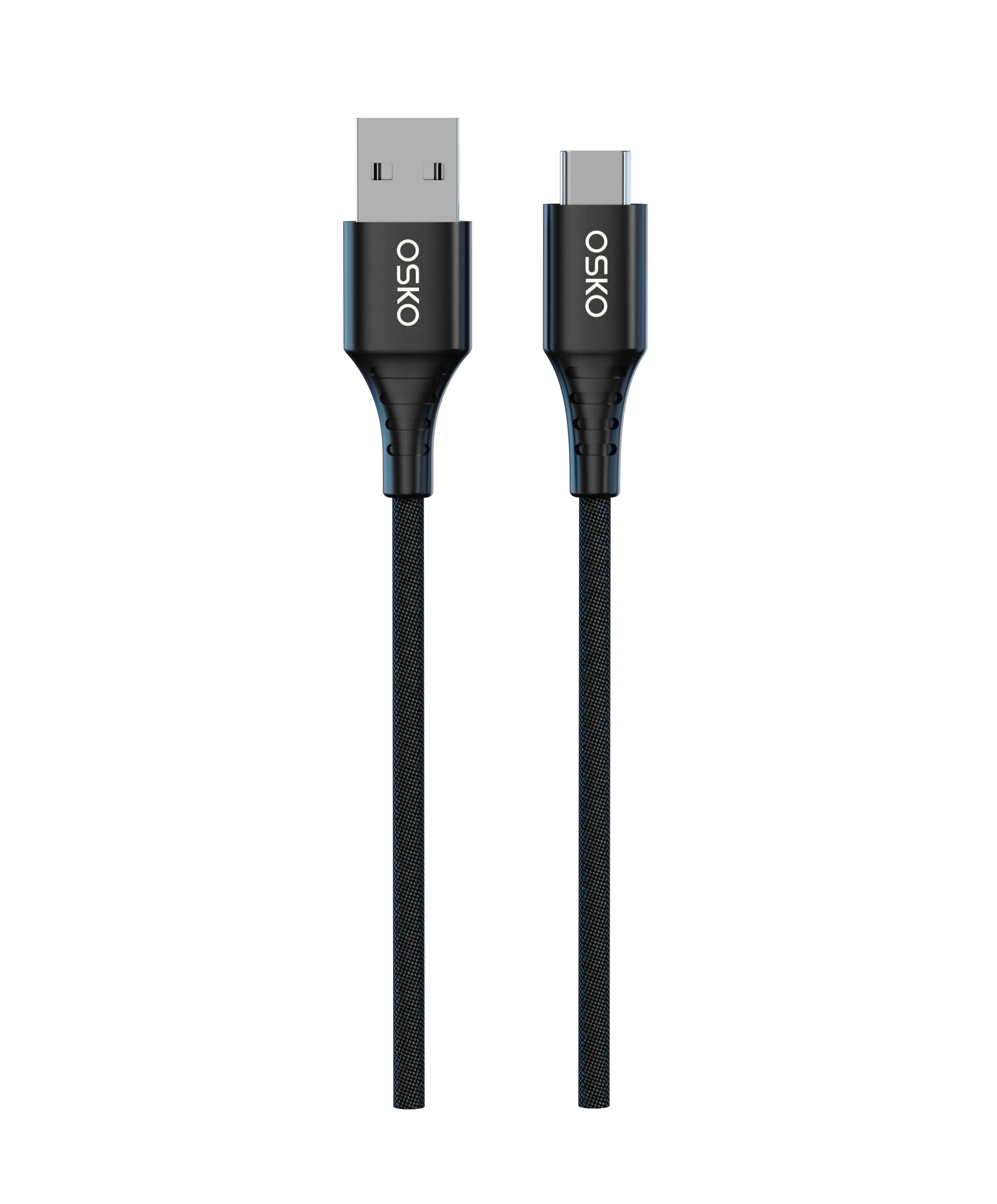
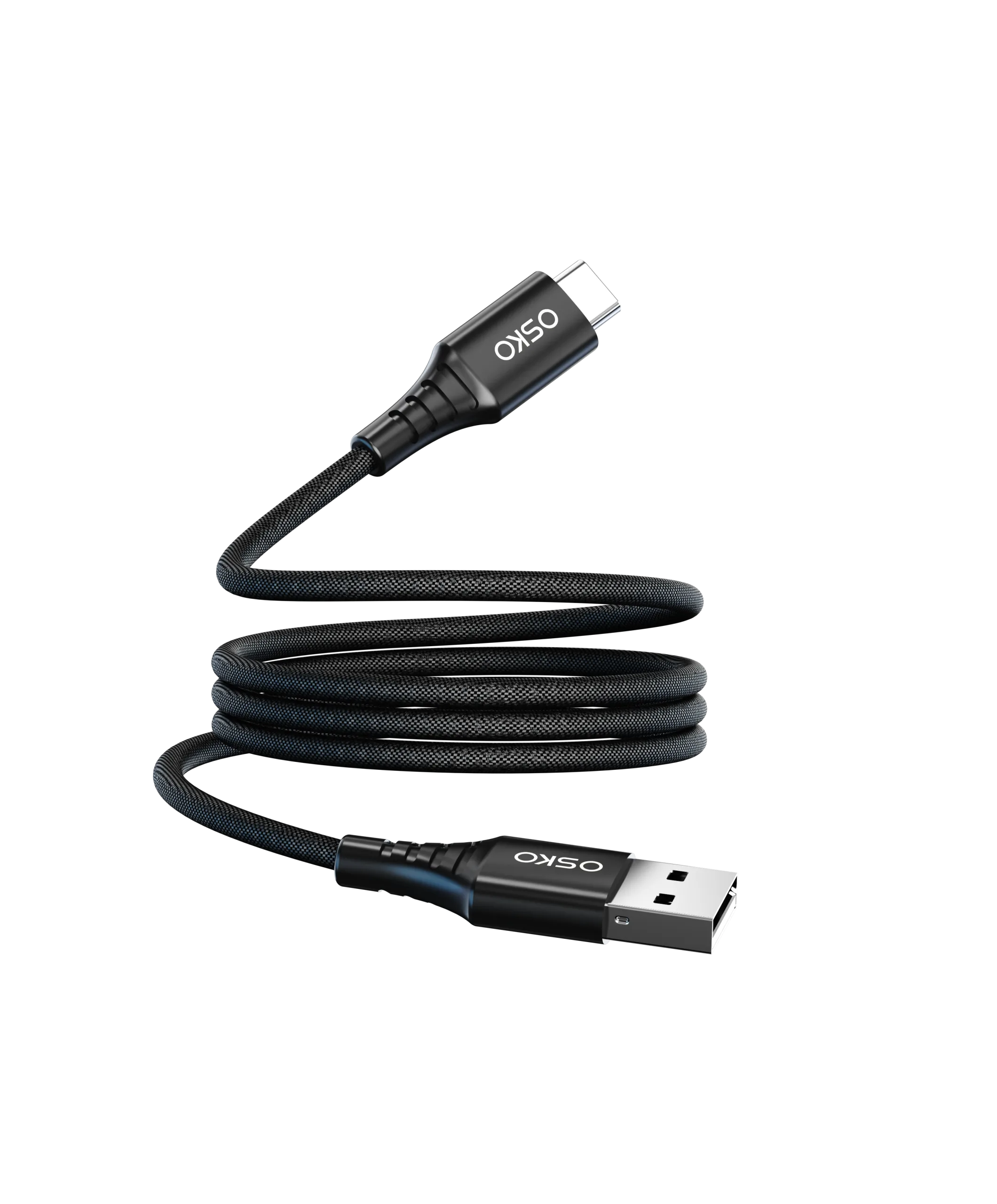
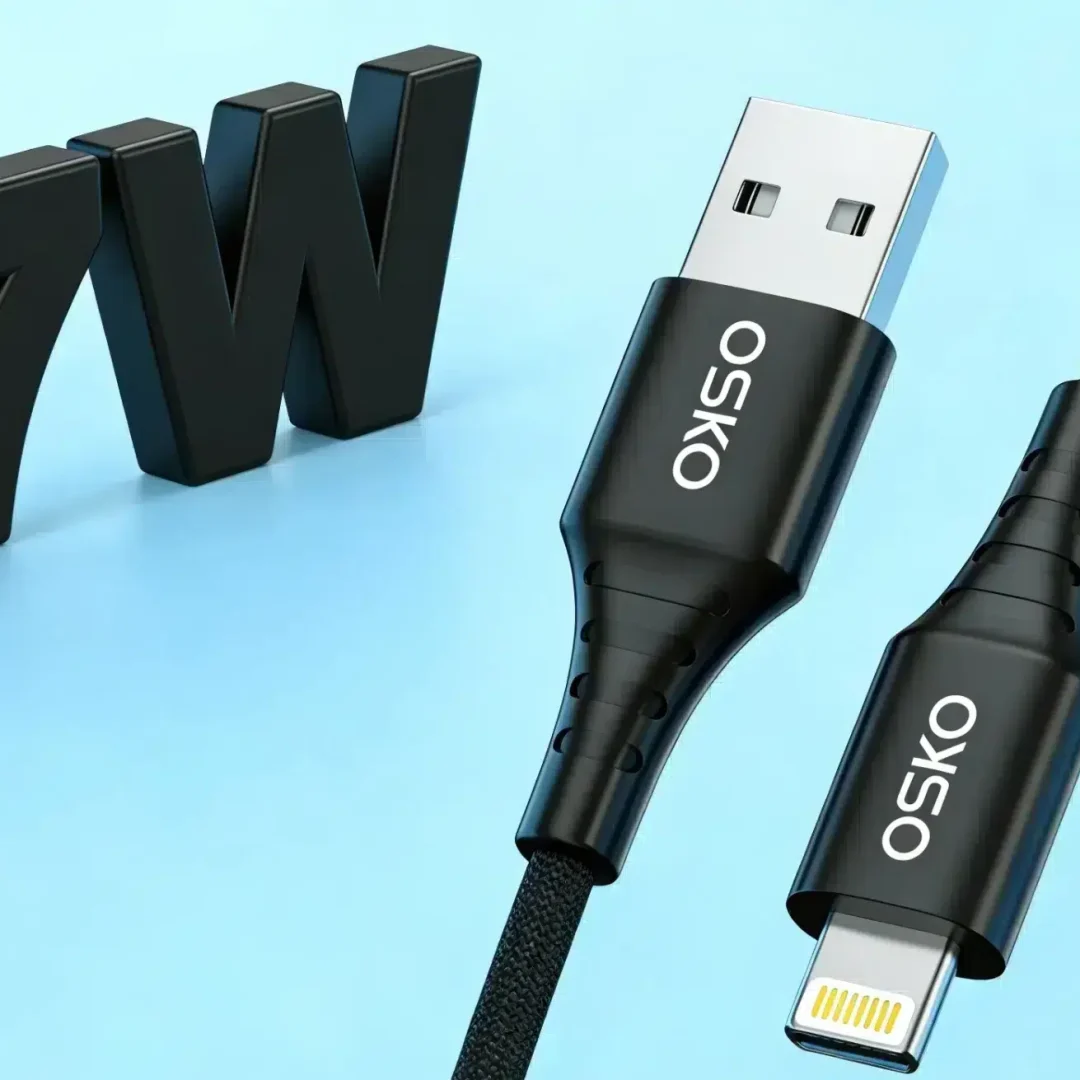
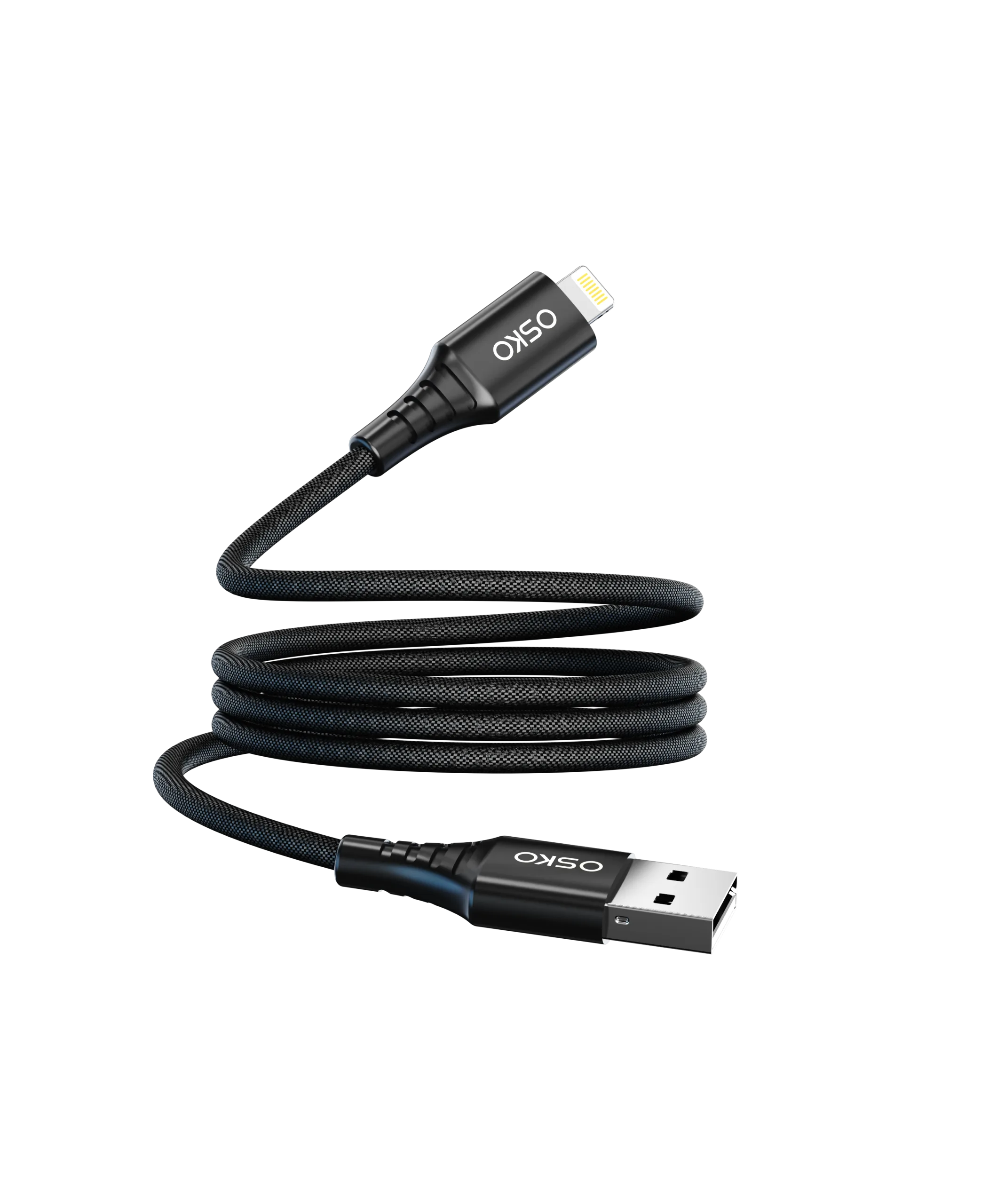
The OSKO solution involved segmenting the charger portfolio by model and workload. For 14-inch MacBook Pro (2021+), the distributor switched to 96W USB-C adapters with Braided right angle USB-C cable wholesale cables for desk use. For 16-inch models, OSKO provided 140W USB-C adapters paired with 240W USB C cable for fast charging support. For travel kits, the team added Bulk short 6ft braided Type C cables OEM to reduce clutter.
The result was consistent charging performance across all MacBook Pro models, reduced failure rates, and improved user satisfaction in both office and mobile environments.
Selection Guide
Selecting the right charger and cable for MacBook Pro requires matching wattage to model and use case. The table below outlines wattage recommendations by MacBook Pro size and year.
| MacBook Pro Model | Recommended Charger | Fast Charging Support | Ideal Use Case |
|---|---|---|---|
| 13-inch (2016–2020) | 60W–61W USB-C | No | Light daily use |
| 14-inch (2021+) M1 Pro | 67W USB-C | Yes with 96W+ | Office and creative work |
| 14-inch (2021+) M1 Max | 96W USB-C | Yes | High-performance tasks |
| 16-inch (2019) | 96W USB-C | No | Professional workflows |
| 16-inch (2021+) | 140W USB-C | Yes with 140W adapter | Heavy-duty computing |
| 16-inch (Nov 2023+) | 140W USB-C + 240W cable | Yes with 240W cable | Max power delivery |
For desk charging cable scenarios, longer cables such as Bulk custom 6ft 10ft USB-C cables improve flexibility. For car charging cable setups, right-angle connectors reduce strain. For travel USB cable use, short 0.5ft cables minimize bulk.
When sourcing for OEM or wholesale, prioritize a USB-IF compliant Type C cable manufacturer and a CE RoHS certified 240W USB C cable to ensure safety and market compliance in the U.S. For branding, use Custom packaging braided charging cable factory services to align cables with product positioning.
FAQ
What is the minimum wattage for MacBook Pro charging?
The minimum varies by model: 13-inch needs 60W–61W, 14-inch needs 67W, and 16-inch needs 96W–140W for fast charging.
Can I use a lower-wattage charger for MacBook Pro?
Yes, but charging will be slower, and the laptop may not sustain high performance during heavy workloads.
Does MacBook Pro support fast charging?
Yes, 14-inch and 16-inch models from 2021 onward support fast charging with 96W or 140W adapters.
What cable should I use for 140W charging?
Use a 240W USB C cable rated for USB PD 3.1 EPR to support 140W power delivery safely.
Are MagSafe 3 and USB-C chargers compatible?
Yes, all MacBook Pros from late 2021 onward charge via both MagSafe 3 and USB-C, so a single USB-C adapter works across the modern range.
Summary
Choosing the correct MacBook Pro charger wattage requires matching the adapter and cable to the specific model and workload. From 60W for 13-inch units to 140W for 16-inch models, the right combination ensures fast charging, stable performance, and long-term reliability.
For OEM, wholesale, and retail buyers in the U.S. market, prioritizing USB-IF compliance, certified cables, and use-case-specific lengths improves product quality and customer satisfaction. By aligning charger wattage with model requirements and cable ratings, businesses can deliver dependable charging solutions across office, travel, and enterprise environments.
Contact Information
For OEM USB cables, ODM USB cables, USB cable wholesale, or bulk customized USB-C charging cable projects that support MacBook Pro power requirements ranging from 60W to 140W, contact a verified manufacturer that provides technical specifications, USB PD 3.1 EPR certification, and application-based product matching for the U.S. market.