
Introduction
Many brands enter the charging accessory market expecting all USB-C cables to perform similarly. However, customer complaints about slow charging, overheating, cable breakage, and compatibility issues quickly reveal a different reality.
The biggest challenge is that not all charging cables are built to support modern USB Power Delivery (PD) standards. A cable may look identical on the outside yet fail to deliver the charging speed that today’s smartphones, tablets, laptops, and gaming devices require.
For distributors, retailers, Amazon sellers, and private-label brands, choosing the right PD fast charging cable OEM partner is critical. Product quality directly impacts customer reviews, warranty claims, repeat orders, and long-term brand reputation.
This guide explains how PD fast charging cables work, what technical specifications matter most, and how to evaluate an OEM manufacturer capable of supporting North American and European markets.
Applicable Scenarios
Different applications require different charging cable specifications.
Understanding end-user requirements helps buyers select the correct OEM solution.
OEM USB Cable Projects
Many brands develop custom charging cables for:
Consumer electronics
Mobile accessories
Corporate promotional products
Retail distribution
Common customization options include:
Custom cable lengths
Custom colors
Logo printing
Retail packaging
Private-label branding
This is where OEM ODM custom length USB C cables become highly valuable.
Wholesale USB Cable Distribution
Wholesale buyers often require:
Consistent quality
Competitive pricing
Large-scale production
Regulatory compliance
A professional OEM manufacturer helps maintain quality consistency across multiple production batches.
Desk Charging Cable Applications
Office users frequently connect:
MacBooks
iPads
Smartphones
USB-C docking stations
A reliable PD cable ensures stable charging and uninterrupted productivity.
Travel USB Cable Solutions
Travelers require:
Lightweight cables
Fast charging support
Durability under frequent use
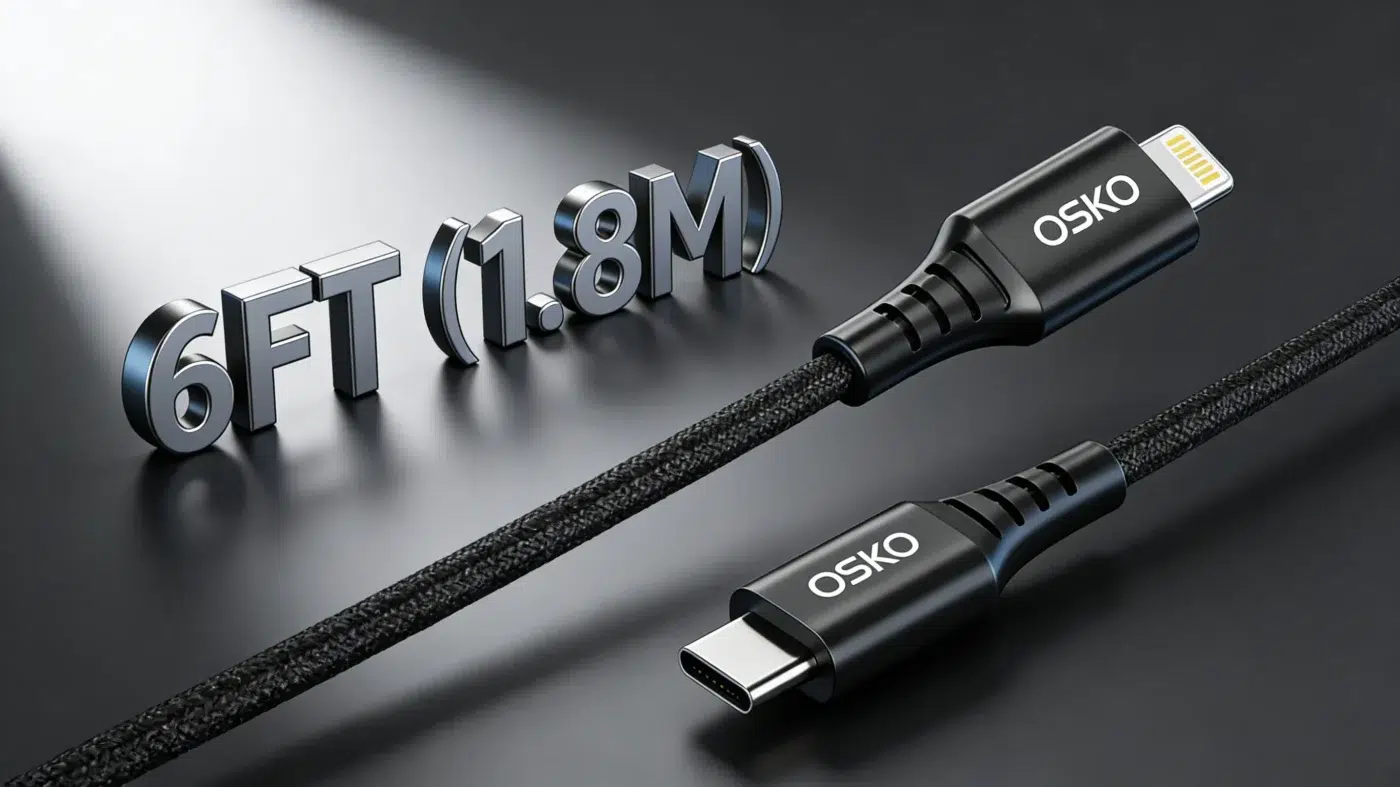
Many brands prefer Bulk custom 6ft 10ft USB-C cables to accommodate different travel environments.
Car Charging Cable Systems
Modern vehicles increasingly support USB-C charging.
In-car charging environments expose cables to:
Vibration
Temperature changes
Frequent plugging and unplugging
These conditions require reinforced cable designs.
Understanding USB Power Delivery Technology
USB Power Delivery (PD) is currently the most widely adopted fast-charging standard.
Unlike traditional USB charging, PD dynamically negotiates power between devices.
Benefits include:
Faster charging
Improved efficiency
Better temperature control
Device compatibility
Common PD Power Levels
| Power Rating | Typical Devices |
|---|---|
| 18W | Smartphones |
| 30W | Tablets |
| 60W | Ultrabooks |
| 100W | Professional laptops |
| 140W | High-performance notebooks |
| 240W | USB PD 3.1 devices |
As power levels increase, cable quality becomes increasingly important.
Why E-Marker Chips Matter
One of the most important components inside a modern PD charging cable is the E-Marker chip.
What Is an E-Marker?
An E-Marker (Electronic Marker) is an integrated circuit embedded inside the connector.
Its purpose is to communicate cable capabilities to connected devices.
Information includes:
Maximum current rating
Supported charging power
Data transfer capability
USB compliance information
Why OEM Buyers Should Care
Without an E-Marker chip:
Charging may be limited
Laptop charging may fail
Devices may reduce charging speed
For cables above 60W, USB-IF specifications generally require E-Marker implementation.
Many professional buyers specifically request a USB-C cable with E-Marker 2.0 IC to ensure compatibility with modern devices.
Key Materials Used in PD Fast Charging Cables
Material selection significantly impacts charging performance and durability.
Conductors
Premium cables use:
Oxygen-free copper
Tinned copper
Multi-strand copper conductors
Benefits:
Lower resistance
Reduced heat generation
Better charging efficiency
Poor-quality conductors often result in slower charging and shorter product lifespan.
Shielding Structure
Professional PD cables typically include:
Aluminum foil shielding
Braided shielding
Ground protection layers
Benefits:
Reduced interference
Stable data transmission
Improved charging reliability
Connector Materials
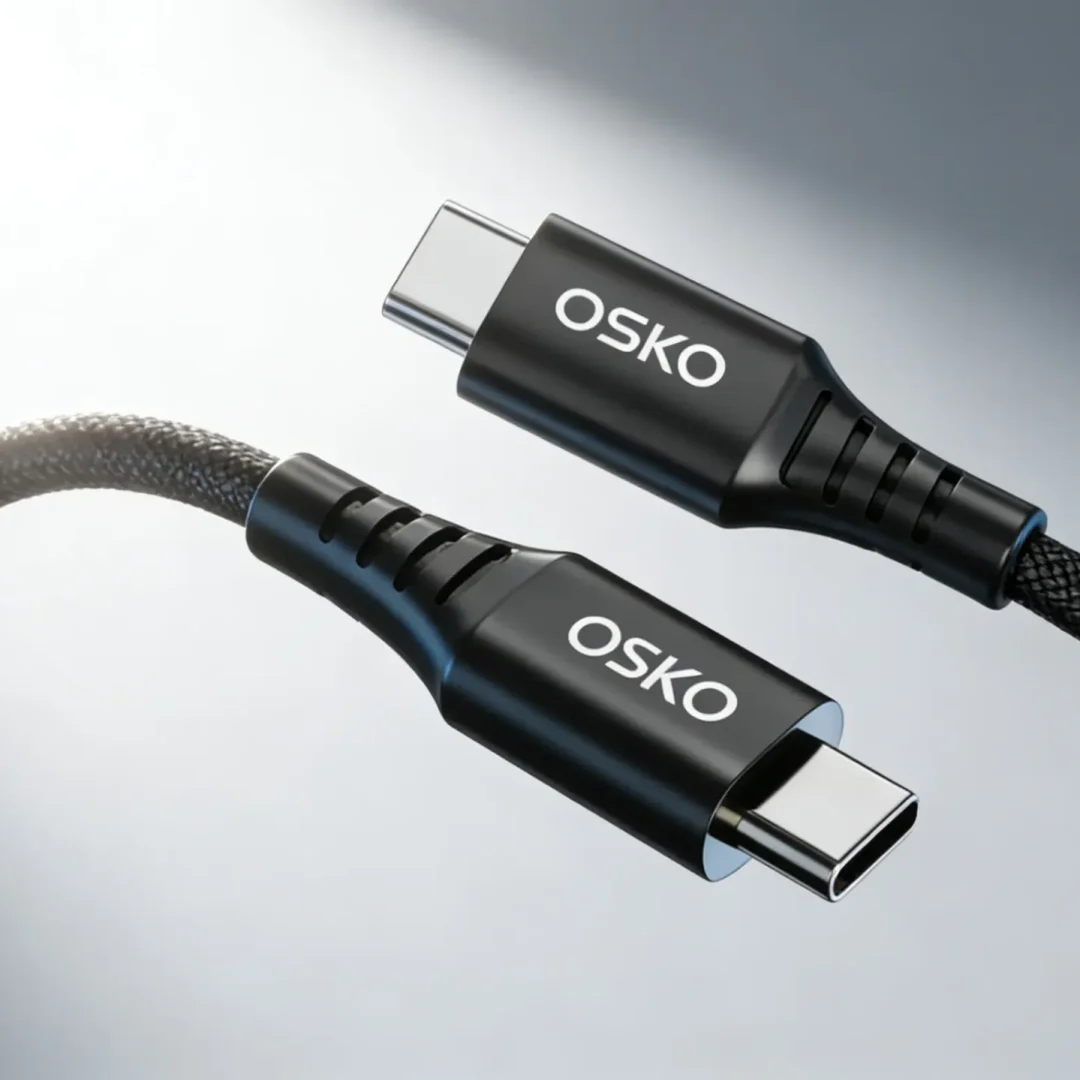
High-quality connectors often feature:
Precision-machined terminals
Reinforced overmolding
Extended strain relief
These improvements help prevent cable failures near the connector.
Nylon Braided vs PVC Charging Cables
Material selection also affects durability and customer satisfaction.
Standard PVC Cables
Advantages:
Lower manufacturing cost
Lightweight design
Disadvantages:
Less resistant to wear
More likely to tangle
Shorter service life
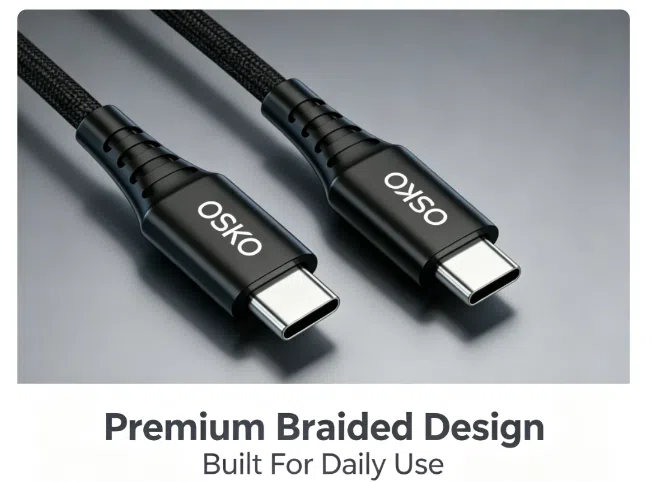
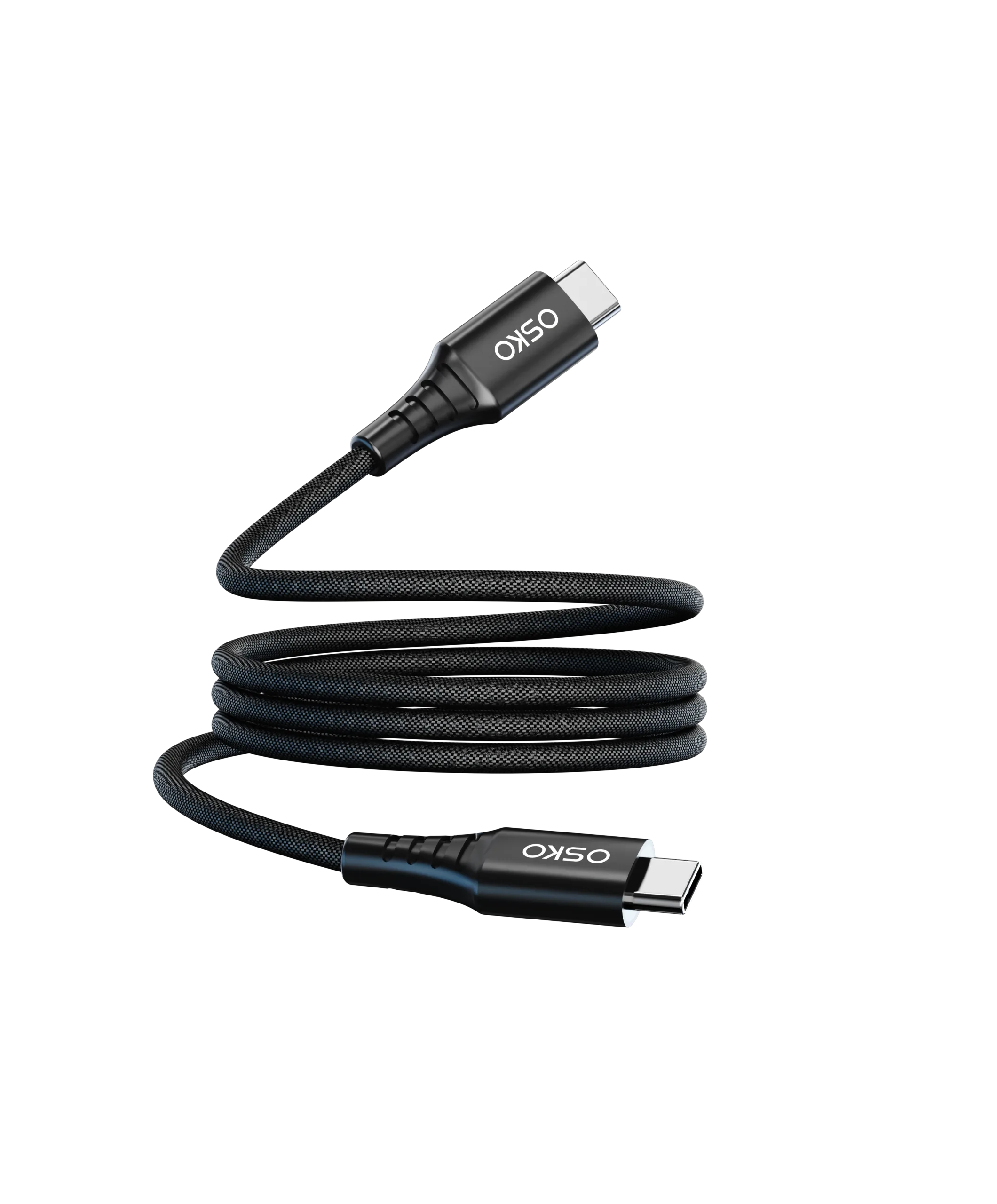
Nylon Braided Cables
Advantages:
Improved abrasion resistance
Better flexibility
Premium appearance
Longer lifespan
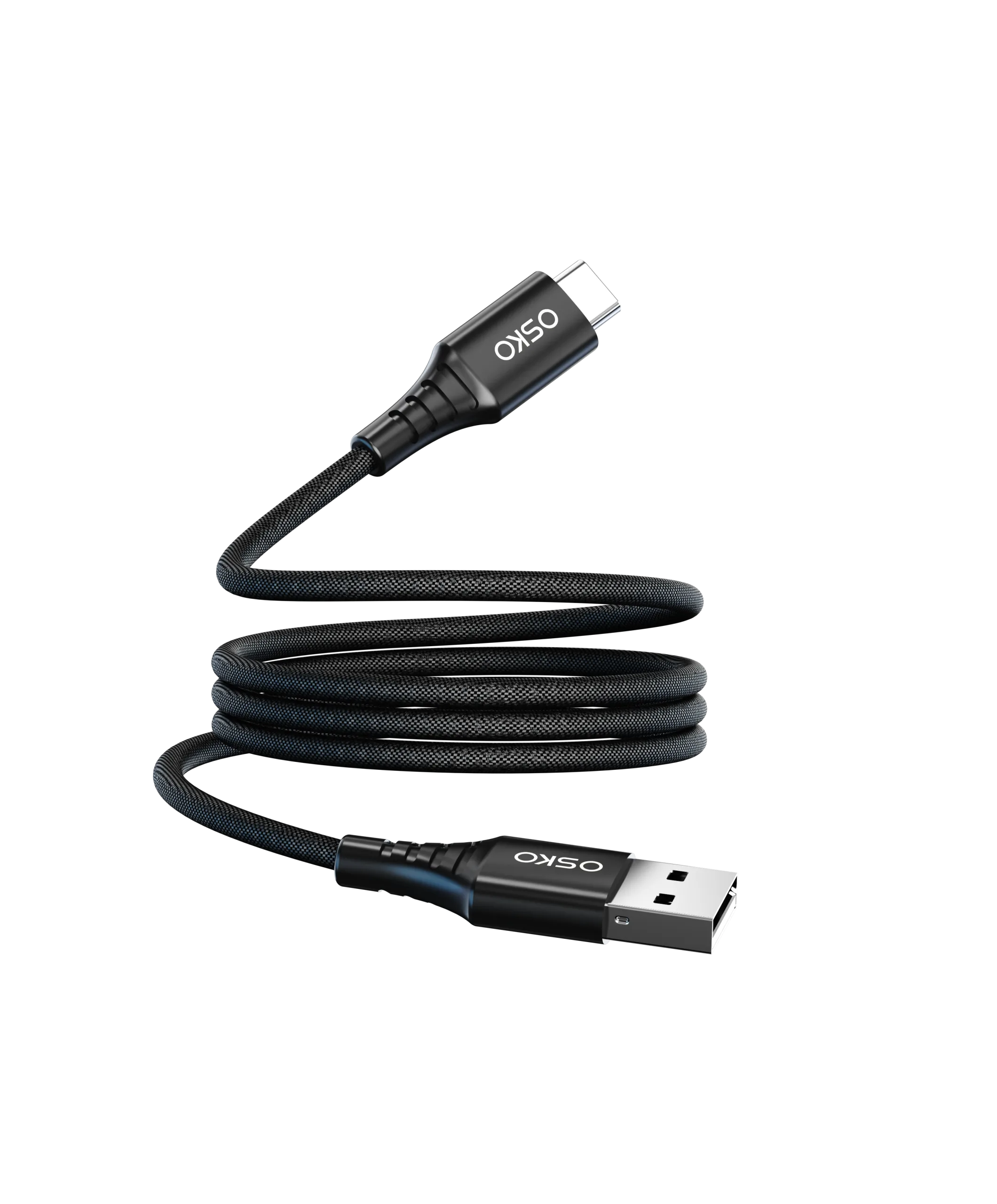
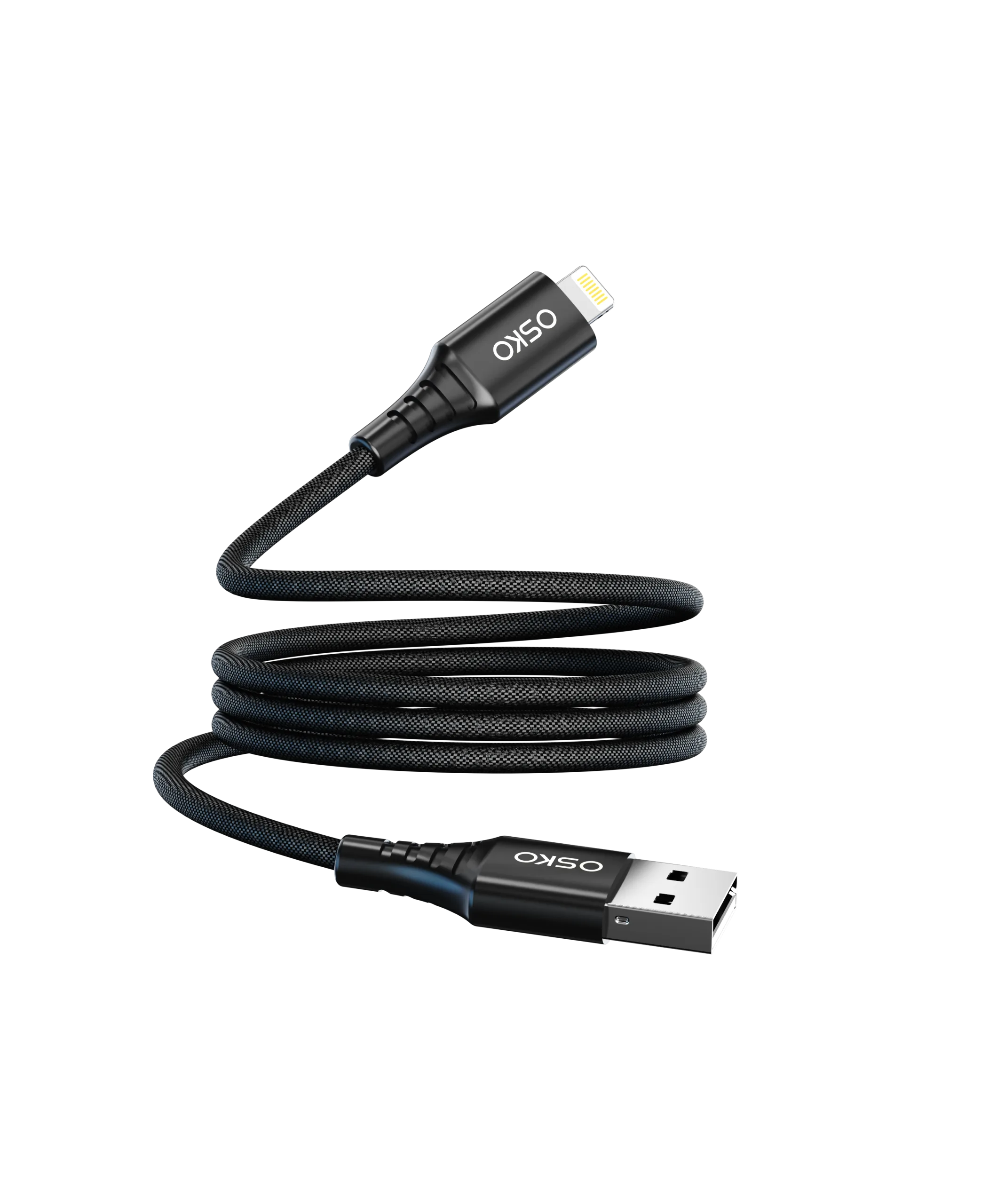
Many brands sourcing from a Durable nylon braided Type C charging cable factory choose braided designs because consumers perceive them as premium products.
Comparison Table
| Feature | PVC | Nylon Braided |
|---|---|---|
| Durability | Standard | High |
| Wear Resistance | Moderate | Excellent |
| Appearance | Basic | Premium |
| Lifespan | Moderate | Long |
| Retail Value | Standard | Premium |
Manufacturing Processes That Affect Quality
A professional OEM factory invests heavily in quality control.
Automated Soldering
Benefits include:
Consistent electrical connections
Reduced defect rates
Improved reliability
Connector Pull Testing
This verifies:
Connector strength
Cable retention
Structural integrity
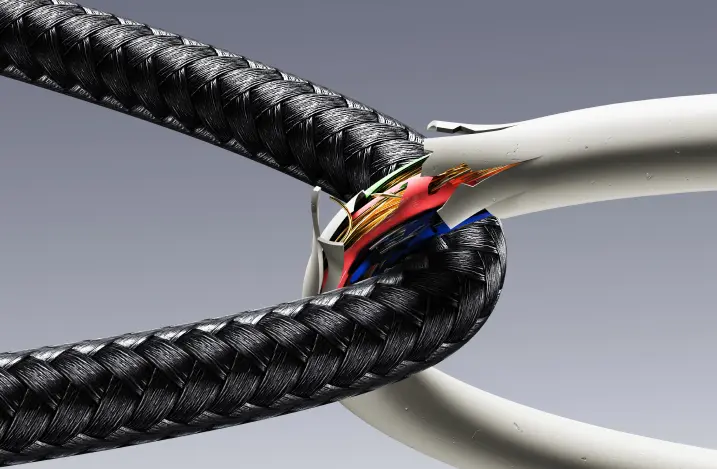
Bend Testing
Premium charging cables often undergo:
10,000 bend cycles
20,000 bend cycles
50,000 bend cycles
These tests simulate years of consumer use.
Charging Verification
Manufacturers should verify:
60W charging performance
100W charging performance
240W charging performance
before shipment.
Certifications for North American and European Markets
Certification compliance is critical for international distribution.
Professional manufacturers should provide:
| Certification | Purpose |
|---|---|
| CE | European compliance |
| FCC | US compliance |
| RoHS | Environmental safety |
| REACH | Chemical safety |
| USB-IF | USB standard compliance |
| ISO9001 | Quality management |
Many buyers prefer working with an ISO9001 certified braided USB cable factory because it demonstrates established manufacturing controls.
Case Study: Private Label Fast Charging Brand
Customer Background
A European e-commerce company planned to launch a premium fast-charging cable collection.
Requirements included:
USB-C PD charging
Premium construction
Private-label packaging
Long-term reliability
Engineering Challenges
Previous suppliers struggled with:
Charging inconsistencies
High failure rates
Negative customer reviews
The brand needed a more dependable OEM partner.
OSKO Solution
OSKO developed a premium cable series featuring:
E-Marker 2.0 IC integration
Oxygen-free copper conductors
Double-braided nylon jackets
Reinforced connector overmolding
Comprehensive testing procedures
Custom packaging and logo branding were also provided.
Results
The new product line achieved:
Lower return rates
Improved customer satisfaction
Higher retailer confidence
Increased repeat orders
The project demonstrated the commercial value of engineering-driven cable design.
Purchase Recommendations
When evaluating a PD fast charging cable OEM manufacturer, focus on the following criteria.
| Evaluation Factor | Importance |
|---|---|
| E-Marker Integration | High |
| Conductor Quality | High |
| USB-IF Compliance | High |
| Durability Testing | High |
| Connector Design | High |
| OEM Customization | Medium |
| Packaging Support | Medium |
| Price | Medium |
FAQ
What is a PD fast charging cable?
A PD fast charging cable supports USB Power Delivery technology, allowing devices to negotiate higher charging power safely and efficiently.
Do all USB-C cables support PD charging?
No. Some cables only support basic charging. Higher-power applications require properly rated conductors and often an E-Marker chip.
Is an E-Marker chip necessary?
For cables supporting more than 60W charging, E-Marker technology is typically required to ensure safe operation and compatibility.
Are braided charging cables better?
Braided cables generally offer improved durability, abrasion resistance, and customer satisfaction compared to standard PVC cables.
Can OEM manufacturers customize cable lengths?
Yes. Most professional manufacturers support custom lengths including 0.5ft, 3ft, 6ft, 10ft, and other project-specific requirements.
Summary
Selecting the right PD fast charging cable OEM partner is essential for building a successful charging accessory brand. High-performance PD cables require more than attractive packaging—they depend on quality conductors, E-Marker technology, reinforced connectors, comprehensive testing, and compliance with international standards.
For wholesalers, retailers, distributors, and private-label brands, investing in a reliable OEM manufacturer helps reduce warranty claims, improve customer satisfaction, and strengthen long-term market competitiveness.
Request OEM PD Fast Charging Cable Solutions
OSKO Provides
USB-C PD Fast Charging Cables
60W, 100W, 140W, and 240W Cable Solutions
USB-C Cables with E-Marker 2.0 IC
Nylon Braided Charging Cables
OEM & ODM Manufacturing
Custom Lengths and Colors
Private Label Packaging
Wholesale Distribution Programs
Request a Quote
Name: ___________________
Company: ___________________
Email: ___________________
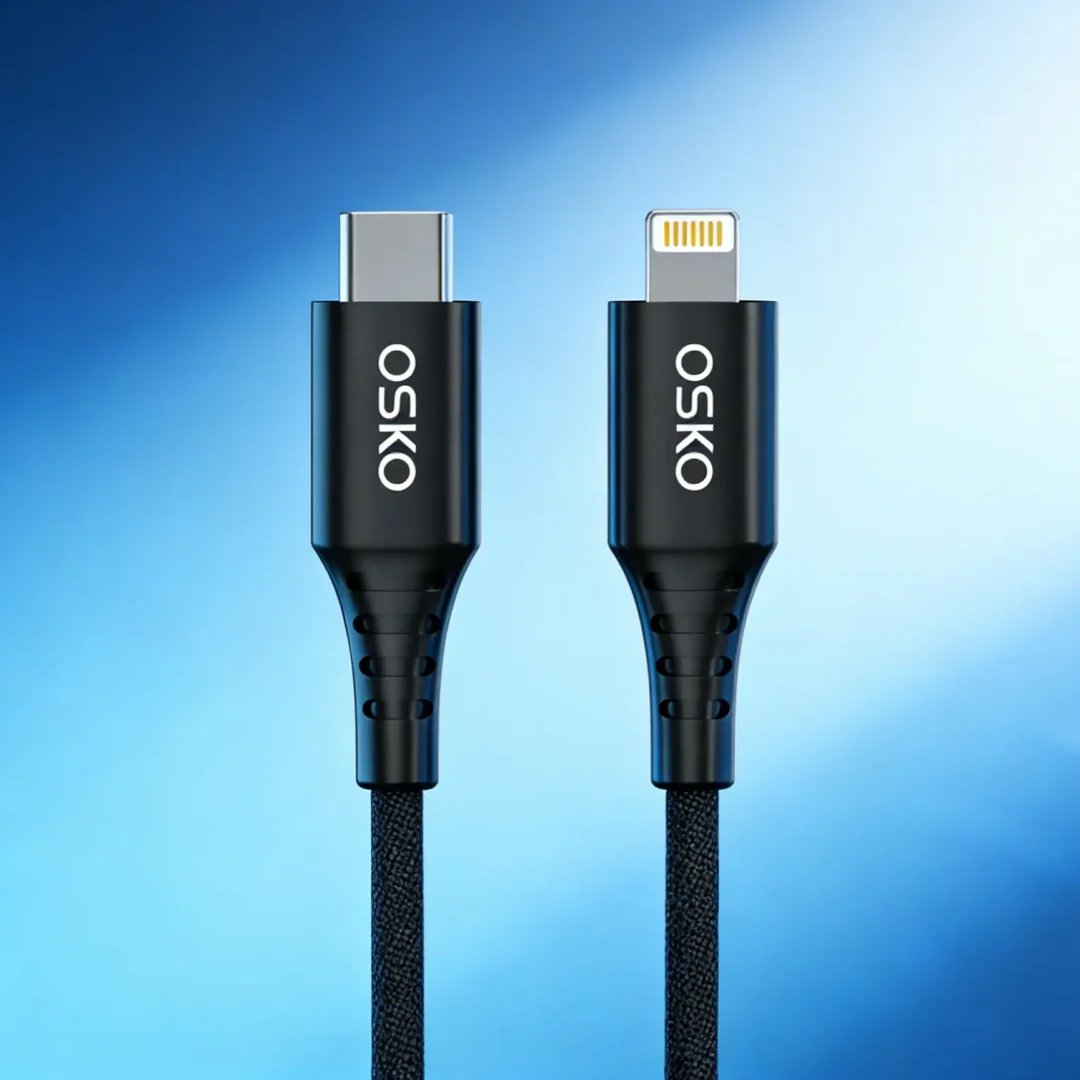
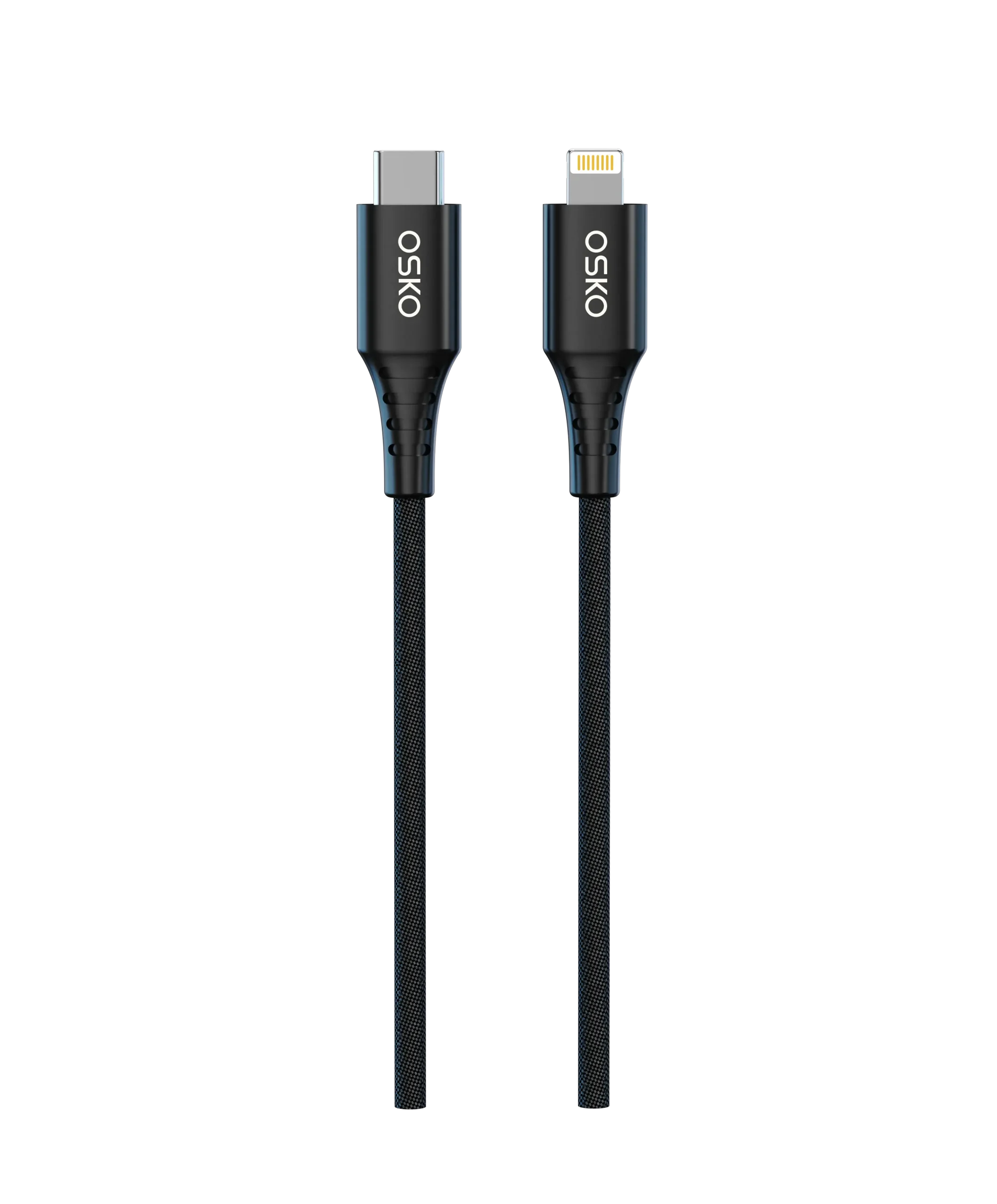
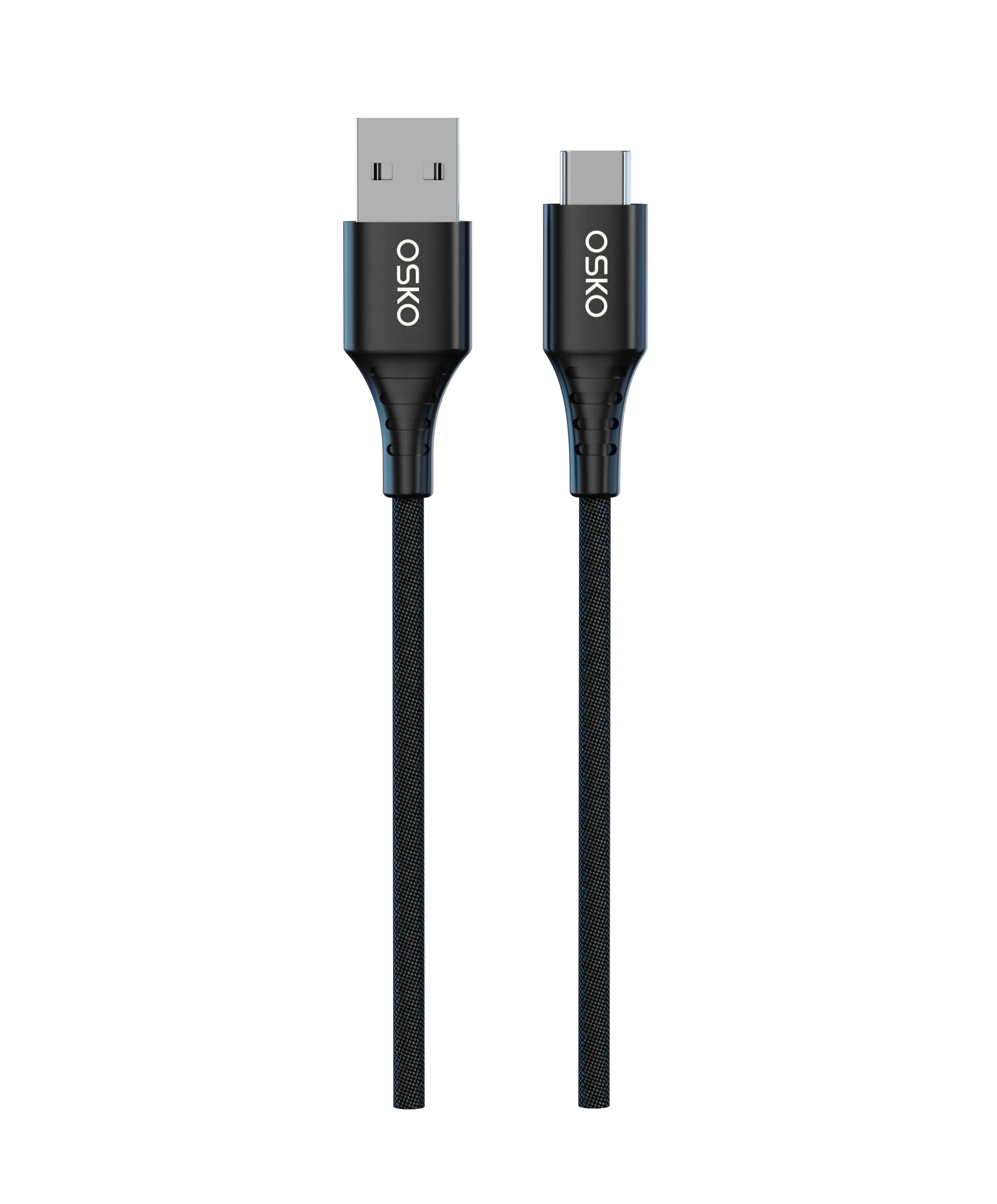
Cable Type: USB-C to USB-C / USB-A to USB-C / USB-C to Lightning
Required Length: 0.5ft / 3ft / 6ft / 10ft / Custom
Estimated Quantity: ___________________
Target Market: North America / Europe / Global
Project Requirements: ___________________