
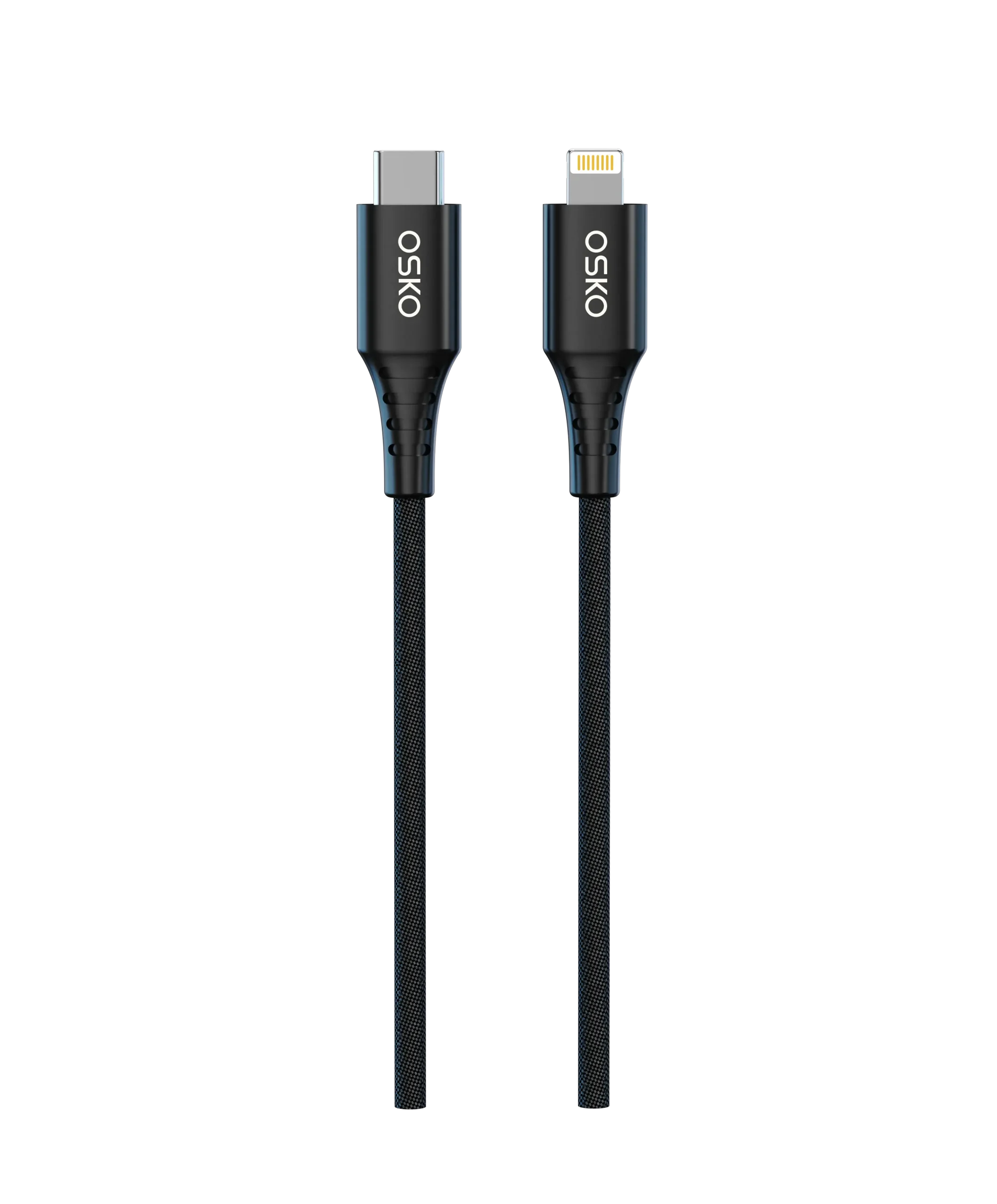
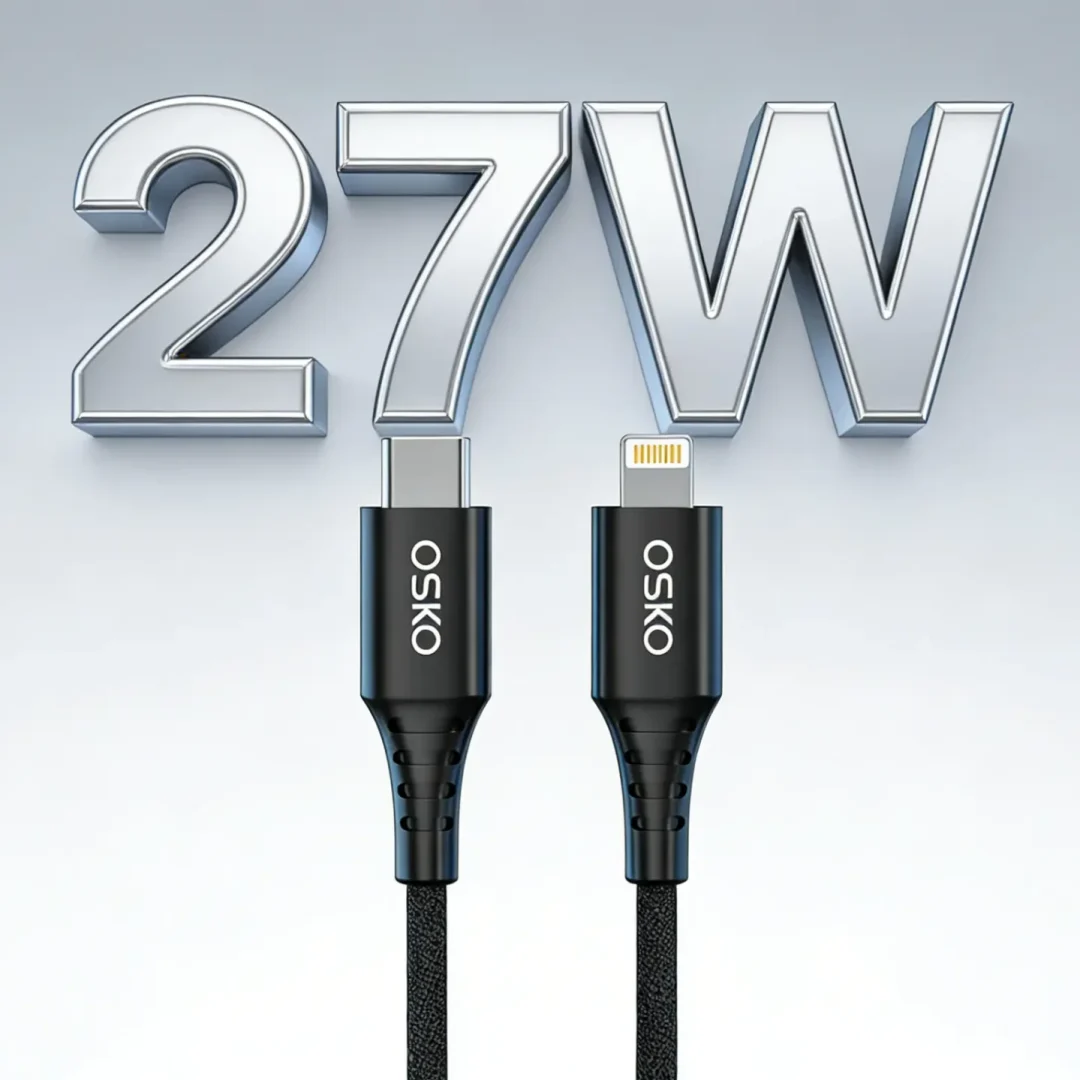
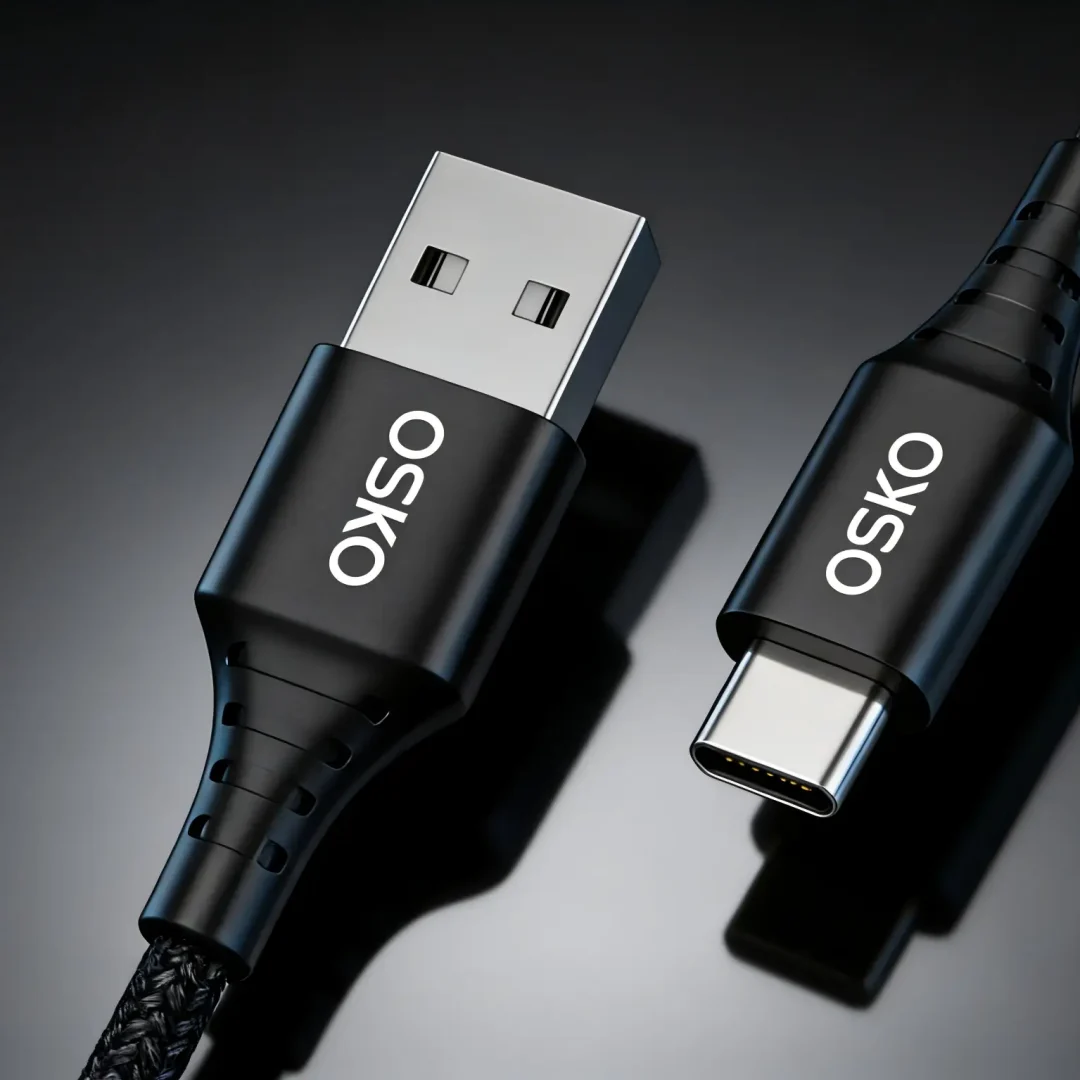
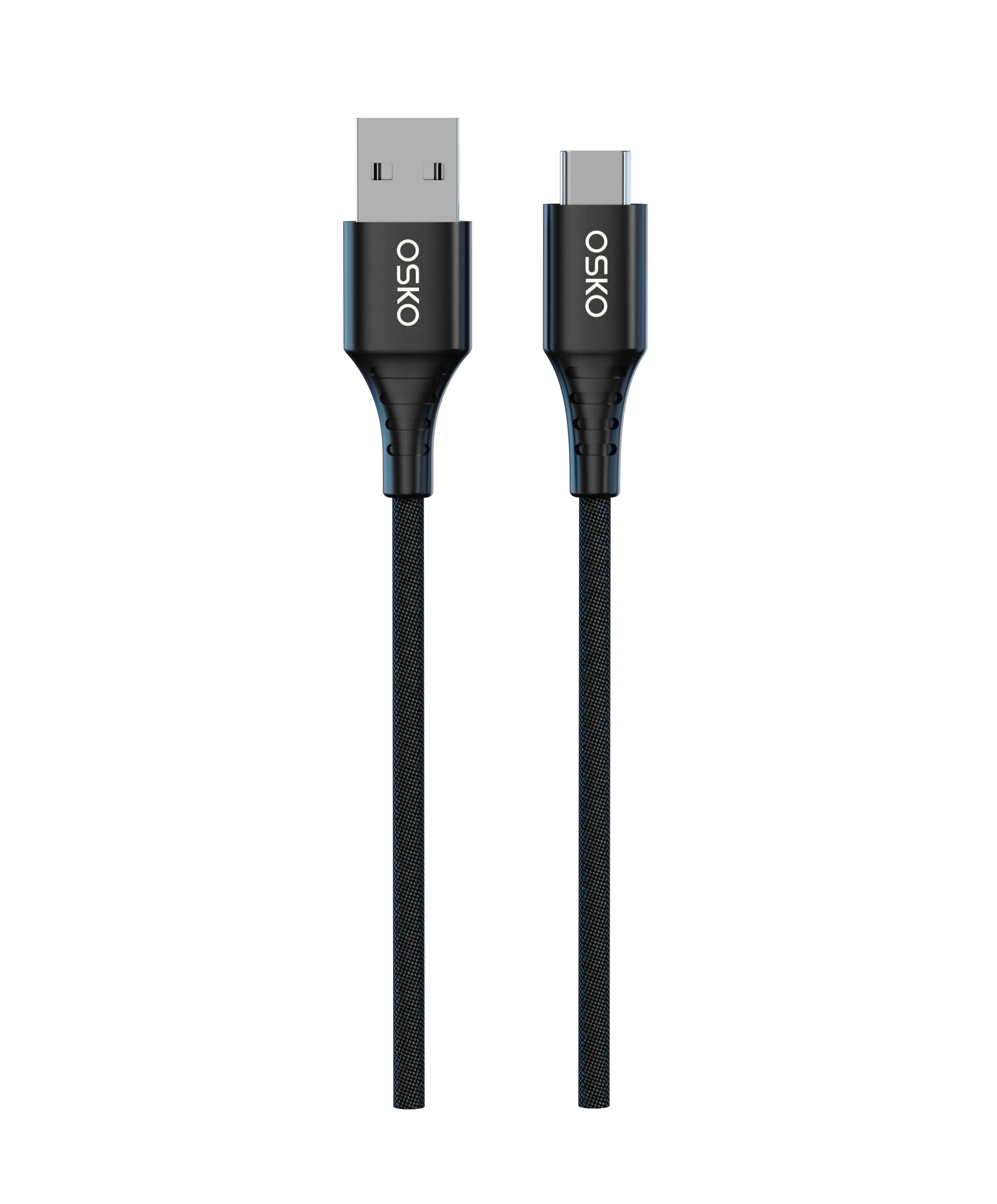
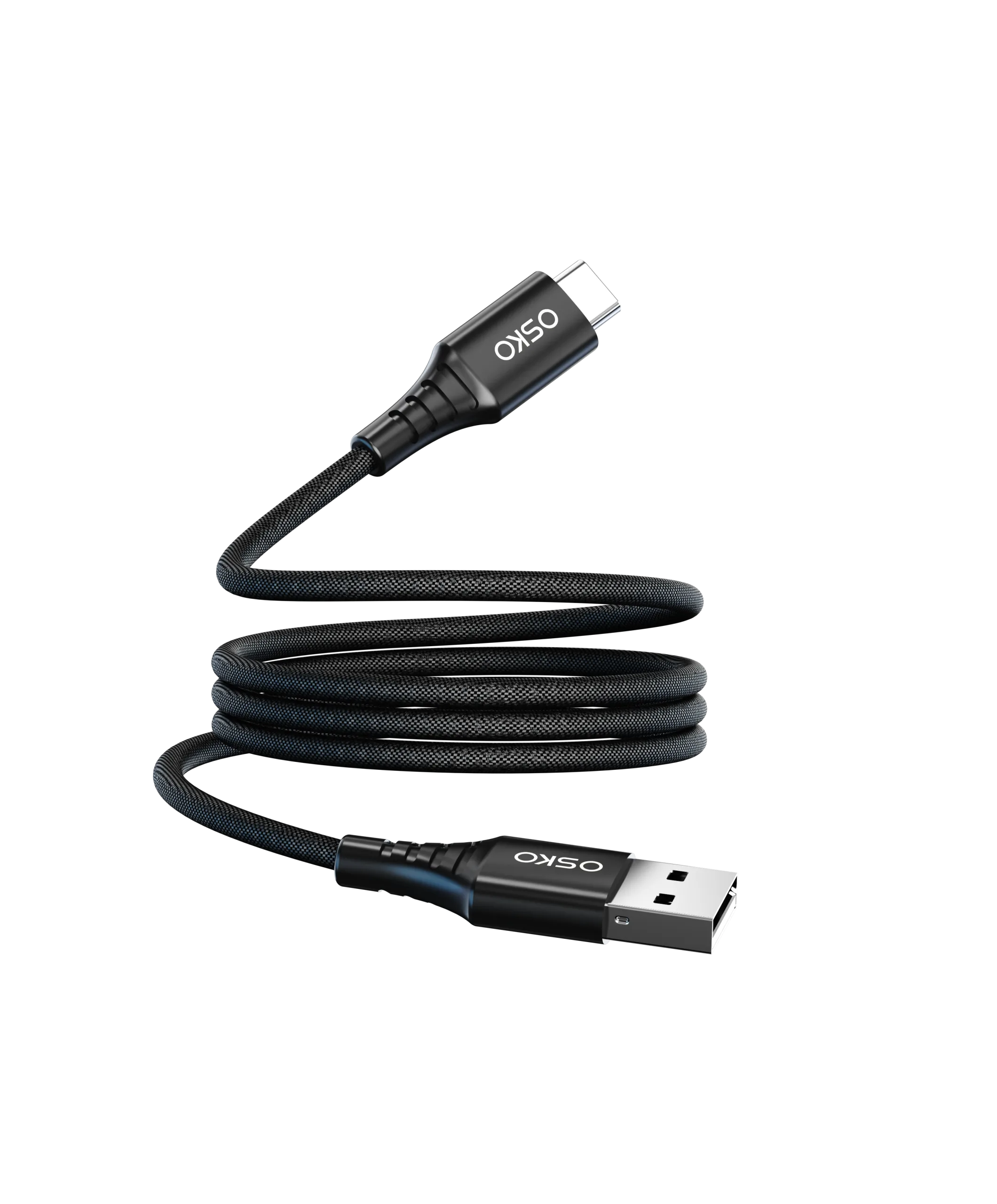
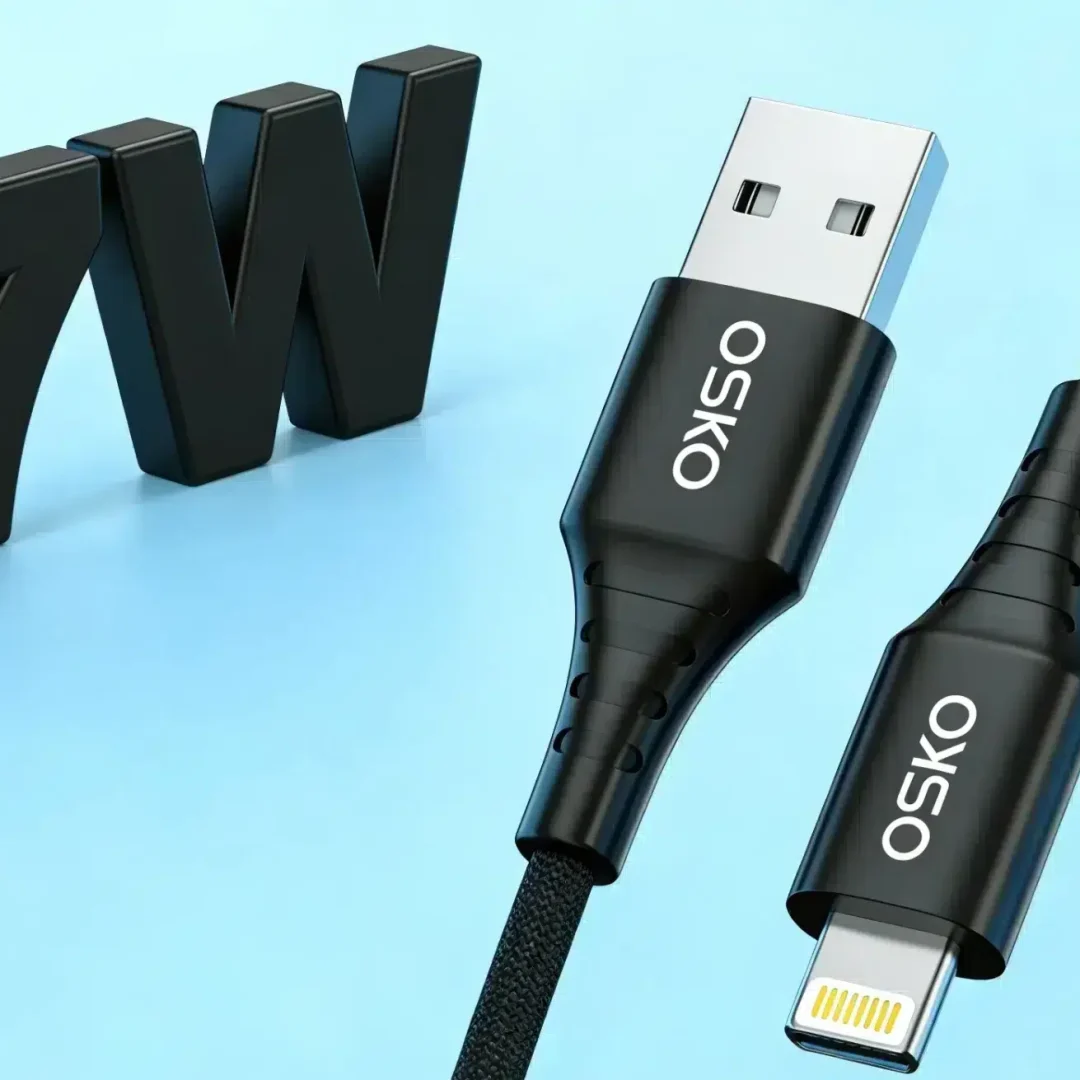
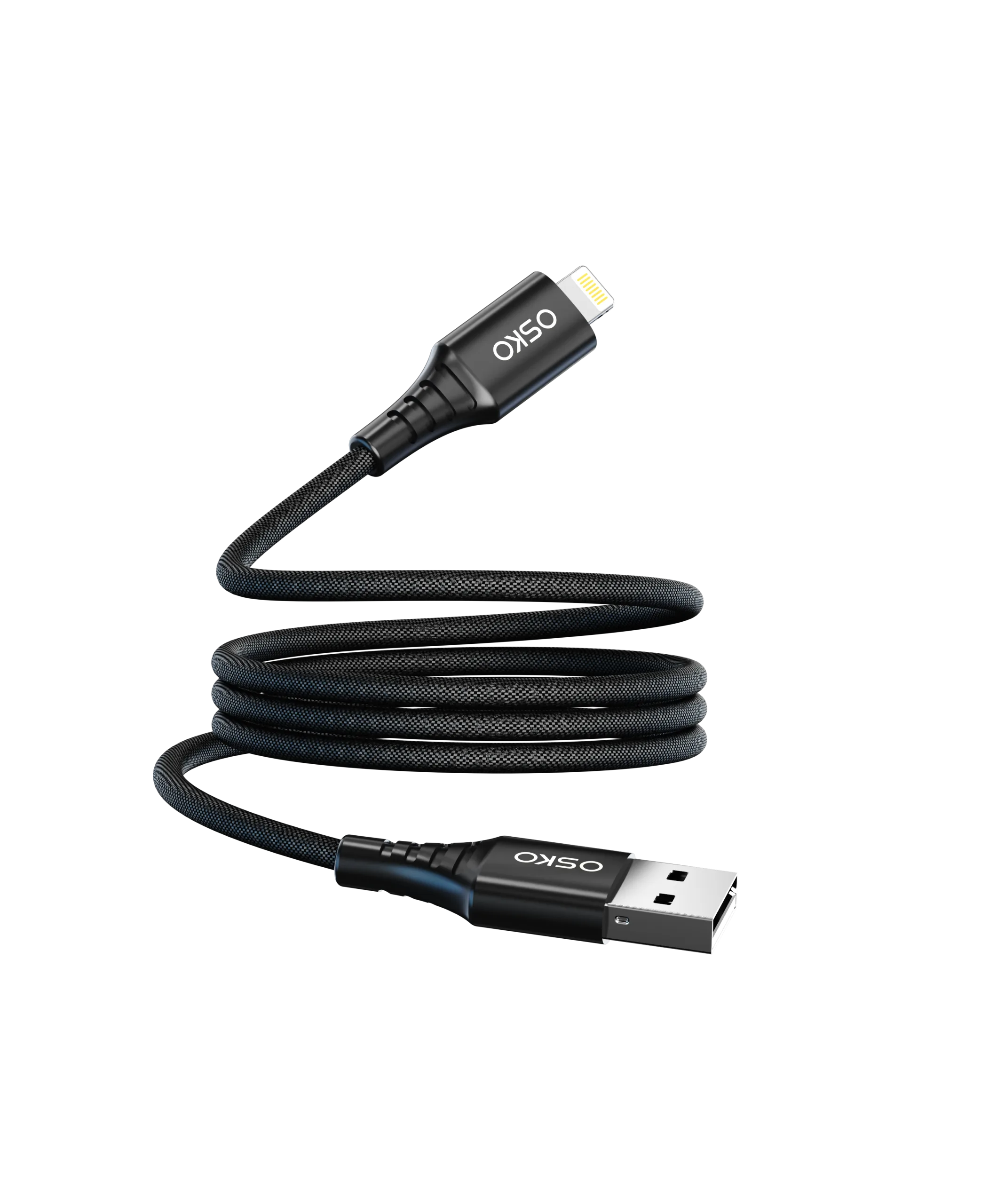
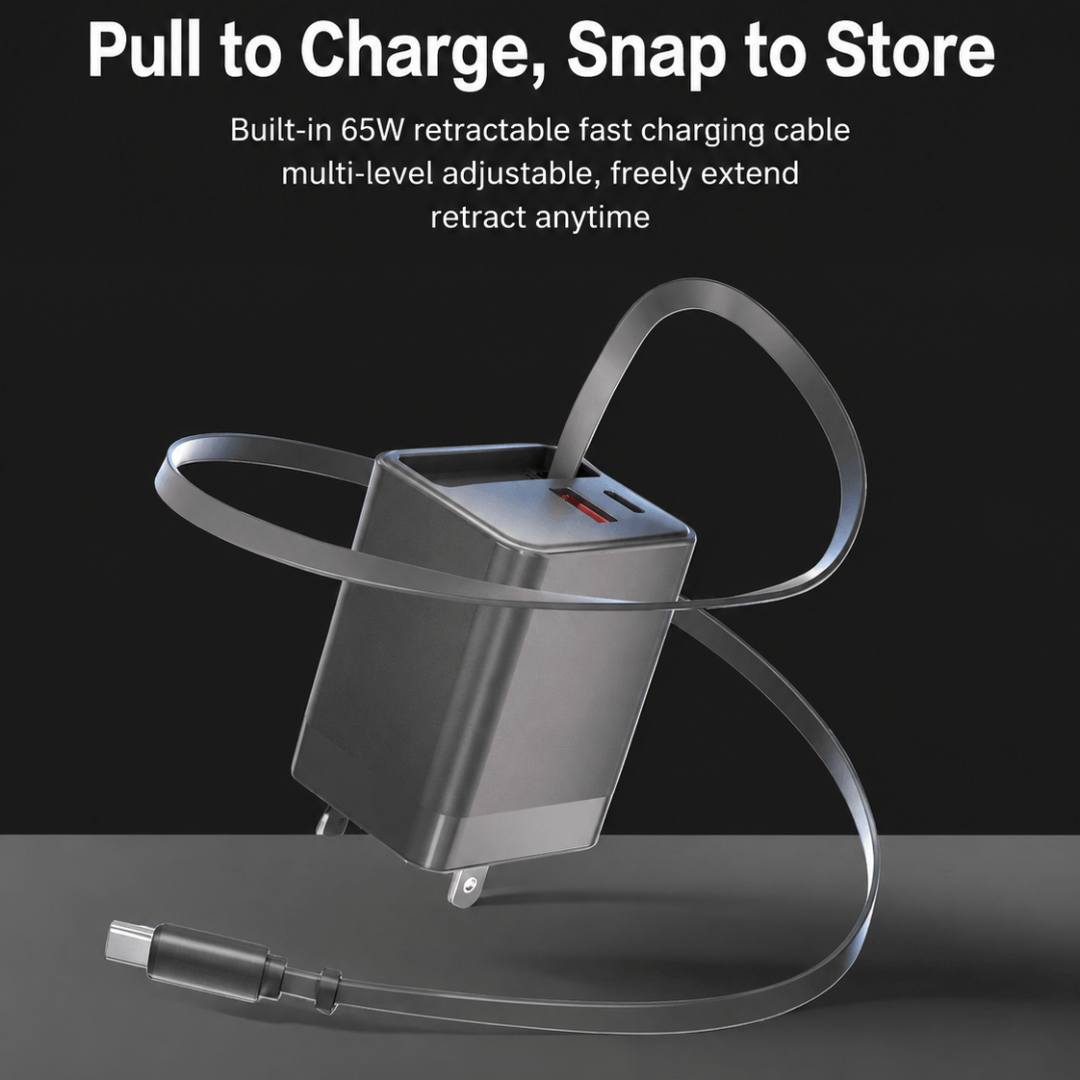
Introduction: How USB-C Changed the Future of Connectivity
For decades, charging cables were one of the biggest frustrations in consumer electronics.
Different devices required different connectors:
Android phones used Micro USB
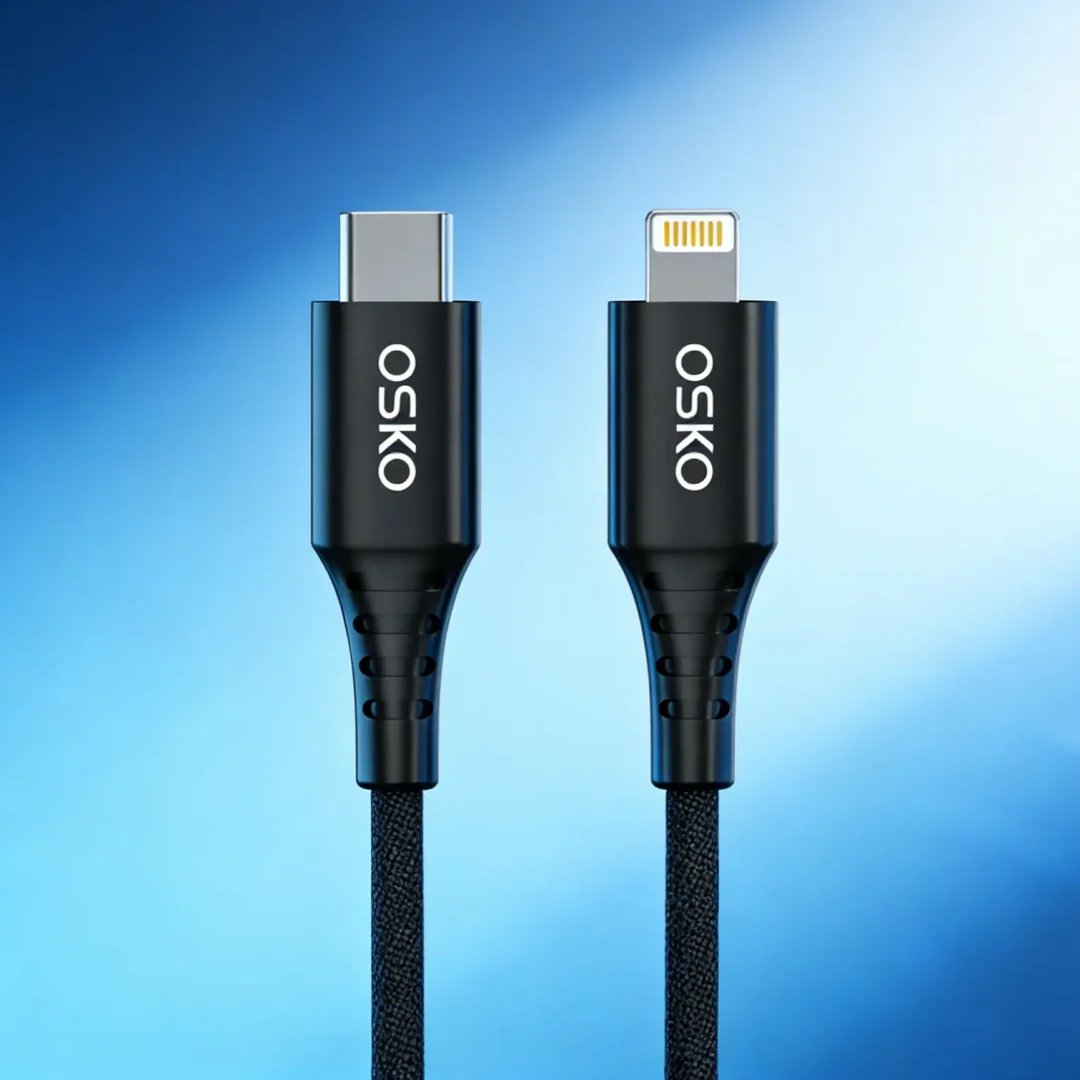
Apple devices used Lightning
Laptops often used proprietary charging ports
Accessories required their own cables
This created a fragmented charging ecosystem where users needed multiple cables just to support everyday devices.
The introduction of USB-C changed this situation.
With a reversible connector design, higher charging capability, faster data transfer, and support for multiple functions, USB-C gradually became the preferred connection standard across smartphones, tablets, laptops, monitors, gaming devices, and professional equipment.
Today, USB-C is more than a cable connector.
It represents a new approach to device compatibility:
One connector. Multiple applications. Smarter power delivery.
However, as technology continues evolving, a new question appears:
Will USB-C remain the universal connector, or will a future technology eventually replace it?
Although concepts such as a “USB-D” connector are sometimes discussed as a possible future direction, no official USB-D standard currently exists.
The more realistic future is not immediate replacement, but continuous USB-C evolution.
The Evolution of USB Connectors: From Multiple Ports to One Standard
The history of USB development is a story about solving compatibility problems.
USB-A: The Beginning of Universal Connection
When USB-A became popular in the late 1990s, it simplified computer connections.
Before USB, computers often required different ports for:
Keyboard
Mouse
Printers
Storage devices
USB-A created a more standardized solution.
However, it had limitations.
The connector was relatively large and not reversible, meaning users often needed to check the correct orientation before connecting devices.
As electronics became smaller and more portable, a new solution was required.
Micro USB: Smaller Size but Limited Performance
Micro USB became widely used in smartphones, cameras, headphones, and portable electronics.
Compared with USB-A, Micro USB offered:
Smaller physical size
Better suitability for mobile devices
However, it still had disadvantages:
One-direction insertion
Lower durability
Limited power capability
Restricted future scalability
As smartphones became more powerful and laptops became thinner, the demand for a more advanced connector increased.
Lightning and the Need for Industry Standardization
Apple introduced Lightning as a smaller and reversible connector for iPhones and iPads.
It improved user convenience within Apple’s ecosystem.
However, the overall market remained divided.
Consumers still needed different cables for:
Apple devices
Android devices
Computers
Accessories
The industry needed a connector that could combine:
Convenience
Power delivery
High-speed data
Broad compatibility
This created the foundation for USB-C.
Why USB-C Became the Universal Connector
The success of USB-C comes from combining multiple advantages into one design.
1. Reversible Connector Design
The biggest improvement was simplicity.
USB-C can be inserted in either direction.
This small design change improved daily usability and reduced connector damage caused by incorrect insertion.
Technology became easier because users no longer needed to think about the connector direction.
2. Higher Power Delivery Capability
USB-C introduced advanced charging capabilities through USB Power Delivery technology.
Modern USB-C cables can support:
60W charging
100W charging
140W charging
240W charging
This allowed one charging system to support:
Smartphones
Tablets
Portable monitors
Laptops
High-performance devices
For example, a properly designed 240W USB-C cable can support future high-power applications when paired with compatible chargers and devices.
3. Faster Data Transfer
USB-C also transformed data connectivity.
Depending on the cable specification, USB-C can support:
USB 2.0
USB 3.2
USB4
Thunderbolt technologies
This allows applications such as:
External SSD storage
Professional video editing
High-resolution displays
Docking stations
However, users must understand that the USB-C connector itself does not determine speed.
The internal cable design and supported standard determine actual performance.
4. One Connector for Charging, Data, and Video
One of USB-C’s biggest advantages is multifunction capability.
A single USB-C connection can support:
Power delivery
Data transfer
Display output
Device expansion
This reduced the need for multiple ports and helped manufacturers create thinner devices.
How USB-C Changed Modern Electronics
The impact of USB-C can be seen across almost every technology category.
Smartphones
USB-C simplified charging across different brands.
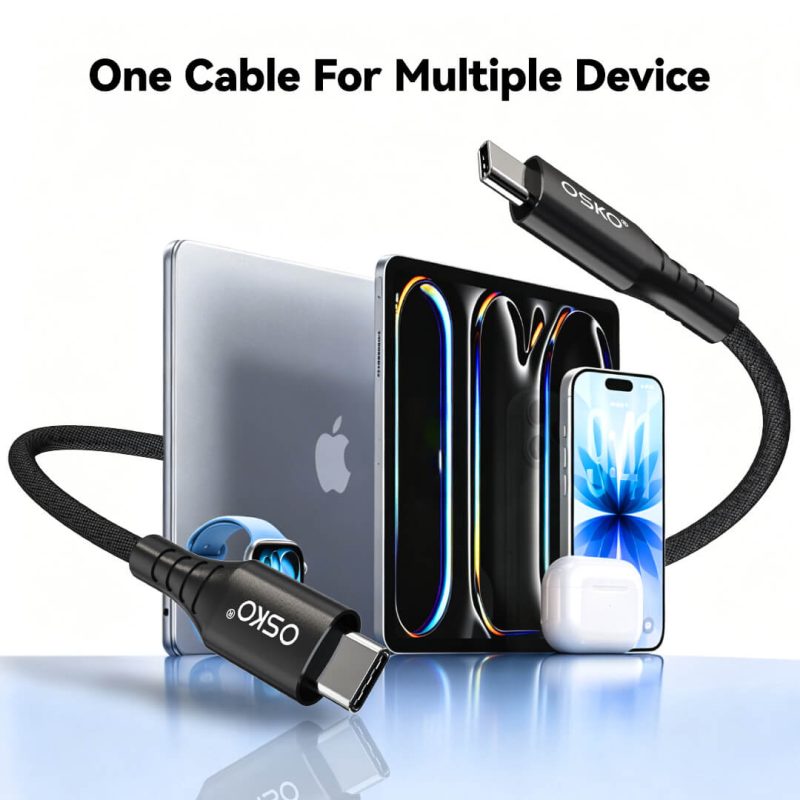
Users can now share chargers and cables between many devices.
Laptops
USB-C helped manufacturers create thinner laptops while maintaining powerful charging capability.
Many modern laptops now use USB-C for:
Charging
External monitors
Storage devices
Accessories
Tablets and Accessories
USB-C expanded tablet functionality by supporting:
Keyboard connections
External storage
Displays
Professional accessories
Business and Retail Markets
For electronics brands and distributors, USB-C created new opportunities for standardized accessory products.
Companies increasingly require reliable:
OEM USB-C cables
Custom charging cables
Retail-ready USB-C solutions
A professional USB-C cable manufacturer must now provide not only production capability but also engineering support, material selection, and quality control.

Engineering Case Study: OSKO USB-C Cable Solution for Global Device Accessory Brand
A North American electronics accessory company planned to develop a future-ready USB-C cable product line for retail channels.
Their requirements included:
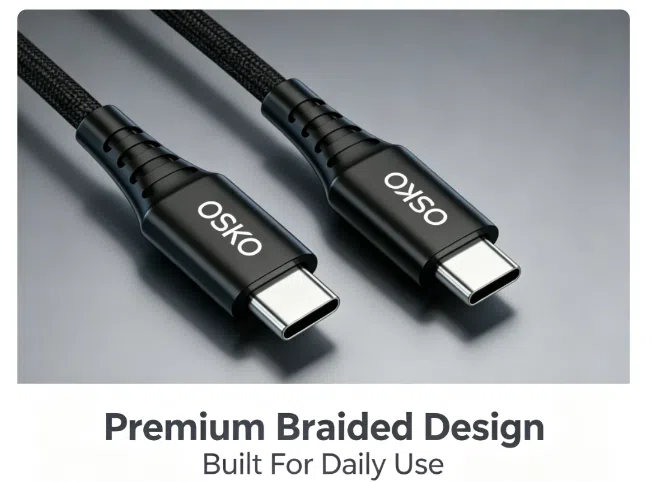
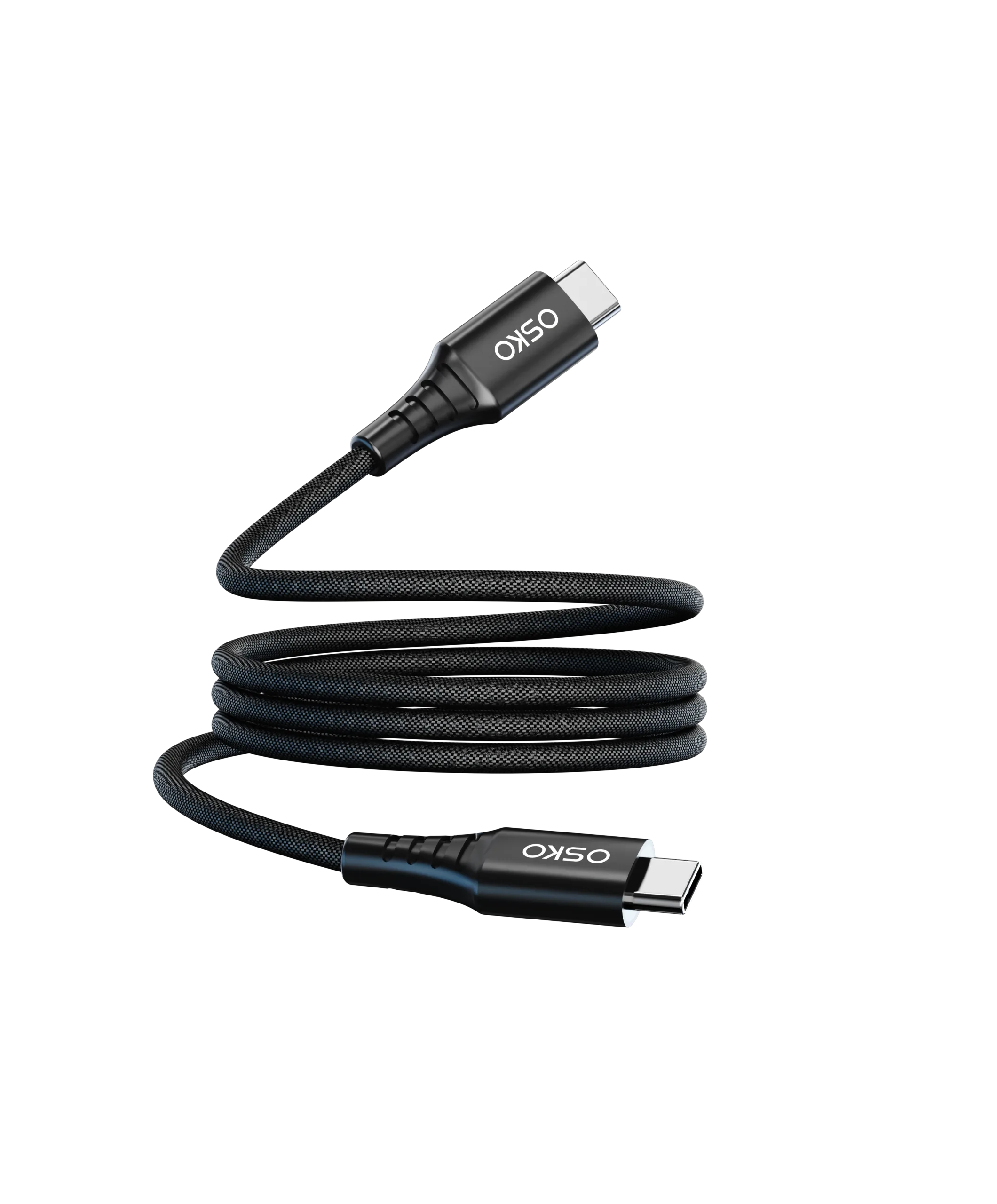
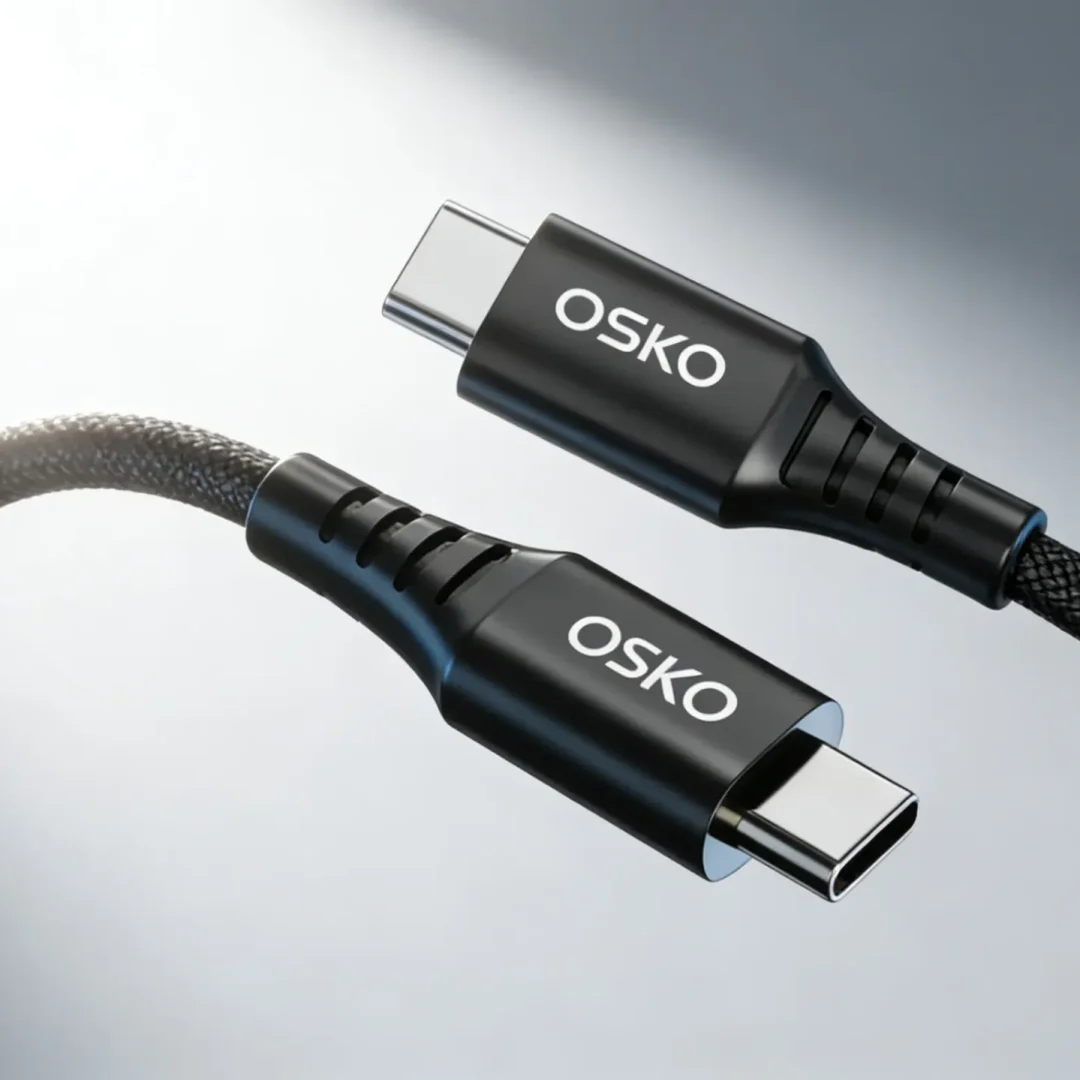
USB-C to USB-C charging cable
100W and 240W power options
Multiple length choices
Premium braided design
Stable mass production quality
During supplier evaluation, the company found that many manufacturers could provide samples but could not maintain consistent performance during mass production.
The main challenges included:
Different charging performance between samples and production units
Insufficient connector durability
Lack of proper high-power cable testing
OSKO engineering team optimized the solution through:
High-quality copper conductor selection
E-Marker chip integration for high-power versions
Reinforced connector structure
Automated production inspection
Customized packaging support
The final product line was designed for international retail markets including North America and Europe.
This case demonstrates that future USB-C products require more than manufacturing capacity.
They require engineering control, specification management, and reliable production processes.
How Long Will USB-C Stay Dominant?
Technology standards eventually change.
However, replacing a connector is not easy.
A connector is connected to a huge ecosystem:
Device manufacturers
Cable suppliers
Charging infrastructure
Consumer habits
Retail inventory
USB-C became successful because many industries adopted it together.
Replacing it would require significant advantages.
A future connector would need to offer:
Much higher performance
Better efficiency
Improved durability
Strong consumer value
Small improvements are unlikely to replace USB-C.
The future of USB-C is more likely to be evolution rather than replacement.
Could a Next Generation USB Connector Replace USB-C?
The idea of a future next generation USB connector is possible.
Future technologies may focus on:
Higher Charging Efficiency
Future charging systems may improve:
Energy conversion efficiency
Thermal management
Battery protection
Faster Data Connectivity
Future USB technologies may support:
Advanced AI computing devices
External GPUs
Professional production systems
Higher-resolution displays
Smarter Power Management
Future cables may become more intelligent by automatically adjusting:
Charging speed
Power requirements
Device communication
However, any replacement must provide a major improvement over USB-C.
A new connector would require consumers and businesses to replace existing:
Devices
Chargers
Accessories
Infrastructure
This makes gradual evolution the more practical path.
Will Wireless Charging Replace USB-C?
Wireless charging continues improving, but it is unlikely to completely replace wired connections soon.
Wireless charging offers convenience.
However, wired USB-C still provides advantages:
Higher charging efficiency
Faster power delivery
Better stability
Faster data transfer
Professional applications such as:
Laptop charging
External storage
High-speed workflows
still depend heavily on physical connections.
The future will likely include both technologies working together.
How Businesses Should Prepare for the Future of USB-C
For retailers, distributors, and OEM buyers, USB-C technology creates both opportunities and challenges.
Future-ready cable products should focus on:
Higher charging capability
Better durability
International certification
Stable production quality
Custom manufacturing capability
Choosing an experienced OEM USB-C cable supplier helps businesses reduce product risks and create competitive accessories.
OSKO provides customized USB-C cable manufacturing solutions for global customers, supporting:
Product design
Material selection
Engineering validation
Mass production
OEM branding
FAQ: USB-C Future and Connector Evolution
Will USB-C be replaced in the future?
USB-C may eventually be replaced by a newer technology, but there is currently no confirmed replacement standard. The industry is more likely to continue improving USB-C performance.
What makes USB-C a universal connector?
USB-C became universal because it supports charging, data transfer, and display functions through one reversible connector.
Is USB-C better than older USB connectors?
Yes. Compared with USB-A and Micro USB, USB-C provides better convenience, higher power capability, and more advanced connectivity options.
What is the future of USB-C charging?
The future of USB-C charging will likely focus on faster power delivery, smarter energy management, improved safety, and better efficiency.
Will wireless charging replace USB-C cables?
Wireless charging will continue growing, but USB-C will remain important for high-power charging and professional data applications.
What should companies look for in a USB-C cable manufacturer?
Businesses should evaluate manufacturing experience, quality control systems, engineering capability, certification support, and customization services.
Conclusion: USB-C Evolution Will Define the Future of Connectivity
USB-C succeeded because it solved a real problem.
It reduced cable confusion, improved charging performance, increased connectivity options, and created a more unified technology ecosystem.
Although future concepts such as USB-D or other next-generation connectors may appear, replacing USB-C requires more than technical improvement.
The next standard must create a meaningful advantage for consumers and businesses.
For now, the future of connectivity is likely not about replacing USB-C overnight.
It is about making USB-C smarter, faster, safer, and more capable.
As technology continues evolving, USB-C will remain a critical foundation connecting the devices people use every day.
For companies searching for a reliable custom USB-C cable manufacturer, OSKO provides OEM/ODM production solutions designed for global markets with professional engineering support and manufacturing capability.