
Introduction
Many users purchase a powerful charger but still experience slow charging. Others buy a high-speed USB-C cable but cannot achieve the advertised charging performance.
The reason is simple: fast charging depends on the complete charging system.
A USB-C charging setup includes:
Power adapter
USB-C cable
Device charging protocol
Internal cable design
Power negotiation technology
If one component does not support the required specification, charging performance will be limited.
Common problems include:
Laptop charging slowly with a phone charger
100W charger only delivering low power
USB-C cable overheating
Fast charging not activating
Different cables showing different charging speeds
For example:
A 100W USB-C charger requires a cable that can safely support 100W output. A standard USB-C cable may reduce charging speed.
For consumers, understanding the relationship between cable and charger helps avoid compatibility issues.
For brands, distributors, and retailers, selecting the right combination is critical when developing USB-C cable and charger product solutions for global markets.

Material Science & Dielectric Properties
How USB-C Cable and Charger Work Together
A USB-C charging system works through communication between three components:
| Component | Function |
|---|---|
| USB-C charger | Converts AC power into DC output |
| USB-C cable | Transfers power and data |
| Device | Requests required charging power |
The charger does not simply send maximum power.
Instead:
- Device connects to charger
- Cable identifies capability
- Device requests required power
- Charger provides suitable voltage and current
This process is controlled by charging protocols such as USB Power Delivery (USB PD).
Understanding USB-C Charger Power Ratings
USB-C chargers are usually rated by watts (W).
The higher the wattage, the more power the charger can provide.
| Charger Power | Typical Application |
|---|---|
| 20W–30W | Smartphones |
| 45W–60W | Tablets and lightweight laptops |
| 65W–100W | Laptop charging |
| 140W | High-performance laptops |
| 240W | Advanced USB PD 3.1 devices |
However, charger wattage alone does not determine charging speed.
The cable must also support the same power level.
USB-C Cable Power Ratings Explained
Different USB-C cables have different power capabilities.
| Cable Type | Maximum Power | Application |
|---|---|---|
| Standard USB-C cable | Basic charging | Accessories |
| 60W USB-C cable | Phones, tablets, MacBook Air | Daily charging |
| 100W USB-C cable | MacBook Pro, laptops | Professional use |
| 240W USB-C cable | High-power devices | USB PD 3.1 |
A 100W charger paired with a 60W cable will usually charge only at the cable’s supported limit.
USB-C Cable and Charger Compatibility Guide
The correct combination depends on the device.
| Device | Recommended Charger | Recommended Cable |
|---|---|---|
| iPhone USB-C | 20W–35W PD charger | 60W USB-C cable |
| Android phone | 30W–65W PD charger | 60W USB-C cable |
| iPad Pro | 30W–60W charger | 60W USB-C cable |
| MacBook Air | 60W charger | 60W USB-C cable |
| MacBook Pro | 96W–140W charger | 100W USB-C cable |
| Gaming laptop | 140W+ charger | 240W USB-C cable |
Why E-Marker Chips Matter in USB-C Charging
High-power USB-C cables require intelligent identification.
An E-marker chip communicates:
Cable current capability
Maximum supported power
USB specification information
For example:
A 100W USB-C cable typically requires:
5A current support
E-marker chip
High-quality conductor design
Without an E-marker:
Charger may reduce output
Laptop charging speed may decrease
High-power charging may fail
Professional suppliers producing 100W USB-C cable and 240W USB-C cable products must include proper electrical testing.
USB-C Cable Materials Affect Charging Performance
Fast charging generates more heat, so cable construction is important.
Copper Conductor Design
The internal conductor determines:
Current transmission
Resistance level
Heat generation
High-quality USB-C cables use:
Better copper materials
Optimized wire thickness
Stable internal structure
Poor conductor design can result in:
Voltage loss
Slow charging
Shorter cable lifespan
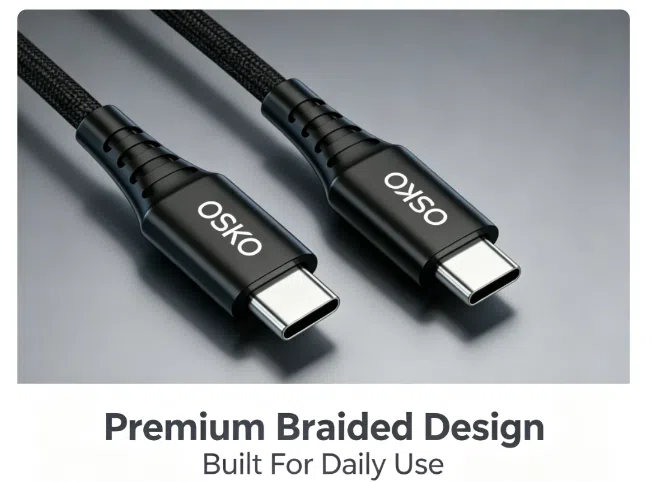
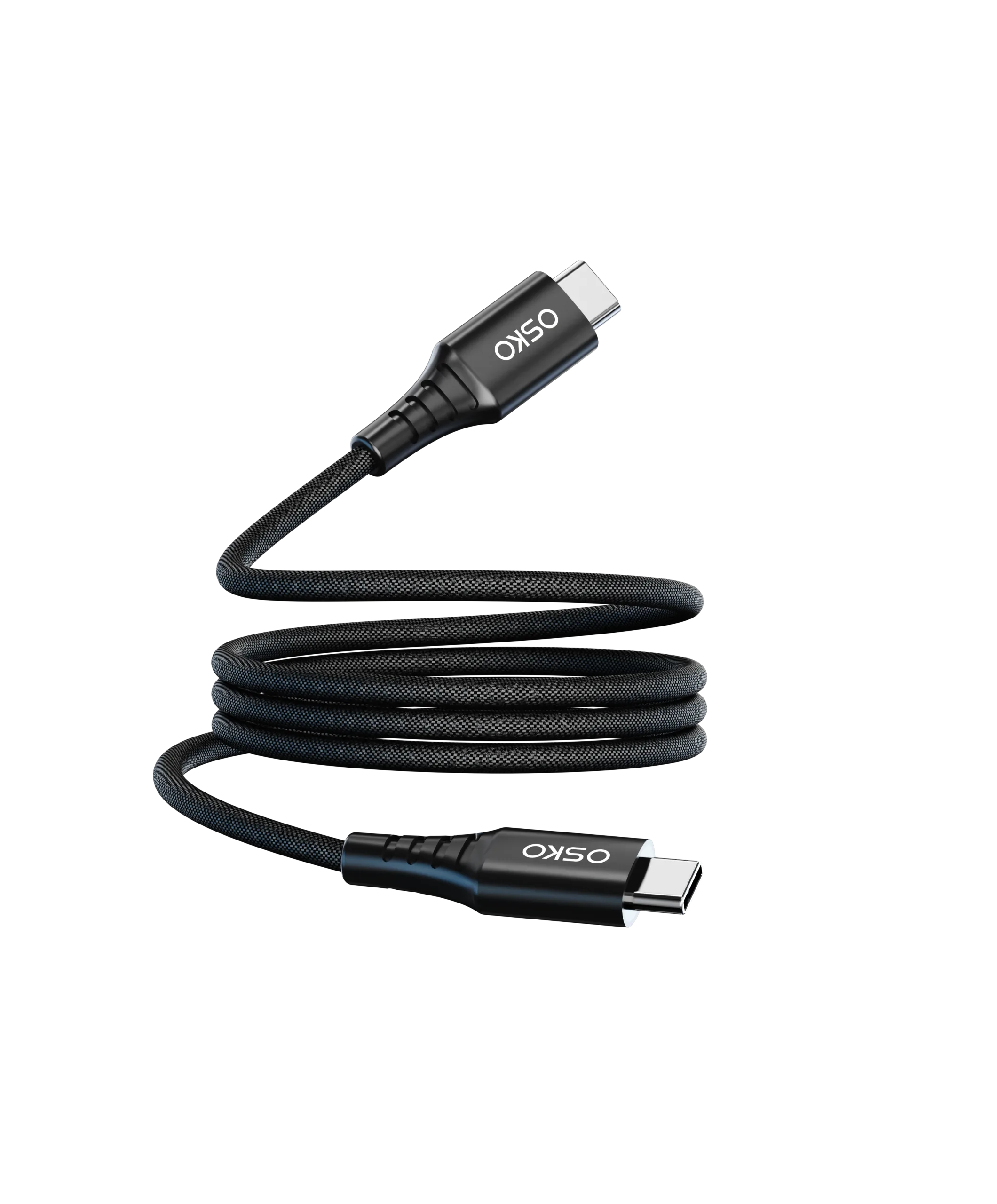
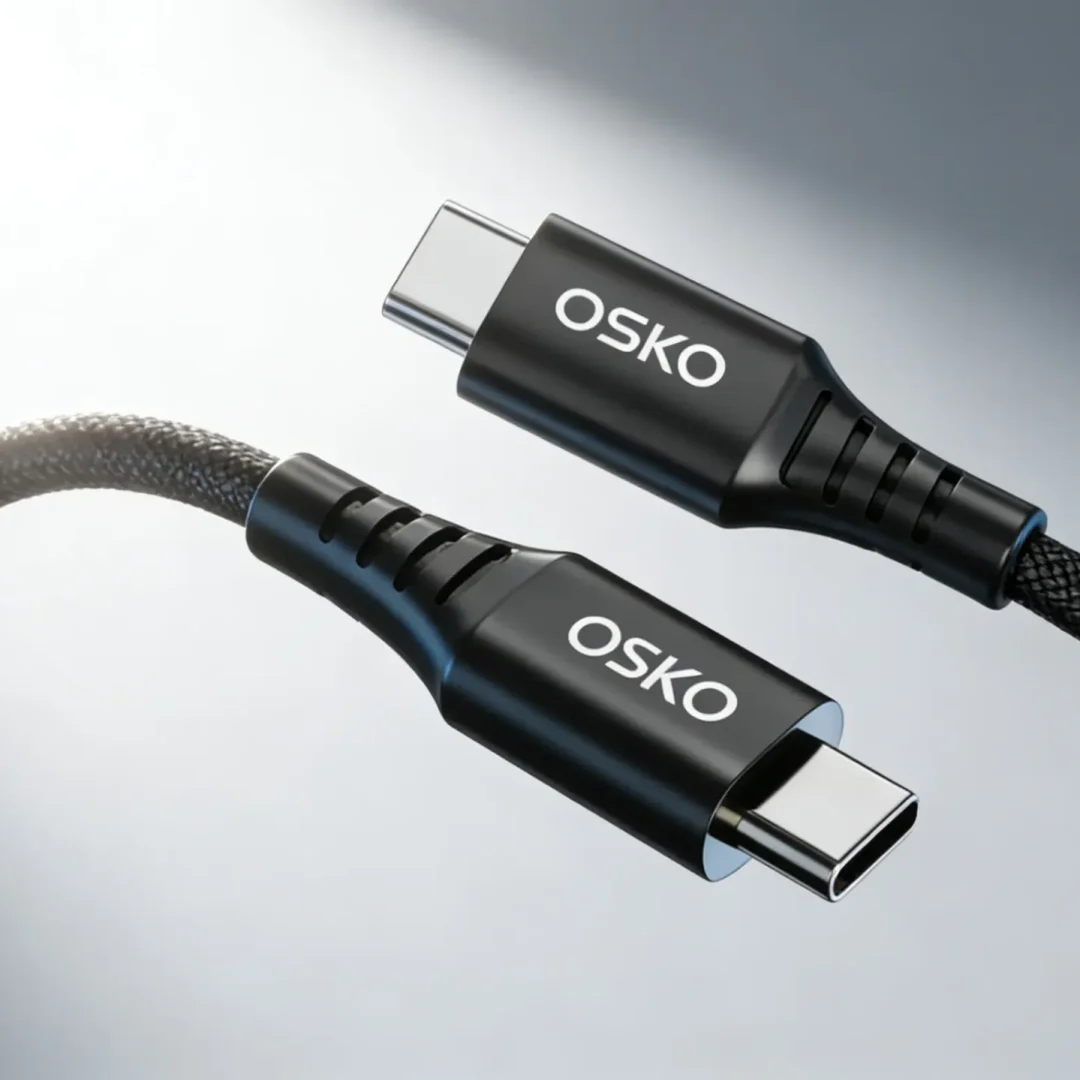
Braided USB-C Cable Structure
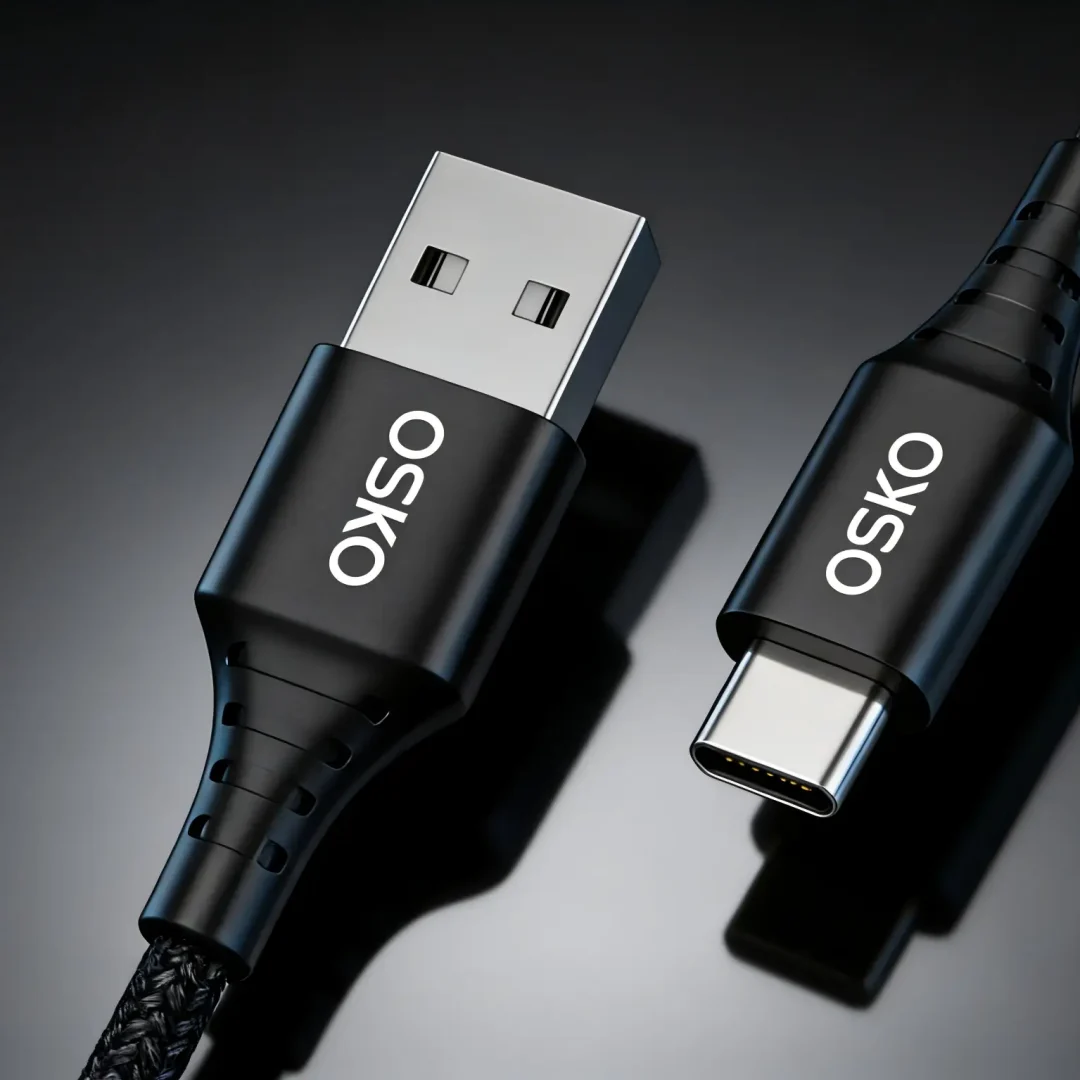
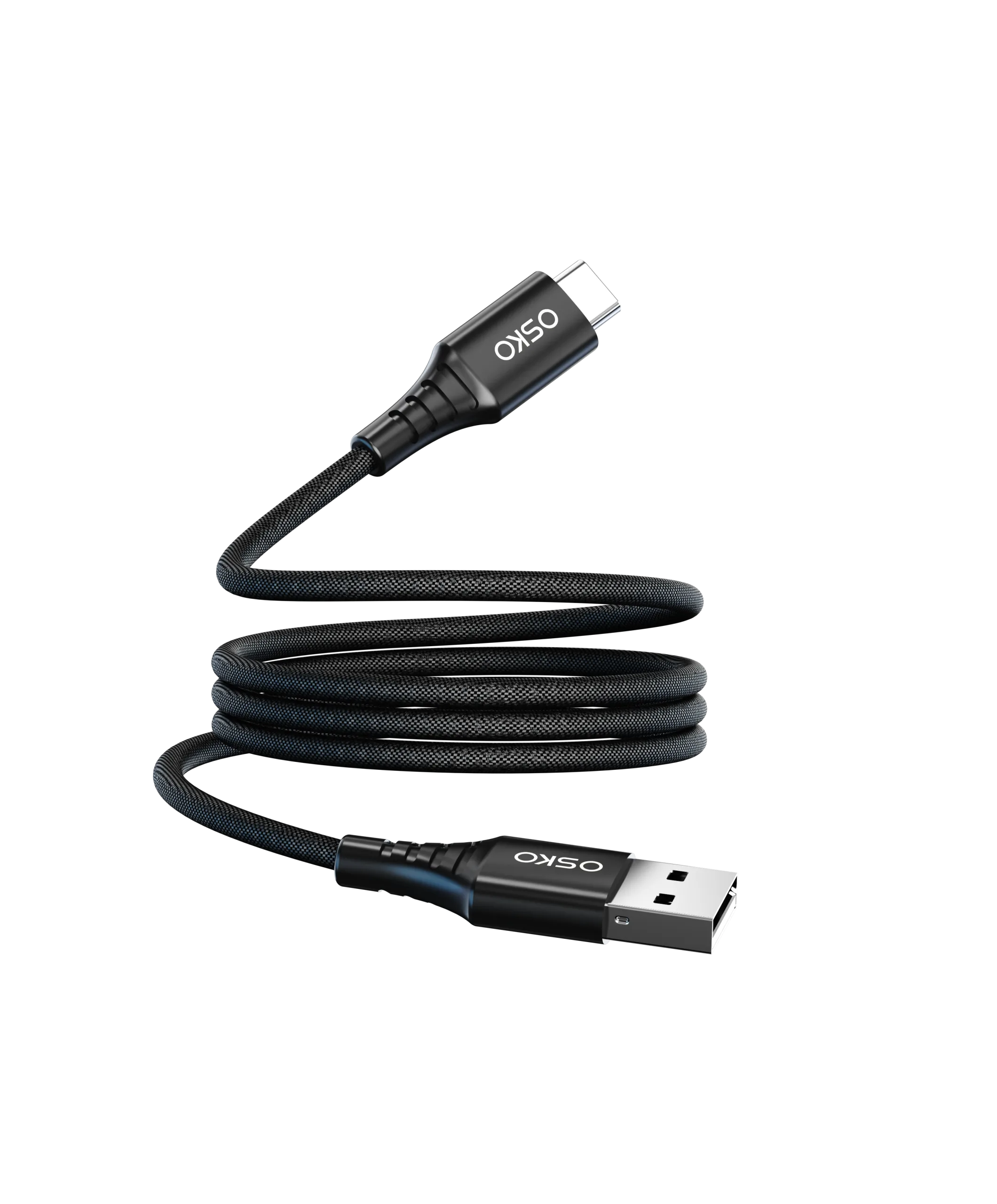
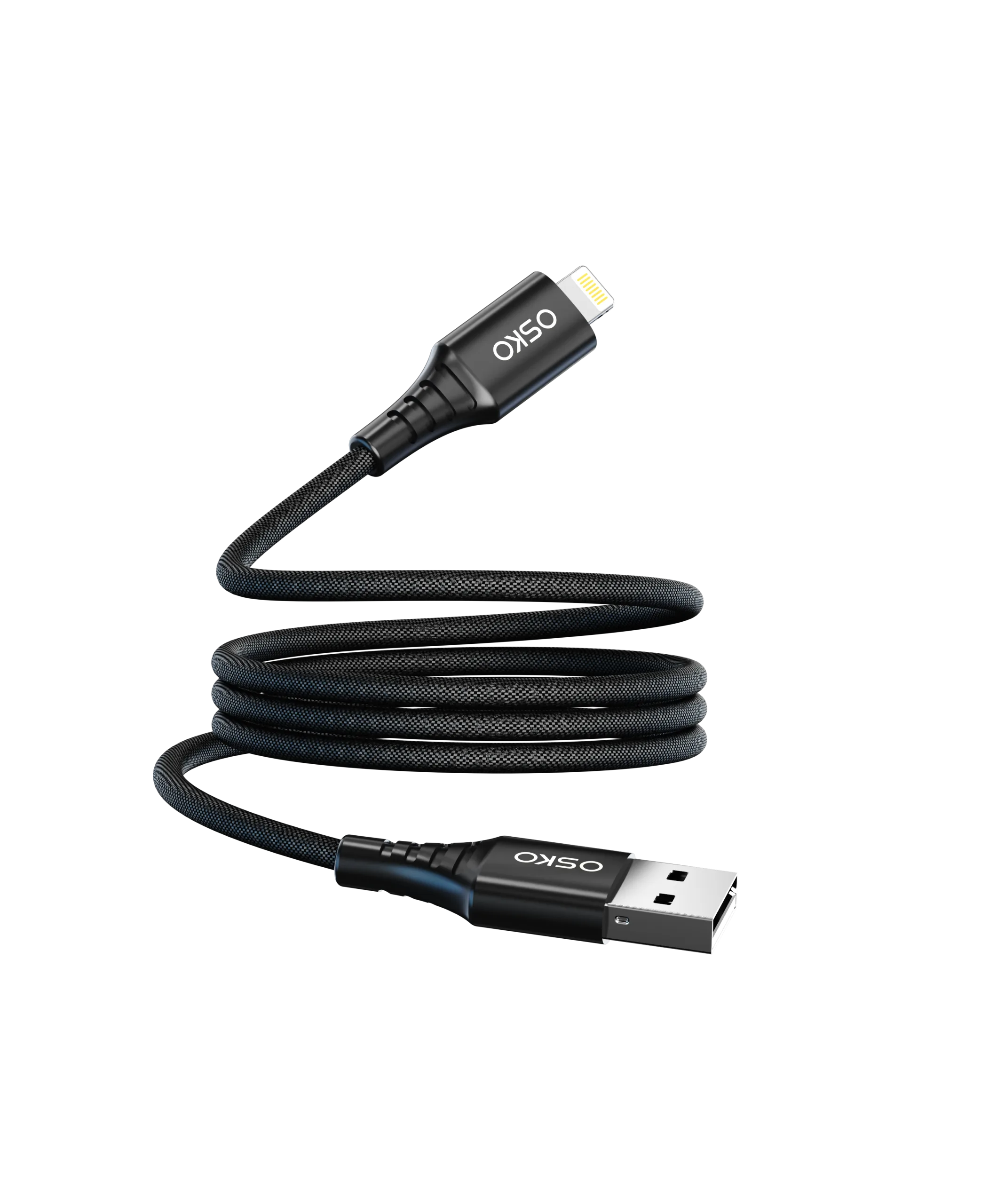
A nylon braided cable improves physical durability.
Advantages:
Better bending resistance
Improved abrasion protection
Reduced tangling
Longer service life
Common applications:
Travel USB cable
Desk charging cable
Car charging cable
Retail charging accessories
Many brands choose a Heavy duty braided USB-C cable manufacturer for premium charging products.
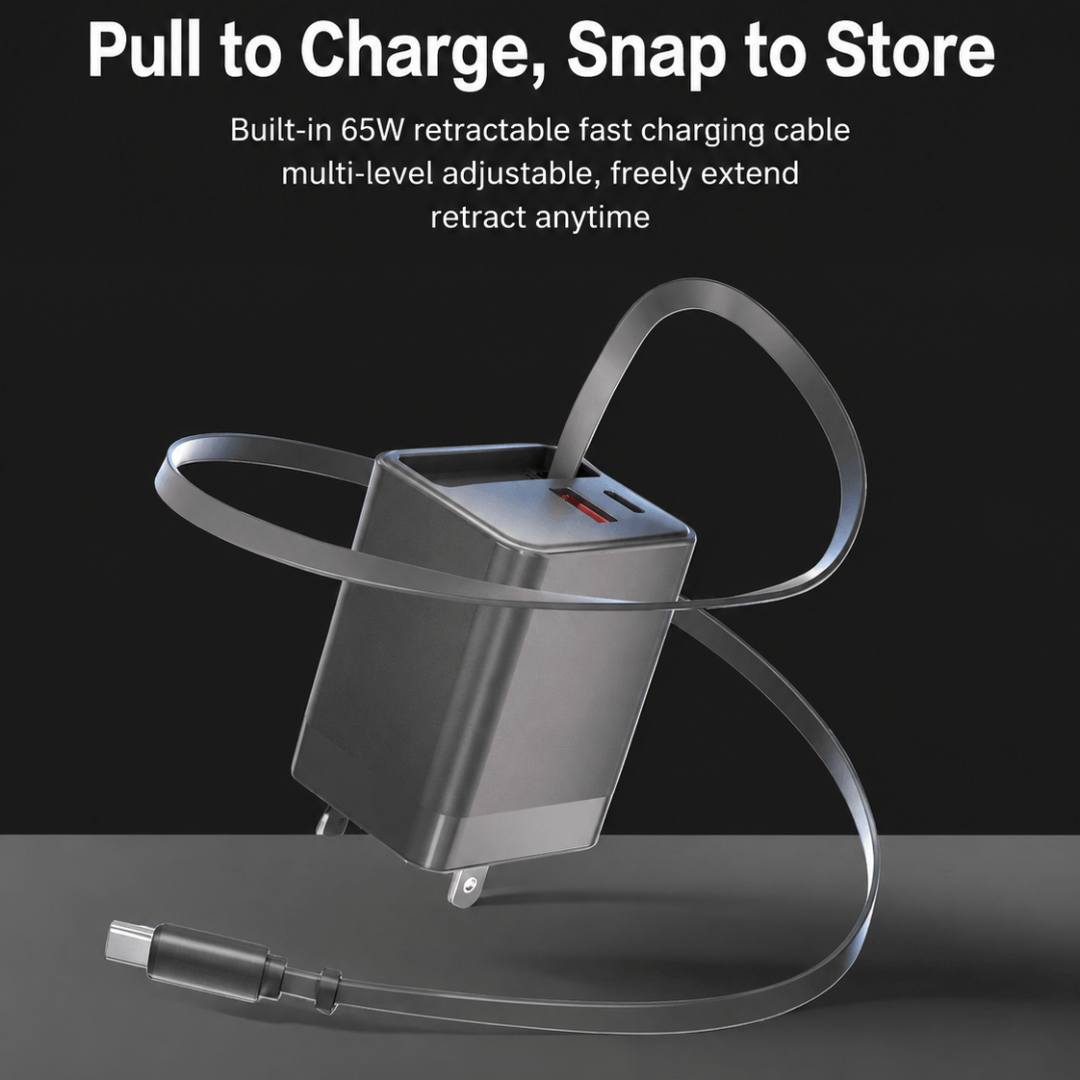
USB-C Charger Technology: PD and GaN
Modern USB-C chargers often use USB PD technology.
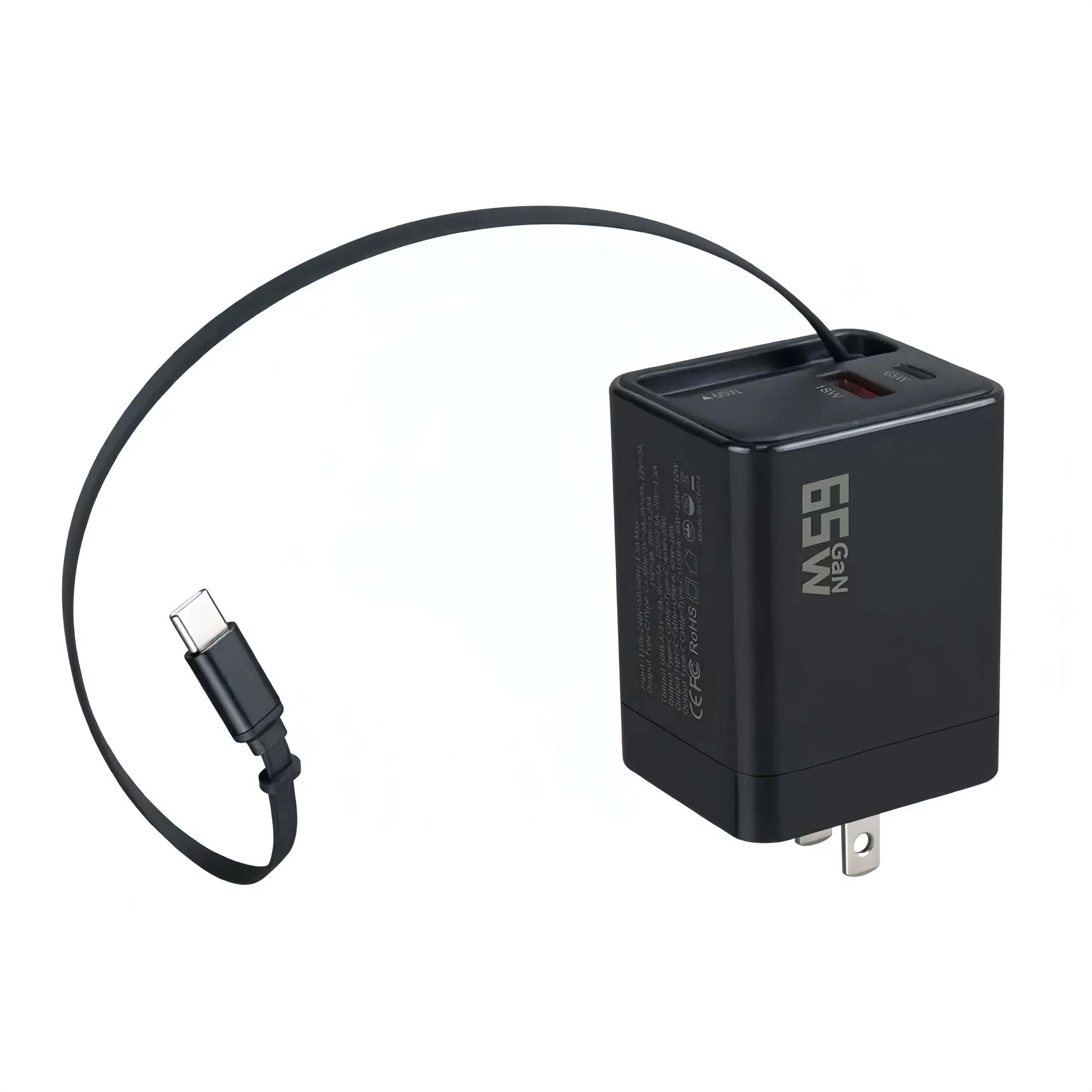
Some advanced chargers use GaN (Gallium Nitride) technology.
Advantages of GaN chargers:
Smaller size
Higher efficiency
Better heat management
Higher power density
Typical applications:
Travel charging kits
Laptop chargers
Multi-device charging stations
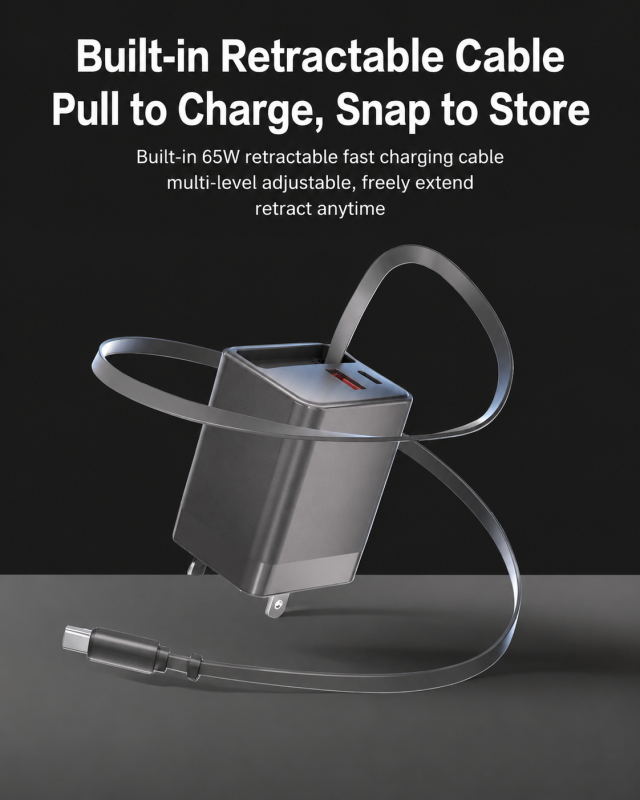
A GaN charger paired with a suitable USB-C PD cable provides efficient charging performance.
Case Study
US Consumer Electronics Brand Develops USB-C Charging Kit
Customer Background
A US electronics brand wanted to launch a complete charging kit.
Target customers:
Smartphone users
Remote workers
Business travelers
Laptop users
Required products:
USB-C charger
USB-C charging cable
Retail packaging
Multiple power options
Customer Challenges
The brand previously sourced chargers and cables separately.
Problems included:
Charger power exceeded cable capability
Customer confusion about specifications
Increased product returns
Inconsistent charging experience
OSKO Solution
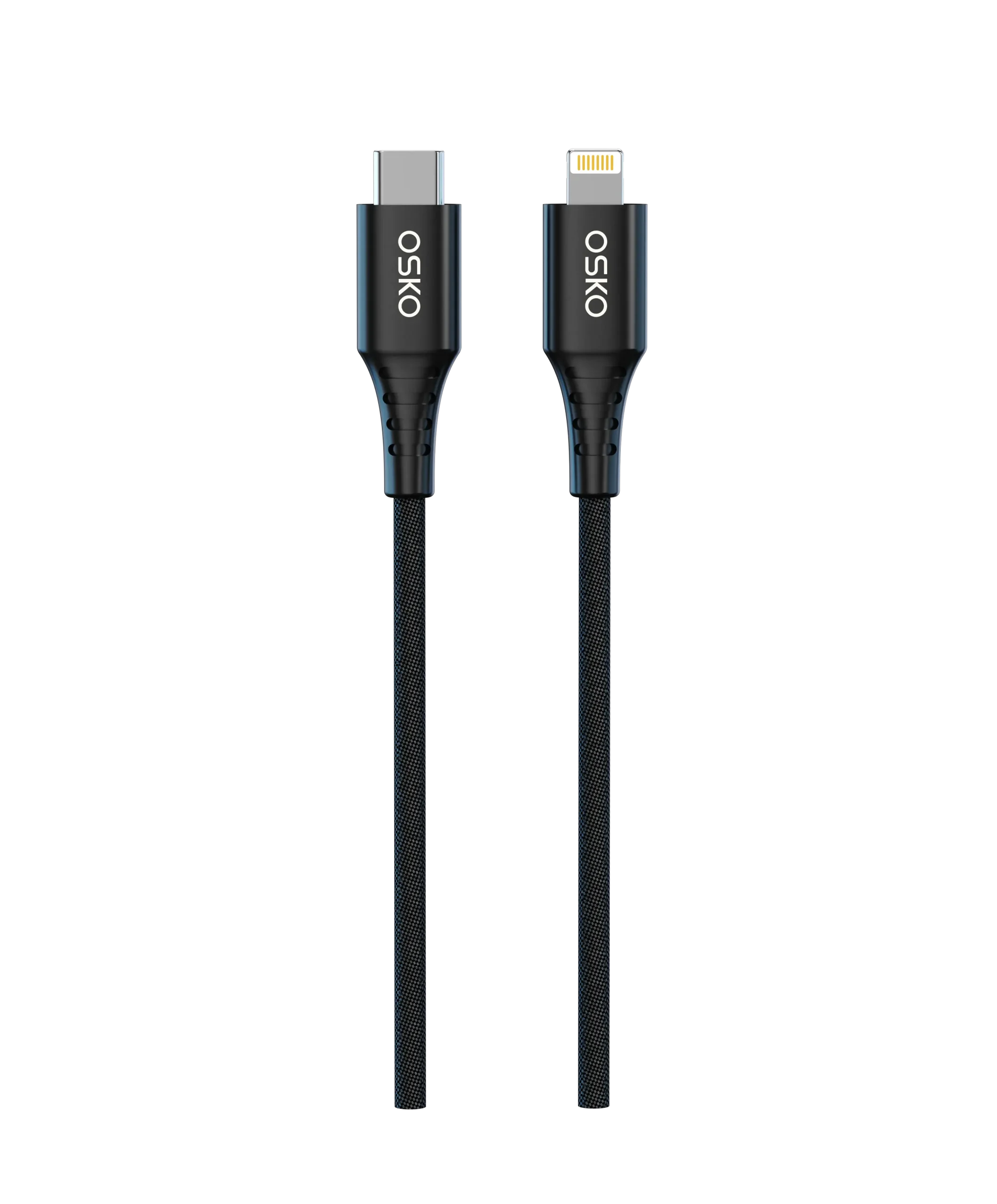
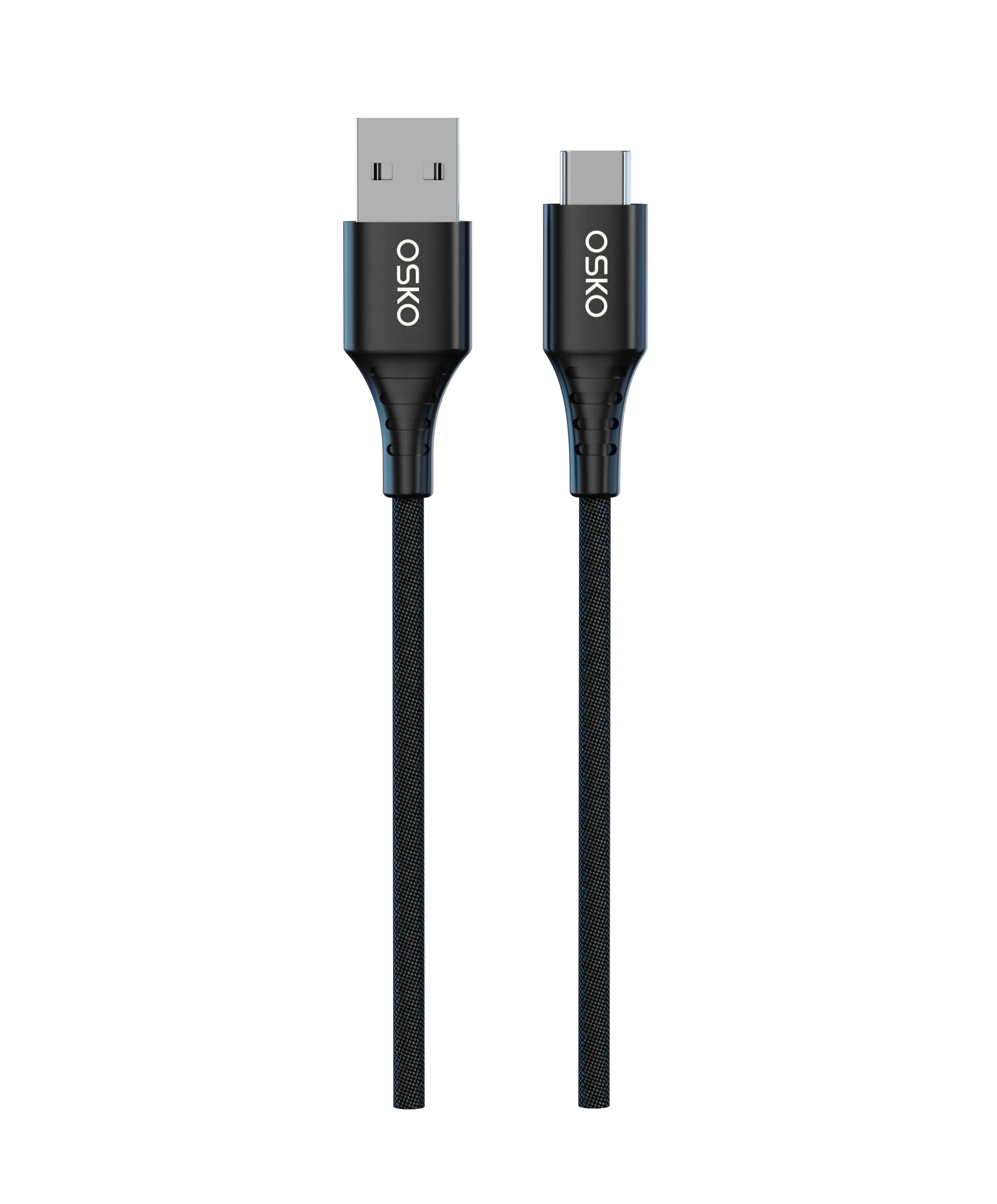
OSKO developed matched cable and charger combinations.
| Product Package | Specification | Application |
|---|---|---|
| Mobile charging kit | 30W charger + 60W cable | Smartphones |
| Tablet kit | 45W charger + 60W cable | Tablets |
| Laptop kit | 100W charger + 100W cable | Laptops |
| Premium kit | 240W charger + 240W cable | High-power devices |
The project supported:
OEM USB cable manufacturing
ODM USB cable development
Bulk USB cables
Retail USB cable solutions
Selection Guide
How to Choose the Right USB-C Cable and Charger
Match Charger Wattage With Device Requirement
Do not automatically choose the highest wattage charger.
Select based on:
Device charging requirement
Usage environment
Future compatibility
Choose the Correct USB-C Cable
Recommended:
| Usage Scenario | Cable Choice |
|---|---|
| Smartphone | 60W USB-C cable |
| Tablet | 60W USB-C cable |
| Laptop | 100W USB-C cable |
| High-performance laptop | 240W USB-C cable |
Check Certifications
Reliable charging products should consider:
| Certification | Purpose |
|---|---|
| CE | European safety compliance |
| RoHS | Material compliance |
| FCC | US electronic compliance |
| USB-IF | USB performance standards |
| ISO9001 | Factory quality management |
Professional manufacturers may provide:
CE RoHS certified 240W USB C cable
FCC approved nylon braided USB C cable supplier
USB-IF compliant Type C cable manufacturer
ISO9001 certified braided USB cable factory
Consider Application Requirements
Different markets need different designs:
| Market | Recommended Product |
|---|---|
| Retail | Braided USB-C cable with packaging |
| Travel | Lightweight compact cable |
| Office | 6ft desk charging cable |
| Automotive | Durable flexible cable |
| Wholesale | Bulk custom USB cables |
FAQ
Can I use any USB-C cable with a USB-C charger?
Most USB-C cables work for basic charging, but high-power charging requires a cable with the correct power rating.
Is a 100W charger enough for a laptop?
Many laptops support 65W–100W charging. High-performance laptops may require 140W or higher.
Does the USB-C cable affect charging speed?
Yes. Cable power rating, conductor quality, and E-marker technology directly affect charging performance.
Can a 240W USB-C cable be used with a normal charger?
Yes. USB PD automatically adjusts power according to charger and device capability.
Why does my USB-C charger charge slowly?
Possible reasons include:
Low-power charger
Unsupported cable
Device limitation
Poor-quality cable
Damaged connector
Summary
A USB-C charging system requires both a suitable charger and a compatible cable.
The best charging performance depends on:
Charger wattage
USB-C cable power rating
USB PD compatibility
E-marker technology
Internal conductor quality
Material durability
Recommended combinations:
Smartphones: 30W charger + 60W USB-C cable
Tablets: 45W–60W charger + 60W USB-C cable
Laptops: 65W–100W charger + 100W USB-C cable
High-performance devices: 140W–240W charger + 240W USB-C cable
For brands, distributors, and retailers, partnering with an experienced USB-C cable manufacturer helps ensure reliable charging solutions, customized production, and consistent quality for international markets.
Contact Information
OSKO provides professional USB-C charging solutions:
USB-C cables
USB-C PD charging cables
60W / 100W / 240W USB-C cables
USB-C charger and cable kits
Nylon braided charging cables
OEM and ODM USB cable manufacturing
Private label charging products
Custom packaging solutions