
Introduction
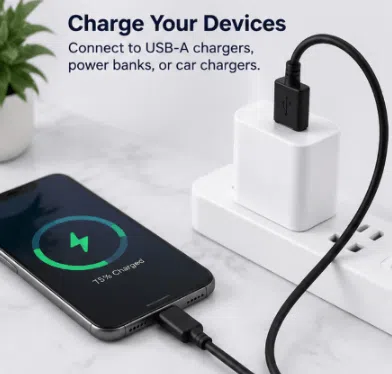
Many users still have USB-A chargers at home, in cars, offices, and workplaces. At the same time, newer smartphones, tablets, and accessories increasingly use USB-C ports.
This creates a common charging problem:
New device uses USB-C connector
Existing charger only has USB-A port
User needs a compatible cable solution
A USB-C to A charging cable solves this connection problem by combining:
USB-A connector on the charger side
USB-C connector on the device side
However, not all USB-A to USB-C cables provide the same performance.
Common issues include:
Slow charging speed
Cable not supporting fast charging
Data transfer failure
Poor durability after repeated bending
Compatibility problems with different devices
The performance of a USB-C to A cable depends on:
USB-A port capability
Cable conductor design
Charging protocol support
Connector quality
Material construction
For consumers, choosing the correct cable ensures reliable daily charging.
For brands, retailers, and distributors, understanding these technical differences is essential when sourcing OEM USB cable, USB cable wholesale, and retail charging solutions.
Material Science & Dielectric Properties
What Is a USB-C to A Charging Cable?
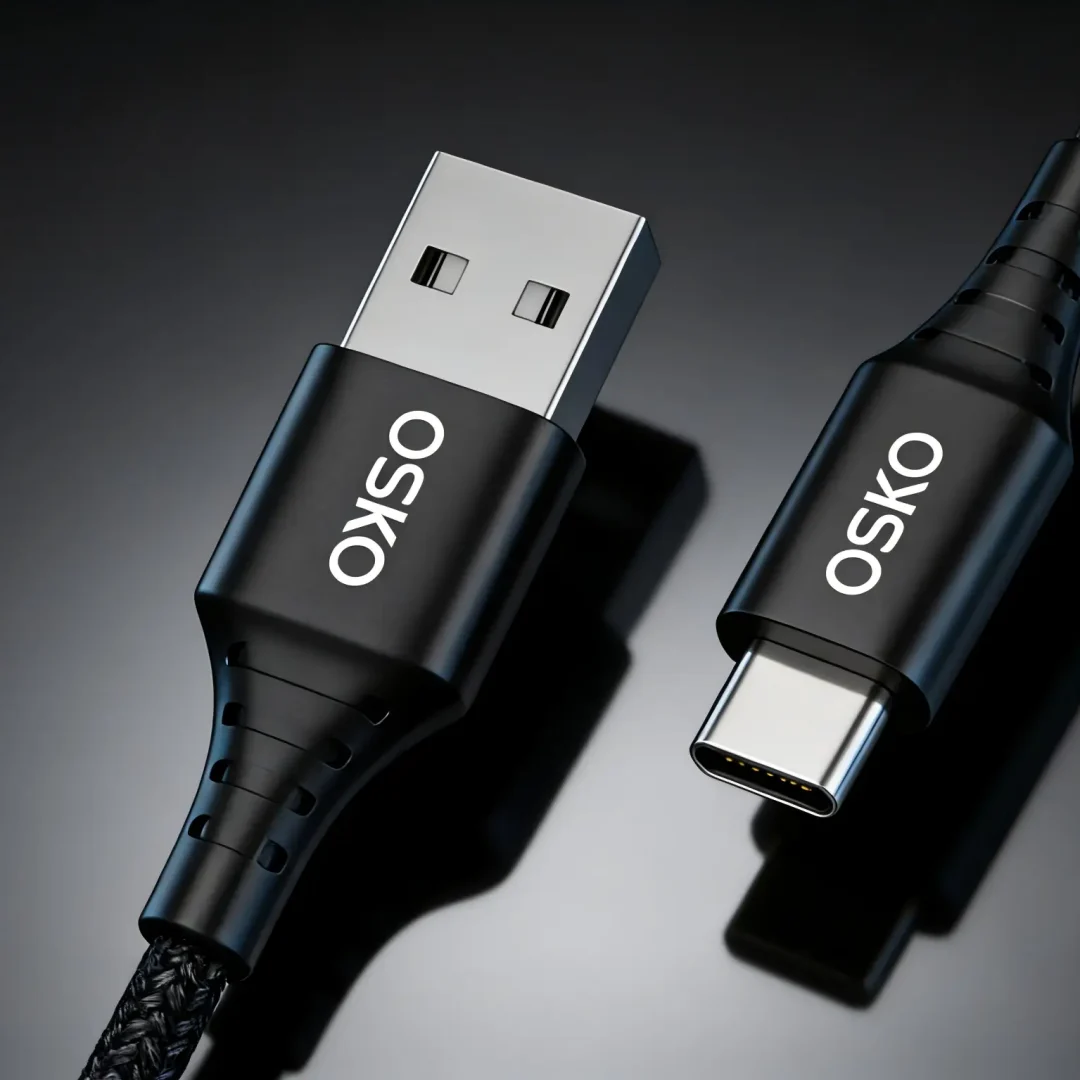
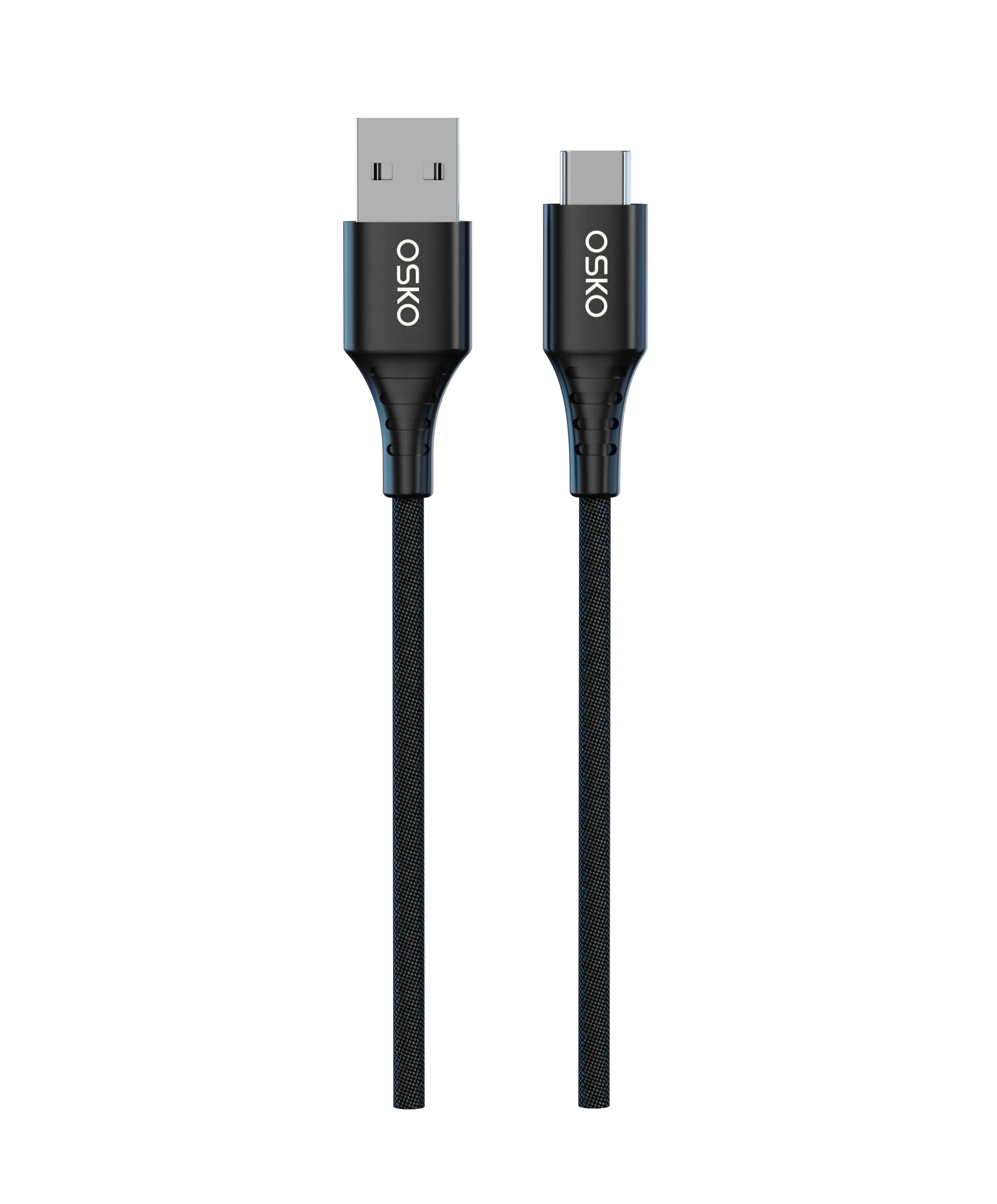
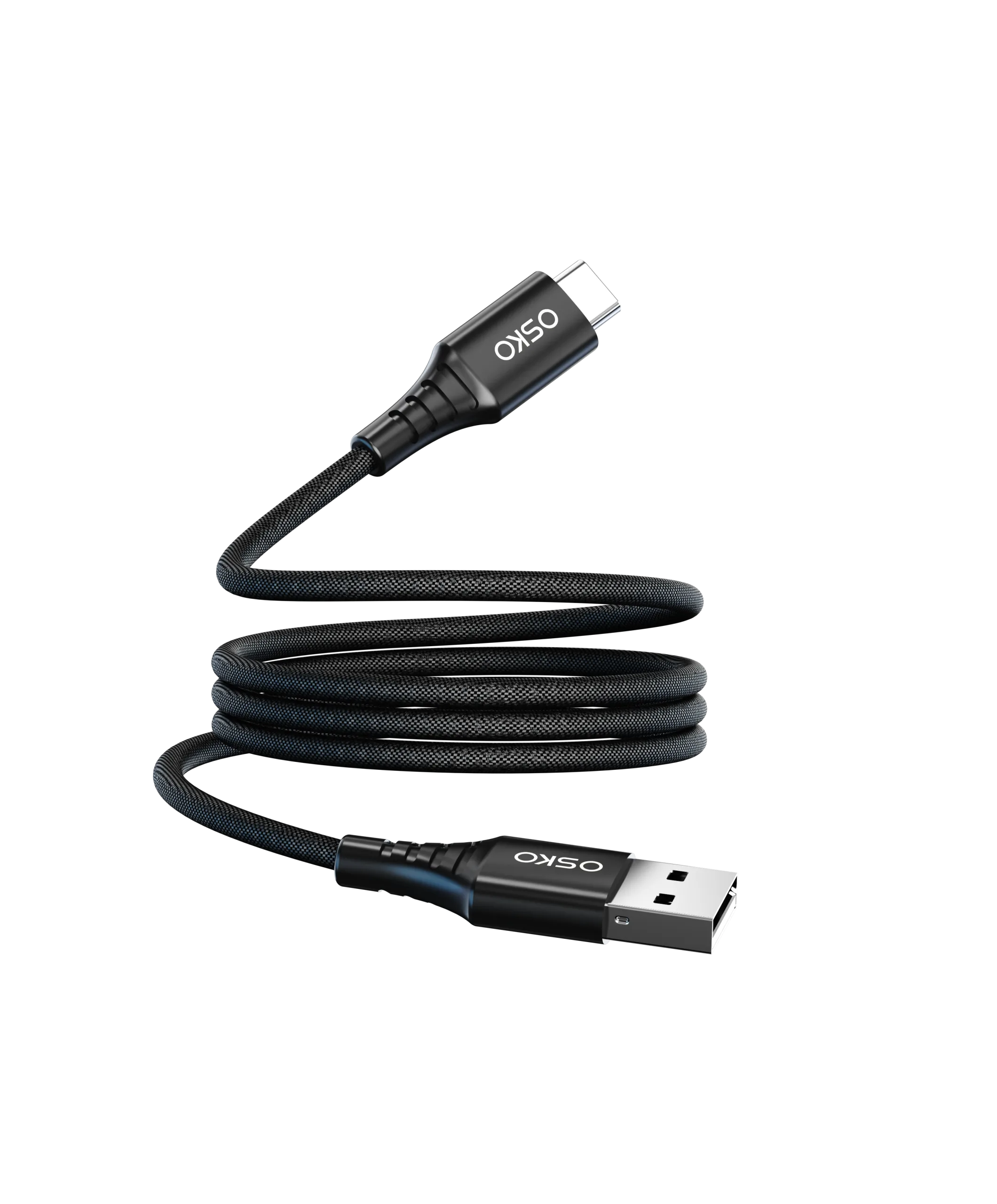
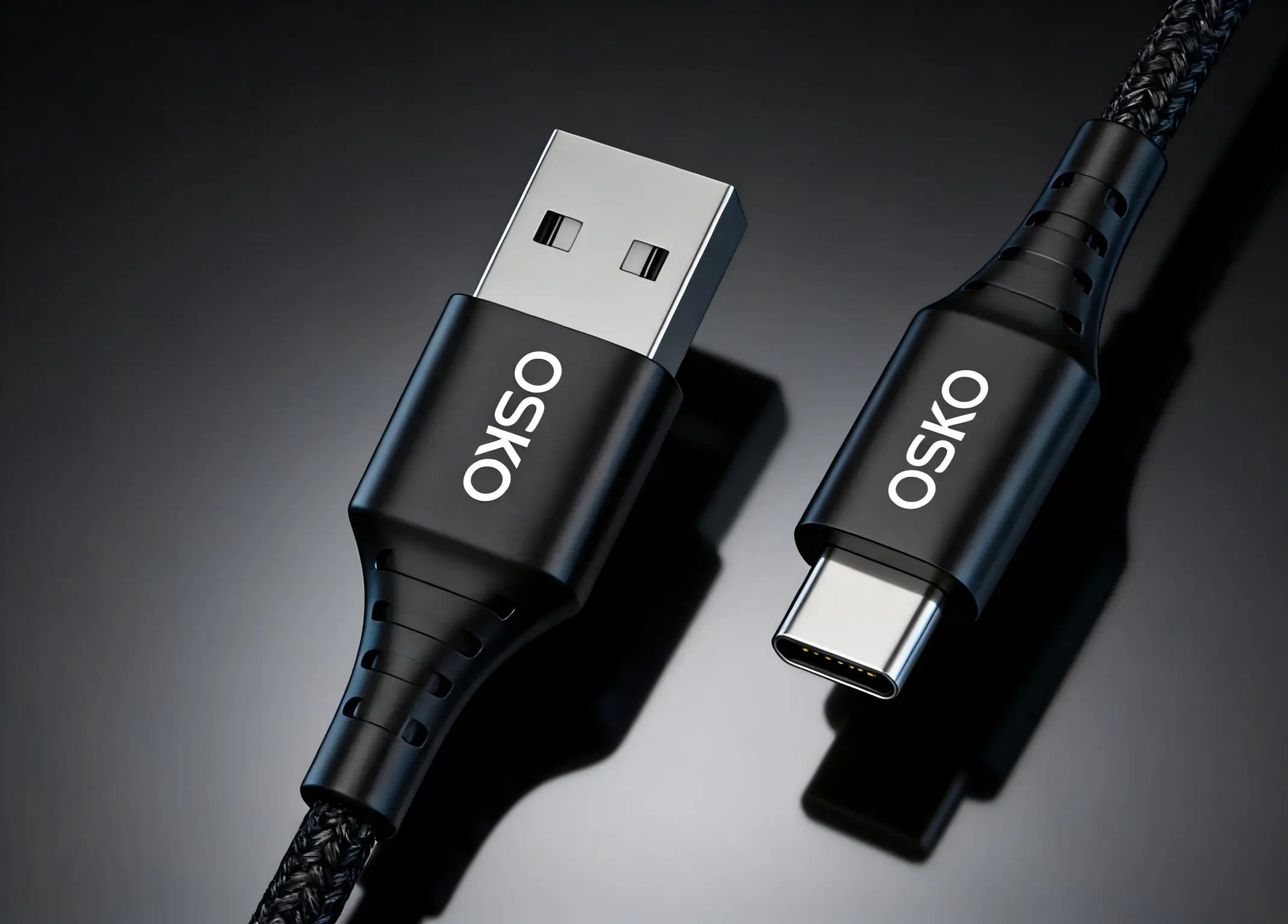
A USB-C to A charging cable connects a USB-A power source with a USB-C device.
The structure includes:
| Connector Side | Function |
|---|---|
| USB-A connector | Connects to charger, computer, car port |
| USB-C connector | Connects to smartphone, tablet, accessory |
| Internal conductors | Transfer power and data |
| Shielding layer | Protects signal quality |
| Outer jacket | Provides durability |
Typical applications include:
Android smartphones
Wireless earbuds
Power banks
Tablets
Car charging systems
Computer accessories
USB-C to A Cable vs USB-C to USB-C Cable
The biggest difference is the power source connection.
| Cable Type | Charger Port | Main Application |
|---|---|---|
| USB-C to A cable | USB-A charger | Existing chargers and car ports |
| USB-C to USB-C cable | USB-C charger | Modern PD charging |
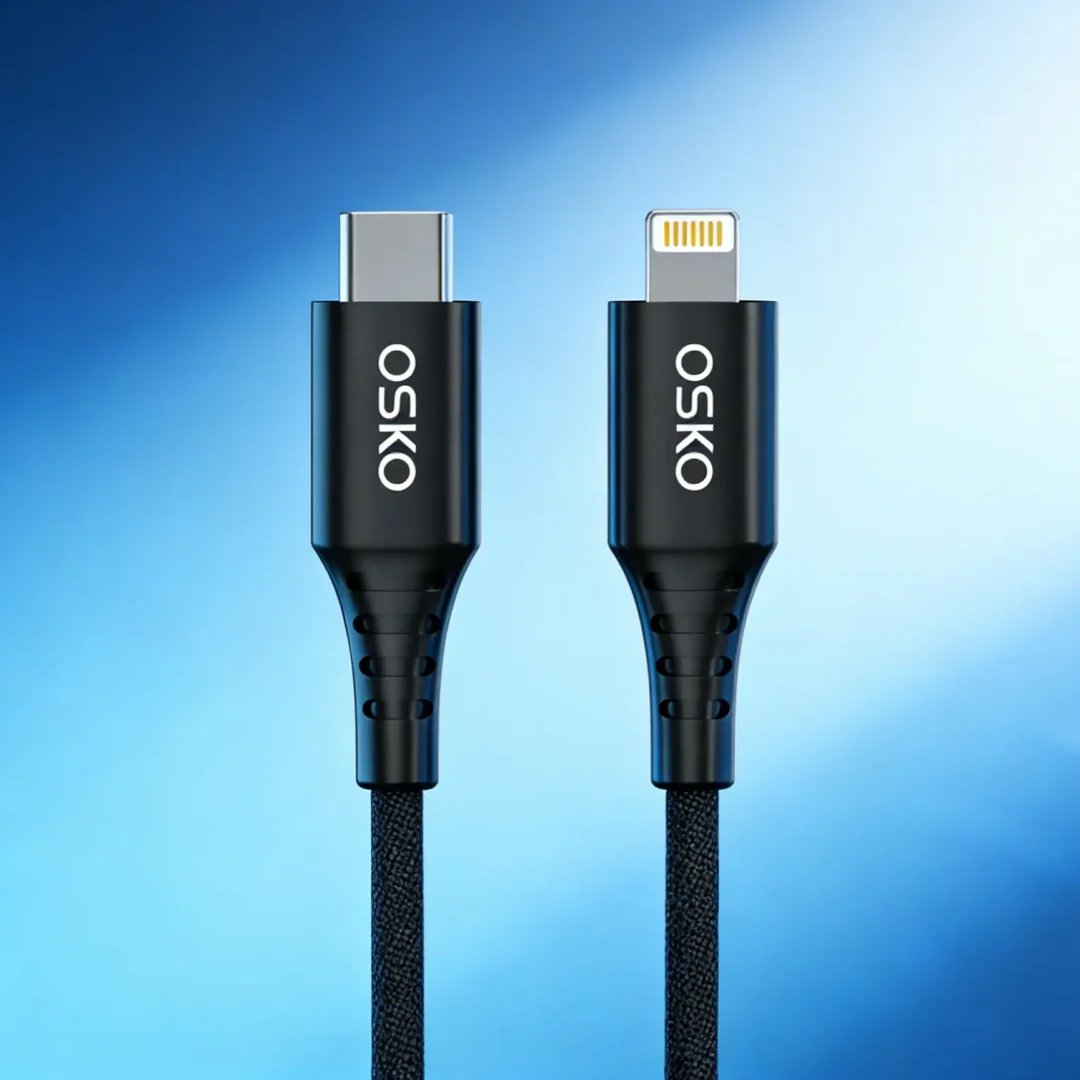
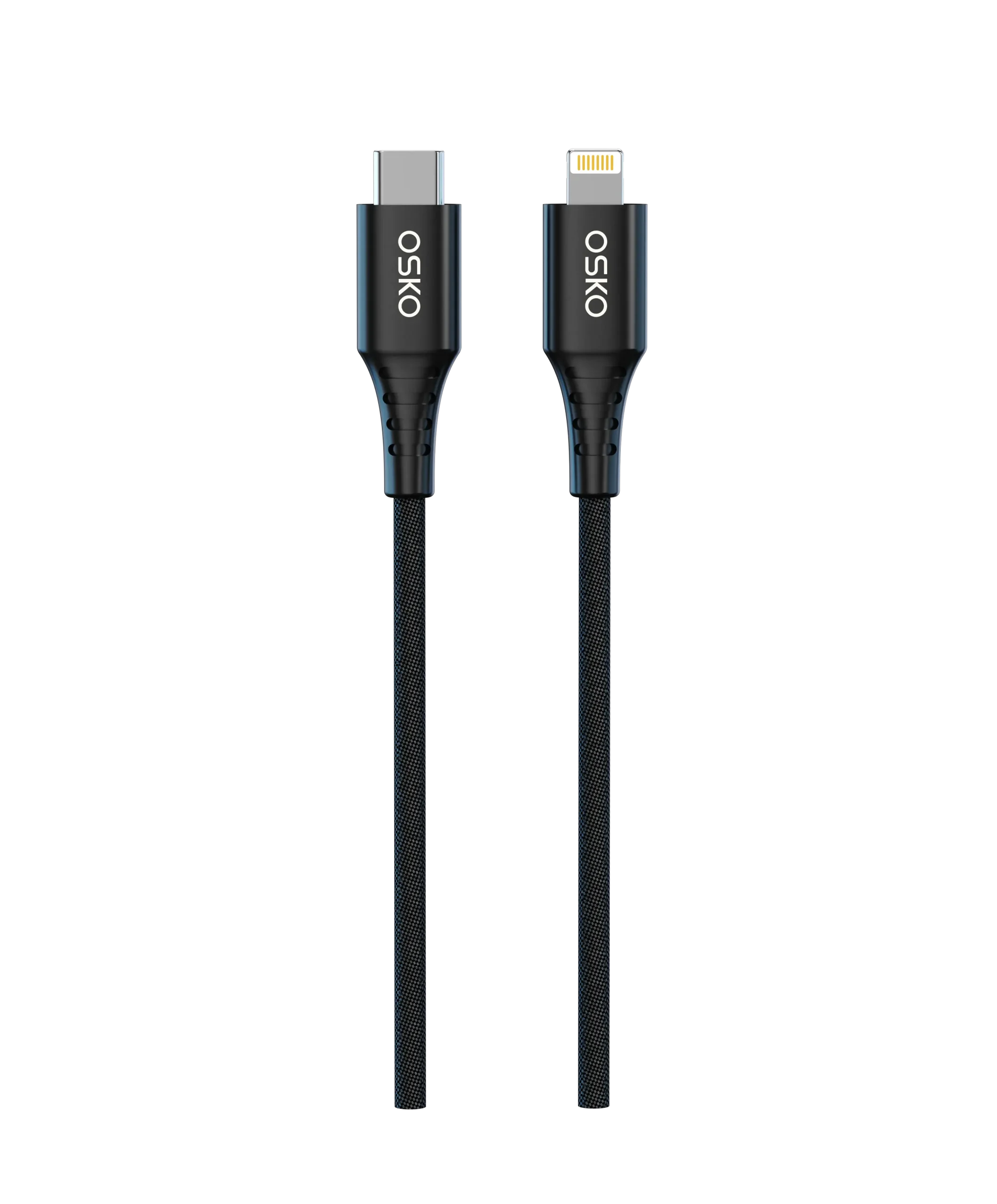
| USB-A to Lightning cable | USB-A charger | Older Apple devices |
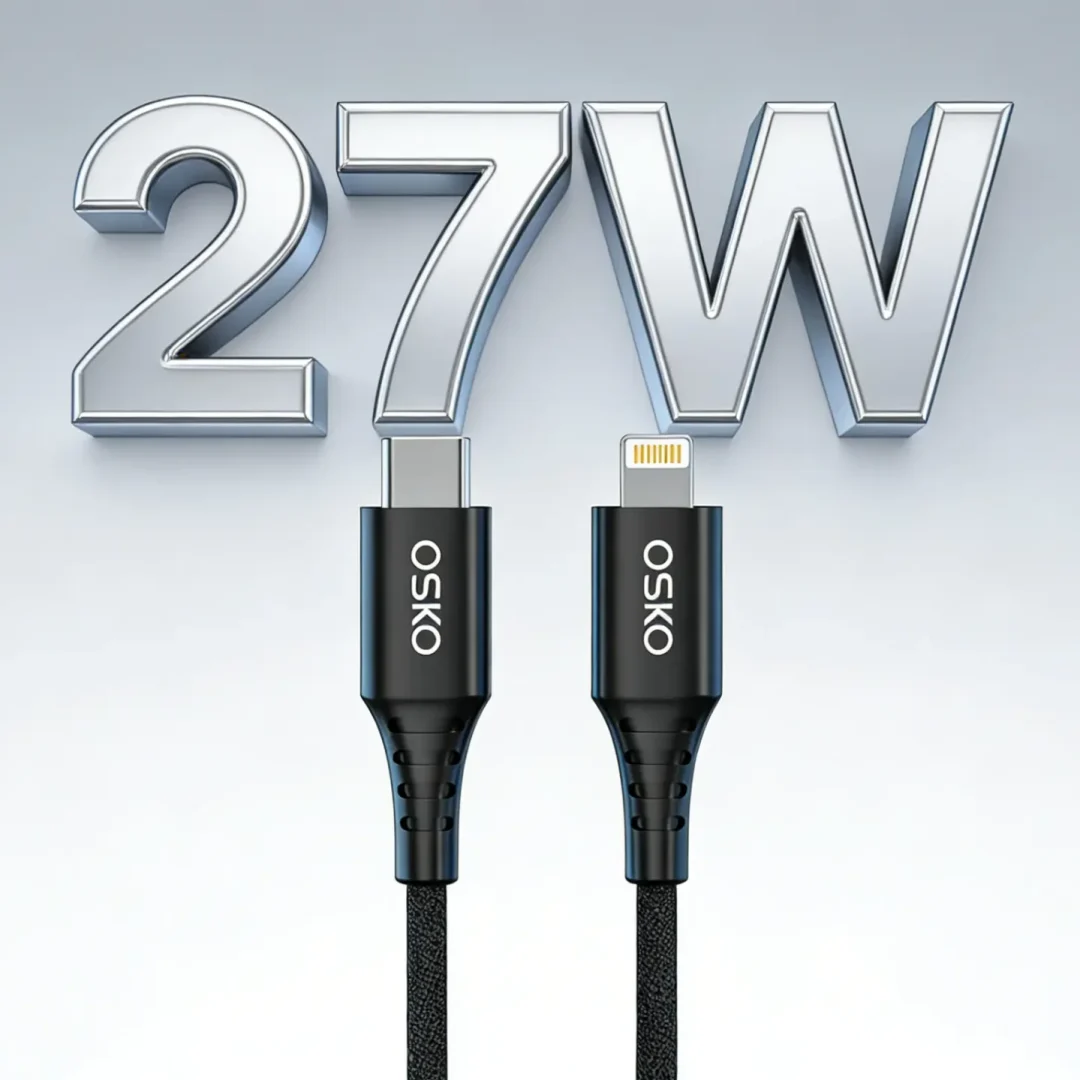
USB-C to USB-C cables generally support higher charging power because USB-C ports can provide advanced USB Power Delivery.
USB-C to A cables remain popular because many users still own USB-A charging equipment.
Charging Speed of USB-C to A Cables
Charging speed depends on the USB-A port and cable design.
Common power levels:
| USB-A Output | Typical Charging Power |
|---|---|
| USB-A 2.0 | 5W |
| USB-A fast charging | 10W–18W |
| USB-A QC charging | Up to around 18W–30W depending on device |
| USB-A high-current charging | Limited compared with USB-C PD |
Unlike USB-C PD cables, USB-A ports usually have lower power capability.
Therefore:
A USB-C to A charging cable is mainly designed for:
Smartphone charging
Tablet charging
Accessories
It is generally not the first choice for high-power laptop charging.
USB-C to A Cable Internal Structure
A quality cable requires careful engineering.
Copper Conductor Design
The internal copper wire affects:
Charging stability
Current transmission
Heat generation
Higher-quality cables use:
Better copper materials
Optimized conductor size
Stable electrical resistance
Poor conductor design may cause:
Slow charging
Excessive heat
Short cable lifespan
Data Transfer Capability
USB-C to A cables can support different data speeds.
| Cable Type | Data Capability |
|---|---|
| Charging-only cable | Power only |
| USB 2.0 cable | Basic data transfer |
| USB 3.x cable | Faster file transfer |
Users should check specifications when connecting:
External drives
Cameras
Computers
Backup devices
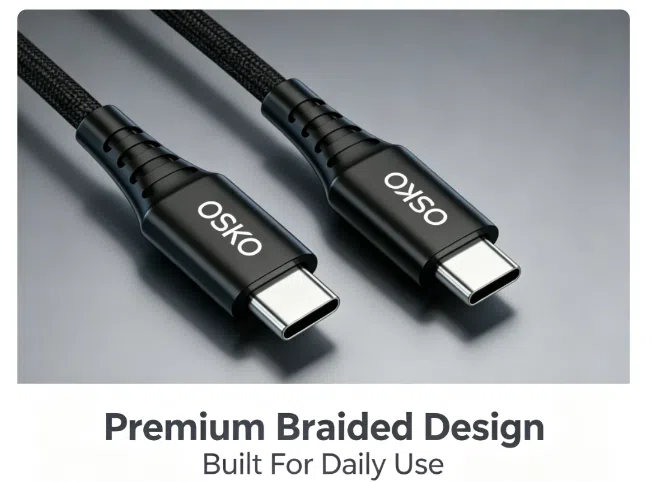
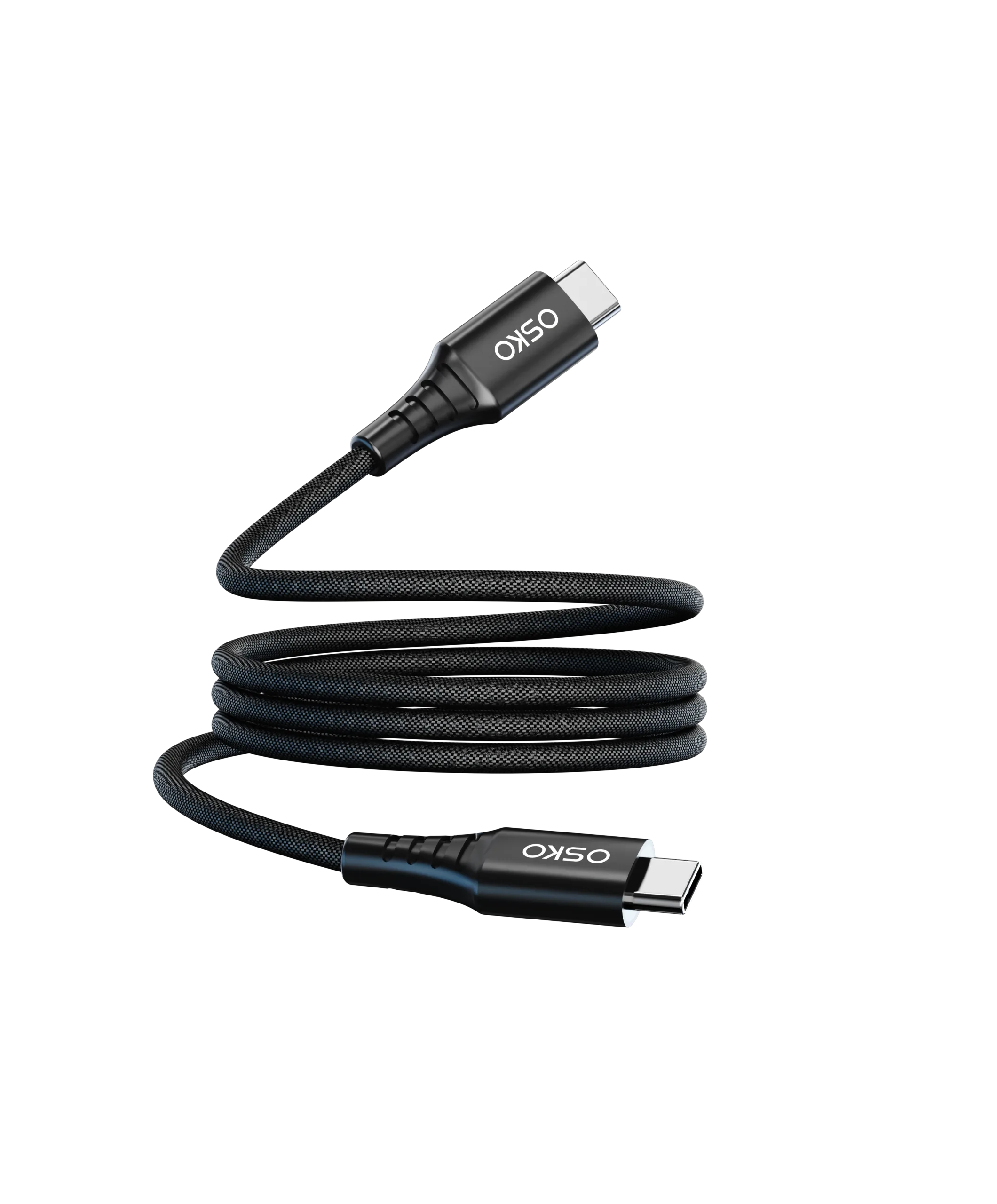
Braided USB-C to A Cable Design
Cable durability is important for daily charging.
A nylon braided USB-C to A cable provides:
Better abrasion resistance
Improved flexibility
Reduced tangling
Longer service life
Common applications:
Travel USB cable
Car charging cable
Desk charging cable
Home USB cable
Many brands select a braided USB cable supplier for premium retail products.
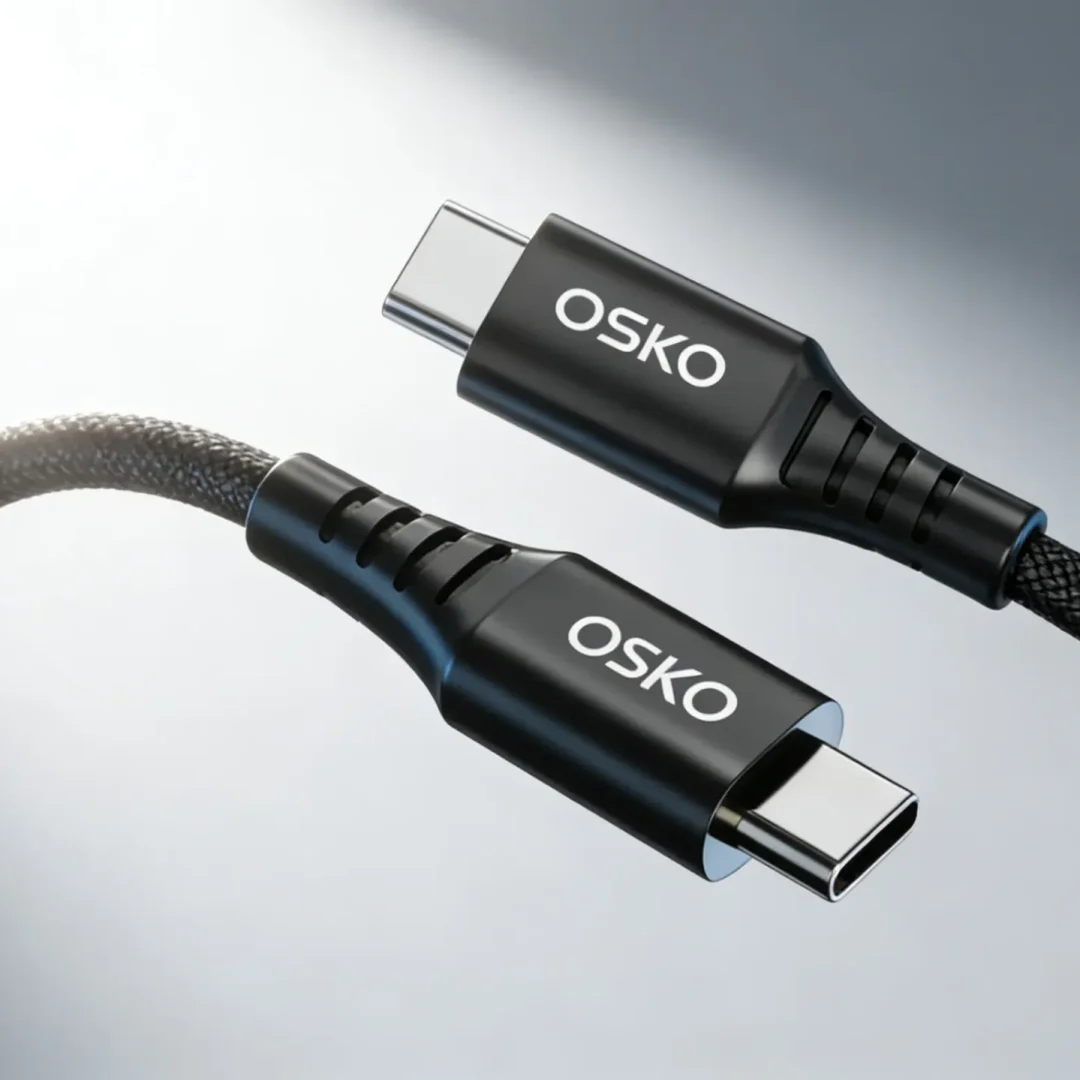
Connector Engineering
USB connectors experience frequent mechanical stress.
A reliable cable should include:
Reinforced connector housing
Strong solder joints
Flexible strain relief
Durable metal contacts
Common failure points:
Connector bending
Internal wire breakage
Loose connection
USB-C to A Cable Applications
USB-C to A charging cables are widely used in different industries.
| Industry | Application |
|---|---|
| Consumer electronics | Android charging |
| Automotive | Car USB charging |
| Home accessories | Daily charging |
| Office equipment | Computer connection |
| Retail accessories | Packaged charging products |
| Travel products | Portable charging |
Case Study
US Retail Brand Develops USB-C to A Charging Cable Series
Customer Background
A North American electronics retailer wanted to expand its charging accessory category.
Target customers:
Android phone users
Car owners
Office users
Home charging users
Required products:
Standard USB-C to A cable
Braided premium version
Multiple lengths
Custom packaging
Customer Challenges
The brand previously purchased low-cost cables.
Problems included:
Inconsistent charging performance
High return rates
Poor connector durability
Limited customization options
The company needed a stable supplier capable of supporting retail requirements.
OSKO Solution
OSKO developed a product range covering different applications.
| Product | Design | Application |
|---|---|---|
| Standard USB-C to A cable | TPU jacket | Home charging |
| Braided USB-C to A cable | Nylon braided | Premium retail |
| Short cable | Compact design | Power bank use |
| Long cable | Reinforced structure | Desk and car use |
The project supported:
OEM USB cable manufacturing
ODM USB cable development
Bulk USB cables
Retail USB cable solutions
Selection Guide
How to Choose the Right USB-C to A Charging Cable
Check Device Compatibility
Confirm:
Device connector type
Charger port type
Required charging speed
Suitable devices:
Android phones
Tablets
Wireless accessories
Power banks
Choose the Correct Length
| Length | Application |
|---|---|
| 0.5ft | Short connections |
| 3ft | Daily charging |
| 6ft | Desk charging |
| 10ft | Large spaces |
For special requirements, manufacturers can provide:
Bulk short 0.5ft braided Type C cables OEM
and
Bulk custom 6ft 10ft USB-C cables
Choose Cable Material
| Material | Feature |
|---|---|
| PVC | Cost-effective |
| TPU | Flexible |
| Nylon braided | Durable and premium |
For retail products, braided designs usually provide better customer experience.
Evaluate Manufacturer Capability
For wholesale buyers, check:
Production capacity
Quality testing
Certification support
Custom packaging ability
Professional suppliers can provide:
OEM USB-C cable manufacturer
ODM USB cable supplier
USB cable wholesale supplier
Private label charging cable solutions
FAQ
Can a USB-C to A cable fast charge a phone?
Yes, if the charger and device support compatible fast charging protocols.
Is USB-C to A better than USB-C to USB-C?
USB-C to USB-C generally supports higher charging power, while USB-C to A is useful for existing USB-A chargers and car ports.
Can USB-C to A cables charge laptops?
Most are not designed for modern laptop charging because USB-A power output is limited.
Why is my USB-C to A cable charging slowly?
Why is my USB-C to A cable charging slowly?
Possible reasons include:
Low-power charger
Poor cable quality
Unsupported fast charging protocol
Damaged connector
Are braided USB-C to A cables more durable?
Yes. Braided cables usually provide better resistance to bending and abrasion.
Summary
A USB-C to A charging cable remains an important charging solution because many users still rely on USB-A chargers in cars, offices, and homes.
When choosing the right cable, consider:
Charger compatibility
Charging speed requirements
Cable length
Internal conductor quality
Connector durability
Material design
USB-C to A cables are ideal for:
Android charging
Automotive charging
Home charging
Office accessories
Retail products
For brands, distributors, and wholesalers, working with an experienced USB-C cable manufacturer ensures reliable production, customization flexibility, and consistent quality for global markets.
Contact Information
OSKO provides professional USB cable manufacturing solutions:
USB-C charging cables
Braided charging cables
Fast charging cable solutions
OEM and ODM USB cable production
Private label USB cables
Custom length and packaging services