
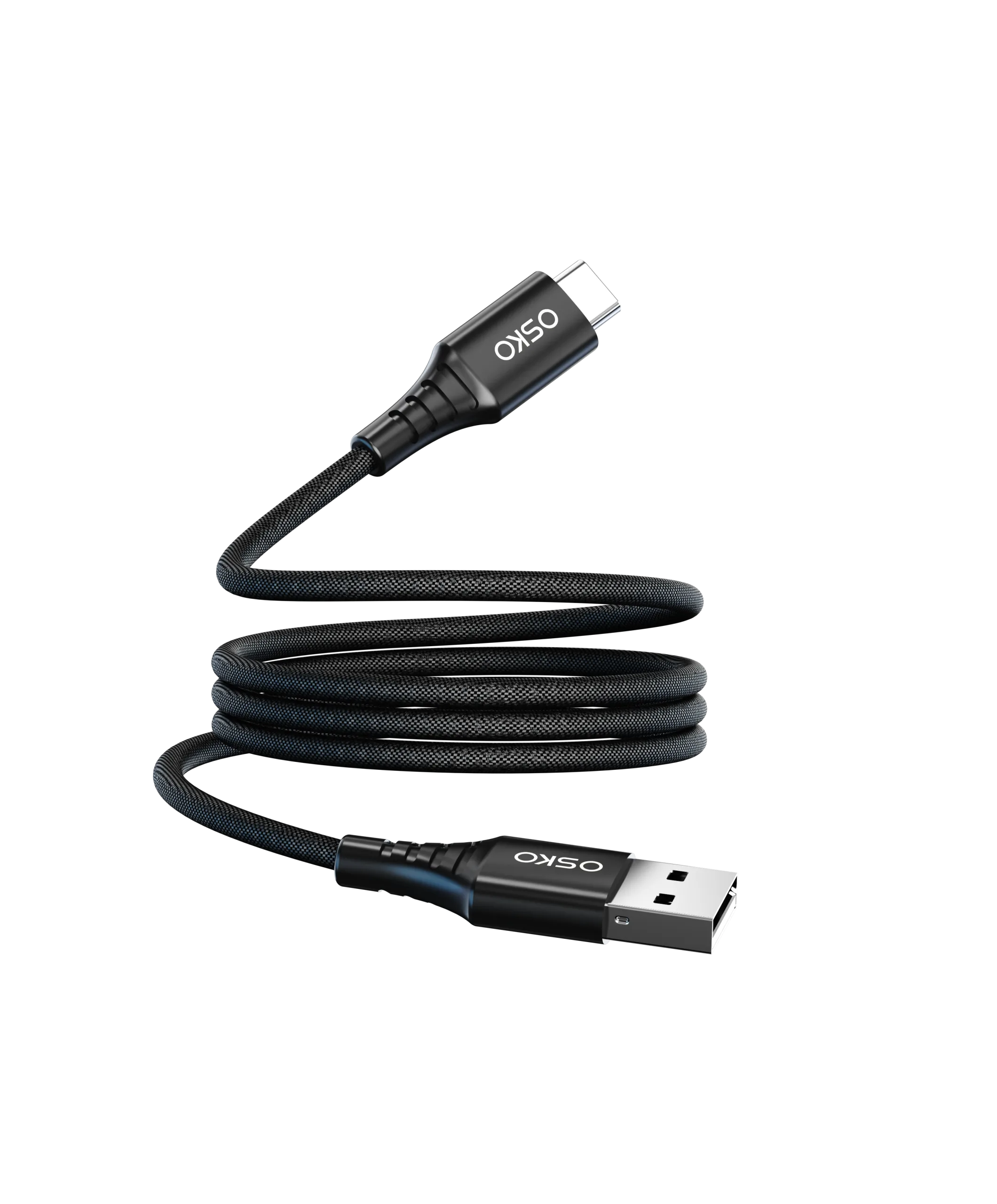
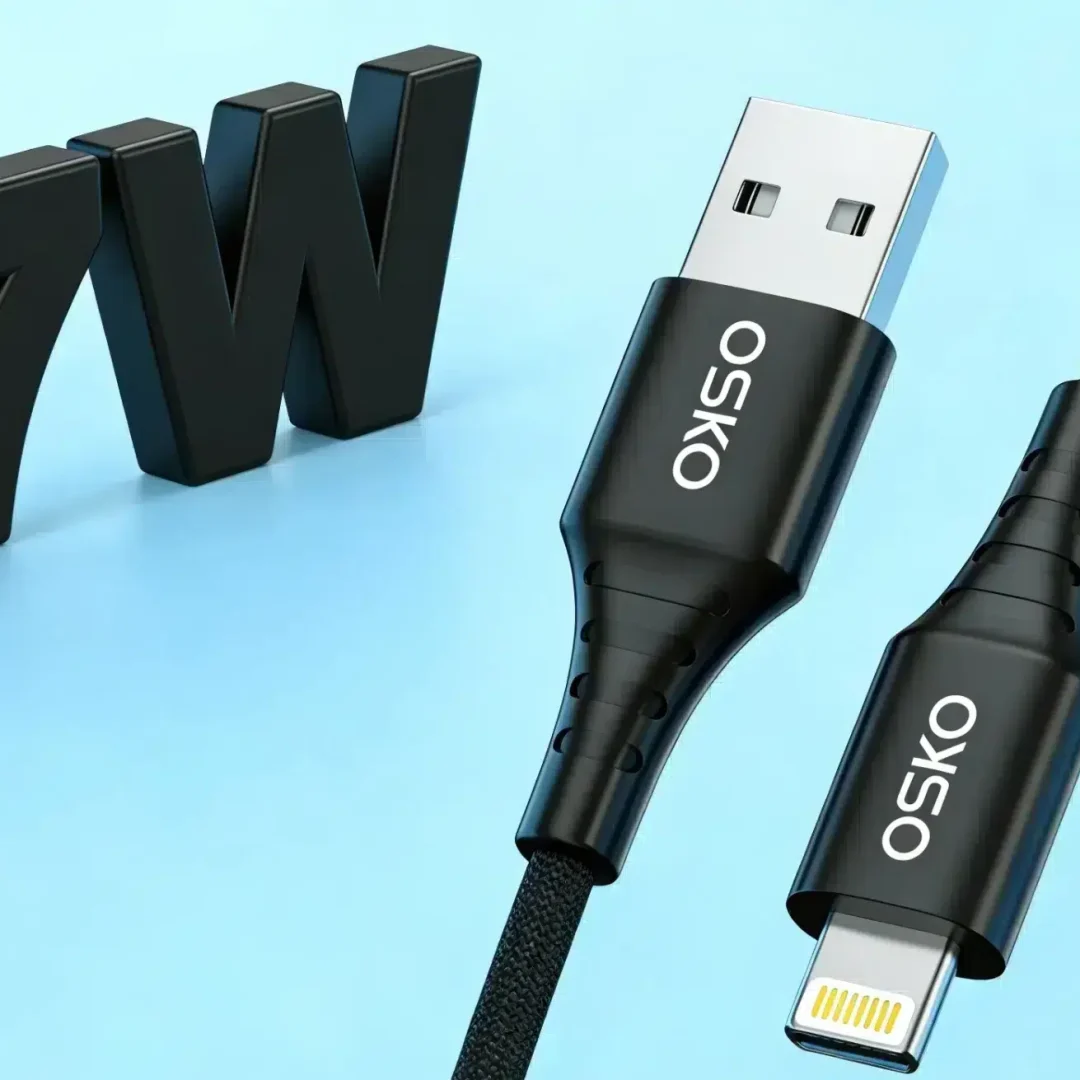
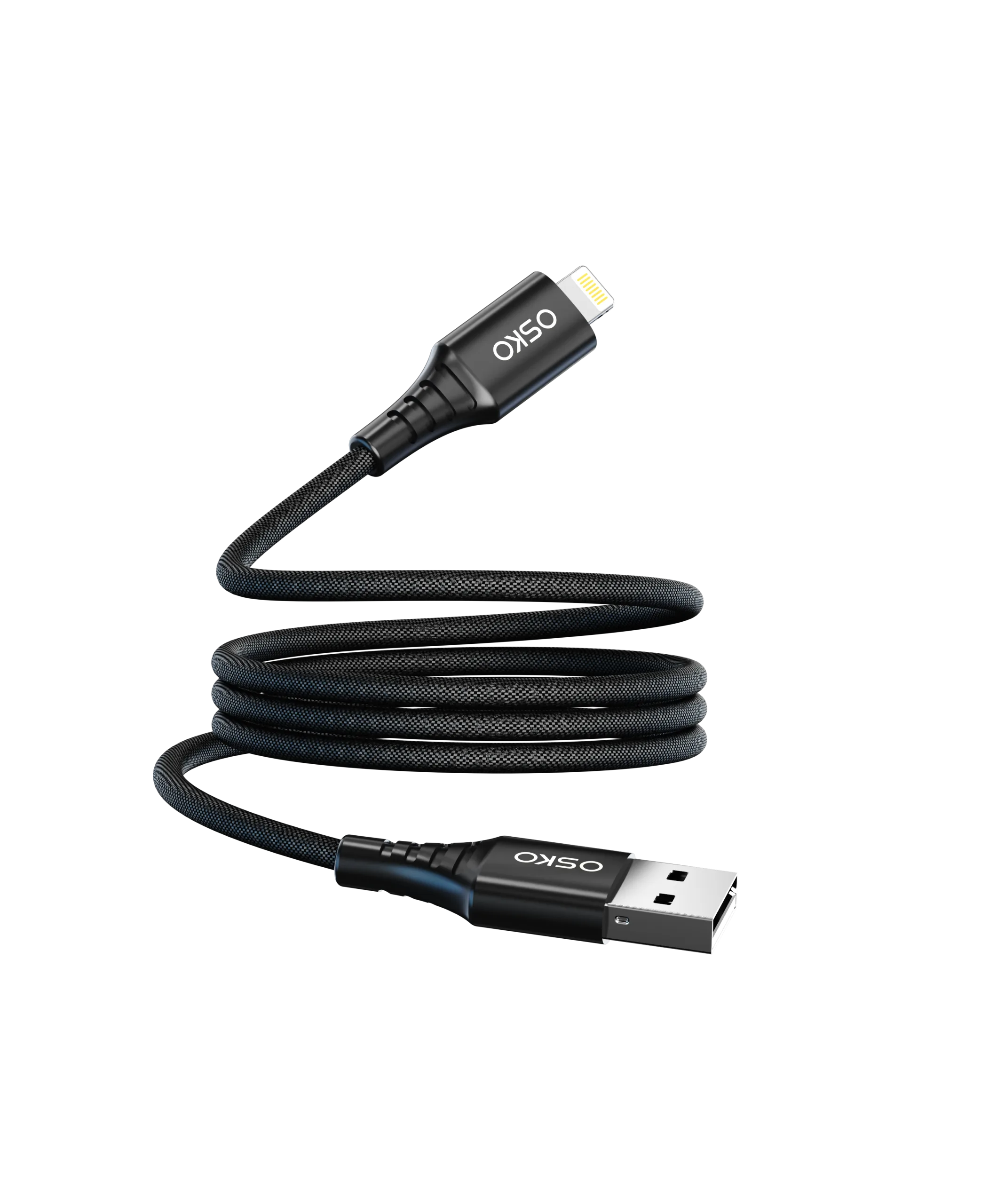
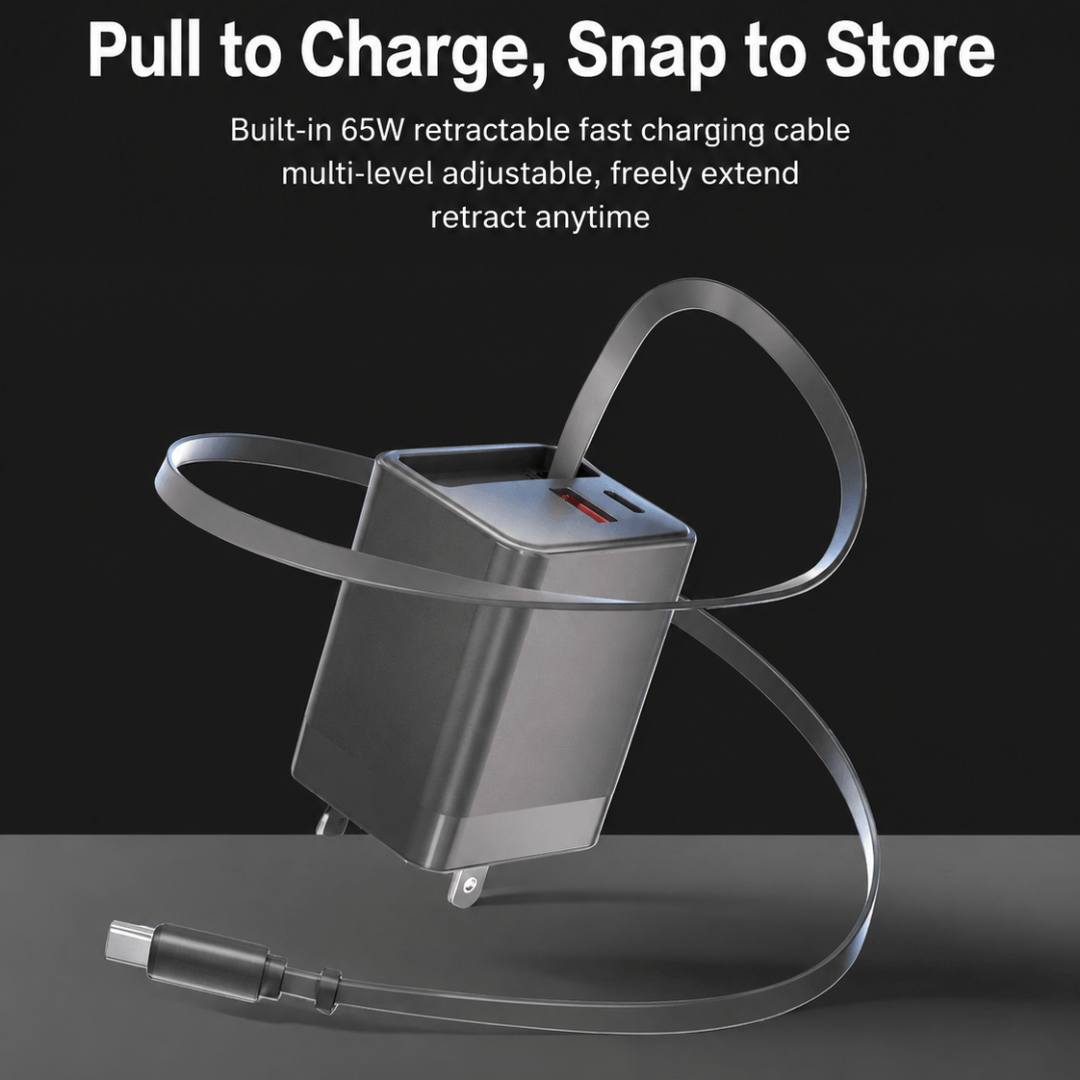
Introduction: Understanding USB-C to Lightning Connectivity
As Apple continues moving toward USB-C technology, many iPhone users still rely on devices equipped with the traditional Lightning connector. This transition has created a common question: What is the best way to connect Lightning devices with modern USB-C chargers and accessories?
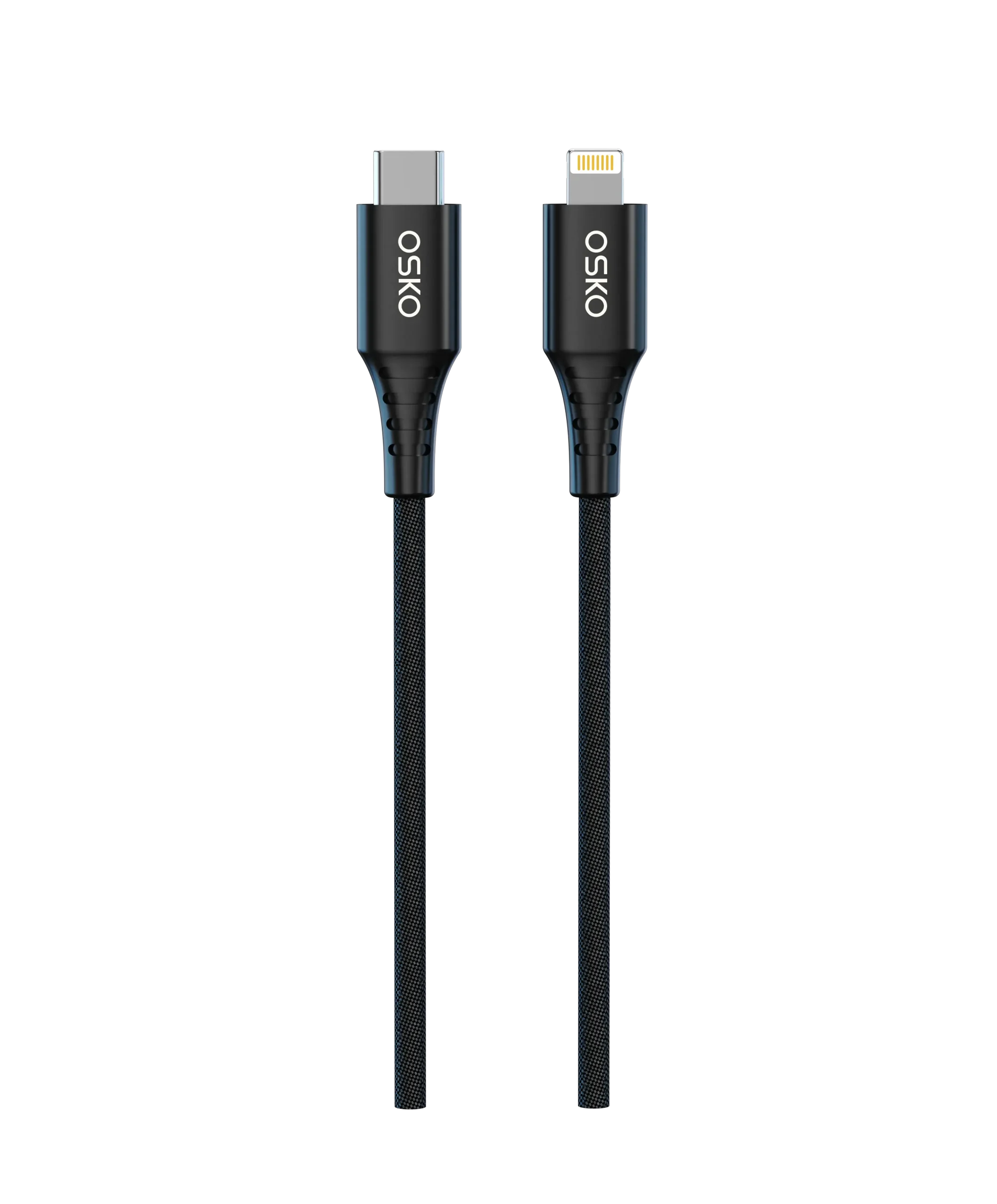
A USB-C to Lightning adapter provides a simple bridge between these two connector standards, allowing users to connect existing iPhones, iPads, and accessories with USB-C power sources. However, for users who need faster charging, better reliability, and long-term durability, a dedicated USB-C to Lightning cable is often a more practical solution.
Understanding the differences between USB-C and Lightning technology helps consumers, retailers, and procurement teams choose the right charging solution. Whether you are searching for the best USB-C to Lightning cable for iPhone, sourcing MFi certified Lightning cables, or purchasing cables for wholesale distribution, choosing the correct product specification directly affects charging performance and customer satisfaction.
What Is a USB-C to Lightning Adapter?
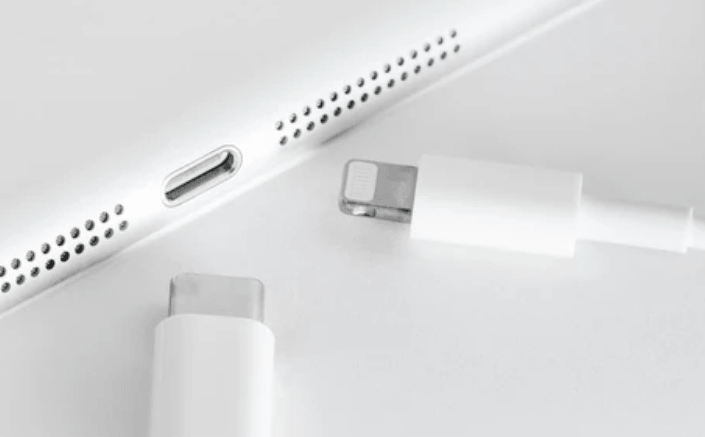
A USB-C to Lightning adapter is a compact accessory designed to connect Apple devices with a Lightning port to USB-C-based chargers, cables, or accessories.
For example, users can connect:
iPhone with Lightning port + USB-C charger
iPad with Lightning connector + USB-C accessories
Lightning earphones + USB-C devices
The adapter works as a connection bridge, allowing power transfer, data synchronization, and certain accessory functions.
Unlike traditional USB-A chargers, USB-C power sources support modern charging technologies such as USB Power Delivery (USB PD). This enables compatible iPhones to charge faster when paired with the correct adapter and charger combination.
However, adapters also introduce an additional connection point. For daily charging, a direct USB-C to Lightning cable usually provides better stability, lower signal loss, and improved durability.
USB-C to Lightning Adapter vs USB-C to Lightning Cable: Key Differences
Although both solutions connect USB-C and Lightning devices, their applications are different.
1. Connection Reliability
A USB-C to Lightning adapter requires users to connect:
USB-C charger → adapter → Lightning cable → iPhone
This creates multiple contact points.
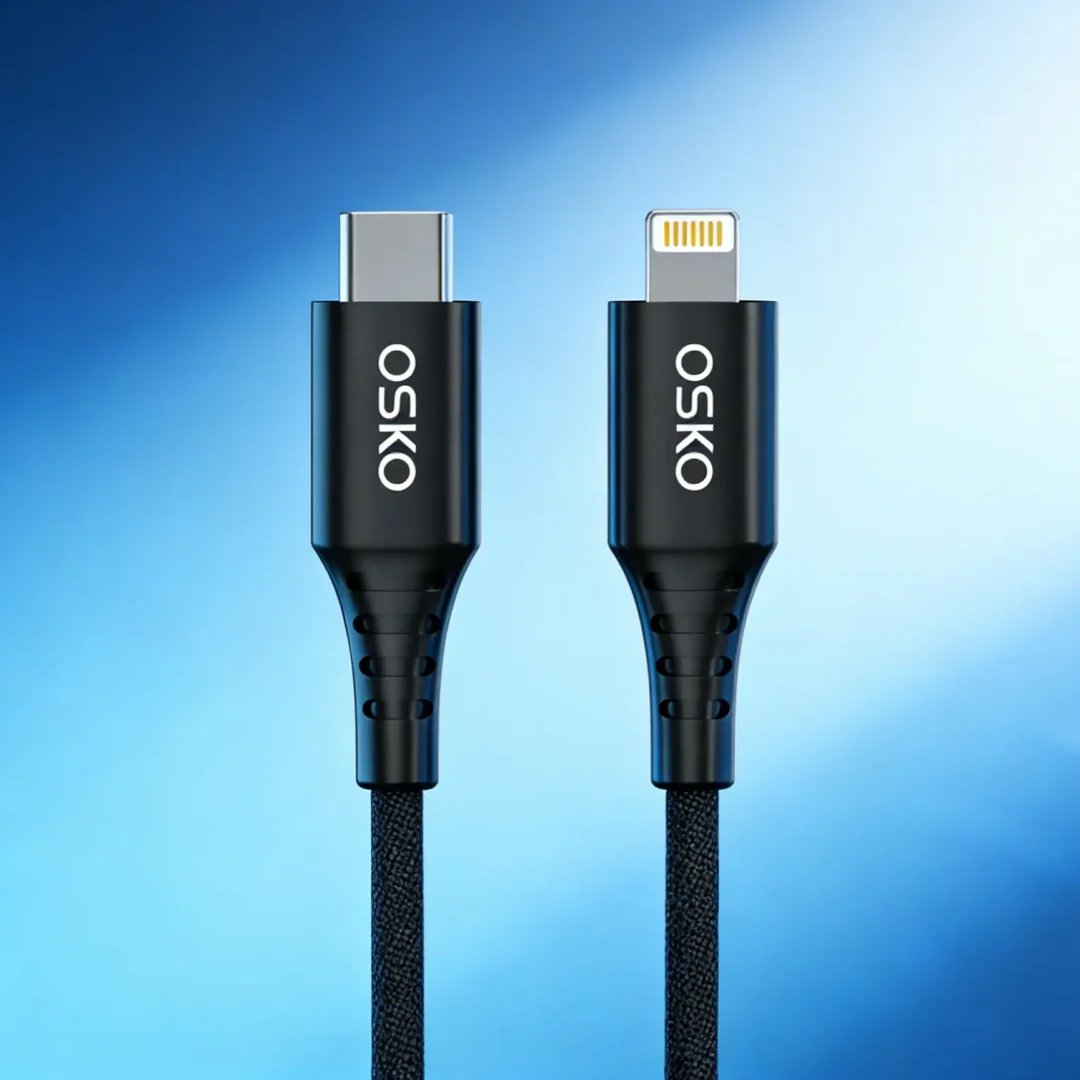
A USB-C to Lightning cable uses a direct connection:
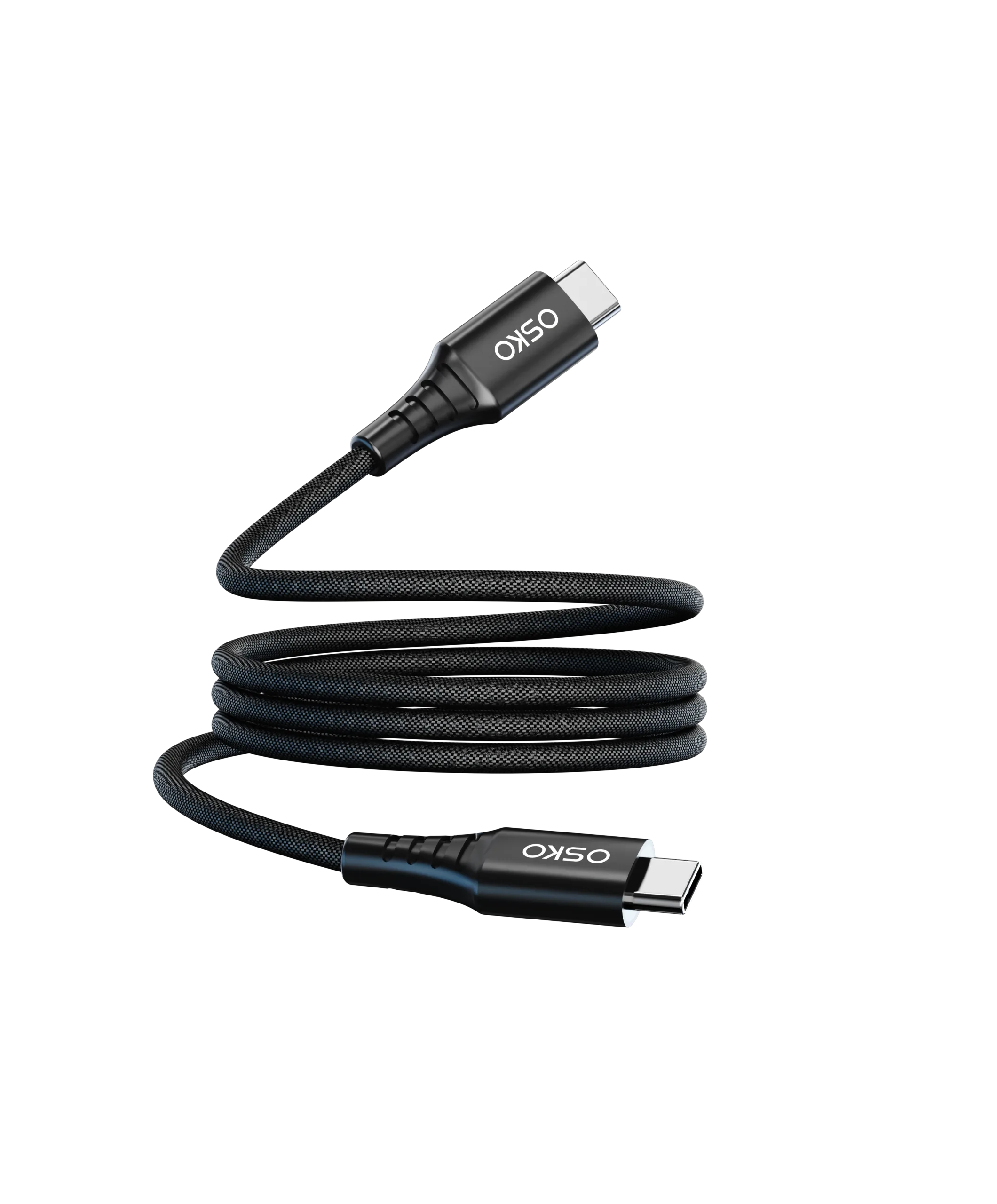
USB-C charger → USB-C to Lightning cable → iPhone
With fewer connection points, direct cables generally provide better electrical stability and reduce the risk of loose connections.
For users who charge their iPhone several times every day, a high-quality Lightning charging cable is usually the better option.
2. Charging Performance
Charging speed depends on three factors:
Charger output power
Cable capability
Device charging protocol
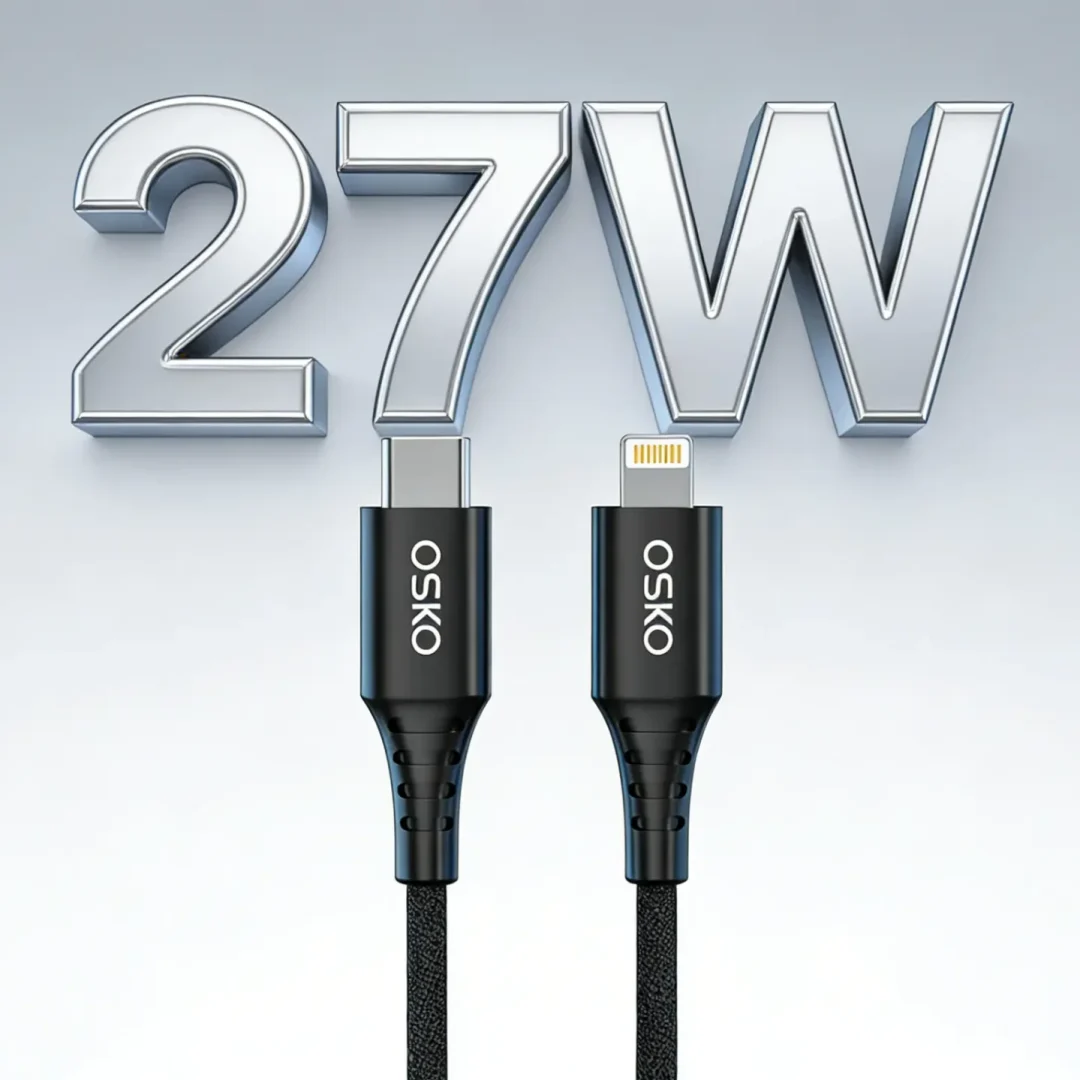
A standard Lightning cable may not support modern fast charging. A USB-C to Lightning fast charging cable paired with a USB-C PD charger can significantly improve charging efficiency.
For compatible iPhone models, fast charging technology can deliver approximately 50% battery capacity within around 30 minutes when using a suitable charger and cable combination.
A quality cable should include:
Proper power management
Stable current transmission
Heat-resistant materials
Reliable connector design
For this reason, professional cable manufacturers focus heavily on conductor quality, insulation materials, shielding, and connector reliability.

USB-C vs Lightning: Technical Comparison
Power Delivery Capability
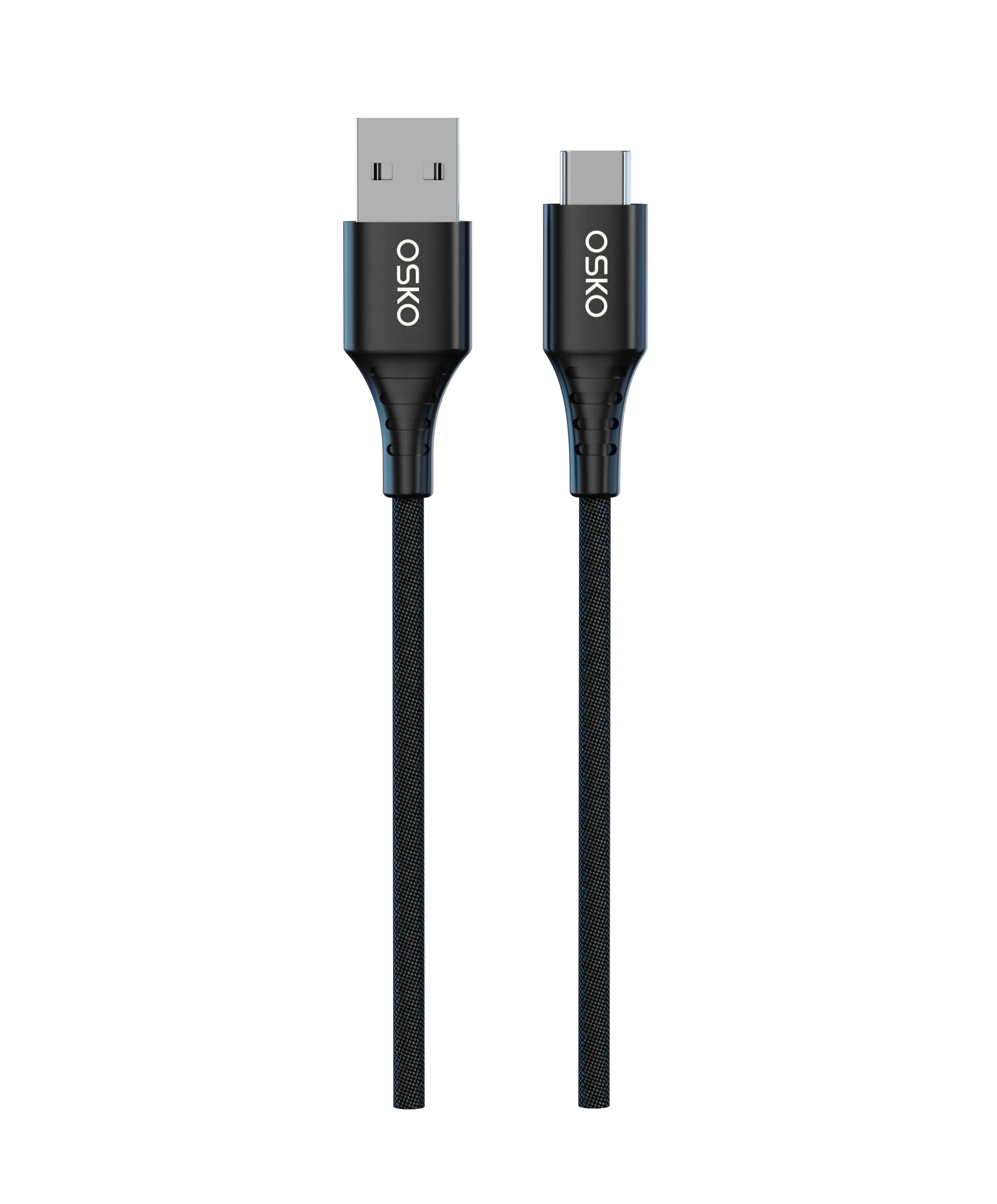
USB-C was designed as a universal connector standard supporting higher power delivery.
With USB Power Delivery technology, USB-C cables can support much higher wattage levels, making them suitable for:
Smartphones
Tablets
Laptops
Monitors
Lightning connectors were designed specifically for Apple’s mobile ecosystem. They provide reliable charging performance but have limitations compared with USB-C regarding power capacity and versatility.
For users upgrading their charging setup, USB-C provides better future compatibility.
Data Transfer Speed
Data transfer performance is another important difference.
Traditional Lightning cables commonly support USB 2.0 speeds:
Data transfer speed: up to 480 Mbps
USB-C technology supports multiple standards:
USB 2.0: up to 480 Mbps
USB 3.2: up to 20 Gbps
USB4: up to 40 Gbps
For users transferring large files, videos, or professional media content, USB-C offers significantly better performance.
Device Compatibility
Lightning remains common in older Apple devices, including:
iPhone models before iPhone 15
Older iPads
AirPods charging cases
Apple accessories
USB-C is now widely used in:
iPhone 15 series and newer
MacBook
iPad Pro
Android smartphones
Windows laptops
Gaming devices
For businesses managing multiple product categories, USB-C provides a more universal solution.
Engineering Case Study: Developing Durable USB-C to Lightning Cables for Retail Distribution
A European electronics distributor approached OSKO with a requirement for a reliable MFi certified USB-C to Lightning cable designed for retail channels in Germany and the Netherlands.
The main challenges included:
High customer return rates caused by weak connector joints
Cable damage near the Lightning head
Demand for fast charging compatibility
Requirement for premium retail appearance
OSKO engineering team optimized the cable structure with:
Reinforced connector stress points
High-purity copper conductors
Multi-layer insulation protection
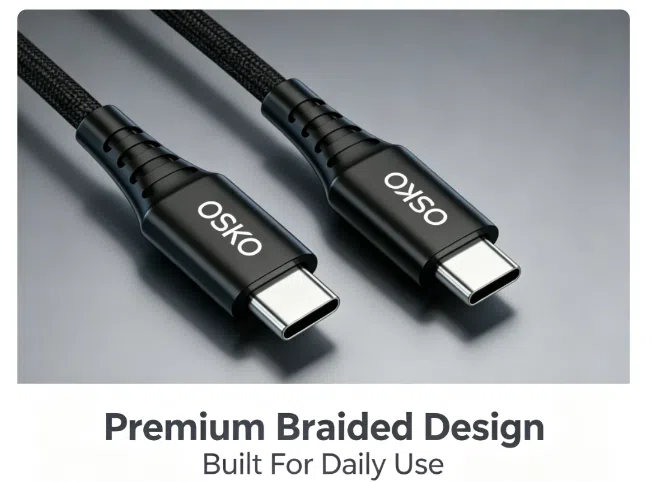
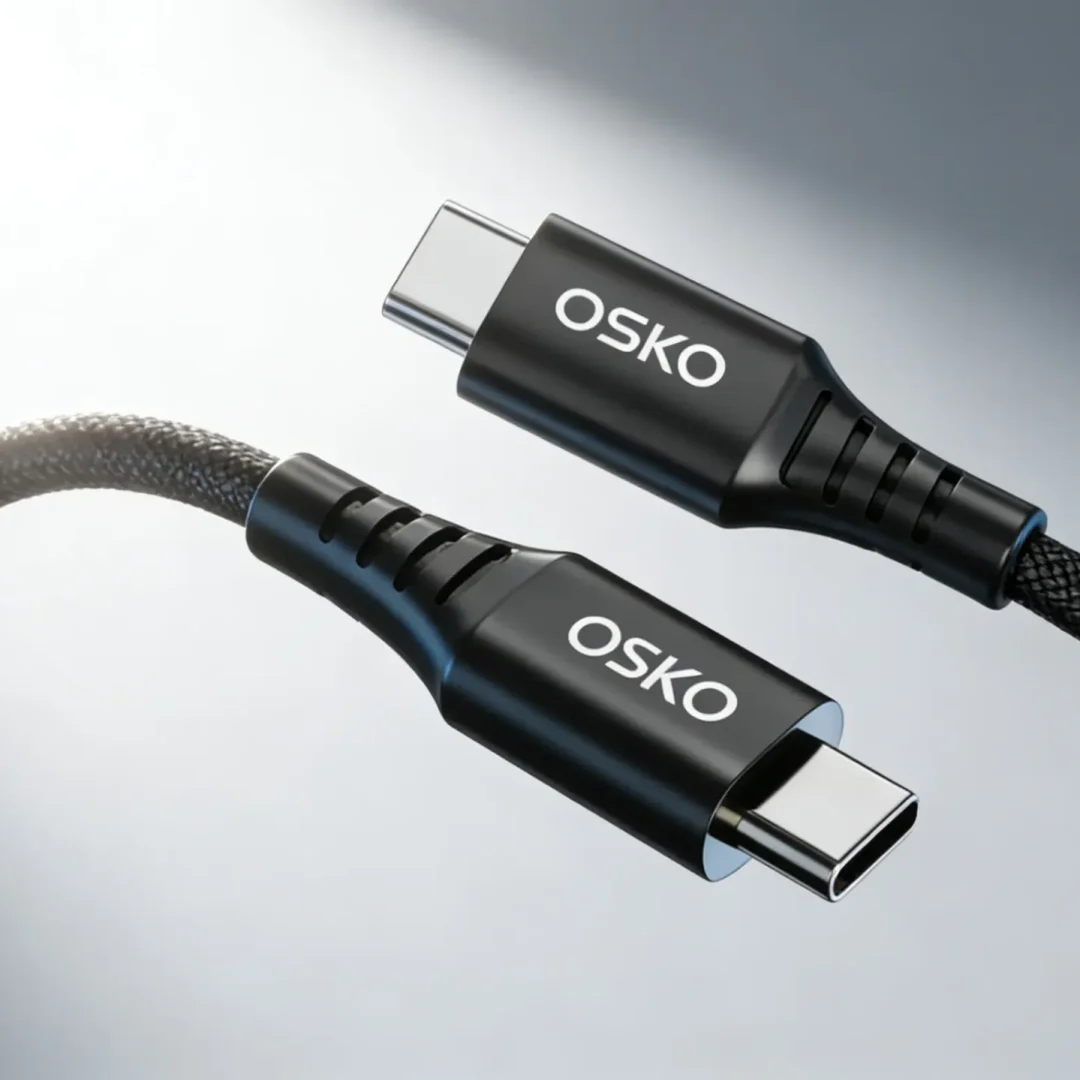
Nylon braided outer jacket
Improved bending resistance testing
The final production solution achieved:
Stable fast charging performance
Improved mechanical durability
Premium consumer appearance
Consistent OEM production quality
This case demonstrates why selecting an experienced USB cable manufacturer is important for brands and distributors looking for reliable Lightning cable products.
How to Choose the Best USB-C to Lightning Cable for iPhone
When selecting a Lightning charging cable, consider the following factors.
1. Check MFi Certification
For Apple-compatible products, MFi certification is an important quality indicator.
A certified cable is designed according to Apple’s requirements for:
Device compatibility
Charging stability
Safety standards
For retailers and wholesalers, sourcing from an experienced MFi certified cable manufacturer helps reduce customer complaints and warranty issues.
2. Select the Right Charging Power
Different cables support different charging capabilities.
Common options include:
Standard charging cables
Fast charging USB-C to Lightning cables
High durability braided Lightning cables
Users who own newer iPhones should choose cables designed for fast charging performance.
3. Consider Cable Material and Durability
Cable lifespan depends heavily on construction quality.
Premium cables often use:
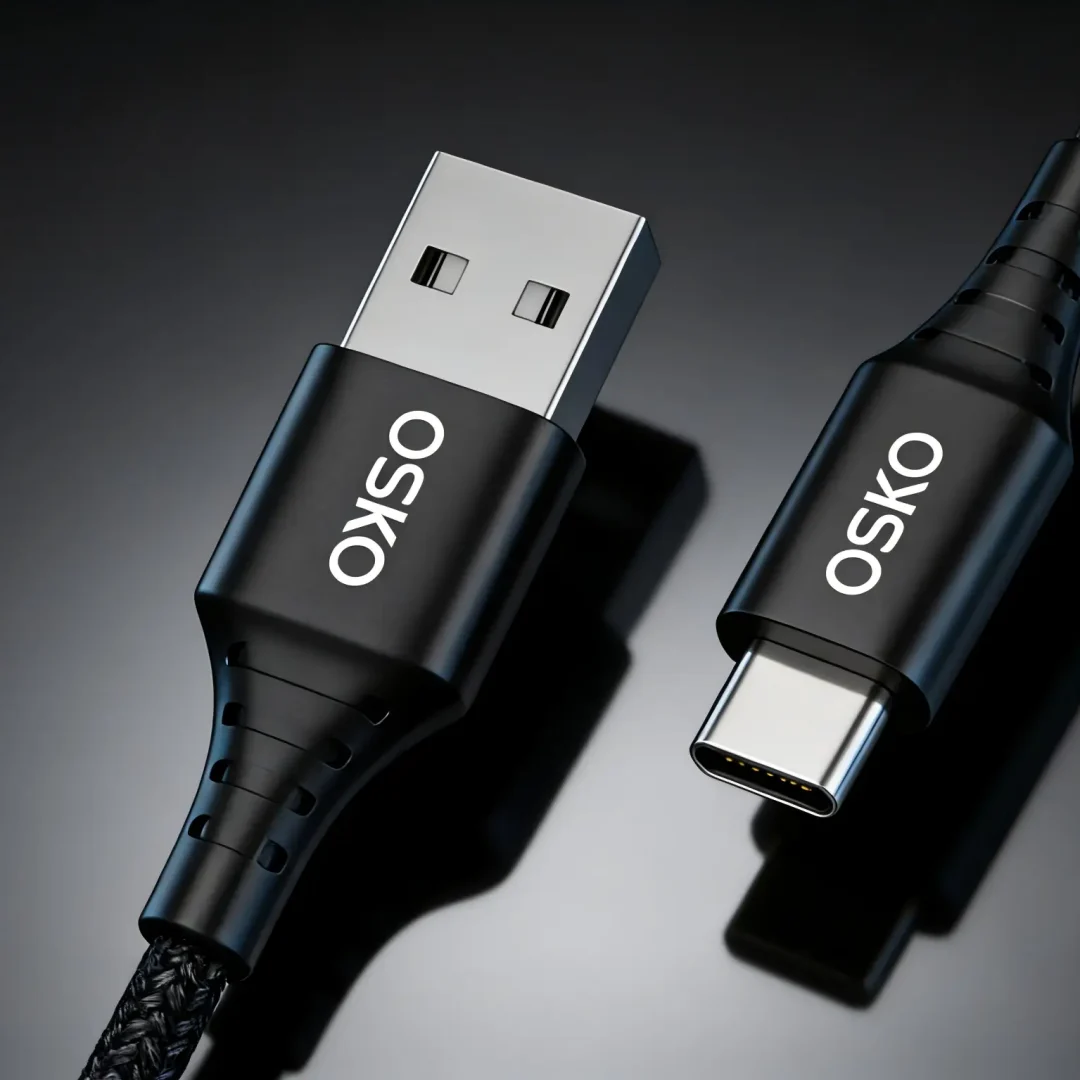
Nylon braided jacket
TPE insulation
Reinforced connectors
Flexible internal structure
A durable Lightning cable should withstand repeated bending, pulling, and daily usage.
4. Choose the Correct Cable Length
Different environments require different cable lengths.
Common choices:
1m cable: everyday charging
1.8m/6ft cable: bedroom, office, travel
Custom lengths: commercial and OEM applications
For retail markets in the US, Germany, Australia, and Netherlands, longer braided cables are popular because users prefer flexible charging locations.
Why Choose OSKO USB-C to Lightning Cable Solutions?
OSKO specializes in manufacturing professional USB charging solutions, including:
USB-C to Lightning cables
Custom OEM USB cables
With factory-based production capabilities, OSKO supports:
Custom cable length
Logo printing
Packaging customization
Bulk wholesale orders
Engineering support
For brands, distributors, and importers searching for a reliable OEM Lightning cable supplier, manufacturing quality and consistency are essential factors.
USB-C to Lightning Cable Buying Guide for Different Users
For Individual iPhone Users
Choose:
MFi certified cable
Fast charging support
Durable braided jacket
Suitable cable length
A reliable cable improves daily charging experience and reduces replacement frequency.
For Retailers
Focus on:
Attractive packaging
Stable quality
Competitive wholesale pricing
Customer demand trends
Retail customers increasingly search for:
“best Lightning cable for iPhone fast charging”
and
“durable USB-C to Lightning cable”.
For Importers and Distributors
Important factors include:
Factory production capability
Quality control system
Customization options
MOQ requirements
Working directly with manufacturers helps create stronger margins and consistent supply.
Conclusion: Choosing the Right USB-C to Lightning Charging Solution
A USB-C to Lightning adapter is a convenient option for connecting older Apple devices with modern USB-C accessories. However, for everyday charging performance, durability, and reliability, a dedicated USB-C to Lightning cable is usually the better choice.
USB-C technology provides advantages in charging capability, compatibility, and future development. As Apple continues expanding USB-C adoption, high-quality Lightning accessories remain important for millions of existing devices.
Whether you are an iPhone user looking for a dependable charging cable or a business searching for an OEM USB-C to Lightning cable supplier, selecting the right product specification ensures better performance and long-term value.
FAQ About USB-C to Lightning Adapter and Cable
What is a USB-C to Lightning adapter used for?
A USB-C to Lightning adapter connects Lightning devices such as iPhones and iPads with USB-C chargers or accessories. It allows users to charge devices, transfer data, and connect compatible accessories.
Is a USB-C to Lightning cable better than an adapter?
For daily charging, a USB-C to Lightning cable is usually better because it provides a direct connection with fewer contact points. An adapter is useful when users already have Lightning cables and need USB-C compatibility.
Can USB-C to Lightning cable fast charge iPhone?
Yes. A compatible USB-C to Lightning fast charging cable paired with a USB-C PD charger can provide faster charging for supported iPhone models.
Are all Lightning cables the same?
No. Lightning cables differ in certification, charging capability, material quality, durability, and data transfer performance. Certified and professionally manufactured cables usually provide better reliability.
Does a USB-C to Lightning adapter support data transfer?
Yes. Many USB-C to Lightning adapters support data synchronization, but performance depends on the adapter design and connected devices.
What is the best Lightning cable for iPhone?
The best Lightning cable for iPhone should have MFi certification, fast charging support, durable construction, and reliable connector quality.
Can I use a USB-C charger with an older iPhone?
Yes. Older iPhones with Lightning ports can use USB-C chargers when paired with a compatible USB-C to Lightning cable.
Why should businesses buy USB-C to Lightning cables from manufacturers?
Buying directly from manufacturers allows businesses to access better pricing, customization options, quality control, and stable supply for wholesale distribution.
Contact OSKO
OSKO provides professional OEM and ODM USB cable manufacturing services for global brands, wholesalers, and distributors.
Products: USB-C Cable | USB-C to Lightning Cable | Lightning Cable | Custom USB Cable
Applications: Retail | Wholesale | OEM Manufacturing | Brand Customization
Contact OSKO for customized charging cable solutions.