
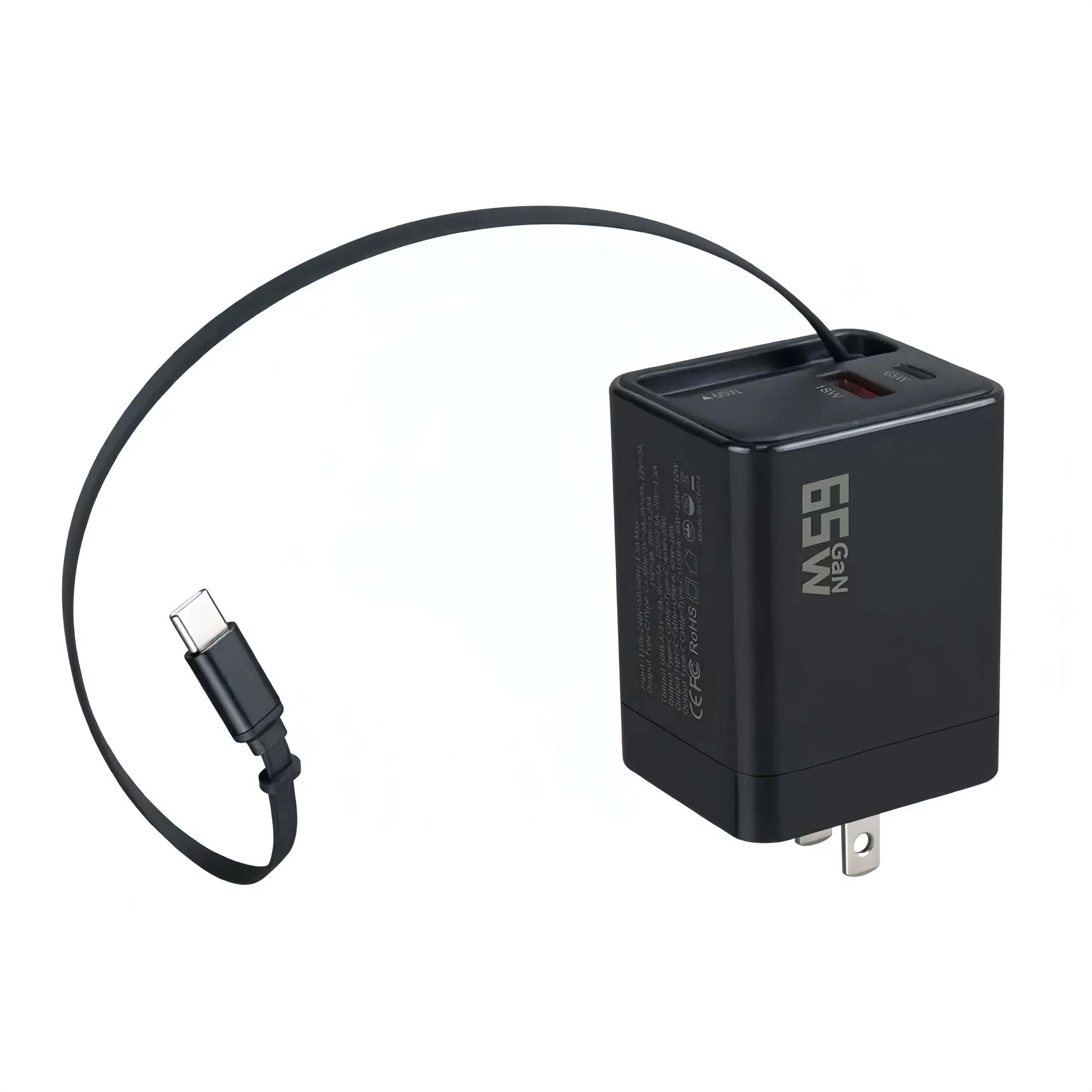
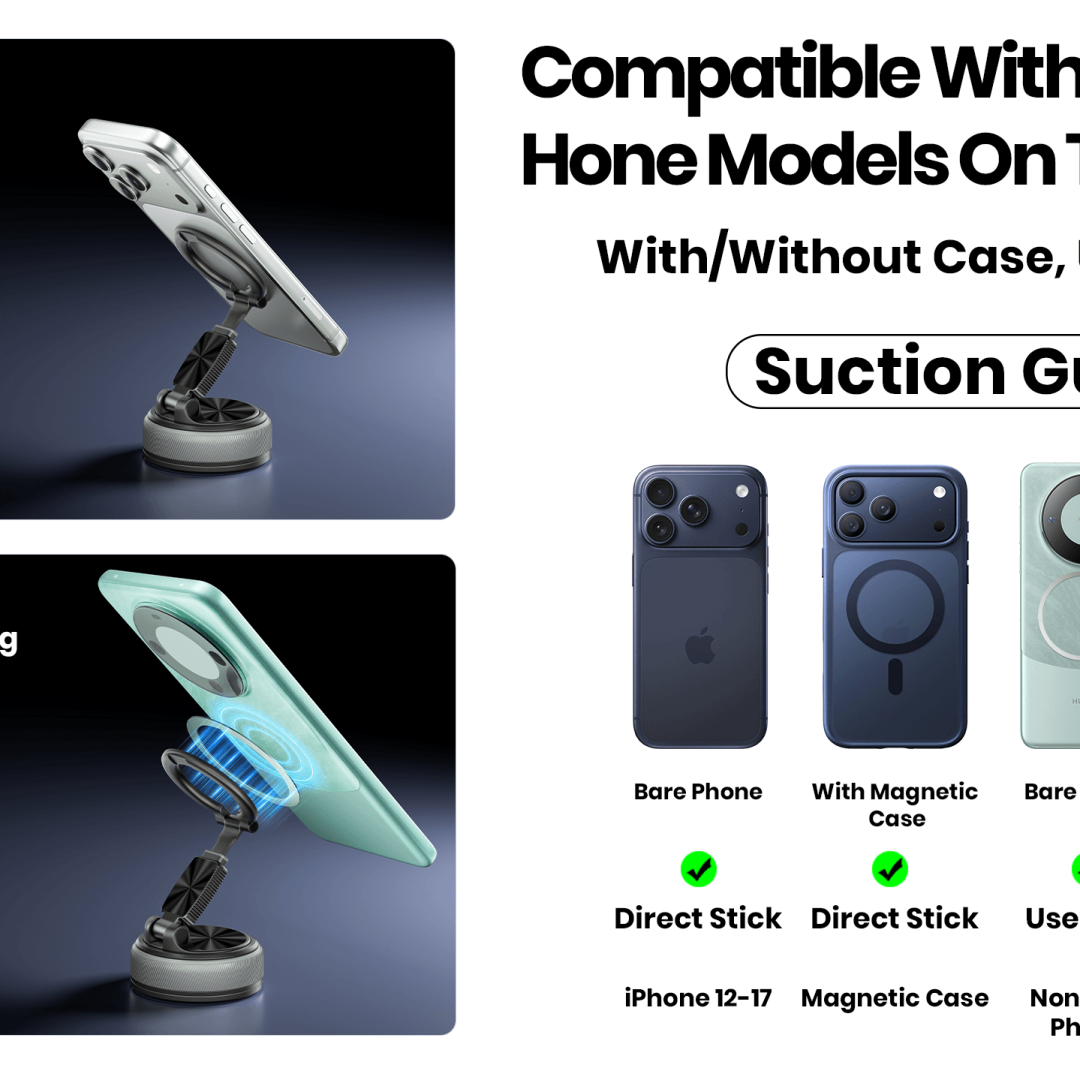
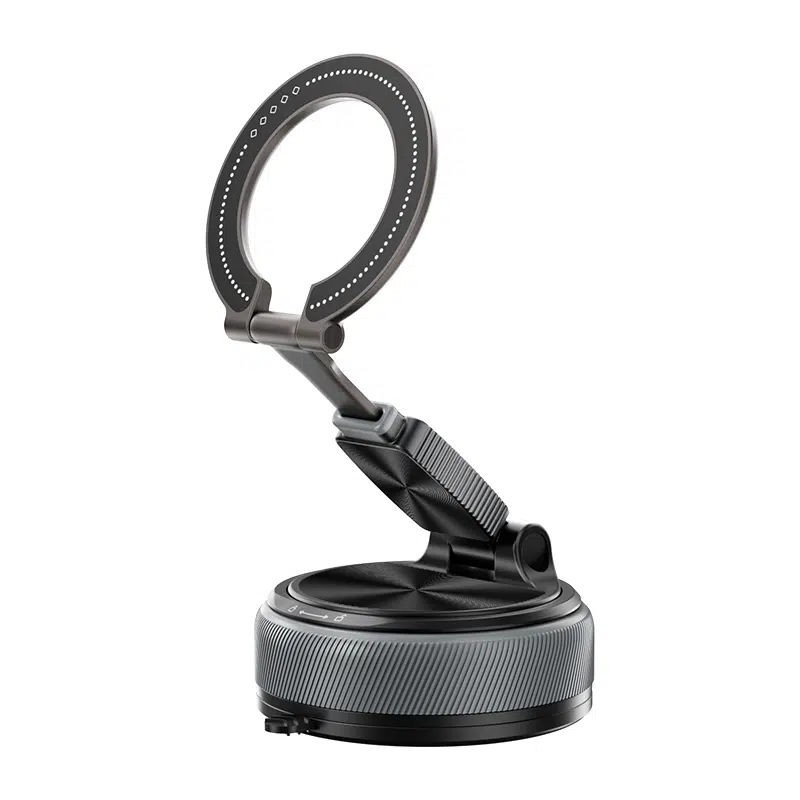
Why can one iPhone gain a significant amount of battery in a short charging session while another setup takes much longer?
The answer is usually not the cable alone. iPhone fast charging depends on the complete charging system, including the iPhone, power adapter, charging protocol, cable, battery condition, temperature, and the specific model.
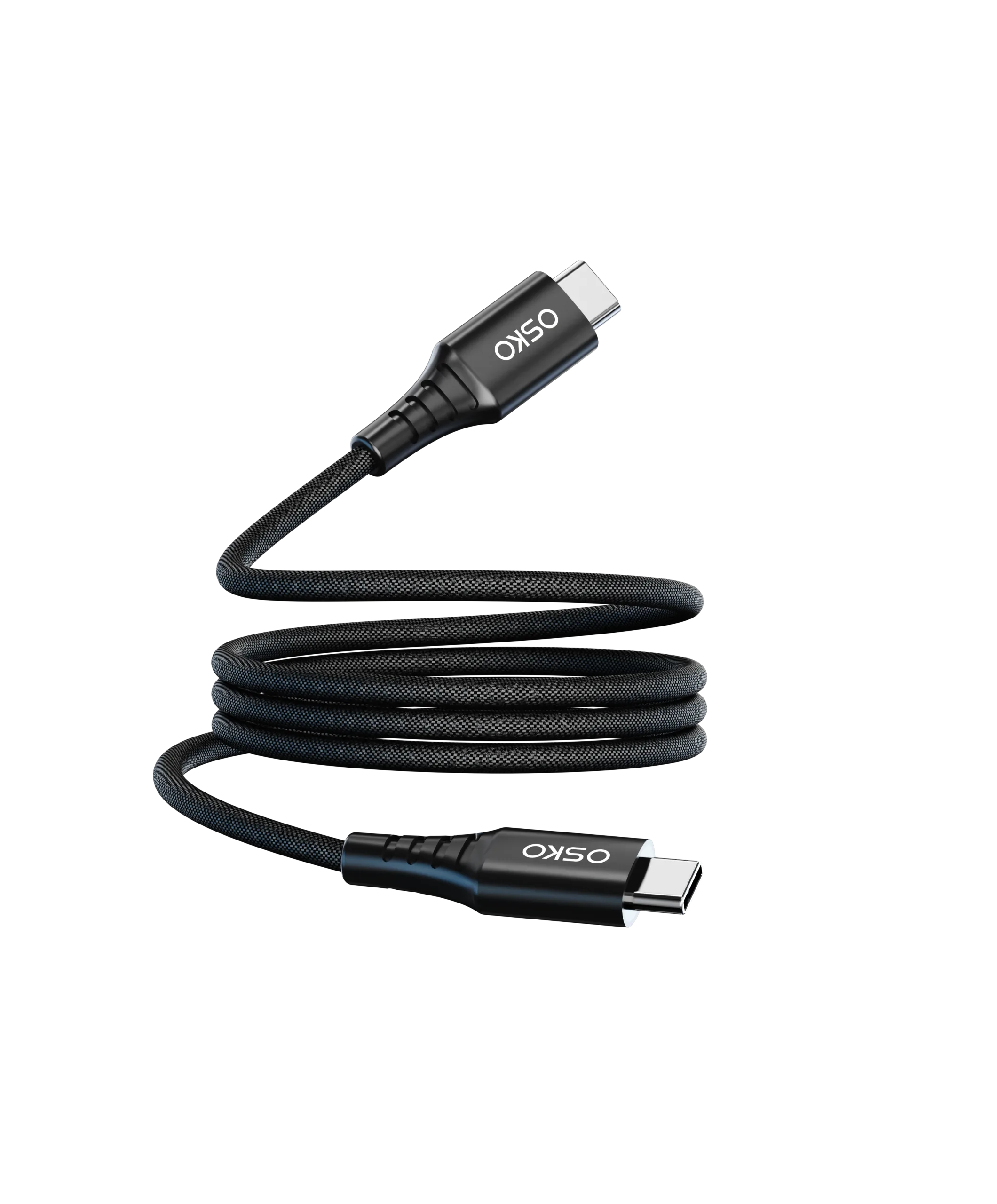
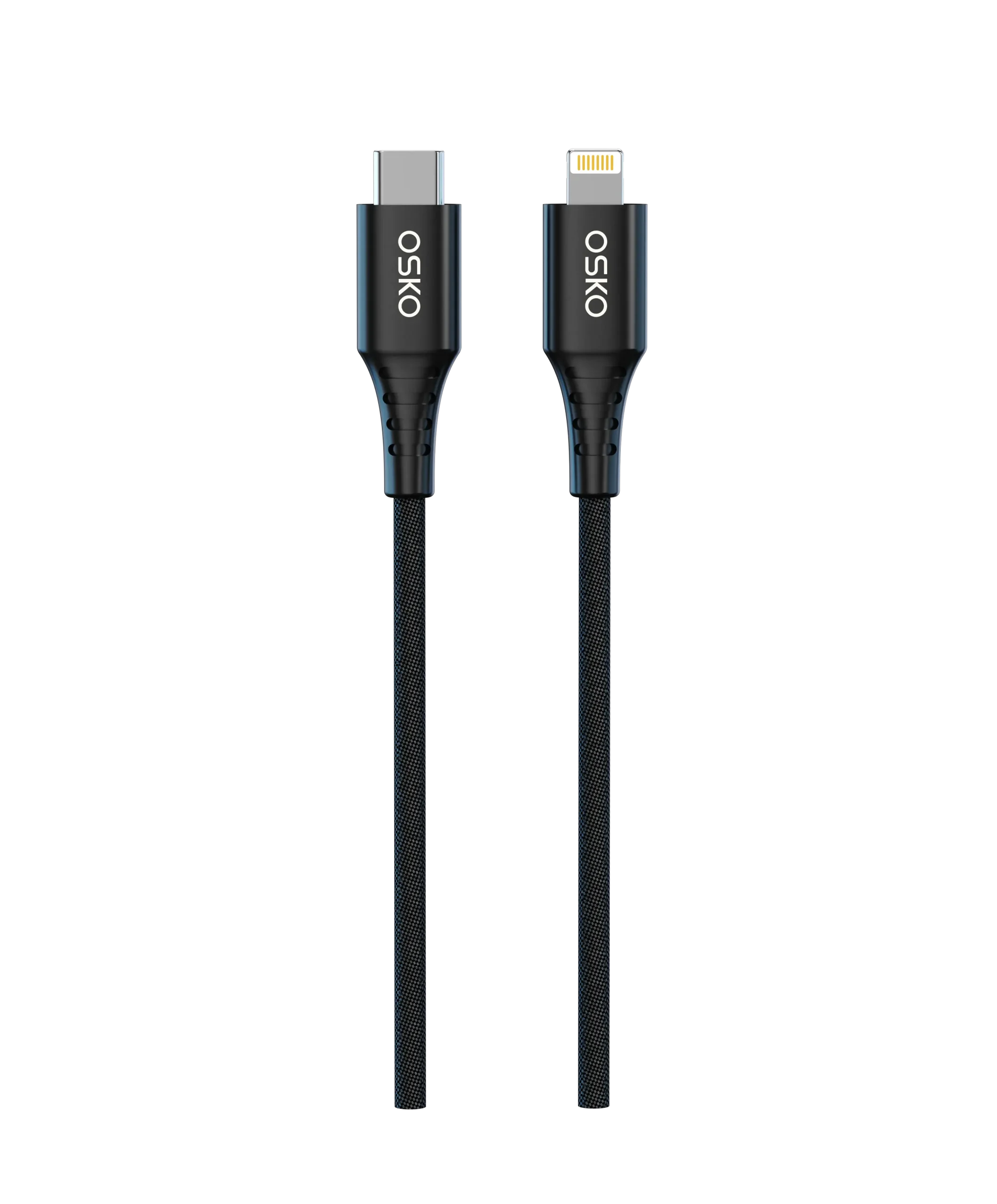
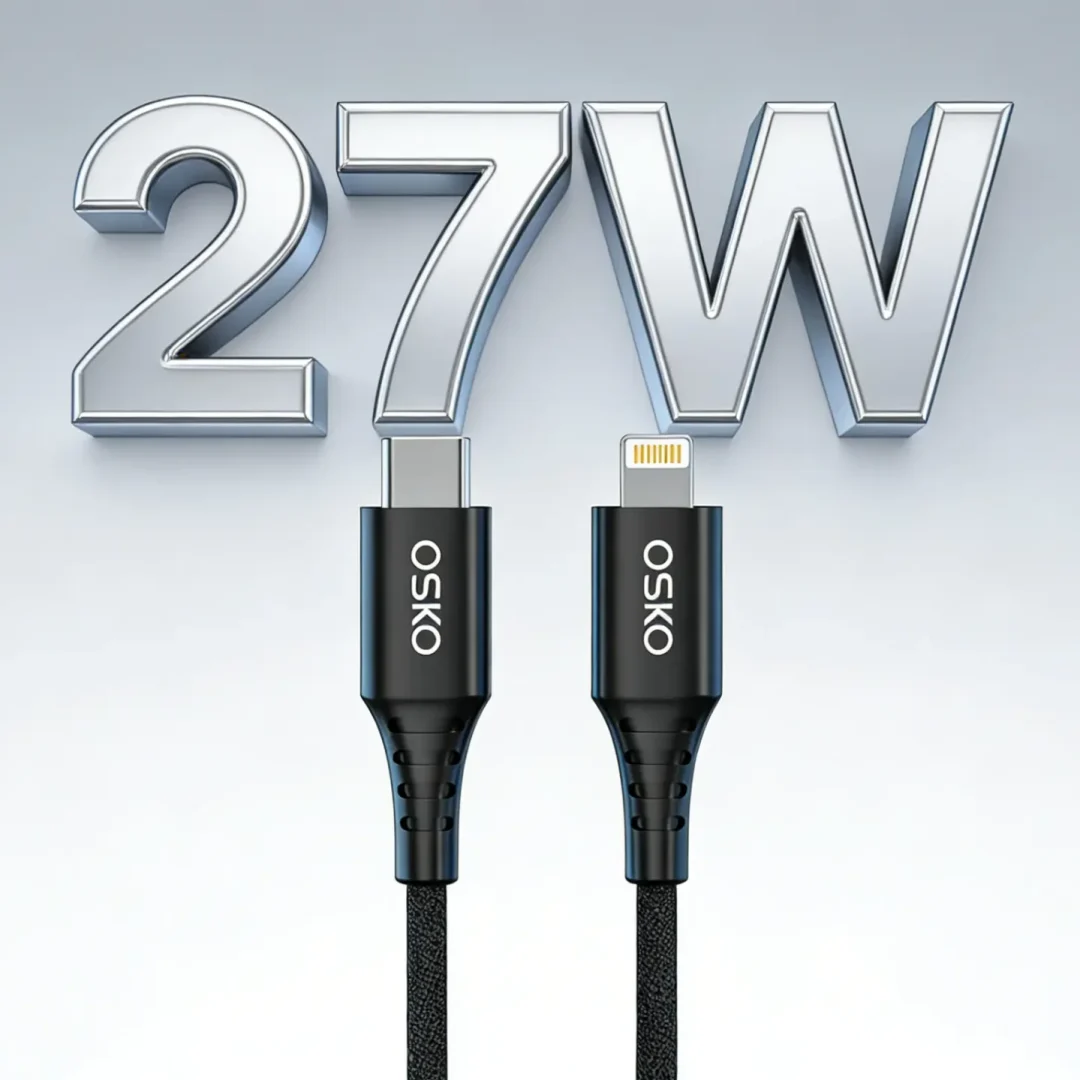
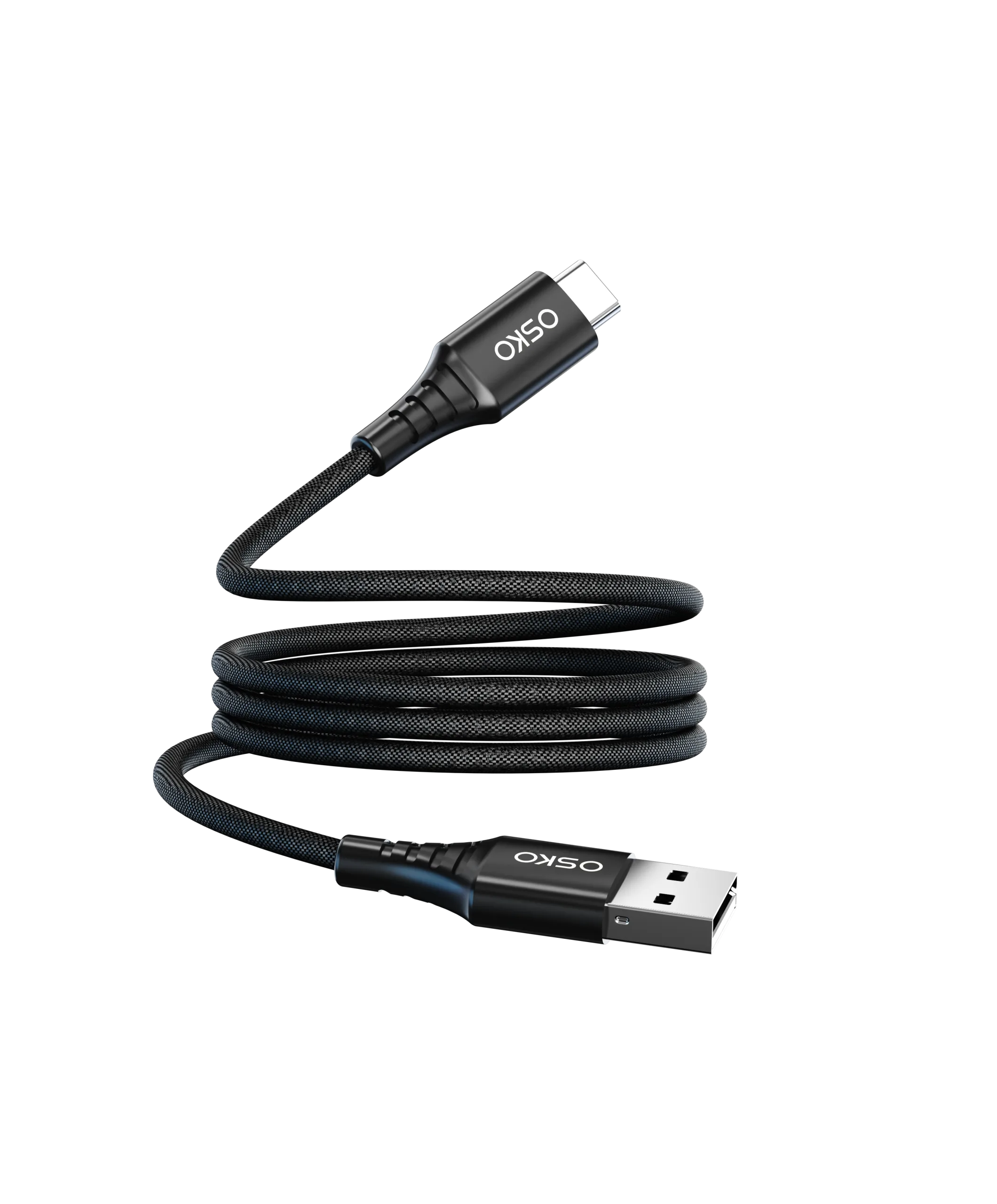
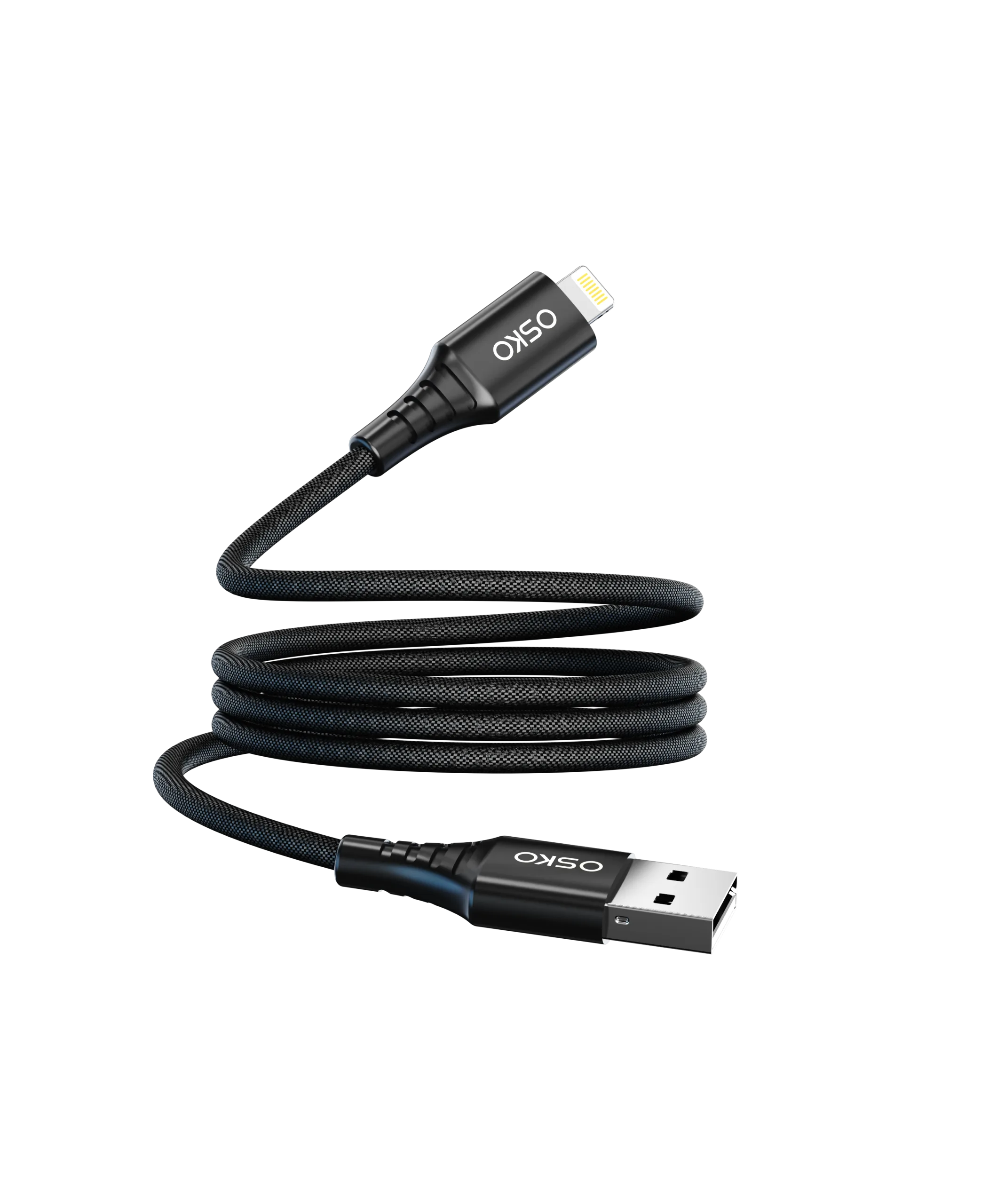
For Lightning-equipped iPhones, a USB-C to Lightning cable fast charging setup combines a USB-C power source with a Lightning-equipped iPhone through a compatible cable. Apple identifies USB-C to Lightning cables together with compatible USB-C power adapters as a fast-charging path for older iPhone models.
That distinction matters for consumers, but it is even more important for retailers, distributors, and OEM buyers.
A customer searching for a fast charging Lightning cable is not simply looking for a cable that fits an iPhone. They expect reliable charging, stable connections, durable connectors, appropriate certification or licensing where applicable, and consistent performance across repeated daily use.
For brands and wholesale buyers, the sourcing question becomes more specific:
How do you select a USB-C to Lightning cable that delivers the expected charging performance while also meeting durability, quality, branding, and market requirements?
This guide explains how USB-C to Lightning fast charging works, what cable construction really matters, how MFi should be evaluated, and what buyers should check when sourcing OEM or wholesale Lightning cables.
USB-C to Lightning vs USB-A to Lightning
The biggest practical difference between these two cable configurations is the power-source interface.
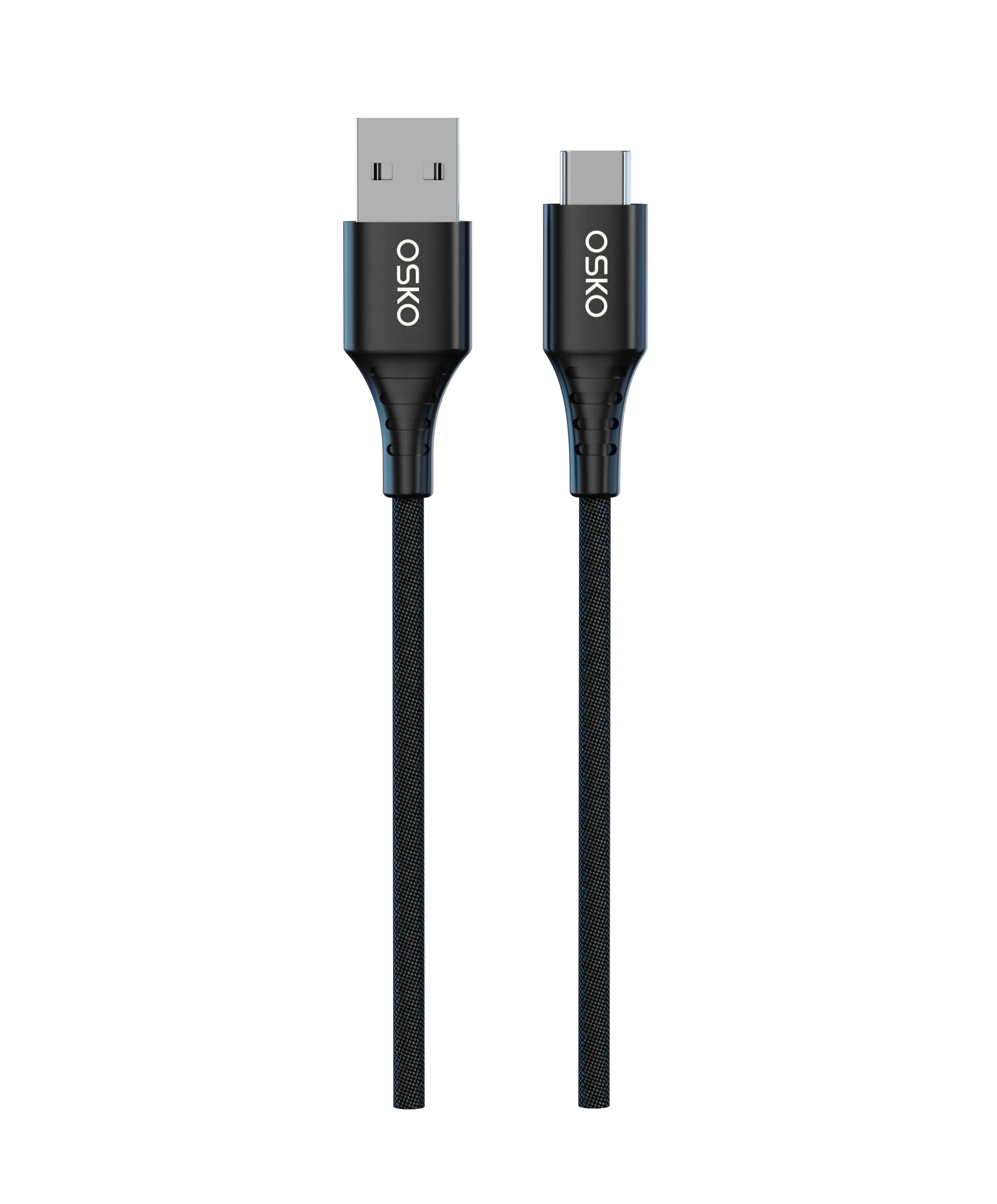
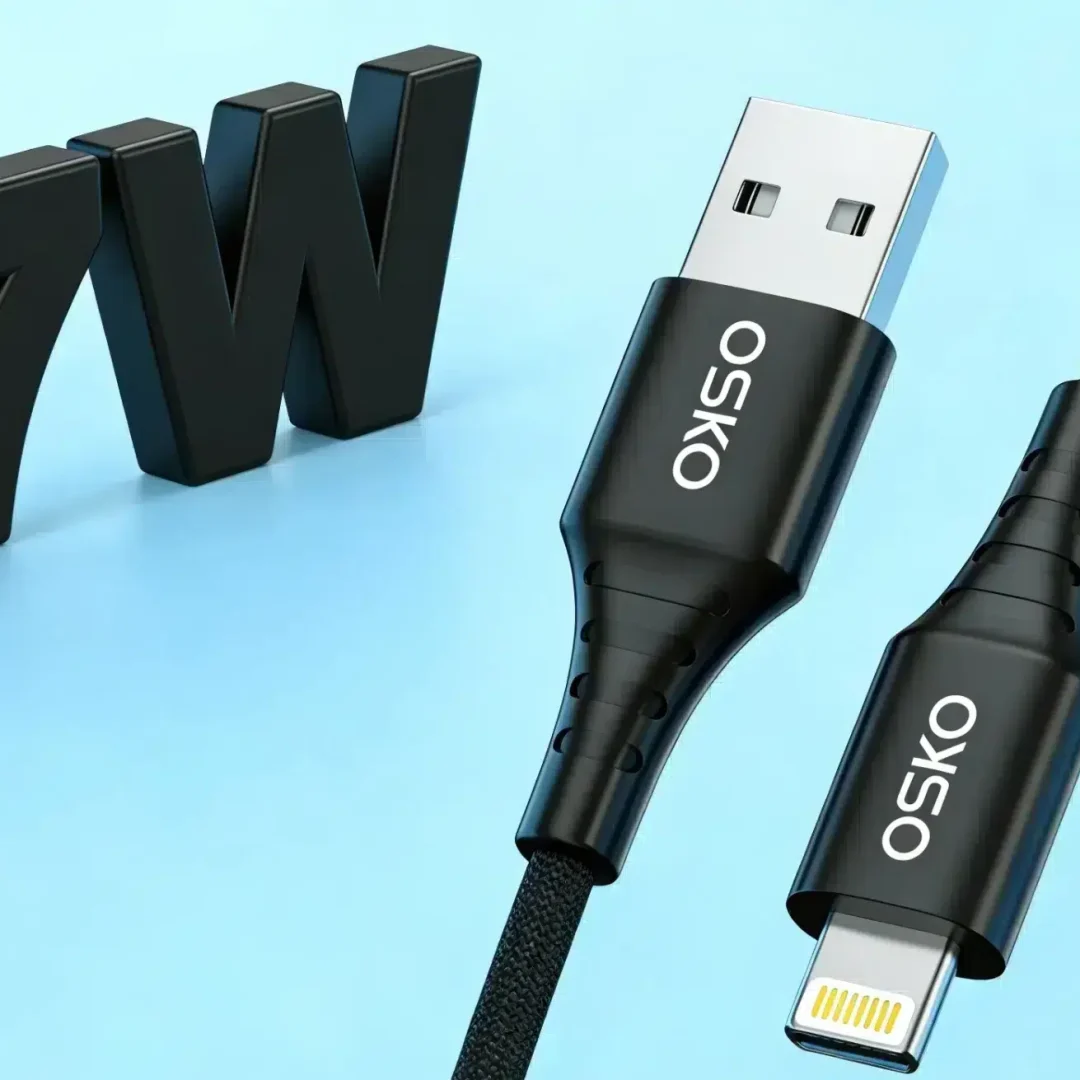
A USB-A to Lightning cable connects an iPhone to a USB-A power source.
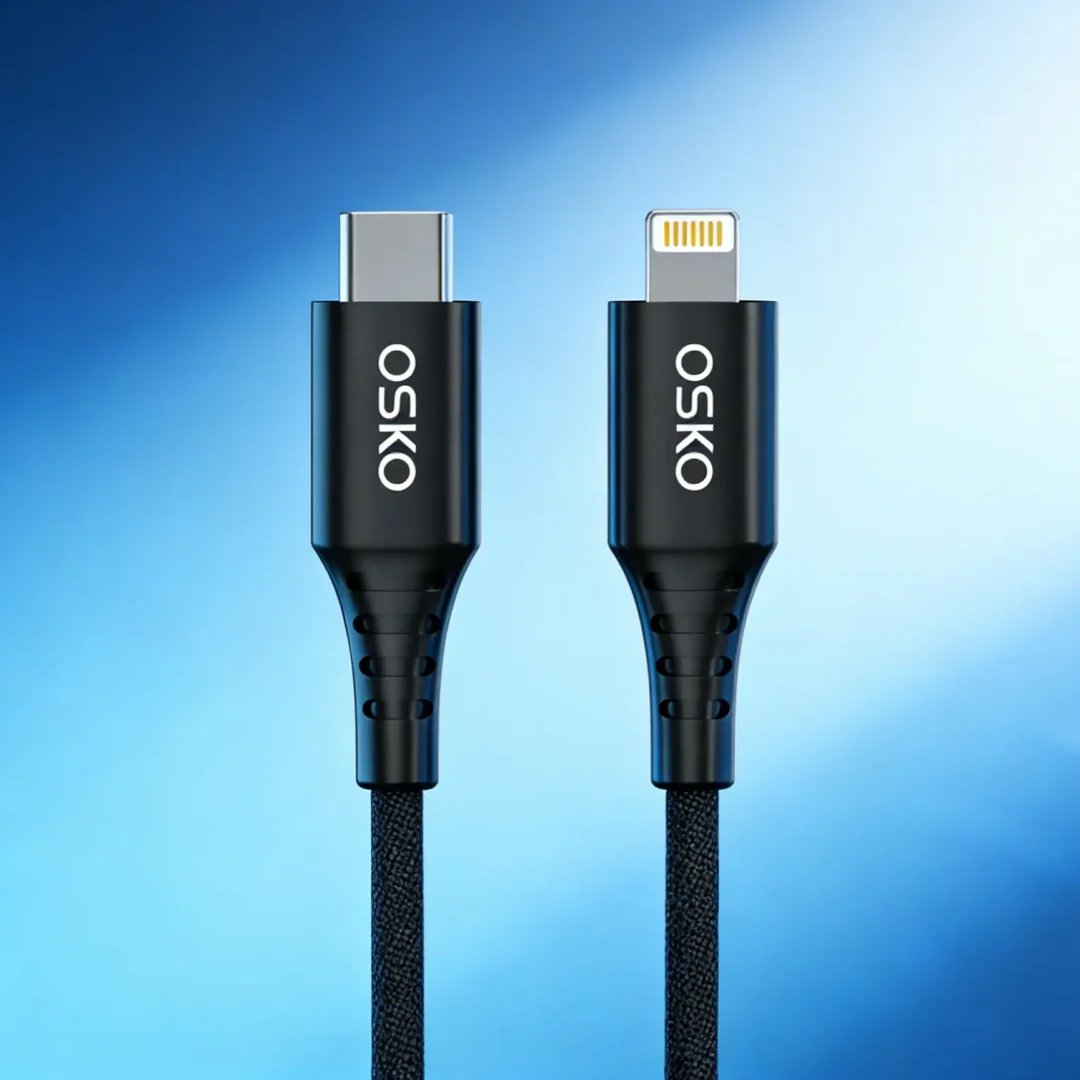
A USB-C to Lightning cable connects an iPhone with a Lightning port to a USB-C power source.
USB-C enables modern USB Power Delivery charging architectures, while USB-A charging systems vary considerably depending on the charger and protocol.
For Lightning-equipped iPhones, this makes USB-C to Lightning charging cables particularly relevant when the goal is fast charging with a compatible USB-C PD adapter.
However, USB-C itself does not automatically mean “fast charging.” USB-IF explicitly distinguishes USB Type-C from USB Power Delivery: the connector type and the charging protocol are related but not interchangeable concepts.
Quick Comparison
| Feature | USB-A to Lightning | USB-C to Lightning |
|---|---|---|
| Common power source | USB-A charger | USB-C charger |
| USB PD ecosystem | More limited depending on source | Better suited to USB PD |
| Fast charging for compatible Lightning iPhones | Possible with appropriate setup | Common modern solution |
| New USB-C charger compatibility | Limited by adapter ports | Direct |
| Retail positioning | Standard | Premium / fast charging |
| OEM demand | Still relevant | Stronger for modern charging accessories |
For buyers targeting the premium accessory market, USB-C to Lightning cable wholesale products can therefore provide a more current product position than traditional USB-A versions.
How USB-C to Lightning Cable Fast Charging Works
Fast charging is a system-level process.
The basic charging path is:
Power adapter → USB-C output → USB-C to Lightning cable → Lightning connector → iPhone
The charger provides available power, while the phone controls how much power it actually accepts under the applicable charging system.
Three major elements therefore need to work together:
The iPhone
The iPhone must support the applicable fast-charging capability.
Apple states that iPhone 8 and later models can use fast charging under supported conditions. For older Lightning models, Apple specifically identifies a USB-C to Lightning cable with a compatible USB-C PD power adapter as one supported fast-charging configuration.
The Power Adapter
A cable cannot create additional power by itself.
The USB-C power adapter must provide the appropriate charging capability, and the iPhone determines the power it can use.
Apple’s current 20W USB-C power adapter is listed as supporting fast charging for iPhone 8 or later, with Apple stating up to 50% battery in around 35 minutes under its specified conditions.
Actual charging time varies according to the model, battery state, temperature, usage, and other conditions.
The Cable
The cable provides the electrical path between the charger and iPhone.
Cable quality affects:
Electrical resistance
Connector contact reliability
Mechanical durability
Charging stability
Heat generation
Long-term connection reliability
This is why choosing a high quality USB-C to Lightning cable matters for both consumers and professional buyers.
Which iPhones Support USB-C to Lightning Fast Charging?
The important distinction is the iPhone connector.
Lightning-equipped iPhones can use USB-C to Lightning cables.
Newer iPhone generations that use USB-C ports do not require a Lightning cable for direct charging.
| iPhone Generation | Main Charging Connector | Relevant Cable |
|---|---|---|
| iPhone 8 / 8 Plus | Lightning | USB-C to Lightning |
| iPhone X / XS / XR | Lightning | USB-C to Lightning |
| iPhone 11 Series | Lightning | USB-C to Lightning |
| iPhone 12 Series | Lightning | USB-C to Lightning |
| iPhone 13 Series | Lightning | USB-C to Lightning |
| iPhone 14 Series | Lightning | USB-C to Lightning |
| iPhone 15 Series | USB-C | USB-C to USB-C |
| iPhone 16 Series | USB-C | USB-C to USB-C |
| Newer USB-C iPhones | USB-C | USB-C to USB-C |
This creates an important sourcing distinction.
If your target customer owns a Lightning-equipped iPhone, a USB-C to Lightning charging cable remains relevant.
If your target customer owns a USB-C iPhone, a USB-C to USB-C cable is the appropriate direct-connection product.
For retailers, this distinction should be reflected clearly in product titles, packaging, product descriptions, and SKU planning.
What Makes a Good USB-C to Lightning Cable?
Not every cable with the same connector configuration has the same construction.
For wholesale and OEM buyers, several engineering factors deserve attention.
Conductor Design
The conductor carries electrical current between the power source and device.
Important variables include:
Conductor material
Cross-sectional area
Cable length
Resistance
Temperature
Termination quality
Rather than simply asking whether a cable uses “premium copper,” buyers should request the actual electrical specification and relevant test data.
Terms such as “OFC,” “high-purity copper,” or “premium copper” should not be treated as substitutes for measurable cable performance.
Connector Construction
The connector is one of the most mechanically stressed areas of a charging cable.
A well-designed USB-C to Lightning cable should consider:
Contact quality
Connector housing
Strain relief
Cable-to-connector transition
Mechanical retention
Contact plating
Assembly consistency
For retail products, connector failures can quickly lead to returns and negative reviews.
Strain Relief
Repeated bending usually concentrates mechanical stress near the connector.
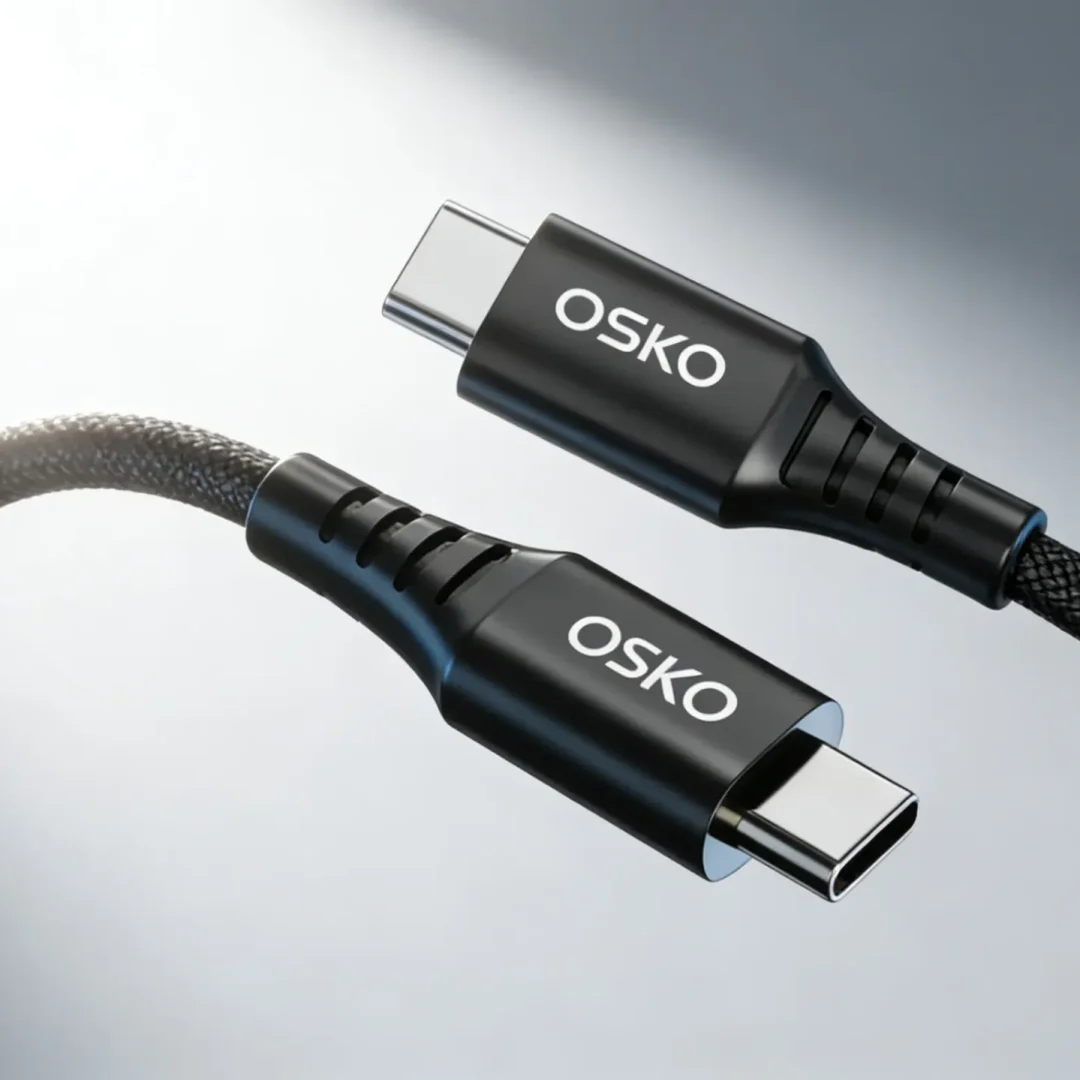
A properly engineered strain-relief structure distributes that stress rather than allowing the cable to bend sharply at the termination point.
This is especially important for:
Bedside charging
Office use
Automotive charging
Travel
Daily phone charging
Shielding
Shielding may help control electromagnetic interference and support signal integrity in designs where shielding is appropriate.
However, shielding should not be marketed as a direct source of higher charging wattage.
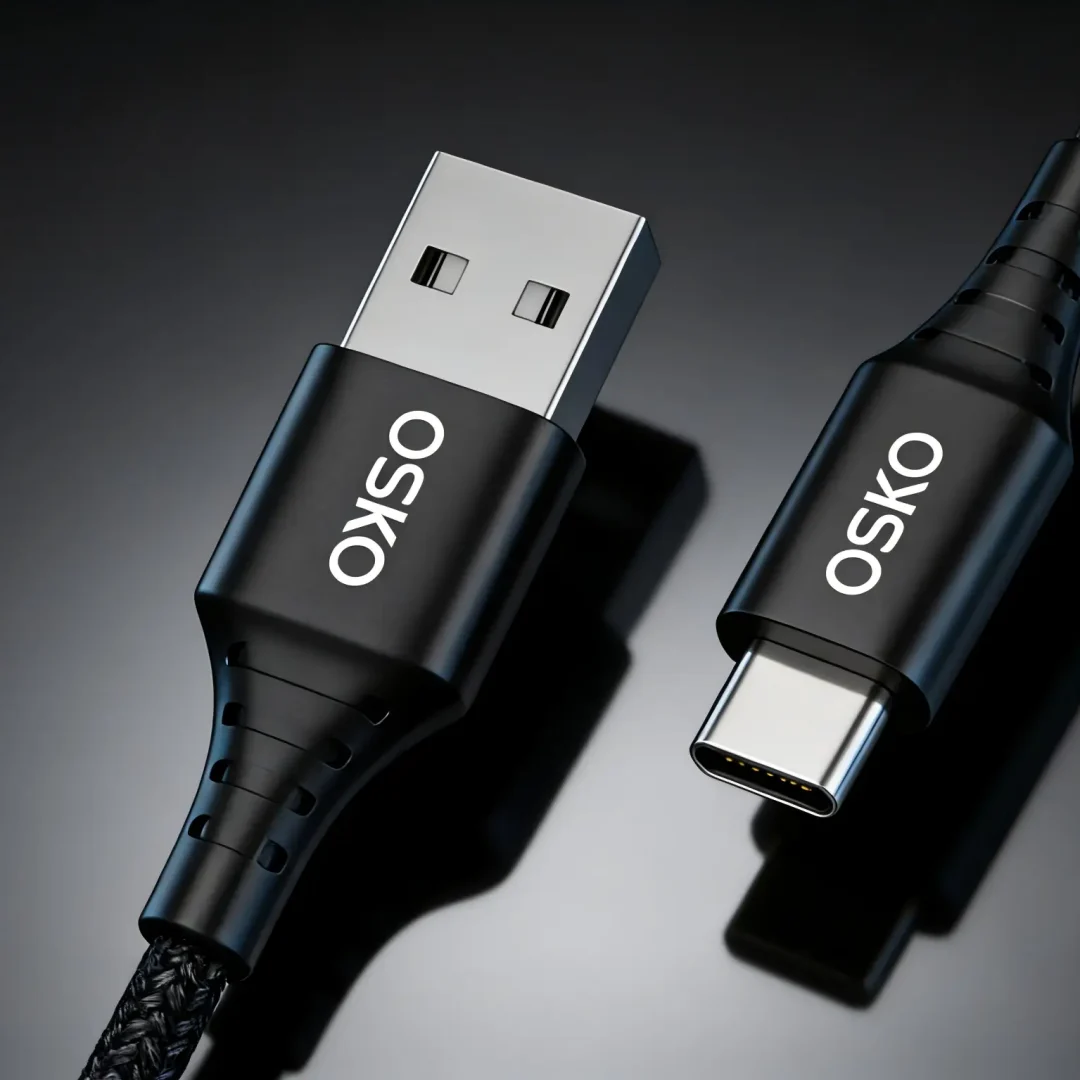
A braided USB-C to Lightning cable can have a textile outer braid while also using a separate conductive shielding structure internally. These are different functions.
Why MFi Matters for Lightning Cables
MFi is one of the most important sourcing considerations for Lightning accessories.
MFi refers to Apple’s Made for iPhone / iPad program and covers accessories using applicable Apple-licensed technologies.
Apple’s MFi information distinguishes between products that use MFi-licensed technologies and products that do not. In particular, USB-C charging accessories that do not use MFi-licensed technology are not automatically part of the MFi program.
For a Lightning cable buyer, this means the supplier should be able to explain exactly:
What Lightning component is being used
Whether the product is part of the applicable MFi program
Who the licensed manufacturer is
What documentation is available
Whether the specific product configuration has been approved
MFi Is Not the Same as “Apple Compatible”
This distinction is important.
A supplier saying:
“Compatible with iPhone”
is not equivalent to:
“MFi-certified / licensed Lightning accessory.”
Retailers should verify the actual status of the product rather than relying on a generic compatibility claim.
For a MFi USB-C to Lightning cable manufacturer, product documentation should be part of the qualification process.
Braided USB-C to Lightning Cable vs PVC Cable
The outer jacket is one of the most visible differences between premium and standard charging cables.
PVC Cable
PVC remains widely used because it is:
Cost-effective
Lightweight
Flexible
Easy to manufacture
It can be suitable for price-sensitive products and standard retail applications.
Nylon Braided Cable
Nylon braiding can provide:
Better abrasion resistance
More premium appearance
Improved tactile feel
Better resistance to everyday surface wear
Stronger visual differentiation
More opportunities for premium private-label positioning
However, braid construction alone does not determine charging performance.
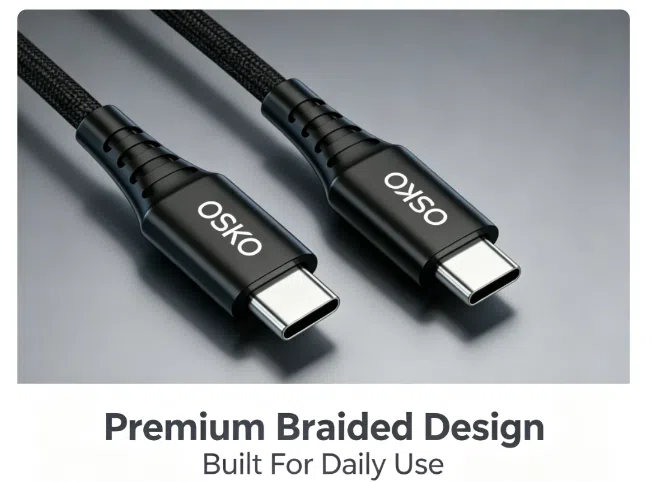
A premium braided Lightning cable still needs appropriate internal conductors, insulation, connectors, termination, and quality control.
Comparison
| Feature | PVC Lightning Cable | Braided Lightning Cable |
|---|---|---|
| Manufacturing cost | Lower | Higher |
| Appearance | Standard | Premium |
| Abrasion resistance | Standard | Generally higher |
| Retail positioning | Value | Premium |
| Custom color options | Available | Available |
| Mechanical performance | Design dependent | Design dependent |
| Charging performance | Design dependent | Design dependent |
For brands competing in premium accessory categories, the braided construction can help justify a higher retail positioning—but only when the internal product specification also supports the claim.
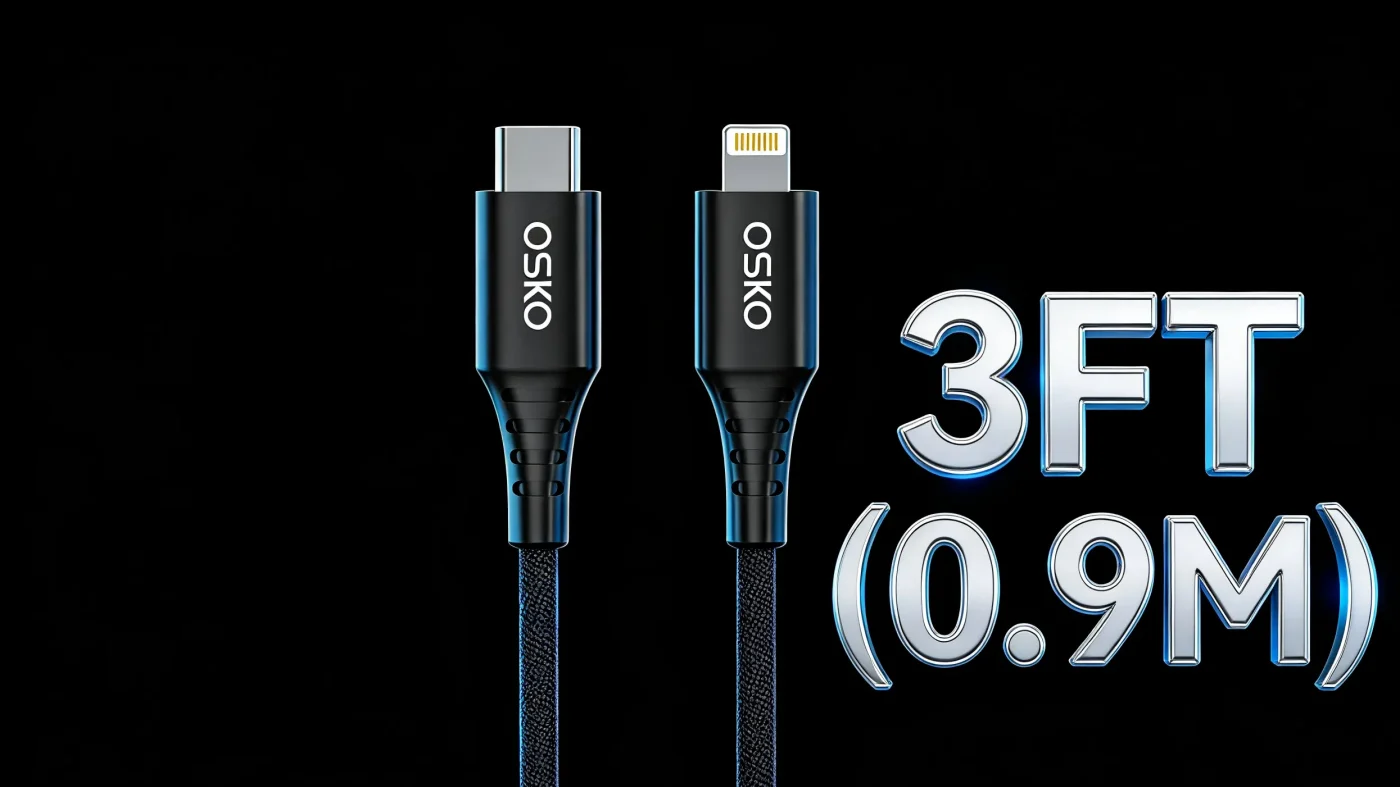
USB-C to Lightning Cable Length: 3ft vs 6ft
Cable length is an important purchasing decision for both consumers and retailers.
3ft / 1m
A 3ft cable is suitable for:
Desks
Office charging
Travel
Power banks
Retail value packs
Everyday phone charging
It is compact and easy to carry.
6ft / 1.8m
A 6ft cable provides more flexibility for:
Bedside charging
Sofas
Offices
Hotels
Larger workspaces
Automotive applications
Longer cables require careful electrical and mechanical design because resistance, voltage drop, and mechanical loading can change with cable length.
For a USB-C to Lightning cable wholesale supplier, offering both 3ft and 6ft versions can help retailers address different customer use cases without creating completely different product categories.
USB-C to Lightning Cable OEM and Private Label Solutions
For retailers and distributors, product quality is only one part of the sourcing decision.
Many buyers also need:
Custom cable length
Custom colors
Logo branding
Retail packaging
Barcodes
Private-label instruction cards
Custom product bundles
Bulk pricing
Sample approval
Production QC
A professional USB-C to Lightning cable OEM manufacturer should be able to convert these requirements into a defined production specification.
Typical OEM Workflow
Requirement → Specification → Sample → Testing → Approval → Mass Production → QC → Packaging → Shipment
This process is particularly important when a brand wants to reorder the same cable six months later.
The objective is not simply to produce one good sample.
The objective is to reproduce the same approved product specification consistently.
Wholesale Buying Guide for Retailers and Distributors
When comparing USB-C to Lightning cable wholesale suppliers, price should not be the first and only evaluation criterion.
Check the Product Specification
Ask for:
Cable type
Length
Connector configuration
Charging specification
Data specification
Conductor design
Jacket construction
Connector construction
Verify MFi Status Where Applicable
Request the relevant documentation and clarify whether the actual product being quoted falls under the applicable MFi program.
Evaluate Mechanical Durability
Ask how the supplier validates:
Bend performance
Connector retention
Strain relief
Pull strength
Abrasion resistance
Request Samples
A sample allows the buyer to evaluate:
Cable flexibility
Connector fit
Jacket quality
Appearance
Packaging
Real-world charging behavior
Compare Total Cost
The real cost of a low-quality cable can include:
Purchase price + freight + defects + returns + replacements + customer-service cost
A slightly higher-quality product can therefore have a different total cost profile even if its initial unit price is higher.

North American and European Market Search Intent
The same product can be searched differently across markets.
United States
US buyers commonly search for:
fast charging iPhone cable
USB-C to Lightning cable
MFi Lightning cable
braided iPhone charging cable
Lightning cable wholesale
USB-C Lightning cable supplier
private label Lightning cable
bulk Lightning cables
For US retailers and distributors, product pages should make compatibility, charging configuration, length, MFi status, warranty, and wholesale availability easy to understand.
Germany
German buyers may use searches such as:
Lightning Kabel USB-C
USB-C auf Lightning Kabel
Lightning Kabel Großhandel
iPhone Ladekabel Großhandel
USB-C Lightning Kabel Hersteller
Technical documentation, product consistency, compliance information, and reliable delivery can be important in B2B procurement.
Australia
Australian commercial searches may include:
USB-C to Lightning cable wholesale Australia
fast charging iPhone cable
braided Lightning cable supplier
Lightning cable bulk
private label charging cable
For distributors, product durability and retail-ready packaging can be important differentiators.
Netherlands
Dutch buyers may search for:
USB-C naar Lightning kabel
Lightning kabel groothandel
USB-C Lightning kabel leverancier
iPhone laadkabel groothandel
For European distribution, buyers should evaluate the applicable EU product and environmental requirements rather than assuming that one generic “certificate” covers every requirement.
Engineering Case Study: 3ft and 6ft Private-Label Lightning Cable
Customer Requirement
A representative North American electronics retailer wanted to expand its private-label iPhone charging range with two cable lengths:
3ft USB-C to Lightning
6ft USB-C to Lightning
The buyer wanted a premium braided appearance, reliable everyday charging, private-label packaging, and a product specification suitable for repeat wholesale orders.
Engineering Challenges
The project involved several practical issues:
Different mechanical loading between 3ft and 6ft cables
Connector strain relief
Consistent cable construction
Retail packaging
Lightning component qualification
Repeat-order consistency
The buyer did not want to evaluate each production batch as a completely new product.
OSKO Manufacturing Approach
OSKO established the product specification before mass production.
The development process focused on:
Cable construction → connector configuration → strain relief → sample approval → electrical validation → mechanical testing → production QC → packaging inspection
The 3ft and 6ft versions were treated as related but separately validated SKUs rather than assuming that the longer cable would behave identically simply because the connectors were the same.
Procurement Lesson
For a custom braided Lightning cable manufacturer, the value of engineering control is not limited to the first production run.
A good OEM program should create a repeatable specification that can be used for future purchase orders, packaging updates, and additional market channels.
What Should a Retailer Ask a Lightning Cable Supplier?
Before placing a bulk order, ask:
What exact Lightning connector/component is used?
What is the applicable MFi status?
What charging specification is supported?
What cable length options are available?
What conductor construction is used?
How is the connector strain relief designed?
What mechanical tests are performed?
What electrical tests are performed?
Can you provide samples before mass production?
Can you provide private-label packaging?
What is the OEM MOQ?
What is the lead time?
What warranty is offered?
Can the same specification be reproduced for repeat orders?
These questions help separate an actual Lightning cable manufacturer from a supplier that simply resells generic products.
FAQ
Can a USB-C to Lightning cable fast charge an iPhone?
Yes, for compatible Lightning-equipped iPhone models when the cable is paired with an appropriate USB-C power adapter and supported charging system. Apple specifically identifies USB-C to Lightning cables with compatible USB-C PD adapters as a fast-charging configuration for older iPhone models.
Is USB-C to Lightning faster than USB-A to Lightning?
A USB-C to Lightning setup can support Apple’s fast-charging pathway when paired with a compatible USB-C PD power adapter. The charging result still depends on the iPhone, adapter, cable, battery state, temperature, and other conditions.
Do I need a 20W charger for iPhone fast charging?
A 20W USB-C power adapter is a common fast-charging option and Apple currently lists its 20W adapter for fast charging iPhone 8 or later. However, “20W” should not be treated as a universal maximum or the best choice for every iPhone generation.
Does a USB-C to Lightning cable need MFi?
The answer depends on the product and whether it uses Apple-licensed MFi technologies. Buyers should verify the actual product’s MFi status rather than assuming that every Lightning cable is automatically MFi.
What is the difference between MFi and USB-IF certification?
They address different ecosystems. MFi concerns Apple’s applicable licensed accessory technologies, while USB-IF manages USB technology specifications and compliance programs. They should not be treated as interchangeable certifications.
Are braided Lightning cables better than PVC cables?
Braided cables can offer advantages in abrasion resistance, tactile feel, appearance, and mechanical protection. They are not automatically electrically superior. Internal cable construction and connector engineering remain important.
Is a 6ft Lightning cable better than a 3ft cable?
Neither length is universally better. A 3ft cable is convenient for desks and travel, while a 6ft cable provides more flexibility for bedsides, sofas, offices, and other locations.
Can I order custom USB-C to Lightning cables with my logo?
Yes. Depending on the supplier and project requirements, OEM programs can include cable color, length, logo, packaging, labeling, and private-label branding.
What MOQ is required for custom Lightning cables?
MOQ depends on the level of customization. Fully customized OEM cable programs generally require higher quantities than standard stock products. OSKO’s typical fully customized OEM cable MOQ is 5,000 units.
Can a manufacturer provide both 3ft and 6ft Lightning cables?
Yes. A professional OEM manufacturer can develop multiple lengths under the same product family, although each length should be properly validated because cable length can affect electrical and mechanical characteristics.
What should I check before buying Lightning cables wholesale?
Check the actual product specification, MFi status where applicable, charging performance, connector construction, mechanical durability, sample quality, packaging, MOQ, lead time, warranty, and the supplier’s ability to reproduce the approved specification.
Are USB-C to Lightning cables still relevant in 2026?
Yes, for users and accessory businesses serving Lightning-equipped iPhones and existing Lightning accessories. However, retailers should also consider USB-C to USB-C products because newer iPhone generations use USB-C. This makes SKU planning increasingly important for accessory distributors.
Can USB-C to Lightning cables be used for data transfer?
Yes. Data performance depends on the cable and device configuration. Buyers should request the actual supported data specification rather than assuming that every USB-C connector automatically provides high-speed USB data.
Summary
USB-C to Lightning cable fast charging is not determined by the cable alone.
For Lightning-equipped iPhones, the charging system combines:
Compatible iPhone + USB-C power adapter + appropriate charging protocol + suitable USB-C to Lightning cable
A reliable cable should also provide appropriate connector construction, electrical performance, strain relief, mechanical durability, and consistent manufacturing quality.
For consumers, the right cable can make everyday charging more convenient.
For retailers, distributors, and e-commerce brands, the sourcing decision goes further. A successful product needs a clear specification, reliable component sourcing, appropriate MFi evaluation, quality control, attractive packaging, and repeat-order consistency.
For businesses looking for a USB-C to Lightning cable OEM manufacturer, braided Lightning cable supplier, or Lightning cable wholesale supplier, the most useful approach is to evaluate the complete product rather than choosing solely by price or exterior appearance.
Request OEM & Wholesale USB-C to Lightning Cable Solutions
OSKO provides OEM and ODM solutions for brands, distributors, wholesalers, and private-label retailers.
Available solutions include:
USB-C to Lightning charging cables
Braided Lightning cables
3ft and 6ft configurations
Custom cable colors
Private-label branding
Custom retail packaging
Bulk wholesale supply
Sample development
Product specification support
OEM and ODM manufacturing
For a custom project, provide the required cable type, length, quantity, charging specification, logo, packaging, and target market.
OSKO can then evaluate the requirements and provide a product-specific quotation, sample plan, and technical documentation.