
Introduction
Choosing between USB-C and Lightning has become an important decision for both consumers and professional buyers in the charging accessory market. As device ecosystems evolve, different ports serve different technical purposes, and understanding these differences is essential for selecting the right charging solution.
USB-C has become the global standard for most Android devices, laptops, tablets, and modern electronics due to its high power delivery capability and universal compatibility. Meanwhile, Apple’s Lightning port remains widely used across iPhone and legacy iPad models, maintaining a strong position in the accessory ecosystem.
From an engineering perspective, both interfaces are designed for charging and data transfer, but they differ significantly in power capacity, licensing structure, device compatibility, and long-term industry direction. These differences directly affect OEM manufacturing decisions, wholesale sourcing strategies, and end-user experience.
To make the right choice, users must evaluate not only device compatibility but also charging performance, ecosystem flexibility, and future-proofing potential.
Applicable Scenarios
USB-C Devices and Use Cases
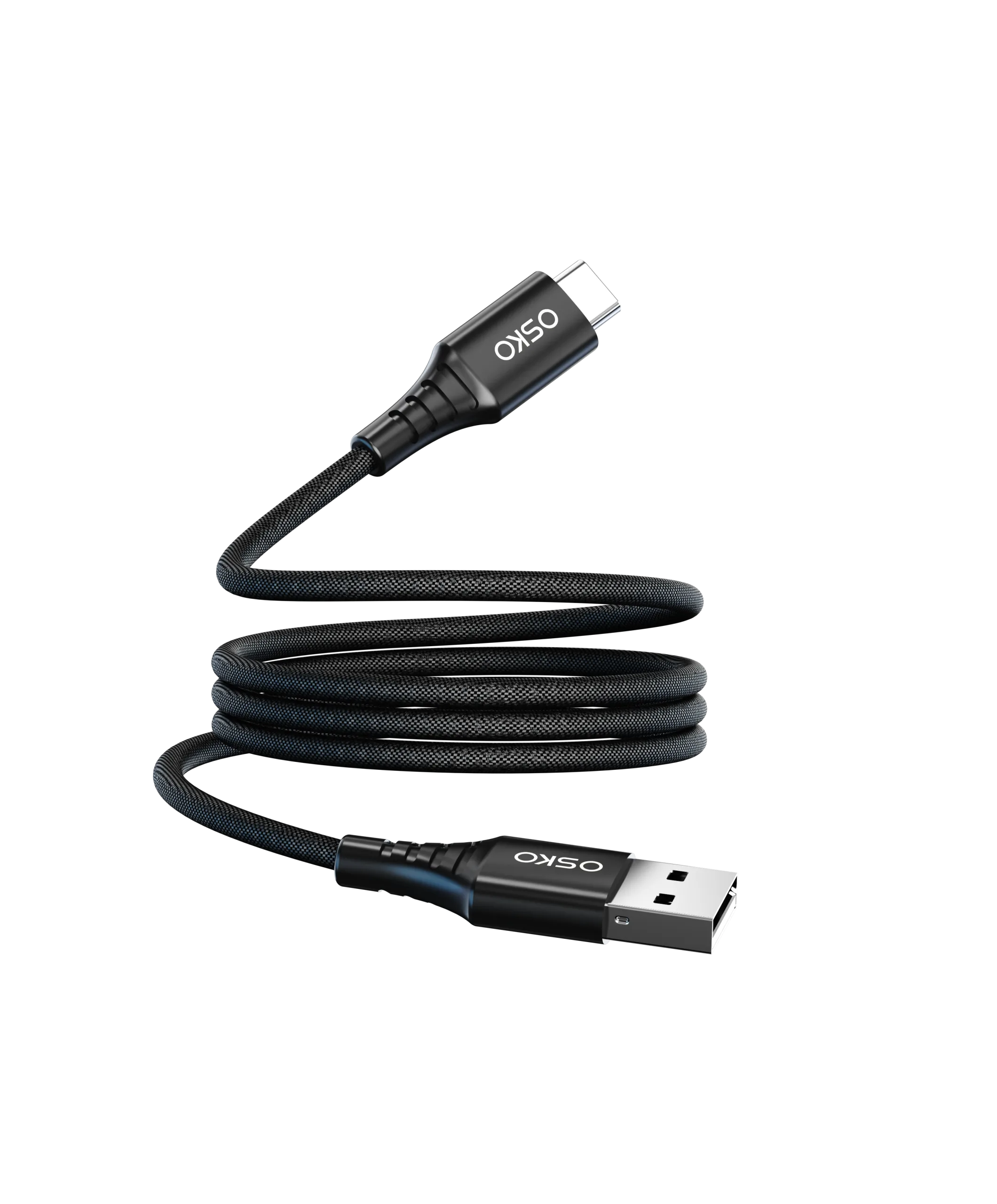
USB-C is currently the most widely adopted universal charging standard. It supports higher power delivery, faster data transfer, and broader device compatibility.
In practical applications, USB-C is commonly used for:
Android smartphones and tablets
Windows laptops and ultrabooks
Gaming devices and handheld consoles
Power banks and docking stations
Modern monitors and accessories
From an engineering perspective, USB-C supports USB Power Delivery (PD), enabling charging up to 240W depending on cable and device configuration. This makes it suitable for high-performance electronics and multi-device ecosystems.
Compared with legacy connectors, USB-C provides a more scalable architecture for OEM and ODM product development, especially in global wholesale distribution markets.
Lightning Devices and Use Cases
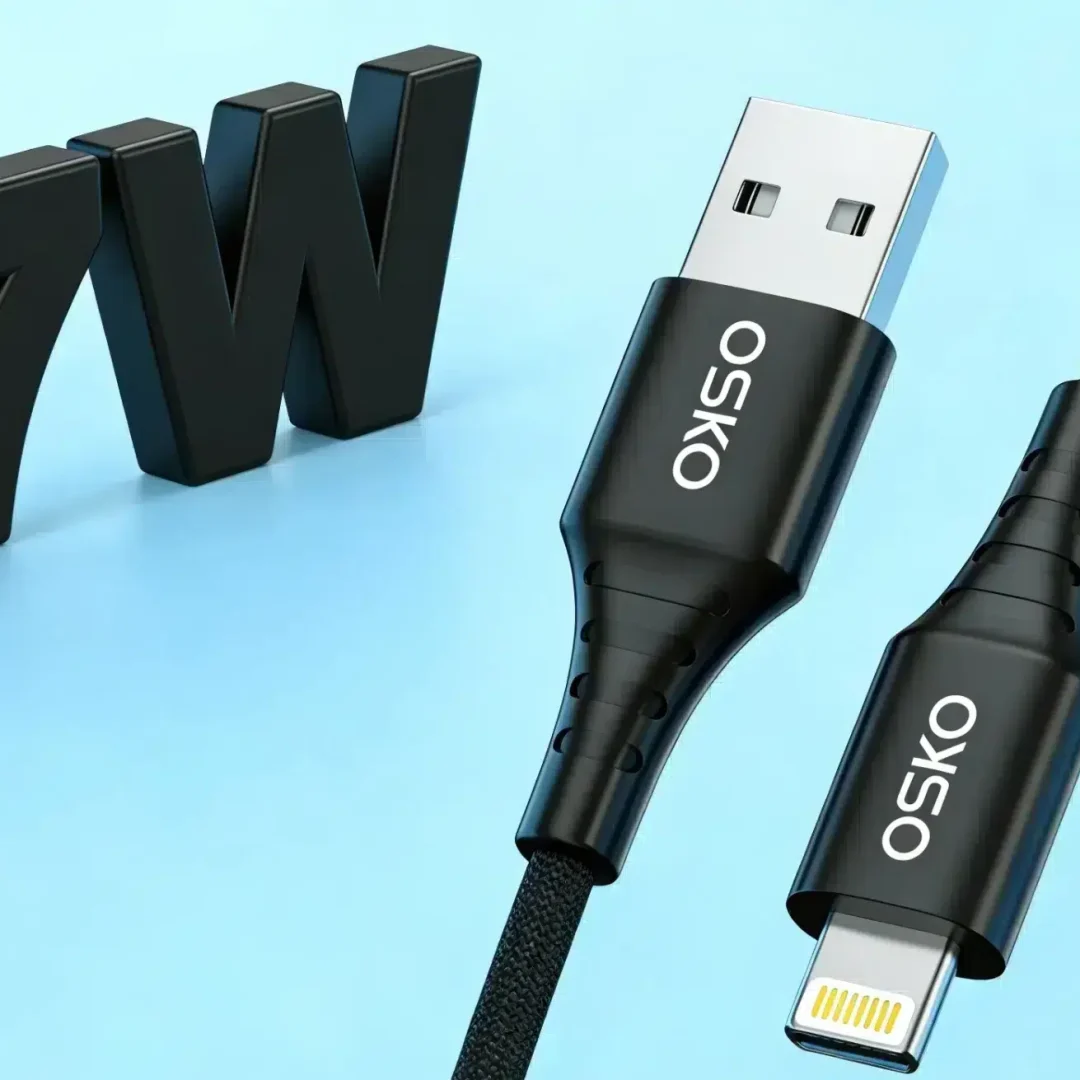
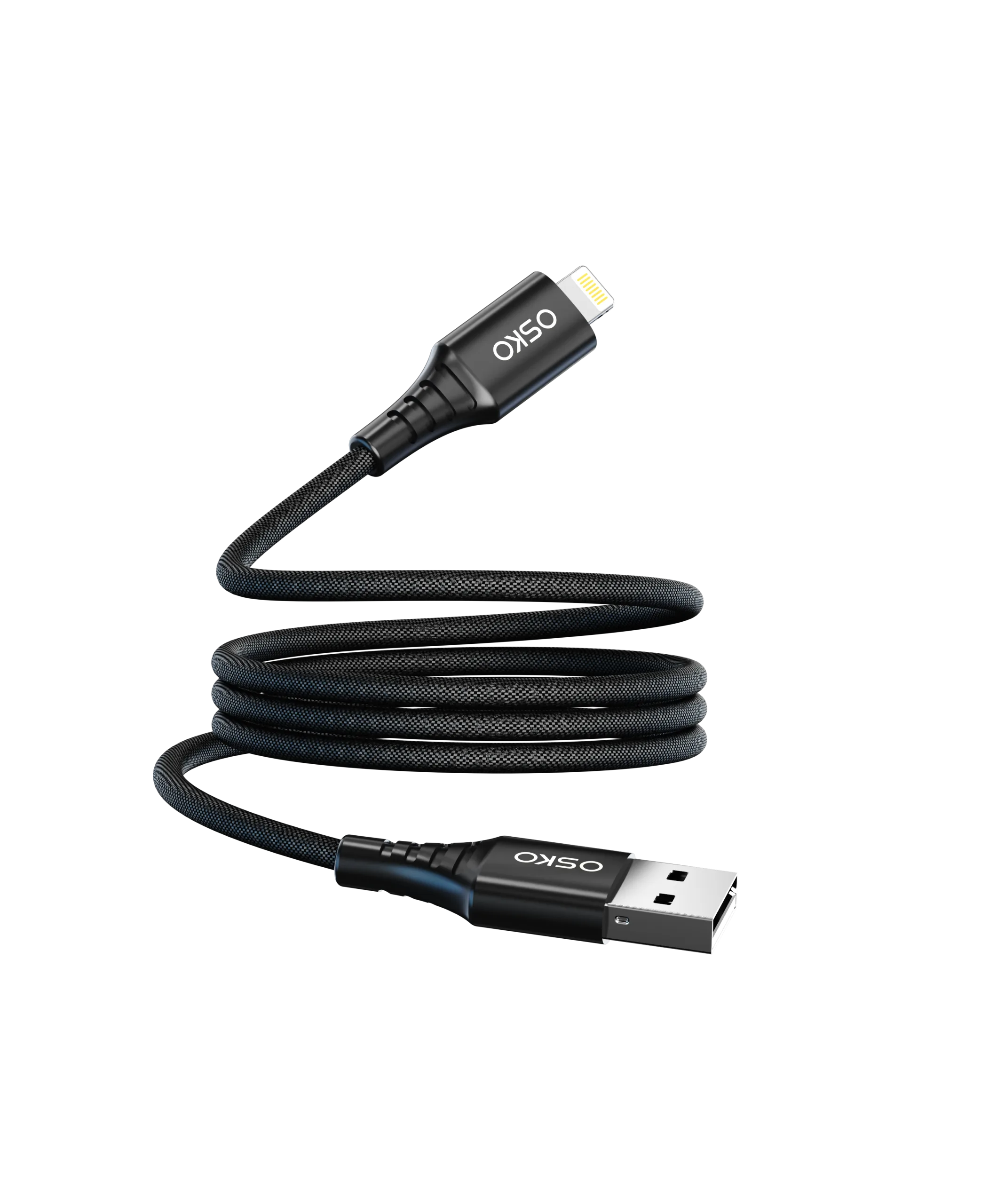
Lightning is Apple’s proprietary charging interface used primarily in iPhones, older iPads, and select accessories.
Typical use cases include:
iPhone charging and data transfer
Legacy iPad devices
Apple accessories such as AirPods charging cases
Enterprise environments with existing Apple ecosystems
Lightning cables rely on Apple’s MFi certification system, which ensures compatibility and safety across iOS updates. Without MFi approval, accessories may face compatibility issues or reduced functionality.
In practical use, Lightning remains stable and reliable within Apple ecosystems, but its power and data limitations make it less flexible compared to USB-C in modern cross-device environments.
USB-C vs Lightning in Real-World Performance
When comparing performance, USB-C generally offers higher technical capability.
USB-C advantages include:
Higher power delivery (up to 240W)
Faster data transfer speeds
Universal compatibility across devices
Open industry standard
Lightning advantages include:
Tight Apple ecosystem integration
Stable MFi-certified performance
Compact connector design
Wide accessory support for iPhone users
From a market perspective, USB-C is increasingly used in OEM USB cable, ODM USB cable, and wholesale USB cable production due to its scalability, while Lightning remains important for Apple-focused accessory markets.
Purchase Recommendations
Choose USB-C If You Want Future-Proof Compatibility
USB-C is the recommended choice for users and buyers looking for long-term flexibility.
It is ideal for:
Laptop and tablet charging systems
Multi-device charging environments
Wholesale distribution and retail expansion
OEM/ODM product development
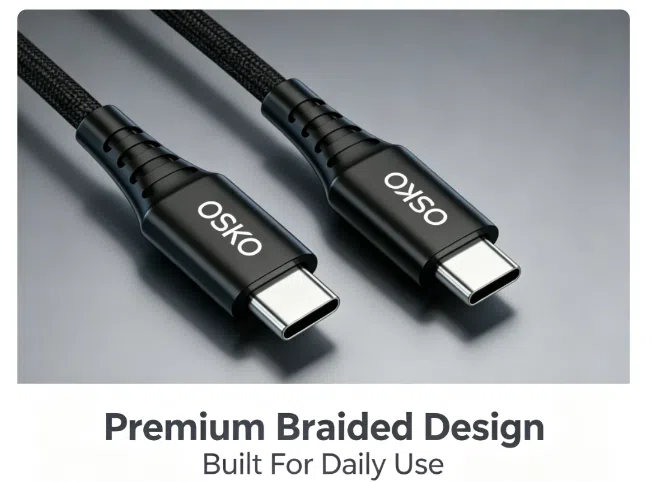
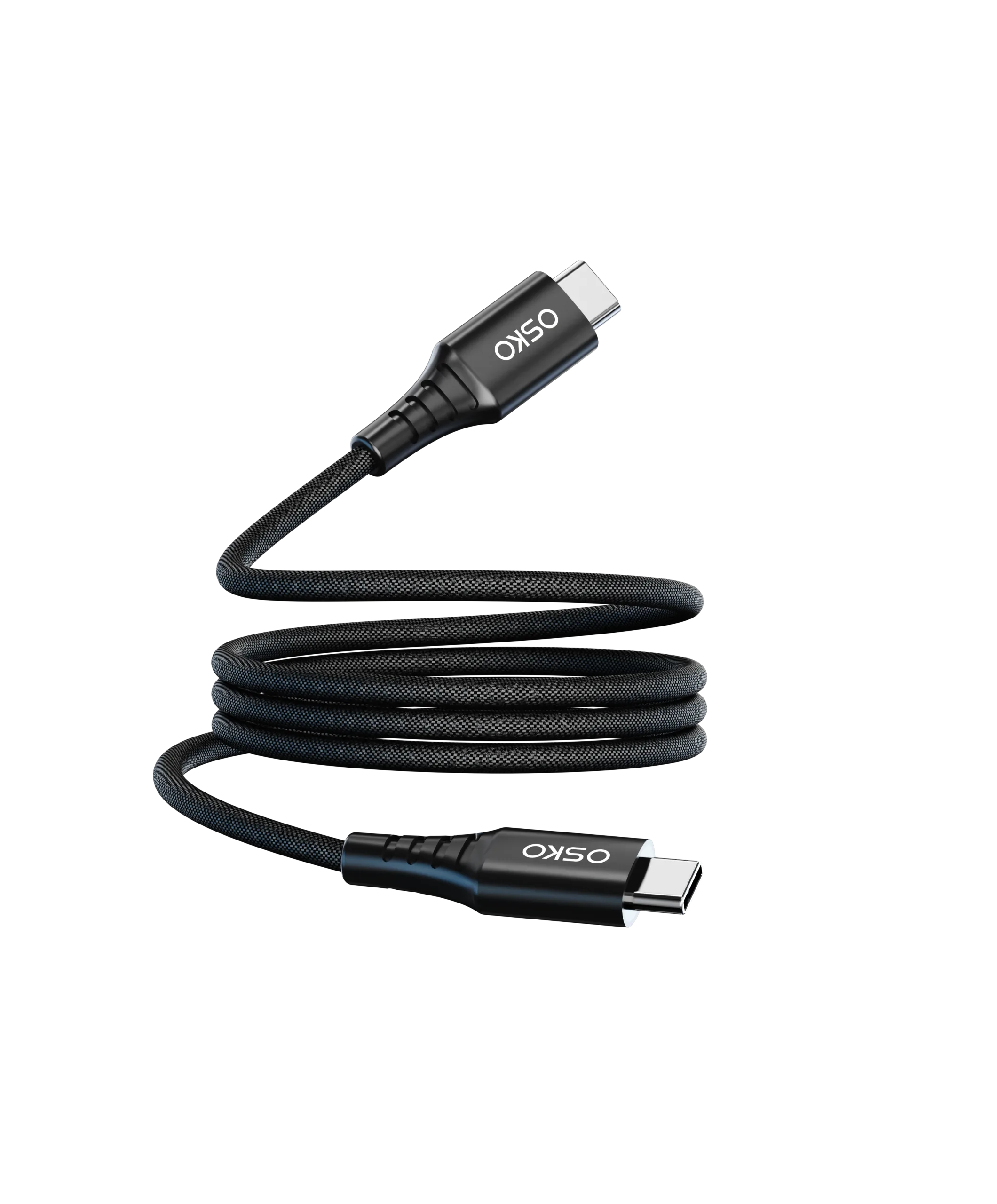
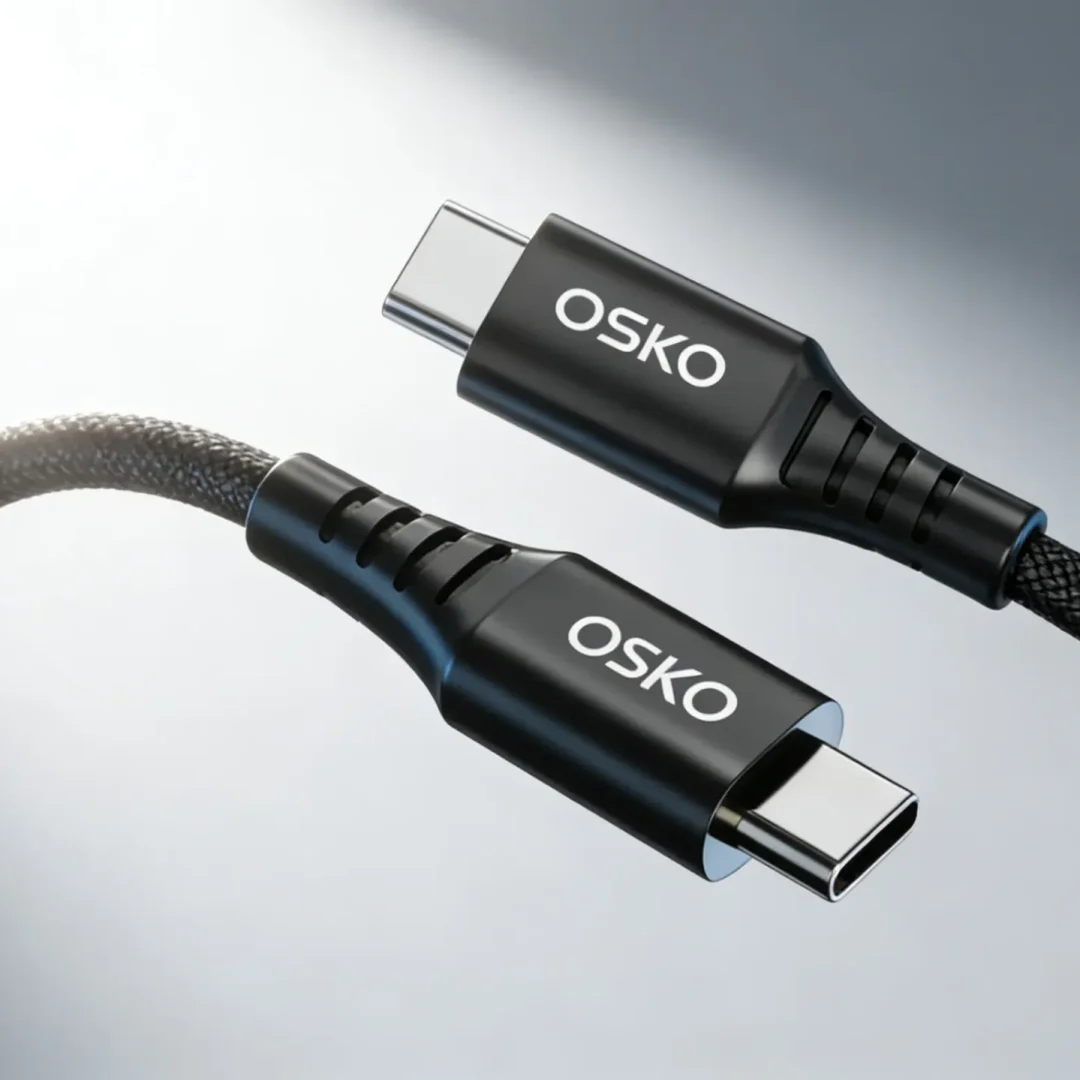
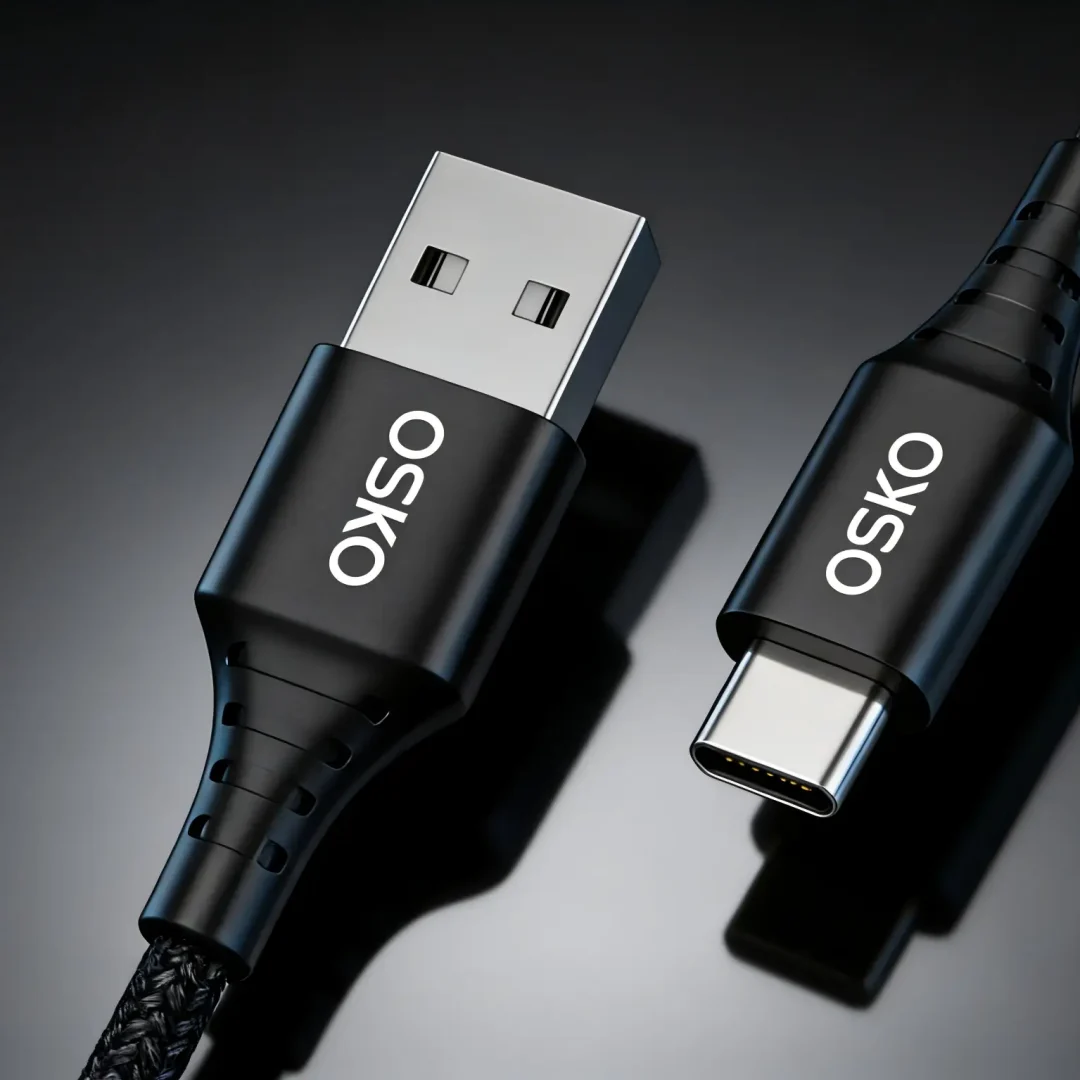
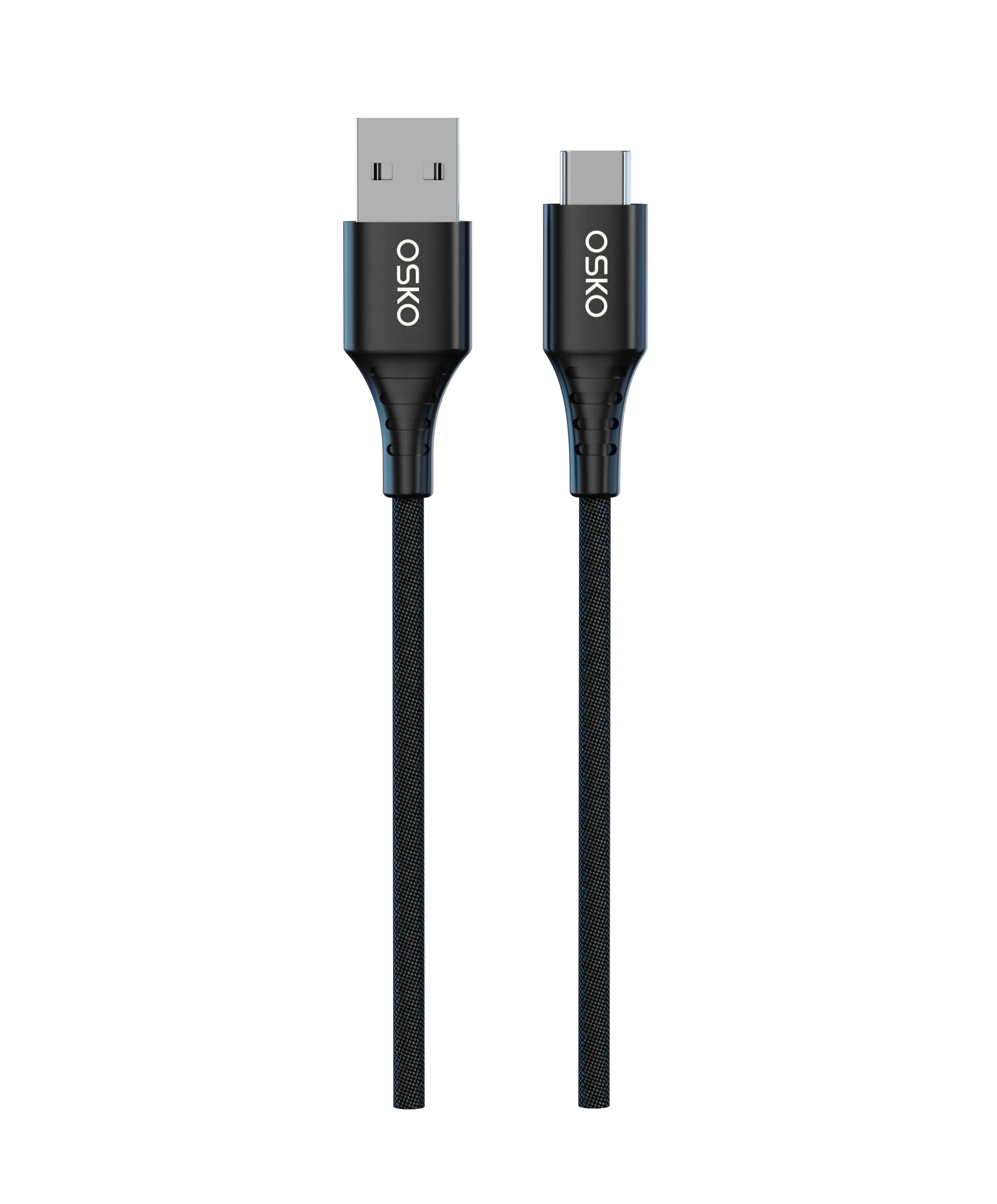
For example, heavy duty braided USB-C cable manufacturer products are widely used in desk charging systems and enterprise accessory kits because they support high-wattage PD charging and universal device compatibility.
Similarly, USB-IF compliant Type C cable manufacturer solutions ensure stable interoperability across global device ecosystems.
Choose Lightning If You Are Apple-Centric
Lightning is best suited for users fully embedded in Apple’s ecosystem.
It is ideal for:
iPhone users
Apple accessory ecosystems
Existing Lightning-based infrastructure
Retail markets focused on Apple devices
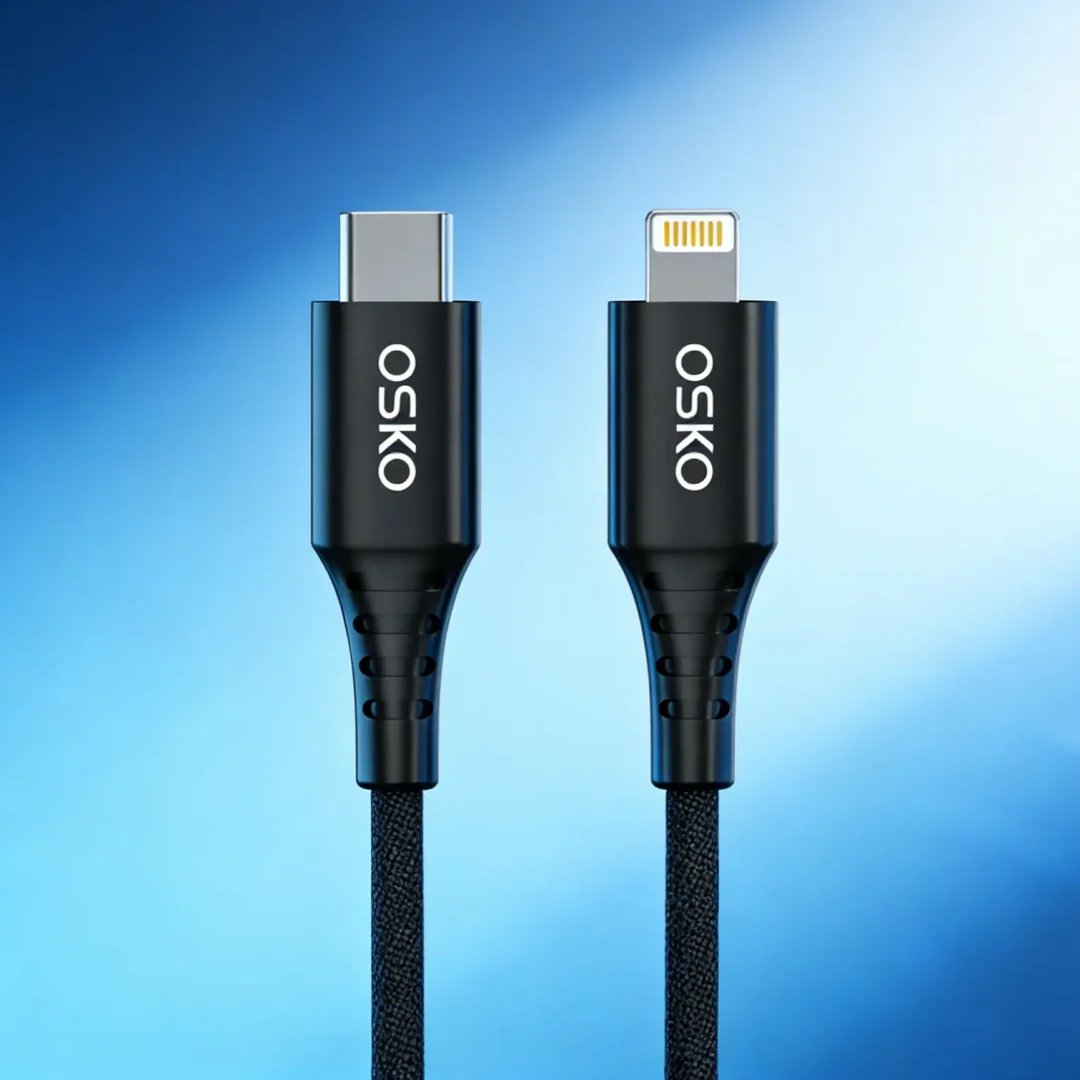
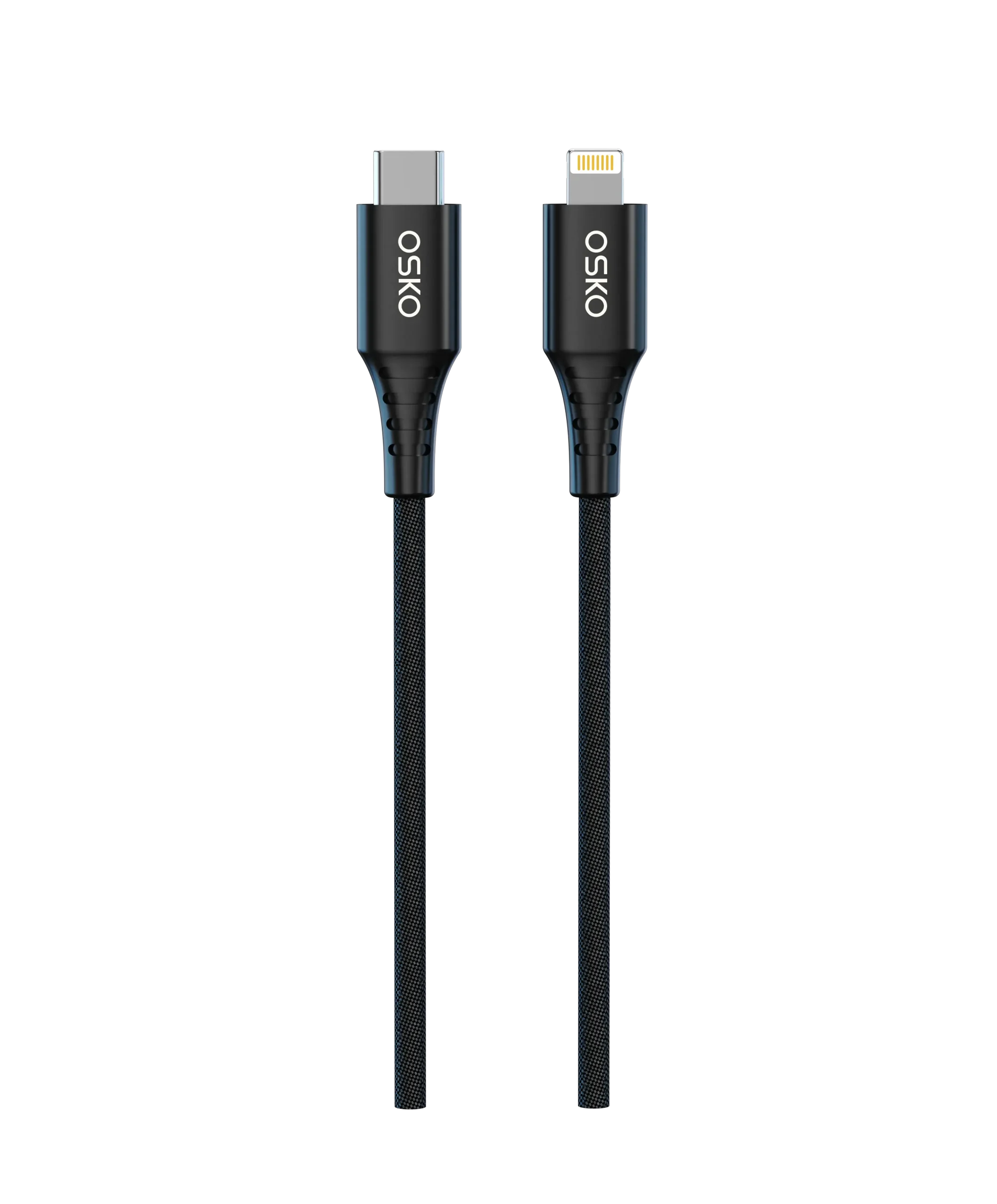
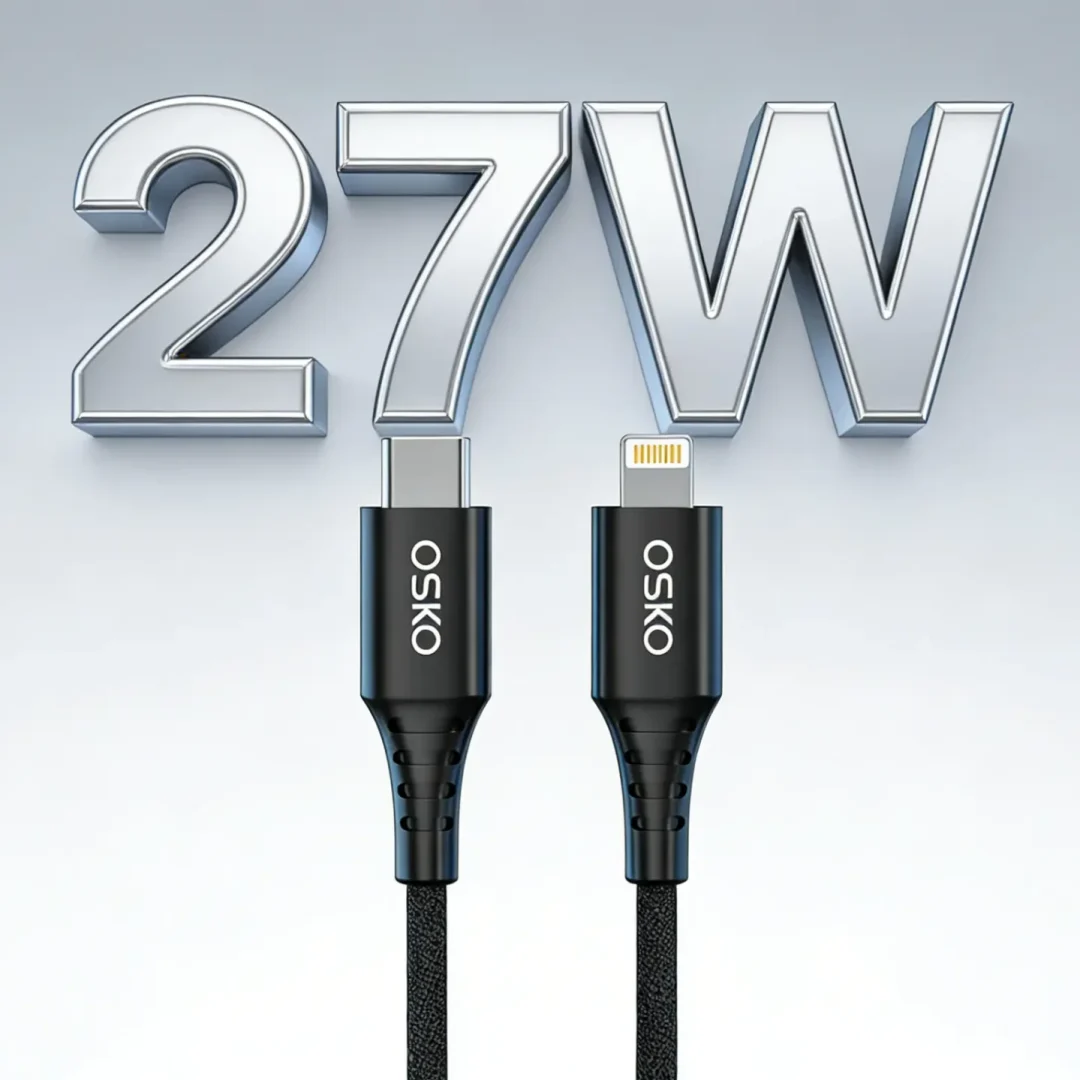
For these applications, USB-C to Lightning cable solutions remain essential for fast charging compatibility with modern PD adapters.
However, Lightning is limited in future scalability compared to USB-C, especially for cross-platform device environments.
Material and Durability Considerations
Regardless of interface choice, cable construction significantly affects performance and lifespan.
Standard PVC cables often face:
Tangling issues
Connector wear
Reduced flexibility
Shorter lifespan
In contrast, durable nylon braided Type C charging cable factory solutions provide:
Better abrasion resistance
Stronger tensile durability
Improved bending performance
Longer operational life
This is especially important in car charging cable systems and travel environments where cables experience frequent movement and stress.
Certification and Compliance Factors
For wholesale and OEM buyers, compliance is essential.
Recommended certifications include:
CE certification
RoHS compliance
FCC approval
USB-IF certification (USB-C)
MFi certification (Lightning)
Prop 65 compliance for US markets
These certifications ensure safety, compatibility, and legal distribution in North American and European markets.
FAQ
Is USB-C better than Lightning?
In most technical aspects, yes. USB-C supports higher power, faster data transfer, and broader compatibility across devices.
Why does Apple still use Lightning?
Lightning remains in use for compatibility with existing Apple ecosystems and accessory infrastructure, although Apple is gradually transitioning to USB-C.
Can USB-C charge iPhones?
Yes, using a USB-C to Lightning cable or USB-C iPhone models, USB-C enables fast charging with compatible PD adapters.
Which is better for wholesale buyers?
USB-C is generally better for wholesale and OEM buyers due to its universal compatibility and future scalability across device categories.
Do Lightning cables still have demand?
Yes. Lightning cables still have strong demand in Apple-centric markets, especially for iPhone users and legacy device support.
Summary
Choosing between USB-C and Lightning depends on device ecosystem, long-term compatibility needs, and application scenarios.
From a technical standpoint, USB-C offers superior scalability, higher power delivery, and broader cross-device compatibility, making it the preferred standard for OEM, ODM, wholesale, and retail expansion. It is widely used in modern USB charging cable ecosystems, including laptops, tablets, and multi-device charging systems.
In contrast, Lightning remains an Apple-specific solution, optimized for iPhone users and legacy device support. It delivers stable performance within its ecosystem but lacks the universal adaptability of USB-C.
For global markets in North America and Europe, USB-C is increasingly dominant in new product development, while Lightning continues to serve a stable but gradually transitioning segment.
By evaluating compatibility, durability, certification, and application needs, users and buyers can select the most suitable charging standard for their specific use case, ensuring reliable performance and long-term usability across evolving digital ecosystems.