
Introduction
The demand for USB Type-C cables continues to grow rapidly as smartphones, tablets, laptops, automotive systems, and smart devices transition from traditional USB connectors to the modern USB-C interface.
For distributors, retailers, and electronics brands, selecting a reliable USB Type-C cable manufacturer is critical because cable quality directly affects charging speed, device compatibility, safety, and customer satisfaction.
A professional USB-A to USB-C fast charging cable supplier must control not only external appearance but also internal conductor design, charging protocol compatibility, connector reliability, and production consistency.
OSKO specializes in manufacturing wholesale USB-C cables, providing OEM and ODM solutions for global buyers who need reliable charging cables for Samsung devices, Android smartphones, tablets, automotive applications, and consumer electronics markets.
What Is a USB-A to USB-C Cable?
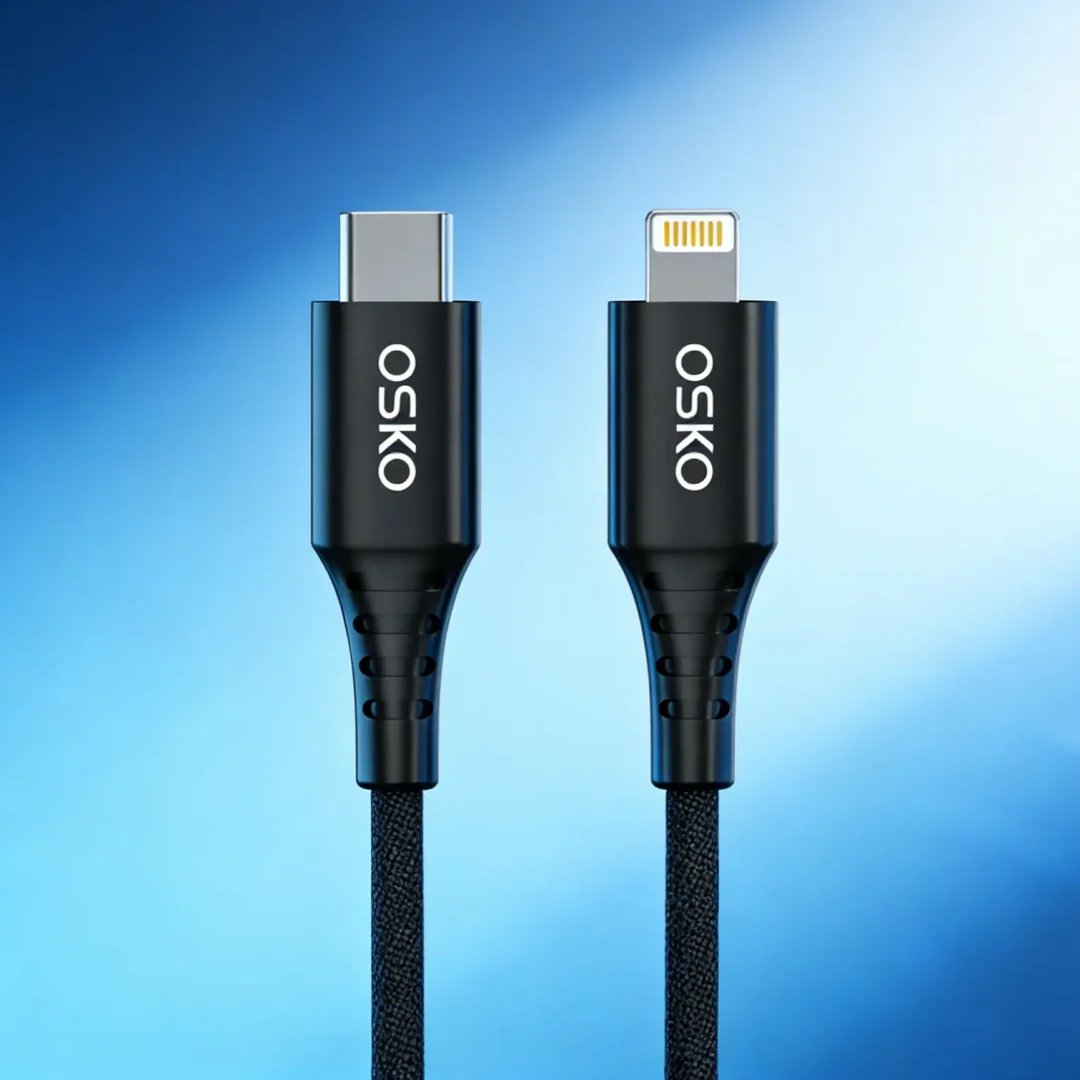
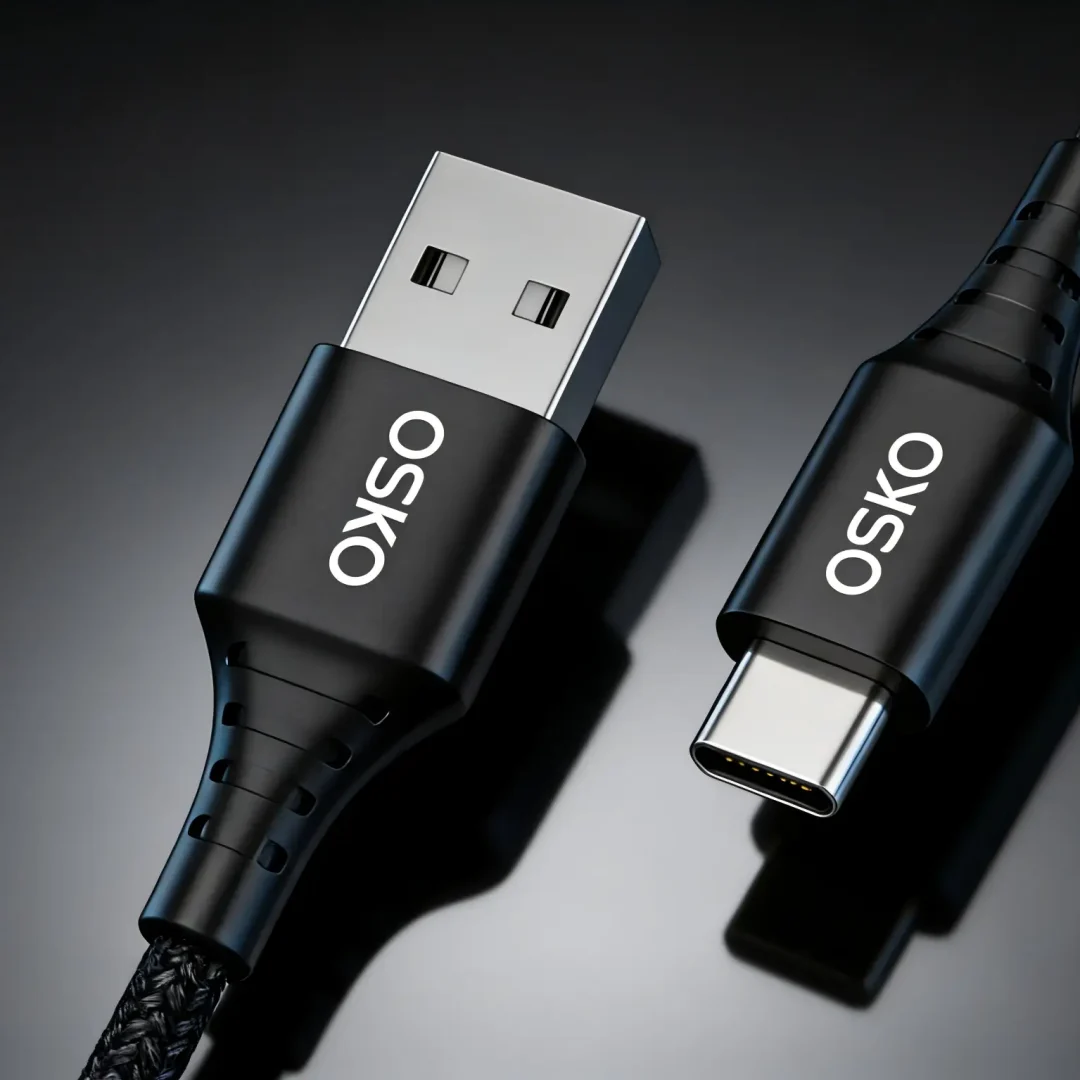
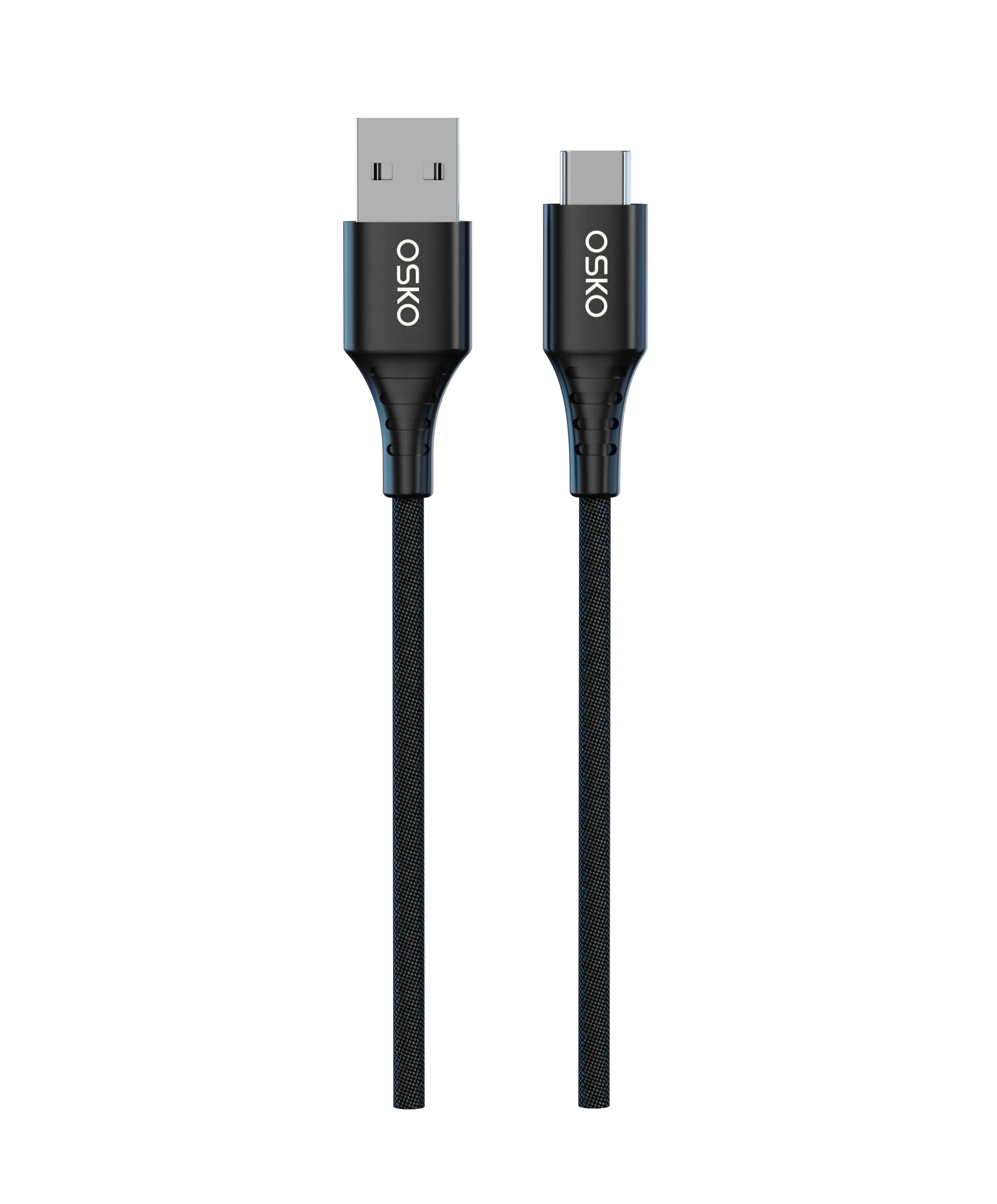
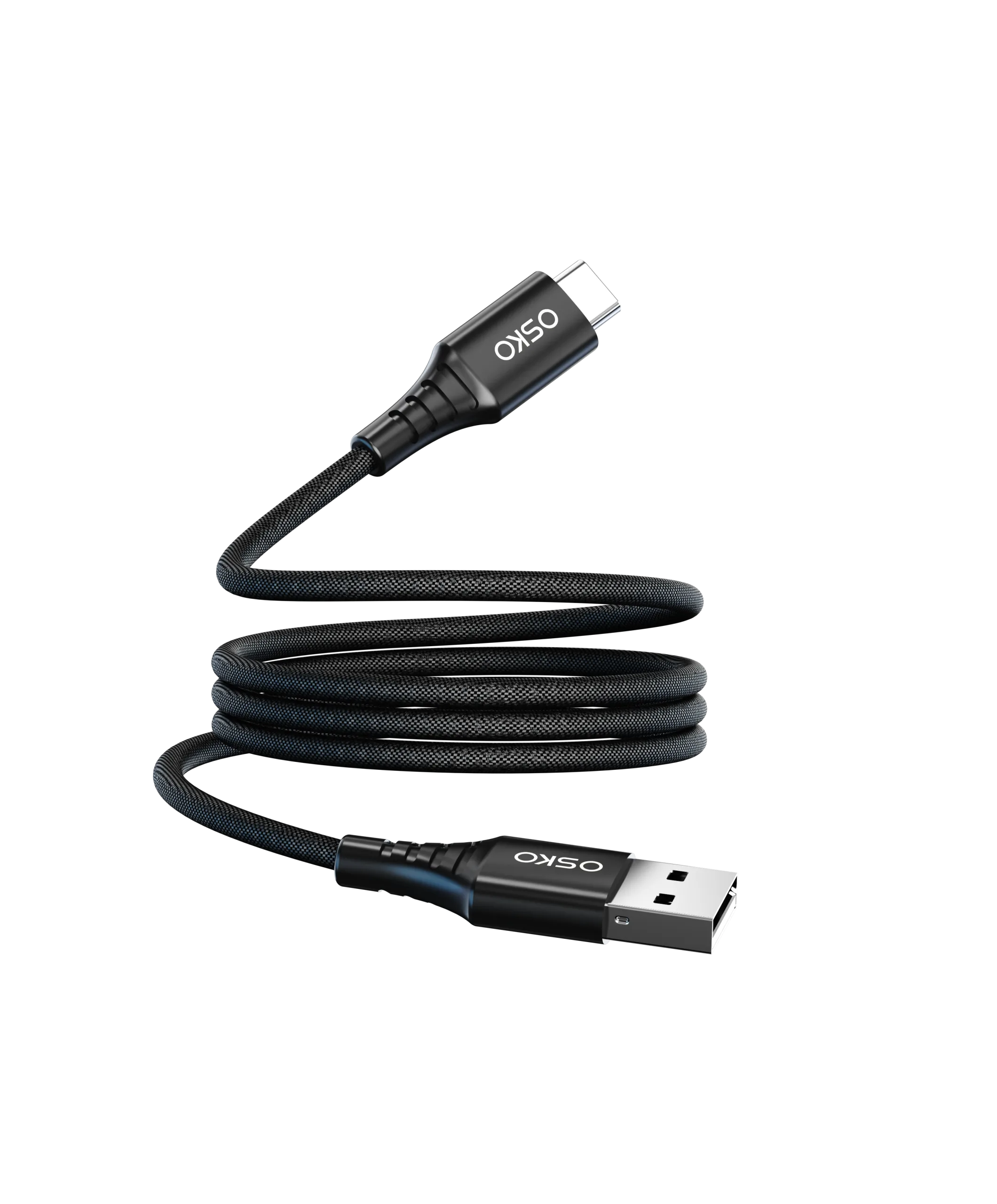
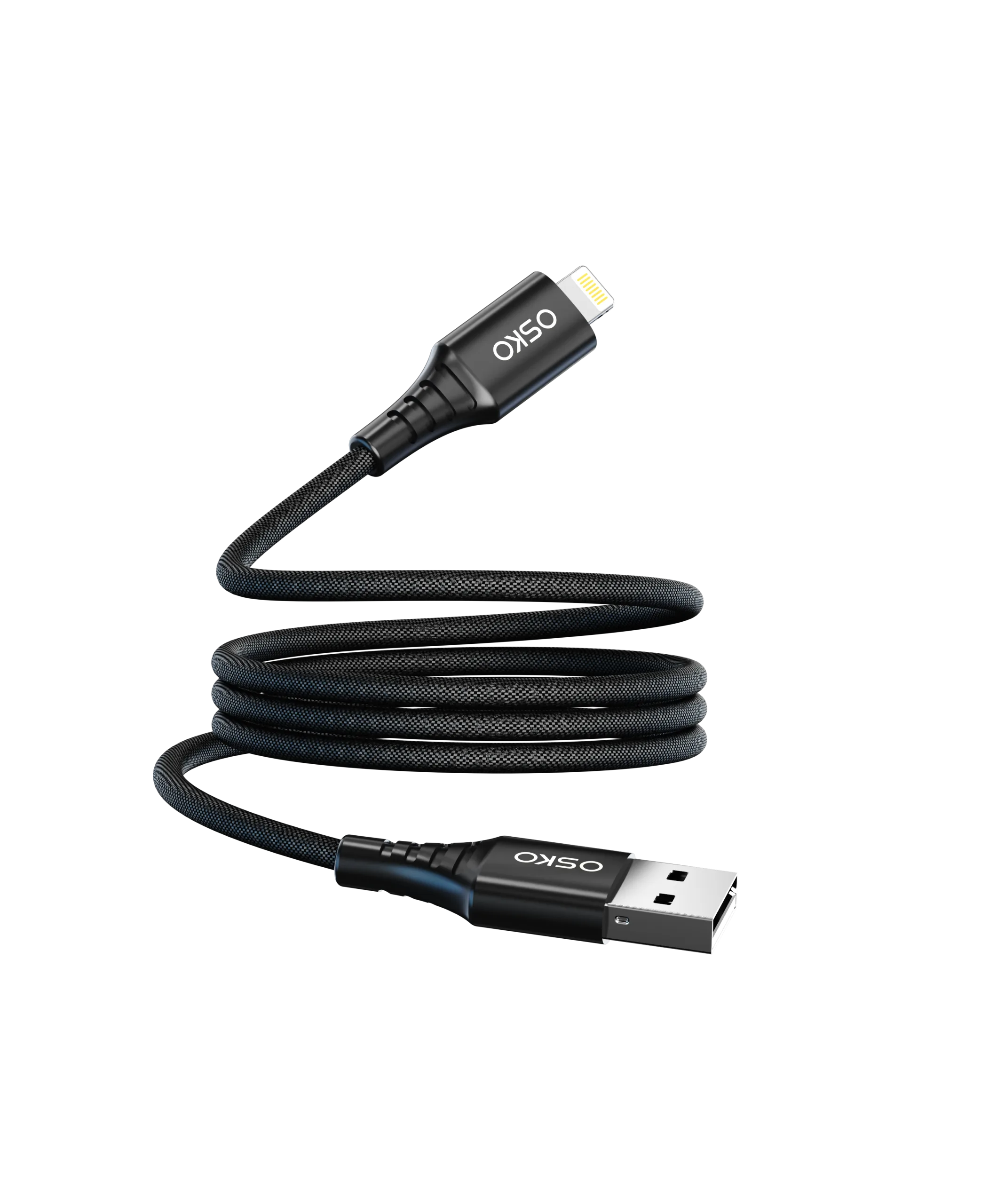
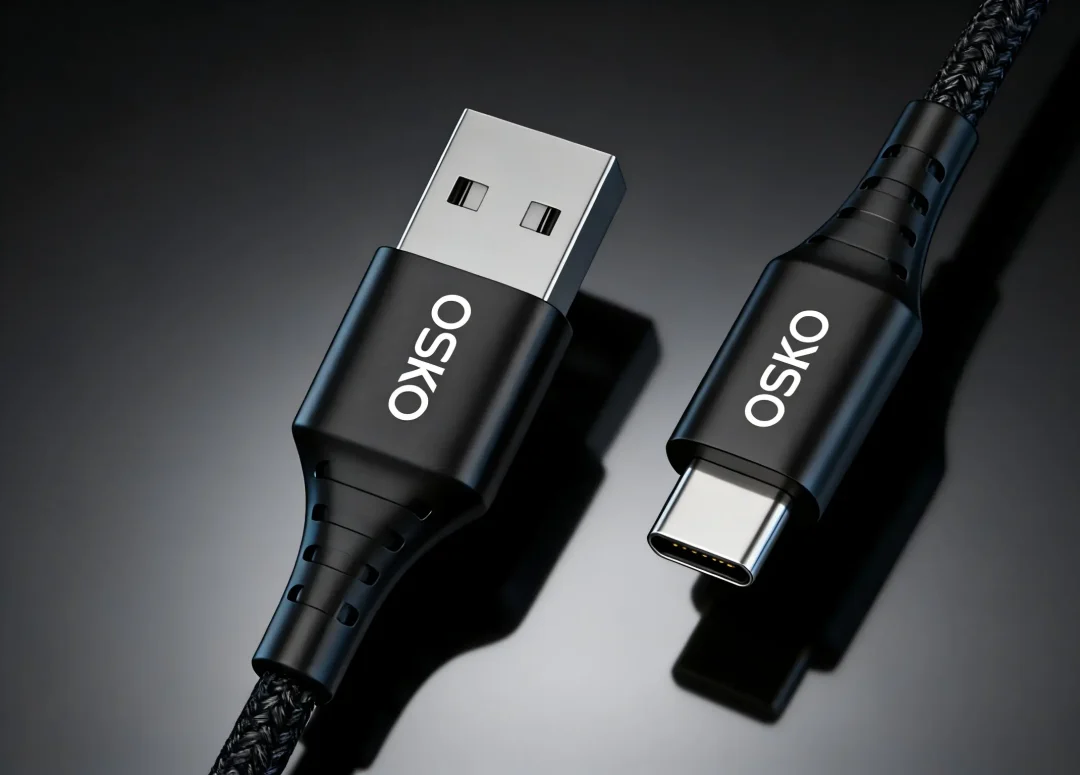
A USB-A to USB-C cable is a charging and data transmission cable that combines the traditional USB-A connector with the newer reversible USB Type-C connector.
The USB-A connector is commonly found on:
Wall chargers
Car chargers
Computers
Power adapters
The USB-C connector is widely used in:
Samsung Galaxy smartphones
Android devices
Tablets
Power banks
Wireless headphones
Gaming accessories
Automotive systems
Unlike older USB connectors, USB-C features a reversible design, allowing users to insert the connector in either direction.
This improves user experience and reduces connector damage caused by incorrect insertion.
Why Are Wholesale USB Type-C Cables Popular?
Growing Demand for USB-C Charging Solutions
USB-C has become the preferred charging interface because it provides:
Faster Charging Capability
Modern USB-C cables support higher power delivery compared with traditional USB cables.
Typical charging levels include:
5V standard charging
18W fast charging
60W USB Power Delivery
100W USB-C charging
Higher power USB PD solutions
For businesses selling charging accessories, offering reliable fast charging USB-C cables wholesale helps meet customer demand for newer devices.
Universal Device Compatibility
USB-C cables are widely compatible with:
Samsung Galaxy smartphones
Google Pixel phones
Android tablets
USB-C laptops
Bluetooth accessories
Car infotainment systems
For retailers and distributors, a high-quality USB-A to Type-C cable wholesale product provides broader market coverage compared with single-device cables.
What Makes a High-Quality USB-A to USB-C Fast Charging Cable?
Not all USB-C cables provide the same performance.
Professional buyers should evaluate several key factors.
1. Cable Conductor Quality
The internal copper conductor determines charging efficiency.
Low-quality cables often use:
Thin copper wires
Poor conductivity materials
Incorrect wire gauge
These problems can cause:
Slow charging
Voltage drop
Excessive heat
Short product lifespan
Premium USB-C cables usually use optimized copper conductors with suitable AWG specifications.
Common applications:
| Application | Recommended Design |
|---|---|
| Standard charging | 28 AWG |
| Fast charging | 24–26 AWG |
| USB PD charging | 22–24 AWG |
OSKO controls conductor specifications according to customer requirements to ensure stable charging performance.
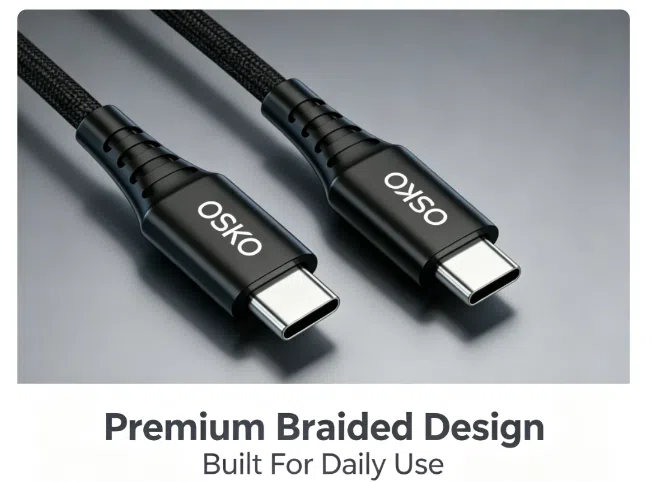
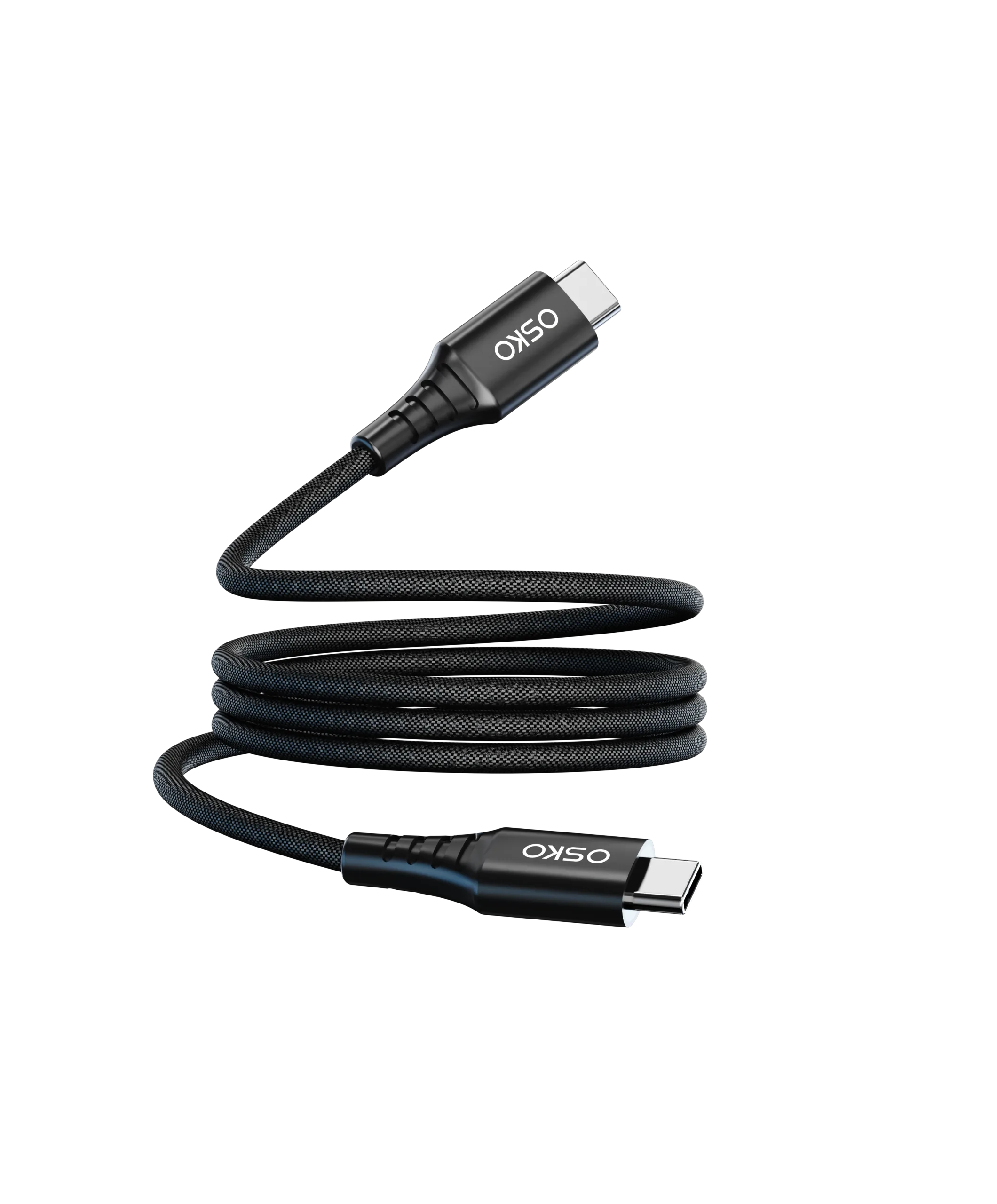
2. Durable Nylon Braided Construction
For wholesale charging cable buyers, durability is one of the most important purchasing factors.
Traditional PVC cables may experience:
Jacket cracking
Cable bending damage
Connector separation
A premium braided USB-C charging cable provides:
Better abrasion resistance
Improved flexibility
Longer service life
Premium retail appearance
OSKO braided USB-C cables use reinforced structures designed for repeated daily use.
Production testing may include:
Bend testing
Tensile testing
Connector stress testing
This helps reduce customer complaints and product returns for distributors.
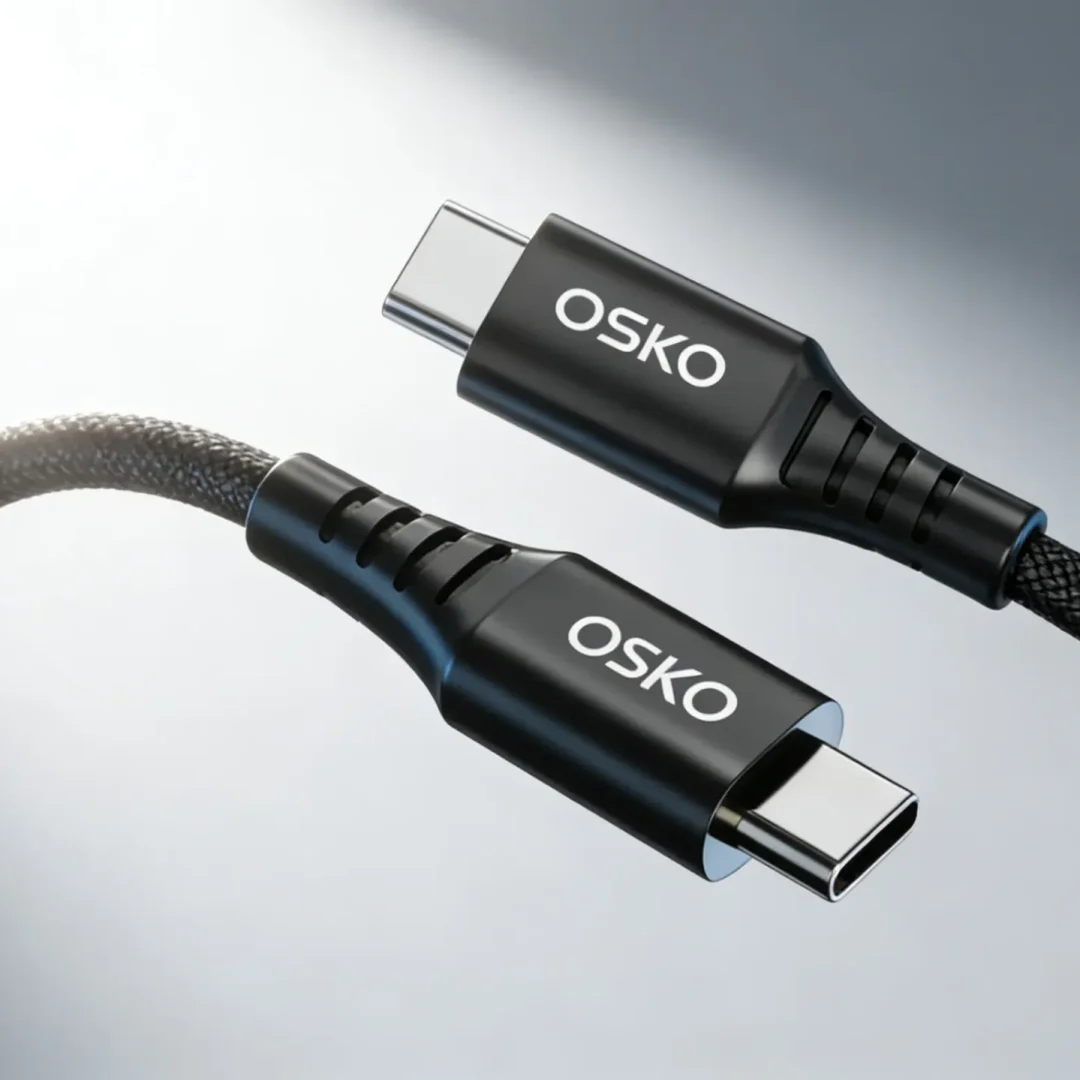
3. Reinforced Connector Design
The connector area is one of the most common failure points.
Professional USB cable manufacturing requires:
Strong strain relief design
Secure solder joints
High-quality connector housing
Stable internal assembly
OSKO uses reinforced connector structures and manufacturing inspections to improve cable reliability during long-term usage.
Does USB-C Cable Support Fast Charging for Samsung Phones?
Yes, a properly designed USB-A to USB-C fast charging cable can support Samsung smartphones when paired with a compatible charger.
Charging performance depends on:
Charger output
Device charging protocol
Cable current capability
Connector quality
Samsung devices may support different charging technologies depending on the model.
For example:
Standard USB charging
Adaptive Fast Charging
USB Power Delivery
Super Fast Charging
Therefore, OEM buyers should confirm cable specifications before mass production.
USB-C Cable Data Transfer Capability
A USB-C cable is not only for charging.
Depending on design, USB-C cables can support:
Charging Only Cable
Suitable for:
Basic charging applications
Low-cost accessories
USB 2.0 Data Cable
Supports:
Charging
File transfer
Device synchronization
Typical speed:
Up to 480 Mbps
High-Speed USB Cable
Designed for:
External storage devices
Professional applications
High-speed data transfer
For retail products, USB 2.0 USB-A to USB-C cables remain one of the most popular choices because they provide a balance between cost and performance.

Why Choose OSKO as Your USB Type-C Cable Manufacturer?
OEM and ODM Customization Capability
Global brands often require customized charging cables.
OSKO supports:
Custom cable length
Custom color
Custom logo printing
Custom packaging
Custom connector design
Private label solutions
Common customization options:
Cable length:
0.3m
1m
1.5m
2m
3m
Cable materials:
PVC
TPE
Nylon braided
TPU
Factory Quality Control for Wholesale USB-C Cable Production
A reliable USB cable factory requires complete quality management.
OSKO production control includes:
IQC (Incoming Quality Control)
Inspection of:
Copper materials
Connector components
Plastic materials
Electronic components
IPQC (In-Process Quality Control)
Monitoring:
Assembly process
Soldering quality
Connector installation
Cable appearance
OQC (Outgoing Quality Control)
Final checks include:
Charging test
Data transmission test
Appearance inspection
Packaging verification
This manufacturing process helps ensure consistent quality for bulk orders.
What Certifications Should USB-C Cable Buyers Request?
Before purchasing wholesale USB cables, buyers should check:
RoHS compliance
REACH compliance
ISO9001 quality system
Electrical test reports
Material declarations
For premium charging cable applications, buyers may also require:
USB-IF related testing
USB PD compatibility verification
E-Marker documentation
Engineering Case Study: Custom USB-A to USB-C Cable Solution for European Electronics Distributor
A European electronics distributor planned to launch a private-label charging accessory line for Samsung and Android users.
Their initial challenge was inconsistent quality from previous suppliers:
Different charging speeds between batches
Connector failures after repeated use
High customer return rates
OSKO engineers optimized the cable solution by:
Increasing conductor specifications
Improving connector reinforcement
Selecting durable braided jacket materials
Adding production electrical testing
After mass production, the distributor achieved:
More stable charging performance
Lower return rates
Improved customer reviews
More reliable supply chain management
This case demonstrates why choosing an experienced USB-C cable factory supplier is essential for international brands.
How to Choose a Reliable USB-C Cable Supplier?
Before placing a bulk order, buyers should ask:
Product Questions
Does the cable support required charging power?
What conductor specification is used?
Is the cable tested before shipment?
Factory Questions
Does the supplier own a manufacturing facility?
Can they provide OEM customization?
Do they have quality inspection procedures?
Compliance Questions
Are RoHS and REACH documents available?
Are materials traceable?
Can testing reports be provided?
A professional manufacturer should provide technical documentation instead of only offering low prices.
Conclusion
Wholesale USB Type-C cables have become an essential product category for smartphone accessories, electronics distributors, and private-label brands.
A reliable USB-A to USB-C fast charging cable manufacturer must provide:
Stable charging performance
Durable cable construction
Quality connectors
Consistent production control
OEM customization capability
OSKO provides professional USB cable manufacturing solutions for global customers, including wholesale USB-C cables, custom braided charging cables, and OEM charging accessories.
Choosing the right factory partner helps brands reduce quality risks and build long-term market competitiveness.
FAQ
What is a USB-A to USB-C cable?
A USB-A to USB-C cable connects traditional USB-A charging ports with modern USB-C devices. It is commonly used for Samsung phones, Android smartphones, tablets, and other USB-C electronics.
Can USB-A to USB-C cables support fast charging?
Yes. Fast charging depends on the cable design, conductor size, charger output, and device charging protocol. High-quality USB-C cables can support fast charging when paired with compatible chargers.
What should I look for when buying wholesale USB-C cables?
Buyers should evaluate conductor quality, charging capability, connector durability, material quality, certifications, factory experience, and OEM customization options.
Are braided USB-C cables better than standard cables?
Braided USB-C cables usually provide better durability, abrasion resistance, and longer service life compared with basic PVC cables.
Can USB-C cable manufacturers customize products?
Yes. Professional USB cable factories can customize cable length, color, logo, packaging, connector design, and specifications according to brand requirements.
What certifications are needed for USB-C cable wholesale orders?
Most international buyers request RoHS, REACH, ISO9001, and product testing documents. Additional certifications depend on application requirements and target markets.