This article explains the common test items for USB cables, including electrical performance, USB-PD charging stability, data transmission speed, durability, bending life, connector reliability, and safety compliance tests used in OEM manufacturing for US and European markets.
This article explains the key certifications required for bringing data cables to the U.S. market, including FCC, USB-IF, RoHS, REACH, and Prop 65 compliance. It also covers OEM manufacturing standards, safety testing, and Amazon compliance requirements for USB-C and charging cable products
This article explains how braided cables are customized for U.S. customers, including OEM/ODM design process, material selection, USB-PD performance tuning, packaging design, certification requirements, and retail readiness for Amazon and wholesale distribution in the US market.
This article explains the common specifications for charging cables in the US market, including USB-C PD power ratings, wire gauge (AWG), data transfer speed, material construction, length standards, and certification requirements such as USB-IF, FCC, and RoHS for OEM buyers and wholesalers.
This article explains which certifications matter when purchasing USB-C cables in wholesale. It covers USB-IF, CE, FCC, RoHS, REACH, and Prop 65 compliance, plus OEM manufacturing standards, safety testing, and quality control requirements for US and European markets.
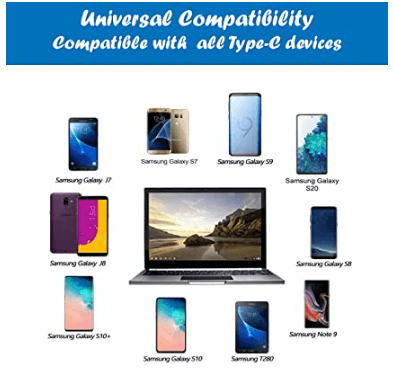
As technology continues to evolve, USB-C is becoming the universal standard for charging, data transfer, and multimedia connectivity.Choosing a high-quality USB-C cable today will help ensure better performance and compatibility for years to come.
This article explains how to tell if a USB-C cable is fast by analyzing USB-PD power ratings, conductor quality, shielding design, data protocols, and real-world charging tests. It includes engineering benchmarks, OEM insights, and US/EU market guidance for safe high-speed charging cable selection.
This article explains how to choose an affordable USB-C cable without performance or safety risks. It covers USB-PD compatibility, material engineering, shielding quality, certification standards, and common failures in low-cost cables for US and European markets, with OEM procurement insights from OSKO.
This article explains 5 real-world usage scenarios for a 10ft charging cable, including home, office, travel, automotive, and public environments. It covers USB-PD power loss considerations, material engineering, shielding design, and OEM manufacturing insights for US and European markets.
This article explains who a 6ft fast-charging cable is suitable for based on real-world usage scenarios, USB-PD power delivery performance, material engineering, and durability testing. It covers home, office, travel, and automotive applications with OEM procurement insights for US and European markets.