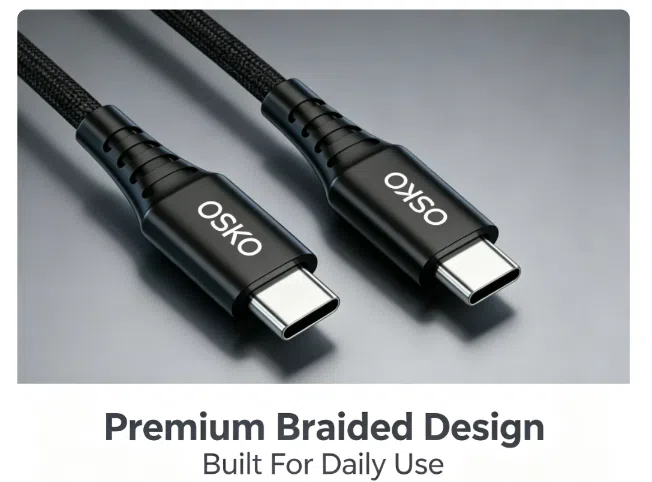
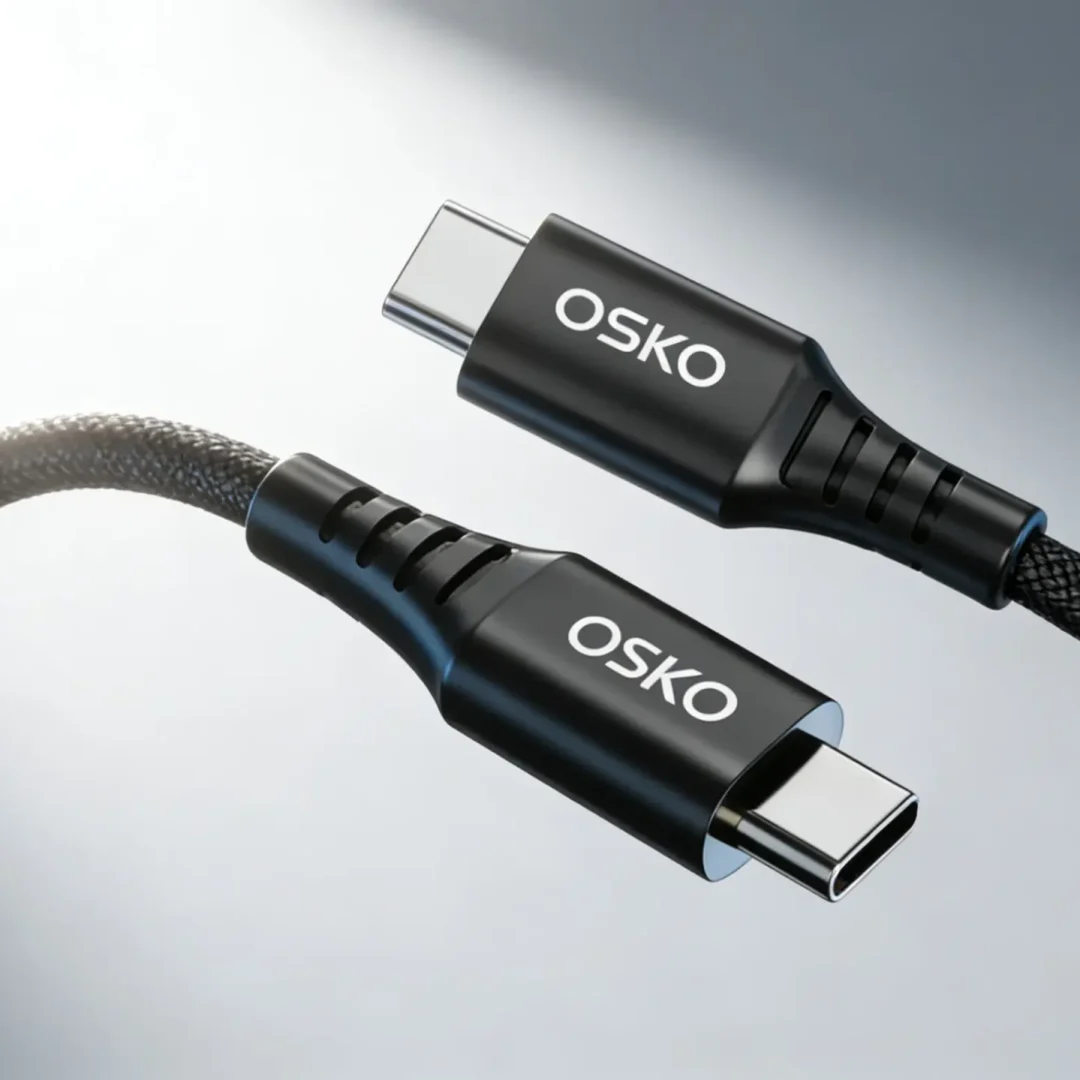
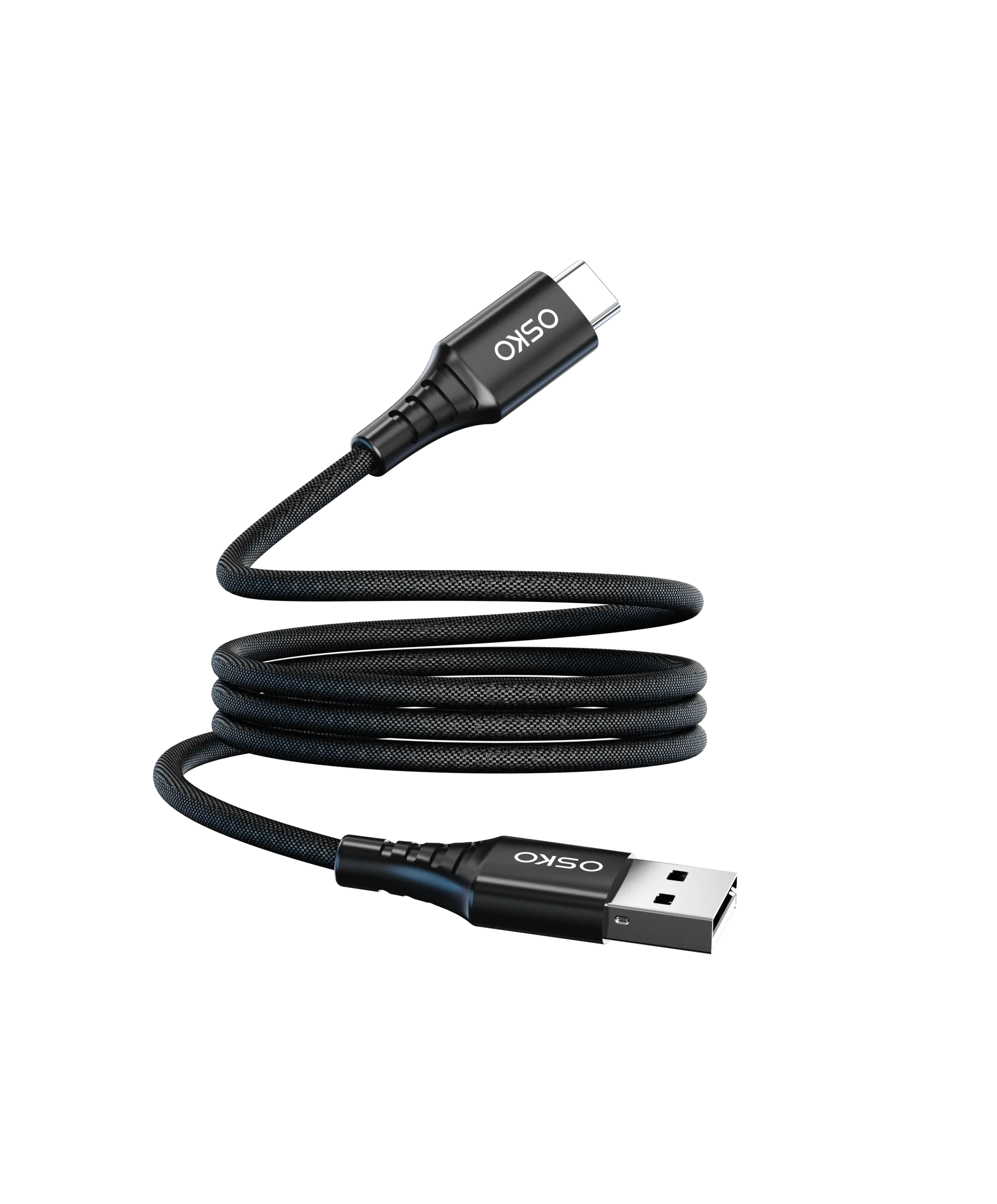

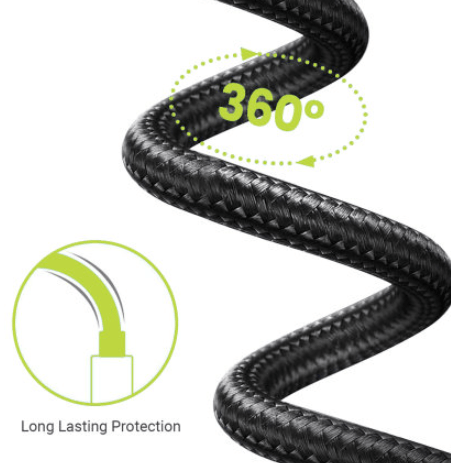
This article analyzes whether braided cables always perform better than PVC cables from an engineering perspective. It covers material science, dielectric properties, durability testing, OEM manufacturing standards, and real-world performance differences in charging systems for global markets.
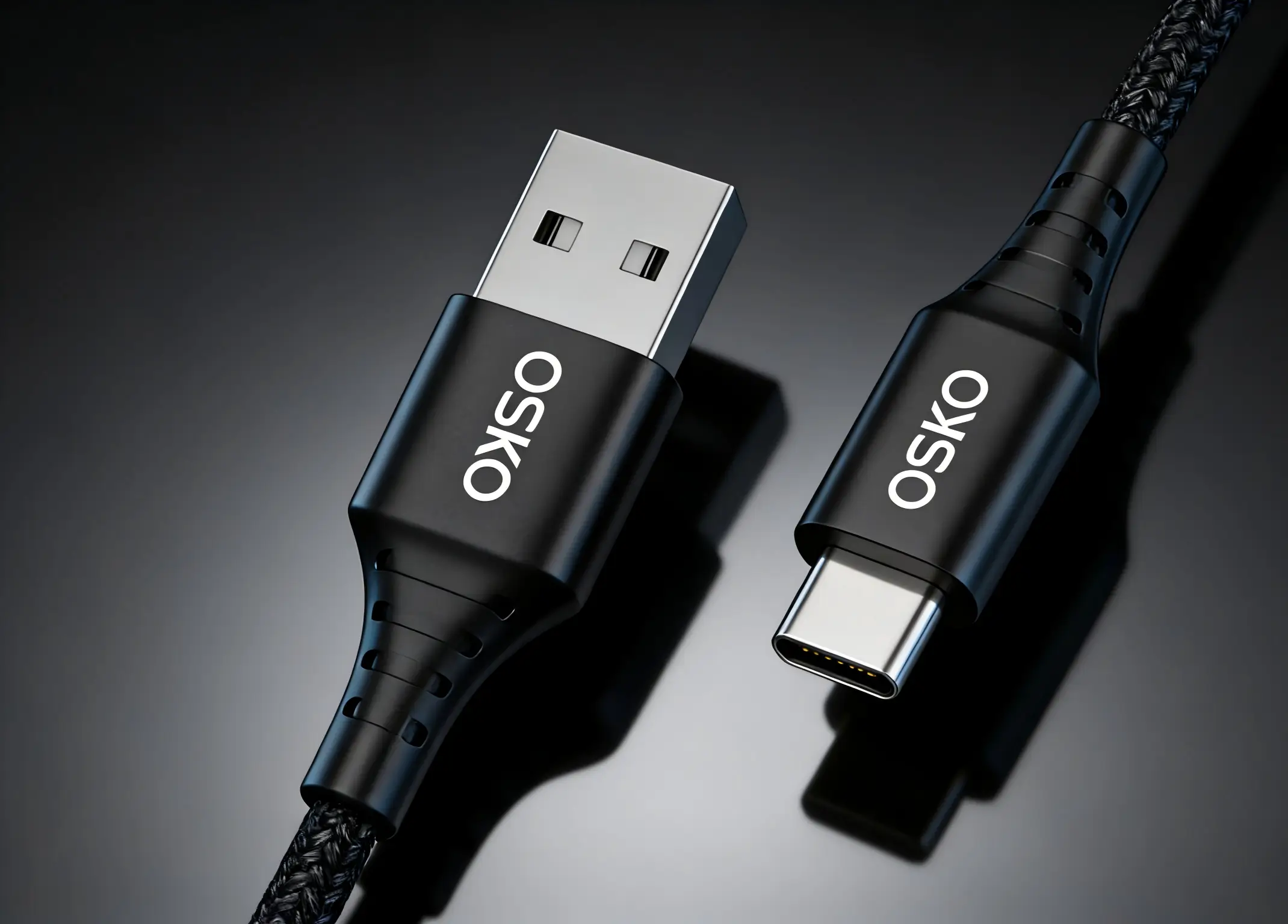
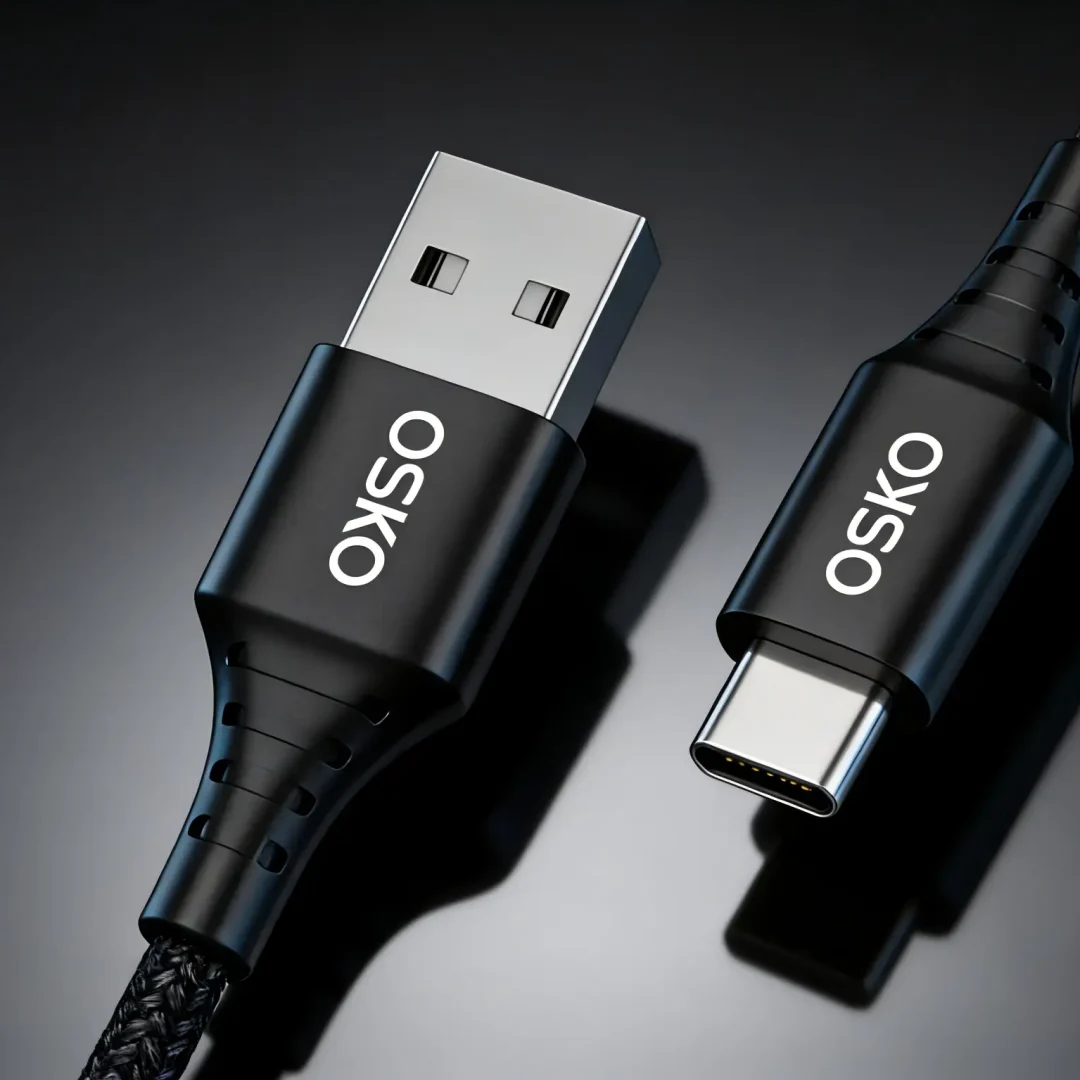
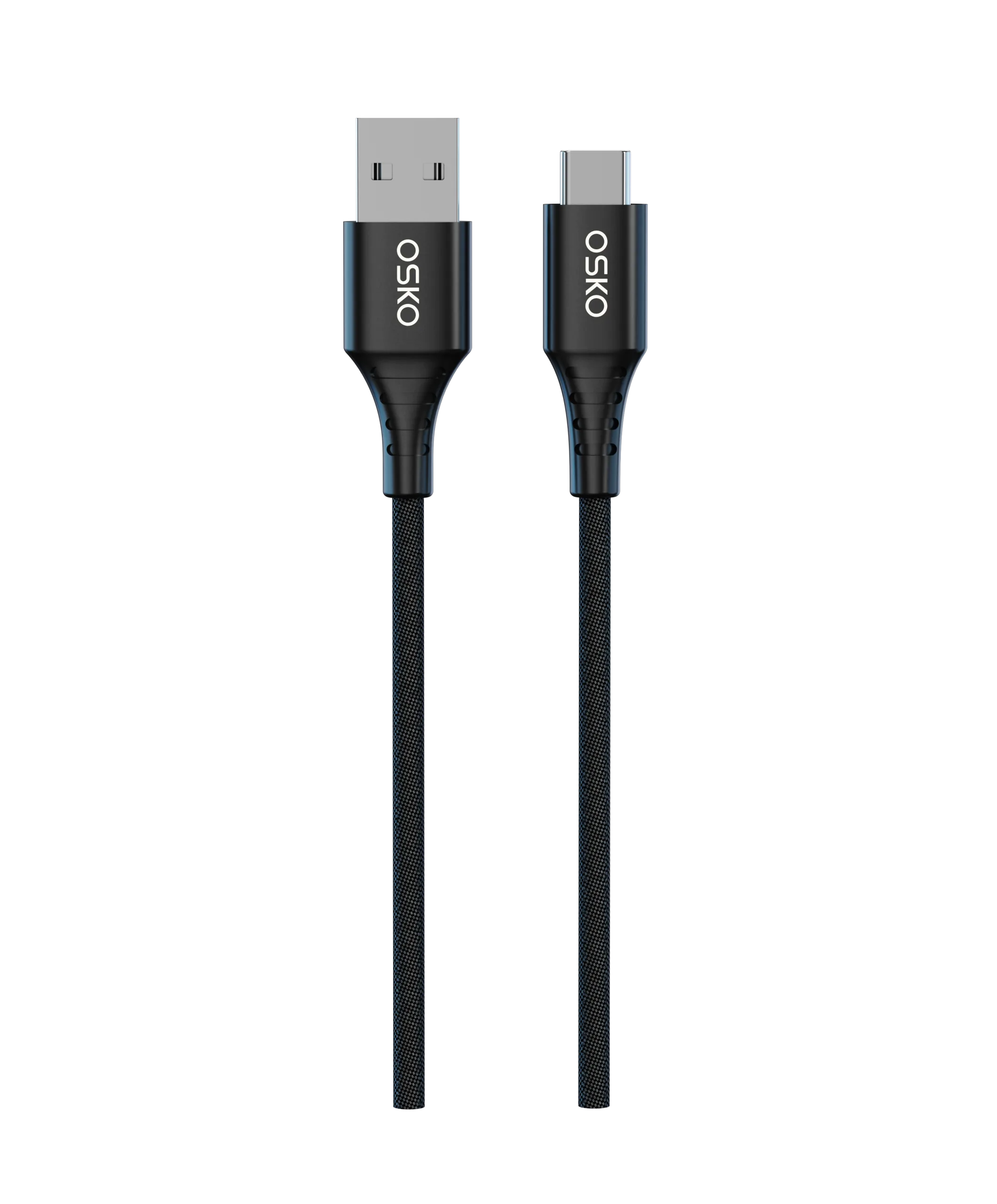
Professional USB-A to USB-C cable solutions including OEM customization, stable production, strict quality control, and fast global delivery for brands and wholesalers
This article explains how to choose the best travel charging cable, covering USB-C PD performance, braided materials, E-Marker chips, durability engineering, multi-device compatibility, and OEM manufacturing standards for global travel use cases.
This article compares 60W and 100W USB-C cables, explaining USB Power Delivery limits, E-Marker chip requirements, material design, charging efficiency, device compatibility, and OEM selection guidance for laptops and mobile devices.
The next time you purchase a USB-C cable, remember that one tiny circuit board hidden inside the connector may be responsible for most of the cable’s intelligence and performance
This article compares 100W vs 240W USB-C cables from an engineering perspective, explaining USB Power Delivery 3.0 vs 3.1, E-Marker chip requirements, conductor design, thermal performance, and OEM sourcing considerations for laptops and mobile devices.
This article compares 60W vs 240W charging cables for iPhone, explaining USB Power Delivery limits, MFi certification, E-Marker chip function, material science, charging efficiency, and real-world usage differences for global Apple users.
This article explains how to buy a 100W USB-C charging cable from an engineering perspective, covering USB Power Delivery 3.0, E-Marker chip requirements, material science, dielectric properties, durability testing, and OEM sourcing standards for global markets.
How an electronics distributor upgraded from 100W to USB-C PD 3.1 240W cables, improving margins, reducing returns, and expanding into premium laptop charging market
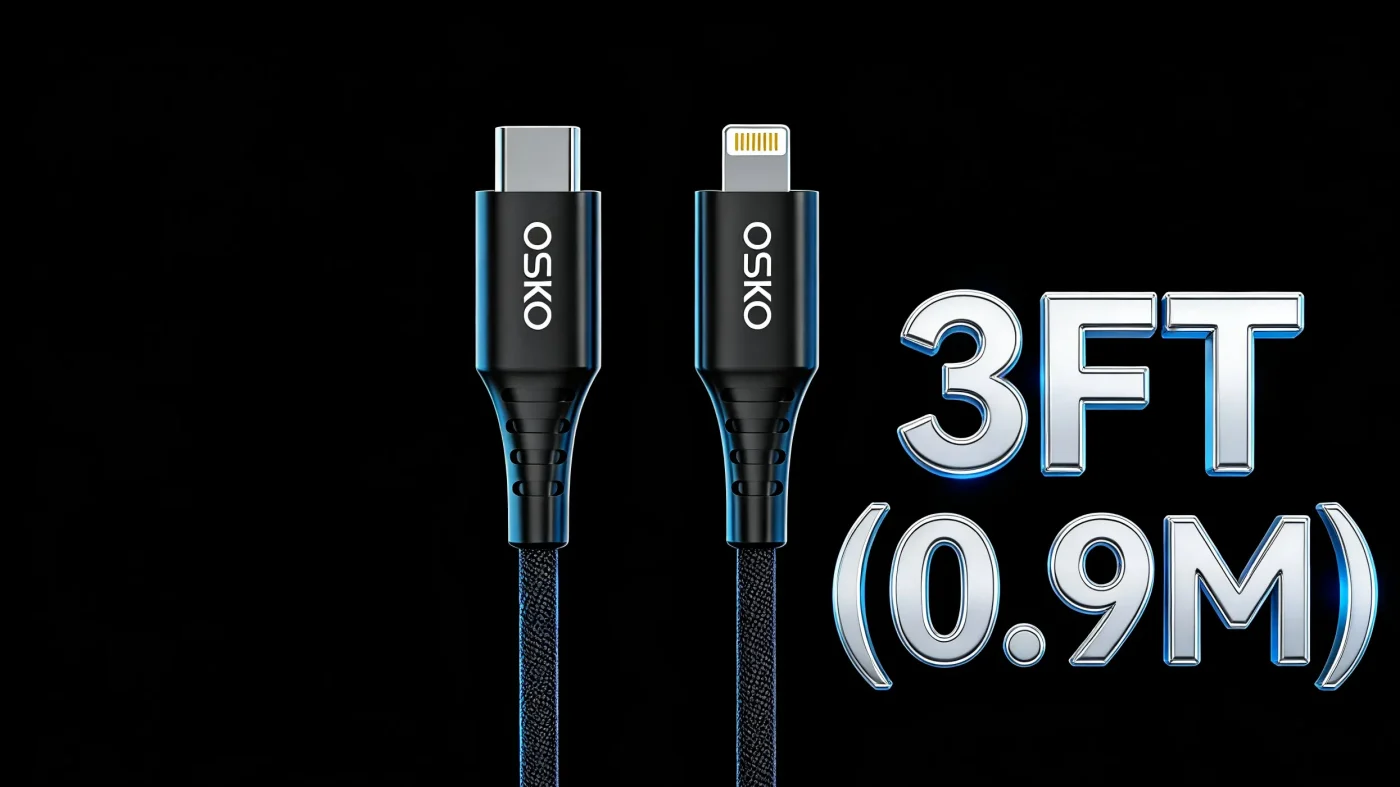
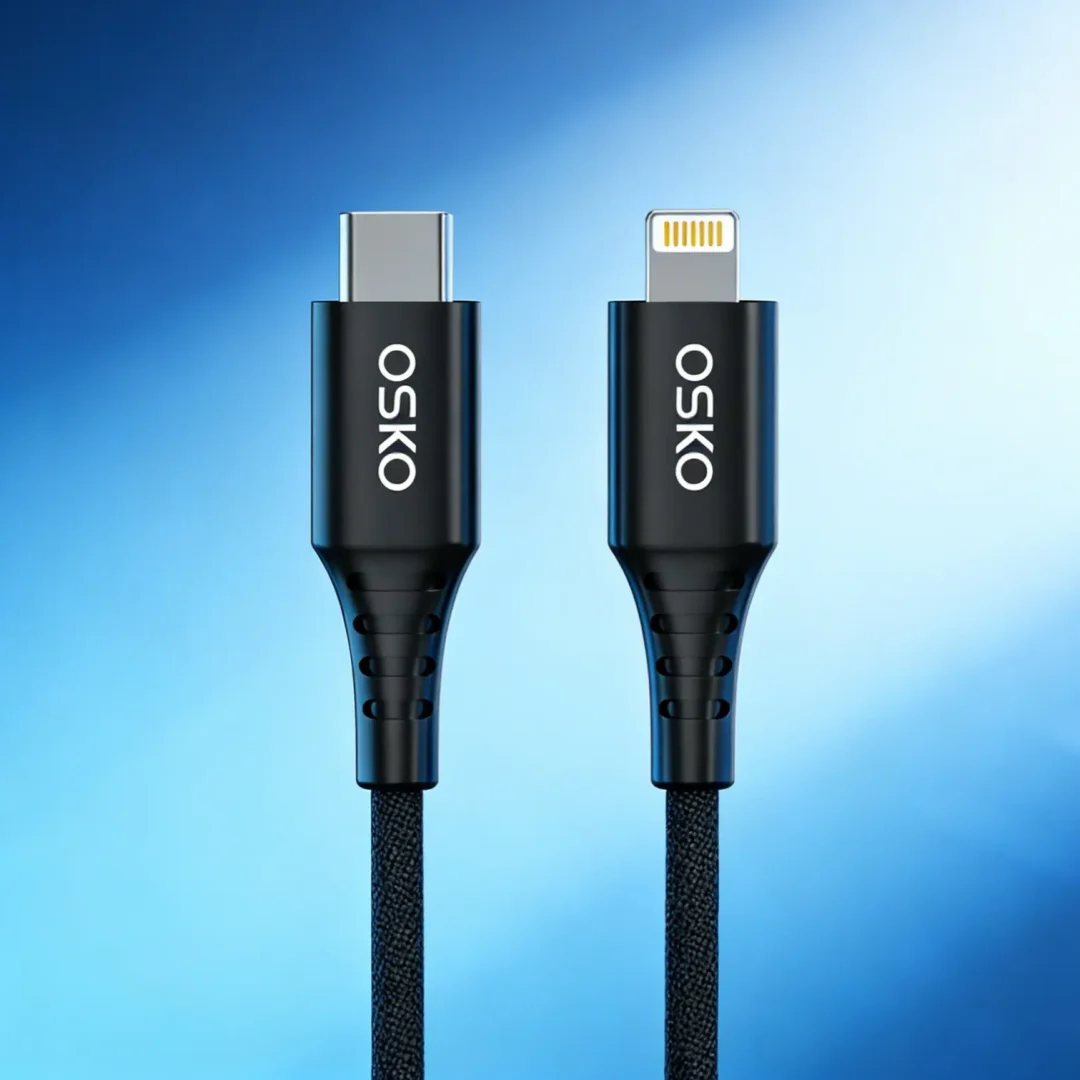
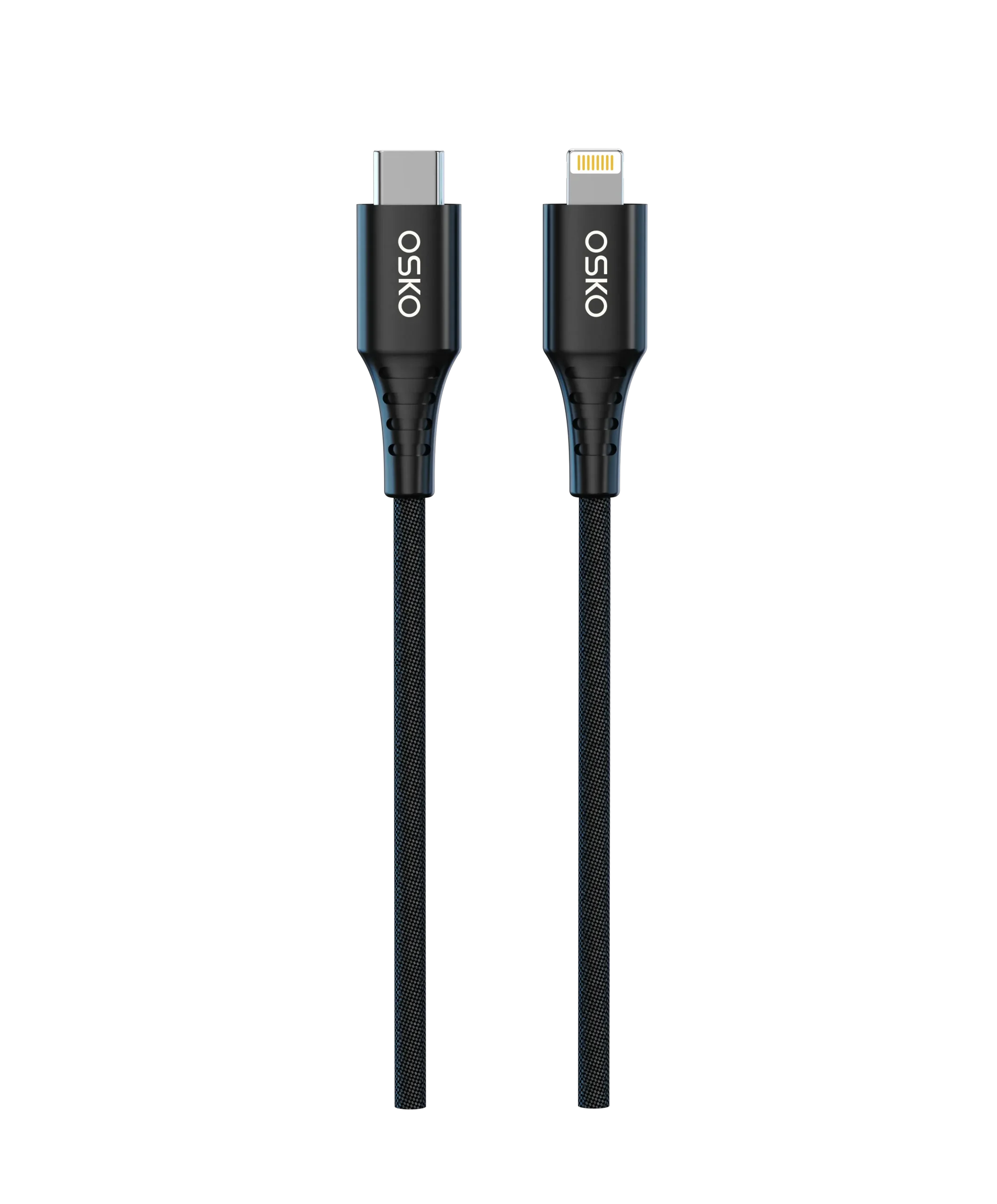
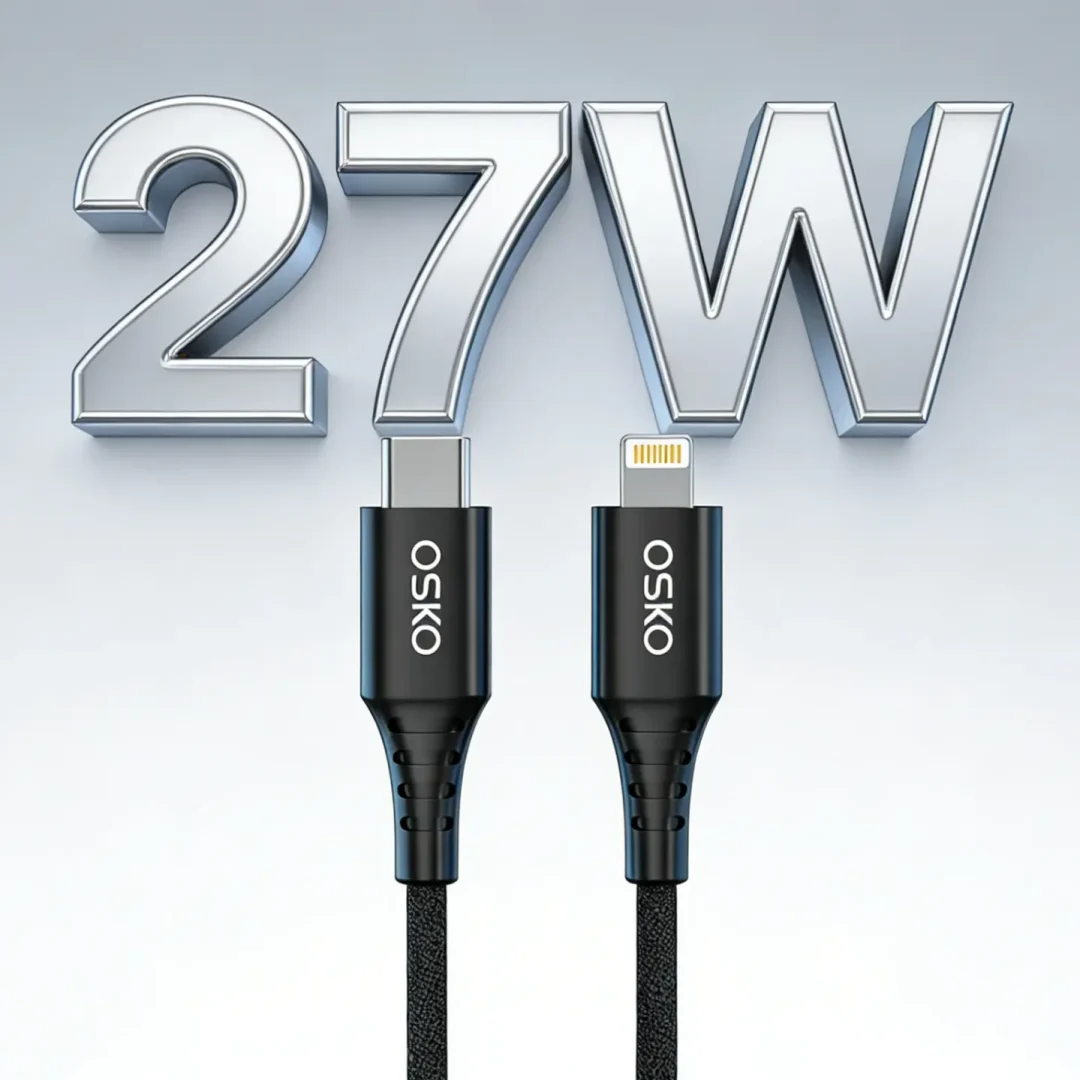
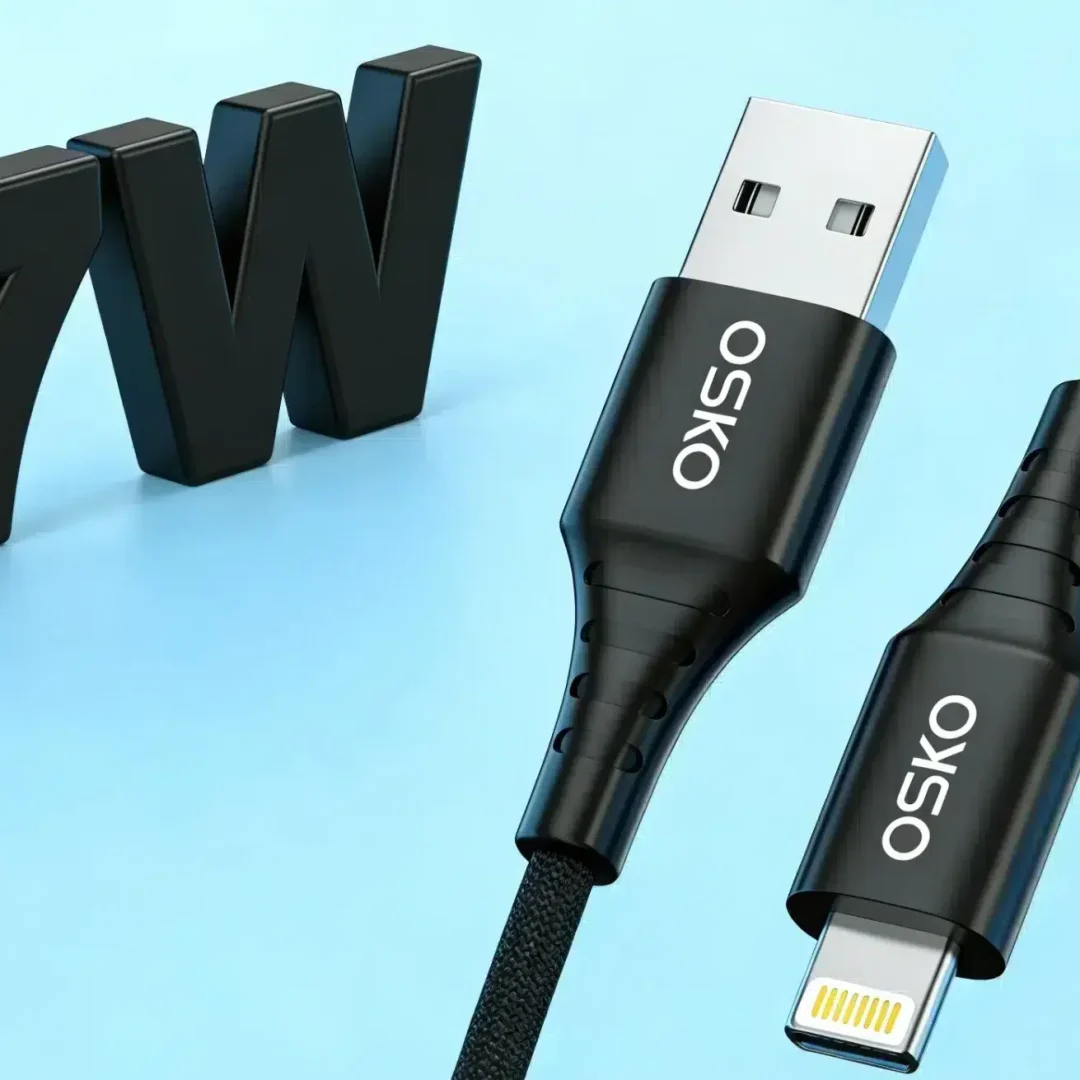
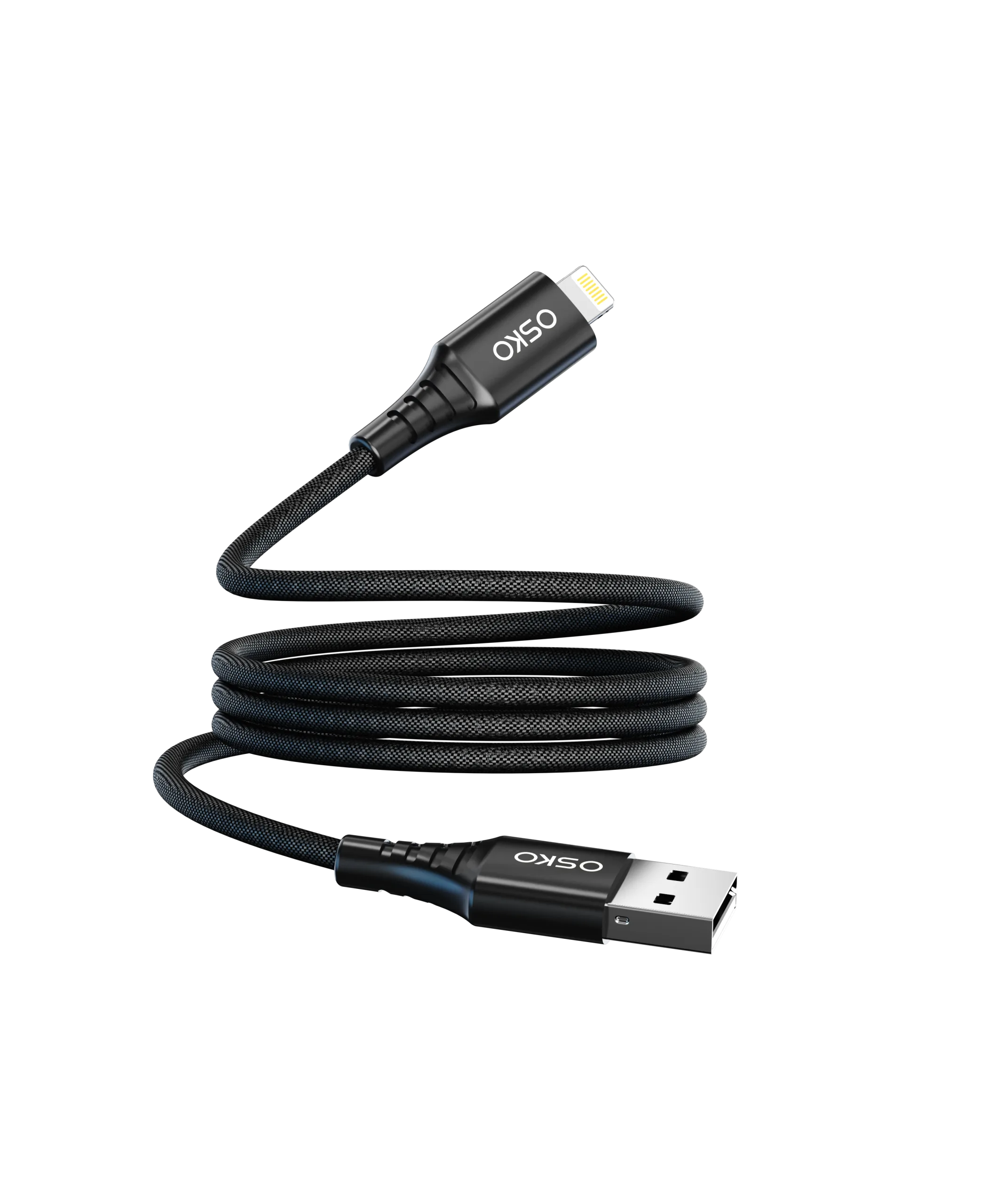
This article explains the benefits of a 27W USB-C to Lightning cable, including fast charging efficiency, MFi certification, material science, dielectric performance, OEM manufacturing standards, and real-world Apple device compatibility for global markets.