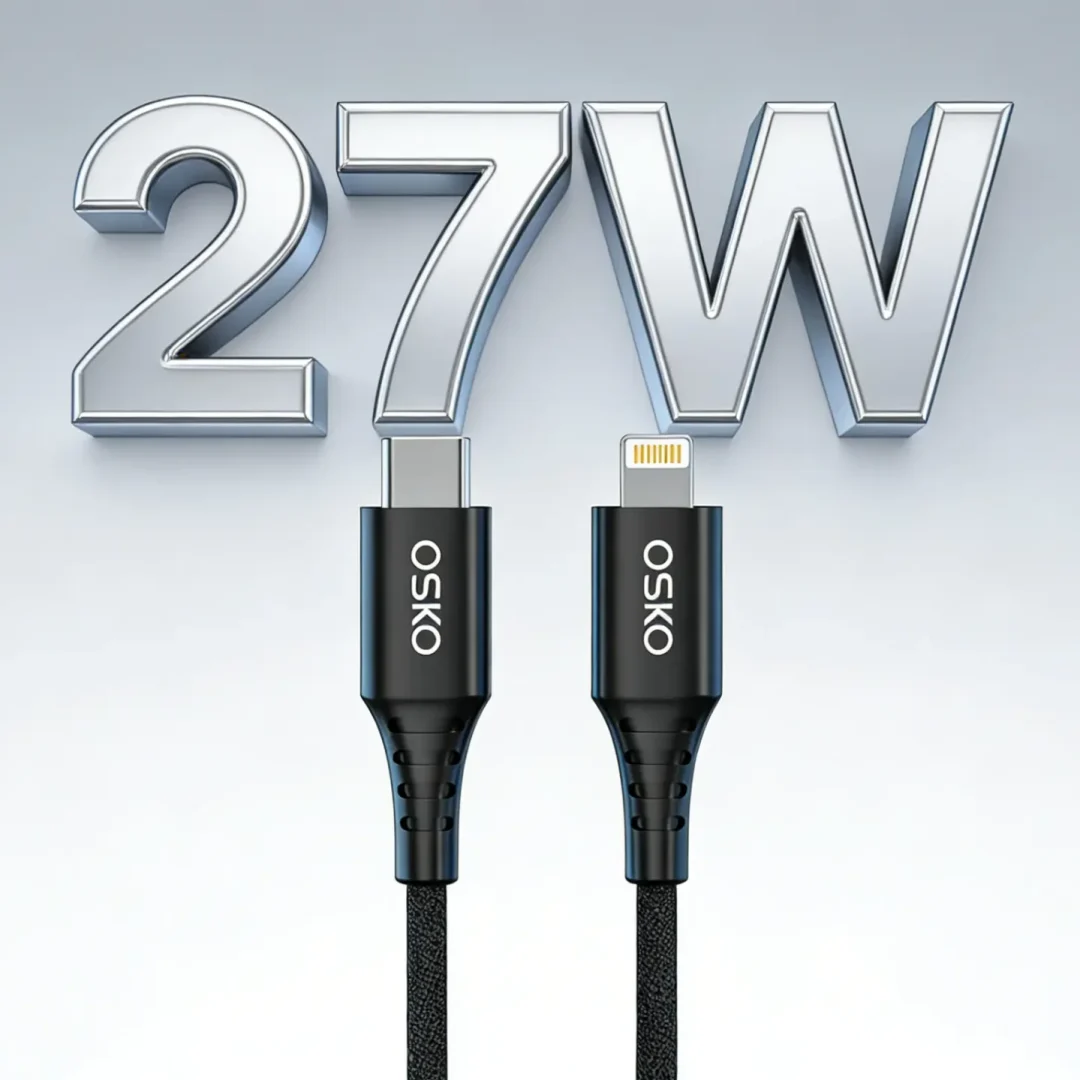
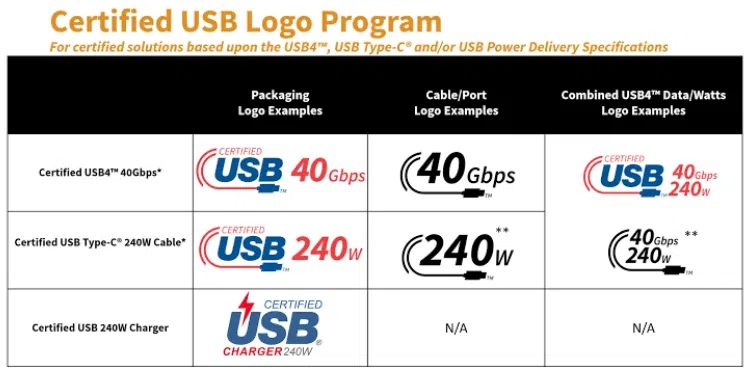
This article explains which certifications matter when purchasing USB-C cables in wholesale. It covers USB-IF, CE, FCC, RoHS, REACH, and Prop 65 compliance, plus OEM manufacturing standards, safety testing, and quality control requirements for US and European markets.
This article explains how to choose a USB-C cable for USB-C hub high speed data transfer. It covers USB 3.2/USB4 performance, signal integrity, shielding design, dielectric materials, and OEM manufacturing standards for reliable data transfer in US and European markets.
Learn how to identify whether a USB-C cable supports USB 2.0 or USB 3.0/3.1/3.2 using visual cues, connector markings, pin count, cable thickness, and certification labels. This guide helps OEM buyers, wholesale distributors, and US consumers select the right cable for charging, data transfer, and enterprise use.
USB-C is everywhere these days, charging your phone, connecting your laptop, even powering your camera. With its compact design and reversible connector, USB-C offers significant advantages over its predecessors.
Although connector pins are among the smallest components in a charging cable, they are also among the most critical
Explore how to integrate heavy duty nylon braided USB-C cables into desk and car charging systems, offering durable, PD fast charging solutions for home, office, travel, and OEM/ODM applications.
- 1
- 2