This article explains why charging cables break easily and how to prevent cable failure through better usage habits, material selection, strain relief design, and braided cable engineering. It also covers OEM durability standards for US and European markets.
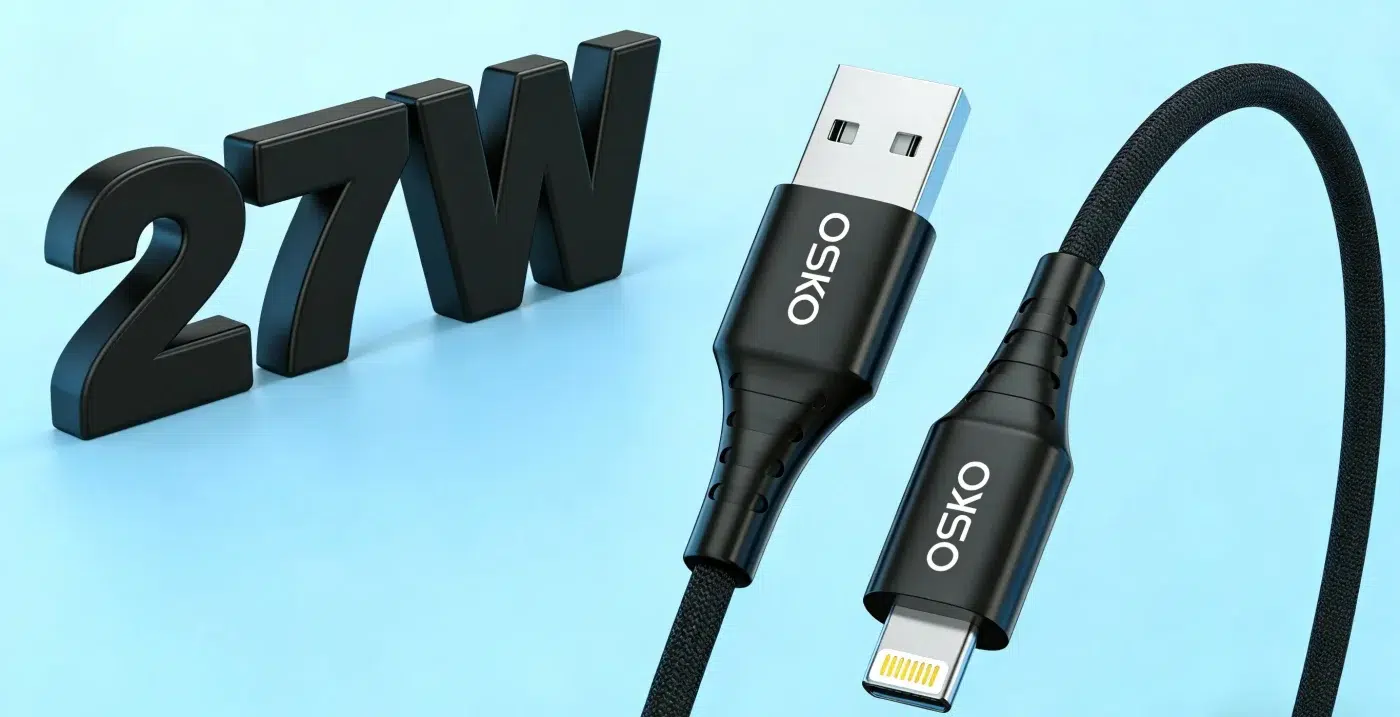
USB-C vs Lightning: What’s the difference? Learn charging speed, data performance, connector design, compatibility, and how brands choose OEM USB-C and Lightning cables.
This article explains what a USB-C cable is, including connector design, USB Power Delivery (USB-PD), data transfer standards, fast charging capability, material engineering, and OEM manufacturing considerations for US and European markets.
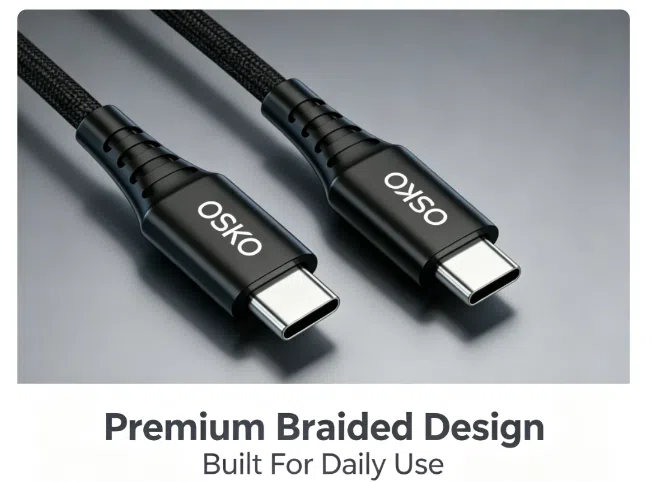
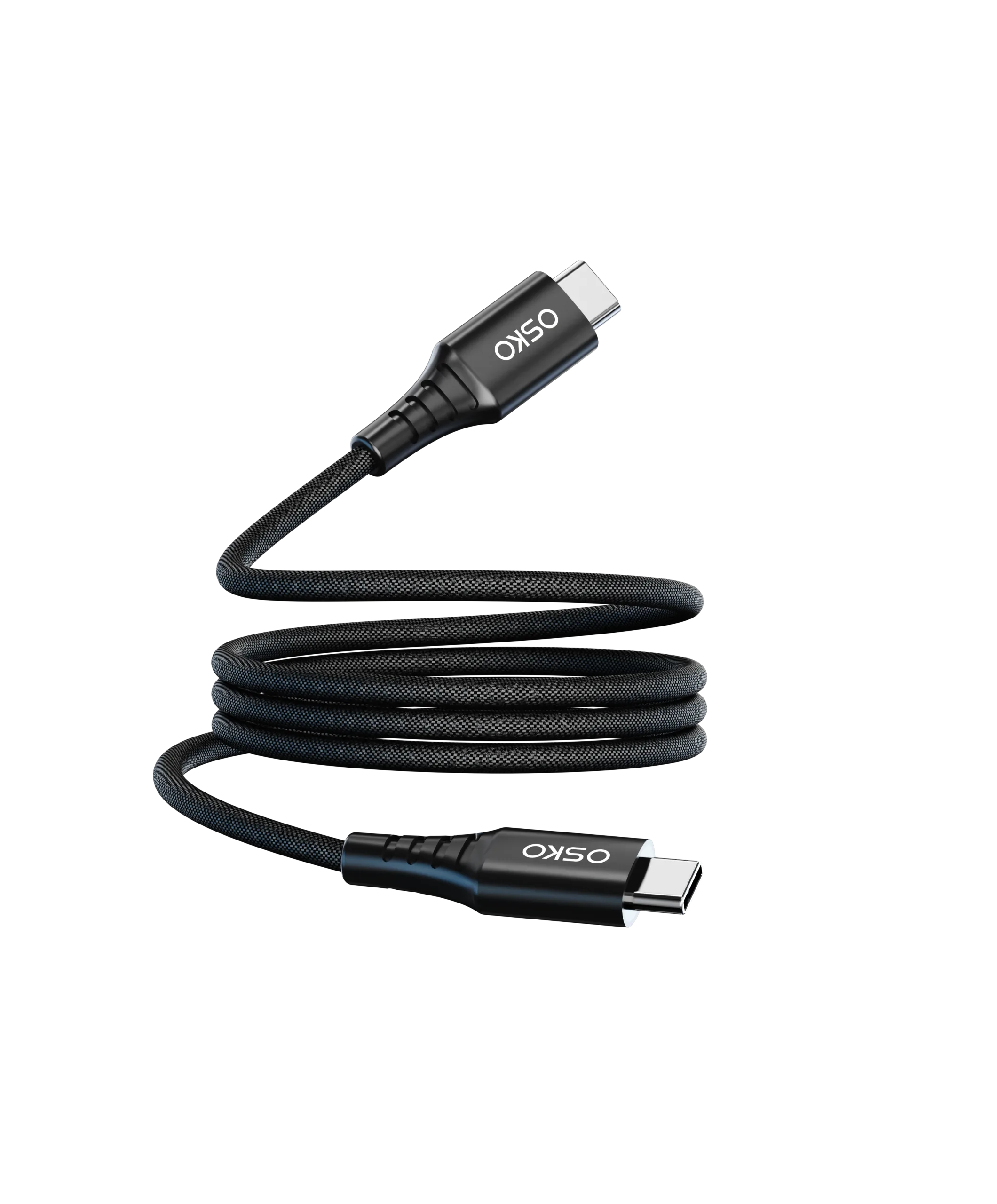
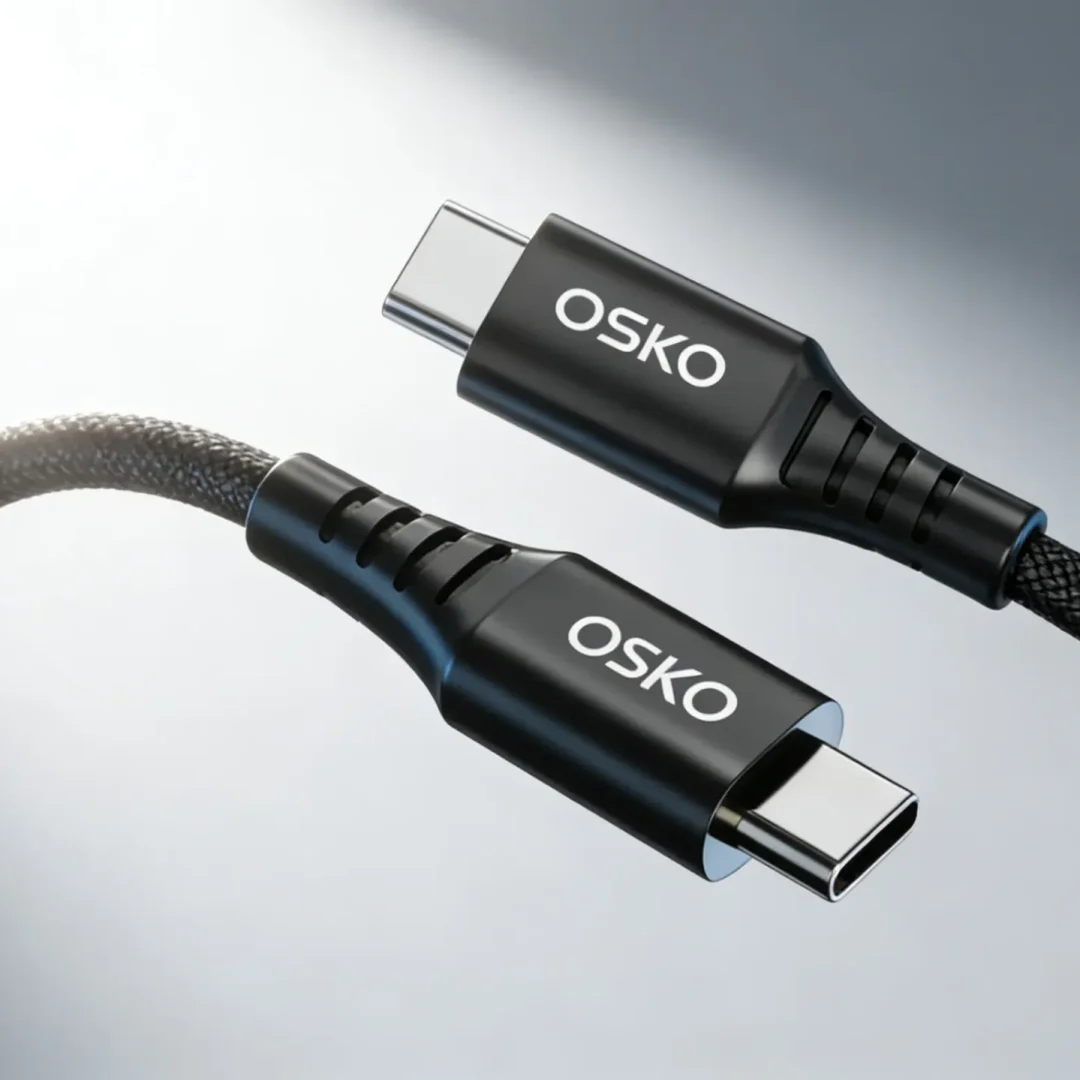
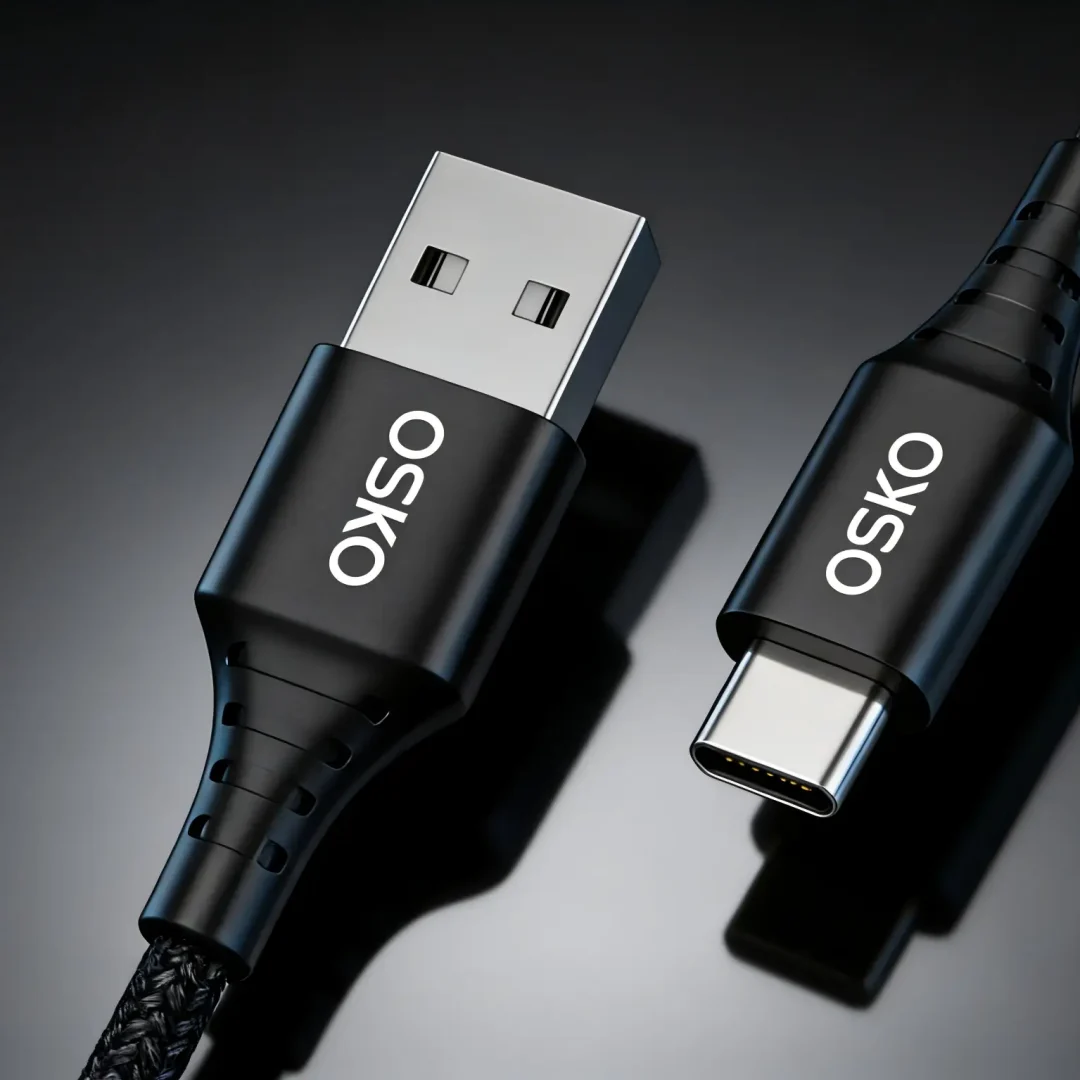
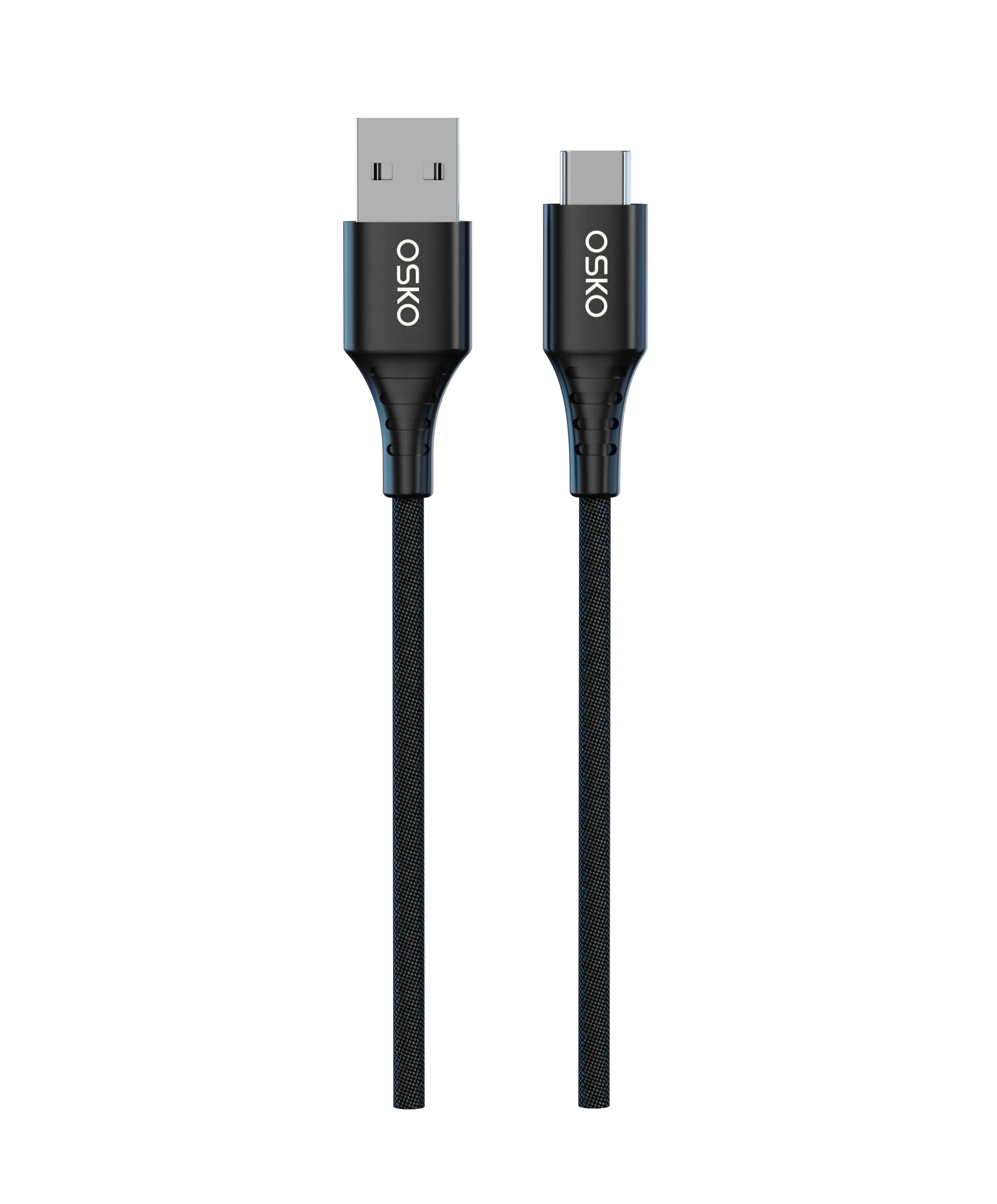
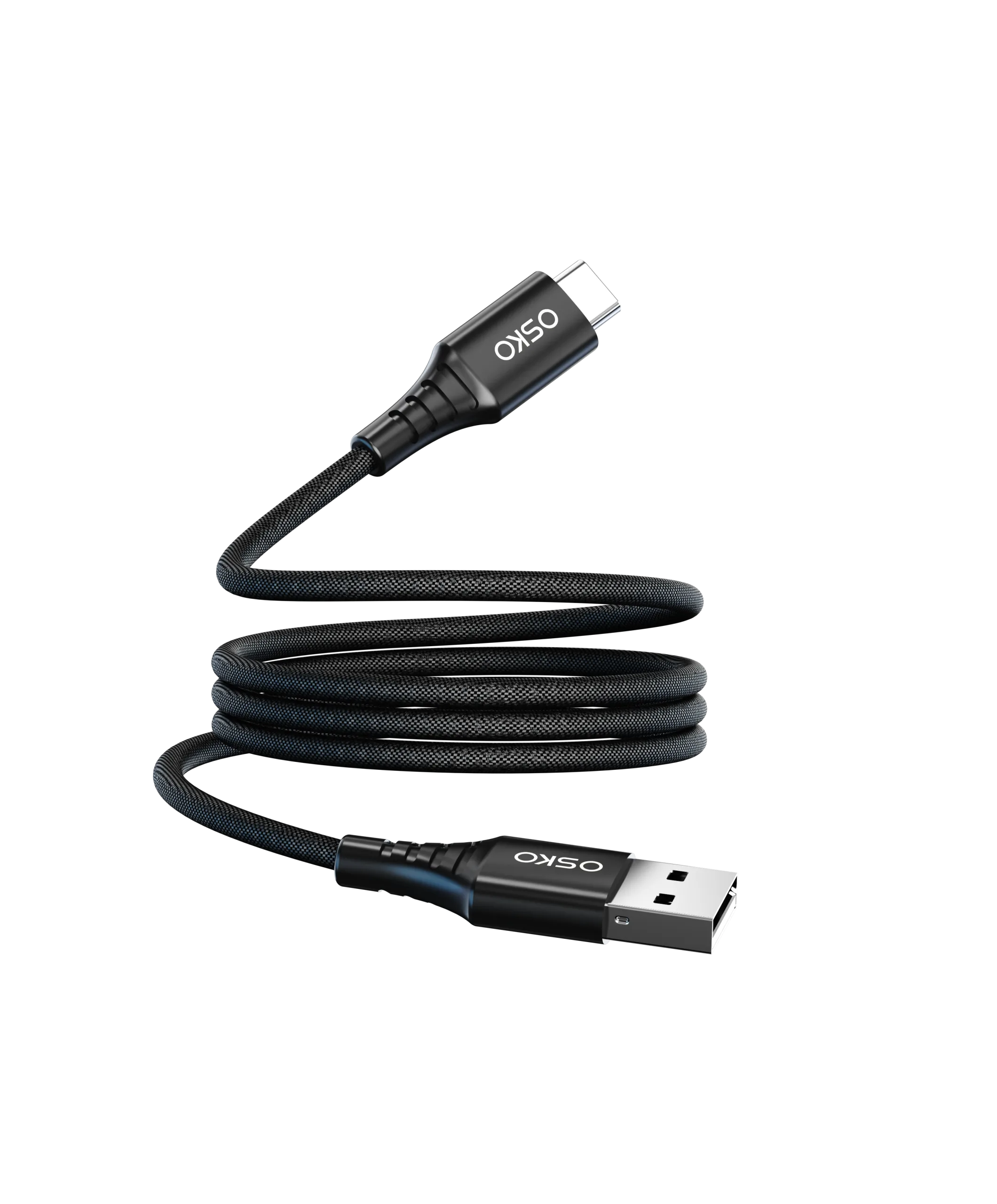
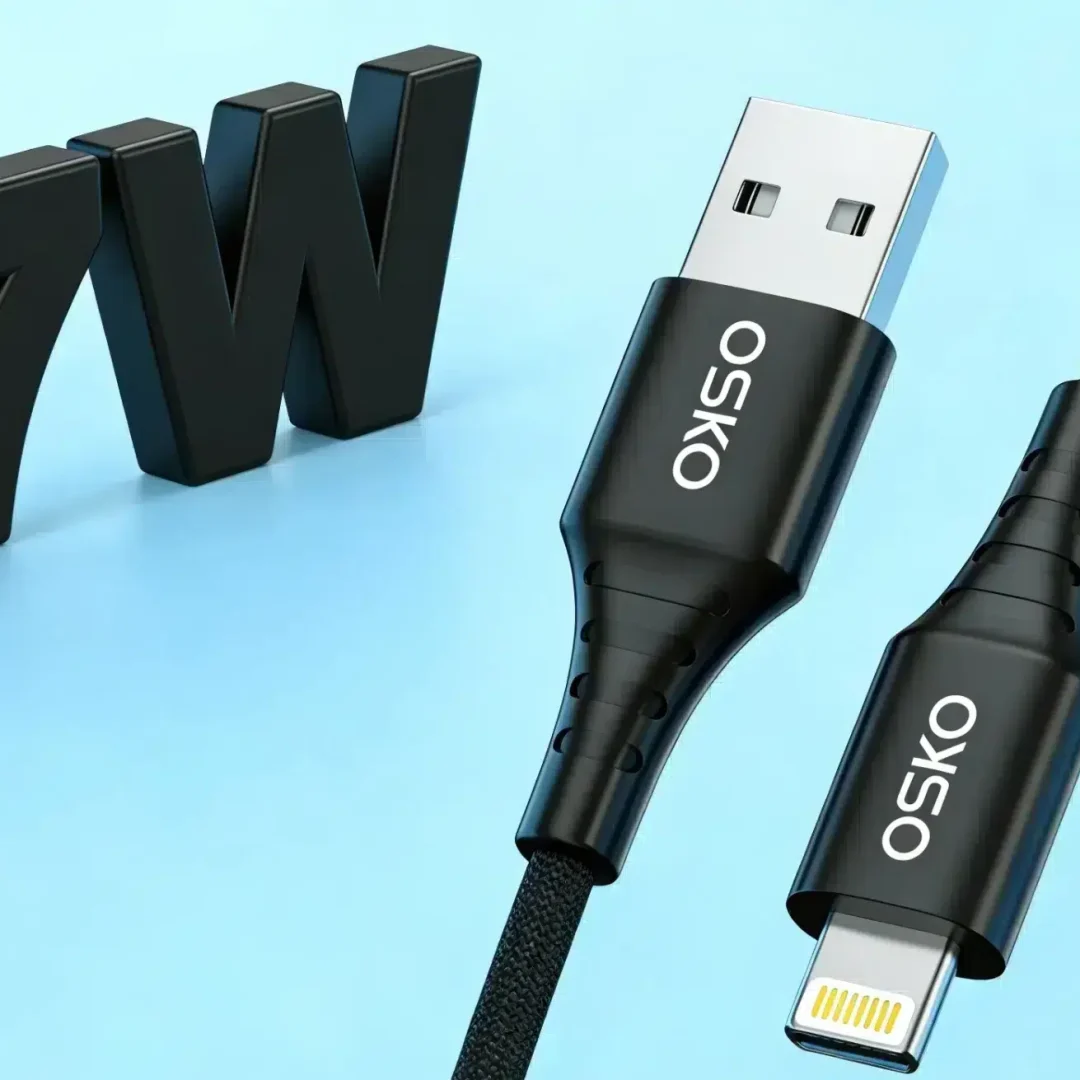
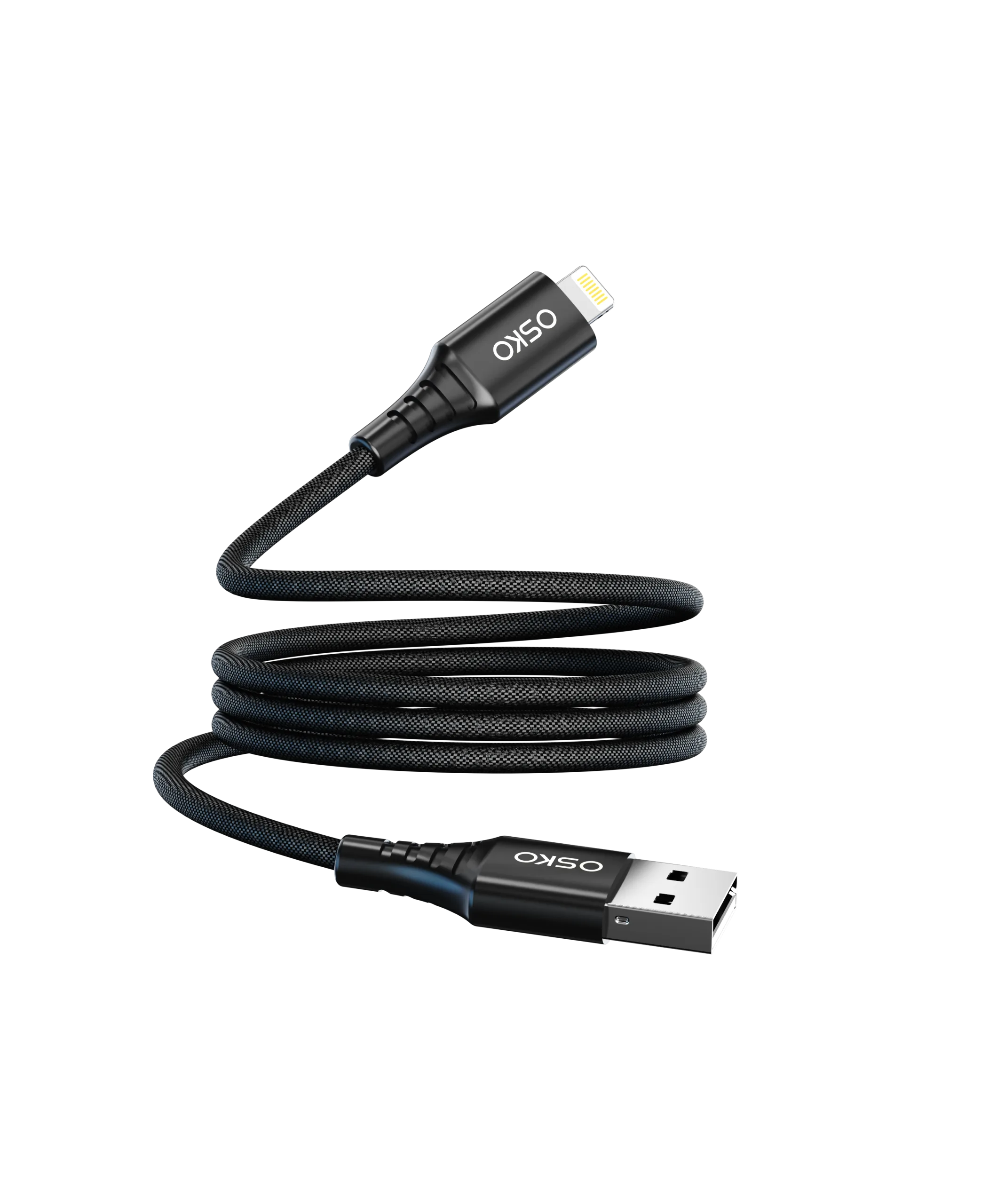
High-durability braided cable solution for USB-C, Lightning, and USB-A cables. OEM customization, reinforced build quality, fast delivery, and global supply for travel and daily use
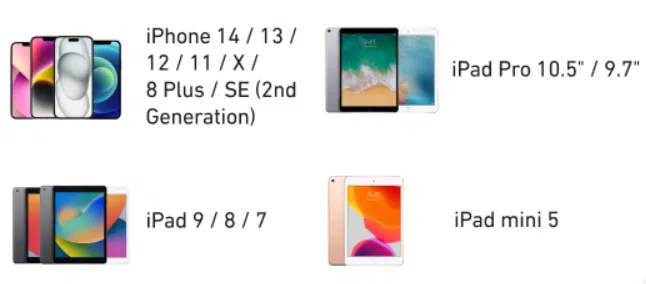
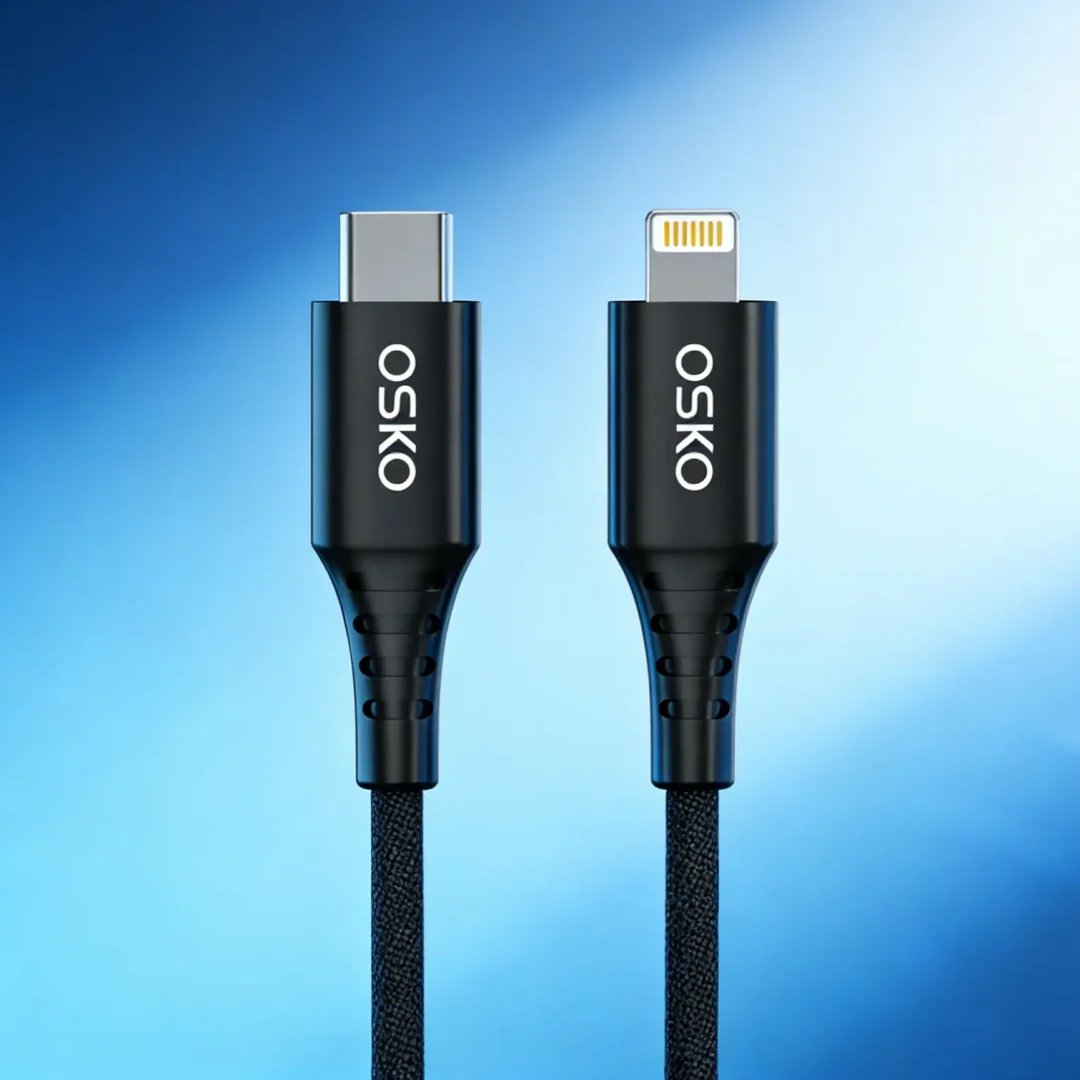
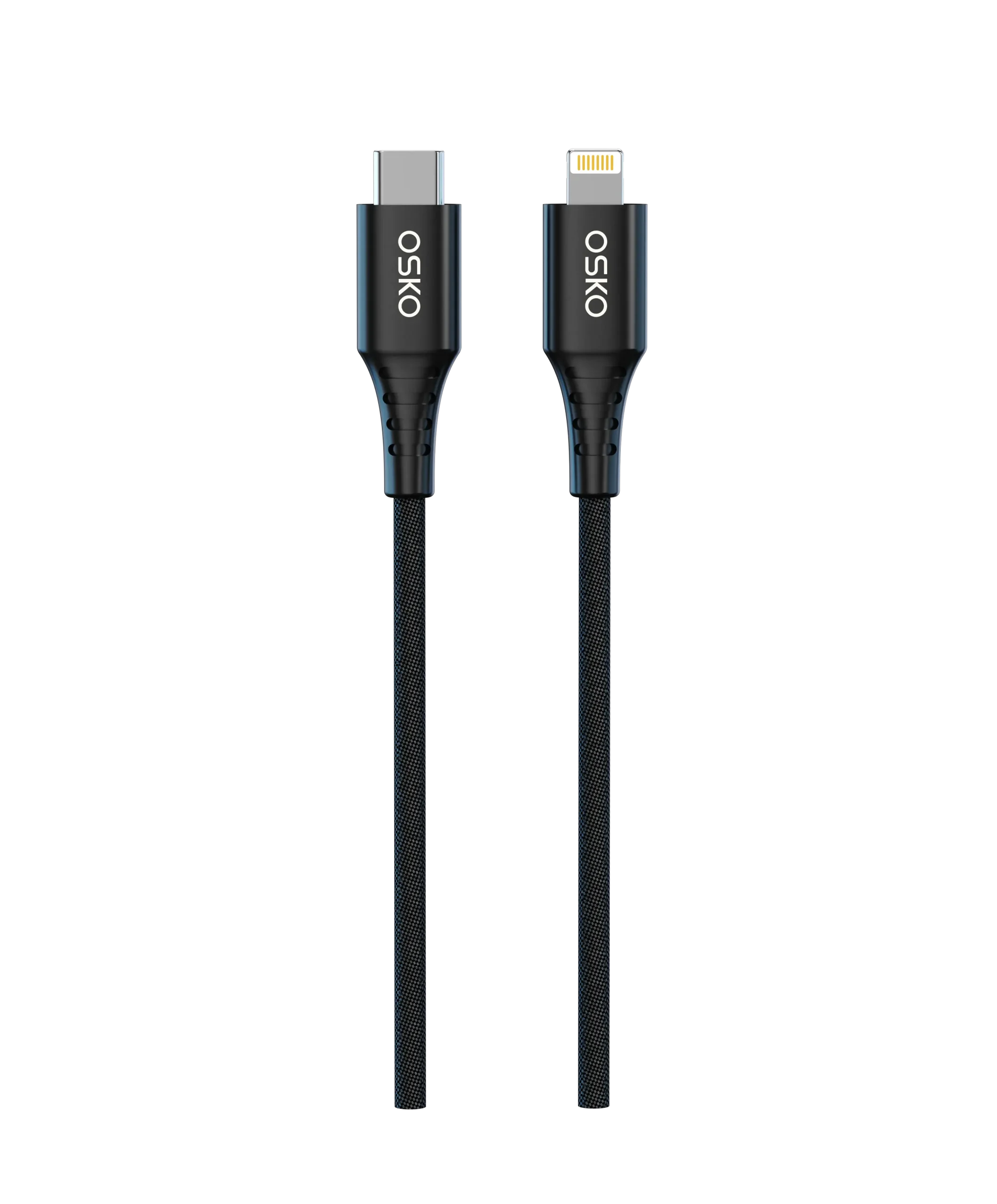
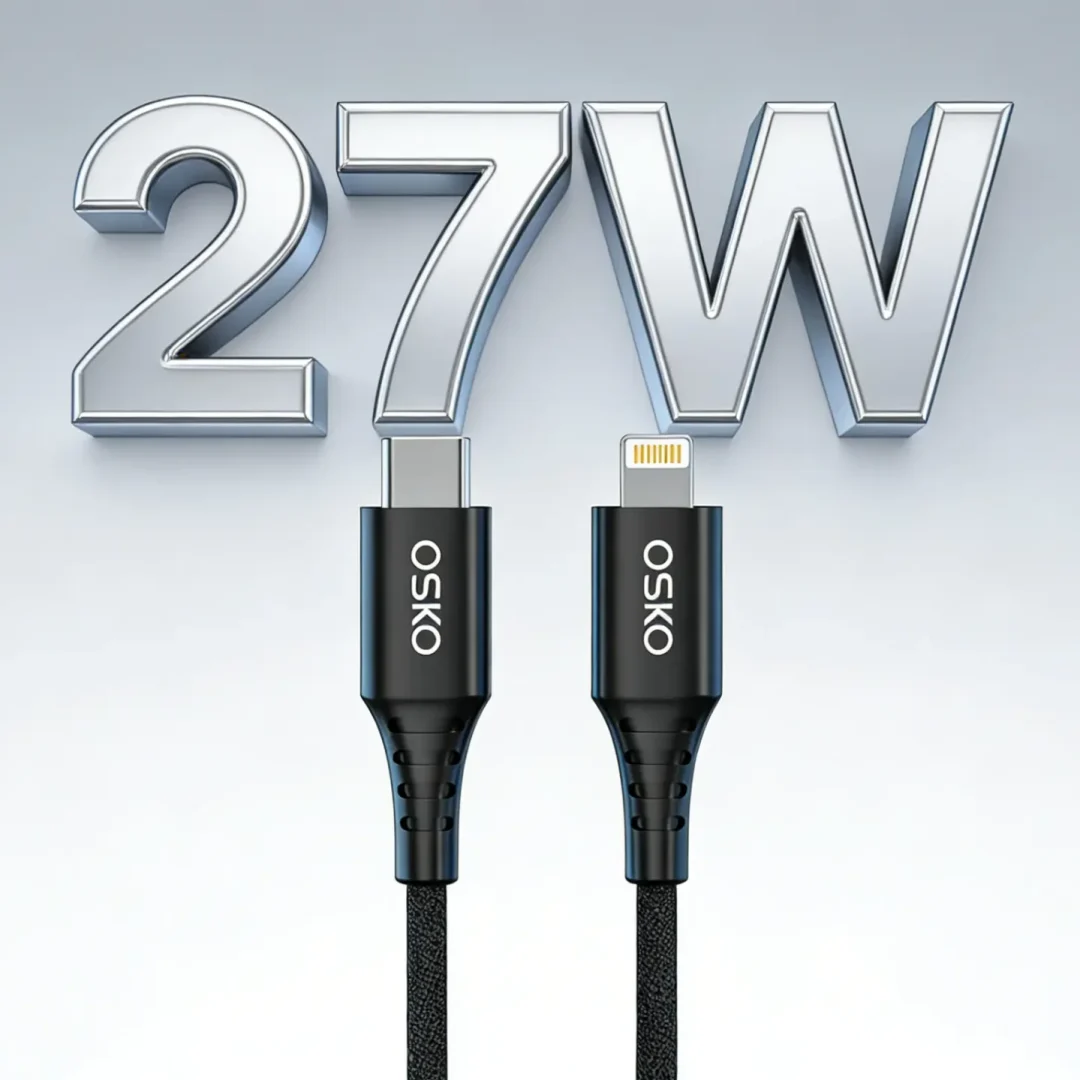
This article explains USB-C cable for iPhone use, including compatibility with USB-C to Lightning and USB-C to USB-C models, fast charging performance, PD standards, MFi certification, and OEM manufacturing requirements for US and European markets.
This article explains premium braided USB-C fast charging cables in 2026, covering materials, USB-PD compatibility, 60W–240W performance levels, durability engineering, E-Marker chips, and OEM manufacturing standards for US and European markets.
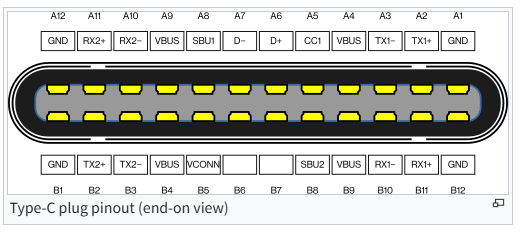
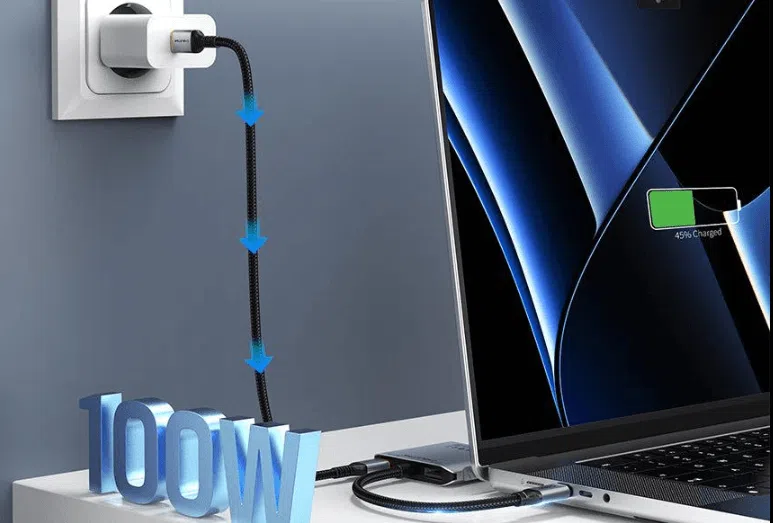
This article explains USB-C cable wattage levels including 60W, 100W, and 240W USB Power Delivery standards. It covers charging performance, wire gauge (AWG), E-Marker chips, device compatibility, and OEM manufacturing requirements for US and European markets.

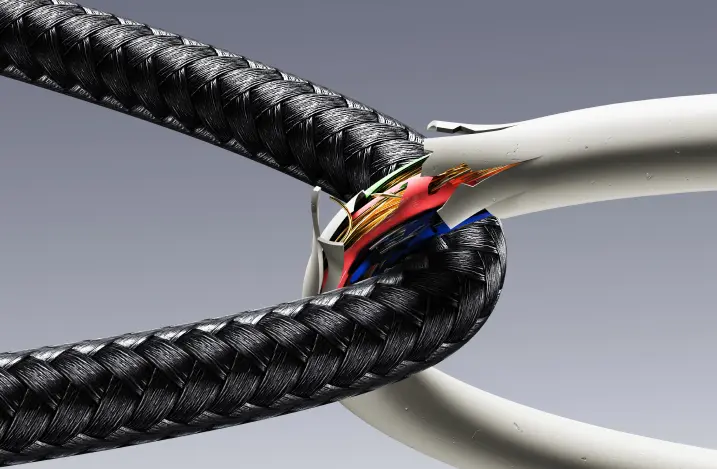
This article explains the advantages of nylon braided USB-C cables, including durability, tensile strength, heat resistance, anti-tangling design, and OEM manufacturing benefits. It also covers real-world applications in US and European markets and wholesale procurement considerations.
This article compares braided and silicone USB-C cables in terms of durability, flexibility, heat resistance, charging stability, and OEM manufacturing suitability. It explains material science differences, real-world usage performance, and selection guidance for US and European markets.
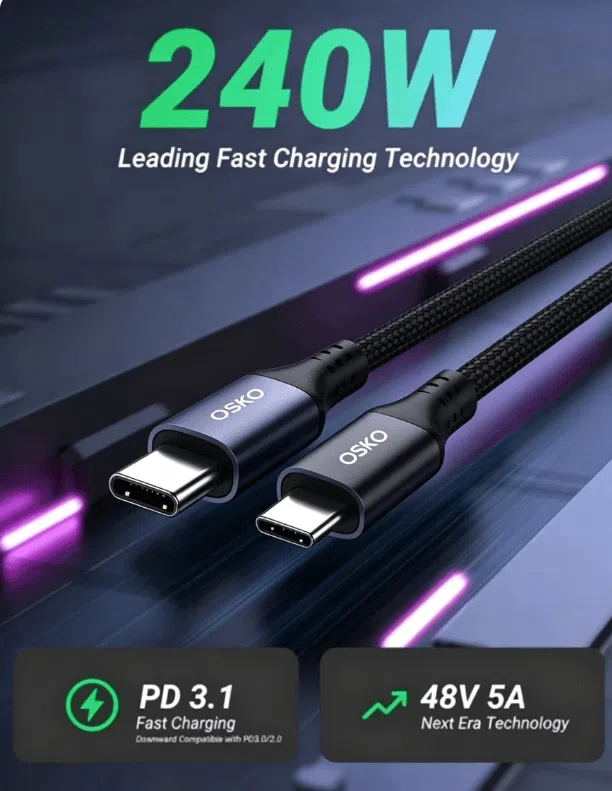
This article explains USB-C 240W PD 3.1 cables, including how USB Power Delivery 3.1 works, EPR (Extended Power Range), wire gauge requirements, E-Marker chips, thermal control, and OEM manufacturing considerations for high-power fast charging cables in US and European markets.